Tag: Islamabad

  • IHC Suspends Islamabad Local Body Election Schedule

    IHC Suspends Islamabad Local Body Election Schedule

    The Islamabad High Court (IHC) on Friday granted a stay on the holding of local-body elections in the federal capital, suspending the schedule issued by the Election Commission of Pakistan (ECP), 24NewsHD reported.

    The stay order was issued by Justice Umair Majeed Malik, according to the report. The order suspends the election schedule announced by the commission, which had fixed polling for 20 December.

    The commission had issued its order on 21 October, setting out the election programme for Islamabad’s local government polls. Under the programme, nomination papers were to be filed from 2 to 6 November, with polling on 20 December. The commission had previously assured the court that it was ready to hold the polls and that the ICT Local Government Conduct of Election Rules 2025 had been notified.

    The schedule had been challenged before the high court in a petition filed on 5 November, which questioned the legality of the constituency delimitations. The petitioner, Chaudhry Amjad Ali, had sought the annulment of the commission’s order and schedule, arguing that the polls could not be held until the legal status of the existing delimitations was settled. The petition also sought suspension of the electoral process and fresh, transparent delimitation of constituencies before the election went ahead.

    Islamabad’s local government bodies completed their term in February 2021, and local elections in the capital were last held in 2015. Under the Elections Act 2017, fresh elections are required within 120 days of the completion of a term, but the delimitation process has been repeatedly revised since then.

    The stay means the commission cannot proceed with the election programme for now. The report did not state a date for the next hearing, and it was not immediately clear when the court would take up the matter again.

    The Islamabad case comes amid a wider local-election calendar that has been moving in different directions. On 5 November, the commission halted preparations for local government elections in the remaining districts of Khyber Pakhtunkhwa after a federal order suspended Article 140A of the Constitution in the province. On the same day, it fixed 7 February 2027 for the first phase of local government elections in Punjab.

  • Dar Pushes Austerity, Cut in Avoidable Spending

    Dar Pushes Austerity, Cut in Avoidable Spending

    Deputy Prime Minister and Foreign Minister Senator Ishaq Dar on Friday called for continued efforts to reduce avoidable expenditure and improve administrative efficiency, stressing the shared responsibility of all concerned institutions in turning the government’s austerity and conservation measures into lasting savings.

    Chairing a meeting of the Committee for Monitoring and Implementation of Conservation and Additional Austerity Measures in Islamabad, he emphasised that sustained follow-through and close coordination were essential to achieving the objectives of the austerity drive.

    The committee took stock of ongoing implementation and follow-up on earlier decisions, focusing on expenditure management and conservation of resources across ministries and divisions.

    Dar said the government’s austerity measures could only deliver real savings if every institution played its part, and he urged all concerned departments to keep working together so that the drive for economy and conservation did not lose momentum.

    The meeting was attended by Minister for Information Technology and Telecommunication Shaza Fatima Khawaja, Special Assistant to the Prime Minister Tariq Bajwa, the secretaries of the cabinet, law and justice, information and broadcasting, and federal education and professional training, along with senior representatives from all provinces, Azad Jammu and Kashmir and Gilgit-Baltistan.

    Officials at the meeting reviewed how the austerity measures were being put into practice across government departments, and discussed the steps needed to keep expenditure under control while making better use of available resources.

    The committee’s work forms part of the government’s wider effort to cut unnecessary spending and improve efficiency in public administration, with the aim of converting short-term conservation measures into permanent savings for the national exchequer.

    Dar stressed that the responsibility for making the austerity drive work did not rest with any single ministry, and that lasting results would depend on every institution carrying out its part and on steady coordination between the federal government, the provinces, Azad Jammu and Kashmir and Gilgit-Baltistan.

    The meeting also underlined the need for ministries and divisions to keep a close watch on their own expenditure and to use resources carefully, so that the savings achieved through conservation measures are protected and built upon in the months ahead.

  • FIA Arrests Another Suspect in Illegal Kidney Transplant Network

    FIA Arrests Another Suspect in Illegal Kidney Transplant Network

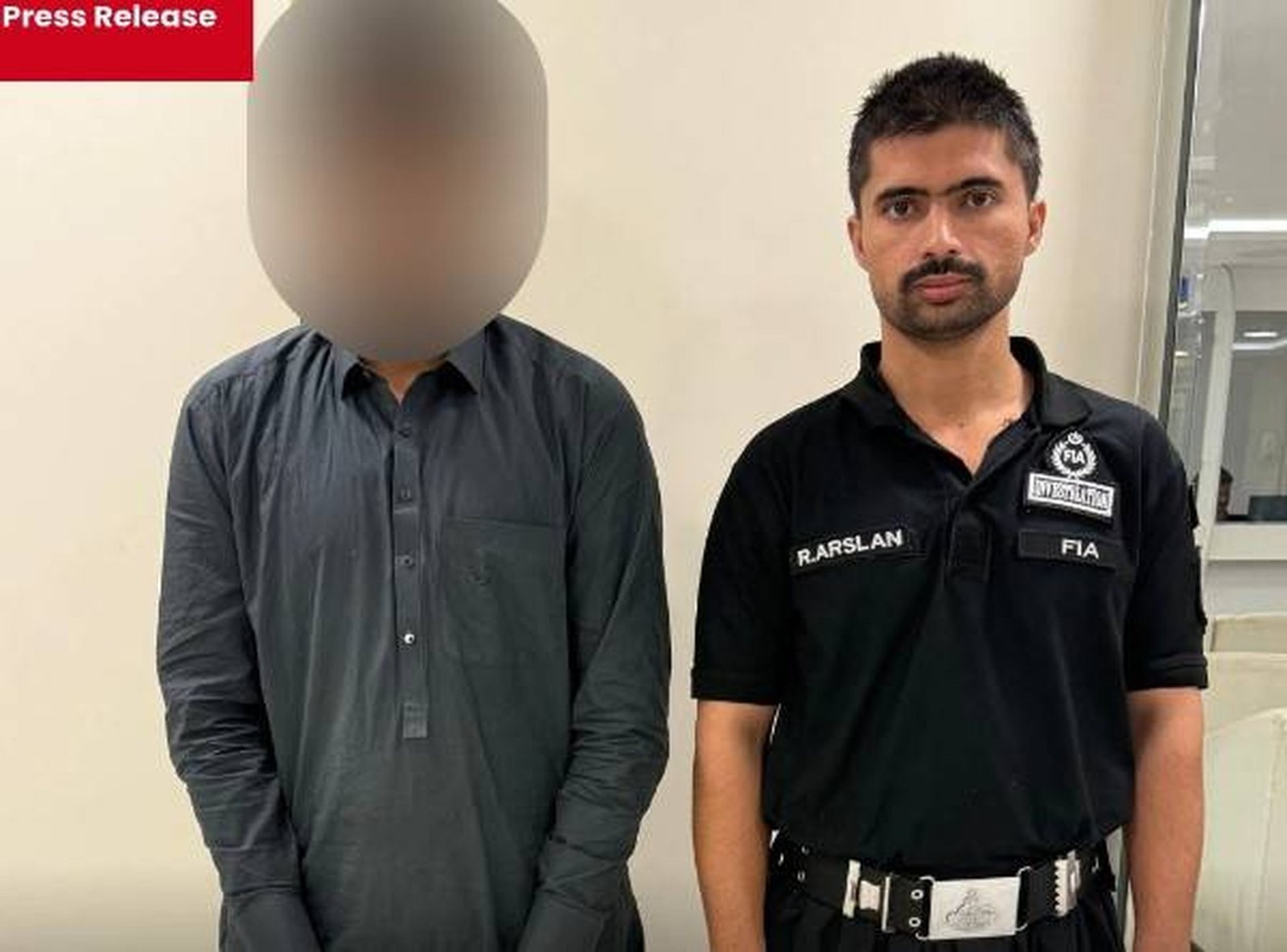
    The Federal Investigation Agency (FIA) has arrested another suspect allegedly involved in an illegal kidney transplantation network in Islamabad, expanding its investigation into the unlawful trade and transplantation of human organs.

    According to the FIA, its Anti-Corruption Circle in Islamabad arrested Usman Ali, also known as Asad Khan, in connection with case number 60 of 2026.

    Initial investigations indicate that the arrested suspect had assisted in illegal kidney transplantation operations, the agency said. Further investigations are underway to establish his alleged role and identify other possible facilitators involved in the illegal organ trade and transplantation operations.

    The FIA said several other suspects had already been arrested in the same case as part of its ongoing crackdown against the network, and the scope of the investigation had been expanded to pursue individuals and networks involved in the unlawful buying and selling of human organs and illegal transplant procedures.

    Sub-Inspector Tabish Javed is conducting the investigation into the case, according to the FIA.

    Illegal organ transplantation remains a serious concern in Pakistan, where criminal networks exploit vulnerable donors and patients in need of transplants. Pakistani law prohibits the commercial trade in human organs, and the FIA has stepped up action against gangs involved in the practice in recent months, carrying out arrests in several cities.

    Officials say the networks typically target poor and vulnerable people, persuading them to sell a kidney for a small sum, while charging patients far more for the transplant procedure. The operations are often carried out in unregistered facilities without proper medical safeguards, putting both donors and recipients at grave risk.

    Under Pakistani law, the buying and selling of human organs is prohibited, and those involved in the illegal trade face prosecution. The FIA’s Anti-Corruption Circle, which is leading the investigation, has been tasked with tracing the full extent of the network, including anyone who arranged donors, provided premises or carried out the procedures.

    The agency said it would continue its crackdown until the network behind the illegal transplants is fully dismantled, and urged the public to report any information about such activities to the authorities.

  • Pakistan Minerals Forum Opens: $8 Trillion Treasure Hunt

    Pakistan Minerals Forum Opens: $8 Trillion Treasure Hunt

    Islamabad is hosting some of the biggest names in global mining this week as the two-day Pakistan Minerals Investment Forum 2026 opened at the Jinnah Convention Centre on Thursday, putting the country’s vast underground wealth firmly in the international spotlight.

    The forum, which runs on 12 and 13 November, has drawn more than 5,000 delegates from over 50 countries, according to the organisers, including mining executives, financiers, engineers and government officials. It is organised by the Government of Pakistan with the support of the Special Investment Facilitation Council, with the Oil and Gas Development Company as its founding partner.

    Deputy Prime Minister Ishaq Dar inaugurated the event, while Prime Minister Shehbaz Sharif is scheduled to chair the concluding session on Friday. The gathering is the third edition of the forum, following earlier events in 2023 and 2025, but this year’s edition is being pitched as a shift from talk to execution, with a sharper focus on project financing, production timelines and getting Pakistani minerals into global supply chains.

    What is on the table

    At the heart of the discussions is a striking claim from the forum’s background material: Pakistan’s mineral resources carry an estimated potential value of between $6 trillion and $8 trillion. The showcase project held up as the model is the Reko Diq copper and gold mine in Balochistan, led by Barrick Gold, which organisers present as proof that large-scale mining can work in Pakistan.

    Sessions over the two days cover exploration and new mining projects, early-stage financing, and the technology needed to process minerals at home rather than exporting raw ore. An international exhibition of mining technology and ventures is running alongside the conference, and senior figures from global mining houses, including Barrick chairman John L. Thornton and Ivanhoe Mines founder Robert Friedland, are among the headline speakers.

    Forum president Ahmed Hayat Lak, who is also the managing director and chief executive of OGDCL, is leading the event, with energy consultancy Wood Mackenzie acting as the lead conference producer. Chief ministers from the provinces are also taking part in a session on turning provincial mineral potential into prosperity, a recognition that much of the country’s mineral wealth sits in Balochistan, Khyber Pakhtunkhwa and Gilgit-Baltistan.

    High hopes, and a note of caution

    For the government, the forum is a chance to present Pakistan as the next destination for critical minerals, at a time when the world is scrambling for copper, lithium and rare earths to power electric vehicles and clean energy. Copper, lithium, rare earths, industrial minerals and gemstones are all on the agenda, and officials hope the event will convert interest into signed deals and investment commitments.

    Not everyone is cheering. The Baloch National Movement, a Baloch rights group, has raised concerns about the forum, arguing that the mineral wealth of Balochistan should first benefit the people of the province. The group described the event as an attempt to turn local resources into an international business without addressing local deprivation, a reminder that the politics of who owns and benefits from the minerals will run alongside the investment pitches.

    Investors, for their part, will be watching for more than warm words. As analysts note, forums can open doors, but long-term stability, clear rules and reliable infrastructure decide whether money actually flows. Whether this week’s gathering produces concrete agreements or simply another round of promises will become clear when the concluding session wraps up on Friday.

  • Dar to Open Margalla Dialogue Today as PM Flies to COP31 in Turkiye

    Dar to Open Margalla Dialogue Today as PM Flies to COP31 in Turkiye

    Deputy Prime Minister and Foreign Minister Senator Ishaq Dar will inaugurate the two-day Margalla Dialogue 2026 in Islamabad today, staying back in the federal capital while Prime Minister Shehbaz Sharif departs for Turkiye to attend the COP31 climate conference.

    The prime minister is travelling to Turkiye on Tuesday to attend the 31st United Nations Climate Change Conference in the historic city of Antalya, which begins on Wednesday and will be inaugurated by Turkish President Recep Tayyip Erdogan. Foreign Secretary Asim Iftikhar Ahmad is likely to accompany the prime minister.

    According to highly placed diplomatic sources, Dar had to stay back to inaugurate the Margalla Dialogue and the Pakistan Minerals Investment Forum in Islamabad, and no other conclusion should be drawn from the development. It would be difficult to postpone either event, the sources said.

    The Margalla Dialogue 2026, organised annually by the Islamabad Policy Research Institute, is a premier forum on foreign policy and security. This year’s theme is “Global Order in Transition — Navigating Strategic Uncertainty”, covering shifting global power dynamics, evolving alliances and major power competition.

    The dialogue will also cover regional geopolitics, national resilience, international law and economic security, including trade and tariff wars. One forum will discuss the changing dynamics of global power and their implications for international peace and security, while another will examine global security, algorithmic warfare and artificial intelligence — including sovereign AI, data regulations and technology risks.

    Another major gathering, the Pakistan Minerals Investment Forum, begins in Islamabad on Thursday, November 12, at the Jinnah Convention Centre. Dar will inaugurate it, while the prime minister will chair the concluding session on Friday, November 13.

    The minerals forum is viewed as a strategic conference on policy and governance, covering exploration and projects such as Reko Diq, alongside an international exhibition for mining technology and ventures. Energy Minister Ali Pervaiz Malik, Finance Minister Senator Muhammad Aurangzeb, Robert Friedland of Ivanhoe Mines, John L. Thornton of Barrick Mining and Isabel Chatterton of the Asian Development Bank are among the key speakers.

    The forum is being produced by Wood Mackenzie as lead conference producer, with the forum’s president and Oil and Gas Development Company managing director Ahmed Hayat Lak leading the organisation.

  • Islamabad LG Elections: 3,505 File Papers for 1,125 Seats

    Islamabad LG Elections: 3,505 File Papers for 1,125 Seats

    Islamabad’s long-delayed local government elections took a decisive step forward on Monday, as 3,505 nomination papers were filed for seats across the federal capital’s 125 union councils. The Election Commission of Pakistan (ECP) announced the election programme on November 7, and the deadline for filing papers expired at midnight on Monday, closing the first formal stage of a contest that will choose local representatives for a city that has gone years without elected local government.

    The contest covers 1,125 seats in all. Of these, 750 are general seats, 250 are reserved for women and 125 are reserved for minority communities, giving candidates from every section of the capital a place in the race. The scale of the response, with more than three thousand papers filed for just over a thousand seats, points to a crowded field when voters go to the polls.

    Under the programme announced by the commission, the next steps follow in quick succession. Appeals against the acceptance or rejection of nomination papers must be filed by November 14. Candidates will then have until November 21 to withdraw their papers, and the final list of candidates will be displayed on November 22. Election symbols will be allotted on November 24, and polling is scheduled for December 27, 2026.

    Islamabad will be the first city in Pakistan to elect its local government system under the new law, a distinction the commission has highlighted as the process moves ahead. The previous local bodies in the capital completed their term in February 2021, leaving a gap of around five and a half years in which the city has had no elected local representatives.

    The schedule has also drawn a legal challenge. A petition filed in the Islamabad High Court has questioned the election programme and the delimitation of constituencies, asking the court to order fresh delimitation before polling. No ruling on the petition has been reported so far, and the commission’s programme remains in force.

    With nominations now closed, attention turns to scrutiny of the papers and the publication of the final candidate lists. For voters in the capital, the December poll will be the first chance in more than five years to choose the councillors who handle neighbourhood-level decisions, from street-level services to community development, in their own union councils.

  • Pakistan to Host ECO Ministers in Islamabad on Nov 15-16

    Pakistan to Host ECO Ministers in Islamabad on Nov 15-16

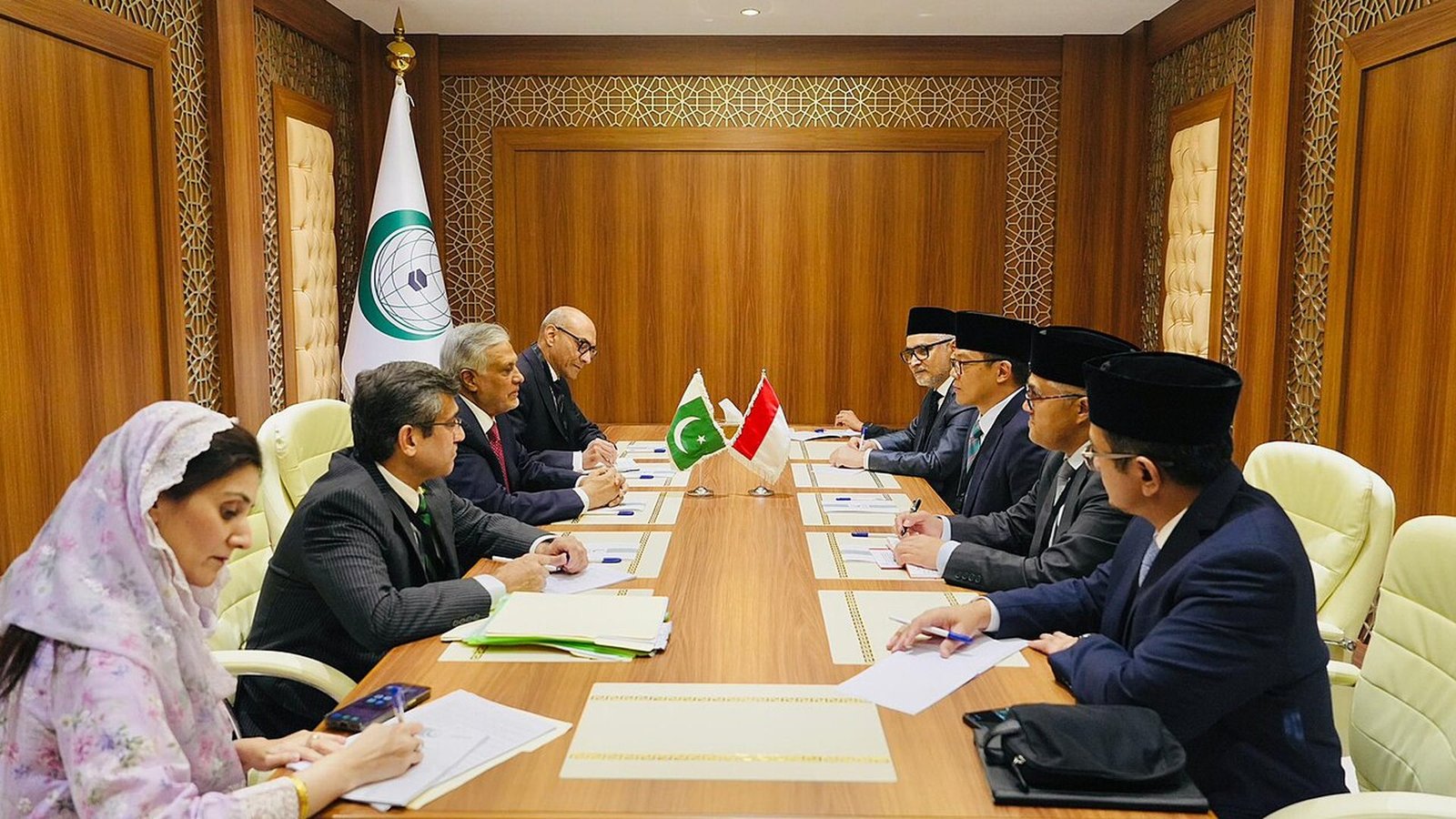
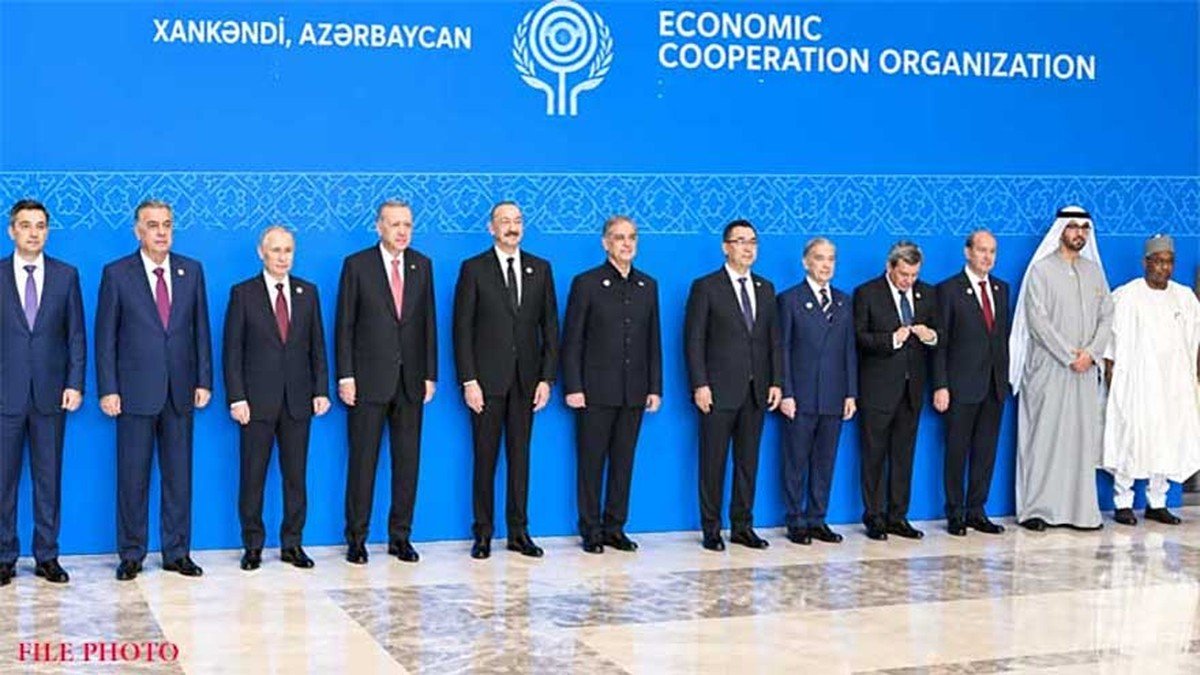
    Foreign ministers from across the region will gather in Islamabad next week as Pakistan hosts the 30th meeting of the Council of Ministers of the Economic Cooperation Organization (ECO) on November 15 and 16.

    Diplomatic sources said the meeting will bring together foreign ministers from the ten-member bloc to discuss regional trade, economic cooperation and ways to strengthen contacts between member states. Pakistan is chairing the ECO for 2026-27, and officials say the gathering will also look at new possibilities for joint cooperation and stronger economic ties across the region.

    Iran’s Foreign Minister Abbas Araghchi is expected to attend, according to reports, and is also expected to hold bilateral meetings with Prime Minister Shehbaz Sharif and Deputy Prime Minister and Foreign Minister Ishaq Dar during his visit. The meeting comes as regional security challenges and geopolitical tensions weigh on the bloc, though economic cooperation, trade and connectivity are expected to remain the central focus.

    Preparations for the meeting have been under way for days. Ishaq Dar chaired a meeting on Friday to finalise arrangements for the two-day gathering, which follows the postponement of an ECO interior ministers’ meeting that had been scheduled in Islamabad in late October.

    The ECO was founded in 1985 by Pakistan, Iran and Turkiye to promote cooperation in trade, transport, energy and investment. Its ten members also include Azerbaijan and five Central Asian republics. Pakistan invited member states to attend the 30th meeting when it took part in the previous session, held virtually in November last year, at which Lahore was designated the ECO Tourism Capital for 2027.

    It has not yet been confirmed which heads of delegation will attend or whether Afghanistan will be represented at the meeting, and no agenda or deliverables have been announced in advance.

    Officials say the Islamabad meeting is an opportunity for Pakistan to advance its regional economic and connectivity priorities at a difficult moment for the region, with member states seeking to keep trade and cooperation moving despite the pressures around them.

  • Pakistan to Host Makkah Defence Alliance Talks Nov 26-27

    Pakistan to Host Makkah Defence Alliance Talks Nov 26-27

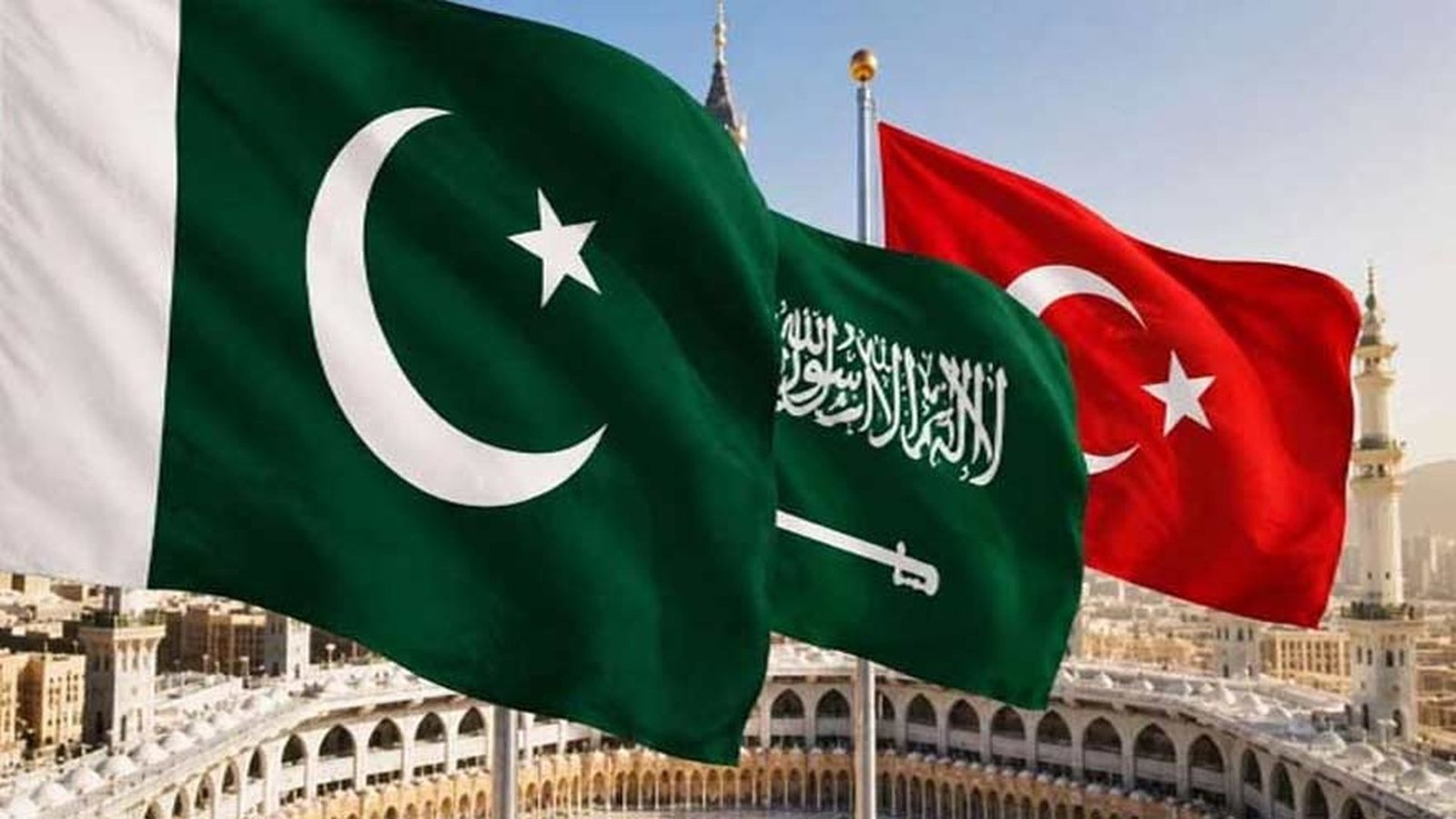
    Pakistan will host the third meeting of the Strategic Political and Defence Committee of the Makkah Defence Alliance in Islamabad later this month, diplomatic sources said, in what will be the alliance’s most senior gathering since it was formed.

    The meeting is likely to be held on November 26 and 27, according to the sources. It is expected to bring together the foreign ministers, defence ministers and military chiefs of Pakistan, Turkiye and Saudi Arabia, the three member countries of the alliance.

    The agenda includes implementing the joint defence agreement, military cooperation, regional security, a joint defence strategy, intelligence sharing, defence production, joint training and strategic coordination between the three countries, the sources said.

    Foreign Minister Ishaq Dar chaired the committee’s first meeting, while Foreign Secretary Amna Baloch led its second meeting, according to the report. Pakistan has also recently held defence talks with Turkiye, as the three countries move to give the alliance a working institutional shape.

    The alliance rests on two agreements. Pakistan and Saudi Arabia signed a strategic mutual defence agreement in Riyadh on September 17, 2025, during Prime Minister Shehbaz Sharif’s visit, in the presence of Crown Prince Mohammed bin Salman. The three countries then signed the trilateral Mecca joint defence agreement on August 7, 2026, under which an attack on one member is treated as an attack on all three.

    The committee held its first meeting in Istanbul on August 31, 2026, and an emergency meeting in Riyadh on October 5, 2026, after attacks on Saudi Arabia. At that meeting, the committee decided to move ahead with the practical implementation of the alliance’s collective defence commitments, including the rapid deployment of agreed military forces and capabilities in Saudi Arabia, and appointed retired Pakistani Lieutenant General Nauman Mahmood as the alliance’s first secretary-general for a three-year term.

    The Islamabad meeting will be the first time the committee gathers in Pakistan. It comes as Turkiye’s parliament moves to ratify the agreement and as the three countries deepen military coordination, with the secretariat of the alliance based in Riyadh. Further details of the meeting, including the final dates and the level of participation, are expected to be announced once the arrangements are confirmed.

  • FIA Arrests Woman in Rs5.2m UK Visa Fraud, Recovers Rs2m

    FIA Arrests Woman in Rs5.2m UK Visa Fraud, Recovers Rs2m

    The Federal Investigation Agency has arrested a woman in Islamabad accused of defrauding a man of Rs5.2 million on the promise of arranging a UK work visa, officials said on Sunday. The arrest was made by the agency’s Anti-Human Trafficking Circle in Rawalpindi, which is investigating the case under FIR No. 285/2026. Investigators say Rs2 million has been recovered so far, and efforts are continuing to trace the remaining amount and identify any other suspects.

    According to the complaint, the woman received the money in several payments after assuring the complainant that she could secure him a work visa for the United Kingdom. Instead of a visa, investigators say, she handed him a fake IELTS certificate for which she charged Rs1 million. When that led nowhere, she allegedly promised him a UK visa through marriage and provided a fake marriage registration certificate along with an agreement drawn up on e-stamp paper.

    The complaint further states that another accused person acted as a guarantor in the deal. When the complainant later asked for his money back, the woman allegedly refused and threatened him, after which he approached the FIA. The agency registered a case and took the woman into custody.

    Investigation under way

    Inspector Iqra Jahangir is leading the investigation, the FIA said. Officials said the agency is working to recover the balance of the money and to establish whether others were involved in the fraud. The case is the latest in a series of FIA actions against agents and individuals accused of exploiting people who are trying to find work abroad.

    The FIA has repeatedly warned citizens to check the credentials of anyone offering overseas employment and to use only authorised channels. Officials advise job seekers to confirm visa and documentation requirements through official sources before handing over any money, and to report suspected fraud to the agency so that action can be taken before more people lose their savings. The FIA said anyone who receives a suspicious job offer should verify it with the agency before paying any fee.

  • No Talks with Those Who Take Up Arms, Says Kundi

    No Talks with Those Who Take Up Arms, Says Kundi

    Khyber Pakhtunkhwa Governor Faisal Karim Kundi has drawn a firm line on who decides the province’s future, declaring that its policies will now be set in Islamabad rather than in Jalalabad or Kandahar. Speaking at a press conference in Peshawar on Sunday, he said decisions concerning the province must be made within Pakistan, and that the federal government’s decisions would be implemented in full.

    The governor left no doubt about his stance on militancy, saying there could be no negotiations with those who take up arms against the state. He expressed full support for operations against terrorism, describing intelligence-based operations as essential to restoring peace in the province. “We are standing at a point where there is no room for turning back, and defeat is not an option for us,” he said.

    Kundi criticised the previous Pakistan Tehreek-e-Insaf government in the province, saying it had not been serious about eliminating terrorism. He claimed that militants who had fled to Afghanistan were later resettled in the province, and stressed the need for a coordinated strategy to eliminate terrorism once and for all.

    The briefing also set out the money behind the security effort: Rs70 billion for the police and the Counter Terrorism Department this year, including Rs59.8 billion for police infrastructure and Rs10.3 billion for the department. The province had sought Rs160 billion for its security needs, a demand the federal government endorsed.

    The plan also includes faceless anti-terrorism courts for the trial of terrorism suspects, so the identities of judges, witnesses and others involved in cases stay confidential. The province aims to raise the Counter Terrorism Department’s capacity from 12 per cent to 37 per cent and overall police capacity to 75 per cent, and to fill 17,000 vacant police posts.

    The briefing heard that 2,438 people, including 1,003 military personnel, 627 police personnel and 808 civilians, had lost their lives in the province from 2024 to September 2026. Officials said the previous provincial government had approved Rs6.4 billion for 22 districts but released only Rs1 billion of it.

    With the province’s security challenges at the top of the agenda, the governor’s message was that the fight against terrorism would continue, and that it would be directed from within Pakistan.