Tag: Islamabad

  • Foreign Delegates Arrive for 30th ECO Meeting in Islamabad

    Foreign Delegates Arrive for 30th ECO Meeting in Islamabad

    Foreign ministers and senior officials from regional countries and international organisations continued to arrive in Islamabad on Sunday for the 30th meeting of the Economic Cooperation Organisation (ECO) Council of Ministers, which begins today.

    Pakistan is hosting the two-day meeting on November 15 and 16 and assumes the organisation’s chairmanship for 2026-27 under the theme “Reviving Regionalism for a Resilient ECO”, according to the Foreign Office.

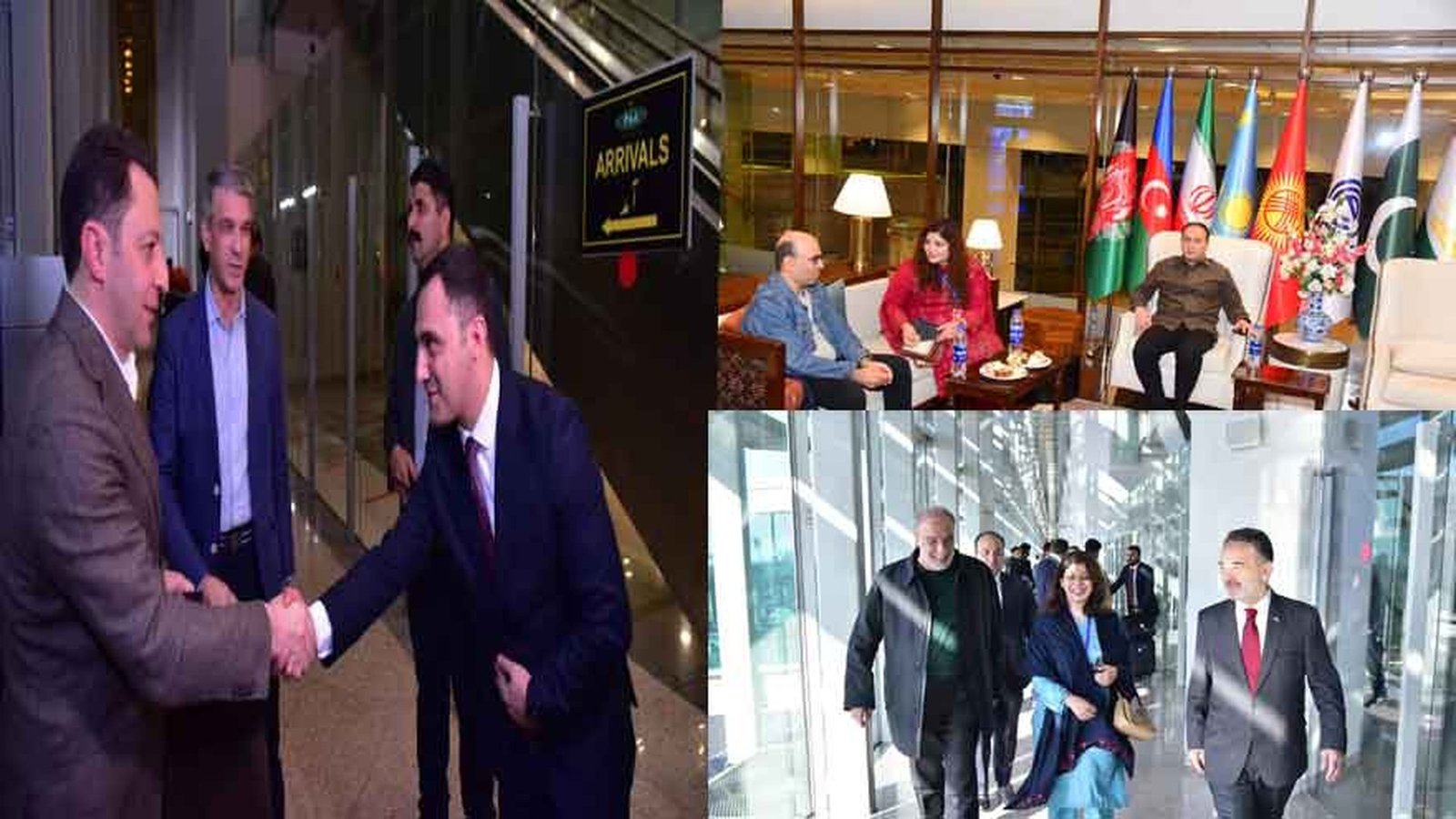
    Turkish Deputy Foreign Minister Musa Kulaklikaya, who is leading his country’s delegation, arrived in Islamabad on Sunday and was received by Foreign Office officials at Islamabad International Airport, the Foreign Office said.

    Azerbaijan’s Deputy Foreign Minister Elnur Mammadov and Shanghai Cooperation Organisation (SCO) Deputy Secretary General Ahmad Saidmurodzoda have also reached the federal capital for the meeting.

    Other visiting dignitaries include Secretary General of the Organisation of Islamic Cooperation (OIC) Ismail Ould Cheikh Ahmed and Kazakhstan’s Deputy Foreign Minister Arman Issagaliyev, who is leading his country’s delegation. The Foreign Minister of the Turkish Republic of Northern Cyprus, Tahsin Ertugruloglu, arrived in Islamabad on Saturday.

    The two-day ministerial meeting will be chaired by Deputy Prime Minister and Foreign Minister Ishaq Dar and attended by foreign ministers and heads of delegations from the ECO’s member states, along with representatives of the organisation’s secretariat and subsidiary bodies.

    A meeting of senior officials from the member states was held ahead of the ministerial session to review the organisation’s programmes and activities and finalise documents for consideration by the foreign ministers, according to the Foreign Office’s curtain raiser issued on Saturday.

    The ECO was founded in 1985 by Iran, Pakistan and Türkiye, and was expanded in 1992 to include Afghanistan, Azerbaijan, Kazakhstan, Kyrgyzstan, Tajikistan, Turkmenistan and Uzbekistan. The organisation works on economic cooperation among its members, including trade, transport, energy and communications.

    The Council of Ministers is the ECO’s main decision-making body, bringing together the foreign ministers of the member states to set the organisation’s direction and approve its programmes.

    The ECO brings together ten member states across Central and South Asia and the Middle East. The Foreign Office said Pakistan, as the incoming chair, aims to promote greater regional cooperation in trade, transport, investment and sustainable development.
  • اسلام آباد سائبر کرائم کیس میں 112 ملزمان کا 3 روزہ جسمانی ریمانڈ

    اسلام آباد سائبر کرائم کیس میں 112 ملزمان کا 3 روزہ جسمانی ریمانڈ

    اسلام آباد کی ایک عدالت نے سیکٹر جی ایٹ میں کال سینٹرز میں مبینہ سائبر کرائم کی سرگرمیوں کے مقدمے میں 112 مرد ملزمان کا تین روزہ جسمانی ریمانڈ دے دیا ہے جبکہ 42 خواتین ملزمان کو 14 روزہ جوڈیشل ریمانڈ پر جیل بھیج دیا ہے۔ یہ احکامات نیشنل سائبر کرائم انویسٹی گیشن ایجنسی (این سی سی آئی اے) کی جانب سے رات گئے چھاپے کے دوران گرفتاری کے بعد ملزمان کو عدالت میں پیش کیے جانے پر جاری کیے گئے۔

    اس مقدمے کی سماعت ڈسٹرکٹ اینڈ سیشن کورٹ اسلام آباد میں ہوئی، جہاں جوڈیشل مجسٹریٹ ملک امان نے کیس کی سماعت کی۔ مجموعی طور پر 154 ملزمان، جن میں 112 مرد اور 42 خواتین شامل تھیں، کو دو الگ الگ گروپوں میں ویڈیو لنک کے ذریعے عدالت میں پیش کیا گیا۔

    ملزمان کو این سی سی آئی اے نے سیکٹر جی ایٹ میں کال سینٹرز پر رات گئے چھاپے کے دوران گرفتار کیا تھا، جہاں ایجنسی کے مطابق مبینہ سائبر کرائم کی سرگرمیاں جاری تھیں۔ چھاپے کے بعد بڑی تعداد میں گرفتاریاں عمل میں آئیں اور پھر ملزمان کو ریمانڈ کے لیے عدالت میں پیش کیا گیا۔

    سماعت کے دوران تفتیشی افسر نے مرد ملزمان کے لیے 10 روزہ جسمانی ریمانڈ اور خواتین ملزمان کے لیے 14 روزہ جوڈیشل ریمانڈ کی درخواست کی تاکہ مزید تفتیش کی جا سکے۔ افسر نے عدالت سے مردوں کو پوچھ گچھ کے لیے حراست میں رکھنے کی اجازت مانگی، جو مبینہ سائبر کرائم کی سرگرمیوں کی جاری تفتیش کا حصہ ہے۔

    تاہم عدالت نے تفتیشی افسر کی جانب سے مانگے گئے 10 روز کے بجائے مردوں کا صرف تین روز کا جسمانی ریمانڈ منظور کیا۔ اسی دوران عدالت نے حکم دیا کہ 42 خواتین کو تفتیشی افسر کی درخواست کے مطابق 14 روز کے لیے جوڈیشل ریمانڈ پر جیل بھیج دیا جائے۔

    عدالت نے تفتیشی افسر کو یہ بھی ہدایت کی کہ وہ خواتین ملزمان کی مکمل تفتیشی رپورٹ، جسے چالان کہا جاتا ہے، مقررہ وقت کے اندر جمع کرائے۔ اس ہدایت کا مطلب ہے کہ تفتیشی افسر کو عدالت کی جانب سے مقررہ مدت کے اندر خواتین کے حوالے سے مطلوبہ کارروائی مکمل کرنا ہوگی۔

    اسسٹنٹ ڈائریکٹر لیگل عاصم شاہجہاں این سی سی آئی اے کی جانب سے عدالت میں پیش ہوئے اور کارروائی کے دوران ایجنسی کی نمائندگی کی۔ وہ اس وقت موجود تھے جب تفتیشی افسر کی درخواستیں مجسٹریٹ کے سامنے رکھی گئیں اور عدالت کے احکامات سنائے گئے۔

    ملزمان کے خلاف مقدمات پریوینشن آف الیکٹرانک کرائمز ایکٹ (پیکا) کے تحت درج کیے گئے ہیں، جس قانون کے تحت مبینہ سائبر کرائم کی سرگرمیوں کی تفتیش کی جا رہی ہے۔ ملزمان عدالت کے احکامات کے تحت حکام کی حراست میں ہیں جبکہ مقدمے کی تفتیش جاری ہے۔

  • Islamabad Court Grants 3-Day Remand in Cybercrime Case

    Islamabad Court Grants 3-Day Remand in Cybercrime Case

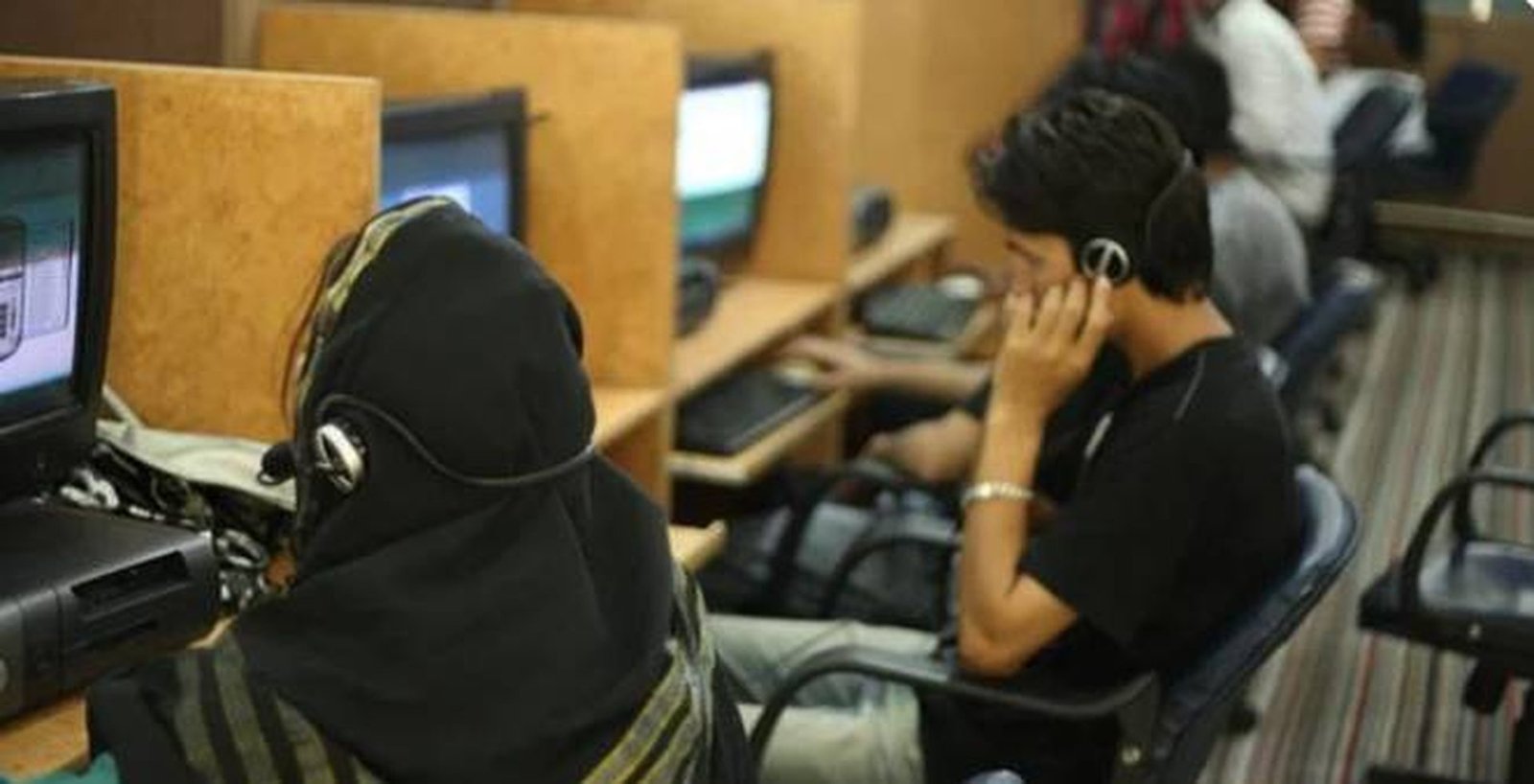
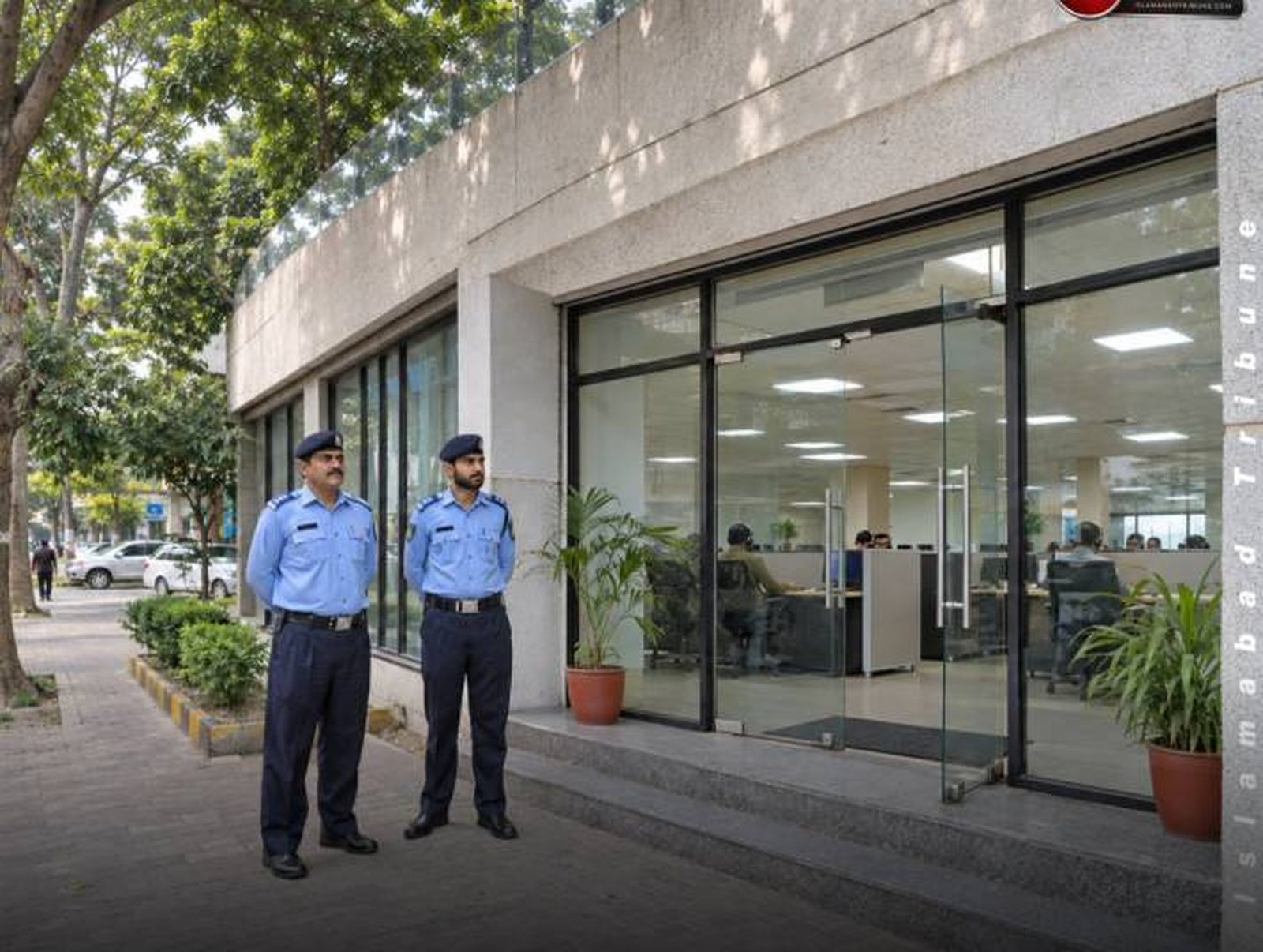
    An Islamabad court has granted three-day physical remand of 112 male suspects and sent 42 female suspects to jail on 14-day judicial remand in a case involving alleged cybercrime activities at call centres in Sector G-8. The orders were passed after the suspects were produced before the court following their arrest by the National Cyber Crime Investigation Agency (NCCIA) during a late-night raid in the area.

    The hearing was held at the District and Sessions Court in Islamabad, where Judicial Magistrate Malik Aman took up the case. A total of 154 suspects, including 112 men and 42 women, were presented before the court through video link in two separate groups.

    The suspects were arrested by the NCCIA during a late-night raid on call centres in Sector G-8, where the agency said alleged cybercrime activities were taking place. The large number of arrests followed the raid, after which the suspects were brought before the court for remand.

    During the hearing, the investigation officer requested 10-day physical remand of the male suspects and 14-day judicial remand of the female suspects for further investigation. The officer sought the court’s permission to keep the men in custody for questioning as part of the ongoing investigation into the alleged cybercrime activities.

    The court, however, approved only three days of physical remand for the men, instead of the 10 days sought by the investigation officer. At the same time, the court ordered that the 42 women be sent to jail for 14 days on judicial remand, as requested by the investigation officer.

    The court also directed the investigation officer to submit the complete investigation report, known as the challan, for the female suspects within the given time. The direction means the investigation officer must complete the required formalities for the women within the period fixed by the court.

    Assistant Director Legal Asim Shahjahan appeared in court on behalf of the NCCIA and represented the agency during the proceedings. He was present when the investigation officer’s requests were placed before the magistrate and the court’s orders were announced.

    Cases against the suspects have been registered under the Prevention of Electronic Crimes Act (PECA), the law under which the alleged cybercrime activities are being investigated. The suspects remain in the custody of the authorities under the court’s orders while the investigation into the case continues.

  • دوسرا بین الاقوامی قرأت مقابلہ 24 نومبر سے اسلام آباد میں

    دوسرا بین الاقوامی قرأت مقابلہ 24 نومبر سے اسلام آباد میں

    دوسرا بین الاقوامی قرأت مقابلہ 24 سے 26 نومبر تک اسلام آباد میں منعقد ہوگا، یہ بات وزارت مذہبی امور نے بتائی ہے۔

    وزارت کے ترجمان کے مطابق اس بین الاقوامی تقریب کے لیے اب تک 31 ممالک کے ممتاز قراء کی نامزدگیاں موصول ہو چکی ہیں۔

    وزارت نے تنظیم تعاون اسلامی (او آئی سی) کے 57 رکن ممالک کے ساتھ ساتھ 11 دیگر ممالک، جن میں روس، بوسنیا و ہرزیگووینا، بھارت، چین، ایتھوپیا، فلپائن، جرمنی، تنزانیہ، فرانس، کینیا اور مالدیپ شامل ہیں، سے بھی نامزدگیاں طلب کی ہیں۔

    اس بین الاقوامی تقریب کا مقصد قرآن پاک کی تعلیمات اور فن قرأت کو فروغ دینا اور مسلم ممالک کے درمیان مذہبی و روحانی روابط کو مضبوط بنانا ہے۔

    مصر اور ایران کے معروف قراء بطور جج شرکت کریں گے، جبکہ پاکستان کی نمائندگی بین الاقوامی شہرت یافتہ قاری سید صداقت علی کریں گے۔

    وزارت نے کہا ہے کہ مقابلے کے ہموار اور کامیاب انعقاد کو یقینی بنانے کے لیے سفر، انتظامی اور لاجسٹک انتظامات مکمل کر لیے گئے ہیں۔

    قرأت کے مقابلوں میں دنیا بھر سے قراء قرآن پاک کو روایتی لحن کے انداز میں پیش کرتے ہیں۔ ایسے پروگرام مسلم اکثریتی ممالک میں بڑے پیمانے پر دیکھے جاتے ہیں اور انہیں نوجوان قراء کی حوصلہ افزائی اور فن تجوید کو محفوظ رکھنے کا ذریعہ سمجھا جاتا ہے۔

    پاکستان اس سے قبل بھی بین الاقوامی قرآنی تقریبات کی میزبانی کر چکا ہے اور اسلام آباد میں ہونے والے اس مقابلے میں کئی ممالک کے شرکاء، علماء اور سامعین کی شرکت متوقع ہے۔ تین روزہ پروگرام میں مسلم دنیا کے معروف قراء کی تلاوت پیش کی جائے گی۔

    حکام کا کہنا ہے کہ یہ تقریب پاکستان اور شریک ممالک کے درمیان ثقافتی و مذہبی تبادلے کا موقع بھی فراہم کرے گی اور قرآنی تعلیم کے فروغ میں ملک کے کردار کو اجاگر کرے گی۔

    فن قرأت کی مسلم دنیا میں طویل روایت ہے، جس میں قراء کو تجوید کے قواعد اور قرأت کے مختلف تسلیم شدہ انداز کی تربیت دی جاتی ہے۔ کئی ممالک میں مقابلے منعقد کیے جاتے ہیں تاکہ نمایاں قراء کو سراہا جائے اور نوجوان نسل کو درست تلفظ کے ساتھ قرآن سیکھنے کی ترغیب دی جائے۔

    ایسی تقریبات میں عام طور پر علماء، طلبہ اور خاندان شرکت کرتے ہیں اور تلاوت کو وسیع سامعین تک بھی پہنچایا جاتا ہے۔ میزبان ملک کے لیے بین الاقوامی مقابلہ کئی ممالک کے مہمانوں کا خیر مقدم کرنے اور قرآنی تلاوت کی اپنی روایت کو پیش کرنے کا موقع ہوتا ہے۔

  • Int’l Qira’at contest in Islamabad Nov 24

    Int’l Qira’at contest in Islamabad Nov 24

    The Second International Qira’at Competition will be held in Islamabad from November 24 to 26, according to the Ministry of Religious Affairs.

    A spokesperson for the ministry said nominations of distinguished Quran reciters from 31 countries have been received so far for the international event.

    The ministry has invited nominations from the 57 member states of the Organisation of Islamic Cooperation (OIC), along with 11 other countries, including Russia, Bosnia and Herzegovina, India, China, Ethiopia, the Philippines, Germany, Tanzania, France, Kenya and the Maldives.

    The international event aims to promote the teachings of the Holy Quran and the art of Quranic recitation, while strengthening religious and spiritual ties among Muslim countries.

    Renowned Qaris from Egypt and Iran will attend as judges, while Pakistan will be represented by internationally acclaimed Qari Syed Sadaqat Ali.

    The ministry said all necessary travel, administrative and logistical arrangements have been finalised to ensure the smooth and successful conduct of the competition.

    Qira’at competitions bring together reciters from around the world to present the Holy Quran in its traditional melodic styles. Such events are widely followed in Muslim-majority countries and are seen as a way to encourage young reciters and to preserve the art of tajweed.

    Pakistan has hosted international Quranic events before, and the competition in Islamabad is expected to draw participants, scholars and audiences from many countries. The three-day programme will feature recitations by leading Qaris from across the Muslim world.

    Officials say the event will also provide an opportunity for cultural and religious exchange between Pakistan and the participating countries, and will highlight the country’s role in promoting Quranic learning.

    The art of Qira’at has a long tradition in the Muslim world, with reciters trained in the rules of tajweed and in the different recognised styles of recitation. Competitions are held in many countries to recognise outstanding reciters and to encourage younger generations to learn the Quran with correct pronunciation.

    Such gatherings are usually attended by religious scholars, students and families, and the recitations are also broadcast to wider audiences. For the host country, an international competition is a chance to welcome guests from many nations and to showcase its own tradition of Quranic recitation.

  • NCCIA raids illegal call centre in Islamabad, 150 held

    NCCIA raids illegal call centre in Islamabad, 150 held

    Islamabad, 14 November 2026 — The National Cyber Crime Investigation Agency (NCCIA) raided an illegal call centre in Sector G-8/4 of Islamabad and arrested over 150 young men and women working there, the agency said.

    According to the NCCIA, none of those arrested is a foreigner, and females outnumber males among the people taken into custody. The arrested individuals were working at the call centre when the raid was carried out.

    The raid is part of a nationwide operation against cybercrime and financial fraud. The NCCIA has conducted a series of major raids on illegal and fraudulent call centres across Islamabad in recent months, as part of its crackdown on centres allegedly used to defraud people.

    Earlier raids in September

    On September 22, the NCCIA raided three call centres in Islamabad and took 212 individuals into custody for alleged involvement in international fraud schemes. Those raids were carried out on call centres in Sectors E-11 and G-10 of the federal capital.

    The September operation was one of the largest actions of its kind in the city, with more than 200 people detained in a single day. The agency said at the time that the centres were allegedly involved in fraud schemes targeting victims abroad.

    Illegal call centres have become a growing concern for law enforcement agencies in Pakistan, as many are alleged to be involved in fraud schemes that target victims in Pakistan and abroad. The NCCIA has made such centres a priority in its nationwide campaign against cybercrime, with Islamabad a particular focus of enforcement.

    Crackdown continues

    The latest raid in G-8/4 shows that the agency’s campaign against illegal call centres is continuing. Officials say such centres operate without lawful authorisation and are often used to run scams, including schemes that target people in other countries.

    The NCCIA has stepped up action against illegal call centres in the capital in recent months, with raids now reported across several sectors of Islamabad. The agency has not yet said whether further arrests or raids are expected in the coming days.

    The agency’s raids form part of a wider national effort to curb cybercrime and financial fraud, with illegal and fraudulent call centres a particular focus of enforcement in the capital.

  • ECO foreign ministers to meet in Islamabad Nov 15-16

    ECO foreign ministers to meet in Islamabad Nov 15-16

    Islamabad, 14 November 2026 — The 30th meeting of the Economic Cooperation Organization (ECO) Council of Foreign Ministers will be held in Islamabad on November 15 and 16, the Foreign Office said on Saturday.

    Deputy Prime Minister and Foreign Minister Ishaq Dar will chair the meeting, which will be attended by foreign ministers and high-level delegations from ECO member states. The gathering brings together the region’s top diplomats at a time when Pakistan is seeking to give fresh momentum to regional cooperation.

    According to the Foreign Office, the meeting will review the organisation’s activities and programmes, along with the performance of its subsidiary institutions. The review is aimed at assessing how effectively the ECO is delivering on its mandate and where its work can be strengthened. The ministers are also expected to discuss ways to improve coordination between the ECO’s institutions so that its programmes deliver practical benefits to the people of member states.

    Pakistan chairs ECO for 2026-27

    Pakistan is chairing the ECO for 2026-27 under the theme of revitalising regional cooperation and building a stronger and more resilient organisation. The chairmanship will focus on strengthening regional connectivity and economic integration, promoting partnerships and joint efforts for prosperity and sustainable development.

    Efforts will also be made to strengthen the ECO as an effective platform for regional cooperation, dialogue and economic collaboration. Pakistan aims to use its chairmanship to deepen engagement among member states and to make the organisation more responsive to the region’s shared challenges.

    Regional connectivity hub

    Pakistan would seek to position itself as a regional connectivity hub and a key centre for trade, logistics and supply chains, while taking measures to boost regional commerce and tap the economic potential of member states. Officials say improved connectivity can open new trade routes and create opportunities for businesses across the region.

    The ECO, founded to promote economic, technical and cultural cooperation among its member states, covers a region stretching from Central Asia to South Asia and the Middle East. Its council of foreign ministers is the organisation’s main decision-making forum, setting the direction for its programmes and initiatives.

    The two-day meeting is expected to set the tone for Pakistan’s chairmanship and to agree on the priorities that will guide the organisation’s work over the coming year.

  • Pakistan Pledges Security, Clear Terms for Mining Investors

    Pakistan Pledges Security, Clear Terms for Mining Investors

    Pakistan has pledged to provide security for mines, clear and uniform fiscal terms for investors, and better geological data as it seeks to turn its mineral sector into a competitive industry, Petroleum Minister Ali Pervaiz Malik told the Pakistan Minerals Investment Forum in Islamabad on Friday.

    Addressing the second day of the two-day Pakistan Minerals Investment Forum 2026, Malik said the government was committed to ensuring security and safety at mine sites, along logistics routes and, above all, for trained human resources, so that mining operations could continue without interruption. Special arrangements had been made to strengthen the security framework for the sector, he said, according to Dunya News, the Express Tribune and Arab News.

    Malik said Pakistan would offer investors clear and uniform fiscal terms for mining projects, without requiring negotiations on special arrangements case by case. “Our aim is straightforward. We want clear fiscal terms available to every responsible company without the need to negotiate special arrangements on a case-to-case basis,” he said, as reported by the Express Tribune.

    He said the government of Prime Minister Shehbaz Sharif was investing in improving geological data through the Geological Survey of Pakistan, recognising that investors could not accurately assess project risks without reliable scientific information. The government was strengthening the scientific foundation of the sector through accelerated geological mapping, including detailed surveys at a scale of 1:50,000, modern geochemical and geophysical surveys, exploratory drilling and upgraded geoscience laboratories, he said.

    More than 40 mineral exploration licences had recently been granted in the Chagai and Khuzdar districts of Balochistan alone, reflecting growing private sector participation in strategic and critical minerals, the minister said. Exploration efforts were increasingly focusing on minerals of strategic importance to global investors, including copper and gold in Chagai and western Balochistan, lithium, tin and tungsten in Gilgit-Baltistan, and antimony and base metals in Khyber Pakhtunkhwa.

    Malik said Pakistan had traditionally exported raw ore and concentrates while importing finished products, and the government was now advancing copper smelting to capture greater value across the supply chain, from mining to finished metal. International technical cooperation, including the UK-Pakistan Geoscience Capacity Building Programme, was helping strengthen expertise in digital mapping, airborne surveys and mineral assessment, and decades of geological information were being digitised for investors, he said.

    He said discovering a mineral deposit was only the beginning, as commercially viable mining projects required power, water, roads, railways and access to international markets. The government was developing road connectivity between Chagai’s mineral-rich belt and Gwadar Port, linking Thar coal resources with power plants, and upgrading the Rohri-Nokundi Railway Corridor, connectivity to Port Qasim and supporting infrastructure around Reko Diq, he said.

    “Our objective is very clear: to build not just individual mines, but an integrated, competitive and sustainable mineral industry,” Malik said. He said the government wanted investment, wherever commercially and technically viable, to support processing, refining, downstream industries, technology transfer and integration into global value chains, and that the sector should strengthen Pakistani capabilities through technical skills, vocational training and career opportunities for young people, including women entering the sector.

    He stressed that the development of the mineral industry must also benefit communities in producing regions through improved livelihoods, skills, services and local opportunities, and that environmental management, safety standards and transparent community engagement were essential requirements for responsible mining. Addressing international investors, including Barrick, Ivanhoe and Minmetals, he said Pakistan was open to long-term mining investment and hoped to earn their confidence through practical delivery and effective follow-up after the forum.

    The minister’s address came on the same day Field Marshal Asim Munir told the forum that Pakistan aimed to become a competitive destination for long-term mineral investment, with all possible measures being taken to ensure the security of the entire mining ecosystem. Arab News noted that Pakistan’s security situation had unsettled global mining firms, including Barrick Mining Corporation, which announced in April that it would slow down development of the Reko Diq copper-gold mine.

  • Islamabad to Become Pakistan’s First Cashless City by Dec 31

    Islamabad to Become Pakistan’s First Cashless City by Dec 31

    The government has decided to make Islamabad Pakistan’s first fully cashless city, setting a final deadline of December 31, 2026, to bring all merchants and business centres in the federal capital into the digital payment system.

    A meeting on implementing the Cashless Islamabad project was held under the chairmanship of Minister of State for Interior Talal Chaudhry, attended by the chairman of the Capital Development Authority (CDA), representatives of the banking sector and senior government officials, Geo News and Pakistan Point reported on Friday. The banking sector representatives assured the meeting of their full cooperation for the success of the project.

    Chaudhry said that after November 30, no department of the Islamabad Capital Territory (ICT) administration or the CDA would accept cash payments from citizens or applicants, and all official transactions would be conducted through digital payment channels. The second phase aims to bring all small and large businesses in the federal capital into the cashless system by December 31, with digital payment facilities made available from street vendors to major commercial centres.

    He said 26,000 merchants in Islamabad had already been connected to the digital payment system. He added that the cashless system would improve financial transparency, tax monitoring and the overall transaction system, and that consultation and suggestions from all stakeholders were important for the project’s success.

    According to Chaudhry, Interior Minister Mohsin Naqvi had promised the prime minister that Islamabad would become Pakistan’s first cashless city. The government aims to make it the world’s first cashless capital, with no cash payments being received in any government department and all traders brought into a cashless system, he said. Work on the initiative was progressing rapidly on the special instructions of the prime minister and the interior minister, he added.

    The cashless push builds on steps already taken in the capital. The Islamabad district administration introduced QR code payments for fines earlier this week, making all assistant commissioners’ offices cashless, and the facility has also been implemented across the Deputy Commissioner Complex. The H-9 weekly bazaar became Pakistan’s first fully cashless market, and Islamabad International Airport has already transitioned to a fully cashless environment, becoming the first airport in the country to eliminate physical currency across its premises.

    Officials say the initiative is part of wider efforts to promote digital payments, modernise public services and make official payments more transparent. The CDA has already fast-tracked the expansion of QR-based payment systems across the city, with the cashless system functioning in weekly bazaars, the CDA’s One-Window Facilitation Centre and the metro and electric bus services. The government says the aim is for no citizen in Islamabad to need to carry cash, with all transactions facilitated through digital means.

    The deadline gives the administration and traders about seven weeks to complete the transition. The meeting decided that the project would be implemented in phases, with government departments going cashless first, followed by the city’s markets, shopping centres, hospitals, hotels, restaurants and other commercial areas.

  • Field Marshal: Turn Mineral Wealth into Prosperity

    Field Marshal: Turn Mineral Wealth into Prosperity

    Chief of Defence Forces and Chief of Army Staff Field Marshal Syed Asim Munir has called for transforming Pakistan’s vast mineral wealth into a source of national development and economic prosperity, stressing that the country must move beyond exporting raw minerals and build the complete value chain at home.

    Addressing the Pakistan Minerals Investment Forum in Islamabad on Friday, the field marshal said Pakistan needed a coordinated strategy to unlock the full potential of its mineral sector, with a focus on refining, processing and manufacturing so that the country captures the maximum economic benefit from its natural resources. The forum, held at the Jinnah Convention Centre on November 12 and 13, brought together more than 5,000 investors, international mining executives, financial institutions, technical experts and senior government officials, according to the forum’s background material reported by Dunya News and Capital News Point.

    Field Marshal Munir said making effective use of Pakistan’s mineral resources was a shared national objective, and that development gains must reach the communities living in the areas where those resources are found. He emphasised that the success of the mineral sector should not be measured only by extraction or export figures, but by the positive changes it brings to local populations.

    “People living in mineral-rich areas must be included in the development process and should be able to see clear improvements in their living standards,” he said, adding that tangible improvements in the lives of local communities were essential. He said Pakistan must move “from potential to productivity, from promises to practical action, and from exporting raw minerals towards value-added economic development.”

    According to the forum’s background material, Pakistan’s mineral resources have an estimated potential value of six to eight trillion dollars, spread across about 600,000 square kilometres. The country has 92 identified minerals, of which 52 are commercially utilised. The mining sector currently contributes about 3.2 per cent to Pakistan’s gross domestic product, the forum material said.

    The Reko Diq copper and gold project in Balochistan’s Chagai district was one of the main attractions at the forum. According to the forum briefing, Reko Diq contains about three billion tonnes of ore, with an estimated 15 million tonnes of copper and 26 million ounces of gold, and is expected to attract investment of about 8.8 to 9.1 billion dollars. The project, in which Barrick Gold holds a 50 per cent stake, is expected to generate about 7,500 jobs during construction and 4,000 permanent jobs during operations.

    The field marshal’s address came days after new gold and copper reserves were reported in Chagai district, adding fresh momentum to the government’s push to develop the mineral sector. He said Pakistan wanted to promote long-term partnerships that could generate sustainable economic value for the country and its international partners, and that the country needed to make effective use of its available resources and capitalise on investment opportunities in mining and minerals.

    He also expressed confidence in the capabilities and determination of the Pakistani people, describing them as hardworking and courageous, with the potential to turn their aspirations into reality. Developing the minerals sector as a driver of economic stability, industrial expansion and public prosperity had become essential, he said, adding that the country’s natural resources presented significant opportunities that could only be realised through the hard work and skills of its people.