Tag: healthcare

  • KP Faces Severe Doctor Shortage: One Doctor for 6,000 People

    KP Faces Severe Doctor Shortage: One Doctor for 6,000 People

    Khyber Pakhtunkhwa is facing a severe shortage of doctors, with only 8,024 doctors available for a population of more than 40 million people, which means there is just one doctor for every 5,000 to 6,000 people, according to a report in Jang and The News cited by Geo News.

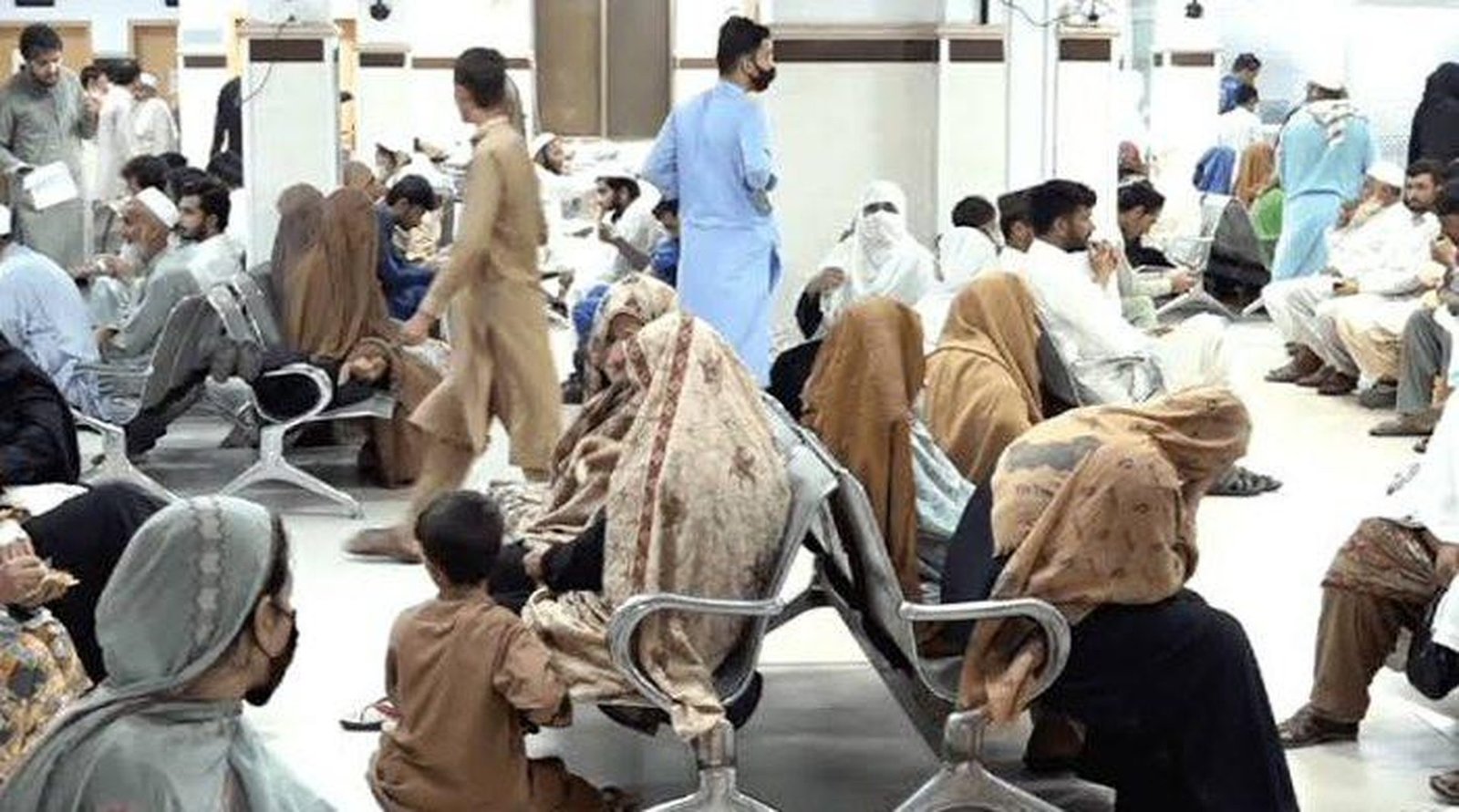
    The report says more than 200 government medical centres of various kinds across the province are non-functional. The strain on the public health system is also visible in hospital capacity: government hospitals in the province have 18,432 beds available, while 64,000 beds are needed to meet demand.

    The figures underline how thinly stretched the province’s public health services are. With one doctor for several thousand people, patients in many districts face long waits and long journeys to reach a functioning hospital, and the shortage is felt most acutely in the province’s remote and former tribal districts.

    Health Adviser Lieutenant General (retired) Nigar Johar was briefed on the situation, and decisions have been taken to amend the Medical Teaching Institutions Act and to audit hospitals, the report said. Flaws in the Sehat Card health insurance scheme will also be removed and the scheme will be improved, she told the briefing.

    The provincial government has been under pressure over the state of public hospitals for some time. A report in The Express Tribune on 8 November said that despite 13 years of Pakistan Tehreek-e-Insaf rule in the province, public hospitals continued to face shortages of medicines, basic facilities and treatment, prompting residents to question the benefits of successive reforms.

    Residents told the newspaper that patients suffering from cancer and other serious diseases continued to struggle to obtain treatment and medicines at public hospitals. The situation was particularly difficult for residents of remote districts and tribal areas, including Mohmand, Bajaur and Kurram, where basic healthcare facilities remained inadequate, the report said.

    Khyber Pakhtunkhwa Governor Faisal Karim Kundi has said he received numerous complaints about the province’s healthcare system. Residents have also raised concerns about the Sehat Card programme, the establishment of boards of governors in public-sector hospitals and the institution-based practice system, according to the report.

    The shortage of doctors and the closure of health centres come at a time when the provincial government is reviewing its health policies. The decisions announced at the briefing, including amendments to the Medical Teaching Institutions Act, hospital audits and improvements to the Sehat Card, are aimed at strengthening a system that, according to the report, is currently unable to meet the needs of the province’s population of more than 40 million.
  • Cancer Drug Prices in India Slashed by Up to 70 Percent

    Cancer Drug Prices in India Slashed by Up to 70 Percent

    Cancer treatment in India has become substantially cheaper this week, after new prices for 137 anti-cancer medicines took effect on 9 November. The National Pharmaceutical Pricing Authority (NPPA) capped the trade margin on the drugs at 30 per cent of the maximum retail price, cutting prices by up to 70 per cent on many of them. The revised prices apply across retail and hospital pharmacies throughout the country.

    The regulator issued the order on 17 October under paragraph 19 of the Drugs (Prices Control) Order, 2013, following recommendations from an expert committee set up by the Directorate General of Health Services. The cap covers branded and generic medicines, imported and domestic products, and patented as well as off-patent drugs. It limits the gap between the distributor price and the maximum retail price, squeezing the mark-ups taken by distributors, retailers and hospital pharmacies along the supply chain.

    Savings of more than 3,300 crore rupees

    By 4 November, 70 companies had reported revised prices for 120 of the 137 drugs, covering more than 1,100 products, according to the government. Most reductions fall between 20 and 70 per cent, with the steepest single cut reaching 96.45 per cent. The government estimates the lower prices will save patients about 3,357 crore rupees, calculated by applying the price differences to the volume of medicines sold between April 2025 and March 2026. The NPPA has published revised maximum retail prices for 543 brands on its website, and the list is being updated as companies submit new figures.

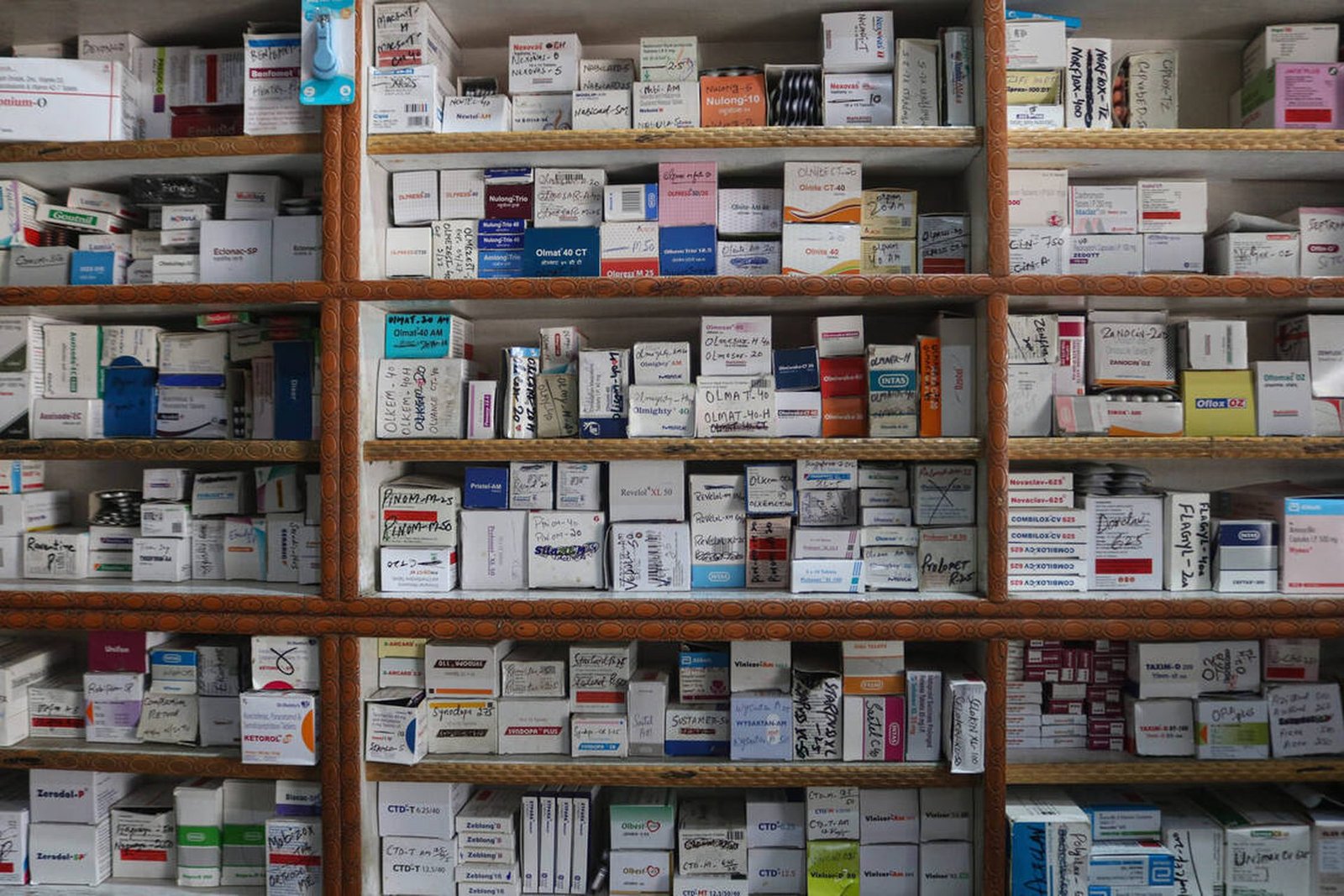
    The drugs covered include immunotherapy medicines used to treat more than 20 types of cancer, along with denosumab, used by breast and prostate cancer patients, pegfilgrastim, which helps prevent infections after chemotherapy, and bevacizumab, used to treat colon, ovarian and cervical cancers. Patients can check the new prices for their own medicines on the NPPA website or through the official Pharma Sahi Daam mobile application.

    The government has asked manufacturers to maintain production levels under the new cap, so that cheaper medicines remain available. Indian media have described the move as the biggest price intervention on cancer medicines since 2019, and for families paying for chemotherapy or immunotherapy from their own pockets, the difference could be measured in lakhs of rupees over a full course of treatment.

  • Cancer Drug Prices Cut by Up to 96% in India

    Cancer Drug Prices Cut by Up to 96% in India

    Cancer patients in India are set to pay far less for their medicines after revised prices for 1,364 anti-cancer drug formulations came into effect across the country on Monday, with some prices falling by as much as 96.45 percent.

    The National Pharmaceutical Pricing Authority, known as the NPPA, has capped trade margins on 137 non-scheduled anti-cancer drugs at 30 percent of their maximum retail price. The move followed recommendations from an expert committee set up by the Directorate General of Health Services on 17 October 2026, and was notified under the Drugs (Prices Control) Order of 2013.

    According to the Ministry of Chemicals and Fertilizers, 85 pharmaceutical companies had reported revised prices for 1,364 formulations covering 121 drugs as of 8 November. Of these, 679 brands recorded price reductions of more than 50 percent, while the steepest single cut reached 96.45 percent. The government estimates that patients and their families will save about 3,540.38 crore rupees a year as a result.

    The medicines covered by the cap include immunotherapy drugs prescribed for more than 20 types of cancer, along with Denosumab, used in the treatment of breast and prostate cancer, Pegfilgrastim, which helps prevent infections in patients receiving chemotherapy, and Bevacizumab, approved for colon, ovarian and cervical cancers.

    The ministry said no chemist or hospital pharmacy can charge more than the revised maximum retail price, and patients can check the new price printed on the medicine pack. Prices can also be verified through the government’s Pharma Sahi Daam mobile application or on the NPPA website, and complaints about overcharging can be registered through the Pharma Jan Samadhan portal or the helpline 1800-111-255.

    The latest step builds on an earlier round of the same initiative. In October, the NPPA released revised prices for more than 500 brands of anti-cancer medicines, and the programme has now grown from covering 42 drugs in 2019 to 137 drugs in 2026. Officials say the aim is to curb excessive margins in the supply chain, where the gap between what a manufacturer charges a distributor and what a patient pays at the counter had grown far beyond the cost of the medicine itself.

    Health experts have welcomed the move as a meaningful relief for families, though they note that cheaper medicines alone do not solve the full cost of cancer care, which also includes diagnosis, hospital stays and supportive treatment. Even so, for households that spend a large share of their income on long courses of cancer drugs, the new prices could make the difference between continuing treatment and stopping it.

  • جناح میڈیکل کمپلیکس: 403 بستر، 23 مارچ 2027 تک فعال

    جناح میڈیکل کمپلیکس: 403 بستر، 23 مارچ 2027 تک فعال

    وزیراعظم شہباز شریف نے ہدایت کی ہے کہ اسلام آباد میں زیر تعمیر 403 بستروں پر مشتمل جناح میڈیکل اینڈ ریسرچ سینٹر کی تعمیر بروقت مکمل کی جائے اور اسے 23 مارچ 2027 تک فعال کر دیا جائے۔ اس سلسلے میں وزیراعظم کی زیر صدارت جناح میڈیکل کمپلیکس منصوبے کا جائزہ اجلاس منعقد ہوا، جس میں تعمیراتی کام اور طبی سہولتوں پر تفصیلی بریفنگ دی گئی۔

    اجلاس میں بتایا گیا کہ جناح میڈیکل اینڈ ریسرچ سینٹر فیز ون کی مجموعی تعمیر کا 59 فیصد کام مکمل ہو چکا ہے۔ مرکزی اسپتال کی عمارت اور پارکنگ پلازہ کا بنیادی ڈھانچہ تیار ہو چکا ہے، جبکہ طبی آلات کی تنصیب، اسپتال کے ڈیجیٹل نظام اور انتظامی انتظامات پر بھی کام جاری ہے۔ وزیراعظم نے تعمیراتی پیش رفت پر اطمینان کا اظہار کیا اور تمام اہداف مقررہ مدت میں پورے کرنے کی ہدایت کی۔

    وزیراعظم نے کہا کہ یہ میڈیکل کمپلیکس بین الاقوامی معیار کی صحت کی سہولتیں فراہم کرے گا، خاص طور پر اسلام آباد، خیبر پختونخوا، آزاد جموں و کشمیر اور گلگت بلتستان کے مریضوں کے لیے۔ ان علاقوں سے بڑی تعداد میں مریض علاج کے لیے اسلام آباد آتے ہیں، اور ایک جدید اسپتال ان کے لیے بڑی سہولت ہوگا۔

    اجلاس میں وزیراعظم نے ہدایت کی کہ میڈیکل کمپلیکس میں تمام تقرریاں شفاف طریقے سے اور مکمل طور پر میرٹ پر کی جائیں، تاکہ اہل طبی عملہ اور انتظامی افسران بھرتی ہو سکیں۔ انہوں نے یہ بھی کہا کہ کمپلیکس کو چلانے کے لیے کسی نجی ادارے کی خدمات حاصل کی جائیں، تاکہ عالمی معیار کا علاج اور انتظام یقینی بنایا جا سکے۔

    جدید تشخیصی سہولتوں کو بھی اجلاس میں خاص اہمیت دی گئی۔ وزیراعظم نے کہا کہ پی ای ٹی اسکین سمیت جدید تشخیصی سہولتیں منصوبے کا لازمی حصہ ہونی چاہئیں، اور یہ سہولتیں کم اور درمیانی آمدنی والے طبقات تک بھی پہنچنی چاہئیں تاکہ جدید طبی ٹیکنالوجی صرف امیر مریضوں تک محدود نہ رہے۔

    حکام نے وزیراعظم کو جدید تشخیصی مشینری، اسکینرز اور دیگر طبی آلات کی خریداری کی کوششوں سے بھی آگاہ کیا۔ اس کے ساتھ ساتھ فیز ٹو کے بارے میں بتایا گیا کہ اسلام آباد کے سیکٹر ایچ الیون میں نظرثانی شدہ ڈیزائن کے تحت قومی مسابقتی بولی کا عمل شروع کر دیا گیا ہے، اور دوسرے مرحلے کی تعمیر جلد شروع ہونے کی توقع ہے۔

    اجلاس میں وفاقی وزیر منصوبہ بندی احسن اقبال، وزیر احد خان چیمہ، وزیر صحت سید مصطفیٰ کمال اور طارق فضل چوہدری سمیت دیگر اعلیٰ حکام نے شرکت کی۔ منصوبے کی تکمیل کے لیے تمام متعلقہ اداروں کے درمیان رابطے اور رفتار کو برقرار رکھنا اب اصل امتحان ہوگا۔

    اسلام آباد میں گزشتہ دو دہائیوں کے دوران کوئی نیا بڑا سرکاری اسپتال قائم نہیں ہوا، اس لیے جناح میڈیکل کمپلیکس کو دارالحکومت اور ملحقہ علاقوں کے لیے ایک اہم منصوبہ قرار دیا جا رہا ہے۔ اگر یہ کمپلیکس مقررہ تاریخ تک فعال ہو جاتا ہے تو یہ ہزاروں مریضوں کے لیے جدید علاج کی سہولت کا دروازہ کھول دے گا، اور صحت کے شعبے میں ایک نمایاں پیش رفت ثابت ہوگا۔

  • صحت نظام تباہی کے دہانے پر: وزیر صحت کا انتباہ

    صحت نظام تباہی کے دہانے پر: وزیر صحت کا انتباہ

    وفاقی وزیر صحت مصطفیٰ کمال نے خبردار کیا ہے کہ تیزی سے بڑھتی آبادی کے دباؤ میں پاکستان کا نظامِ صحت تباہی کے دہانے پر پہنچ گیا ہے۔ ان کے مطابق محدود وسائل اور طبی سہولتوں پر مسلسل بڑھتا بوجھ اسپتالوں کے لیے سنبھالنا مشکل ہوتا جا رہا ہے۔

    اسلام آباد میں ایک تقریب سے خطاب کرتے ہوئے وزیر صحت نے بتایا کہ پاکستان میں شرحِ پیدائش 3.7 فیصد ہے اور ہر سال تقریباً 57 لاکھ سے 67 لاکھ بچے پیدا ہوتے ہیں۔ ان کا کہنا تھا کہ آبادی میں یہ تیزی سے اضافہ اسپتالوں، ڈاکٹروں اور صحت کی بنیادی سہولتوں پر اس قدر دباؤ ڈال رہا ہے کہ نظام جواب دینے لگا ہے۔

    وزیر صحت کے مطابق آبادی کے بڑھتے دباؤ کے نتائج صرف صحت تک محدود نہیں؛ تعلیم، روزگار اور بنیادی ڈھانچے سمیت ہر شعبہ متاثر ہو رہا ہے۔ ان کا کہنا تھا کہ اگر آبادی کی منصوبہ بندی پر توجہ نہ دی گئی تو صورتحال مزید بگڑ سکتی ہے۔

    ذمہ دار والدیت پر زور

    وزیراعظم شہباز شریف بھی ذمہ دار والدیت اور مؤثر آبادیاتی منصوبہ بندی کی ضرورت پر زور دے چکے ہیں۔ اسی تناظر میں حکومت نے رواں برس جولائی میں قومی آبادی کونسل قائم کی تھی، جو آبادی میں اضافے کے صحت، تعلیم، روزگار اور بنیادی ڈھانچے پر پڑنے والے اثرات سے نمٹنے کے لیے حکمت عملیاں تیار کرے گی۔

    ماہرینِ صحت کے مطابق پاکستان میں صحت کے بجٹ کا بڑا حصہ علاج پر خرچ ہوتا ہے جبکہ بیماریوں سے بچاؤ پر سرمایہ کاری نہ ہونے کے برابر ہے۔ ذیابیطس، بلڈ پریشر، انفیکشن، غذائیت کی کمی اور ذہنی امراض جیسی روک تھام کے قابل بیماریاں صحت کے نظام پر سب سے بڑا بوجھ ہیں۔

    حال ہی میں کراچی میں صحت کے ایک بین الاقوامی اجلاس میں ماہرین نے کہا تھا کہ صرف مزید ڈاکٹر، سرجن اور اسپتال بنا کر نظام نہیں بچایا جا سکتا؛ روک تھام اور بنیادی صحت کی سہولتوں میں سرمایہ کاری ناگزیر ہے۔ بین الاقوامی ذیابیطس فیڈریشن کے تخمینے کے مطابق پاکستان میں 34.5 ملین سے زائد بالغ افراد ذیابیطس کا شکار ہیں، جبکہ عالمی ادارہ صحت کے اندازوں کے مطابق 30 سے 79 سال کی عمر کے 43 فیصد بالغ افراد بلڈ پریشر میں مبتلا ہیں۔

    وزیر صحت کے انتباہ کے بعد حکومت کی جانب سے صحت کے نظام کی مضبوطی، آبادیاتی منصوبہ بندی اور بنیادی صحت کی سہولتوں کی توسیع کو اولین ترجیح قرار دیا جا رہا ہے۔ تاہم ماہرین کا کہنا ہے کہ بیانات سے آگے بڑھ کر عملی اقدامات اور مستقل فنڈنگ کے بغیر صورتحال بدلنا مشکل ہوگا۔

  • آزاد کشمیر کو پنجاب کی 15 موبائل کلینکس کی منظوری

    آزاد کشمیر کو پنجاب کی 15 موبائل کلینکس کی منظوری

    لاہور: پنجاب کی صوبائی کابینہ نے وزیر اعلیٰ مریم نواز شریف کی صدارت میں منعقدہ اجلاس میں آزاد جموں و کشمیر کی حکومت کو 15 ’کلینکس آن وہیلز‘ یعنی موبائل کلینکس عطیہ کرنے کی منظوری دے دی ہے۔ رپورٹ کے مطابق یہ فیصلہ پیر کے روز ہونے والے کابینہ کے اجلاس میں کیا گیا۔

    حکومتی ترجمان کے مطابق اسی اجلاس میں گلگت بلتستان کے لیے 6 موبائل کلینکس عطیہ کرنے کی بھی منظوری دی گئی۔ حکام کے مطابق ان موبائل یونٹس کے ذریعے دور دراز اور پہاڑی علاقوں میں بنیادی صحت کی سہولتیں عوام کی دہلیز تک پہنچائی جائیں گی۔

    رپورٹ کے مطابق وزیر اعلیٰ مریم نواز شریف نے آزاد کشمیر کے انتخابات 2026 سے قبل مظفرآباد کے دورے کے دوران اس اقدام کا اعلان کیا تھا۔ رپورٹ کے مطابق یہ اعلان پاکستان مسلم لیگ (ن) کے صدر نواز شریف کی ہدایت پر کیا گیا تھا۔ اس منصوبے کا مقصد خطے کے دور دراز اور پسماندہ علاقوں میں طبی سہولتیں بہتر بنانا ہے، جہاں رہائشیوں کو بنیادی صحت کی خدمات تک رسائی میں مشکلات کا سامنا رہتا ہے۔

    اردو پوائنٹ کی رپورٹ کے مطابق کابینہ نے اسی اجلاس میں پنجاب کے نئے ترقیاتی روڈ میپ کی بھی منظوری دی۔ اجلاس میں زراعت، صحت، تعلیم، سماجی تحفظ، الیکٹرک بسیں، گندم کی خریداری اور سیلاب سے تحفظ کے منصوبوں سمیت متعدد ترقیاتی اقدامات کی منظوری دی گئی۔ رپورٹ کے مطابق بھرتیوں پر عائد پابندی میں نرمی اور مختلف محکموں میں اسامیوں کی تخلیق کی بھی منظوری دی گئی۔

    خیال رہے کہ ’کلینکس آن وہیلز‘ پنجاب حکومت کا اہم صحت منصوبہ ہے جس کے تحت موبائل یونٹس کے ذریعے دور دراز اور کم ترقی یافتہ علاقوں میں طبی سہولتیں فراہم کی جاتی ہیں۔ نیشن اخبار کی حالیہ رپورٹ کے مطابق وزیر اعلیٰ پنجاب نے کہا تھا کہ صوبے میں 1,000 کلینکس آن وہیلز اور 32 فیلڈ اسپتالوں کے ذریعے عوام کی دہلیز پر صحت کی سہولتیں فراہم کی جا رہی ہیں۔

    رپورٹ کے مطابق ’کلینکس آن وہیلز‘ منصوبے کے تحت رواں برس گلگت بلتستان کو بھی موبائل کلینکس فراہم کیے گئے تھے، اور اب یہ اقدام آزاد کشمیر کے عوام تک بھی وسعت اختیار کر رہا ہے۔ حکام کے مطابق اس اقدام سے آزاد کشمیر کے دور دراز علاقوں میں بنیادی صحت کی خدمات کی دستیابی میں نمایاں بہتری آئے گی۔

  • No doctors at Chhab health centre, patients travel to Pindi

    No doctors at Chhab health centre, patients travel to Pindi

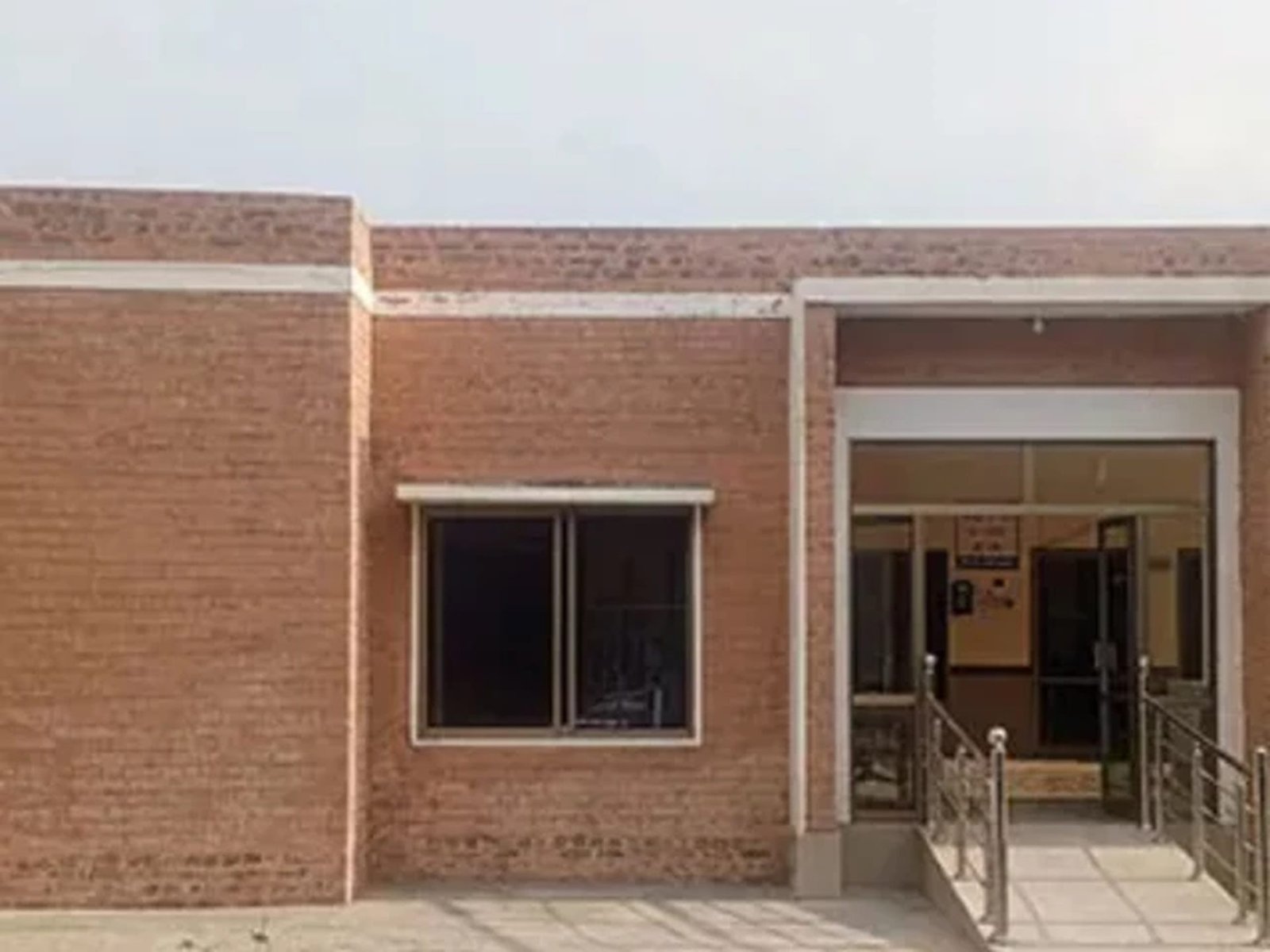
    A 40-kanal public health centre in Chhab, in the Jand tehsil of Punjab’s Attock district, has been without a doctor for a prolonged period, forcing a dispenser to examine patients and prescribe medicines while many residents travel to hospitals in Rawalpindi for treatment.

    Six sanctioned doctor posts at the Maryam Nawaz Health Centre remain vacant, according to an Express Tribune report. A doctor appointed on a temporary basis worked for only about 20 days before proceeding on leave, and the Attock chief executive officer for health allegedly allowed the facility’s only available doctor to go on leave without arranging a replacement — leaving the centre’s healthcare services virtually paralysed.

    Local residents and patients’ relatives, including Faisal Mushtaq, Ghyoor Ahmed and Zareena Bibi, have urged Punjab Chief Minister Maryam Nawaz Sharif and the provincial Health Department to fill the vacant posts immediately and to ensure that a substitute doctor is deployed whenever the serving physician goes on leave.

    The crisis persists despite more than Rs30 million reportedly spent on upgrading the centre this year. Residents say several facilities remain dysfunctional. A faulty transformer has reduced the electricity supply to a single phase, so patients cannot use the X-ray facility even though the machine is available. They have demanded that the hospital administration submit a demand notice to the Islamabad Electric Supply Company (Iesco) so the transformer can be repaired. A solar power system has also been installed at the centre, but its connection has not yet been provided.

    Patients have also demanded the restoration of the contract of Dr Mansoor, who served at the hospital for 15 years before his contract expired and was not renewed. They say he should be retained until new appointments are made, and doctors recruited against the area quota should be transferred to the Chhab centre.

    The report points to a wider pattern of staffing gaps at rural health facilities, where patients say a dispenser’s cover cannot substitute for qualified medical attention, especially when emergencies are involved. Residents say they now hope the health department’s response will move beyond temporary postings to permanent appointments for the six vacant doctor positions.