Tag: healthcare

  • Punjab to Build 100-Bed Cancer Centres in Six Districts

    Punjab to Build 100-Bed Cancer Centres in Six Districts

    The Punjab government has decided to establish state-of-the-art 100-bed cancer centres in six districts of the province, in a move aimed at bringing modern cancer treatment closer to patients across Punjab. The new centres will be set up in Bahawalpur, Faisalabad, Sargodha, Gujranwala, Sahiwal and Rawalpindi, according to a report by 24NewsHD.

    The decision was taken at a meeting of the Specialised Healthcare Department, chaired by Punjab Minister for Specialised Healthcare Khawaja Salman Rafique. Former Punjab Chief Secretary Captain (retd) Zahid Saeed and Specialised Healthcare Secretary Azmat Mahmood also attended the meeting.

    Each of the six centres will have 100 beds and will offer a full range of cancer treatment services under one roof. According to the announcement, the centres will provide chemotherapy, radiotherapy and surgical services, along with brachytherapy and mammography facilities.

    Chemotherapy uses medicines to destroy cancer cells, while radiotherapy uses high-energy radiation to target tumours. Surgical services allow tumours to be removed through operations where surgery is the right course of treatment. Brachytherapy is a form of internal radiotherapy in which a radiation source is placed inside or very close to the tumour, allowing a high dose to be delivered to the affected area. Mammography is an X-ray examination of the breast used to detect breast cancer at an early stage, when treatment is generally more effective.

    Modern facilities in six cities

    Speaking after the meeting, Khawaja Salman Rafique said modern medical facilities would be provided to patients at the cancer centres in the six cities. “Modern medical facilities will be provided to patients at the cancer centres across six different cities in Punjab,” the minister said.

    The plan means that patients in Bahawalpur, Faisalabad, Sargodha, Gujranwala, Sahiwal and Rawalpindi will be able to receive specialist cancer care in their own regions. At present, patients needing advanced cancer treatment often have to travel to a small number of large specialist hospitals, and the new centres are intended to ease that burden by spreading modern facilities across the province.

    Bringing chemotherapy, radiotherapy, surgery, brachytherapy and mammography together in one centre is also significant for patients, because cancer treatment often involves more than one type of therapy. When these services are available at the same facility, patients can move between stages of their treatment without travelling from one hospital to another.

    The announcement did not give dates for when construction of the centres would begin or when they would start treating patients, and no cost for the project was mentioned in the report. Further details about the centres, including their locations within each city and the timetable for setting them up, are expected to be shared by the Specialised Healthcare Department as the plan moves forward.

  • Punjab Hospitals Face Shortage of 1,600 Ventilators

    Punjab Hospitals Face Shortage of 1,600 Ventilators

    Public teaching hospitals across Punjab are facing a shortage of around 1,600 ventilators, a gap that is affecting the availability of intensive care facilities for critically ill patients, according to a report by 24NewsHD TV.

    Ventilators provide life-saving respiratory support to patients who cannot breathe on their own, and they are among the most essential pieces of equipment in any intensive care unit. When ventilators are in short supply, hospitals struggle to admit seriously ill patients to intensive care, and the pressure on the beds and machines that are available grows heavier.

    The report said the Specialized Healthcare Department had planned to purchase ventilators during the previous fiscal year, but that plan could not materialise. No reason for the delay was given in the report.

    For the current fiscal year, the department has initiated the procurement process for 450 new ventilators. It has also approached the federal government to secure the foreign exchange allocation needed for the purchase, the report said.

    Even if all 450 ventilators are delivered, the shortage will not be fully resolved. According to the report, public teaching hospitals will still face a shortfall of around 1,200 units once the new machines arrive.

    The continuing gap means that intensive care facilities across the province will remain under strain. Doctors and hospital administrations will have to keep making difficult choices about which critically ill patients can be placed on ventilator support, while the planned procurement moves through its stages.

    The report did not name any individual hospital or give a timeline for when the new ventilators are expected to reach the hospitals. It also did not say how the foreign exchange allocation request to the federal government has been received.

    For now, the figures underline the scale of the challenge facing Punjab’s public health system: a shortage of around 1,600 ventilators today, 450 on the way, and a remaining gap of about 1,200 even after the current purchase is complete.

    Medical equipment such as ventilators is often imported, which is why the foreign exchange allocation sought from the federal government forms an important part of the purchase process. Until that allocation and the procurement are completed, the province’s teaching hospitals will continue to manage intensive care with the ventilators they already have.

  • Two New Bone Marrow, Orthopaedics Centres Planned in Punjab

    Two New Bone Marrow, Orthopaedics Centres Planned in Punjab

    Two new specialised hospitals are being set up in Punjab under the Nawaz Sharif Medical District programme. The hospitals — the Nawaz Sharif Bone Marrow Centre and the Nawaz Sharif Orthopaedic Centre — will provide dedicated facilities for bone marrow treatment and orthopaedic care in the province, according to a report published on Wednesday, 18 November 2026.

    A sum of Rs 270 million has been earmarked to hire the services of consultant firms for the two centres. The money for hiring the consultants is being provided by the Infrastructure Development Authority Punjab (IDAP), which is funding the engagement of the firms that will work on the two projects.

    The allocation covers the cost of bringing in consultant firms for the two centres, marking the first financial commitment reported for the projects. The decision to set aside Rs 270 million for this purpose places the two centres among the new specialised facilities being developed under the Nawaz Sharif Medical District programme.

    Two centres under one programme

    Both centres are being established under the same programme, but each will focus on its own field of treatment. The Nawaz Sharif Bone Marrow Centre will cater to bone marrow care, while the Nawaz Sharif Orthopaedic Centre will cater to orthopaedic care, giving each specialty a dedicated hospital of its own.

    Bone marrow treatment is a highly specialised area of medicine, concerned with diseases and disorders of the blood and bone marrow, while orthopaedic care covers the treatment of bones, joints and the musculoskeletal system. Dedicated centres for these fields bring together specialist doctors, equipment and treatment facilities in one place, so that patients can receive focused care for complex conditions.

    The funding arrangement announced for the centres puts the Infrastructure Development Authority Punjab in the role of providing the money needed to engage the consultant firms. The earmarking of Rs 270 million is the amount reported so far for hiring the firms that will be involved in setting up the two hospitals.

    The announcement was reported by 24NewsHD on 18 November 2026. The report gave the names of the two centres, the amount earmarked for the consultant firms and the source of the funding, without giving further details about the projects.

  • Maryam Nawaz Pledges Uniform Development Across Punjab’s Cities, Villages

    Maryam Nawaz Pledges Uniform Development Across Punjab’s Cities, Villages

    Punjab Chief Minister Maryam Nawaz Sharif has said that ensuring uniform development across every city and village in the province remains her government’s commitment, as she highlighted progress on road infrastructure, healthcare and public welfare projects, 24News reported on Tuesday.

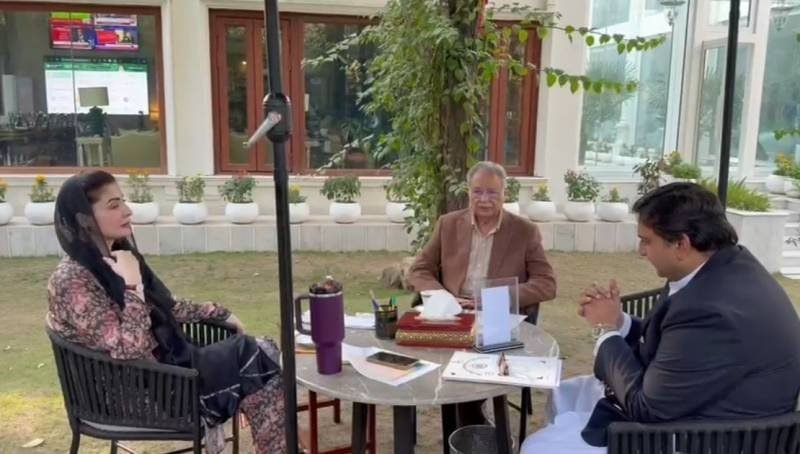
    She made the remarks during a meeting with Punjab Assembly Speaker Malik Muhammad Ahmed Khan, who discussed development initiatives and briefed her on assembly affairs.

    The chief minister said the completion of construction and rehabilitation work on more than 45,000 kilometres of roads across Punjab had set a record.

    She said the provincial government was introducing cardiac catheterisation laboratories, cancer centres, paediatric hospitals and other medical facilities in districts to improve healthcare services.

    During the meeting, Speaker Malik Muhammad Ahmed Khan congratulated the chief minister on what he described as the historic success of the Apni Chhat, Apna Ghar housing programme. He also appreciated the Honhar Scholarship Programme and laptop scheme aimed at supporting students across Punjab.

  • GB Steps Up Monitoring of Public Hospitals

    GB Steps Up Monitoring of Public Hospitals

    The Gilgit-Baltistan government has stepped up monitoring of medical facilities in public hospitals, aiming to improve healthcare services, cleanliness standards and the timely provision of treatment to patients.

    Additional Secretary Health Zakir Hussain paid a surprise visit to the Provincial Headquarters (PHQ) Hospital in Gilgit, where he reviewed the administrative and medical facilities available to patients.

    The Medical Superintendent and the Deputy Medical Superintendent briefed the additional secretary on the hospital’s overall administrative affairs, cleanliness, hygiene arrangements and the facilities being provided to patients.

    During the visit, the additional secretary inspected various arrangements at the hospital and directed the officials concerned to maintain high standards of cleanliness at all costs and to ensure there was no negligence in providing better medical facilities to patients.

    The Medical Superintendent said all available resources would be used to make the hospital’s administrative affairs more effective and to further improve the quality of treatment.

    According to the Gilgit-Baltistan government, providing quality healthcare facilities to the public at their doorstep is among its priorities.

  • پنجاب میں ڈاکٹرز کی لیمپ سم تنخواہ پر بھرتی کا فیصلہ

    پنجاب میں ڈاکٹرز کی لیمپ سم تنخواہ پر بھرتی کا فیصلہ

    پنجاب حکومت نے تدریسی اسپتالوں میں ڈاکٹروں، طبی عملے اور دیگر ملازمین کو لیمپ سم تنخواہ کے پیکجز پر بھرتی کرنے کا فیصلہ کیا ہے تاکہ عملے کی کمی کو دور کیا جا سکے اور صحت کی خدمات بہتر بنائی جا سکیں، 24 نیوز نے اتوار کو رپورٹ کیا۔

    مجوزہ انتظام کے تحت اسپتال اپنی مخصوص ضروریات کے مطابق مختلف عہدوں کے لیے عملہ بھرتی کر سکیں گے، جس سے مریضوں کی بڑھتی ہوئی تعداد سے نمٹنے اور خدمات کی فراہمی بہتر بنانے میں مدد ملے گی۔

    ذرائع کے مطابق اس اقدام سے مستقل سرکاری عہدوں کو پُر کرنے کے روایتی عمل کے مقابلے میں صحت کے پیشہ ور افراد کی بھرتی تیزی سے ہونے کی توقع ہے۔

    لچکدار بھرتی کا انتظام اسپتالوں کو مخصوص مدت کے لیے یا ضرورت کے مطابق عملہ بھرتی کرنے کی اجازت بھی دے گا، جس سے انتظامی اور مالی معاملات میں زیادہ لچک ملے گی۔

    رپورٹ کے مطابق حکومت کا خیال ہے کہ یہ انتظام عملے کی بھرتی کو آسان بنائے گا اور اسپتالوں کو اپنی انتظامی و مالی ضروریات بہتر انداز میں سنبھالنے میں مدد دے گا۔

    پنجاب کے تدریسی اسپتال روزانہ بڑی تعداد میں مریضوں کو سنبھالتے ہیں، اور ڈاکٹروں و معاون عملے کی کمی کو طویل عرصے سے خدمات پر بوجھ قرار دیا جاتا رہا ہے۔ نئے انتظام کا مقصد اسپتالوں کو مستقل تقرریوں کے طویل عمل کا انتظار کیے بغیر خالی جگہیں جلد پُر کرنے دینا ہے۔

    لیمپ سم ماڈل کے تحت اسپتال خود فیصلہ کر سکیں گے کہ انہیں کون سے عہدے پُر کرنے ہیں اور کتنی مدت کے لیے، بجائے اس کے کہ وہ صرف مرکزی بھرتیوں پر انحصار کریں۔ اس طریقے کا مقصد عملے کو ہر اسپتال کی ضروریات سے ہم آہنگ کرنا ہے۔

    رپورٹ میں یہ نہیں بتایا گیا کہ کتنے عہدے پُر کیے جائیں گے، تنخواہوں کے پیمانے کیا ہوں گے، یا بھرتی کب سے شروع ہوگی۔ اس میں یہ بھی نہیں کہا گیا کہ یہ انتظام صوبے کے تمام تدریسی اسپتالوں پر لاگو ہوگا یا مرحلہ وار متعارف کرایا جائے گا۔

    سرکاری اسپتالوں میں عملے کی کمی پنجاب میں بار بار تشویش کا باعث رہی ہے، جہاں تدریسی اسپتال صوبے بھر کے مریضوں کے لیے ریفرل مراکز کے طور پر کام کرتے ہیں۔ حکومت نے ماضی میں عملے کو مضبوط بنانے کے لیے مختلف اقدامات کا اعلان کیا ہے، جن میں ایڈہاک تقرریاں اور کنٹریکٹ پر بھرتی شامل ہیں۔

    تازہ فیصلے پر نظر رہے گی کہ اسپتال نئے بھرتی کے اختیارات کتنی جلدی استعمال کر پاتے ہیں اور آیا لیمپ سم پیکجز ان ڈاکٹروں اور طبی عملے کو متوجہ کرتے ہیں جن کی اسپتالوں کو ضرورت ہے۔

  • Punjab to Hire Doctors on Lump-Sum Pay Packages

    Punjab to Hire Doctors on Lump-Sum Pay Packages

    The Punjab government has decided to recruit doctors, medical staff and other employees for teaching hospitals on lump-sum pay packages to address staff shortages and improve healthcare services, 24NewsHD TV reported on Sunday.

    Under the proposed arrangement, hospitals will be able to hire personnel for various positions according to their specific needs, helping them cope with increasing patient loads and improve service delivery.

    According to sources, the initiative is expected to speed up the recruitment of healthcare professionals compared with the conventional process of filling permanent government positions.

    The flexible hiring arrangement will also allow hospitals to recruit staff for specific periods or as needed, providing greater flexibility in administrative and financial matters.

    The government believes this arrangement will make staff recruitment easier and help hospitals manage their administrative and financial needs more effectively, the report said.

    Teaching hospitals in Punjab handle large numbers of patients every day, and shortages of doctors and support staff have long been cited as a strain on services. The new arrangement is aimed at letting hospitals fill gaps more quickly instead of waiting for the lengthy process of permanent appointments.

    Under the lump-sum model, hospitals would be able to decide for themselves which posts they need to fill and for how long, rather than relying solely on centralised recruitment rounds. The approach is intended to match staffing more closely to the demands of each hospital.

    The report did not give the number of posts to be filled, the pay scales on offer, or a date from which the hiring would begin. It also did not say whether the arrangement would apply to all teaching hospitals in the province or be introduced in phases.

    Staff shortages in public hospitals have been a recurring concern in Punjab, where teaching hospitals serve as referral centres for patients from across the province. The government has in the past announced various measures to strengthen staffing, including ad hoc appointments and contract hiring.

    The latest decision will be watched for how quickly hospitals are able to use the new hiring powers and whether the lump-sum packages attract the doctors and medical staff the hospitals need.

  • نگار جوہر کا خیبر پختونخوا میں صحت کے نظام کی بہتری کے لیے نجی شعبے کے کردار پر زور

    نگار جوہر کا خیبر پختونخوا میں صحت کے نظام کی بہتری کے لیے نجی شعبے کے کردار پر زور

    خیبر پختونخوا کی مشیر صحت لیفٹیننٹ جنرل (ریٹائرڈ) نگار جوہر نے کہا ہے کہ صوبے کے صحت کے نظام کو بہتر بنانے کی کوششیں جاری ہیں، لیکن نجی شعبے کو بھی صحت کی خدمات کو مضبوط بنانے میں اپنا کردار ادا کرنا ہوگا، دنیا نیوز نے رپورٹ کیا۔

    پشاور میں پریس کانفرنس سے خطاب کرتے ہوئے جوہر نے کہا کہ ہر ایک ہزار بچوں میں سے 42 بچے حمل کے دوران یا پیدائش کے وقت کے آس پاس انتقال کر جاتے ہیں، جبکہ کئی مائیں بھی زچگی کے دوران جان سے ہاتھ دھو بیٹھتی ہیں۔ انہوں نے زچگی کے دوران اموات میں کمی کی ضرورت پر زور دیا۔

    انہوں نے کہا کہ ہسپتالوں میں بستروں اور صحت کے عملے کی کمی صوبے میں ایک بڑا چیلنج ہے، بعض ہسپتالوں میں ایک ہی بستر پر تین تین مریضوں کا علاج کیا جا رہا ہے۔ انہوں نے مزید کہا کہ صوبے میں 40 فیصد بچوں کی نشوونما اور بڑھوتری متاثر ہو رہی ہے۔

    جوہر نے کہا کہ دنیا کے بیشتر حصوں میں پولیو کا خاتمہ ہو چکا ہے، لیکن پاکستان اور افغانستان وہ واحد ممالک ہیں جہاں یہ بیماری اب بھی موجود ہے۔ انہوں نے کہا کہ پولیو کا خاتمہ اس بیماری کے خلاف مسلسل اور بھرپور کوششوں سے ہی ممکن ہے۔

    مشیر صحت نے کہا کہ بنیادی صحت کی دیکھ بھال حکومت کی اولین ترجیح ہے اور شعبے میں شفافیت کو یقینی بنانے کے لیے ڈیجیٹائزیشن کا عمل جاری ہے۔ انہوں نے خبردار کیا کہ ڈیجیٹائزیشن کی عدم موجودگی نظام میں خامیوں اور بے ضابطگیوں کے مواقع پیدا کر سکتی ہے۔

    ادویات کے معیار پر تشویش کا اظہار کرتے ہوئے انہوں نے کہا کہ ان کا معیار اب بھی ایک بڑا سوالیہ نشان ہے اور اسے بہتر بنانے کے لیے اقدامات کیے جا رہے ہیں۔ انہوں نے مزید کہا کہ ادویات کے نمونے جمع کرنے اور جانچنے کے لیے پانچ ڈویژنوں کو پانچ موبائل ڈرگ ٹیسٹنگ لیبارٹریز فراہم کی گئی ہیں۔

    جوہر نے کہا کہ حال ہی میں 250 نئے ڈاکٹر بھرتی کیے گئے ہیں۔ انہوں نے نشاندہی کی کہ بعض مقامات پر جہاں ڈاکٹروں کی ضرورت نہیں تھی وہاں ایک منظور شدہ عہدے کے مقابلے میں تین ڈاکٹر تعینات کیے گئے تھے، جبکہ ان شہروں میں کمی کو دور کرنے کی کوششیں کی جا رہی ہیں جہاں طبی عملے کی ضرورت ہے۔

    ریٹائرڈ لیفٹیننٹ جنرل جوہر کو حال ہی میں خیبر پختونخوا کے لیے قائم کی گئی کونسل میں صحت کا قلمدان سونپا گیا ہے۔ حالیہ دنوں میں انہوں نے منشیات کے کنٹرول کے آپریشنز کا جائزہ لیا ہے، ڈاکٹروں کی بھرتی اور حفاظتی ٹیکوں کی خدمات کو مضبوط بنانے پر اجلاسوں کی صدارت کی ہے، اور شفافیت کو یقینی بنانے کے لیے صحت کارڈ پروگرام کے جامع آڈٹ کا مطالبہ کیا ہے، سرکاری اور میڈیا رپورٹس کے مطابق۔

    پریس کانفرنس میں بتائے گئے اعداد و شمار، جن میں بچوں کی شرح اموات، بستروں کی کمی اور نشوونما سے متاثرہ بچوں کا تناسب شامل ہے، مشیر صحت نے خود دیے ہیں اور ان کی آزادانہ تصدیق نہیں ہو سکی ہے۔ محکمہ صحت کا کہنا ہے کہ بھرتی، ڈیجیٹائزیشن اور ادویات کی جانچ ان اقدامات میں شامل ہیں جن کے ذریعے ان خامیوں کو دور کرنے کی کوشش کی جا رہی ہے۔

    خیبر پختونخوا میں صحت کی دیکھ بھال برسوں سے دباؤ کا شکار ہے، پشاور اور دیگر اضلاع کے سرکاری ہسپتالوں میں رش اور عملے کی کمی کی اطلاعات ہیں۔ مشیر کے ریمارکس صوبے کو بنیادی صحت کی خدمات تک رسائی بڑھانے میں درپیش چیلنج کی سنگینی کو اجاگر کرتے ہیں۔

  • Nigar Johar Seeks Private Sector Role to Fix KP Healthcare

    Nigar Johar Seeks Private Sector Role to Fix KP Healthcare

    Khyber Pakhtunkhwa Health Adviser Lieutenant General (retd) Nigar Johar has said efforts are under way to improve the province’s healthcare system, but the private sector must also play its role in strengthening healthcare services, Dunya News reported.

    Addressing a news conference in Peshawar, Johar said 42 out of every 1,000 children die during pregnancy or around the time of birth, while several mothers also lose their lives during childbirth. She stressed the need to reduce maternal mortality.

    She said the shortage of hospital beds and healthcare workers was a major challenge in the province, with as many as three patients being treated on a single bed in some hospitals. She added that the growth and development of 40 per cent of children in the province were being affected.

    Johar said polio had been eradicated in most parts of the world, but Pakistan and Afghanistan remained the only countries where the disease was still present. She said polio could only be eradicated through sustained and vigorous efforts against the disease.

    The health adviser said primary healthcare was the government’s top priority and a digitisation process was under way to ensure transparency in the sector. She warned that the absence of digitisation could create opportunities for shortcomings and irregularities within the system.

    Expressing concern over the quality of medicines, she said their standard remained a major question mark and steps were being taken to improve it. She added that five mobile drug-testing laboratories had been provided to five divisions for collecting and testing medicine samples.

    Johar said 250 new doctors had been recruited recently. She pointed out that some locations where doctors were not required had three doctors appointed against a single sanctioned post, while efforts were being made to address shortages in cities where medical professionals were needed.

    Johar, a retired lieutenant general, was recently assigned the health portfolio in the council set up for Khyber Pakhtunkhwa. In recent days she has reviewed drug control operations, chaired meetings on the recruitment of doctors and the strengthening of immunisation services, and called for a comprehensive audit of the Sehat Card programme to ensure transparency, according to official and media reports.

    The figures cited in the news conference, including the child mortality rate, the bed shortage and the proportion of children affected by stunting, were given by the health adviser herself and have not been independently verified. The health department says recruitment, digitisation and medicine testing are among the measures being pursued to address the gaps she identified.

    Healthcare in Khyber Pakhtunkhwa has been under strain for years, with public hospitals in Peshawar and other districts reporting overcrowding and staff shortages. The adviser’s remarks underline the scale of the challenge facing the province as it tries to expand access to basic health services.

  • خیبر پختونخوا میں ڈاکٹروں کی شدید قلت، 6 ہزار افراد پر ایک ڈاکٹر

    خیبر پختونخوا میں ڈاکٹروں کی شدید قلت، 6 ہزار افراد پر ایک ڈاکٹر

    خیبر پختونخوا میں ڈاکٹروں کی شدید قلت ہے، جہاں 4 کروڑ سے زائد آبادی کے لیے صرف 8 ہزار 24 ڈاکٹر دستیاب ہیں، یعنی ہر 5 سے 6 ہزار افراد کے لیے صرف ایک ڈاکٹر موجود ہے۔ جنگ اور دی نیوز کی رپورٹ کے حوالے سے جیو نیوز نے یہ صورتحال سامنے لائی ہے۔

    رپورٹ کے مطابق صوبے میں 200 سے زائد مختلف نوعیت کے سرکاری طبی مراکز غیر فعال پڑے ہیں۔ اسپتالوں کی گنجائش بھی ناکافی ہے، سرکاری اسپتالوں میں 18 ہزار 432 بستر دستیاب ہیں جبکہ ضرورت 64 ہزار بستروں کی ہے۔

    یہ اعداد و شمار بتاتے ہیں کہ صوبے کی سرکاری صحت کی سہولتیں کس قدر دباؤ میں ہیں۔ کئی اضلاع میں مریضوں کو علاج کے لیے طویل انتظار کرنا پڑتا ہے اور فعال اسپتال تک پہنچنے کے لیے طویل سفر طے کرنا پڑتا ہے، اور یہ کمی صوبے کے دور دراز اور سابق قبائلی اضلاع میں سب سے زیادہ محسوس کی جاتی ہے۔

    مشیر صحت لیفٹیننٹ جنرل ریٹائرڈ نگار جوہر کو صورتحال پر بریفنگ دی گئی اور میڈیکل ٹیچنگ انسٹی ٹیوشنز ایکٹ میں ترامیم اور اسپتالوں کے آڈٹ کا فیصلہ کیا گیا ہے۔ انہوں نے بریفنگ کے دوران بتایا کہ صحت کارڈ کی خامیوں کو دور کر کے اسے مزید بہتر بنایا جائے گا۔

    صوبائی حکومت کو سرکاری اسپتالوں کی حالت پر کافی عرصے سے تنقید کا سامنا ہے۔ دی ایکسپریس ٹریبیون نے 8 نومبر کی رپورٹ میں کہا تھا کہ صوبے میں پاکستان تحریک انصاف کے 13 سالہ دور حکومت کے باوجود سرکاری اسپتالوں میں ادویات، بنیادی سہولتوں اور علاج کی کمی برقرار ہے، جس پر شہریوں نے مسلسل اصلاحات کے فوائد پر سوال اٹھائے ہیں۔

    شہریوں نے اخبار کو بتایا کہ کینسر اور دیگر سنگین بیماریوں کے مریضوں کو سرکاری اسپتالوں میں علاج اور ادویات حاصل کرنے میں مسلسل مشکلات کا سامنا ہے۔ رپورٹ کے مطابق یہ صورتحال دور دراز اضلاع اور قبائلی علاقوں بشمول مہمند، باجوڑ اور کرم کے رہائشیوں کے لیے خاص طور پر مشکل ہے، جہاں بنیادی صحت کی سہولتیں ناکافی ہیں۔

    خیبر پختونخوا کے گورنر فیصل کریم کنڈی نے کہا ہے کہ انہیں صوبے کے صحت کے نظام کے بارے میں متعدد شکایات موصول ہوئی ہیں۔ شہریوں نے صحت کارڈ پروگرام، سرکاری اسپتالوں میں بورڈز آف گورنرز کے قیام اور انسٹی ٹیوشن بیسڈ پریکٹس کے نظام پر بھی تحفظات کا اظہار کیا ہے۔

    ڈاکٹروں کی کمی اور طبی مراکز کی بندش ایسے وقت سامنے آئی ہے جب صوبائی حکومت اپنی صحت کی پالیسیوں کا جائزہ لے رہی ہے۔ بریفنگ میں اعلان کردہ فیصلے، جن میں میڈیکل ٹیچنگ انسٹی ٹیوشنز ایکٹ میں ترامیم، اسپتالوں کے آڈٹ اور صحت کارڈ میں بہتری شامل ہے، کا مقصد ایسے نظام کو مضبوط بنانا ہے جو رپورٹ کے مطابق اس وقت 4 کروڑ سے زائد آبادی کی ضروریات پوری کرنے سے قاصر ہے۔