Tag: Donald Trump

  • Trump: New Iran Strikes ‘Highly Unlikely’ If Talks Hold

    Trump: New Iran Strikes ‘Highly Unlikely’ If Talks Hold

    US President Donald Trump has said he is highly unlikely to order fresh attacks on Iran as long as talks to end the conflict keep making progress, stepping back from weeks of warnings that a new round of strikes could follow the midterm elections.

    Speaking in a phone interview with CNN on Sunday, Mr Trump said his decision would depend on whether Tehran signed what he called a very strong agreement. “The answer is, highly unlikely it’s going to be necessary,” he said, adding that Iran was a failing nation and that its economy was withering away.

    At the same time, he kept the threat of force on the table. Mr Trump said that if strikes resumed, the United States had identified potential targets, including 38 bridges that he said American forces could knock down in literally one hour. Later on Sunday, he posted on Truth Social that “Task Force Iron Gate is in full force and effect” on Iran, a campaign aimed at cracking down on Tehran’s movement of advanced weapons and other sanctioned material over its land borders and through the Caspian Sea.

    The president acknowledged that the Iran war had played a part in the Republicans’ defeat in last week’s midterm elections. Vice President JD Vance went further in a social media post, writing: “The reason we lost is the war.” Mr Trump told reporters on Sunday that a lot of people did not like Mr Vance’s comments.

    Secretary of State Marco Rubio declined to comment on Sunday on any link between the war and the elections. Asked about diplomatic efforts, he said he did not believe a breakthrough was imminent, adding that the president would always prefer to solve problems diplomatically. He described Iran’s demands as not just unacceptable, but in some cases outrageous and ridiculous and really not realistic.

    Mr Trump had been hinting that he would renew major attacks on Iran once the elections were over, but there has been no sign of a large-scale American military operation. Iran has said it would respond by striking American and Israeli targets if attacked again.

    Both sides have meanwhile reported attacks on shipping in or near the Strait of Hormuz. Iran’s Revolutionary Guards Navy said two oil tankers had caught fire after hitting mines while trying to pass through an unauthorised route, and a third tanker had also suffered an explosion and caught fire, according to the semi-official Fars news agency. The United States said its air force had disabled a vessel in the Gulf of Oman beyond the strait. Monitors from the United Kingdom Maritime Trade Operations reported an incident involving a bulk carrier and military forces about 18 nautical miles east of the Emirati city of Khor Fakkan. Reuters said it was not able to confirm the reported strikes.

    Qatar, which has been mediating in talks to end a conflict that has shaken the world economy, on Saturday denied reports that the United States and Iran had failed to reach a deal. Iran has submitted a nuclear proposal to Washington through Qatar, a senior Iranian official told Reuters, saying the United States was reviewing it but that discussions would depend on Washington first meeting Tehran’s seven demands. Those include sanctions relief, access to frozen assets and war reparations, while Washington says nuclear issues must feature in the initial talks. The war began on February 28, when the United States and Israel launched strikes on Iran, and is now in its ninth month.

  • Trump: New Iran War ‘Highly Unlikely’ as Talks Advance

    Trump: New Iran War ‘Highly Unlikely’ as Talks Advance

    Speaking to reporters aboard Air Force One, President Donald Trump said a renewed war with Iran was highly unlikely, pointing to peace talks that are now under way between the two sides. The remark marks a clear softening in tone from a president who has repeatedly threatened military strikes over Iran’s treatment of protesters and its nuclear programme.

    Trump said he was hopeful the talks would work out and that a very good deal could be made, adding that the negotiations had already had a big impact. He said Iran wanted to make a deal, and that American and Iranian delegations were due to meet in Oman as part of the diplomatic effort.

    The softer language comes even as the United States has moved significant military power into the region. The USS Gerald R. Ford, the world’s largest aircraft carrier, has been moved from the Caribbean to the Mediterranean, while the build-up in the Middle East includes the USS Abraham Lincoln, a carrier strike group, jets, destroyers, submarines and a guided missile cruiser.

    Trump said he would prefer not to use American military power, but would do so if needed. His comments suggest the threat of force remains on the table even as diplomacy takes centre stage, keeping pressure on Tehran while talks continue.

    Iranian leaders have responded with a mix of defiance and openness. President Masoud Pezeshkian said Iran would not yield to threats and wanted constructive, fair and serious talks, while making clear it would not abandon its nuclear rights. Foreign Minister Abbas Araghchi said Tehran was ready to return to talks on its nuclear programme.

    The coming weeks will test whether the diplomatic opening can hold. Trump is also expected to attend the first board meeting of the Board of Peace in Washington on February 19, a gathering that is likely to keep the focus on the region’s conflicts. For now, the message from Washington is that war is unlikely, but the aircraft carriers in nearby waters show that the option has not been put away.

    The Oman meeting will be the next test of whether the two sides can turn the softer tone into an agreement. Both capitals have signalled a willingness to talk, but the gap between Washington’s demands and Tehran’s insistence on keeping its nuclear rights remains wide, and the military build-up shows that neither side is putting its leverage aside just yet.

  • Stephen Miller Takes Over White House After Midterm Rout

    Stephen Miller Takes Over White House After Midterm Rout

    Washington: Donald Trump has put the most hardline figure in his inner circle in charge of the White House, naming longtime aide Stephen Miller as his new chief of staff in the first major shake-up since Republicans lost control of Congress in the midterm elections.

    The president announced the appointment in a social media post on Friday, describing Miller as one of his most trusted advisers and saying the change would take effect on Monday, November 9. Miller replaces Susie Wiles, who submitted her resignation on Thursday evening and will move to Trump’s political operation.

    The decision comes just days after Democrats swept both chambers of Congress, a result that has left the White House facing two years of hostile oversight and a much narrower path for the president’s legislative agenda. Rather than reaching for a peacemaker, Trump has chosen the aide most closely associated with his toughest policies.

    The architect of the immigration crackdown

    Miller, 41, has been at Trump’s side since the 2016 campaign and served as a senior policy aide in his first administration from 2017 to 2021. He returned to the White House in 2025 as deputy chief of staff and quickly became one of the most powerful voices in the building, driving the administration’s domestic agenda and its sweeping immigration enforcement drive.

    He is widely regarded as the chief architect of the deportation campaign, which set a target of 3,000 arrests a day and expanded enforcement to migrants who had lived in the United States for decades. His influence stretched well beyond immigration, reaching into crime policy, the overhaul of government institutions and an expansive view of presidential power.

    White House officials told Reuters the appointment signals that Trump intends to double down on his existing approach rather than change course after the electoral setback. “He’s rewarding those most loyal to him. He’s not changing course,” one official said.

    A signal of confrontation ahead

    Trump himself praised Miller as he left the White House on Friday, telling reporters: “Stephen’s been with me from the beginning. He gets it. Very good politically. And he’s a very good man.” Miller wrote on X that it had been the privilege of his lifetime to serve on Trump’s team and that he was honoured beyond words to take the job.

    The elevation is expected to shape the tone of the next two years. With Democrats now in charge of Congress and promising investigations into the administration, Miller’s appointment points to a White House preparing for confrontation rather than compromise, and it is likely to dim any early hopes of a deal on immigration legislation.

    Wiles, a longtime Trump political adviser, had served as chief of staff since the start of his second term in January 2025. She was the first woman ever to hold the position and was credited with bringing discipline to Trump’s political operation. Trump said she had done “an outstanding job” and would continue working with his political team.

    Trump, who had insisted only weeks ago that Wiles would remain in her post for a long time, told reporters on Friday that sometimes “you have to make moves”. He also signalled that more changes could follow, telling CBS News he intended to make further personnel changes after the midterm losses.

  • شی، ٹرمپ اور پوتن کی شینزن میں سہ فریقی ملاقات پر بات چیت

    شی، ٹرمپ اور پوتن کی شینزن میں سہ فریقی ملاقات پر بات چیت

    بیجنگ نے پہلی بار تصدیق کی ہے کہ چین، امریکہ اور روس کے سربراہان کی ممکنہ سہ فریقی ملاقات پر بات چیت جاری ہے، جس سے اس ماہ شینزن میں تینوں رہنماؤں کے ایک ساتھ بیٹھنے کا امکان پیدا ہو گیا ہے۔

    چین کی وزارت خارجہ کی ترجمان ماؤ ننگ نے بیجنگ میں ایک پریس بریفنگ کے دوران کہا کہ چین تینوں ممالک کے سربراہان کی ملاقات کے بارے میں متعلقہ فریقوں سے رابطے میں ہے۔ خبر رساں اداروں کے مطابق یہ پہلا موقع ہے کہ بیجنگ نے اس طرح کی بات چیت کی عوامی طور پر تصدیق کی ہے۔

    یہ ملاقات اگر ہوئی تو ایشیا پیسیفک اقتصادی تعاون تنظیم کے سربراہی اجلاس کے موقع پر ہو سکتی ہے، جو 18 اور 19 نومبر کو جنوبی چین کے شہر شینزن میں ہونا ہے۔ چین اس اجلاس کی میزبانی کر رہا ہے، جس میں فورم کی 21 رکن معیشتوں کے رہنما اور نمائندے شریک ہوں گے، جن میں امریکی صدر ڈونلڈ ٹرمپ اور روسی صدر ولادیمیر پوتن بھی شامل ہیں۔

    بات چیت کہاں سے شروع ہوئی؟

    رپورٹوں کے مطابق اس تجویز کی ابتدا روسی صدر پوتن کی جانب سے ہوئی، جنہوں نے 9 اکتوبر کو صدر ٹرمپ سے ٹیلی فون پر بات چیت میں سہ فریقی ملاقات کی تجویز دی تھی۔ رپورٹوں میں کہا گیا ہے کہ اس کا مقصد یوکرین میں جنگ کے خاتمے پر بات چیت کرنا تھا۔

    فنانشل ٹائمز نے 3 نومبر کو رپورٹ کیا تھا کہ تینوں ممالک کے حکام تقریباً دو ہفتوں سے اس ملاقات کے انتظام پر خفیہ بات چیت کر رہے ہیں۔ اس کے اگلے روز کریملن کے ترجمان دمتری پیسکوف نے کہا کہ اس ملاقات کے انتظام پر کام جاری ہے، اور یہ بھی بتایا گیا کہ شی جن پنگ اور پوتن کے درمیان 18 نومبر کو شینزن میں ملاقات متوقع ہے۔

    صدر ٹرمپ کے بھی شینزن جانے کی توقع ہے، جہاں وہ صدر شی سے دو طرفہ ملاقات کریں گے، جو اس سال ان کی تیسری ملاقات ہوگی۔ رپورٹوں کے مطابق امریکہ اور چین کے درمیان نازک تجارتی جنگ بندی جنوری میں ختم ہو رہی ہے، اس لیے یہ ملاقات تجارتی معاملات کے لیے بھی اہم سمجھی جا رہی ہے۔

    یوکرین کی تشویش

    ممکنہ سہ فریقی ملاقات نے یوکرین میں تشویش پیدا کر دی ہے، جہاں حکام کو خدشہ ہے کہ بڑی طاقتیں یوکرین کے مستقبل پر اس کی شمولیت کے بغیر فیصلے کر سکتی ہیں۔ یوکرین کے صدر ولودیمیر زیلنسکی نے خبردار کیا ہے کہ ایسے انتظامات نہیں ہونے چاہئیں جو متاثرہ ممالک کو شامل کیے بغیر ان کے مستقبل کا فیصلہ کریں۔

    تجزیہ کاروں کا کہنا ہے کہ اگر یہ ملاقات ہو بھی جائے تو اس سے زیادہ ٹھوس نتائج کی توقع نہیں رکھنی چاہیے۔ ان کے مطابق یہ ملاقات زیادہ تر ایک علامتی موقع ہو سکتی ہے، جس میں چین خود کو ایک اہم سفارتی کردار کے طور پر پیش کرے گا، لیکن یوکرین یا جوہری ہتھیاروں جیسے مشکل معاملات پر فوری معاہدہ ہونے کا امکان کم ہے۔

    فی الحال بیجنگ کی تصدیق سے صرف یہ ثابت ہوتا ہے کہ بات چیت جاری ہے، یہ نہیں کہ ملاقات طے پا گئی ہے۔ آنے والے دنوں میں یہ واضح ہوگا کہ آیا تینوں رہنما واقعی ایک میز پر بیٹھیں گے، یا یہ بات چیت دو طرفہ ملاقاتوں تک محدود رہے گی۔

  • US Offers $20m Reward for Iran Nuclear Secrets

    US Offers $20m Reward for Iran Nuclear Secrets

    The United States is offering a reward of up to $20 million and possible relocation for information about Iran’s nuclear programme, the US military said on Friday, as President Donald Trump reiterated that Tehran wants to make a deal to end the war.

    US Central Command said on X that the State Department’s Rewards for Justice programme was offering the reward for information about Iran’s nuclear programme, including its facilities, equipment and associated personnel, such as those in the scientific community, or the movement of any of them.

    The programme was established in 1984 under the State Department’s national security rewards programme to offer money for information that protects American lives and interests. It typically offers large payments for information used to track down terrorists and cut off terrorist financing, and it is unusual for the United States to attach a reward to information on Iran’s nuclear programme.

    In its statement about the reward, the State Department said Iran’s lack of compliance with its safeguards obligations to the International Atomic Energy Agency (IAEA) had led to the agency’s loss of continuity of knowledge regarding Iran’s production and inventory of key components like centrifuges. The IAEA reported in 2025 that Iran was enriching uranium to 60 per cent purity, close to the level needed for a nuclear weapon.

    The offer gave no specific parameters on what information would yield the full $20 million reward, and the programme’s website lists messaging apps including Telegram and Signal, as well as the Tor browser, as channels for submitting tips. The identity of sources is kept confidential, and payment is not automatic — information must be assessed by relevant US agencies before any reward is approved.

    Trump has repeatedly said US forces have effectively obliterated Iran’s nuclear programme. Speaking on Friday night in West Palm Beach, Florida, he said: “If we didn’t hit Iran, you wouldn’t have Israel today. If they had nuclear, they would have used nuclear. They would have obliterated the Middle East.”

    But the president also said Iran, which he stressed has had its economy and military severely damaged over eight months of war, is eager to end the conflict. “We’re dealing with them now. They want to make a deal very badly,” he said.

    Diplomatic efforts by mediators have been in full swing in an attempt to prevent any resumption of fighting, and on Tuesday Iran’s President Masoud Pezeshkian said his government was still trying to resolve the crisis through dialogue. Earlier this week Trump said he still had to take care of one or two targets, including a suspected nuclear site in central Iran which Tehran denies is such a facility.

  • Three Top Justice Dept Officials Quit After Midterm Rout

    Three Top Justice Dept Officials Quit After Midterm Rout

    Three senior US Justice Department officials have resigned in the days since Democrats swept the midterm elections, in a rapid shake-up at the top of the department.

    Attorney General Todd Blanche, a former personal lawyer for President Donald Trump, announced on Thursday that he had accepted the resignation of Harmeet Dhillon, the assistant attorney general for civil rights. On Friday he announced the resignations of John Eisenberg, the assistant attorney general for national security, and Jason Reding Quinones, the US attorney for the Southern District of Florida.

    Dhillon said in her resignation letter, cited by US media outlets, that she had submitted it in October and agreed to remain in her position until the election was over. In the role she had been directly involved in unsuccessful attempts to obtain voter registration lists from some 30 states ahead of the midterms.

    Quinones oversaw an investigation into former intelligence officials whom Trump accused of seeking to remove him from power, a probe the president’s allies have called the grand conspiracy investigation. He announced his own resignation in a social media post on Friday. According to sources cited by CNN, he stepped down under pressure from department leadership.

    Eisenberg, who was sworn in as assistant attorney general in charge of the National Security Division in June 2025, oversaw cases involving espionage, terrorism, export controls and cybercrime. The reasons for his and Quinones’ resignations were not clear, Reuters reported.

    The departures came after Democrats won control of both chambers of Congress in Tuesday’s midterm elections. According to reports, the result was driven in part by voter dissatisfaction with the handling of the conflict in the Middle East and by elevated fuel prices. The new Democratic majorities are expected to step up scrutiny of the Justice Department.

    The department under Trump has pursued cases against a number of perceived enemies, and several prosecutors have lost their jobs over their reluctance or inability to bring charges. In one high-profile case brought by the department, James Comey, the former director of the FBI, was indicted in April.

    Blanche announced both Friday departures in social media posts, saying the department was grateful for Quinones’ leadership. The three resignations leave the department without leaders for two of its most prominent divisions and one of its largest prosecutor’s offices.

  • Trump Says US Hit Iran’s Air Defences as Missiles Strike Qeshm Island

    Trump Says US Hit Iran’s Air Defences as Missiles Strike Qeshm Island

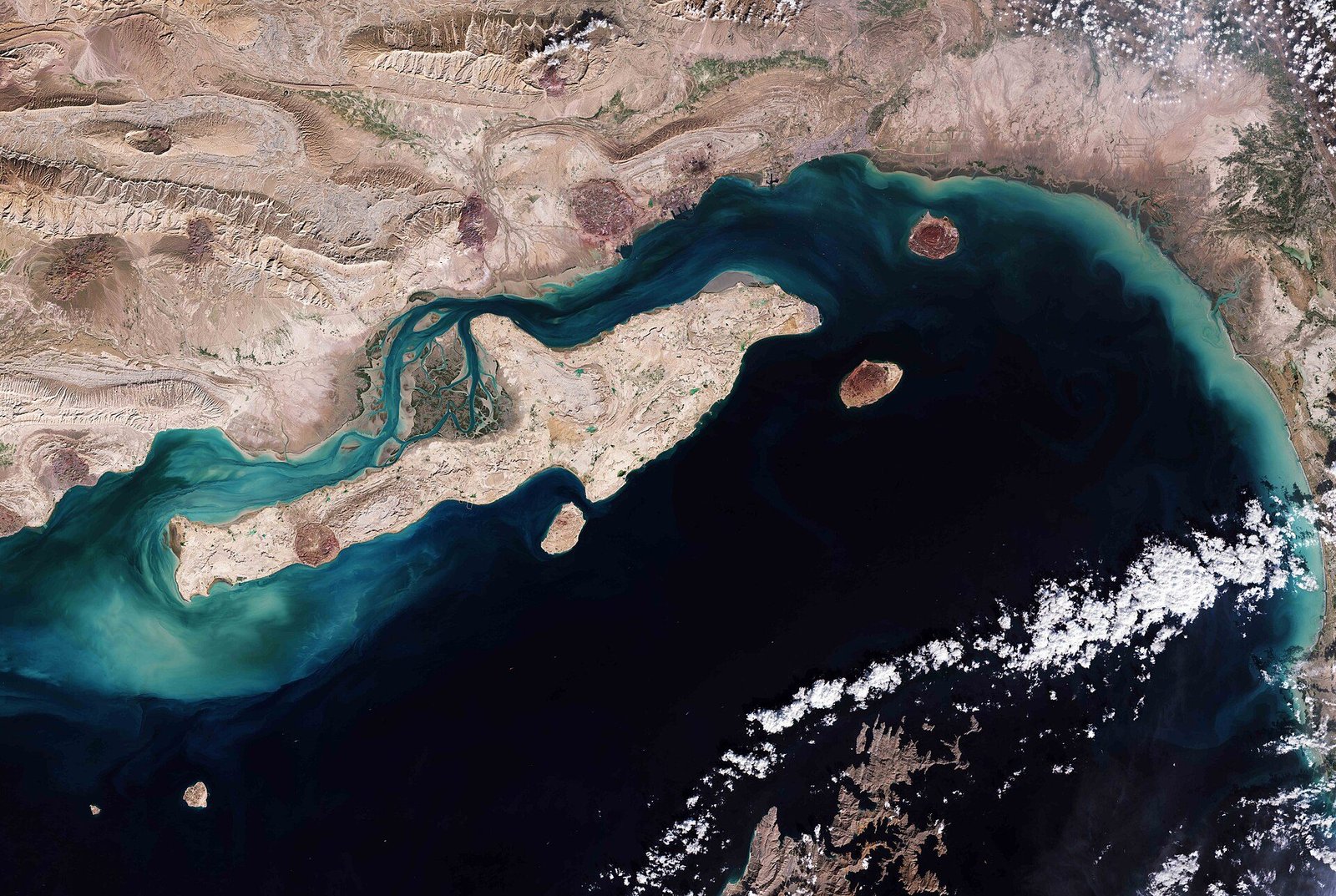
    President Donald Trump has said the United States military carried out new limited strikes on Iran early on Saturday, targeting the country’s air defence systems, hours after Iranian state media reported explosions on Qeshm Island in the Strait of Hormuz.

    Iran’s semi-official Tasnim news agency said initial reports indicated that two missiles had struck Qeshm Island, adding that there was no official information on possible damage, according to Reuters. The state news agency IRNA had earlier reported that local witnesses said two projectiles had struck the Suza area of the island after the sound of an aircraft was heard overhead.

    Speaking to reporters shortly after arriving in West Palm Beach, Florida, on Friday evening, Trump described the military action as minor. He said Iran had built a small anti-aircraft device and that US forces had knocked it out in about 15 minutes, according to reports of his remarks.

    Iranian media, citing the Islamic Revolutionary Guard Corps, also said earlier on Friday night that the country’s air defences had destroyed a US MQ-1 Predator drone over Qeshm Island.

    The US military had previously reported carrying out what it described as defensive strikes on Monday. Explosions were heard on the islands of Qeshm and Hengam in the strategic Strait of Hormuz, and in the nearby mainland area of Bandar Abbas.

    Saturday’s strikes are the first since Trump’s Republican Party lost control of both chambers of Congress in Tuesday’s midterm elections. The result was driven in part, according to reports, by voter dissatisfaction with the handling of the conflict and by elevated fuel prices linked to the war, which is now in its ninth month.

    At the same time, diplomatic efforts continued. Qatar on Saturday dismissed as false and misleading online reports claiming that Prime Minister and Foreign Minister Sheikh Mohammed bin Abdulrahman Al-Thani had said the United States and Iran had failed to reach an agreement. Qatar’s International Media Office said his remarks had been deliberately distorted, and that he had in fact said both sides were continuing to work towards a deal.

    Two Middle East government officials said on Friday that Iran was reviewing proposals presented by chief mediator Qatar aimed at addressing differences with the United States over Tehran’s nuclear programme. One of the officials stressed that Iran, at least for now, remains unwilling to engage in negotiations with the Trump administration over its atomic activities until the US agrees to several core conditions, including ending the blockade on Iran’s ports, lifting sanctions, unfreezing its assets and paying compensation for war damage.

    According to regional officials, mediators and Iran have also discussed a possible bridge deal under which trust-building measures would be implemented over two days. The proposal would see the US blockade lifted and some of Iran’s frozen funds released, in return for Tehran allowing inspectors from the International Atomic Energy Agency into sites bombed by the US and Israel. On the second day, Iran would reopen the Strait of Hormuz under a modified agreement it has reached with Oman on the waterway.

    Iran has long maintained that its nuclear programme is peaceful. According to the International Atomic Energy Agency, Iran holds 440.9 kilograms of uranium enriched to 60 percent purity, a short technical step from weapons-grade levels of 90 percent.

    Separately, Saudi Arabia’s air defences shot down a drone in the Riyadh area late on Friday, and two ballistic missiles targeting the Najran province were shot down on Friday morning, with another drone intercepted in the Makkah region. The attacks were attributed to the Houthi militia in Yemen, which has been targeting civilian facilities in Saudi Arabia.

  • Trump Blames Democrats for $2.5 Trillion Market Crash

    Trump Blames Democrats for $2.5 Trillion Market Crash

    United States President Donald Trump has blamed the Democratic Party for a sharp sell-off on Wall Street that wiped trillions of dollars from American stock markets on Thursday, a day after Democrats swept to victory in the midterm elections.

    The technology-heavy Nasdaq Composite fell 5.52 percent to close at 24,315.00, its worst session since April 2025, while the Dow Jones Industrial Average plunged 1,833 points, or 3.44 percent, to 51,523.06, and the S&P 500 dropped 4.36 percent to 7,353.73, according to figures reported by the Associated Press. The sell-off erased about $2.5 trillion in market value from Nasdaq-listed companies and about $2.9 trillion from firms in the S&P 500, both described as single-day records.

    Writing on Truth Social, Trump linked the losses directly to the election outcome. He said the market had suffered one of the worst days in its history because of the results, and warned that retirement savings had been hit. In an earlier post he wrote that the market had crashed because the Democrats had a big Tuesday, telling voters they only had themselves to blame.

    The president insisted the losses were not the fault of his party, writing that it was not the Republicans but the Democrats who were responsible, and he predicted that markets would recover and become bigger and stronger than ever before.

    The sharp reversal came a day after US markets had rallied strongly following the Democrats’ victories in the November 3 midterm elections, in which they won control of both the House of Representatives and the Senate. Thursday’s plunge wiped out those gains and pushed the Nasdaq into correction territory, more than 10 percent below its October record.

    Market analysts, however, pointed to other forces behind the sell-off. Reports cited growing concern over heavy spending on artificial intelligence, doubts about the returns from data-centre investment, and worries that a Democratic-controlled Congress could restrict the AI industry. Technology shares led the decline, with chipmaker Nvidia falling about 9 percent and the Philadelphia Semiconductor Index dropping around 12 percent.

    According to Reuters, the scale of the fall reflected a rapid reassessment by investors of the outlook for technology companies after the election. Traders who had celebrated the results on Wednesday turned to selling on Thursday as they weighed what Democratic control of Congress could mean for regulation of the fast-growing AI sector.

    Trump’s intervention underlined how quickly the midterm results have become a political battleground over the economy. The president has long treated the stock market as a measure of his economic record, and his posts sought to pin the blame for the losses on his opponents while reassuring investors that a recovery would follow.

    For now, the figures tell their own story. A market that had climbed to record highs in October has suffered one of its sharpest single-day reversals, and the debate over whether politics or the AI boom’s excesses caused the fall is set to continue as trading resumes.

  • Trump: Russia-Ukraine Peace Deal Is ‘Very Close’

    Trump: Russia-Ukraine Peace Deal Is ‘Very Close’

    US President Donald Trump has said a peace agreement between Russia and Ukraine is “very close”, after meeting Russian President Vladimir Putin’s special envoy, Kirill Dmitriev, at the White House.

    Speaking to reporters in the Oval Office on Thursday, Trump said he believed the war could soon be settled. “I think we’re going to be very close to settling Russia, Ukraine,” he said, describing the possible accord as a “big, beautiful agreement” that could extend beyond a settlement between Moscow and Kyiv to involve the whole of Europe.

    Trump confirmed he had met Dmitriev privately but declined to disclose what they discussed. He also said he did not meet the Ukrainian delegation that was visiting Washington on the same day.

    The meeting followed a diplomatic gathering hosted by First Lady Melania Trump, which brought Russian and Ukrainian representatives together to mark a six-day localised ceasefire she helped broker in the southern Ukrainian city of Oleshky. The temporary ceasefire ran from October 27 to November 1 and allowed for the evacuation of nearly 800 civilians from the Russian-occupied city, as well as the delivery of food and medical supplies.

    Senior officials from both countries attended the White House event, including Dmitriev, Yana Lantratova, Russia’s human rights commissioner, David Arakhamia, leader of the Servant of the People party in Ukraine’s parliament, and Dmytro Lubinets, Ukraine’s parliamentary human rights commissioner.

    According to reports, a US delegation is scheduled to mediate talks between Russian and Ukrainian representatives in Abu Dhabi on November 10 and 11, as diplomatic contacts around the war accelerate. Trump gave no terms, venue or timetable for the agreement he described, and the substance of his talks with Dmitriev remains undisclosed.

    According to reports, a US delegation is scheduled to mediate talks between Russian and Ukrainian representatives in Abu Dhabi on November 10 and 11, in what would be the first trilateral peace discussion between the United States, Ukraine and Russia since February. US envoy Jared Kushner announced the talks, which are intended to seek progress towards ending the war, now approaching its fifth year.

    Dmitriev’s visit to Washington was the first in-person contact between Russian and US officials since the midterm elections, in which Democrats won control of both the Senate and the House of Representatives. Trump gave no terms, venue or timetable for the agreement he described, and the White House has not said what, if anything, was agreed in his meeting with Dmitriev.

    The diplomatic push comes after months of stalled negotiations, with the Oleshky ceasefire presented by the White House as a humanitarian opening that could be widened. What remains unclear is whether the White House talks will produce any specific follow-up, or whether the humanitarian channel can be widened beyond Oleshky.

  • Trump Picks Miller as Chief of Staff After Midterm Rout

    Trump Picks Miller as Chief of Staff After Midterm Rout

    President Donald Trump has named Stephen Miller, the driving force behind his hardline immigration agenda, as his next White House chief of staff, in a sweeping shake-up at the top of his administration days after Republicans suffered heavy losses in the midterm elections.

    Trump announced the move on Friday in a post on his Truth Social platform, saying Miller will take over from Susie Wiles on Monday, November 9. Wiles, the first woman to serve as White House chief of staff, has held the post since the start of Trump’s second term and will move to the president’s political operation.

    “I am pleased to announce that Mr Stephen Miller, the current Deputy Chief of Staff of the Trump Administration, and one of my most trusted advisors, will become the Chief of Staff starting Monday, November 9, 2026,” Trump wrote. “Susie Wiles, who has done an outstanding job, will be moving over to the Trump Political Operation.”

    Miller currently serves as deputy chief of staff for policy and as the president’s homeland security adviser. US media describe him as the chief architect of the administration’s deportation agenda, and his promotion puts one of the most polarising figures in the White House at the centre of its day-to-day operations.

    Miller has worked for Trump for a decade, since his first presidential campaign, and served as a senior adviser on immigration during Trump’s first term in office. Before joining Trump, he worked for then-Senator Jeff Sessions, where he built his reputation as a hardliner on immigration.

    The change comes three days after midterm elections in which Democrats regained control of Congress and Republicans suffered heavy defeats in several key races. A White House official said Wiles gave her resignation on Thursday night. Trump praised her in his announcement, calling her one of the most consequential chiefs of staff in American history.

    Miller will work alongside Wiles in the coming weeks to ensure a smooth transition. The appointment signals that immigration enforcement will remain at the heart of the administration’s agenda as it enters the second half of the president’s term, with Miller now controlling the staff and the flow of decisions through the White House.