Tag: Cyberattack

  • France Blames Iran for Hacking 700 Supermarket Fridges

    France Blames Iran for Hacking 700 Supermarket Fridges

    France has accused Iran’s Revolutionary Guards of carrying out a cyberattack that sabotaged refrigeration systems at around 700 supermarkets across the country last month, in what Paris is calling the first large-scale cyber sabotage operation on French soil.

    Foreign Minister Jean-Noël Barrot made the accusation on Monday, 9 November, on the sidelines of a meeting of G7 foreign ministers in Paris. He said the attack was “unprecedented in both its scale and its level of aggression” and vowed that it would not go unanswered. France has summoned Iran’s ambassador to Paris and says it will pursue sanctions against those responsible at a European level.

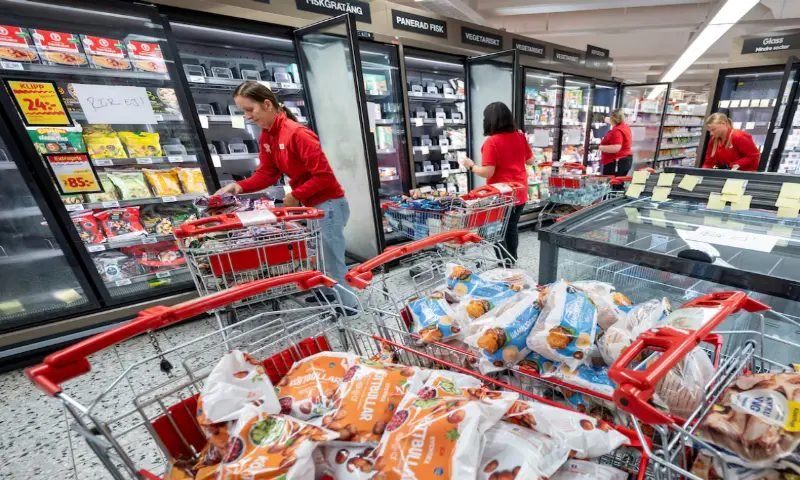
    The attacks took place overnight on 11 and 12 October. According to France’s national cybersecurity agency, ANSSI, hackers took control of refrigeration controllers at roughly 700 retail sites, from supermarkets to butcher shops, and raised temperatures in the middle of the night by hijacking the units’ defrost function. In some cases temperatures climbed to 50 degrees Celsius, spoiling large quantities of perishable food and causing equipment damage and fires.

    ANSSI attributed the operation to Shahid Kaveh, a cyber-offensive unit affiliated with the Electronic and Cyber Centre of Iran’s Islamic Revolutionary Guard Corps. French investigators pointed to technical indicators including the use of Persian language in the attack infrastructure and internet addresses linked to devices in Iran. The unit is also known in the cyber world as CyberAv3ng3rs. The Paris prosecutor’s office has opened a judicial investigation into the head of the unit and his two deputies, and is seeking international arrest warrants.

    Major French grocery chains were among those affected. Intermarché reported that at least 300 of its stores and its Netto brand locations were hit, while more than 100 Coopérative U supermarkets were affected. Carrefour, Monoprix and E.Leclerc were also targeted. ANSSI’s director general told French senators last month that the intrusions had been made possible by basic security flaws, including weak passwords on internet-connected equipment.

    There was no immediate comment from Tehran on the French allegations. Iran has previously denied conducting malicious cyber operations. The French accusation nevertheless marks a sharp escalation, moving the matter from a technical investigation to direct diplomatic action against Tehran.

    Speaking on Tuesday, Barrot said France ruled out nothing and would take all measures it deemed proportionate and necessary to deter further attacks, including steps it might not disclose publicly. Similar refrigeration failures were reported at supermarkets in Sweden, Belgium and Ireland earlier this month, though French officials said it remains unclear whether those incidents are linked to the French case.
  • 18 Million Stories Go Dark After Fan-Fiction Site Hack

    18 Million Stories Go Dark After Fan-Fiction Site Hack

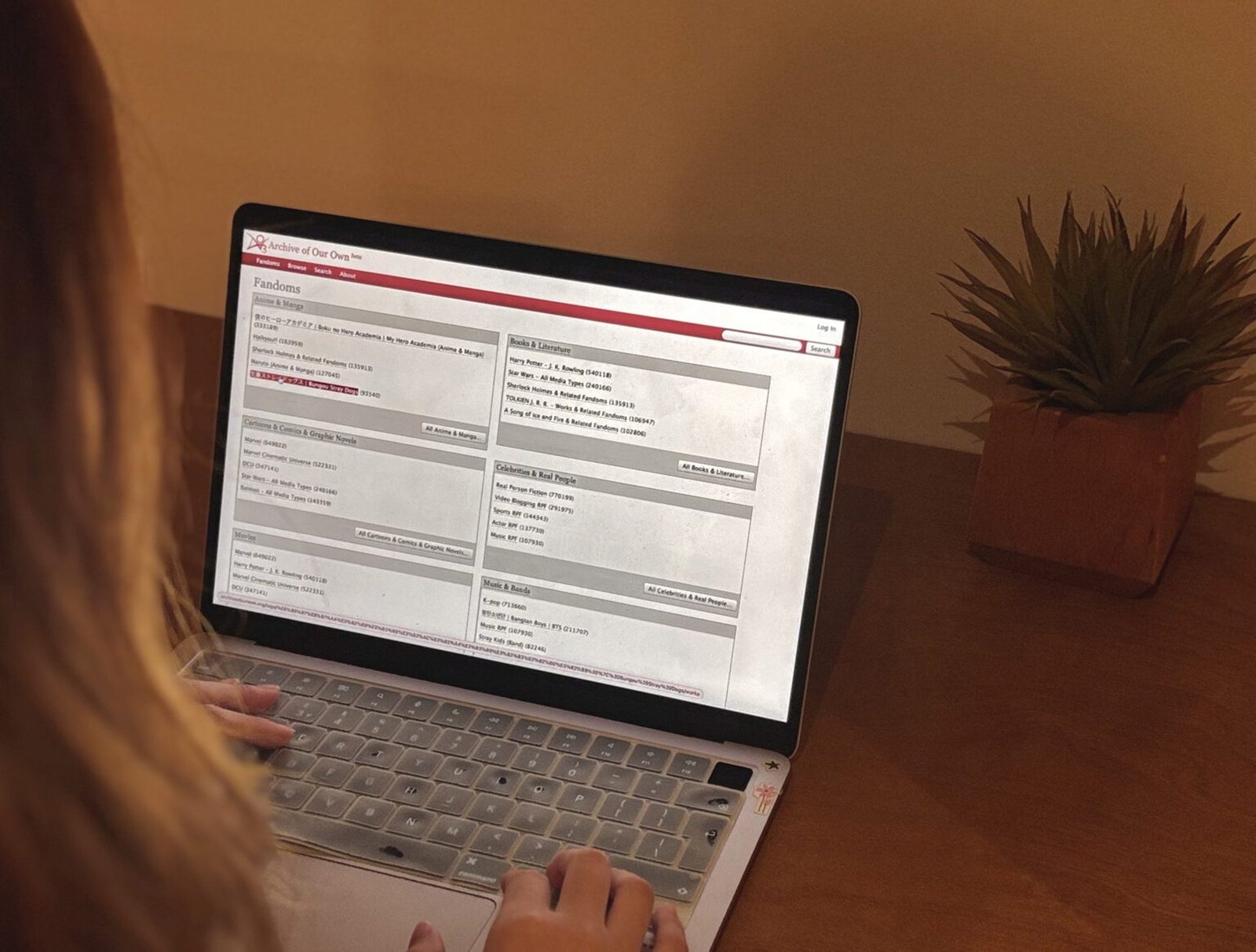
    One of the world’s most popular fan-fiction libraries has been dark for more than a week after a cyberattack forced it offline, leaving millions of readers and writers without access to their favourite stories. Since October 29, anyone trying to reach Archive of Our Own, known to its users as AO3, has been met with a message saying the site is down for maintenance.

    What was first expected to last about twelve hours has turned into a much longer outage. An update posted hours after the site went down estimated that restoring full service would instead take two weeks, or potentially up to four. The non-profit that runs the site says it now hopes to have things running again within a month.

    AO3 is the main home of fan fiction, stories written by amateur authors using characters and worlds from books, films, television shows and games. The archive holds nearly 18 million works and has more than 11 million registered users, with large and dedicated communities reworking figures from sources including Marvel, Harry Potter and the Japanese manga series My Hero Academia.

    The Organization for Transformative Works, the non-profit that operates the site, says the outage was caused by a security breach that is still under investigation. It says no stories, bookmarks or Kudos, the site’s version of likes, were deleted in the attack. It also says it does not believe the user database, which holds usernames, email addresses and encrypted passwords, was stolen, but it cannot rule that out.

    A volunteer-run site under strain

    Naomi Novik, one of AO3’s co-founders, said she felt a sense of resignation when she learned of the hack. She noted that dealing with security breaches is harder for a volunteer-run operation like AO3 than for a large commercial company, and said the team has confirmed that the stories posted to the site have not been deleted.

    Users have been distraught at the prospect of a month without reading, or adding to, the archive’s vast collection. In the days after the site went down, several copycat platforms appeared with near-total copies of the archive, including, some users said, stories that had never been published and others that had been deleted. One such site, called AO3.life, appeared on November 1, three days after the hack.

    For many readers and writers, the outage has underlined how much of their creative life depends on a single non-profit platform. The operators say there is no data loss and they look forward to restoring the site as soon as possible. Until then, millions of fans are waiting for the library that holds their stories to come back online.

  • Hackers stole around $100m from French bank

    Hackers stole around $100m from French bank

    Hackers stole around $100 million from a French regional bank in a cyberattack that the bank says has now been contained.

    Credit Mutuel Arkea said it was the victim of a cyberattack two weeks ago that hit its regional banking platform. According to the bank, the hackers gained access to an account belonging to the bank on an external payment platform and transferred money out of it into cryptocurrencies.

    Reports have put the amount stolen at $133 million, but the bank would not confirm that figure. The headline figure given in the reports is around $100 million, and the exact sum has not been officially confirmed.

    The bank said the incident had been contained and that no customer data was compromised. It added that there was no impact on its day-to-day operations and that the amount involved would not undermine its solvency.

    Credit Mutuel Arkea has 550,000 customers and 1.4 billion euros in assets, according to the article. The bank is a regional lender, and the attack targeted its banking platform rather than its branch network.

    The Paris prosecutor’s office has opened an investigation into aggravated fraud and money laundering by an organised gang, the reports said. No arrests have been announced in connection with the case so far.

    Moving stolen money into cryptocurrency is a familiar pattern in large bank frauds, because digital assets can be moved across borders quickly and can be harder to trace than money held in ordinary bank accounts. Investigators in such cases typically work with payment platforms and cryptocurrency exchanges to follow the trail of the funds.

    The attack underlines the scale of the threat facing even mid-sized banks. Financial institutions hold large sums and process payments around the clock, which makes them attractive targets for organised criminal groups that specialise in breaking into payment systems.

    For the bank’s customers, the immediate message from the lender is that their accounts and personal data were not affected. The bank has said its daily operations are continuing as normal while the investigation proceeds.

    What happens next will depend on the work of the Paris prosecutors and the investigators tracing the stolen funds. Recovering money that has been converted into cryptocurrency is often difficult, and such inquiries can take months before any charges are brought.

    The case is likely to be watched closely by other regional banks in Europe, which face the same challenge of protecting payment systems that connect them to outside platforms. Regulators have repeatedly warned lenders to strengthen their defences against attacks that exploit links with third-party payment providers.

    For now, the confirmed facts are the attack itself, the bank’s account of how the money was taken, the opening of a criminal investigation in Paris, and the bank’s assurance that its customers and its solvency are unaffected. Further details are expected as the investigation develops.

  • Hackers hit 100+ European supermarket fridges, food spoiled

    Hackers hit 100+ European supermarket fridges, food spoiled

    Fridges and freezers at more than 100 supermarkets across several European countries were left running hot on Monday after a hacking attack struck refrigeration systems from Sweden to Belgium, forcing stores to throw away spoiled food and pull chilled products from sale. Retailers across the continent reported the same pattern: cooling units that stopped working properly overnight, with some companies directly blaming a cyberattack.

    Dutch supermarket operator Ahold Delhaize said an overnight IT incident affected fridges and freezers at dozens of Delhaize stores in Belgium and Luxembourg, after a temperature rise was detected in its cooling systems on Monday. French retailer Carrefour said about 15 of its 700 Belgian locations were hit by refrigeration problems, while the Colruyt Group, which runs Spar stores in Belgium as franchises, confirmed that five of its shops had their fridge systems attacked.

    In Sweden, Coop said cooling systems at seven of its 800 stores were affected, with disruption ranging from complete shutdowns to partial operation, and confirmed that the incident involved unauthorised tampering with the cooling systems. Privately held ICA in Sweden said a limited number of its stores were affected by an overnight incident hitting refrigeration and freezer systems, and Irish wholesaler Musgrave said a cyber incident had affected refrigeration at 13 of its SuperValu stores, forcing it to remove some chilled and frozen products from sale.

    The damage at individual shops was stark. A butchery chain in Hove, south of Antwerp, found its fridges turned up as high as 18 degrees Celsius, ruining about 15,000 euros worth of meat, according to its founder. Other stores were forced to discard food that could no longer be kept safely chilled, turning a digital intrusion into immediate, visible waste on shop floors.

    The attack echoed a similar incident in France last month, when refrigeration units were heated to as much as 50 degrees Celsius, causing fires and spoiling food. That earlier episode had already raised questions about how exposed everyday infrastructure, far from banks or government networks, can be to remote tampering with industrial control systems.

    Italy’s government said on Tuesday that the domestic impact of the latest attack had been extremely limited and posed no public health risk from thawing food products. A senior undersecretary, Alfredo Mantovano, chaired a meeting with the intelligence services and the cybersecurity agency, after which officials said only a small number of commercial outlets in Italy had been affected, mostly those still relying on outdated security systems.

    Italian police have launched an investigation into cyberattacks that affected supermarkets in the southern region of Sicily and in the northern Emilia-Romagna region, according to the Ansa news agency. The government said the vast majority of the food distribution chain was equipped with up-to-date protection systems capable of repelling malicious intrusions, which limited the spread inside Italy.

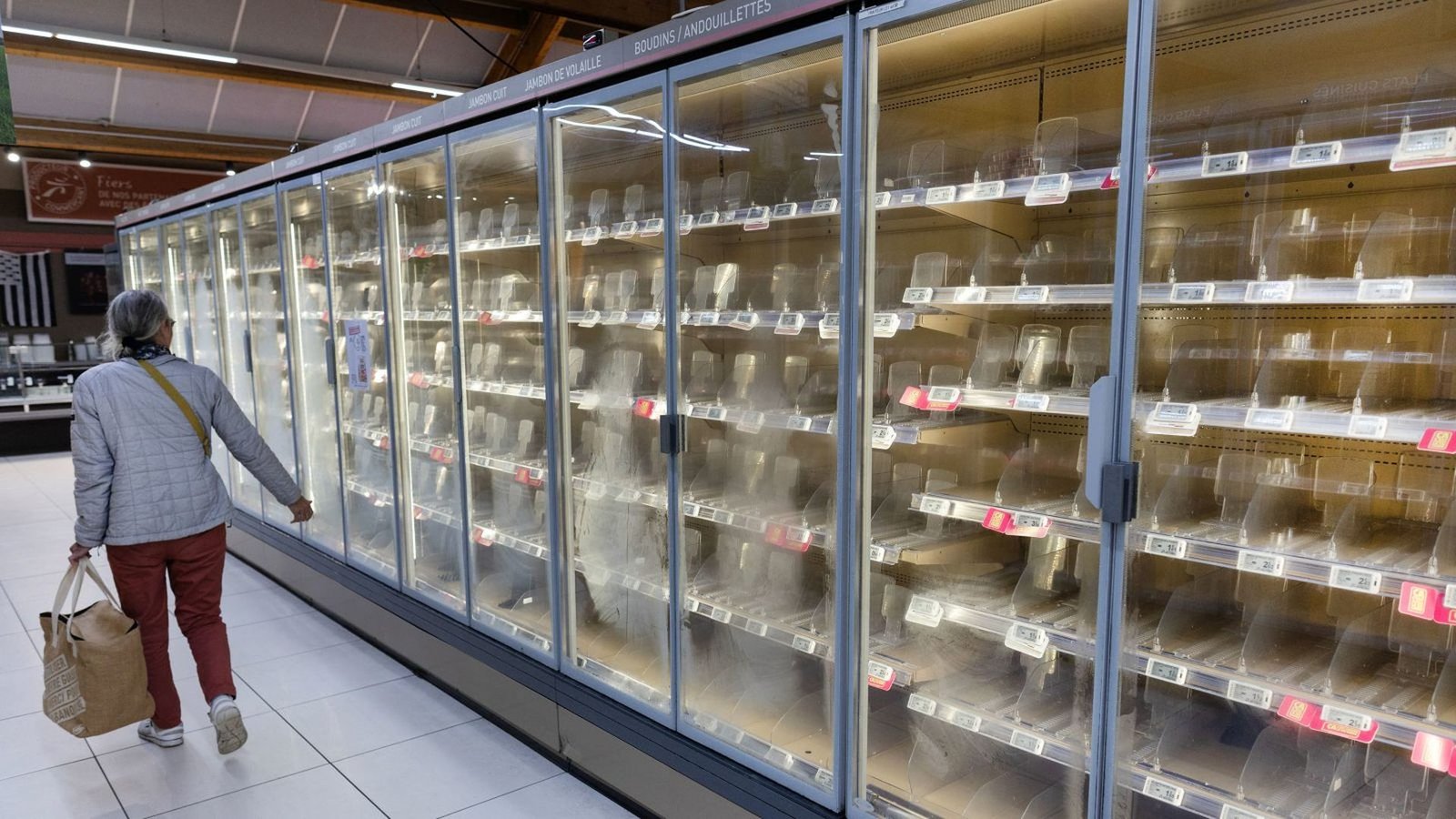
    Retailers across the affected countries are still investigating how the attackers reached the refrigeration controls and whether the incidents are linked. For shoppers, the episode was a reminder that a cyberattack does not have to target a website or a bank account to be felt directly: it can show up as empty chilled shelves, discarded food and a familiar supermarket suddenly unable to keep its products cold.

  • North Korea rejects FBI blame for $6.3bn Binance heist

    North Korea rejects FBI blame for $6.3bn Binance heist

    North Korea has rejected claims by the FBI and other United States intelligence agencies linking state-backed hackers to the record-breaking $6.3 billion breach at cryptocurrency exchange Binance. In a statement issued through the official Korean Central News Agency, Pyongyang dismissed the accusations as absurd rhetoric and a complete fabrication.

    The breach has been described as the largest digital asset theft of its kind, and US intelligence attributions have pointed to North Korea’s military hacking units as being behind it. Those claims have now been met with a sharp denial from Pyongyang, which insists it had no involvement in the incident and rejects the attribution outright.

    The exchange of claims and denials reflects a familiar pattern in disputes over major cyberattacks. American agencies have repeatedly attributed large-scale hacking operations to North Korean state-backed groups, while Pyongyang has routinely denied any role. In this case, the scale of the reported loss, $6.3 billion in digital assets, has made the attribution especially high profile.

    For the cryptocurrency industry, the dispute matters beyond the politics. A breach of this size raises questions about the security of large exchanges, the protection of customer assets, and the ability of authorities to trace and recover stolen funds. When the alleged perpetrators are said to be state-backed, those questions become harder still, because recovery and enforcement across borders are far more complex.

    North Korea’s statement, carried by its state news agency, did not accept any part of the US account. Instead, it framed the accusations as fabricated, a position that leaves the two sides’ accounts directly opposed. No independent adjudication of the competing claims has been presented in the reporting of the denial.

    The disagreement is likely to continue, as both Washington and Pyongyang have strong reasons to hold their positions. For now, what is confirmed is the denial itself, the scale of the breach as reported, and the fact that the attribution remains contested rather than settled.

    Attribution in major cyber incidents is often disputed in this way. Governments typically base their claims on technical evidence and intelligence assessments, while the accused party may reject those findings outright, leaving the public with two conflicting accounts. In cases involving very large sums, that dispute tends to attract even more attention, because exchanges, investors and regulators all want to know how the breach happened and whether stolen assets can be traced or recovered.

  • Hackers send fake nuclear alerts to phones across Ukraine

    Hackers send fake nuclear alerts to phones across Ukraine

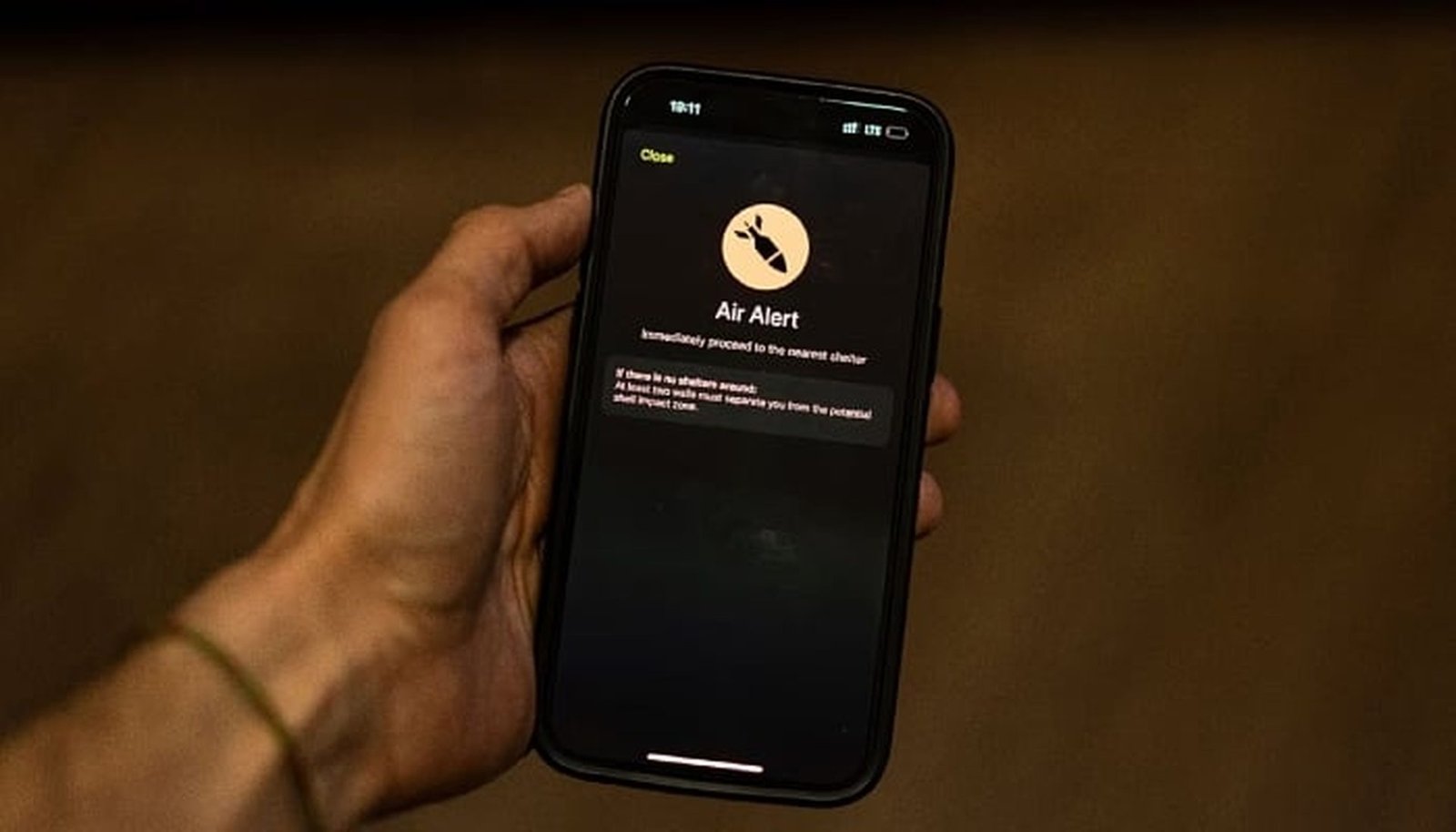
    Hackers broke into Ukraine’s nationwide air raid alert app on Sunday night and sent false warnings of nuclear and chemical attacks to people across the country, causing alarm in Kyiv and other cities before the service was suspended.

    The false alerts began shortly before eleven o’clock local time on Sunday 1 November. Users received a warning of a radiation threat in Kyiv, followed by messages in Russian claiming a nuclear alert would cover all of Ukraine and referring to the Oreshnik missile. Further alerts warned of a chemical attack on Kyiv and of street fighting in the capital, telling people not to go outside.

    Ukraine’s air force said on Telegram that the application had probably been subjected to hostile interference, telling users there was no radiation threat and urging them to stay calm and follow official updates. The app’s team later said third parties had carried out unauthorised interference, and it disabled push notifications and temporarily suspended the service. In the western Lviv region, a radiation hazard signal was briefly played on loudspeakers because of the app, although officials confirmed there was no radiation danger.

    The app is a lifeline for Ukrainians, warning them in real time of incoming missile and drone attacks and often giving them only minutes to reach shelter. Its temporary shutdown therefore carried serious risks, and officials urged people to rely on sirens, loudspeakers and official channels while it was being restored. The service was gradually brought back during Monday, according to the project’s team.

    Ukraine’s Centre for Strategic Communications blamed Russia for the hack, but responsibility has not been independently established. A hacking group calling itself Hitcore was reported to have claimed responsibility, though that claim could not be verified. Ukraine’s emergency services said there were no reports of casualties or damage from the false alerts, and an investigation is under way.

    Hours later, Russia’s own emergencies ministry said its mobile app had also suffered a massive cyberattack, sending false information to users in thirty-three regions. It said the app’s full functionality would be restored by the end of Monday. It is not clear whether the two attacks were linked, and neither side’s claims about the incidents have been independently confirmed.

    The episode has raised fresh questions about the safety of the digital systems civilians depend on during wartime. Air force spokesman Yurii Ihnat told Ukrainian television that the cyberattack had no impact on Ukraine’s security and defence operations, because the alert app is separate from military command systems.

  • Fridge hack hits 100+ European supermarkets, food spoiled

    Fridge hack hits 100+ European supermarkets, food spoiled

    Hackers have targeted the refrigeration systems of supermarkets across Europe, forcing fridges and freezers into defrost mode and pushing temperatures as high as 50 degrees Celsius. More than 100 stores in several European countries were affected in the overnight attack, according to reports, leaving retailers to throw away large quantities of chilled and frozen food.

    In Belgium, the impact was the widest. Retailer Ahold Delhaize confirmed an overnight IT incident affecting refrigeration systems in dozens of its Delhaize stores in Belgium and Luxembourg, around 40 stores in Belgium according to reports. Carrefour said about 15 of its 700 Belgian locations were affected, and five Spar franchise stores were also hit. In one Belgian case, hackers set fridges to defrost mode, raising temperatures from the usual minus 22 degrees to around 15 degrees.

    The attack spread well beyond Belgium. In Ireland, Musgrave said a cyber incident affected refrigeration systems at 13 of its SuperValu stores, and chilled and frozen products were removed from sale as a precaution. In Sweden, the ICA chain said a limited number of stores were affected, while Coop confirmed that cooling systems at seven of its 800 stores were hit and said the incident involved unauthorised tampering. Finland, Estonia, the Netherlands and Luxembourg also reported affected stores, including a single Selver store in Estonia that was still using an older refrigeration control system.

    The method, according to retailers and cybersecurity experts, was to exploit internet-connected temperature controllers. Supermarket refrigeration is run by central management units that control temperatures, defrost cycles and alarms for every chiller and freezer in a store, and many of these units can be reached remotely so contractors can diagnose faults without visiting the site. In the latest attacks, hackers appear to have used that remote access to force units into continuous defrost, sending temperatures soaring. Britain’s National Cyber Security Centre urged retailers to update fridge controller software urgently, while noting it knew of no UK supermarkets hit.

    The incident follows a similar attack in France last month, when hackers took over fridge and freezer systems at around 700 stores, raising temperatures to as high as 50 degrees, spoiling food and in some cases causing fires. France’s cybersecurity agency said the attackers targeted vulnerabilities in Danfoss AK-SM and AK-SC controllers and Copeland and Dixell Xweb controllers. Danfoss said at the time that the affected supermarkets were using legacy systems that had passed their end of life and whose software had not been updated.

    Experts say the episode highlights a wider risk. Research published in October by cybersecurity firm Forescout found thousands of refrigeration management services exposed on the internet, with 80 percent of the Danfoss services running firmware older than the version that fixes known security flaws. The same kinds of systems are also used in food processing, farms and hospital cooling, raising concerns well beyond supermarkets.

    The scale, origin and method of the latest attack have yet to be fully determined, and no group has publicly claimed responsibility. Technology executives in Estonia and Belgium said it bore the same signature as the earlier disruption in France and the Netherlands. The European Union said it was taking the cyberattacks very seriously. For shoppers, the immediate effect is empty chilled shelves and discarded food.