Tag: China

  • 14 Killed as Fire Tears Through 40-Storey Tower in China

    14 Killed as Fire Tears Through 40-Storey Tower in China

    Fourteen people have been killed after a fire swept through a crowded high-rise building in Taiyuan, the capital of China’s northern Shanxi province, in one of the deadliest blazes the city has seen in recent years.

    According to The News, the fire broke out on Sunday at around 5:00 PM local time in a busy downtown area of the city’s Yingze district, in the Liuxiang subdistrict. The building is a 40-storey commercial and residential tower, and the blaze spread with alarming speed through its lower and upper floors.

    State broadcaster reports cited by The News said the fire began around the fourth floor of a lower annex before climbing to the higher levels of the building, where a hotel is located. Images and video circulating online showed thick smoke billowing over the tower as firefighters, positioned on cranes outside the building, battled flames that kept moving upward from the annex.

    The human cost of the fire became clear through the night. The initial death toll stood at five, but it rose to 14 by Monday morning, The News reported. Thirty-eight people were rushed to hospitals, and 25 remain admitted, including nine with serious injuries. Emergency teams worked through the evening to bring the situation under control.

    Firefighters managed to extinguish the open flames by 7:00 PM, and search-and-rescue operations were concluded by 8:30 PM, according to the reports. Rescue workers had combed through the building floor by floor to make sure no one was left trapped inside as the fire was brought under control.

    Local authorities have launched an official investigation to determine the exact cause of the fire. Officials have not yet said what started the blaze, and the inquiry is expected to examine how the fire spread so quickly from the lower annex to the upper floors of the tower.

    The fire has once again raised questions about safety in China’s crowded high-rise buildings, where commercial spaces, hotels and homes often sit side by side in a single tower. For the families of the victims, however, the focus remains on the losses of Sunday evening and on the injured still being treated in hospital.
  • Nvidia Probes CEO Huang Over China Spying Claims

    Nvidia Probes CEO Huang Over China Spying Claims

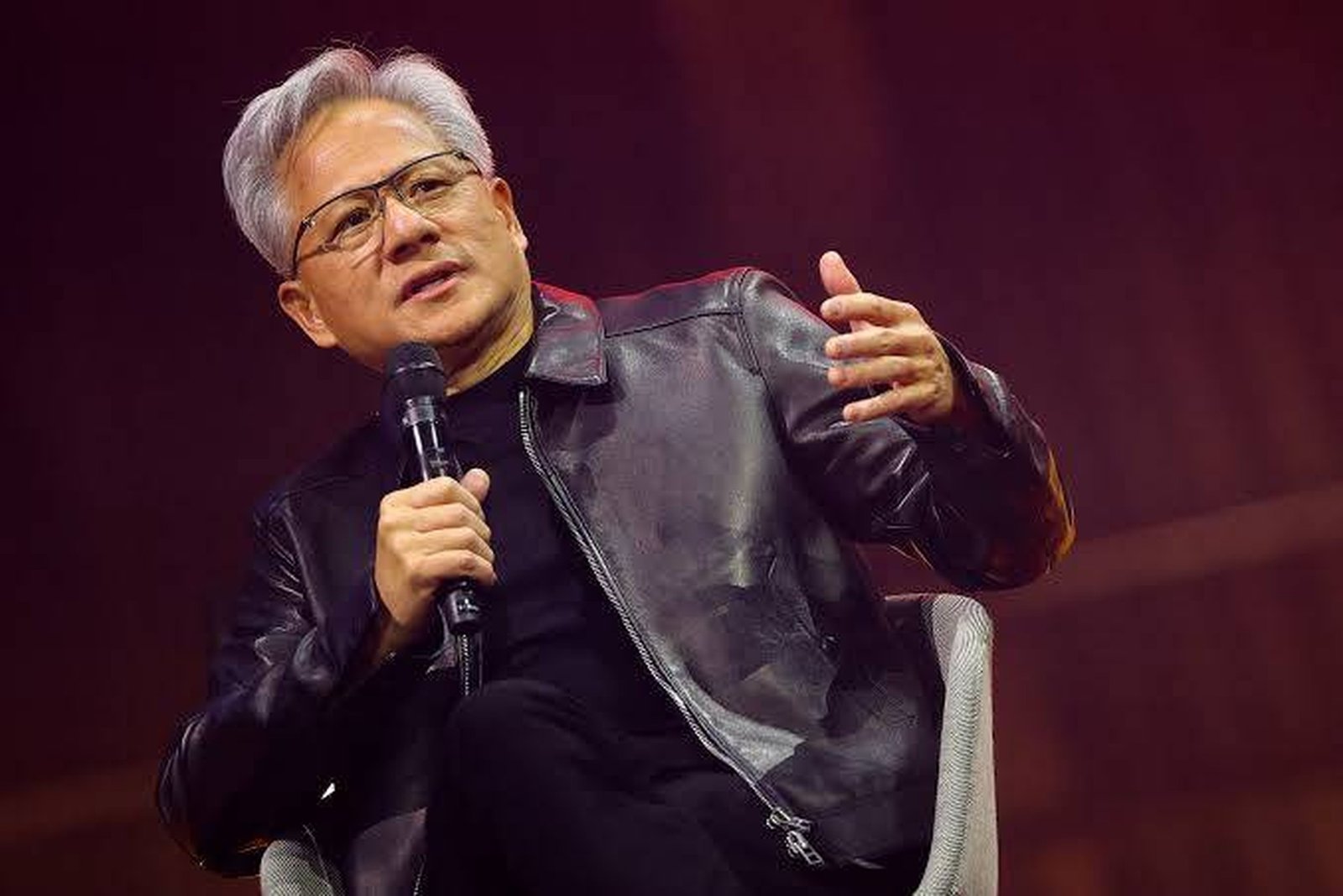
    Nvidia has opened an independent investigation into its founder and chief executive, Jensen Huang, after he acknowledged an affair with a woman whom United States officials say was working for Chinese intelligence.

    The company’s board announced on Sunday that it had opened the probe, which follows reporting late last month by The New York Times that US intelligence officials had concluded the woman, a Chinese executive linked to the Singapore-based data centre company Megaspeed, had been funnelling information to Beijing. The executive is Alice Huang, also known as Huang Le, who is no relation to Jensen Huang. She had developed a close relationship with the 63-year-old, Taiwanese-born chief executive, according to the report.

    Megaspeed was already under scrutiny over claims it may have been steering Nvidia’s artificial intelligence chips to China. In a message to employees released on Sunday, Huang acknowledged the affair and apologised. “I was unfaithful to my wife,” he said. “My actions hurt her and our children. There is no excuse for what I did. I am deeply sorry.”

    Huang is a towering figure in the AI revolution and a close informal adviser to President Donald Trump. The Times reported that the relationship could have given the woman insights into Trump’s thinking around AI, and the issue could arise during Trump’s planned talks with President Xi Jinping later this month at a summit in China.

    In its statement, Nvidia said the board had opened the inquiry “in light of recent reporting that founder and CEO Jensen Huang has been the target of a foreign intelligence effort,” adding: “While the Board has no reason to believe that either national security or NVIDIA secrets were compromised, the Board’s inquiry will examine all available information.”

    Trump, asked about the matter on Sunday, said: “I just know he’s a fine person, but you never know what’s going on. I’m sure — I hope everything’s fine. He’s done such an incredible job.” The president was briefed on the intelligence findings roughly a year ago and chose not to act, and said on Sunday he did not regret that decision. The Chinese government dismissed the Times report as “groundless speculation.”

    Analyst Dan Ives called the episode “a black eye moment” for Jensen Huang, predicted multiple congressional inquiries and an overhang on the stock, and said Huang was expected to keep his job in the near term but risked removal as chief executive depending on the outcome of the probe. “This will add risk to the stock as he is so important to the Nvidia story and strategy globally,” he said.

    The case lands in the middle of the race for technological dominance between China and the United States, which restricts the export of most cutting-edge silicon chips to China. Nvidia is a global leader in the chips used to train and run AI models and one of the world’s most valuable companies, which is why any question around its chief executive draws attention far beyond the company itself.

  • اٹلانٹا میں پانڈوں کی واپسی، دو سال بعد پہلی جھلک

    اٹلانٹا میں پانڈوں کی واپسی، دو سال بعد پہلی جھلک

    امریکی شہر اٹلانٹا کے چڑیا گھر میں دو سال بعد پانڈے واپس آ گئے ہیں۔ چھ سالہ پنگ پنگ اور فو شوانگ نے جمعہ، چھ نومبر کو زو اٹلانٹا میں اپنے نئے گھر، آرتھر ایم بلینک پانڈا گروو میں عوام کے سامنے پہلی بار قدم رکھا، اور ان کی ایک جھلک دیکھنے کے لیے لوگ قطاروں میں کھڑے رہے۔

    دونوں پانڈے 27 ستمبر کو چین کے شہر چینگڈو سے اٹلانٹا پہنچے تھے۔ وہ چین کی وائلڈ لائف کنزرویشن ایسوسی ایشن کے ساتھ ایک نئے تحفظ کے معاہدے کے تحت دس سال کے قرضے پر امریکہ آئے ہیں۔ سفر کے دوران وہ ایک خصوصی بوئنگ 777 طیارے میں سوار تھے جسے فیڈیکس نے اس سفر کے لیے مہیا کیا تھا۔

    پنگ پنگ نر ہے اور فو شوانگ مادہ۔ دونوں 2020 میں چینگڈو ریسرچ بیس آف جائنٹ پانڈا بریڈنگ میں پیدا ہوئے تھے۔ پنگ پنگ 17 مارچ 2020 کو پیدا ہوا تھا جبکہ فو شوانگ 18 اکتوبر 2020 کو پیدا ہوئی تھی۔ چڑیا گھر کے مطابق پنگ پنگ کی آنکھوں کے گرد گہرے سیاہ حلقے نمایاں ہیں جبکہ فو شوانگ کی پیشانی کچھ ابھری ہوئی ہے۔

    نیا گھر، چھ ملین ڈالر کی تزئین و آرائش

    پانڈوں کا نیا گھر چھ ملین ڈالر کی لاگت سے مکمل طور پر نیا بنایا گیا ہے۔ اس منصوبے کے لیے رابرٹ ڈبلیو وڈرف فاؤنڈیشن نے گرانٹ دی تھی۔ نئے گھر میں پانڈوں کے لیے بڑے کمرے، چڑھنے کے لیے نئے ڈھانچے اور تالاب بنائے گئے ہیں تاکہ ان کی دیکھ بھال بہتر ہو سکے۔

    زو اٹلانٹا کے صدر اور چیف ایگزیکٹو ریمنڈ بی کنگ نے کہا کہ پنگ پنگ اور فو شوانگ اور ان کے نئے گھر کو اپنی کمیونٹی، اٹلانٹا شہر اور ریاست جارجیا کے سامنے پیش کرتے ہوئے انہیں بے حد خوشی ہو رہی ہے۔ شہر کے بڑے مخیر حضرات میں سے ایک آرتھر بلینک نے کہا کہ پانڈوں کی واپسی شہر کے لیے ایک پرجوش لمحہ ہے، کیونکہ اٹلانٹا ایک بار پھر دنیا کے سب سے پیارے جانوروں میں سے ایک کا گھر بن گیا ہے۔

    اس سے قبل زو اٹلانٹا میں پانڈوں کا پروگرام 1999 سے 2024 تک جاری رہا تھا، جس کے دوران سات بچے پیدا ہوئے تھے۔ دو سال قبل چاروں پانڈے چین واپس چلے گئے تھے، جس سے 25 سالہ شراکت ختم ہو گئی تھی اور تب سے پانڈوں کا گھر خالی پڑا تھا۔ اب زو اٹلانٹا امریکہ کے ان تین چڑیا گھروں میں سے ایک ہے جہاں پانڈے موجود ہیں، اور جنوب مشرقی امریکہ میں یہ واحد چڑیا گھر ہے۔

    چین نے پانڈوں کو عالمی سفارت کاری کے حصے کے طور پر طویل عرصے سے استعمال کیا ہے، اور انہیں خیر سگالی کے اظہار کے طور پر قرضے پر دیا جاتا ہے۔ تقریباً دس سال قبل جائنٹ پانڈا کو خطرے سے دوچار جانوروں کی فہرست سے نکال کر کمزور درجے میں رکھا گیا تھا، جو چین میں ان کی بڑھتی ہوئی تعداد کی عکاسی کرتا ہے۔

  • Chinese Motorcycles Now Take a Third of Europe’s Big Bikes

    Chinese Motorcycles Now Take a Third of Europe’s Big Bikes

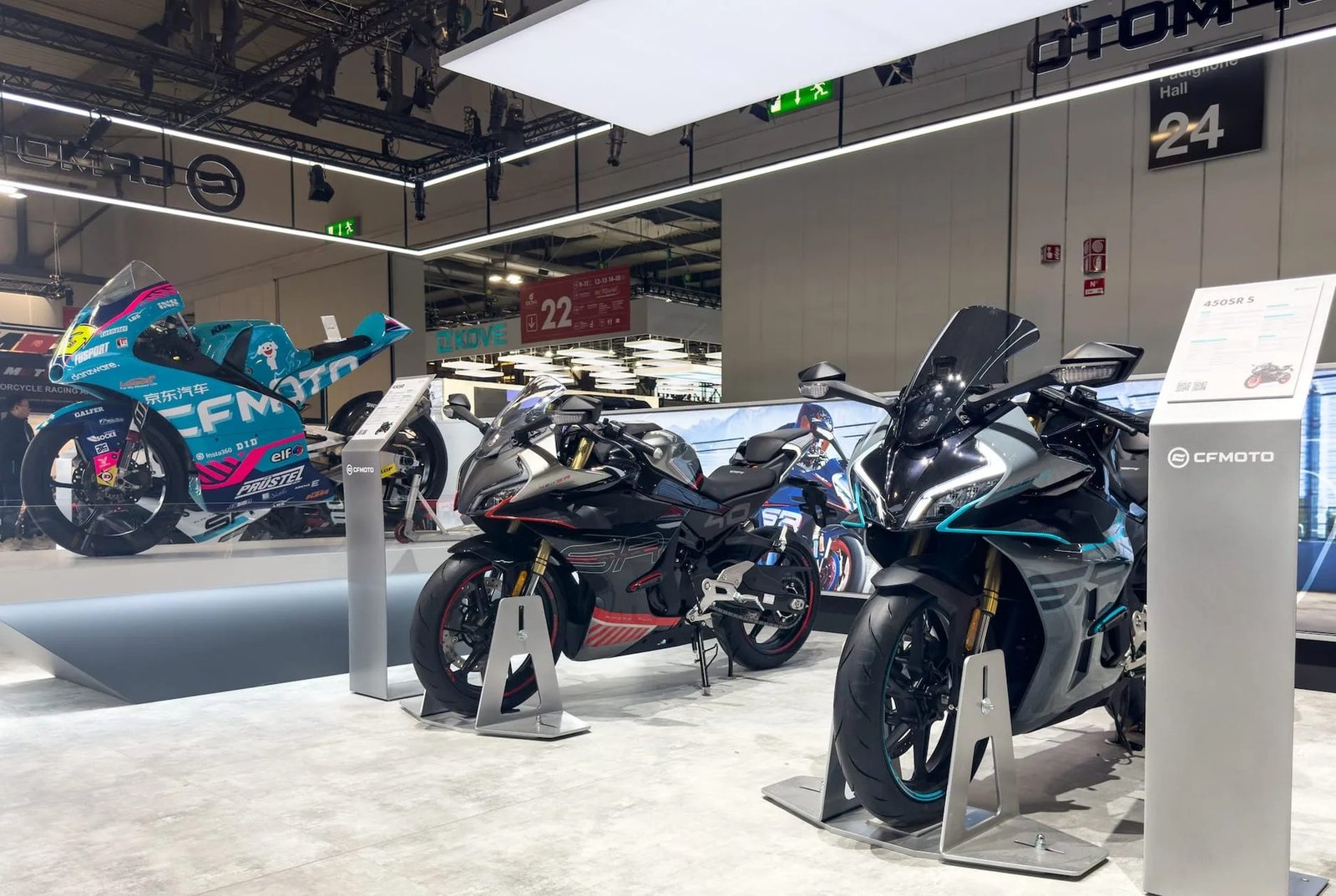
    Chinese motorcycle makers are no longer a curiosity on the edge of the European market. At the EICMA show in Milan, Europe’s biggest motorcycle exhibition, visitors crowded around the stand of CFMoto on Friday, examining powerful machines that now compete directly with long-established Japanese and European brands.

    The shift is backed by hard numbers. According to a report published on Thursday by the European Association of Motorcycle Manufacturers, known as ACEM, China became the European Union’s second-largest supplier of motorcycles in 2025, behind only Japan, accounting for 27.1 percent of imports worth one billion euros.

    The growth has been fastest in the most powerful models, a segment long dominated by European and Japanese manufacturers. In six years, China has gone from a marginal supplier to a key player: it now accounts for nearly one-third of imports of motorcycles over 250cc, compared with just seven percent in 2019.

    CFMoto, based in the Chinese city of Hangzhou, has led the advance. The company first gained attention by producing engines and assembling models for Austria’s KTM, and then by winning two Moto3 world championships, in 2024 and 2026. In France, CFMoto established itself in October as the fifth brand on the market, overtaking long-standing names such as Triumph, Suzuki, KTM and Yamaha, according to the French automotive association Mobilians.

    Other Chinese brands are following the same path. Zontes has doubled its sales in a year, while QJMotor and Voge are also growing fast in France, Mobilians said. QJMotor, part of the Qianjiang group, bought the Italian brand Benelli back in 2005, while newer names such as ZXMoto, founded by former mechanic and rider Zhang Xue, have used events like the Dakar Rally to build an international profile.

    Price and quality win over sceptics

    Visitors at the Milan show said the appeal was simple: strong design and equipment at a price that undercuts the established brands. Renato Polistene, a 64-year-old Italian craftsman looking at the CFMoto stand, said the bikes were beautiful and that, even if the materials were not exactly the same as those used by Japanese manufacturers, at this price it works. He currently rides a KTM but said he could consider a Chinese bike next time, especially as prices elsewhere have risen sharply.

    Bertrand Mace, president of the two-wheel division at Mobilians, described the trend in France as a true revolution coming from the East. Aggressive pricing, combined with an undeniable move upmarket, is hitting the mark with customers whose purchasing power is under pressure, he said.

    The European press, which first looked at the Chinese bikes with scepticism, now tests them like any others in comparison reviews. For the British magazine Motorcycle News, 2026 is the year where we see a switch. With sales still climbing and the Milan show drawing crowds to the Chinese stands, the established brands face a challenge that is no longer about the future, but about the present.

  • China Blocks SoftBank’s $5.4bn ABB Robotics Deal

    China Blocks SoftBank’s $5.4bn ABB Robotics Deal

    China has blocked SoftBank Group’s proposed $5.4 billion acquisition of Swiss engineering company ABB’s robotics business, dealing a major setback to the Japanese investment giant’s push into artificial intelligence-powered automation.

    ABB confirmed on Thursday that Chinese authorities had prohibited the acquisition of its robotics operations in China. The decision followed a national security review and came despite expectations that the transaction would receive regulatory clearance. The Financial Times first reported the intervention, citing people familiar with the matter.

    SoftBank had agreed in October 2025 to buy ABB’s robotics division for an enterprise value of about $5.375 billion. The deal was intended to strengthen SoftBank’s position in industrial automation and robotics, which its founder and chief executive, Masayoshi Son, has described as a core part of its AI investment strategy.

    According to Reuters, China’s National Development and Reform Commission, the state planner that reviews foreign investment with possible national security implications, told SoftBank last week that the transaction would not be allowed to proceed. SoftBank had expected the deal to go through until then, and declined to comment on the decision.

    The reported concern behind the block is data. The Financial Times reported that regulators worried information generated by ABB’s robotics operations in China could be transferred overseas and used to train advanced AI systems, including those built by OpenAI, in which SoftBank is a major investor. The grounds have not been set out officially, and the explanation rests on the newspaper’s sources rather than any Chinese announcement.

    China is ABB’s biggest market for its robotics business, representing around 30 percent of the division’s business, which makes the country essential to the deal. ABB builds robots in Shanghai, and about 90 percent of the machines it sells to Chinese customers are made locally. The division, which makes robotic arms and other devices used in manufacturing and logistics, reported revenue of about $2.3 billion in 2024 and employs roughly 7,000 people worldwide.

    ABB said in a statement on Thursday that it had been informed by SoftBank that China’s Office of the Working Mechanism for Foreign Investment Security Review had prohibited the acquisition of ABB Robotics in China. The company stressed that both firms remained in close dialogue and were continuing to work on the transaction, and it has not announced that the deal has been terminated.

    The case marks the second major deal blocked by China this year, after Meta was ordered to unwind its acquisition of artificial intelligence startup Manus, worth more than $2 billion. It also underlines Beijing’s growing willingness to use security reviews to control technology and data flows.

    The market reaction was swift. ABB shares fell 1.1 percent in morning trading after the news became public, while SoftBank shares dropped 6.7 percent on Thursday and are now down more than 50 percent from their all-time highs in June, erasing over $140 billion in value, according to the Wall Street Journal.

    SoftBank reports results for the six months to September on November 10, which will be the first scheduled opportunity for the group to say whether it will reapply, restructure the deal or walk away. Until then, the future of one of the biggest robotics deals in recent years remains uncertain.

  • China Marriages Hit 18-Year Low: 4.65m in Nine Months

    China Marriages Hit 18-Year Low: 4.65m in Nine Months

    Marriage registrations in China have fallen to their lowest level in 18 years, with just 4.65 million couples tying the knot in the first nine months of 2026, according to official figures that have renewed concern about the country’s shrinking population.

    Data from China’s Ministry of Civil Affairs, published this week, shows registrations fell by 504,000 couples, or 9.8 percent, compared with the same period last year, when 5.15 million couples married. Local outlet Yicai reported that the nine-month total was the weakest since the quarterly series began in 2008. During the same period, 2.08 million couples filed for divorce.

    The figures were reported by Reuters on Friday, and they point to a demographic challenge that has been building for more than a decade. Because childbearing in China remains closely tied to formal marriage, the steady slide in weddings is seen as a warning sign for future birth rates in a country whose population has already been shrinking for several years.

    China’s marriage numbers have been falling almost continuously since they peaked at 13.47 million in 2013. Registrations slipped below 10 million in 2019 and dropped to 6.11 million in 2024, the lowest annual total since records began in 1980. There was a brief recovery last year, when 6.76 million couples married, up 10.76 percent on 2024, but the latest figures suggest that rebound has not lasted.

    Analysts commonly point to structural and economic pressures behind the weaker appetite for marriage, including a shrinking cohort of people reaching typical marrying age, the high cost of housing and raising children, and uncertainty about jobs and incomes. Young people in China’s big cities in particular are marrying later, or not at all, and the trend has persisted despite repeated efforts by the authorities to encourage family formation.

    Local governments have rolled out a range of incentives, including cash payments and travel subsidies for newlyweds, childcare subsidies and tax breaks, and in some places limits on the traditional gift money exchanged at weddings. The central government has also eased marriage registration rules, allowing couples to register anywhere in the country without presenting a household registration booklet.

    Even so, the numbers have kept falling. The first quarter of this year recorded 1.70 million marriages, down 6.2 percent on a year earlier, and the first half totalled 3.28 million, down 7.46 percent. The third-quarter figures now confirm that the decline has deepened through the year, with the nine-month total falling below even the 4.75 million recorded in the same period of 2024.

    The demographic stakes are high. China has recorded four consecutive years of population decline, alongside record-low birth figures, while its society ages rapidly and its workforce shrinks. Officials have warned that fewer marriages today mean fewer births tomorrow, adding pressure to pension and healthcare systems that must support a growing number of older citizens.

    For now, the ministry’s data offers little sign of a turnaround. Unless the trend reverses, analysts say China faces a longer period of demographic strain, with the marriage slump feeding directly into the debate over how the world’s second-largest economy supports families and sustains growth in the years ahead.

  • پاکستان کا بیرونی قرض 10 سال میں تقریباً دوگنا، 135 ارب ڈالر ہوگیا

    پاکستان کا بیرونی قرض 10 سال میں تقریباً دوگنا، 135 ارب ڈالر ہوگیا

    ورلڈ بینک کی نئی رپورٹ کے مطابق پاکستان کا بیرونی قرض گزشتہ 10 سال میں تقریباً دوگنا ہوگیا ہے۔ 2015 میں یہ قرض 68.67 ارب ڈالر تھا، جو 2025 میں بڑھ کر 135.11 ارب ڈالر تک پہنچ گیا ہے۔

    یہ اعداد و شمار ورلڈ بینک کی انٹرنیشنل ڈیبٹ رپورٹ 2026 میں شائع ہوئے ہیں۔ رپورٹ کے مطابق پاکستان کے کل بیرونی قرض میں سے 107.07 ارب ڈالر حکومتی اور حکومت کی ضمانت والا قرض ہے، جبکہ نجی شعبے کا بغیر ضمانت والا بیرونی قرض 17.58 ارب ڈالر ہے۔ قلیل مدتی بیرونی قرض 10.45 ارب ڈالر تک پہنچ گیا ہے۔

    چین پاکستان کا سب سے بڑا انفرادی قرض دہندہ ہے، جس کے 22.4 ارب ڈالر واجب الادا ہیں۔ ورلڈ بینک کے 19.2 ارب ڈالر اور ایشیائی ترقیاتی بینک کے 16.83 ارب ڈالر واجب الادا ہیں۔ 2025 میں چین نے پاکستان کے 2 ارب ڈالر کے قرضوں کی ادائیگی کی مدت میں توسیع کی، جبکہ آئی ایم ایف نے ایکسٹینڈڈ فنڈ فسیلٹی اور ریزیلینس اینڈ سسٹین ایبلٹی فسیلٹی کے تحت 2.3 ارب ڈالر کی نئی قسطیں جاری کیں۔

    رپورٹ میں بتایا گیا ہے کہ 2025 میں پاکستان نے بیرونی قرض کی ادائیگی پر تقریباً 13.69 ارب ڈالر خرچ کیے، جن میں اصل رقم اور سود دونوں شامل ہیں۔ یہ رقم ملک کی زرمبادلہ کی آمدنی کا بڑا حصہ ہے، جو ترقیاتی منصوبوں اور درآمدات کے لیے دستیاب رقم کو کم کرتی ہے۔

    پاکستان کا بیرونی قرض ایک وسیع تر عالمی رجحان کا حصہ ہے۔ کم اور درمیانی آمدنی والے ممالک کا مجموعی بیرونی قرض 2025 میں 5.5 فیصد بڑھ کر 9.4 کھرب ڈالر کی ریکارڈ سطح پر پہنچ گیا، جو 2021 کے بعد سب سے بڑا سالانہ اضافہ ہے۔

    ماہرین کا کہنا ہے کہ قرض میں اضافے کی بنیادی وجوہات میں مسلسل کرنٹ اکاؤنٹ خسارہ، درآمدات پر انحصار، برآمدات میں کمی اور بڑے انفرااسٹرکچر منصوبوں کے لیے قرض لینا شامل ہے۔ ان عوامل نے پاکستان کو کثیرالجہتی، دوطرفہ اور نجی قرض دہندگان پر انحصار کرنے پر مجبور کیا ہے۔

    رپورٹ میں یہ بھی بتایا گیا ہے کہ سرکاری قرض دہندگان سے لیے گئے قرضوں کی اوسط مدت 16 سال ہے، جس میں چار سال کی رعایتی مدت اور اوسطاً 3.6 فیصد شرح سود شامل ہے۔ تاہم قرض کا مجموعی حجم بڑھنے سے ادائیگی کا بوجھ بھی بڑھ رہا ہے۔

    حکومت کے لیے چیلنج یہ ہے کہ وہ قرض کی ادائیگی کے ساتھ ساتھ معیشت کو ترقی کی راہ پر بھی رکھے۔ برآمدات بڑھانا، درآمدات پر قابو پانا اور ٹیکس کی بنیاد وسیع کرنا وہ اقدامات ہیں جن پر ماہرین زور دیتے ہیں، تاکہ بیرونی قرض پر انحصار کم ہو سکے۔

  • China Slams US Sanctions on Cuba as ‘Sabotage’ of Ties

    China Slams US Sanctions on Cuba as ‘Sabotage’ of Ties

    China has condemned a fresh round of United States sanctions against Cuba, accusing Washington of trying to “sabotage” its relations with the island.

    The sanctions, announced by the US State Department on Thursday, target Cuba’s oil and electronic sectors. For the first time, they also cover two Chinese companies accused of supplying Cuba’s military with electronics and other security equipment.

    China’s foreign ministry said it vehemently opposed the move, describing the sanctions as illegal and an example of “long-arm jurisdiction”.

    “China firmly opposes US interference in and sabotage of China–Cuba cooperation,” ministry spokesman Guo Jiakun told a news briefing. He warned that Beijing would take “all necessary measures” to safeguard its businesses.

    Two Chinese firms named

    The Chinese companies named in the latest list are the state-owned China National Electronic Import-Export Company, known as CEIEC, and the private firm Beijing H&C Technologies. The list also extends to Any Rodriguez Lastres, the daughter of the head of GAESA, Cuba’s largest military-controlled business conglomerate.

    Since January, Washington has imposed new sanctions and an oil blockade on Cuba, a campaign that has crippled the island’s economy and led to widespread blackouts and shortages of basic necessities, according to the report.

    US President Donald Trump has hinted at launching a military intervention to overthrow Cuba’s ruling Communist Party, and last month the American Secretary of State urged Cubans to work with US intelligence services, the report said.

    The measures mark the first time Chinese companies have been swept into the American sanctions programme against Cuba. Washington accuses the two firms of supplying the island’s military with electronics and other security equipment, a charge Beijing rejects as part of what it calls illegal long-arm jurisdiction.

    The inclusion of Any Rodriguez Lastres widens the net beyond companies. She is the daughter of the head of the Grupo de Administracion Empresarial SA, known as GAESA, which the report describes as Cuba’s largest military-controlled business conglomerate.

    The sanctions announced on Thursday build on action taken since January, when Washington began a fresh round of measures and an oil blockade against Cuba. According to the report, that campaign has crippled the island’s economy and brought widespread blackouts and shortages of necessities.

    The latest measures are the newest step in a pressure campaign that began in January, and Beijing has made clear it intends to defend the Chinese companies now caught in it.

  • Hong Kong activist Joshua Wong jailed for 10 years

    Hong Kong activist Joshua Wong jailed for 10 years

    Hong Kong activist Joshua Wong has been sentenced to 10 years in prison on a national security charge, a Hong Kong court ruled on Thursday.

    Wong, 30, was sentenced for collusion with foreign entities under Hong Kong’s national security law, according to Reuters. He had pleaded guilty to the charge in September.

    He was accused of conspiring with self-exiled activist Nathan Law and others in 2020 to ask foreign countries, institutions, organisations or individuals outside China to impose sanctions or blockades, or to engage in other hostile activities against the Hong Kong and Chinese governments.

    Wong became the international face of Hong Kong’s democracy movement, first as a student leader and later as one of the city’s best-known pro-democracy politicians.

    The sentence is a second national security conviction for Wong. In 2024, a Hong Kong court sentenced him to four years and eight months in prison for subversion in the trial of 47 pro-democracy politicians and activists, commonly known as the Hong Kong 47 case.

    That term had been due to end in January, and Wong had been expected to be released then. But in June 2025, while he was still serving that sentence, the authorities charged him again under the national security law, this time over the alleged appeals for foreign sanctions between July and November 2020.

    Wong has spent almost six years behind bars, having been in custody continuously since November 2020. The new 10-year sentence means his imprisonment will now run for many more years.

    The national security law was imposed on Hong Kong by Beijing in 2020, after months of large pro-democracy protests in the city in 2019. The law covers offences including secession, subversion, terrorism and collusion with foreign forces, and carries heavy penalties.

    Wong first came to prominence as a teenage student leader, when he led a campaign against a proposed school curriculum in 2012. He later became a central figure in the 2014 Umbrella Movement and in the 2019 protests against a proposed extradition bill.

    He served as secretary-general of the pro-democracy party Demosisto until it disbanded after the national security law came into force. Since then he has been repeatedly jailed, first over an unauthorised protest in 2019 and then in the national security cases.

    The case has drawn international attention, with supporters describing Wong as a symbol of Hong Kong’s pro-democracy movement and critics of the law saying it has been used to silence dissent. The Hong Kong and Chinese governments say the law was needed to restore stability after the 2019 protests.

    For Wong, the sentence closes the prospect of the release he had been expecting in January and keeps one of Hong Kong’s most internationally recognised activists in prison. His supporters have said they will continue to campaign for his release, while the authorities have given no indication of any change in his case.

  • پاک چین تعاون بڑھانے پر اتفاق، شہباز کی چینی سفیر سے ملاقات

    پاک چین تعاون بڑھانے پر اتفاق، شہباز کی چینی سفیر سے ملاقات

    وزیراعظم شہباز شریف نے اسلام آباد میں چین کے سفیر جیانگ زیڈونگ سے ملاقات کی ہے، جس میں دونوں ممالک کے درمیان تعاون کو مزید بڑھانے پر اتفاق کیا گیا۔ ملاقات میں تجارت، سرمایہ کاری، توانائی، بنیادی ڈھانچے اور چین پاکستان اقتصادی راہداری یعنی سی پیک کے شعبوں میں تعاون پر بات چیت ہوئی۔

    ملاقات کے دوران دونوں فریقین نے پاکستان اور چین کی اسٹریٹجک شراکت داری کی توثیق کی۔ وزیراعظم نے چین کی جانب سے پاکستان کے لیے حمایت پر شکریہ ادا کیا، جبکہ چینی سفیر نے بیجنگ کی جانب سے تعاون کو مزید آگے بڑھانے کے عزم کا اظہار کیا۔ اس طرح کی ملاقاتوں میں دونوں ممالک عام طور پر باہمی اعتماد اور طویل مدتی تعاون کے پیغام کو دہراتے ہیں۔

    سی پیک پاکستان اور چین کے تعاون کا ایک مرکزی منصوبہ ہے، جس کے تحت توانائی، سڑکوں، بندرگاہوں اور صنعتی شعبوں میں منصوبے شامل ہیں۔ پاکستان کے لیے ان منصوبوں کی اہمیت یہ ہے کہ وہ بنیادی ڈھانچے کی بہتری، روزگار اور معاشی سرگرمیوں سے جڑے ہوئے ہیں۔ اسی لیے اعلیٰ سطح کی ملاقاتوں میں سی پیک کا ذکر باقاعدگی سے ہوتا ہے اور اس کی پیش رفت پر بات چیت کی جاتی ہے۔

    تجارت اور سرمایہ کاری بھی اس ملاقات کا ایک اہم موضوع رہے۔ پاکستان چین کے ساتھ اپنی تجارت کو بڑھانا چاہتا ہے اور چینی سرمایہ کاری کو اپنی معیشت کے لیے اہم سمجھتا ہے۔ توانائی کا شعبہ بھی اسی سلسلے میں اہم ہے، کیونکہ بجلی کی پیداوار اور ترسیل میں بہتری معاشی سرگرمیوں اور عام لوگوں کی زندگی دونوں پر اثر ڈالتی ہے۔

    پاکستان اور چین کے تعلقات کئی دہائیوں پر محیط ہیں اور دونوں ممالک ایک دوسرے کو قریبی دوست قرار دیتے ہیں۔ علاقائی اور عالمی سطح پر بھی دونوں کے درمیان رابطہ رہتا ہے، اور اعلیٰ سطح کی ملاقاتیں اس تعلق کو برقرار رکھنے کا ایک ذریعہ ہیں۔ سفیر کی سطح پر ہونے والی ملاقاتیں بھی اسی سلسلے کی کڑی ہوتی ہیں، جن میں عملی تعاون کے معاملات پر بات ہوتی ہے۔

    اس ملاقات کا پیغام یہ ہے کہ دونوں ممالک اپنے تعاون کو صرف موجودہ منصوبوں تک محدود نہیں رکھنا چاہتے، بلکہ اسے نئے شعبوں تک بڑھانا چاہتے ہیں۔ سرمایہ کاری، توانائی اور بنیادی ڈھانچے میں تعاون کا مطلب یہ ہے کہ آنے والے وقت میں مشترکہ منصوبوں پر مزید کام ہو سکتا ہے، بشرطیکہ ان منصوبوں کی عملی پیش رفت بھی اسی رفتار سے جاری رہے۔

    عام لوگوں کے لیے اس طرح کی ملاقاتوں کی اہمیت بالواسطہ مگر حقیقی ہوتی ہے۔ اگر تجارت اور سرمایہ کاری بڑھتی ہے تو روزگار کے مواقع پیدا ہو سکتے ہیں، اور اگر توانائی اور بنیادی ڈھانچے میں بہتری آتی ہے تو اس کا فائدہ کاروبار اور گھریلو زندگی دونوں کو پہنچتا ہے۔ اس لیے اعلیٰ سطح کے اتفاق کو اصل کامیابی اس وقت سمجھا جائے گا جب وہ زمین پر نظر آنے والے منصوبوں میں تبدیل ہو۔