Tag: China

  • Political Fallout Widens in Nvidia Spy Scandal

    Political Fallout Widens in Nvidia Spy Scandal

    The political fallout from the Nvidia spy scandal has reached President Donald Trump’s cabinet, with Treasury Secretary Scott Bessent publicly blaming the Commerce Department for failing to blacklist a Singapore company suspected of funnelling powerful Nvidia AI chips to China.

    Bessent’s criticism, a rare public rebuke of one department by another, has put fresh pressure on Commerce Secretary Howard Lutnick. Lutnick has agreed to testify before the Senate as questions grow over his department’s handling of export controls.

    The scandal led Nvidia chief executive Jensen Huang to resign on Thursday. It has raised concerns that high-end Nvidia chips reached China, the United States’ main rival in artificial intelligence, in breach of Washington’s export restrictions. It has also prompted questions about whether senior officials in the Trump administration turned a blind eye to Nvidia’s dealings with Chinese-linked companies.

    As head of the department that oversees US export controls, Lutnick is ultimately responsible for enforcing the rules meant to keep advanced Nvidia processors out of Chinese hands. Lutnick, a billionaire investor, is a close friend of Trump, who had made Huang one of his closest advisers on artificial intelligence.

    Speaking on CNBC, Bessent said the Treasury, the Defence Department, the US Trade Representative’s office and the State Department had backed adding the Singapore company, Megaspeed, to Washington’s trade blacklist for months. But, he said, Commerce holds the pen on the decision. He said he was frustrated because Trump had made it very clear that China should not receive any Nvidia chips above the H100 model. Any leakage, he said, hurts American companies and hands China an advantage in the AI race.

    Lutnick is also facing pressure from Congress. Senator Jim Banks, an Indiana Republican, told Fox News he wanted Lutnick to testify before the Senate Banking Committee as soon as possible, pointing to bipartisan questions about what happened over the past year. A Commerce Department spokesperson, Kristen Eichamer, told US media on Thursday that Lutnick had agreed to testify.

    News outlet Axios reported on Wednesday that Trump had approved action against suspected diversions of Nvidia chips to China on at least three occasions this year, but that Lutnick did not act on the requests.

    Megaspeed is suspected of helping Chinese firms get around US export controls by buying Nvidia chips for its data centres in Southeast Asia and routing them on to China. The company reportedly traded more than four billion dollars’ worth of Nvidia chips over two years.

    This week, US media identified Megaspeed’s former director, Alice Huang, as an alleged Chinese intelligence asset who had a relationship with Jensen Huang. The two are not related. Beijing has denied the spying allegations. Jensen Huang acknowledged an extramarital affair in a letter to Nvidia employees on November 8, without naming the woman involved. Nvidia’s board has said it will investigate, and three congressional committee chairs have asked Jensen Huang to attend a closed-door briefing in Washington.

  • شی جن پنگ: تائیوان کا اتحاد ناگزیر ہے

    شی جن پنگ: تائیوان کا اتحاد ناگزیر ہے

    چینی صدر شی جن پنگ نے کہا ہے کہ تائیوان کا سرزمین چین سے اتحاد ضرور ہونا چاہیے، اور بیجنگ میں ایک اجتماع سے خطاب کرتے ہوئے انہوں نے کہا کہ تاریخ کا رخ موڑا نہیں جا سکتا۔ شی جن پنگ جمعرات کو بیجنگ کے گریٹ ہال آف دی پیپل میں سن یات سین کی 160ویں سالگرہ کی مناسبت سے منعقدہ اجلاس سے خطاب کر رہے تھے، سن یات سین وہ انقلابی رہنما تھے جنہوں نے 1911 میں چین کی آخری شاہی سلطنت کے خاتمے میں اہم کردار ادا کیا تھا۔

    انہوں نے تائیوان کے معاملے کو حل کرنے کو کمیونسٹ پارٹی کا ایک اٹل تاریخی مشن قرار دیا۔ ان کا کہنا تھا کہ چین پرامن اتحاد اور ایک ملک، دو نظام کی پالیسی پر قائم ہے، اور ایک چین کے اصول کی بنیاد پر تائیوان سے مذاکرات کے لیے تیار ہے، جس کا مطلب یہ ہے کہ آبنائے تائیوان کے دونوں جانب ایک ہی ملک کے حصے ہیں۔

    اپنی تقریر میں انہوں نے طاقت کے استعمال کا کوئی ذکر نہیں کیا، تاہم بیجنگ نے جزیرے کو اپنے کنٹرول میں لانے کے لیے فوجی کارروائی کا امکان کبھی خارج نہیں کیا۔

    تائیوان کی حکومت نے ان کے بیان کو فوری طور پر مسترد کر دیا۔ اس کی مین لینڈ افیئرز کونسل کا کہنا تھا کہ تائیوان کی حکومت اور عوام دونوں ایک ملک، دو نظام کو قبول نہیں کر سکتے، کیونکہ اس کا مطلب کمیونسٹ پارٹی کی حکمرانی کے سامنے جھکنا ہوگا۔ کونسل کے ترجمان نے کہا کہ یہ پیغام ماضی میں بیجنگ کی جانب سے کہی گئی باتوں سے زیادہ مختلف نہیں ہے۔

    چین جمہوری طور پر چلنے والے جزیرے کو اپنا علاقہ سمجھتا ہے، جسے تائپے سختی سے مسترد کرتا ہے۔ بیجنگ نے تائیوان کو ایک ملک، دو نظام کے تحت اعلیٰ درجے کی خود مختاری کی پیشکش بارہا کی ہے، تاہم جزیرے کی کوئی بڑی سیاسی جماعت اس خیال کی حمایت نہیں کرتی۔

    جزیرے کے گرد فوجی سرگرمیاں

    یہ تقریر ایسے وقت میں ہوئی جب فوجی دباؤ بھی جاری تھا۔ تائیوان کی وزارت دفاع نے بتایا کہ اس نے جمعرات کو جزیرے کے گرد چینی جنگی طیاروں کے مشترکہ مشق کے دوران 29 چینی فوجی طیارے دیکھے، جن میں جے 16 لڑاکا طیارے اور ڈرون شامل تھے، اور یہ گشت چینی جنگی جہازوں کے ساتھ مل کر کیا جا رہا تھا۔

    شی جن پنگ کے بیان سے ایک ہفتے بعد شینزین میں ایشیا پیسیفک رہنماؤں کا سربراہ اجلاس ہونے والا ہے، جس میں ان کی امریکی صدر ڈونلڈ ٹرمپ سے دوبارہ ملاقات متوقع ہے، اور اس کے دو ہفتے سے کچھ زیادہ عرصے بعد تائیوان میں اہم بلدیاتی انتخابات ہو رہے ہیں۔

    تائیوان کا تنازع چین اور امریکہ کے درمیان سب سے حساس مسائل میں سے ایک ہے، اور بیجنگ کا تازہ ترین بیان اس بات کو واضح کرتا ہے کہ جزیرے کا مستقبل اب بھی اس کے سیاسی ایجنڈے کے مرکز میں ہے۔

  • Xi: Taiwan Reunification Must Happen

    Xi: Taiwan Reunification Must Happen

    Chinese President Xi Jinping has said Taiwan’s reunification with the mainland must happen, telling a gathering in Beijing that the course of history cannot be turned back.

    Mr Xi was speaking on Thursday at a meeting in the Great Hall of the People to mark the 160th birthday of Sun Yat-sen, the revolutionary leader who helped bring down China’s last imperial dynasty in 1911. He described settling the Taiwan question as an unwavering historical mission of the Communist Party.

    He said China stood by peaceful reunification and the policy of one country, two systems, and was willing to hold talks with Taiwan on the basis of the one-China principle, the position that both sides of the Taiwan Strait belong to one country.

    He made no mention of using force in his speech, although Beijing has never ruled out military action to bring the island under its control.

    Taiwan’s government rejected the remarks swiftly. Its Mainland Affairs Council said neither the government nor the people of Taiwan could accept one country, two systems, arguing that it would mean submitting to rule by the Communist Party. A council spokesperson said the message was not much different from what Beijing had said in the past.

    China regards the democratically governed island as its own territory, a claim Taipei firmly rejects. Beijing has repeatedly offered Taiwan a high degree of autonomy under the one country, two systems model, but no major political party on the island supports the idea.

    The speech came against a background of military pressure. Taiwan’s defence ministry said it had detected 29 Chinese military aircraft, including J-16 fighter jets and drones, carrying out a joint combat readiness patrol around the island together with Chinese warships on Thursday.

    Mr Xi’s remarks also came a week before a summit of Asia-Pacific leaders in Shenzhen, where he is expected to meet US President Donald Trump again, and a little more than two weeks before important local elections in Taiwan.

    The dispute over Taiwan remains one of the sharpest flashpoints between China and the United States, and Beijing’s latest statement underlines that the island’s future is still at the centre of its political agenda.

  • China Approves Eli Lilly’s Oral Obesity Drug

    China Approves Eli Lilly’s Oral Obesity Drug

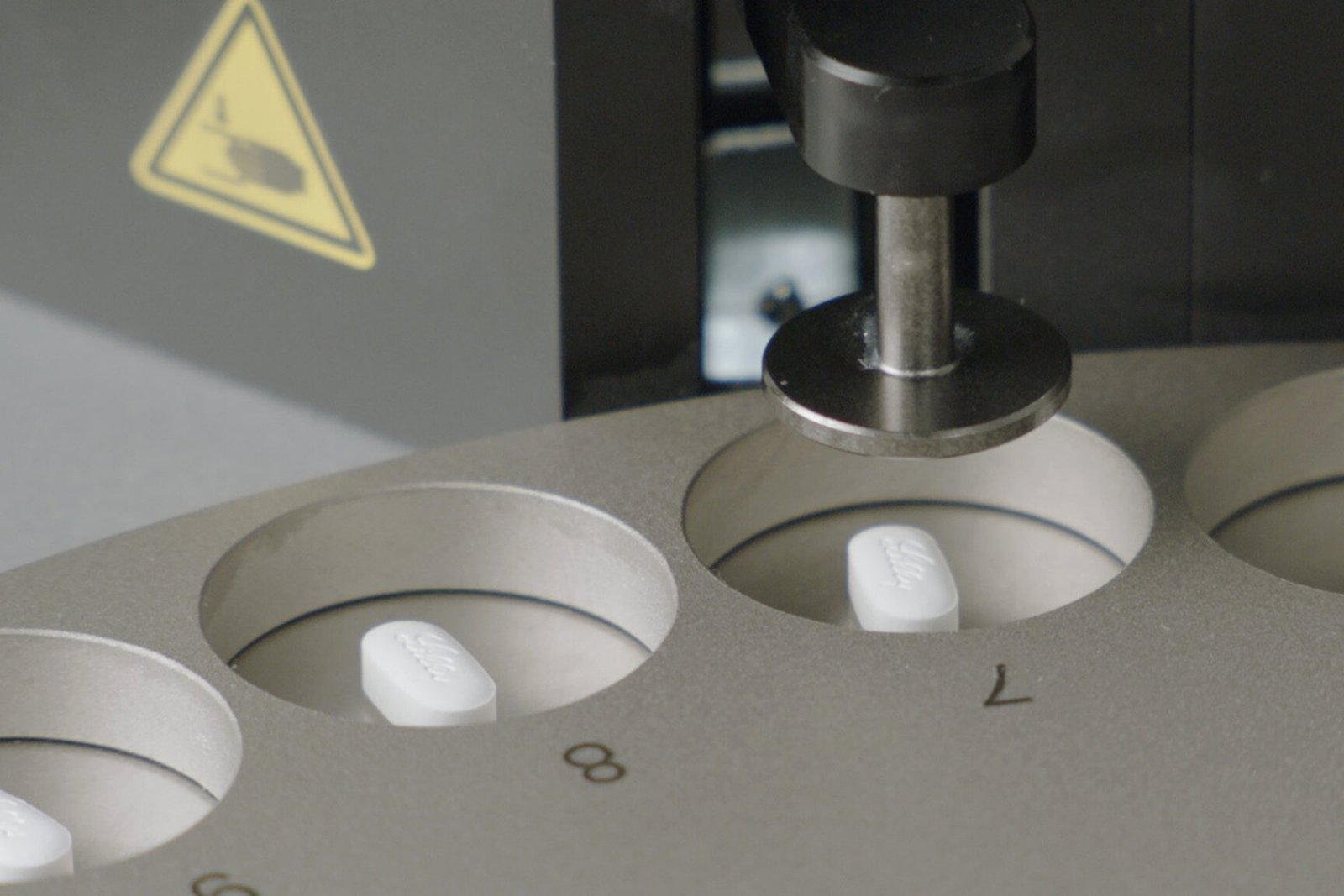
    China has approved Eli Lilly’s once-daily weight-loss tablet orforglipron, making the American drugmaker the first company to win clearance for a weight-management pill of this type in the country. The decision was announced by China’s medicines regulator on Thursday, 12 November 2026.

    Until now, Chinese patients seeking drug treatment for obesity could only use injections. Orforglipron changes that. It belongs to the GLP-1 family of medicines, which copy a gut hormone to reduce appetite and help control blood sugar, but unlike the injections it is taken as a small tablet once a day. The drug is a small-molecule, non-peptide version of the treatment, and it is already sold in the United States under the brand name Foundayo.

    A lead over Novo Nordisk

    The approval hands Lilly an early advantage over its Danish rival Novo Nordisk in the world’s second-largest market for medicines. Novo has also asked Chinese regulators to approve an oral version of its Wegovy injection, and its application was accepted for review in August 2026, but it has not yet been cleared. Other companies, including Jiangsu Hengrui Pharmaceuticals and Huadong Medicine, are also working on rival weight-loss pills.

    Orforglipron will compete with a crowded field of injections already on sale in China, including Lilly’s own once-weekly treatment and products from Novo, Pfizer and the local maker Innovent Biologics. A tablet could appeal to patients who dislike needles, and doctors say easier treatment could bring in people who have so far stayed away from weight-loss drugs altogether.

    A fast-growing market

    The commercial stakes are large. China’s National Health Commission has projected that more than 65 per cent of the population could be overweight or obese by 2030. Yang Huang, who leads China healthcare research at J.P. Morgan, has estimated that sales of GLP-1 weight-management drugs in China could grow from about 3 to 4 billion yuan to 30 billion yuan over five to seven years.

    Lilly has been preparing for that growth. In March 2026 the company said it would invest 3 billion dollars in China over ten years, with some of the money going towards expanding production capacity for orforglipron and building local manufacturing for oral medicines. The company filed its Chinese marketing application for the drug in late 2025.

    What patients will actually pay, and when the tablet will reach pharmacies, is still unclear. Lilly did not immediately respond to questions about pricing or the launch date in China. In the United States, oral weight-loss treatments already account for about a third of obesity prescriptions since Novo’s Wegovy pill reached patients in January this year, a sign of how quickly tablets are catching on.

  • China: US Using ‘Spy’ Claims to Justify Tech Blockade

    China: US Using ‘Spy’ Claims to Justify Tech Blockade

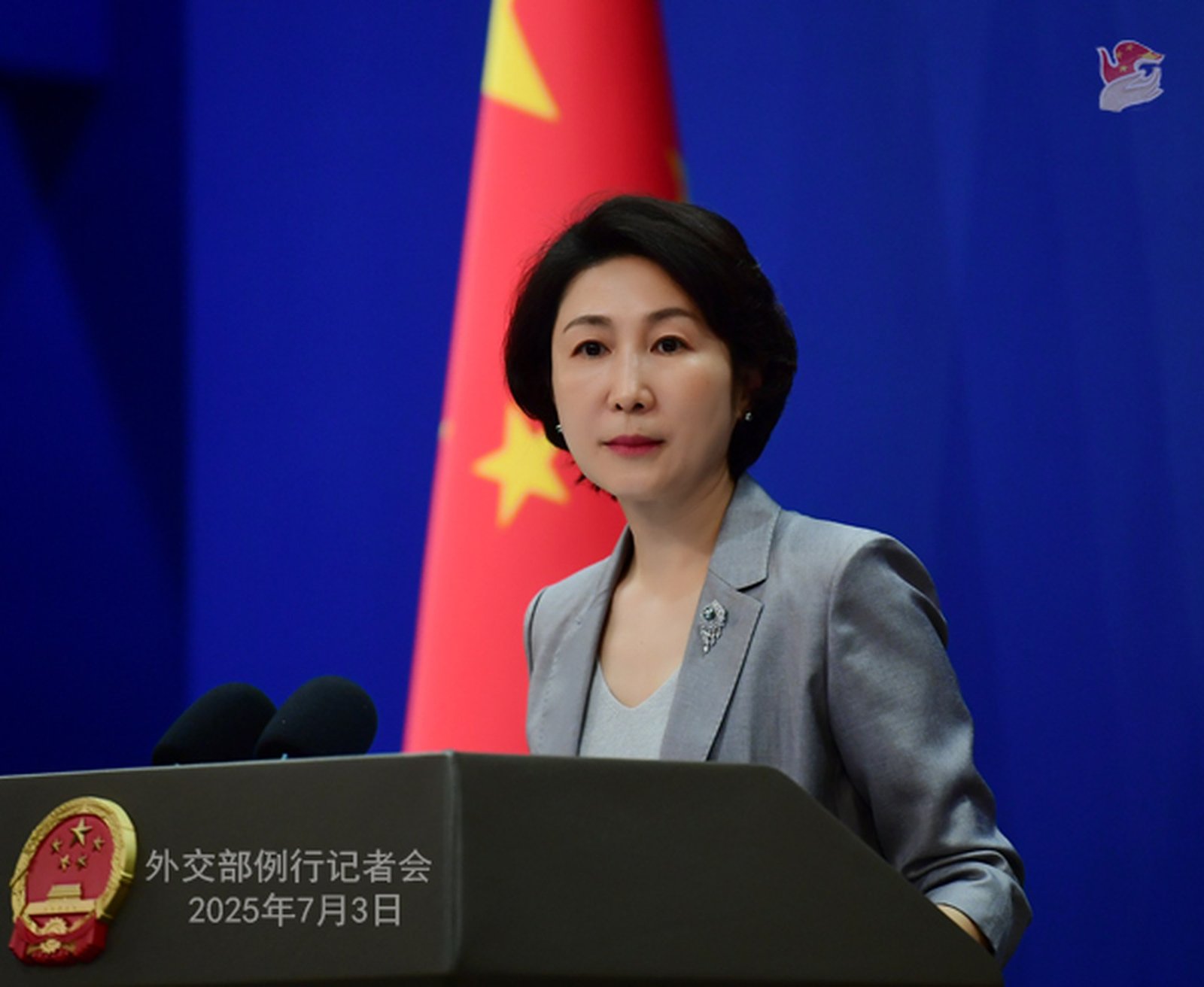
    China has accused the United States of using invented spying claims as an excuse to impose a technological blockade, hitting back at reports that Nvidia chief executive Jensen Huang was the target of a Chinese espionage plot. Speaking at a regular briefing in Beijing on Thursday, foreign ministry spokeswoman Mao Ning said Washington should stop fabricating what she called spy narratives to justify tightening its grip on advanced technology.

    Mao insisted that China’s technological progress was driven by its own innovation and open cooperation with the rest of the world, not by espionage. She dismissed the claims surrounding Huang as groundless speculation and an attempt to smear China, language Beijing has used repeatedly since the story first surfaced. Her remarks were the strongest public response yet from the Chinese government to a scandal that has shaken one of the world’s most valuable companies.

    The row centres on reports that Huang admitted to an extramarital affair with Alice Huang, a former executive at the Singapore-based data centre firm Megaspeed, whom United States officials suspect of having links to Chinese intelligence. Huang, who co-founded Nvidia and built it into the world’s leading supplier of the chips that power artificial intelligence, has spent years lobbying against American curbs on sales of advanced chips to China. Last year, President Donald Trump cleared Nvidia’s H200 chips for export to China, over the objections of hawks in both parties who fear Beijing winning the race to dominate AI.

    The affair and the espionage claims have already had serious consequences for Huang. Nvidia’s board has opened an independent review of the matter, and reports this week said directors were considering his future as chief executive. In Washington, the scandal has also revived pressure from lawmakers who want stricter controls on the export of advanced AI chips and on the cloud services that let Chinese customers access them from abroad.

    The diplomatic fallout comes at a sensitive moment. Trump and Chinese President Xi Jinping are due to meet next week at the APEC gathering in Shenzhen, where trade and technology are expected to dominate the agenda. Beijing’s message on Thursday was aimed squarely at that meeting, warning Washington not to use the Huang affair as fresh justification for restrictions. For now, neither side has produced public evidence to settle the spying claims, and the dispute looks set to run alongside the wider contest over who controls the technology of the future.

  • Pakistan’s First Astronaut Heads to Space with China

    Pakistan’s First Astronaut Heads to Space with China

    China has said it is ready to deepen its cooperation with Pakistan in space and other fields, just days after confirming that a Pakistani astronaut will fly aboard one of its crewed space missions.

    The message came from Chinese Foreign Ministry spokesman Guo Jiakun, who told a regular press briefing in Beijing that China stood ready to work with the Pakistani side to carry forward the two countries’ traditional friendship and take bilateral relations to new heights.

    “We stand ready to work with the Pakistani side to carry forward our traditional friendship, deepen cooperation in space and other fields, and bring bilateral relations to new heights,” Guo said at the briefing, according to reports of his remarks.

    The announcement that a Pakistani astronaut will join the Shenzhou-24 mission crew as a payload specialist, complete a short flight in orbit and then return to Earth aboard the Shenzhou-23 spacecraft, has put the partnership in the spotlight. According to Chinese officials, it will be the first joint flight involving Chinese and foreign astronauts in the history of China’s manned space programme, and the first time a foreign astronaut visits China’s Tiangong space station.

    Two Pakistani pilots, Muhammad Zeeshan Ali and Khurram Daud, were chosen to train in China for the mission. Which of the two will make the flight has not yet been announced.

    A partnership reaching beyond Earth

    The flight follows an agreement signed in Islamabad in February 2025 between Pakistan’s space agency, the Space and Upper Atmosphere Research Commission, and the China Manned Space Agency, covering astronaut selection, training and participation in Chinese space station missions. The two candidates have been training at the China Astronaut Research and Training Centre in Beijing.

    Guo also underlined that China supports the peaceful use of outer space and active international cooperation there, describing the exploration of the universe as a shared pursuit of humanity. He noted that China and Pakistan are all-weather strategic cooperative partners, and called the coming flight yet another key outcome of bilateral cooperation in the year marking the 75th anniversary of diplomatic ties between the two countries.

    Space cooperation between the two countries already extends well beyond the astronaut programme. Pakistan has flown payloads on Chinese lunar missions, and the two sides are working together on a Pakistani-built lunar rover planned for China’s Chang’e-8 mission, expected around 2028. Pakistan’s planning minister, Ahsan Iqbal, has also said the country aims to land on the Moon by 2035, with Chinese cooperation helping to advance that ambition.

    China, meanwhile, has invested heavily in its space programme in recent years and aims to land its own astronauts on the Moon by 2030. For Pakistan, the coming mission offers a chance to send a person, along with home-grown research, to a working laboratory in orbit. Pakistan’s planning minister has pointed to a launch later in November, although the Chinese space agency has not confirmed a date, saying only that the flight is expected before the end of the year.

  • Carney to Tell Xi: Don’t Meddle in Canada’s Affairs

    Carney to Tell Xi: Don’t Meddle in Canada’s Affairs

    Canadian Prime Minister Mark Carney has said he will tell Chinese President Xi Jinping later this month that China and other countries should not interfere in Canada’s internal affairs.

    Speaking to reporters in Montreal on Tuesday 10 November, Mr Carney said he expected to meet Mr Xi on the sidelines of the Asia-Pacific Economic Cooperation summit in Shenzhen on 18 and 19 November, and that he intended to raise the issue himself.

    “The advantage of these meetings is you can raise issues directly and frankly,” Mr Carney said. “And I will be raising the importance with which we attach to the non-interference in our affairs by China and other countries.”

    He added that he would also use the meeting to discuss the global security climate and the economic partnership between the two countries.

    A long-running concern over interference

    Foreign interference has been a sensitive subject in Canadian politics for several years. In April 2025, Mr Carney described China as one of the largest threats facing Canada when it came to foreign interference.

    A public inquiry in 2024 heard that Canada’s spy agency had concluded China interfered in the country’s 2019 and 2021 federal elections. Beijing has long denied that it seeks to interfere in Canadian domestic affairs.

    The planned meeting in Shenzhen comes as Canada looks to deepen its relationship with China. As part of an effort to reduce its economic dependence on the United States, Ottawa has been seeking closer ties with Beijing after a long period of strained relations between the two countries.

    In February, following a visit by Mr Carney, China said it would suspend some of the tariffs it had imposed on Canadian agricultural products during a trade dispute.

    Carney’s wider trip

    Mr Carney last met Mr Xi in January 2026. The Shenzhen meeting will take place during a multi-country trip by the Canadian prime minister running from 11 to 19 November.

    The encounter is expected to be closely watched in both capitals, as the two leaders weigh a difficult balance: rebuilding trade and diplomatic ties while speaking openly about an issue that has strained trust between their countries.

  • Nvidia Sued Over Alleged Spy Ties, $190bn Wiped Out

    Nvidia Sued Over Alleged Spy Ties, $190bn Wiped Out

    Nvidia and its chief executive, Jensen Huang, have been sued by a shareholder who accuses them of misleading investors about Mr Huang’s alleged relationship with a woman US authorities concluded was a suspected Chinese intelligence asset. The proposed class action was filed on Monday in federal court in San Jose, California.

    According to the complaint, the defendants misled shareholders about Mr Huang’s alleged affair with Alice Huang, a former executive of Megaspeed, a Singapore-based Nvidia customer. Alice Huang is not related to Mr Huang. The New York Times reported last month about the alleged relationship, and that US authorities had concluded Alice Huang was a Chinese intelligence asset. Mr Huang has acknowledged that he had an intimate relationship with her.

    The lawsuit, brought by shareholder Mark Kistenmacher and the Rosen Law Firm, says Nvidia and Mr Huang failed to disclose that the matter raised national security concerns that threatened the company’s reputation and business prospects. It seeks to represent investors who bought Nvidia shares between 9 October 2025 and 8 November 2026, and seeks unspecified damages for alleged violations of US securities law.

    Nvidia’s board announced an independent investigation into the matter on Sunday. The board said Mr Huang had been the target of a foreign intelligence effort, but that it had no reason to believe national security or company secrets had been compromised.

    Investors reacted sharply. Nvidia shares closed down 4.3 percent on Monday at 178.67 dollars, wiping about 190 billion dollars off the company’s market value in a single day. The lawsuit was filed five minutes after the US stock market closed, according to Reuters.

    US President Donald Trump said on Monday that the FBI was investigating the matter, while expressing support for Mr Huang. China denied conducting an intelligence operation targeting the Nvidia chief, with its foreign ministry describing the allegation as unsubstantiated.

    The complaint focuses on four public statements by Nvidia about its dealings with Megaspeed and Mr Huang’s interactions with Alice Huang. US authorities have also been investigating allegations that Megaspeed routed Nvidia’s advanced artificial intelligence chips to China through intermediaries, in possible breach of US export controls. Megaspeed was already under scrutiny over suspected export control evasion before the reports about Mr Huang emerged.

    The allegations in the complaint have not been tested in court, and Alice Huang has not been charged with any offence. It is common for shareholders to sue companies after unexpected share price declines, and Nvidia’s is only the latest in a series of securities cases that follow sharp falls in a company’s stock. The case, if certified as a class action, could run for years and will turn on whether Nvidia’s public statements about its relationship with Megaspeed were materially misleading at the time they were made.

  • China Building Fire: 14 Killed in Taiyuan Tower

    China Building Fire: 14 Killed in Taiyuan Tower

    A fire tore through a high-rise building in Taiyuan, the capital of China’s northern Shanxi province, killing 14 people and sending 38 others to hospital.

    The blaze broke out at around 4:59 pm local time on Sunday, November 8, at the Haosheng International Apartment in the Liuxiang subdistrict of Yingze district, a busy downtown area of the city. According to state media, the fire appeared to start around the fourth floor of a lower annex before spreading upward to the eighth and ninth floors, where a hotel is located.

    The 40-storey building is a mixed-use tower housing apartments, hotels, short-term rental flats, shops and tutoring centres. Video images circulating online showed smoke billowing over the structure as firefighters on cranes battled flames climbing the outside of the building.

    Five deaths were confirmed on Sunday night, and the toll rose to 14 by Monday morning, according to the official Xinhua news agency. A total of 38 people were taken to hospital, and 25 remained under treatment on Monday, including nine with serious injuries.

    Firefighters brought the open flames under control by around 7 pm, and search and rescue operations were completed by 8:30 pm on Sunday. Emergency crews worked through the evening to account for everyone inside the crowded building.

    Local officials said medical teams were doing everything possible for the injured, and that support was being arranged for the families of those who died. The Yingze district government said follow-up work was under way as hospitals continued to treat the survivors.

    State media said the building also houses a sauna, a gaming arcade and restaurants alongside its flats and hotel rooms, making it one of the busiest mixed-use addresses in the district. That mix of homes and businesses is part of why so many people were inside when the fire broke out on a Sunday evening.

    Local authorities have opened a formal investigation to establish the exact cause of the fire. No cause had been announced by Monday, and officials have not said when their findings will be made public.

    The tragedy has once again raised questions about fire safety in China’s crowded mixed-use towers, where homes, hotels and businesses share the same building. For the families of the victims, the wait for answers has only just begun as the injured continue to receive treatment in hospital.

  • China Extends Rare Earth Controls Pause Until January

    China Extends Rare Earth Controls Pause Until January

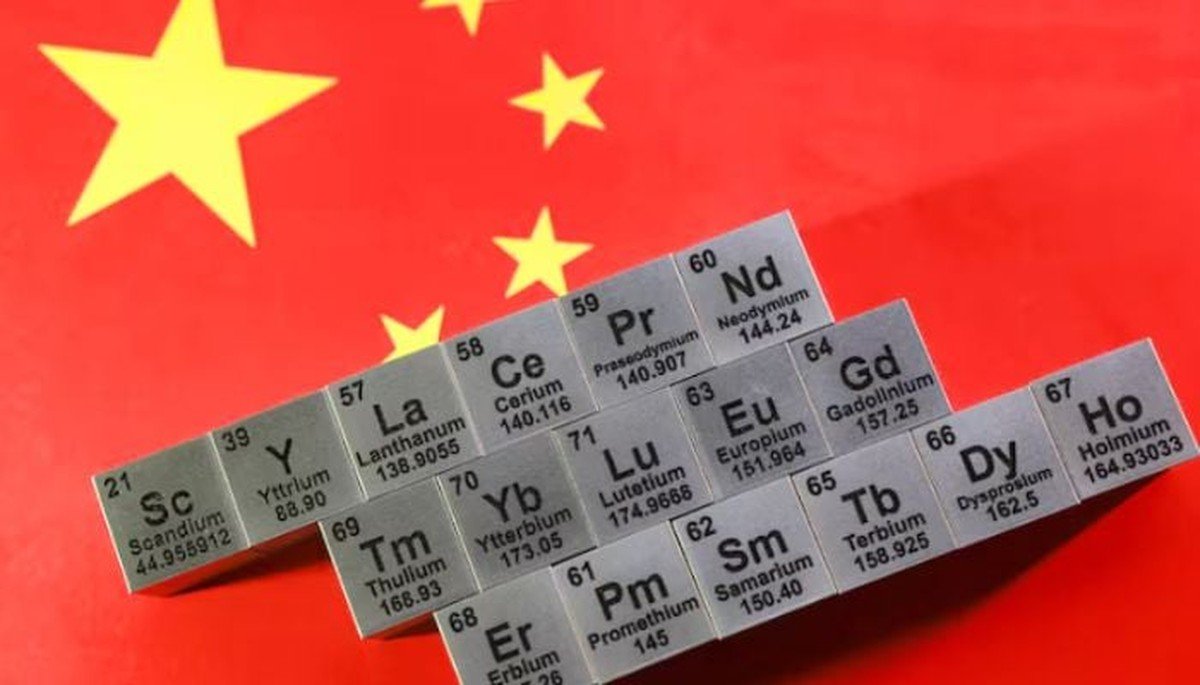
    China has extended its pause on new rare earth export controls by two months, until January 10, easing fears of fresh disruption to global supply chains.

    China’s Ministry of Commerce announced the extension on Monday, in a short statement that gave no further details. The waivers had been due to expire this month, and the extension preserves part of a wide-ranging deal struck after a summit between Presidents Xi Jinping and Donald Trump.

    China introduced export controls on certain rare earths in April 2025, then expanded them further in October of that year, widening their scope and adding new controls on certain diamonds with industrial applications and lithium battery technology. The measures were then paused for one year last November after a summit between Xi and Trump in South Korea.

    The pause traces back to the meeting between Xi and Trump in South Korea last November, where the two leaders agreed to hold off on a series of trade measures while talks continued. Monday’s announcement extends that truce by two months, keeping the door open for a broader agreement between the world’s two largest economies.

    The extension is part of a broader suspension of trade countermeasures and tariffs announced by China on Monday as it negotiates with Washington over an enduring trade deal. The pause runs alongside ongoing holds on certain United States tariffs and port fees, as the two economic superpowers work towards a more durable agreement.

    The delay offers temporary relief for international technology, automotive and defence supply chains that depend heavily on Chinese-processed critical minerals, preventing an immediate escalation in supply restrictions. Rare earths are essential components in products ranging from electric vehicles and wind turbines to smartphones and military equipment, which is why any tightening of controls is watched closely around the world.

    The extension covers the pause on the expanded controls; it is not a repeal of the underlying restrictions. If no further agreement is reached, the controls could be reactivated when the new deadline arrives, leaving the January date as the next marker in the long-running trade negotiation between Beijing and Washington.