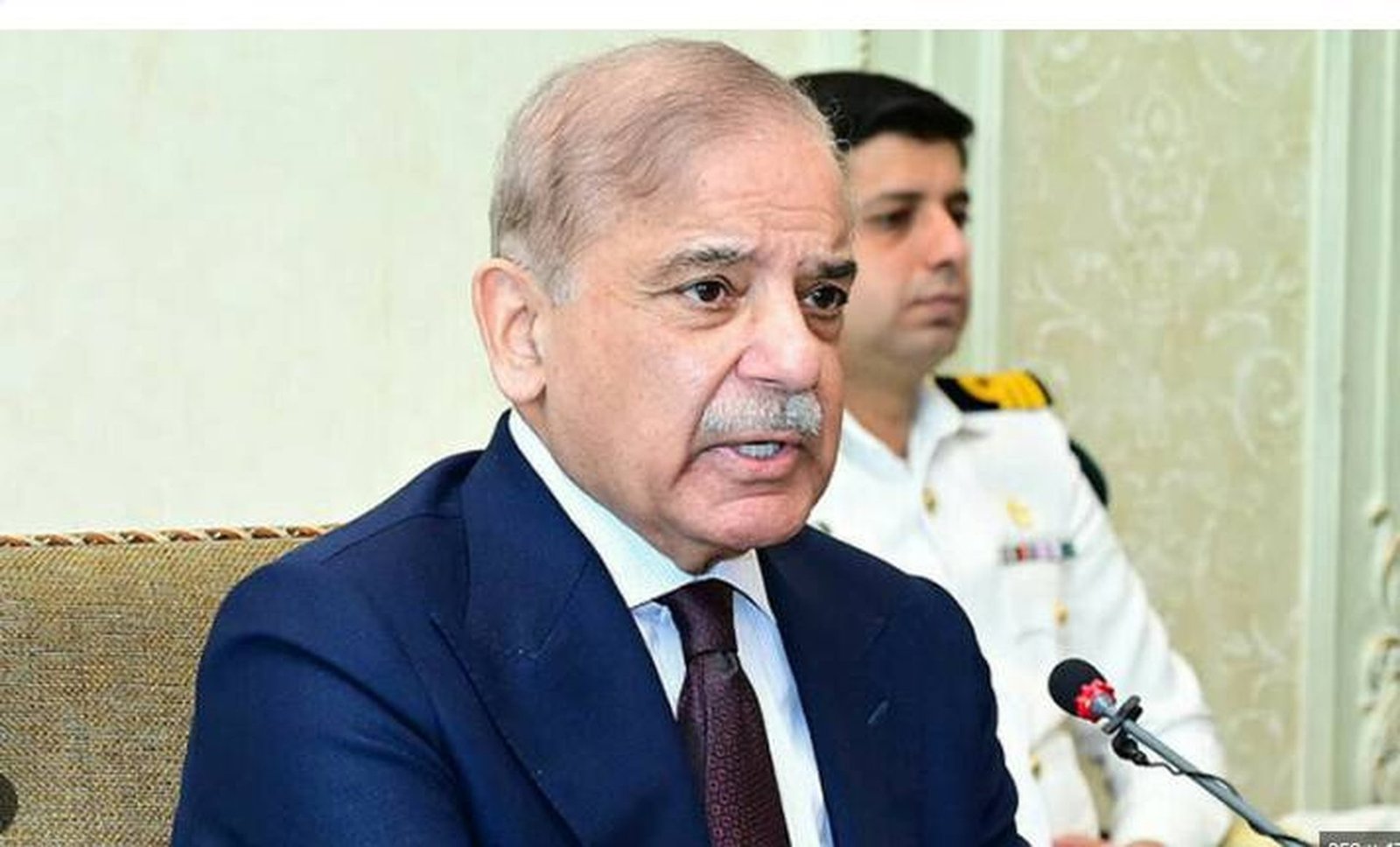
Prime Minister Shehbaz Sharif has summoned a meeting on the electricity tariff, which will be held at PM House in Islamabad on Monday, November 23, 2026, at 2:30pm. The meeting will take up the question of the electricity tariff, including proposals for reducing it and recommendations aimed at easing the financial burden on electricity consumers.
According to the report, the prime minister has sought a report from the Power Division regarding the current tariff, along with a briefing on its recommendations for the sector. He has also directed the Power Division to furnish the cost of power generation and details of the fuel adjustment mechanism, so that the discussion is based on the latest figures from the division responsible for power policy.
The meeting comes as electricity prices remain a central concern for households and businesses across the country, with monthly bills forming a large share of routine expenses for many families. Any change in the tariff is therefore watched closely by consumers, who look to the government for relief from rising costs.
What the meeting will examine
The Power Division is the federal division that oversees policy for the power sector, including matters relating to electricity generation, transmission and distribution. Its report on the current tariff is expected to set out where rates stand at present and what options exist for bringing them down without disrupting the supply of electricity.
A key part of the discussion will be the cost of power generation, which is one of the main elements that shape the price consumers pay for electricity. Generation costs depend on the mix of fuels and sources used to produce power, and on the expense of running power plants, and they feed directly into the tariff that appears on a consumer’s bill.
The prime minister has also asked for details of the fuel adjustment mechanism, the system through which changes in fuel prices are reflected in electricity bills. Because fuel prices move up and down, this mechanism allows the cost of the fuel used to generate electricity to be passed through to consumers in their monthly bills, and it is often one of the reasons bills vary from one month to the next.
Why tariff relief matters
For households, electricity is an essential service, and the tariff determines how much of a family’s monthly budget goes towards keeping the lights on, running fans and appliances, and meeting other daily needs. When tariffs rise, the effect is felt immediately in household budgets, and it is felt most by families with limited incomes.
Businesses, from small shops to large factories, are also affected, since electricity is a major input cost for production and trade. Higher tariffs can raise the cost of goods and services, while lower tariffs can ease pressure on businesses and support economic activity.
No decisions have been reported from the meeting so far, as it is yet to take place. The outcome will become clear once the prime minister has heard the Power Division’s report and its recommendations on Monday, and any decision on the tariff will be announced after that discussion.
Leave a Reply