Blog

  • Dar Welcomes ASEAN Secretary General at Foreign Ministry

    Dar Welcomes ASEAN Secretary General at Foreign Ministry

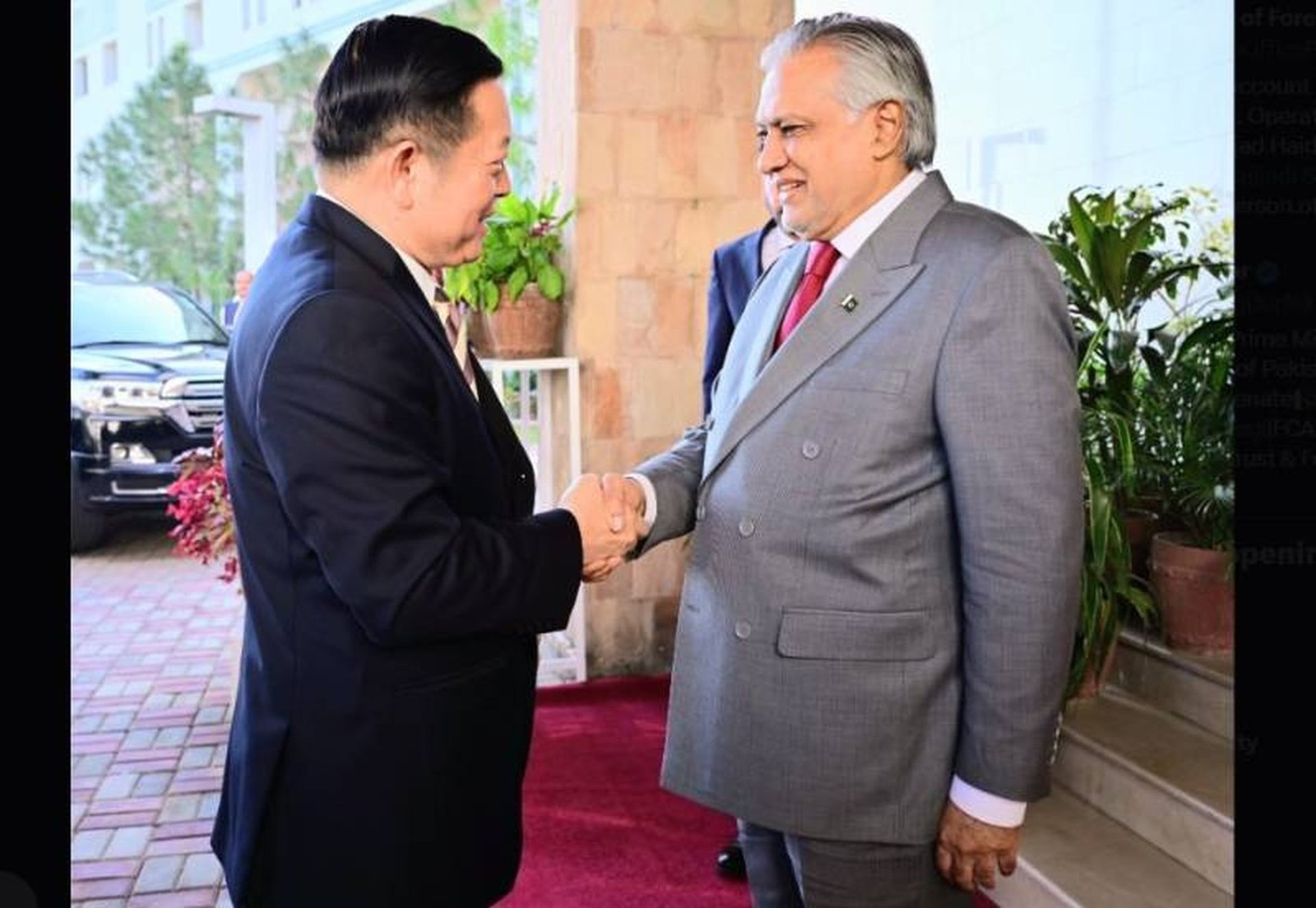
    Deputy Prime Minister and Foreign Minister Senator Ishaq Dar on Thursday welcomed ASEAN Secretary General Dr Kao Kim Hourn at the Ministry of Foreign Affairs in Islamabad, 24NewsHD TV channel reported.

    The two leaders will review Pakistan-ASEAN relations and explore avenues for deepening cooperation across areas of mutual interest.

    Earlier, the ASEAN Secretary General arrived in Islamabad on a working visit. At the airport he was received by Additional Secretary Asia Pacific Dr Mohammed Faisal and senior officers of the Ministry of Foreign Affairs.

    Pakistan and ASEAN

    Pakistan has been a Sectoral Dialogue Partner of the Association of Southeast Asian Nations (ASEAN) since 1993, and the relationship covers trade, investment, counter-terrorism, disaster management and people-to-people contacts. Pakistan has long sought a deeper partnership with the ten-member bloc, including full dialogue partner status.

    ASEAN, founded in 1967, brings together Brunei, Cambodia, Indonesia, Laos, Malaysia, Myanmar, the Philippines, Singapore, Thailand and Vietnam. Its combined population of more than 680 million people makes it one of the world’s largest regional groupings, and its members are important trading partners for Pakistan.

    Pakistan’s exports to ASEAN countries include textiles, rice, pharmaceuticals and leather goods, while it imports palm oil, rubber and electronics from the region. Officials in Islamabad have said they want to expand this trade and attract investment from Southeast Asian economies.

    Working visit

    Working visits by the ASEAN Secretary General are used to discuss the state of relations with partner countries and to prepare for higher-level meetings. The Foreign Office said the two sides would look at ways to deepen cooperation in areas where both sides see shared interests.

    Dr Kao Kim Hourn, a former Cambodian minister, has served as Secretary General of ASEAN since January 2023. His visit to Islamabad comes as Pakistan continues to strengthen its engagement with Southeast Asia as part of its wider foreign policy focus on regional connectivity and trade.

    The Foreign Office said further details of the discussions would be shared after the meetings.

    Pakistan’s outreach to ASEAN fits a broader pattern of engagement with regional groupings in Asia. Islamabad has argued that deeper trade links with Southeast Asia can help diversify its export markets, which remain heavily dependent on the United States, the European Union, China and the Middle East. ASEAN’s fast-growing economies, with rising middle classes and strong demand for textiles, food and pharmaceuticals, are seen in Islamabad as natural partners for that diversification.

    Officials also point to cooperation beyond trade. Pakistan and ASEAN members already work together on counter-terrorism, disaster relief and maritime security, and the Foreign Office has said it wants those contacts to grow alongside the economic relationship.


  • سپریم کورٹ نے کوٹہ ختم کرنے کا حکم کالعدم قرار دیا

    سپریم کورٹ نے کوٹہ ختم کرنے کا حکم کالعدم قرار دیا

    مظفرآباد کی اعلیٰ عدالت نے آزاد کشمیر کے سب سے متنازع سوالات میں سے ایک پر واضح لکیر کھینچ دی ہے — فیصلہ دیا ہے کہ سرکاری ملازمتوں میں علاقائی اور مہاجر کوٹے کو محض ختم نہیں کیا جا سکتا، لیکن یہ بغیر کسی جواز کے ہمیشہ کے لیے جاری بھی نہیں رہ سکتے۔

    آزاد جموں و کشمیر کی سپریم کورٹ نے بدھ کے روز سرکاری ملازمتوں میں علاقائی اور مہاجر کوٹے کی مکمل منسوخی کو کالعدم قرار دے دیا اور فیصلہ دیا کہ جغرافیائی ترجیحات بذات خود غیر آئینی نہیں ہیں، لیکن ان کے لیے قانون اور کم نمائندگی کے ثبوت کی ضرورت ہے۔

    چیف جسٹس راجہ سعید اکرم اور جسٹس خالد یوسف چوہدری پر مشتمل دو رکنی بینچ نے مظفرآباد میں یہ فیصلہ سنایا۔ عدالت نے پبلک سروس کمیشن کو یہ بھی حکم دیا کہ ہائی کورٹ کے 16 اگست 2025 کے فیصلے کے بعد معطل کی گئی تمام زیر التواء بھرتیوں کا عمل دوبارہ شروع کر کے مکمل کیا جائے۔

    بینچ نے دہائیوں پرانے کوٹہ تناسب کو بحال کرنے سے گریز کیا۔ اس کے بجائے اس نے حکومت کو حکم دیا کہ موجودہ علاقائی اور مہاجر مختصصات کا جامع جائزہ لیا جائے اور انہیں آئینی و قانونی تقاضوں کے مطابق بنایا جائے۔

    عبوری بھرتی کا نظام

    اس جائزے کی تکمیل تک عدالت نے بھرتی کا ایک عبوری جغرافیائی نظام مقرر کیا۔ گریڈ 1 سے 7 کی آسامیوں پر عام طور پر متعلقہ حلقے کے امیدواروں کے درمیان مقابلے سے بھرتی ہوگی، جبکہ گریڈ 8 سے 15 کی آسامیوں پر ضلعی سطح پر بھرتی کی جائے گی۔

    ڈویژنل دفاتر میں گریڈ 1 سے 15 کی آسامیاں متعلقہ ڈویژن کے امیدواروں کے درمیان مقابلے سے بھری جائیں گی، جبکہ ریاستی سطح کے اداروں کی تمام آسامیاں، خواہ کسی بھی گریڈ کی ہوں، اور گریڈ 16 اور اس سے اوپر کی تمام آسامیاں اسٹیٹ سبجیکٹس کے درمیان کھلی میرٹ پر بھری جائیں گی۔

    عدالت نے واضح کیا کہ ہر جغرافیائی دائرے میں انتخاب مکمل طور پر مقررہ قابلیت، موزونیت اور میرٹ کے تابع رہے گا۔ اگر بنیادی جغرافیائی علاقے میں کوئی موزوں امیدوار دستیاب نہ ہو تو بھرتی کا عمل قابل اطلاق قواعد کے مطابق وسیع تر دائرے تک بڑھایا جائے گا۔

    قانون کے بارے میں عدالت نے کیا کہا

    چیف جسٹس اکرم کے تحریر کردہ فیصلے میں کہا گیا کہ ہائی کورٹ نے علاقائی، علاقہ جاتی یا مہاجر سے متعلق بھرتی کے ہر نظام کو بذات خود غیر آئینی قرار دے کر غلطی کی۔ عدالت نے کہا کہ آزاد جموں و کشمیر سول سرونٹس ایکٹ 1976 اور سول سرونٹس رولز 1977 کے تحت قانونی نظام حکومت کو یہ اختیار دیتا ہے کہ وہ آزاد کشمیر کے اجزائے ترکیبی اور پاکستان میں آباد مہاجرین کو مناسب نمائندگی دے۔

    تاہم بینچ نے فیصلہ دیا کہ یہ اختیار لا محدود نہیں ہے اور تاریخی کوٹہ نظام کو کسی معقول اور معروضی طور پر قابل تعین جواز کے بغیر غیر معینہ مدت تک جاری نہیں رکھا جا سکتا۔

    مہاجر کوٹہ مستقل حق نہیں

    بینچ نے پاکستان میں آباد مہاجرین کے لیے مختص کوٹے پر الگ سے غور کیا اور کہا کہ اسٹیٹ سبجیکٹ کی حیثیت کسی خاص ترجیحی مختصص کے جاری رہنے سے آزاد ہے۔

    عدالت نے فیصلہ دیا کہ 1947 میں ہجرت کرنے والے مہاجرین کے لیے 19 فیصد کوٹہ ہو یا 1989 میں ہجرت کرنے والوں کے لیے 6 فیصد مختصص، کسی کو بھی جاری آئینی و قانونی جواز کے بغیر مستقل حق نہیں سمجھا جا سکتا۔

    داخلے اور ماضی کے فیصلے

    تعلیمی داخلوں کے بارے میں عدالت نے فیصلہ دیا کہ علاقائی ترجیحات کو سرکاری بھرتیوں سے الگ کر کے جانچنا چاہیے۔ بینچ نے وفاقی و صوبائی اداروں اور تعلیمی نشستوں سے متعلق ہائی کورٹ کی ہدایات کو بھی کالعدم قرار دے دیا جو آزاد کشمیر حکومت کے آئینی و انتظامی اختیار سے باہر تھیں، اور کہا کہ یہ ان کے متعلقہ آئینی، قانونی اور بین الحکومتی انتظامات کے تحت چلتی ہیں۔

    عدالت نے فیصلہ دیا کہ متعلقہ وقت میں رائج قانونی نظام کے تحت پہلے سے مکمل کی گئی تقرریوں اور داخلوں کو محض اس فیصلے کی وجہ سے تبدیل نہیں کیا جانا چاہیے۔

    عدالت نے یہ بھی فیصلہ دیا کہ ہائی کورٹ کو کوٹہ نظام کو اسلام کے احکامات کے منافی قرار دینے کا اختیار نہیں تھا، کیونکہ یہ اختیار متعلقہ قانون کے تحت شریعت اپیلٹ بینچ کو حاصل ہے۔

  • AJK Supreme Court Strikes Down Blanket Quota Ban

    AJK Supreme Court Strikes Down Blanket Quota Ban

    Muzaffarabad’s top court has drawn a line under one of Azad Kashmir’s most contested questions, ruling that regional and refugee quotas in government jobs cannot simply be wiped away — but cannot continue forever without justification either.

    The Supreme Court of Azad Jammu and Kashmir (AJK) on Wednesday set aside the blanket abolition of regional and refugee quotas in public employment, ruling that geographical preferences are not inherently unconstitutional but must be supported by law and evidence of under-representation.

    A division bench comprising Chief Justice Raja Saeed Akram and Justice Khalid Yousaf Chaudhary announced the judgment in Muzaffarabad. The court also directed the Public Service Commission (PSC) to resume and complete all pending recruitment processes that had been suspended following the high court’s verdict of August 16, 2025.

    The bench stopped short of restoring the decades-old quota percentages. Instead, it directed the government to undertake a comprehensive review of the existing regional and refugee allocations and bring them in conformity with constitutional and statutory requirements.

    Interim recruitment framework

    Until that review is completed, the court prescribed an interim geographical recruitment framework. Vacancies in grades 1 to 7 would ordinarily be filled through competition among candidates from the relevant constituency, while those in grades 8 to 15 would be filled at the district level.

    Vacancies in grades 1 to 15 at divisional offices would be filled through competition among candidates from the division concerned, while posts in state-level institutions, irrespective of grade, and all posts in grades 16 and above would be filled on open merit among State Subjects.

    The court clarified that selection within each geographical field would remain strictly subject to prescribed qualifications, suitability and merit. If no suitable candidate was available within the primary geographical area, the recruitment process would be extended to a wider field in accordance with the applicable rules.

    What the court said about the law

    Authored by Chief Justice Akram, the judgment held that the High Court had erred in treating every form of regional, area-based or refugee-related recruitment arrangement as inherently unconstitutional. It observed that the statutory framework under the AJK Civil Servants Act, 1976, and the Civil Servants Rules, 1977, recognised the government’s authority to provide proper representation to the component units of the AJK territory and refugees settled in Pakistan.

    However, the bench held that such authority was not unlimited, and that historical quota arrangements could not be continued indefinitely without a rational and objectively ascertainable justification.

    Refugee quotas not perpetual

    The bench also dealt separately with the quota reserved for refugees settled in Pakistan, observing that their status as State Subjects was independent of the continuation of any particular preferential allocation.

    It held that neither the 19 per cent quota for refugees who migrated in 1947 nor the 6 per cent allocation for those who migrated in 1989 could be treated as a perpetual entitlement without a continuing constitutional and statutory justification.

    Admissions and past decisions

    On educational admissions, the court ruled that regional preferences had to be examined independently of public-sector recruitment. The bench further set aside the high court’s directives concerning federal and provincial institutions and educational seats beyond the constitutional and administrative competence of the AJK government, observing that these were governed by their respective constitutional, statutory and inter-governmental arrangements.

    The court ruled that appointments and admissions already finalised under the legal regime prevailing at the relevant time should not be disturbed solely on account of its decision.

    It also held that the high court was not competent to declare the quota arrangements repugnant to the injunctions of Islam, as such jurisdiction vested in the Shariat Appellate Bench under the relevant law.

  • ایس ایم ڈبلیو 5 کیبل میں خرابی، ملک بھر میں انٹرنیٹ سست ہو گیا

    ایس ایم ڈبلیو 5 کیبل میں خرابی، ملک بھر میں انٹرنیٹ سست ہو گیا

    پاکستان ٹیلی کمیونیکیشن اتھارٹی نے بدھ کی شام تصدیق کی ہے کہ ملک کے ساحل سے تقریباً 11 کلومیٹر دور سمندر کے نیچے بچھائی گئی ایس ایم ڈبلیو 5 کیبل میں خرابی پیدا ہو گئی ہے، جس کے باعث ملک بھر میں انٹرنیٹ کی رفتار سست اور کنکشن غیر مستحکم ہو گیا ہے۔

    ریگولیٹر کے مطابق اس خرابی سے بعض صارفین کو وقفے وقفے سے کنکشن کے مسائل اور سروس کے معیار میں کمی کا سامنا کرنا پڑ سکتا ہے۔ پی ٹی اے نے بتایا کہ انٹرنیٹ ٹریفک کو متبادل بین الاقوامی لنکس کے ذریعے منتقل کیا جا رہا ہے تاکہ اثرات کم سے کم رہیں اور سروس جاری رہے۔

    پاکستان میں کیبل کی لینڈنگ کی ذمہ دار کمپنی ٹرانس ورلڈ ایسوسی ایٹس ایس ایم ڈبلیو 5 کنسورشیم کے ساتھ مل کر خرابی کی اصل وجہ معلوم کرنے اور بحالی کے متوقع وقت کا تعین کرنے کے لیے کام کر رہی ہے۔ مکمل بحالی کا کوئی وقت ابھی تک اعلان نہیں کیا گیا اور خرابی کی وجہ بھی معلوم نہیں ہو سکی ہے۔

    ایس ایم ڈبلیو 5 کیبل کیا ہے؟

    ایس ایم ڈبلیو 5 تقریباً 20 ہزار کلومیٹر طویل فائبر آپٹک سمندری کیبل ہے جو جنوب مشرقی ایشیا سے مشرق وسطیٰ ہوتی ہوئی مغربی یورپ تک جاتی ہے۔ یہ پاکستان کے بین الاقوامی انٹرنیٹ ٹریفک کا بڑا حصہ اٹھاتی ہے اور کراچی کے قریب اپنے لینڈنگ اسٹیشن کے ذریعے ملک کو عالمی انٹرنیٹ سے جوڑتی ہے۔

    چونکہ پاکستان اپنی بین الاقوامی کنیکٹوٹی کے لیے نسبتاً کم سمندری کیبلز پر انحصار کرتا ہے، اس لیے کسی ایک نظام میں خرابی بھی تمام صارفین کے لیے دستیاب کل صلاحیت کم کر دیتی ہے، اور یہی وجہ ہے کہ خلل ملک بھر میں محسوس کیا جا رہا ہے۔

    اس سال پہلی خرابی نہیں

    یہ اس سال اسی کیبل میں پہلی خرابی نہیں ہے۔ یکم جولائی 2026 کو ایس ایم ڈبلیو 5 نظام میں خرابی سے ملک بھر میں انٹرنیٹ متاثر ہوا تھا، اور پی ٹی اے نے 3 جولائی کو مکمل بحالی کی تصدیق کی تھی، یعنی اس مرمت میں تقریباً دو دن لگے تھے۔

    دنیا بھر میں انٹرنیٹ تک رسائی کی نگرانی کرنے والے ادارے نیٹ بلاکس نے کہا کہ تازہ واقعہ ایس ایم ڈبلیو 5 بین الاقوامی سمندری کیبل نظام میں خرابی سے مطابقت رکھتا ہے۔

    کن لوگوں کو اثر پڑا؟

    پی ٹی اے کے بیان میں یہ نہیں بتایا گیا کہ کتنے صارفین متاثر ہو سکتے ہیں، کن انٹرنیٹ سروس فراہم کنندگان پر اثر پڑے گا، یا کن شہروں میں سروس کا معیار زیادہ خراب ہوگا۔ کاروبار، فری لانسرز، آن لائن کلاسز لینے والے طلبہ اور ویڈیو کالز پر کام کرنے والے ریموٹ ورکرز کے ساتھ ساتھ ویڈیو اسٹریمنگ یا انٹرنیٹ کالز کرنے والے عام صارفین بھی سست روی محسوس کریں گے۔

    خرابی کے اثرات صرف سست براؤزنگ تک محدود نہیں رہے۔ لندن میں پاکستان ہائی کمیشن نے نادرا، پاسپورٹ اور ویزا سروسز معطل کر دی ہیں کیونکہ کیبل کی خرابی نے وہ انٹرنیٹ کنیکٹوٹی منقطع کر دی جس پر مشن انحصار کرتا ہے۔

    پی ٹی اے نے کہا کہ وہ متعلقہ اداروں کے ساتھ قریبی رابطے میں ہے اور ملک بھر میں انٹرنیٹ کی معمول کی سروسز کی جلد از جلد بحالی کے لیے صورتحال کی نگرانی جاری رکھے گی۔

  • SMW5 Cable Fault Slows Internet Across Pakistan, PTA Confirms

    SMW5 Cable Fault Slows Internet Across Pakistan, PTA Confirms

    Internet users across Pakistan are facing slower speeds and unstable connections after a fault developed in the SEA-ME-WE 5 (SMW5) submarine cable about 11 kilometres off the country’s coast, the Pakistan Telecommunication Authority (PTA) confirmed on Wednesday evening.

    According to the regulator, the fault may cause some users to experience intermittent connectivity issues and a decline in service quality. Internet traffic is being rerouted through alternative international links to minimise the impact and keep services running, the PTA said.

    Transworld Associates, the operator responsible for the cable landing in Pakistan, is coordinating with the SMW5 Consortium to identify the root cause of the fault and to determine an estimated time for restoration. No timeline for full restoration has been announced, and the cause of the fault has not yet been identified.

    What is the SMW5 cable?

    The SEA-ME-WE 5 is a fibre-optic submarine cable running roughly 20,000 kilometres, stretching from Southeast Asia through the Middle East and into Western Europe. It carries a large share of Pakistan’s international internet traffic, connecting the country to the global internet through its landing station near Karachi.

    Because Pakistan relies on a relatively small number of submarine cables for its international connectivity, a fault in even one system reduces the total capacity available to all users, which is why the disruption is being felt across the country.

    Not the first fault this year

    This is not the first time the same cable has failed this year. On 1 July 2026, a fault in the SMW5 system caused internet connectivity issues across Pakistan, and the PTA confirmed full restoration on 3 July, so that repair took about two days.

    NetBlocks, which monitors internet access around the world, said the latest incident was consistent with a fault on the SMW5 international subsea cable system.

    Who is affected

    The PTA statement did not specify how many customers could be affected, identify particular internet service providers, or list cities where service quality might decline. Businesses, freelancers, students attending online classes and remote workers on video calls are among those likely to feel the slowdown, along with casual users streaming video or making voice calls over the internet.

    The fault has already had consequences beyond slow browsing. The Pakistan High Commission in London suspended NADRA, passport and visa services after the cable fault cut the internet connectivity the mission depends on.

    The PTA said it remained in close coordination with the organisations involved and would continue monitoring developments to support the earliest possible restoration of normal internet services across the country.

  • بلاول کا نئے صوبوں پر وزرا کو جواب، کھلی بحث کا چیلنج

    بلاول کا نئے صوبوں پر وزرا کو جواب، کھلی بحث کا چیلنج

    پاکستان پیپلز پارٹی کے چیئرمین بلاول بھٹو زرداری نے سندھ کی تقسیم کی مخالفت پر تنقید کرنے والے وفاقی وزرا کو جواب دیتے ہوئے حکومت پر سچ بولنے پر ان سے لڑائی مول لینے کا الزام لگایا اور چیلنج کیا کہ نئے صوبوں پر بحث کھلے عام کی جائے۔

    دی نیوز کے مطابق بلاول نے بدھ کی رات وفاقی وزرا کے بیانات کا جواب دیتے ہوئے کہا کہ “ایسا لگتا ہے کہ انہوں نے سچ بولنے پر مجھ سے لڑائی مول لینے کا فیصلہ کر لیا ہے۔ ان کا ردعمل ظاہر کرتا ہے کہ وہ تنقید برداشت کرنے کو تیار نہیں ہیں۔”

    پیپلز پارٹی کے چیئرمین نے سوال کیا کہ اگر سیاستدان ان کی بات سننے کو تیار نہیں تو عام شہری کیسے توقع کر سکتے ہیں کہ حکومت ان کی آواز سنے گی۔ انہوں نے کہا کہ نئے صوبوں پر بحث وزرا، وزیراعظم یا دیگر سیاسی فریقوں سے مشاورت کے بغیر شروع کی گئی تھی۔

    انہوں نے کہا کہ “اگر آپ نے یہ بحث شروع کی ہے تو اسے کھلے عام کرنے کی ہمت کریں۔ یہ بحث آپ کے منتخب کردہ لوگوں کے ذریعے نہیں ہو سکتی کہ باقی سب کو اتفاق کرنا ہو یا خاموش رہنا ہو۔”

    وزرا کا جواب

    وفاقی وزرا نے سندھ کی مجوزہ تقسیم پر بلاول کی مخالفت پر سخت تنقید کی تھی، اور دلیل دی تھی کہ بہتر حکمرانی کے لیے چھوٹے صوبے بنانا ضروری ہے اور عوامی رائے کو فوقیت ملنی چاہیے۔

    وزیر دفاع خواجہ آصف نے زور دیا کہ عوامی حمایت کے بغیر کوئی سیاسی نظام تبدیل نہیں کیا جا سکتا، جبکہ وفاقی وزیر صحت مصطفیٰ کمال نے چھوٹے صوبوں کے قیام کو ناگزیر قرار دیتے ہوئے کہا کہ ملک ان کے بغیر مؤثر طریقے سے کام نہیں کر سکتا۔

    طلال چوہدری سمیت دیگر وزرا نے بھی بلاول کے موقف پر سوال اٹھائے، پنجاب کی تقسیم پر پیپلز پارٹی کے موقف کی طرف اشارہ کرتے ہوئے کہا کہ جمہوریت کو صرف سیاسی تقاریر اور آئینی دلائل نہیں بلکہ مؤثر حکمرانی درکار ہے۔

    انتباہ تھا، دھمکی نہیں

    بلاول نے منگل کو کراچی پریس کلب میں خبردار کیا تھا کہ سندھ کی جبری تقسیم سماجی تقسیم کو گہرا کر سکتی ہے اور خونریزی کا باعث بن سکتی ہے۔ بدھ کو انہوں نے کہا کہ ان کے پہلے ریمارکس انتباہ تھے، دھمکی نہیں، اور جبر سے ایسا انتشار پیدا ہو سکتا ہے جسے قابو کرنا مشکل ہوگا۔

    انہوں نے 1980 اور 1990 کی دہائیوں میں سندھ کی سیاسی صورتحال یاد دلائی جب صوبے میں تقسیم پیدا کرنے کی کوششیں کی گئی تھیں، اور کہا کہ خطرہ اب بھی موجود ہے۔

    آئینی اصلاحات کی طرف آتے ہوئے بلاول نے 27ویں ترمیم کے تحت آئینی عدالت کے قیام کو تاریخی کامیابی قرار دیا اور کہا کہ وہ ترمیم سے پیچھے نہیں ہٹیں گے۔ انہوں نے واضح کیا کہ وہ ترمیم یا آئینی عدالتوں کے خاتمے کا مطالبہ نہیں کر رہے۔

    اصلاح کی تجاویز

    پیپلز پارٹی کے چیئرمین نے کہا کہ سیاسی اور جمہوری اصلاح کے لیے اپوزیشن کا اعتماد بحال کرنا ضروری ہے۔ انہوں نے مخصوص نشستیں اپوزیشن کو واپس کرنے کی تجویز دی اور زور دیا کہ یہ تجویز ہے، کوئی سرخ لکیر نہیں۔

    انہوں نے کہا کہ “اگر ہم آغاز کرنا چاہتے ہیں تو یہیں سے شروع ہو سکتا ہے،” اور مزید کہا کہ پیپلز پارٹی نے حکومت کی حمایت اس وقت بھی کی جب یہ نشستیں اس کے پاس نہیں تھیں۔

    بلاول نے سوال کیا کہ نظام کے خاتمے کا اعلان کرنے اور اس کی اصلاح کا فیصلہ کرنے کا اختیار کس کے پاس ہے۔ انہوں نے پوچھا کہ “کیا پی سی بی کے چیئرمین کو یہ کہنے کا اختیار ہے کہ نظام ختم ہو چکا ہے؟”

    پی ٹی آئی کے بانی عمران خان کا حوالہ دیتے ہوئے بلاول نے پوچھا کہ کیا انہیں سیاسی قیدی نہیں سمجھا جا سکتا، کیونکہ وہ سیاستدان بھی ہیں اور قیدی بھی۔ انہوں نے مزید کہا کہ “مجھے یہ ماننا مشکل ہے کہ اس ملک کا ہر وزیراعظم چور ہے۔ میں وہ دن دیکھنا چاہتا ہوں جب کوئی پاکستان کا وزیراعظم بنے اور جیل نہ جائے۔”

    اتحادی جماعتوں کے ساتھ حکومت کے سلوک پر تحفظات کے باوجود بلاول نے کہا کہ وہ حکومت کی حمایت جاری رکھیں گے اور چاہتے ہیں کہ وزیراعظم شہباز شریف کامیاب ہوں۔ انہوں نے کہا کہ سیاسی رہنماؤں سے عوام کی بنیادی توقع یہ ہے کہ وہ ملک کے معاشی مسائل حل کریں۔

  • Bilawal Hits Back at Ministers Over New Provinces Debate

    Bilawal Hits Back at Ministers Over New Provinces Debate

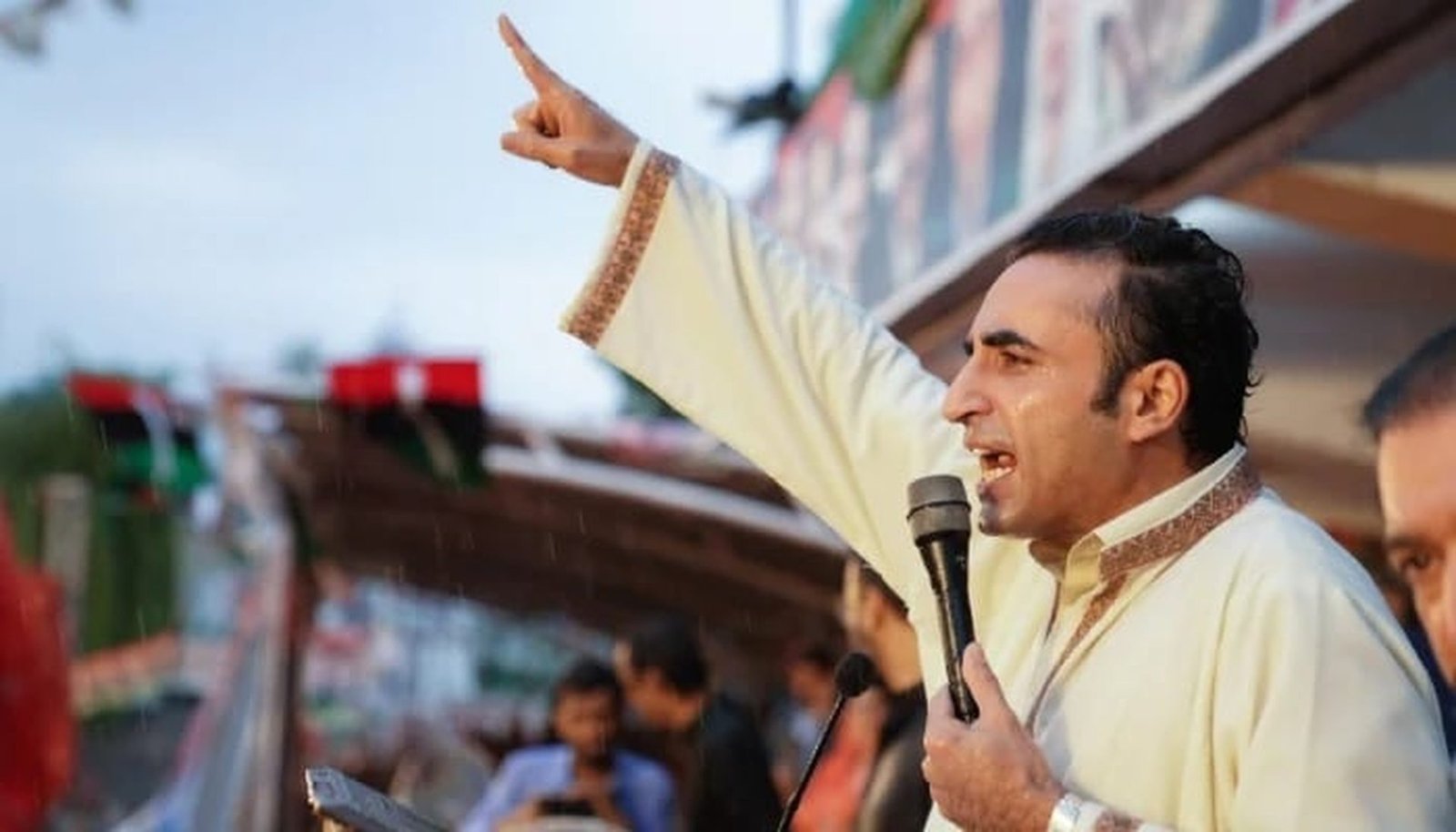
    Pakistan Peoples Party (PPP) Chairman Bilawal Bhutto-Zardari has hit back at federal ministers who criticised his opposition to dividing Sindh, accusing the government of picking a fight with him for speaking the truth and daring it to hold the debate openly.

    “It appears they have decided to pick a fight with me for speaking the truth. Their reaction shows they are unwilling to tolerate criticism,” Bilawal said on Wednesday night, responding to a series of statements by federal ministers earlier in the day, The News reported.

    The PPP chairman questioned how ordinary citizens could expect the government to hear their voices if politicians were unwilling to listen to him. He said the debate over new provinces had been initiated without consulting ministers, the prime minister or other political stakeholders.

    “If you have initiated this debate, dare to hold it openly. It cannot be conducted through your own selected people, with everyone else expected to agree or remain silent,” he said.

    Ministers’ rebuttal

    The federal ministers had strongly criticised Bilawal’s opposition to the proposed division of Sindh, arguing that creating smaller provinces was necessary for better governance and that public opinion should prevail.

    Defence Minister Khawaja Asif stressed that no political system could be changed without public support, while Federal Minister for Health Mustafa Kamal described the creation of smaller provinces as inevitable, saying the country could not function effectively without them.

    Other ministers, including Talal Chaudhry, also questioned Bilawal’s stance, pointing to the PPP’s position on dividing Punjab and arguing that democracy required effective governance rather than merely political speeches and constitutional arguments.

    A warning, not a threat

    Bilawal had warned at the Karachi Press Club on Tuesday that forcibly dividing Sindh could deepen social divisions and lead to bloodshed. He said on Wednesday that his earlier remarks were intended as a warning, not a threat, and that coercion could trigger unrest that would be difficult to contain.

    He recalled the political situation in Sindh during the 1980s and 1990s, when attempts had been made to create divisions within the province, and said the threat remained.

    Turning to constitutional reforms, Bilawal described the establishment of a constitutional court under the 27th Amendment as a historic achievement, saying he would not backtrack on the amendment. He clarified that he was not calling for the amendment or constitutional courts to be abolished.

    Proposals for a reset

    The PPP chairman said a political and democratic reset required restoring the opposition’s trust. He proposed returning reserved seats to the opposition, emphasising that this was a suggestion rather than a red line.

    “If we want to make a start, this is where we can begin,” he said, adding that the PPP had supported the government even when those seats were not in its hands.

    Bilawal questioned who had the authority to declare that the system had collapsed and decide that it needed a reset. “Does the PCB chairman have the authority to say that the system has collapsed?” he asked.

    Referring to PTI founder Imran Khan, Bilawal asked whether he could not be considered a political prisoner, given that he was both a politician and an inmate. “I find it difficult to accept that every prime minister of this country is a thief. I want to see a day when someone becomes prime minister of Pakistan and does not end up in jail,” he added.

    Despite his reservations about the government’s treatment of its coalition partners, Bilawal said he continued to support the government and wanted Prime Minister Shehbaz Sharif to succeed. He said the public’s main expectation of political leaders was that they resolve the country’s economic problems.

  • پنجاب میں کیمرہ والے سمارٹ گلاسز اور خفیہ ریکارڈنگ آلات پر پابندی میں توسیع

    پنجاب میں کیمرہ والے سمارٹ گلاسز اور خفیہ ریکارڈنگ آلات پر پابندی میں توسیع

    محکمہ داخلہ پنجاب نے صوبے بھر میں دفعہ 144 کے نفاذ میں مزید 30 روز کی توسیع کر دی ہے، جس کے تحت خفیہ ریکارڈنگ آلات اور جاسوسی کے لیے بنائے گئے سازوسامان کے استعمال، فروخت اور خریداری پر پابندی برقرار رہے گی، دنیا نیوز نے رپورٹ کیا۔

    توسیع شدہ پابندیوں کے تحت خفیہ کیمروں والے سمارٹ گلاسز اور روزمرہ استعمال کی اشیا جیسے قلم، کی چین اور دیگر لوازمات کی شکل میں چھپے ریکارڈنگ آلات ممنوع رہیں گے۔ یہ پابندی ان آلات پر لاگو ہوتی ہے جو خفیہ طور پر تصاویر، ویڈیوز اور آڈیو ریکارڈ یا منتقل کرنے کی صلاحیت رکھتے ہوں۔

    یہ پابندیاں دکانوں کے ذریعے اور آن لائن پلیٹ فارمز پر ایسے سازوسامان کی فروخت و خریداری پر بھی لاگو ہوں گی۔ پنجاب بھر میں دکانداروں، تاجروں اور تقسیم کاروں کو ممنوعہ خفیہ ریکارڈنگ آلات فروخت کرنے سے روک دیا گیا ہے۔

    پابندی کے پیچھے پرائیویسی اور سیکیورٹی

    محکمہ داخلہ کے مطابق ان اقدامات کا مقصد شہریوں کی پرائیویسی، حساس معلومات اور اہم تنصیبات کی سیکیورٹی کا تحفظ ہے۔ خواتین اور بچوں کی عزت و پرائیویسی کے تحفظ پر خاص زور دیا گیا ہے۔

    تاہم لیپ ٹاپ، ٹیبلٹ، موبائل فون اور پاکستان ٹیلی کمیونیکیشن اتھارٹی (پی ٹی اے) سے منظور شدہ ٹرمینل آلات کو ان پابندیوں سے مستثنیٰ قرار دیا گیا ہے۔

    سیکرٹری داخلہ پنجاب نے یہ حکم ضابطہ فوجداری 1898 کی دفعہ 144 کے تحت جاری کیا۔ نوٹیفکیشن کے مطابق یہ پابندیاں 30 روز تک مؤثر رہیں گی، اور صوبائی انتظامیہ و پولیس حکام کو ہدایت کی گئی ہے کہ وہ پنجاب بھر میں ان احکامات پر سختی سے عمل درآمد یقینی بنائیں۔

    دفعہ 144 کا مطلب کیا ہے

    دفعہ 144 ایک عارضی ممانعتی حکم ہے جسے صوبائی حکومت امن عامہ، حفاظت اور سیکیورٹی کے مفاد میں مخصوص سرگرمیوں پر محدود مدت کے لیے عائد کر سکتی ہے۔ اس کے تحت جاری احکامات پر ضلعی انتظامیہ اور پولیس عمل درآمد کراتی ہے، اور خلاف ورزی پر قانونی کارروائی ہو سکتی ہے۔

    حکومت پنجاب حالیہ برسوں میں عوامی اجتماعات سے لے کر بعض آلات کے استعمال تک مختلف سرگرمیوں کو منظم کرنے کے لیے دفعہ 144 کا بار بار استعمال کر چکی ہے، اور ہر توسیع ایک نئے نوٹیفکیشن کے ذریعے مقررہ مدت کے ساتھ جاری کی جاتی ہے۔

    پابندی کے پیچھے تشویش یہ ہے کہ کیمرے والے گلاسز اور چھپے ہوئے ریکارڈنگ آلات آس پاس کے لوگوں کو معلوم ہوئے بغیر تصاویر، ویڈیو اور آڈیو ریکارڈ کر سکتے ہیں۔ یہی چیز انہیں عام فونز اور لیپ ٹاپ سے مختلف بناتی ہے، جہاں ریکارڈنگ عام طور پر نظر آتی ہے، اور یہی وجہ ہے کہ محکمہ داخلہ نے خفیہ ریکارڈنگ کے لیے بنائے گئے آلات کو الگ کر کے ان پر پابندی لگائی ہے جبکہ روزمرہ مواصلاتی آلات کو اس سے باہر رکھا گیا ہے۔

  • Punjab Extends Ban on Camera-Enabled Smart Glasses, Hidden Recording Devices

    Punjab Extends Ban on Camera-Enabled Smart Glasses, Hidden Recording Devices

    The Punjab Home Department has extended the enforcement of Section 144 across the province for another 30 days, maintaining a ban on the use, sale and purchase of hidden recording devices and equipment designed for spying, Dunya News reported.

    Under the extended restrictions, smart glasses equipped with concealed cameras and recording gadgets disguised as everyday items, including pens, keychains and other accessories, will remain prohibited. The ban applies to devices capable of secretly capturing or transmitting photographs, videos and audio recordings.

    The restrictions also cover the sale and purchase of such equipment through physical shops and online platforms. Shopkeepers, traders and distributors have been barred from selling prohibited hidden recording devices anywhere in Punjab.

    Privacy and security behind the ban

    According to the Home Department, the measures aim to protect citizens’ privacy, sensitive information and the security of important installations. Particular emphasis has been placed on safeguarding the dignity and privacy of women and children.

    However, laptops, tablets, mobile phones and terminal devices approved by the Pakistan Telecommunication Authority (PTA) have been exempted from the restrictions.

    The Secretary Home Punjab issued the order under Section 144 of the Code of Criminal Procedure, 1898. The notification specifies that the restrictions will remain effective for 30 days, and provincial administrations and police authorities have been directed to ensure strict implementation of the orders across Punjab.

    What Section 144 means

    Section 144 is a temporary prohibitory order that a provincial government can impose to restrict specified activities for a limited period in the interest of public order, safety and security. Orders issued under it are enforced by the district administration and the police, and violations can lead to legal action.

    The Punjab government has repeatedly used Section 144 in recent years to regulate activities ranging from public gatherings to the use of certain devices, and each extension is issued as a fresh notification with a defined time period.

    The concern behind the ban is that camera-enabled glasses and disguised recording gadgets can capture photographs, video and audio without the people around the wearer realising they are being recorded. That makes them different from ordinary phones and laptops, where recording is generally visible, and it is why the Home Department has singled out devices designed to record in secret while leaving everyday communication devices untouched.

  • لاہور دنیا کا آلودہ ترین شہر، خطرناک سموگ نے پنجاب کو لپیٹ میں لے لیا

    لاہور دنیا کا آلودہ ترین شہر، خطرناک سموگ نے پنجاب کو لپیٹ میں لے لیا

    لاہور اور پنجاب کے کئی دیگر شہروں میں جمعرات کو بھی گھنی سموگ چھائی رہی جس سے فضائی معیار خطرناک سطح تک پہنچ گیا، اور صوبائی دارالحکومت ایک بار پھر دنیا کے آلودہ ترین شہر کی فہرست میں سرفہرست رہا، دنیا نیوز نے رپورٹ کیا۔

    شہر کا اوسط ایئر کوالٹی انڈیکس 325 تک پہنچ گیا، جبکہ بعض مقامات پر اس سے بھی زیادہ خطرناک ریڈنگ ریکارڈ کی گئی۔ جی سی یونیورسٹی کے آس پاس انڈیکس 424، علامہ اقبال ٹاؤن میں 420 اور ماڈل ٹاؤن میں 350 ریکارڈ کیا گیا۔

    محکمہ موسمیات کے مطابق لاہور میں کم از کم درجہ حرارت تقریباً 14 ڈگری سینٹی گریڈ جبکہ زیادہ سے زیادہ 27 ڈگری رہنے کا امکان ہے۔ نمی 68 فیصد ریکارڈ کی گئی جبکہ ہوا کی رفتار صرف 3 کلومیٹر فی گھنٹہ رہی، جس سے آلودگی زمین کے قریب پھنسی رہی۔

    پنجاب کے دیگر اضلاع میں بھی خطرناک صورتحال

    پنجاب کے دیگر اضلاع میں بھی فضائی آلودگی خطرناک سطح پر ہے۔ خانیوال میں انتہائی خطرناک اے کیو آئی 1202، قصور میں 694، ملتان میں 323 اور گوجرانوالہ میں 260 ریکارڈ کیا گیا۔

    بگڑتی صورتحال کے پیش نظر طبی ماہرین نے شہریوں کو سخت احتیاطی تدابیر اختیار کرنے، حفاظتی ماسک پہننے اور فضائی معیار بہتر ہونے تک غیر ضروری طور پر باہر نکلنے سے گریز کرنے کی ہدایت کی ہے۔

    سموگ کا موسم پھر لوٹ آیا

    لاہور اس سموگ کے موسم میں بار بار عالمی آلودگی کی درجہ بندی میں سرفہرست رہا ہے، کیونکہ سردیوں کی ٹھنڈی ہوا گاڑیوں، صنعتوں اور فصلوں کی باقیات جلانے سے پیدا ہونے والے دھوئیں کو زمین کے قریب پھنسا دیتی ہے۔ 300 سے زائد ریڈنگ خطرناک زمرے میں آتی ہے جو صحت کے لیے سنگین خطرات کی نشاندہی کرتی ہے، خاص طور پر بچوں، بزرگوں اور سانس و دل کی بیماریوں میں مبتلا افراد کے لیے۔

    ڈاکٹرز دمہ اور سانس کی دیگر تکالیف میں مبتلا افراد کو مشورہ دیتے ہیں کہ وہ باہر کم وقت گزاریں، بدترین اوقات میں کھڑکیاں بند رکھیں اور مسلسل کھانسی یا سانس لینے میں دشواری کی صورت میں طبی مدد حاصل کریں۔

    اے کیو آئی کے اعداد کا مطلب

    ایئر کوالٹی انڈیکس صفر سے 300 سے زائد تک ہوتا ہے۔ 50 تک کی ریڈنگ اچھی، 51 سے 100 معتدل، 101 سے 150 حساس افراد کے لیے غیر صحت بخش، 151 سے 200 غیر صحت بخش، 201 سے 300 بہت زیادہ غیر صحت بخش، اور 301 سے زائد خطرناک سمجھی جاتی ہے۔ اس لیے جمعرات کو لاہور کی اوسط ریڈنگ 325 خطرناک زمرے میں آتی ہے، اور بعض مقامات پر 400 سے زائد کی ریڈنگ اس حد سے کہیں زیادہ ہے جس پر صحت کے ماہرین سب کو گھر کے اندر رہنے کا مشورہ دیتے ہیں۔

    سموگ کی وجہ گاڑیوں کا دھواں، صنعتی آلودگی اور فصلوں کی باقیات جلانا ہے، جو سرد اور ساکن سردیوں کی ہوا کی وجہ سے زمین کے قریب پھنسی رہتی ہے۔ شمالی پاکستان اور بھارت کے ملحقہ علاقوں میں ہر موسم سرما میں ایسی ہی صورتحال پیدا ہوتی ہے، اور آلودگی عام طور پر اس وقت کم ہوتی ہے جب ہوا کی رفتار بڑھ جائے یا بارش ہوا کو صاف کر دے۔