Category: Opinion

  • Digital media has democratised news — now it must mature

    Digital media has democratised news — now it must mature

    A decade ago, breaking news in Pakistan belonged to television studios. Today it belongs to whoever posts first on social media. This democratisation has been genuinely empowering: citizen journalists have exposed stories that newsrooms missed, and marginalised voices have found audiences.

    But the same architecture that empowers also endangers. A rumour can travel across WhatsApp groups faster than any newsroom can verify it, and the consequences — mob violence, market panic, communal tension — are not theoretical. Pakistan has seen all three.

    The core problem is economic as much as ethical. Outrage and sensationalism are rewarded by engagement algorithms; careful verification is not. Digital creators who chase virality learn quickly that a shocking claim outperforms a corrected one.

    Traditional media is not blameless either. The race to match social media’s speed has led established outlets to air unverified footage and unconfirmed casualty figures, eroding the very trust that distinguishes them from anonymous accounts.

    What would maturity look like? First, a norm that being second but right beats being first but wrong — and audiences that reward it. Second, transparent corrections: digital outlets should correct errors as visibly as they published them. Third, media literacy in schools, so the next generation treats forwarded messages with scepticism.

    Regulation has a role, but a limited one. Heavy-handed controls risk silencing the same citizen voices that make digital media valuable. The better path is co-regulation: clear standards developed with journalists and platforms, enforced transparently.

    Pakistan’s digital public sphere is still young. Its direction is not fixed. If creators, platforms and audiences choose accuracy over virality, the microphone that everyone now holds can become an instrument of accountability rather than chaos.
  • تعلیمی اصلاحات — نصاب سے زیادہ نظام کی ضرورت

    تعلیمی اصلاحات — نصاب سے زیادہ نظام کی ضرورت

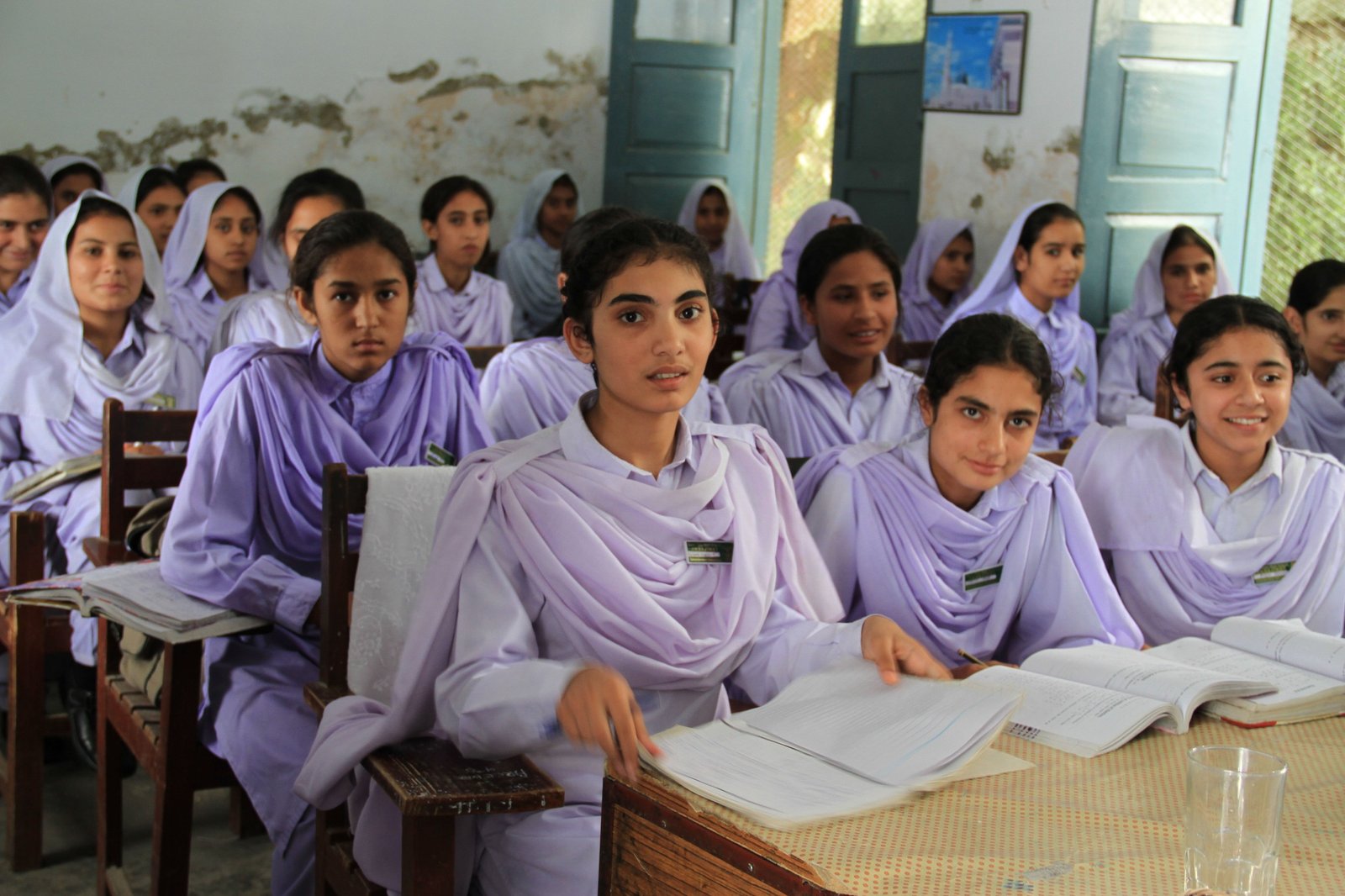
    پاکستان میں جب بھی تعلیمی اصلاحات کی بات ہوتی ہے، بحث عموماً نصاب کی تبدیلی تک محدود رہ جاتی ہے۔ نصاب اہم ہے، لیکن یہ تعلیمی نظام کا صرف ایک حصہ ہے۔ اصل سوال یہ ہے کہ کلاس روم میں کیا پڑھایا جا رہا ہے اور کون پڑھا رہا ہے۔

    اساتذہ کی تربیت تعلیمی اصلاحات کا سب سے نظرانداز شدہ پہلو ہے۔ ایک غیر تربیت یافتہ استاد بہترین نصاب کو بھی بے اثر بنا سکتا ہے، جبکہ ایک اچھا استاد محدود وسائل میں بھی معیاری تعلیم دے سکتا ہے۔ اساتذہ کی پیشہ ورانہ ترقی میں سرمایہ کاری دراصل تعلیم میں سرمایہ کاری ہے۔

    دوسرا بڑا مسئلہ اسکولوں کا انتظام ہے۔ کئی سرکاری اسکولوں میں بنیادی سہولتوں — صاف پانی، بیت الخلا، بجلی — کی کمی ہے۔ جو بچہ اسکول میں بنیادی سہولت سے محروم ہو، اس سے معیاری تعلیم کی توقع کیسے کی جا سکتی ہے؟

    تیسرا نکتہ تعلیم اور روزگار کا رشتہ ہے۔ ہمارا نظام ایسے گریجویٹ پیدا کر رہا ہے جن کے پاس ڈگریاں تو ہیں مگر ہنر نہیں۔ فنی و پیشہ ورانہ تعلیم کو ثانوی حیثیت دینے کے بجائے اسے مرکزی دھارے میں لانا ہوگا۔ ہر طالب علم یونیورسٹی نہیں جائے گا — اور اس میں کوئی برائی نہیں، بشرطیکہ اس کے پاس باعزت روزگار کا راستہ ہو۔

    زبان کا مسئلہ بھی حل طلب ہے۔ ابتدائی تعلیم مادری یا علاقائی زبان میں دینے کے حق میں مضبوط تعلیمی دلائل موجود ہیں، جبکہ انگریزی کو ایک مضمون کے طور پر پڑھایا جا سکتا ہے۔ زبان کو طبقاتی تقسیم کا ذریعہ بنانے کے بجائے اسے سیکھنے کا ذریعہ بنانا چاہیے۔

    آخر میں، تعلیمی اصلاحات کا پیمانہ امتحانی نتائج نہیں، بلکہ یہ ہونا چاہیے کہ ہمارے بچے سوچنا، سوال کرنا اور مسائل حل کرنا سیکھ رہے ہیں یا نہیں۔ یہ تبدیلی ایک دن میں نہیں آئے گی، لیکن اس کی سمت آج ہی طے کرنا ہوگی۔

  • Pakistan’s economy needs reform, not just relief

    Pakistan’s economy needs reform, not just relief

    Every few years, Pakistan finds itself in the same conversation: a balance-of-payments scare, an IMF programme, a round of belt-tightening, and then a sigh of relief until the cycle repeats. The pattern is familiar because its causes have never been fully addressed.

    The most honest diagnosis starts with exports. An economy of over 240 million people cannot sustainably live on remittances and borrowing. Export diversification — beyond textiles into IT services, agriculture value-addition and light engineering — is not a slogan; it is the only durable route to foreign-exchange stability.

    The second fault line is the tax base. When a narrow slice of the formal economy carries the fiscal burden while large sectors remain outside the net, the state is forced into indirect taxation that hits ordinary consumers hardest. Broadening the base, fairly and transparently, is a political challenge more than a technical one.

    Energy pricing is the third test. Circular debt in the power sector is ultimately a governance failure: losses, theft and mispricing accumulate into a burden the treasury cannot carry. Cost-reflective tariffs hurt in the short run, but the alternative — an insolvent energy chain — hurts far more.

    None of this argues against relief for the vulnerable. Targeted support for low-income households during adjustment is both humane and economically sensible. What it argues against is the habit of treating relief as reform — announcing subsidies while postponing the structural fixes that would make subsidies unnecessary.

    There are genuine bright spots: a young workforce, a growing IT export segment, and an agricultural base that could do far more with better water management and value chains. Policy should bet on these strengths rather than on the next short-term inflow.

    The economy’s future will not be decided by any single budget or programme. It will be decided by whether Pakistan’s policymakers can sustain reforms beyond the point where they become politically uncomfortable. That is the real test — and it is still ahead.

  • آزاد کشمیر کی ترقی — بنیادی ڈھانچے سے آگے کی سوچ

    آزاد کشمیر کی ترقی — بنیادی ڈھانچے سے آگے کی سوچ

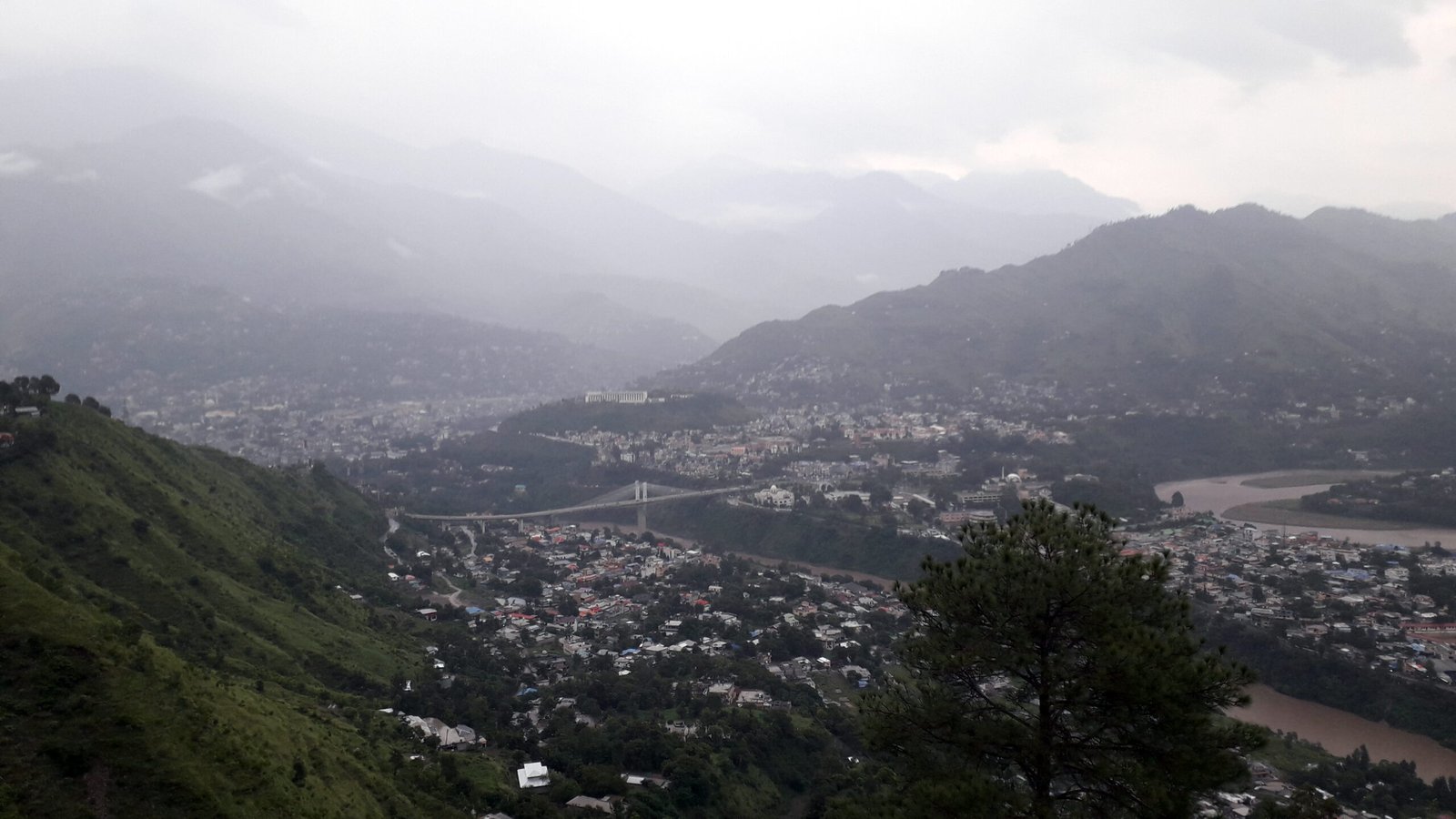
    آزاد کشمیر قدرتی حسن سے مالا مال خطہ ہے، لیکن اس کی ترقیاتی کہانی ابھی ادھوری ہے۔ ہر سال ترقیاتی بجٹ کا اعلان ہوتا ہے، نئی سڑکوں اور منصوبوں کے وعدے کیے جاتے ہیں، مگر عام شہری کی زندگی میں ٹھوس بہتری کی رفتار سست ہے۔

    مسئلہ وسائل کی کمی سے زیادہ ترجیحات کے تعین کا ہے۔ سڑکیں ضرور بنیں، لیکن ان سڑکوں تک پہنچنے والے اسکولوں اور اسپتالوں کی حالت کیا ہے؟ ایک ایسا خطہ جہاں سیاحت کی بے پناہ صلاحیت موجود ہے، وہاں بنیادی سہولتوں کی کمی سیاحوں کو بھی مایوس کرتی ہے اور مقامی آبادی کو بھی۔

    تعلیم کے شعبے میں آزاد کشمیر کی شرح خواندگی دیگر خطوں سے بہتر بتائی جاتی ہے، لیکن سوال یہ ہے کہ یہ تعلیم روزگار سے کتنی جڑی ہے؟ ہزاروں نوجوان ڈگریاں لے کر بیروزگاری کا شکار ہیں۔ تعلیم اور مارکیٹ کی ضروریات کے درمیان فاصلہ کم کیے بغیر ترقی کا دعویٰ ادھورا رہے گا۔

    صحت کا شعبہ بھی توجہ کا متقاضی ہے۔ دور دراز علاقوں میں بنیادی طبی سہولتوں کی کمی کی وجہ سے مریضوں کو بڑے شہروں کا رخ کرنا پڑتا ہے۔ ٹیلی میڈیسن اور موبائل ہیلتھ یونٹس جیسے جدید ذرائع سے اس خلا کو کم کیا جا سکتا ہے۔

    سیاحت آزاد کشمیر کی معیشت کا سب سے بڑا قدرتی اثاثہ ہے۔ وادی نیلم، راولاکوٹ اور دیگر علاقے ہر سال لاکھوں سیاحوں کو اپنی طرف کھینچ سکتے ہیں، بشرطیکہ انفراسٹرکچر، صفائی اور سیاحوں کی حفاظت کا باقاعدہ نظام قائم کیا جائے۔ مقامی کمیونٹی کو سیاحت سے براہ راست فائدہ پہنچانے کے ماڈل بھی اپنانے کی ضرورت ہے۔

    ایک اور اہم نکتہ مقامی حکومتوں کا مضبوط نظام ہے۔ ترقیاتی فیصلے جب مقامی سطح پر عوام کی شمولیت سے ہوتے ہیں تو ان کے نتائج بھی بہتر ہوتے ہیں۔ بلدیاتی اداروں کو بااختیار بنائے بغیر ترقی کا عمل مرکزیت کا شکار رہے گا۔

    آخر میں، آزاد کشمیر کی ترقی کا پیمانہ عمارتوں کی تعداد نہیں، بلکہ عام شہری کے معیار زندگی میں بہتری ہونا چاہیے۔ پائیدار ترقی کے لیے طویل المدتی منصوبہ بندی، شفافیت اور احتساب ناگزیر ہیں۔ یہی وہ راستہ ہے جو خطے کو اس کی صلاحیتوں کے مطابق مقام دلا سکتا ہے۔