Category: Business

Business and economy news — markets, trade and finance. کاروباری خبریں۔

  • Auto Policy 2026-31 Cleared by IMF, Approved by PM

    Auto Policy 2026-31 Cleared by IMF, Approved by PM

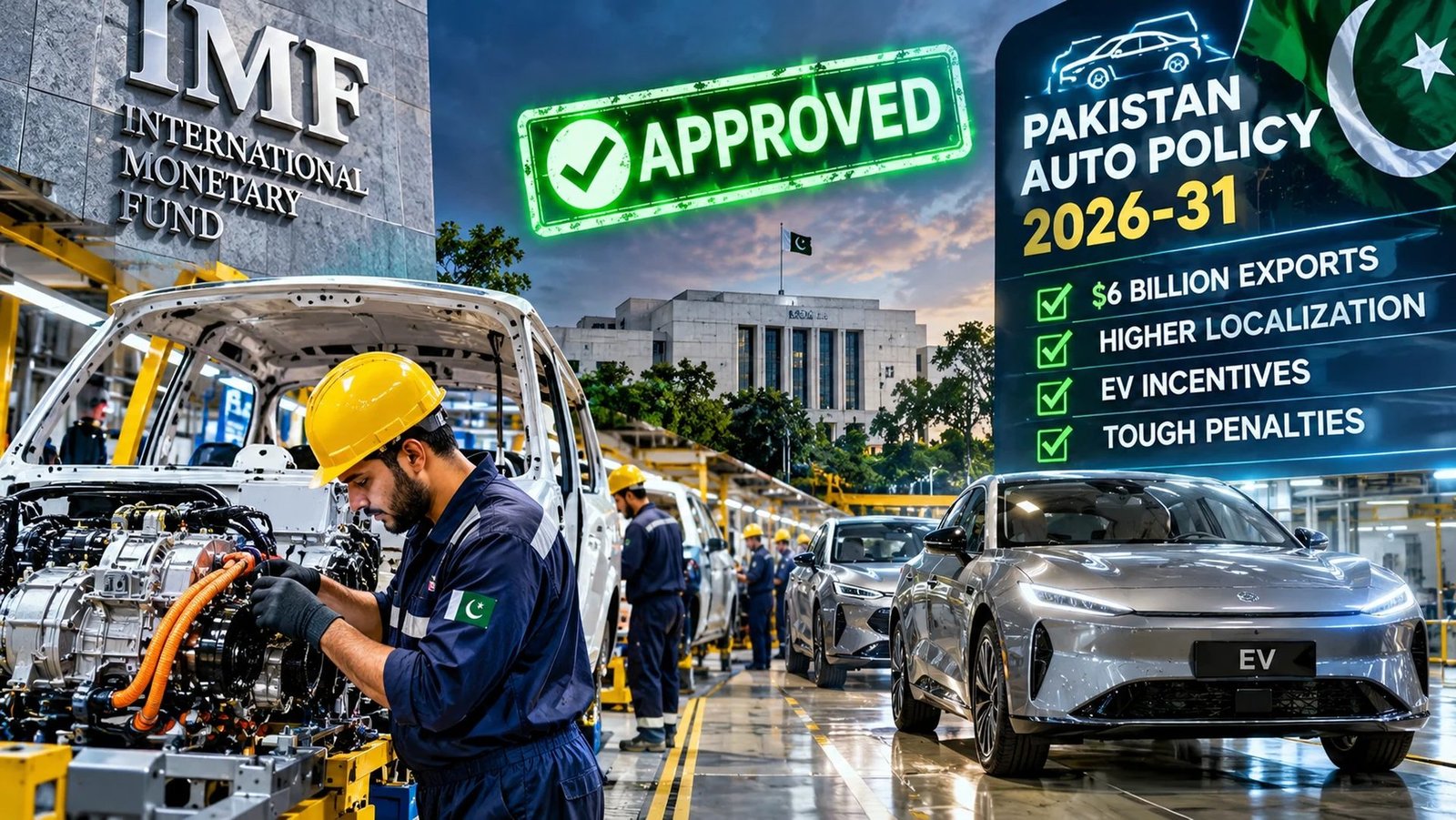
    Prime Minister Shehbaz Sharif has approved the Autos and Auto Parts Manufacturing Policy 2026-31 after the International Monetary Fund (IMF) raised no objection to the draft, according to sources quoted in media reports. The policy is not yet law: it still requires approval by the federal cabinet, after which the government plans to take it to Parliament as a money bill, effectively a mini-budget.

    The policy replaces the previous auto policy, the Automotive Industry Development and Export Policy (AIDEP) 2021-26, which expired on 30 June 2026. The framework was announced at a joint press conference in Islamabad on 7 November by Information Minister Attaullah Tarar and Adviser on Industries Haroon Akhtar Khan.

    The policy sets ambitious targets for the five-year period. Cumulative automotive exports of about $6.01 billion are targeted by 2030-31, with parts makers contributing $3.29 billion, or 55 per cent, and assemblers $2.72 billion. It also aims for about $17.7 billion in cumulative foreign exchange savings and a cut in oil imports of about 1.823 million tonnes.

    Manufacturers will face binding export obligations. Those missing their export targets face penalties of 1 to 3 per cent of annual factory-gate sales, and two consecutive years of failure could cost them their manufacturing certificates, except in cases of force majeure. A drawback scheme will offer exporters 5 per cent of net free-on-board export value, plus 10 per cent on qualifying incremental exports.

    Localisation is central to the policy. Existing manufacturers must raise domestic value addition by 2 per cent a year — 8 per cent over the period. By 2030-31, minimum localisation targets are 40 per cent for petrol and diesel cars and SUVs, 45 per cent for light commercial vehicles, 80 per cent for tractors and 90 per cent for motorcycles and rickshaws. For new energy vehicles, the targets are 25 per cent for cars and SUVs and 30 per cent for two- and three-wheelers. Missing the targets could add 3 percentage points of customs duty on non-localised CKD imports the following year.

    Electric vehicles receive a targeted incentive. Battery electric vehicles priced up to $15,000 will qualify for 5 per cent customs duty for the first two years, but only if the importer sets up local assembly or manufacturing. A surety bond and an irrevocable bank guarantee will be required, and commercial production of the imported model must begin by 30 September 2028, failing which the guarantees will be encashed.

    Other measures include contract manufacturing to use idle plant capacity, estimated at 41 to 80 per cent, a Rs2.1 billion Vendor Upgradation and Technology Transfer Programme run by the Engineering Development Board and SMEDA, and a target of at least five anchor firms investing in the sector. A mid-term review is planned for 2028. Makers that do not sign performance agreements with the Engineering Development Board will not qualify for concessional tariffs on imported parts.

    The policy comes as the industry recovers. Passenger car sales rose 39 per cent to about 156,000 units in fiscal year 2025-26, while motorcycle and rickshaw sales rose 30 per cent to nearly 1.97 million, according to Pakistan Automotive Manufacturers Association data. The IMF raising no objection is not a formal IMF approval, and the policy text has not been published; some details here come from reporting on the draft.
  • پاکستان اور برطانیہ تجارت میں بڑی چھلانگ کی تیاری میں

    پاکستان اور برطانیہ تجارت میں بڑی چھلانگ کی تیاری میں

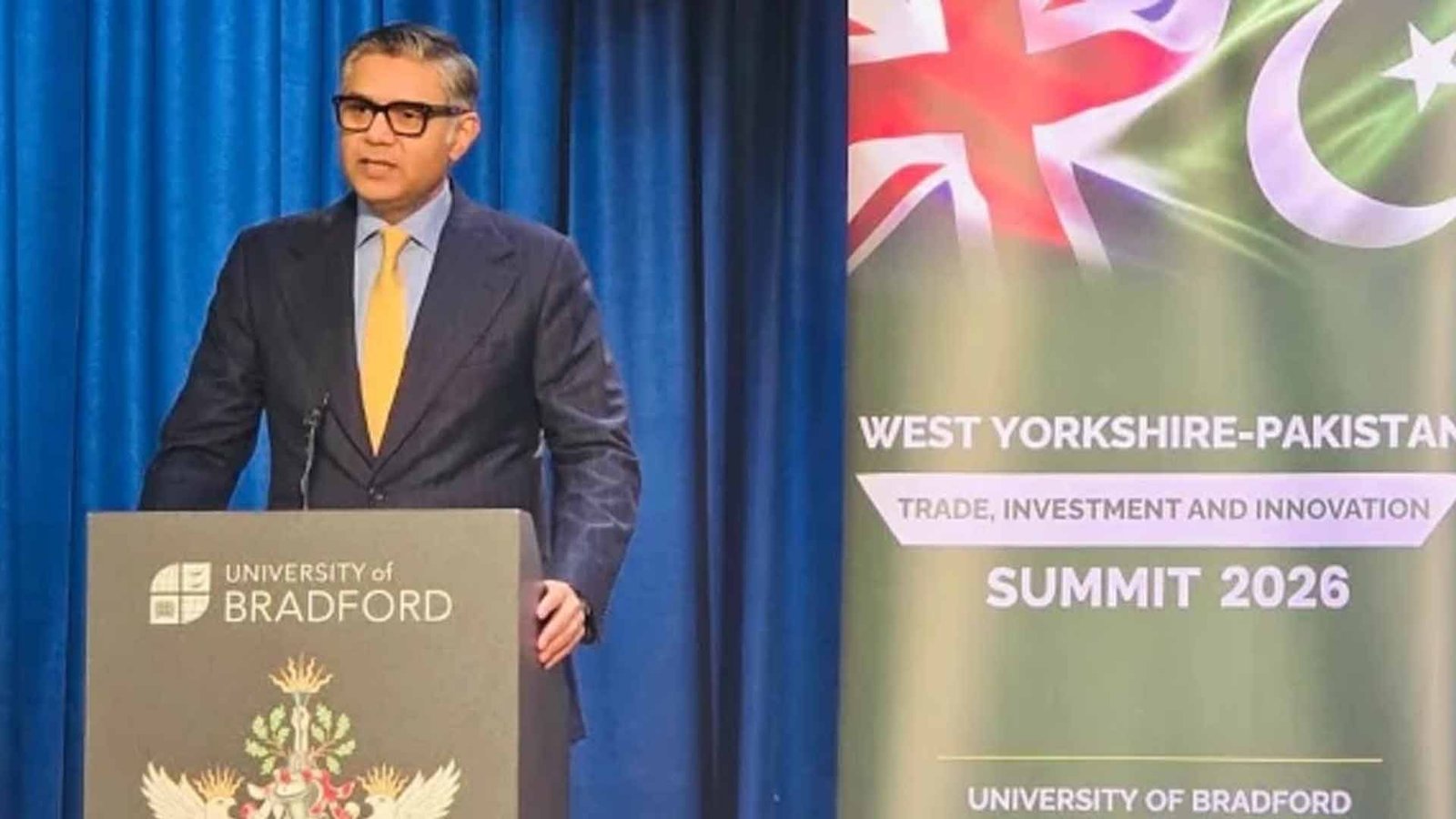
    برطانیہ میں پاکستان کے ہائی کمشنر ٹیپو عثمان نے کہا ہے کہ پاکستان اور برطانیہ کے درمیان سالانہ تجارت 6 ارب پاؤنڈ تک پہنچ چکی ہے، اور دونوں ممالک کی کمپنیوں کو ٹیکسٹائل، فن ٹیک اور حلال خوراک کے شعبوں میں مشترکہ منصوبے شروع کرنے چاہئیں۔

    بریڈفورڈ میں ویسٹ یارکشائر پاکستان ٹریڈ، انویسٹمنٹ اینڈ انوویشن سمٹ 2026 سے خطاب کرتے ہوئے ہائی کمشنر نے کہا کہ کاروباری تعاون بڑھانے کے وسیع مواقع موجود ہیں، اور پاکستانی اور برطانوی کمپنیوں کو ان امکانات سے فائدہ اٹھاتے ہوئے مشترکہ منصوبے شروع کرنے چاہئیں۔

    انہوں نے کہا کہ برطانوی ٹیکنالوجی اور پاکستانی مینوفیکچرنگ کے اشتراک سے مشترکہ منصوبے تجارت کو موجودہ سطح سے بھی آگے لے جا سکتے ہیں۔ ٹیکسٹائل کے شعبے میں پاکستانی انڈسٹری برطانوی اداروں کے اشتراک سے جدید دھاگے، ریشے اور نئی مصنوعات تیار کر سکتی ہے، جبکہ فن ٹیک، حلال خوراک اور ماحول دوست پیداوار میں بھی تعاون کی گنجائش موجود ہے۔

    ہائی کمشنر نے بتایا کہ ویسٹ یارکشائر میں تقریباً اڑھائی لاکھ پاکستانی نژاد افراد آباد ہیں، اور یہ کمیونٹی بھی دونوں ممالک کے درمیان تجارتی اور کاروباری روابط مضبوط بنانے میں اہم کردار ادا کر سکتی ہے۔

    برطانیہ کے سرکاری اعدادوشمار کے مطابق دونوں ممالک کے درمیان اشیا اور خدمات کی کل تجارت مارچ 2026 کو ختم ہونے والے چار سہ ماہیوں میں 5.5 ارب پاؤنڈ رہی، جو گزشتہ سال کے مقابلے میں 1.0 فیصد زیادہ ہے۔ دونوں ممالک نے جولائی 2025 میں تجارتی مذاکرات کا میکانزم طے کیا تھا، جس کے تحت سالانہ وزارتی اجلاس ہوں گے، اور وزیرِ منصوبہ بندی احسن اقبال برطانیہ کے وزیرِ تجارت کرس برائنٹ سے اسی میکانزم کے تحت تعاون آگے بڑھانے پر ملاقات کر چکے ہیں۔ احسن اقبال نے ملاقات میں کہا تھا کہ 5.5 ارب پاؤنڈ کی دوطرفہ تجارت کے ساتھ دونوں ممالک نے ابھی صرف سطح کو چھوا ہے، اور تجارتی مذاکرات کا میکانزم اب تعلقات کی اصل صلاحیت کو کھولنے کا ذریعہ بننا چاہیے۔

    تجارتی تعاون میں یہ پیش رفت تعلقات کی مجموعی گہرائی کے ساتھ سامنے آئی ہے۔ نومبر کے آغاز میں نائب وزیراعظم اور وزیرِ خارجہ اسحاق ڈار نے اسلام آباد میں برطانیہ کے وزیرِ مملکت برائے سیکیورٹی ڈین جاروس سے ملاقات کی تھی، جہاں دونوں فریقین نے سیکیورٹی، قانون نافذ کرنے والے اداروں، ہجرت، تجارت اور سرمایہ کاری میں تعاون مزید گہرا کرنے پر اتفاق کیا تھا۔ برطانیہ پاکستانی برآمدات کی اہم ترین منڈیوں میں سے ایک ہے، اور پاکستانی ٹیکسٹائل، چمڑے کی مصنوعات اور زرعی اجناس کو برطانوی منڈی میں طویل عرصے سے ترجیحی رسائی حاصل ہے۔ اگست میں لندن کے دورے کے دوران اسحاق ڈار نے کہا تھا کہ برطانوی منڈی میں داخل ہونے والی تقریباً 94 فیصد پاکستانی مصنوعات کو ترجیحی تجارتی انتظامات کا فائدہ حاصل ہے، اور دونوں فریقین نے تجارت، سرمایہ کاری، مالیاتی ٹیکنالوجی، مصنوعی ذہانت اور انفارمیشن ٹیکنالوجی میں شراکت داری بڑھانے پر اتفاق کیا تھا۔

  • Pakistan, UK Eye Bigger Trade as Envoy Puts Volume at £6 Billion

    Pakistan, UK Eye Bigger Trade as Envoy Puts Volume at £6 Billion

    Pakistan’s High Commissioner to the United Kingdom, Tipu Usman, has said annual trade between Pakistan and the UK has reached £6 billion, and urged companies on both sides to turn the relationship into joint ventures in textiles, fintech and halal food.

    Addressing the West Yorkshire Pakistan Trade, Investment and Innovation Summit 2026 in Bradford, the High Commissioner said there were wide opportunities to expand business cooperation, and that Pakistani and British companies should take advantage of them by starting joint projects.

    He said joint ventures pairing British technology with Pakistani manufacturing could lift trade beyond its present level. In textiles, he said, Pakistani industry could work with British institutions to produce modern yarns, fibres and new products, while fintech, halal food and environment-friendly production also offered room for cooperation.

    The High Commissioner noted that around 250,000 people of Pakistani origin live in West Yorkshire, and said the community could play an important role in strengthening trade and business links between the two countries.

    Official UK figures most recently put total trade in goods and services between the two countries at £5.5 billion in the four quarters to the end of March 2026, an increase of 1.0 per cent on the previous year. The two countries signed a Trade Dialogue Mechanism in July 2025, providing for annual ministerial meetings, and Planning Minister Ahsan Iqbal has since met the UK’s Minister of State for Trade Policy, Chris Bryant, to advance cooperation under the mechanism. Mr Iqbal told the meeting that with £5.5 billion in bilateral trade, the two sides had “only touched the surface”, and that the dialogue mechanism must become the engine that unlocks the relationship’s true potential.

    The trade push comes alongside a wider deepening of the relationship. Earlier in November, Deputy Prime Minister and Foreign Minister Ishaq Dar received the UK’s Minister of State for Security, Dan Jarvis, in Islamabad, where the two sides agreed to further deepen cooperation in security, law enforcement, migration, trade and investment, according to the Foreign Office. The UK is one of Pakistan’s most important export markets, and Pakistani textiles, leather goods and agricultural products have long benefited from preferential access to the British market. During a visit to London in August, Mr Dar said around 94 per cent of Pakistani products entering the British market benefit from preferential trade arrangements, and the two sides agreed then to broaden their partnership in trade, investment, financial technology, artificial intelligence and information technology.

  • اکتوبر میں کاروں کی فروخت میں 60 فیصد اضافہ، خریدار واپس آ گئے

    اکتوبر میں کاروں کی فروخت میں 60 فیصد اضافہ، خریدار واپس آ گئے

    پاکستان میں مسافر گاڑیوں کی فروخت اکتوبر 2026 میں سالانہ بنیادوں پر 60 فیصد بڑھ کر 21 ہزار 635 یونٹس تک پہنچ گئی۔ پاکستان آٹوموٹیو مینوفیکچررز ایسوسی ایشن (پاما) کے جاری کردہ اعدادوشمار کے مطابق یہ حالیہ برسوں میں آٹو انڈسٹری کی بہترین ماہانہ کارکردگی میں سے ایک ہے۔

    پاما کے مطابق اکتوبر 2025 میں 13 ہزار 513 گاڑیاں فروخت ہوئی تھیں جبکہ ستمبر 2026 میں یہ تعداد 10 ہزار 939 تھی، یعنی اکتوبر میں ماہانہ بنیادوں پر 98 فیصد اضافہ ہوا۔ البتہ پیداوار ماہانہ بنیادوں پر 5 فیصد کم ہو کر 16 ہزار 112 یونٹس رہی، جو گزشتہ سال کے 15 ہزار 112 یونٹس کے مقابلے میں 6.6 فیصد زیادہ ہے۔ اس طرح مہینے کے دوران فروخت پیداوار سے 5 ہزار 523 یونٹس زیادہ رہی۔

    اس تیزی کی قیادت چھوٹی گاڑیوں نے کی۔ ایک ہزار سی سی سے کم انجن والی گاڑیوں کی فروخت سالانہ بنیادوں پر 118 فیصد بڑھ کر 11 ہزار 885 یونٹس ہو گئی، جو کل مسافر گاڑیوں کی فروخت کا تقریباً 55 فیصد ہے۔ سوزوکی آلٹو ملک کی سب سے زیادہ فروخت ہونے والی گاڑی رہی، جس کے 11 ہزار 363 یونٹس فروخت ہوئے، یعنی اکتوبر میں فروخت ہونے والی تمام کاروں، جیپوں، پک اپس اور وینز کا تقریباً 46 فیصد۔

    اکتوبر میں کاروں، جیپوں، پک اپس اور وینز کی مجموعی فروخت 24 ہزار 418 یونٹس رہی، جو گزشتہ سال کے مقابلے میں 41 فیصد اور ستمبر کے مقابلے میں 62 فیصد زیادہ ہے۔ پاک سوزوکی نے مہینے میں 15 ہزار 921 یونٹس فروخت کیے، جو گزشتہ سال کے 7 ہزار 403 یونٹس سے دگنا سے بھی زیادہ اور ستمبر کے مقابلے میں تقریباً 3.3 گنا ہے۔

    مالی سال کے پہلے چار ماہ میں بھی بحالی جاری رہی۔ جولائی سے اکتوبر کے دوران مسافر گاڑیوں کی فروخت 48 فیصد بڑھ کر 63 ہزار 507 یونٹس ہو گئی، جبکہ گزشتہ سال اسی عرصے میں 42 ہزار 831 یونٹس فروخت ہوئی تھیں۔ پیداوار میں بھی 24 فیصد اضافہ ہوا اور یہ 63 ہزار 726 یونٹس تک پہنچ گئی۔

    تاہم انڈسٹری نے خبردار کیا ہے کہ نئی آٹو پالیسی کے اعلان میں تاخیر بحالی کو نقصان پہنچا رہی ہے۔ پاما کے مطابق وزارتِ صنعت و پیداوار اور انجینئرنگ ڈویلپمنٹ بورڈ نے انڈسٹری سے آخری بار جون 2026 میں مشاورت کی تھی۔ اطلاعات کے مطابق حکومت نے آٹوموٹیو انڈسٹری ڈویلپمنٹ اینڈ ایکسپورٹ پالیسی 2026-31 کا حتمی مسودہ منظور کر لیا ہے، جو اب وفاقی کابینہ کے سامنے پیش کیا جائے گا۔

  • Pakistan Car Sales Jump 60% in October as Buyers Return

    Pakistan Car Sales Jump 60% in October as Buyers Return

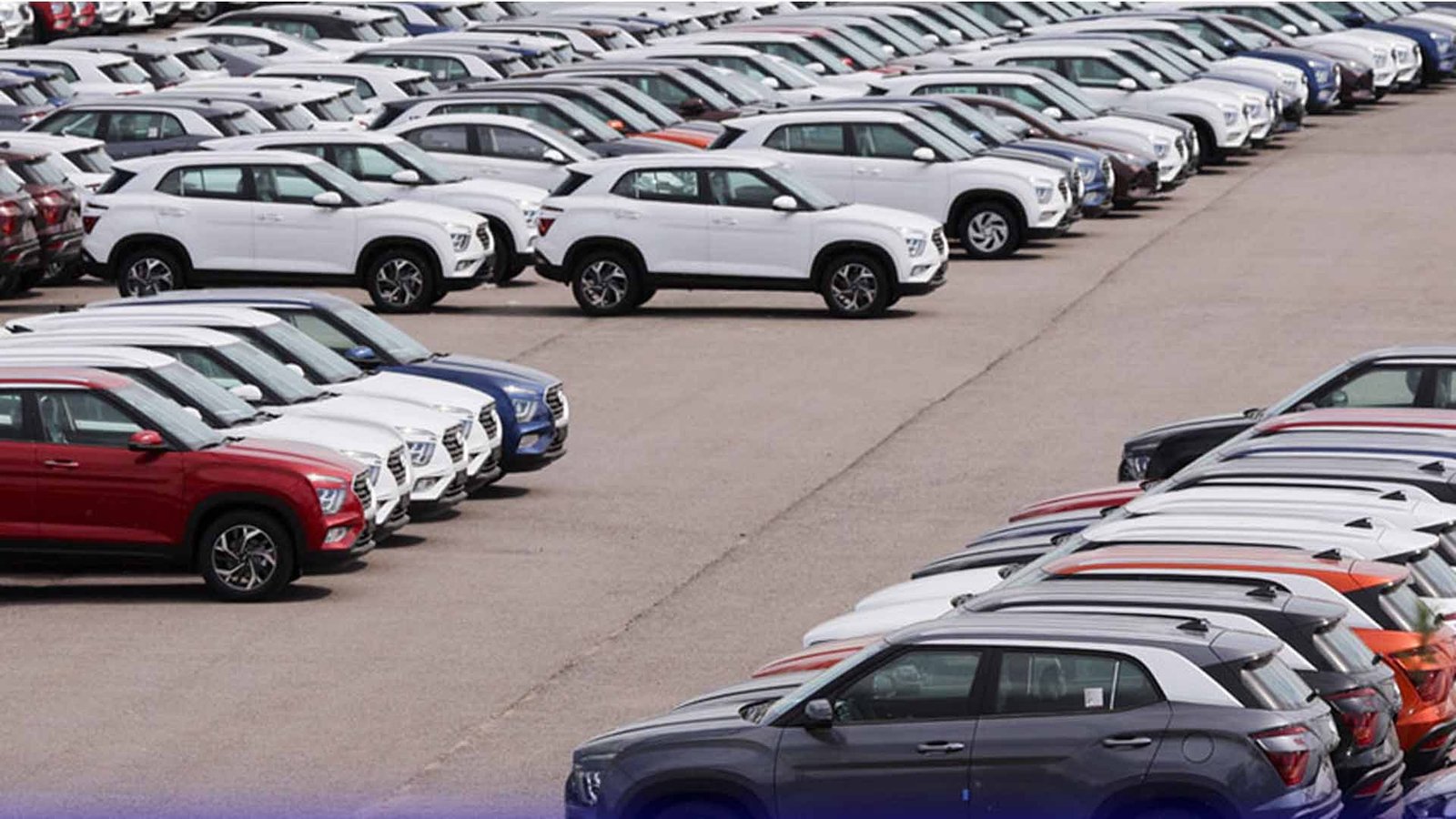
    Passenger car sales in Pakistan jumped 60 per cent year on year to 21,635 units in October 2026, according to data released by the Pakistan Automotive Manufacturers Association (PAMA), in one of the strongest monthly performances for the industry in recent years.

    PAMA said sales stood at 13,513 units in October 2025 and 10,939 units in September 2026, making October’s figure a rise of 98 per cent month on month. Production, however, fell 5.0 per cent month on month to 16,112 units from 17,040 units, although it was 6.6 per cent higher than the 15,112 units produced a year earlier. Sales therefore exceeded output by 5,523 units during the month.

    The small-car segment drove the surge. Sales of cars below 1,000cc rose 118 per cent year on year to 11,885 units, accounting for nearly 55 per cent of all passenger car sales in the month. The Suzuki Alto was the country’s best-selling model, with a record 11,363 units sold — about 46 per cent of all cars, jeeps, pickups and vans sold during October.

    Overall sales of cars, jeeps, pickups and vans reached 24,418 units in October, up 41 per cent from a year earlier and 62 per cent from September, according to PAMA figures. Pak Suzuki carried the month almost single-handedly, selling 15,921 units — more than double the 7,403 units it sold a year earlier and roughly 3.3 times its September level.

    The recovery extended across the first four months of the fiscal year. Passenger car sales rose 48 per cent to 63,507 units from July to October, compared with 42,831 units in the same period last year, while production increased 24 per cent to 63,726 units.

    The industry, however, warned that the delay in announcing the new auto policy was damaging the recovery. PAMA said the Ministry of Industries and Production and the Engineering Development Board last consulted the industry in June 2026. The government has approved the final draft of the Automotive Industry Development and Export Policy 2026-31, which is now set to be presented to the Federal Cabinet, according to reports.

  • پیٹرول لیوی میں فی لیٹر 1.65 روپے کی کمی

    پیٹرول لیوی میں فی لیٹر 1.65 روپے کی کمی

    وفاقی حکومت نے پیٹرول کی قیمتوں کے نئے فارمولے کے تحت صارفین پر عائد پیٹرولیم لیوی کے بوجھ میں فی لیٹر 1.65 روپے کی کمی کر دی ہے۔ اس فیصلے کے بعد لیوی کا زیادہ حصہ اب ریفائنریز کو برداشت کرنا ہوگا، جس سے عام صارفین کو پمپ پر معمولی ریلیف ملے گا۔ حکومت کا کہنا ہے کہ اس تبدیلی سے اس کی مجموعی آمدن متاثر نہیں ہوگی، کیونکہ لیوی کی کل وصولی پہلے کی طرح 80 روپے فی لیٹر ہی رہے گی۔

    نئے قیمتوں کے طریقہ کار کی تفصیلات کے مطابق صارفین کے حصے کی پیٹرولیم لیوی 65.29 روپے سے کم ہو کر 63.64 روپے فی لیٹر رہ گئی ہے۔ دوسری جانب ریفائنریز کے ذمے لیوی کا حصہ بڑھا کر 16.36 روپے فی لیٹر کر دیا گیا ہے۔ اس طرح صارفین کو فی لیٹر 1.65 روپے کی بچت ہوگی، جبکہ فرق کی رقم ریفائنریز ادا کریں گی۔ حکام کے مطابق یہ ایڈجسٹمنٹ لیوی میں کمی نہیں بلکہ اس کی تقسیم میں تبدیلی ہے۔

    وفاقی حکومت فی لیٹر مجموعی طور پر 80 روپے پیٹرولیم لیوی وصول کرتی رہے گی، جس میں سے 63.64 روپے صارفین کے حصے میں آئیں گے اور باقی 16.36 روپے ریفائنریز برداشت کریں گی۔ حکام کا کہنا ہے کہ اس فارمولے کا مقصد سرکاری آمدن میں کمی کے بغیر صارفین پر بوجھ کم کرنا ہے، تاکہ ایندھن کی قیمتوں میں کچھ ریلیف دیا جا سکے۔

    یہ تبدیلی وزیر اعظم شہباز شریف کی حکومت کی جانب سے تقریباً دو ہفتے قبل پیٹرول کی قیمتوں کے فارمولے میں کی گئی تبدیلیوں کے بعد سامنے آئی ہے۔ نئے طریقہ کار کا مقصد لیوی کا بوجھ صارفین سے ہٹا کر ریفائنریز کی طرف منتقل کرنا ہے، بغیر اس کے کہ حکومت کی کل وصولی میں کوئی کمی آئے۔ حکومت کا موقف ہے کہ اس سے عام آدمی کو براہ راست فائدہ پہنچے گا۔

    ایندھن کی قیمتیں ملک بھر کے گھرانوں اور کاروباری اداروں کے لیے ایک حساس معاملہ بنی ہوئی ہیں، کیونکہ نقل و حمل کے اخراجات براہ راست روزمرہ کی ضروری اشیا کی قیمتوں پر اثر انداز ہوتے ہیں۔ صارفین پر لیوی کے بوجھ میں کسی بھی کمی سے گھریلو بجٹ پر دباؤ کم ہونے کی توقع ہے، اگرچہ حکومت کی مجموعی وصولی میں کوئی تبدیلی نہیں آئے گی۔ ماہرین کا کہنا ہے کہ ایندھن سستا ہونا مہنگائی کے دباؤ کو کم کرنے میں بھی مددگار ثابت ہو سکتا ہے۔

    پیٹرولیم لیوی حالیہ ہفتوں میں سیاسی بحث کا موضوع بھی رہی ہے، اور اپوزیشن جماعتوں اور مذہبی گروہوں نے عوام کو ریلیف دینے کے لیے اس میں کمی یا اس کے خاتمے کا مطالبہ کیا ہے۔ حکومت کا موقف رہا ہے کہ یہ لیوی آمدن کا ایک اہم ذریعہ ہے، تاہم قیمتوں کے فارمولے میں ایڈجسٹمنٹ کے ذریعے جہاں ممکن ہو، کچھ ریلیف دیا جا رہا ہے۔

    اسی روز حکومت نے پیٹرول اور ڈیزل کی قیمتوں میں بھی کمی کا اعلان کیا، جس سے مہنگائی سے پریشان صارفین کو مزید ریلیف ملے گا۔ حکام کا کہنا ہے کہ لیوی کی نئی تقسیم اور ایندھن کی قیمتوں میں کمی، دونوں اقدامات کا مقصد عام آدمی پر بوجھ کم کرنا ہے۔ حکومت نے واضح کیا ہے کہ مستقبل میں بھی قیمتوں کے فارمولے کا جائزہ لے کر صارفین کو ممکنہ ریلیف دینے کی کوشش جاری رکھی جائے گی۔

  • بلوچستان میں تانبے اور سونے کی تلاش کا معاہدہ

    بلوچستان میں تانبے اور سونے کی تلاش کا معاہدہ

    کینیڈا کی کان کن کمپنی ایوان ہو مائنز نے ماری منرلز کے ساتھ بلوچستان کے ضلع چاغی میں تانبے اور سونے کے ذخائر کی تلاش کا معاہدہ کر لیا ہے۔ یہ مفاہمتی یادداشت جمعرات کو اسلام آباد میں پاکستان منرلز انویسٹمنٹ فورم کے موقع پر دستخط کی گئی، جس کی تقریب میں وفاقی وزیر پیٹرولیم علی پرویز ملک بھی موجود تھے۔ ماری منرلز، ماری انرجیز کی کان کنی کی ذیلی کمپنی ہے جو پاکستان کی نمایاں توانائی کمپنیوں میں سے ایک ہے۔

    معاہدے کے تحت دونوں کمپنیاں چاغی کے علاقے میں معدنیات کی صلاحیت کا جائزہ لیں گی اور تانبے و سونے کے وسائل کی ترقی کے مواقع تلاش کریں گی۔ ایوان ہو کے چیئرمین رابرٹ فریڈلینڈ نے فورم میں معاہدے کا اعلان کرتے ہوئے کہا کہ کمپنی پاکستان میں اپنا دفتر قائم کرنے کے ابتدائی مرحلے میں ہے اور جمعے کو ایک اور معاہدے پر دستخط کی توقع ہے۔ کمپنیوں نے معاہدے کی مالی تفصیلات، تلاش کے وعدوں یا حتمی معاہدے کا کوئی وقت ظاہر نہیں کیا۔

    یہ قدم ایوان ہو کو ایک ایسے خطے میں قدم جمانے کا موقع دیتا ہے جہاں کان کنی کا شعبہ ابھی بڑی حد تک غیر دریافت شدہ ہے، جبکہ پاکستان اپنی معدنی دولت کی ترقی کے لیے غیر ملکی سرمایہ اور تکنیکی مہارت لانے کی کوشش کر رہا ہے۔ فریڈلینڈ نے کہا کہ کمپنی پاکستان میں برابری کی شراکت داری چاہتی ہے، تاہم انہوں نے یہ تصدیق نہیں کی کہ ماری انرجیز کے ساتھ معاہدہ 50-50 کی بنیاد پر ہوگا۔ ایوان ہو کی سعودی عرب کی سرکاری کان کن کمپنی معدین کے ساتھ پہلے سے 50-50 کی تلاش کی شراکت موجود ہے جو پاکستان میں اس کے کام کے لیے نمونہ بن سکتی ہے۔

    یہ دستخط اس وقت ہوئے جب وزیر پیٹرولیم نے فورم میں عالمی کان کنی اور توانائی کمپنیوں بشمول بیرک، ویئر، ٹریفگورا اور ترکیہ کی چالک ہولڈنگ کے وفود سے ملاقاتیں کیں۔ یہ مذاکرات پاکستان کی اس کوشش کا حصہ ہیں کہ ملک کے معدنی شعبے میں سرمایہ کاری لائی جائے جس کے بارے میں حکومت کا کہنا ہے کہ اس میں بے پناہ غیر دریافت شدہ ذخائر موجود ہیں۔ دو روزہ فورم میں بین الاقوامی کان کن کمپنیوں، مالیاتی اداروں اور حکام نے نئے منصوبوں پر تبادلہ خیال کیا۔

    چاغی میں پہلے سے ریکو ڈک منصوبہ موجود ہے جو دنیا کے سب سے بڑے غیر ترقی یافتہ تانبے اور سونے کے منصوبوں میں سے ایک ہے اور اسے بیرک تیار کر رہی ہے۔ یہ منصوبہ پہلے مرحلے میں سالانہ 45 ملین ٹن ایسک پراسیس کرنے کے لیے ڈیزائن کیا گیا ہے جو بعد میں دوگنا ہو جائے گا، اور اسے انٹرنیشنل فنانس کارپوریشن، ایشیائی ترقیاتی بینک اور امریکی ایکسپورٹ امپورٹ بینک سمیت قرض دہندگان سے 3.5 ارب ڈالر کی مالی مدد مل چکی ہے۔ تاہم پاکستان اور مشرق وسطیٰ میں بڑھتے ہوئے سیکیورٹی خدشات کے باعث بیرک نے منصوبے کا جائزہ بڑھا دیا ہے۔

  • Ivanhoe, Mari to Explore Copper, Gold in Balochistan

    Ivanhoe, Mari to Explore Copper, Gold in Balochistan

    Canadian mining company Ivanhoe Mines has signed an agreement with Mari Minerals to explore copper and gold deposits in Balochistan’s Chagai district, in a deal that marks the company’s first step into South Asia. The memorandum of understanding was signed on the sidelines of the Pakistan Minerals Investment Forum in Islamabad on Thursday, with Federal Petroleum Minister Ali Pervaiz Malik present at the ceremony. Mari Minerals is the mining arm of Mari Energies, one of Pakistan’s leading energy companies.

    Under the agreement, the two companies will study the mineral potential of the Chagai region and look for ways to develop its copper and gold resources. Ivanhoe’s chairman, Robert Friedland, announced the deal at the forum and said the company was in the early stages of setting up an office in Pakistan. He added that Ivanhoe expected to sign a further agreement on Friday. The companies have not disclosed any financial terms, exploration commitments or timetable for a final deal.

    The move gives Ivanhoe a foothold in a largely unexplored mining region as Pakistan tries to attract foreign capital and technical expertise to develop its mineral wealth. Friedland said the company wanted to build equal partnerships in Pakistan, although he did not confirm whether the Mari Energies agreement would be structured on a 50-50 basis. Ivanhoe already has a 50-50 exploration partnership with Ma’aden, Saudi Arabia’s state-controlled mining company, which could serve as a model for its work in Pakistan.

    The signing came as the petroleum minister held a series of meetings with global mining and energy companies at the forum, including Barrick, Weir, Trafigura and Turkiye’s Çalık Holding. The talks are part of Pakistan’s push to draw investment into a sector the government says holds vast untapped reserves. The forum, which runs over two days in Islamabad, has brought together international miners, financiers and officials to discuss new projects.

    Chagai is already home to Reko Diq, one of the world’s largest undeveloped copper and gold projects, which is being developed by Barrick. The project is designed to process 45 million tonnes of ore a year in its first phase, doubling later, and has secured 3.5 billion dollars in debt financing from lenders including the International Finance Corporation, the Asian Development Bank and the US Export-Import Bank. Barrick has, however, extended its review of the project amid growing security concerns in Pakistan and the wider Middle East.

  • Petrol Levy Burden Cut by Rs1.65 a Litre — Refineries to Pay More

    Petrol Levy Burden Cut by Rs1.65 a Litre — Refineries to Pay More

    The federal government has reduced the petroleum levy burden on consumers by Rs1.65 per litre under its revised petrol pricing formula, shifting a greater share of the levy to refineries.

    According to details of the revised pricing mechanism, the petroleum levy burden attributed to consumers has been reduced from Rs65.29 to Rs63.64 per litre. The share borne by refineries has increased to Rs16.36 per litre, providing additional relief of Rs1.65 per litre to consumers under the revised formula.

    The federal government continues to collect a total petroleum levy of Rs80 per litre, with Rs63.64 attributed to consumers and the remaining Rs16.36 borne by refineries.

    The adjustment follows changes to the petrol pricing formula introduced by the government of Prime Minister Shehbaz Sharif approximately two weeks ago. The revised mechanism is intended to reduce the petroleum levy burden on consumers without changing the total levy collected by the federal government.

    The move comes at a time when fuel prices remain a sensitive issue for households and businesses across the country, with transport costs feeding directly into the prices of essential goods. Any reduction in the levy burden on consumers is expected to ease pressure on household budgets, even though the overall levy collected by the government remains unchanged.

    Officials say the revised formula redistributes the levy between consumers and refineries rather than cutting government revenue, keeping the total collection at Rs80 per litre while giving consumers a modest break at the pump.

    The petroleum levy has been a subject of political debate in recent weeks, with opposition parties and religious groups calling for its reduction or abolition to provide relief to the public. The government has maintained that the levy is a key source of revenue, but has used adjustments to the pricing formula to pass on some relief where possible.

    Petrol and diesel prices were also cut earlier in the day, with the government announcing a reduction in fuel prices alongside the levy adjustment, offering further relief to consumers facing high inflation.

  • PSX Loses 1,710 Points in a Day

    PSX Loses 1,710 Points in a Day

    Trading at the Pakistan Stock Exchange turned sharply negative on Thursday, 12 November 2026, as the benchmark KSE-100 Index closed 1,710.04 points lower at 177,373.76. The drop of 0.95 per cent wiped out a bright start to the session and left the market firmly in the red by the close of trading.

    The day had begun on a hopeful note. The index opened higher and climbed by nearly 1,200 points in early trade, touching an intraday high of 180,310.45. But the mood changed after midday. Fresh selling swept through the market, dragging the index down to a low of 177,271.61 before it settled just above that level at the close.

    Selling hits banks, energy and cement

    Pressure was felt across most of the market’s heavyweight sectors. Commercial banks, cement makers, oil and gas exploration companies, oil marketing firms, power producers and automobile assemblers all came under selling. According to brokerage house Topline Securities, the slide reflected profit-taking and weakness in several stocks that carry the most weight in the index.

    A handful of large companies accounted for much of the damage. United Bank, Fauji Fertilizer Company, Hub Power Company, Lucky Cement and Systems Limited together pulled the benchmark down by around 931 points, Topline said. Mari Energies stood out on the other side, adding about 140 points and limiting the fall.

    The wider market told the same story. Of the 500 companies that traded in the ready market, only 155 managed to finish higher, while 316 closed lower and 29 were unchanged. The balance of losers over gainers underlined how broad the selling had become by the end of the day.

    Analysts linked the cautious mood to worries beyond Pakistan’s borders. Continuing geopolitical tensions and concern about possible disruption to global energy supplies weighed on investor sentiment, encouraging many to book profits rather than hold on for further gains.

    The fall followed a softer session on Wednesday, when late profit-taking erased early gains and pushed the KSE-100 down 251.44 points, or 0.14 per cent, to 179,083.80. The two-day slide has now taken the index well below the 180,000 mark it briefly crossed during Thursday’s early rally.

    The Islamic KMI-30 Index also finished lower, shedding 2,200.84 points, or 0.86 per cent, to close at 253,872.99. Traders will now watch whether buyers return at these levels or whether the selling extends into the next session.