Author: hammadkhaksar

  • Trump: no immediate Iran strike, US ready if needed

    Trump: no immediate Iran strike, US ready if needed

    United States President Donald Trump has said the US has no immediate plan to strike Iran, while warning that American forces remain fully prepared to act if necessary. The remarks came in a telephone interview with the Financial Times on Tuesday, 3 November, given hours before midterm polling stations closed.

    According to reports of the interview, Trump said Washington was getting what it wanted from the current stand-off with Tehran. Asked about remarks by Israeli Prime Minister Benjamin Netanyahu suggesting that an attack could come soon, possibly this weekend, Trump replied that he was ready and American forces were ready, but there might be no reason to act.

    The interview, reported to have lasted about six minutes, was Trump’s clearest public statement yet on the next phase of the confrontation, which has lasted for months. Trump said the US was not really in a war on the scale of other major conflicts, pointing to earlier American strikes, including the use of B-2 bombers against Iranian nuclear capability and a later operation, while arguing that the current situation did not amount to a full-scale war.

    Trump also confirmed that indirect discussions with Iran were continuing, and said those talks would be allowed to run their course. Reports said the discussions cover Iran’s stockpile of enriched uranium, and that no deadline had been set for a deal. The president said he would not disclose any attack plans in advance, leaving open the possibility of further military action even while ruling out an immediate strike.

    The timing of the interview gave it added weight. It came after reports that the US military was preparing for a possible fresh strike as early as Wednesday, and after Netanyahu was reported to be pressing for strikes soon after the midterms. By saying there was no immediate plan, Trump appeared to push back against expectations of an attack in the days immediately following the vote.

    Iranian officials responded the same day, according to reports, with a senior security official saying Washington must address Iran’s conditions fully before Tehran would reopen the Strait of Hormuz. Mediators in Qatar were also reported to be seeking an interim agreement to build confidence between the sides, underlining that diplomacy remains active alongside the military warnings.

    For now, the message from Washington is deliberately two-sided: reassurance that no attack is imminent, paired with an unmistakable warning that one remains possible. Whether that balance holds will depend on the course of the talks and on events in the region in the days after the election.
  • South Korea reserves rebound to $443.16bn in October

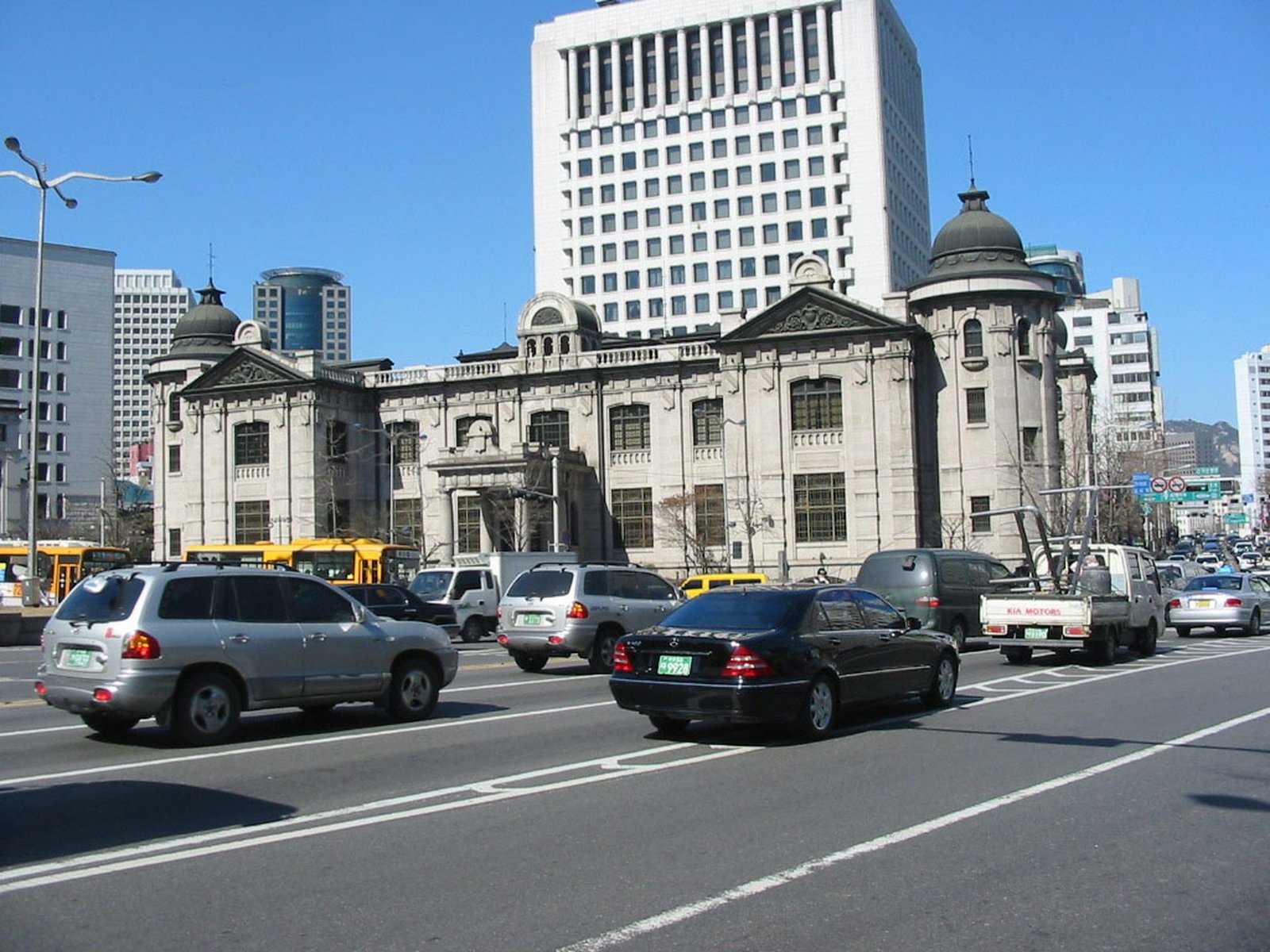
    South Korea reserves rebound to $443.16bn in October

    South Korea’s foreign exchange reserves rose again in October, reaching 443.16 billion US dollars at the end of the month, according to data from the Bank of Korea reported on Wednesday. The increase of 2.6 billion dollars from September reversed the previous month’s fall and took the total to its highest point in several years.

    The central bank said the recovery was driven mainly by two factors: a rise in foreign currency deposits held by financial institutions, and profits earned from managing the reserves. Together, those gains more than offset weakness in other parts of the reserve portfolio, producing a modest but welcome improvement in the headline figure.

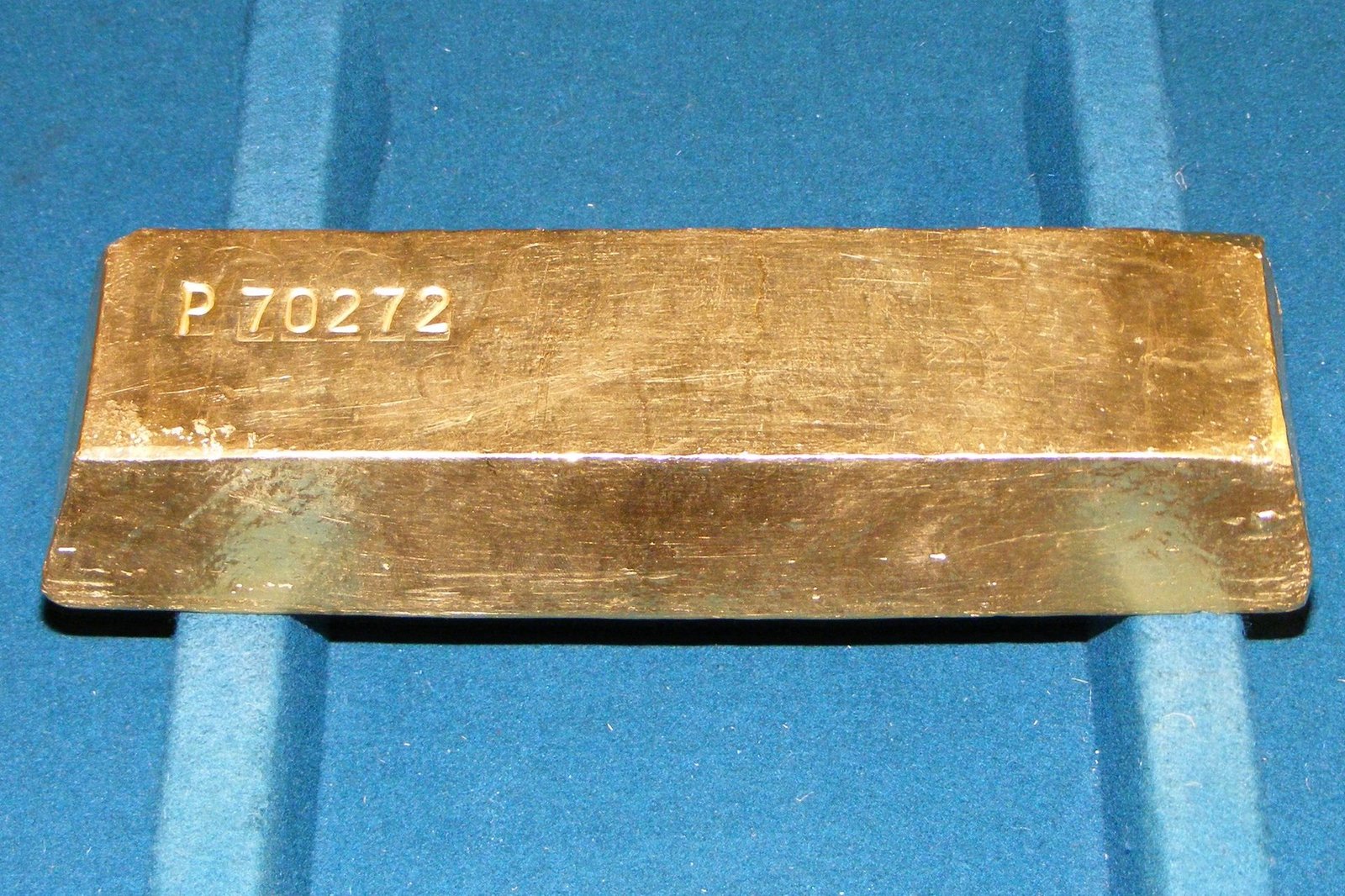
    Looking inside the total, foreign securities, including United States Treasury bonds, fell by 3.59 billion dollars over the month to 382.43 billion dollars. That decline was outweighed by a much larger jump in foreign currency deposits, which rose by 6.32 billion dollars to 36.27 billion dollars. Special drawing rights, the reserve asset created by the International Monetary Fund, slipped by 70 million dollars to 15.41 billion dollars, while the country’s reserve position at the Fund eased by 50 million dollars to 4.25 billion dollars. Gold holdings were unchanged at 4.79 billion dollars.

    The October result follows a September decline that had interrupted three straight months of gains beginning in June. In September, reserves fell by 1.72 billion dollars to 440.56 billion dollars, after standing at 442.28 billion dollars at the end of August. The latest reading therefore not only recovers that loss but moves past the August level as well, marking what market watchers described as the strongest total since May 2022.

    For South Korea, the size of the reserve stockpile matters because it acts as a buffer against sudden swings in currency and financial markets. A larger cushion gives the authorities more room to respond if capital flows turn volatile, and it is watched closely by investors as a sign of external stability. October’s rebound, coming after a single-month setback, suggests that the underlying position remains solid even when individual components move in different directions.

    The composition of the change also tells a story of its own. A fall in securities alongside a sharp rise in deposits points to shifts in how reserve assets are held rather than a broad weakening of the position. Management profits added a further lift, underlining that returns on the existing portfolio contributed to the improvement, not only fresh inflows.

    Attention will now turn to whether the upward trend can be sustained in the final months of the year. Reserve levels can move with exchange rates, asset prices and the timing of official transactions, so a single month’s rise does not guarantee the next reading. For now, however, the October figures show a reserve position that has regained ground lost in September and stands at a multi-year high.

  • SBP confirms banks closed on Iqbal Day, 9 November

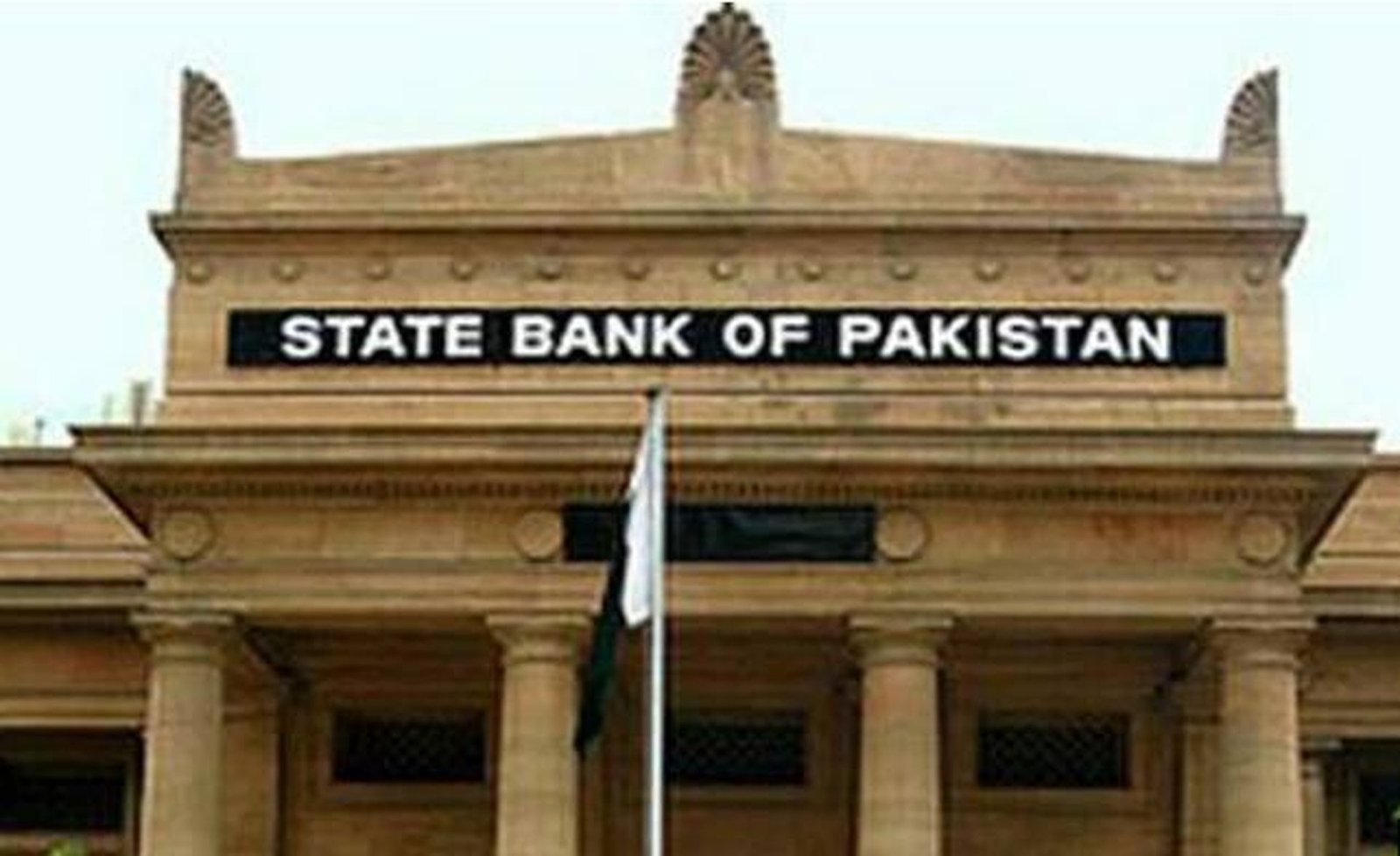
    SBP confirms banks closed on Iqbal Day, 9 November

    The State Bank of Pakistan has confirmed that banks across the country will remain closed on Monday, 9 November 2026, on account of Allama Iqbal Day. The announcement, reported on Wednesday, follows the federal government’s declaration of a public holiday for the occasion.

    In a circular sent to the heads of banks, development finance institutions and microfinance banks, the central bank confirmed that 9 November would be observed as a public holiday in line with the government’s announcement. The message leaves no doubt for customers or staff: branches will not open for normal business on that Monday.

    Iqbal Day is observed every year on 9 November to mark the birth anniversary of Allama Muhammad Iqbal, the poet and philosopher whose thought played a major role in shaping the intellectual and political history of the subcontinent. This year marks his 149th birth anniversary, and the day is being marked with a nationwide holiday, as in previous years.

    The timing of the holiday creates a longer break for many people. With Saturday 7 November and Sunday 8 November falling as the regular weekend, the Monday holiday gives employees and students three consecutive days off. Normal banking, government office and school activity is scheduled to resume on Tuesday, 10 November.

    For bank customers, the practical message is simple: any branch work that cannot wait should be completed by Friday 6 November, or left until Tuesday 10 November. The holiday applies to banks across the country, and the central bank’s circular was addressed to institutions of every kind, from large commercial banks to development finance institutions and microfinance banks.

    The announcement also fits the official holiday calendar issued earlier in the year. The Cabinet Division’s circular of 19 January 2026 listed Iqbal Day among the year’s public holidays, and the latest confirmation from the State Bank puts the banking side of that holiday beyond doubt. Government departments, public offices and educational institutions are also set to remain closed on the day.

    Special events and seminars are expected across the country to mark the occasion, reflecting the continuing place of Iqbal’s poetry and ideas in Pakistan’s public life. For most people, however, the immediate effect of the announcement is practical: a Monday without banks, offices or schools, bookended by the weekend, and a return to normal routines on Tuesday.

  • PSX investor base hits record 681,965 in October

    PSX investor base hits record 681,965 in October

    Pakistan’s stock market investor base has reached a record 681,965, after a record number of new investors joined the Pakistan Stock Exchange in October 2026. The figures were shared by Adviser to the Finance Minister Khurram Schehzad, who said the market added 25,747 investors during the month alone.

    That monthly addition was the highest ever recorded in a single month, and it was 66 percent higher than the same month last year. It also beat the previous monthly record of 25,281 investors set in September 2026, when the total investor base stood at 656,218. October’s surge therefore pushed the market decisively past its September peak and close to the 700,000 mark.

    Over the first ten months of 2026, from January to October, the exchange added 218,894 net new investors. That ten-month total exceeds the combined additions recorded over the previous four full calendar years, from 2022 to 2025, and nearly matches the additions of the previous five years combined. It is a striking measure of how quickly participation has accelerated in a short period.

    The longer trend is equally dramatic. Since June 2022, when the investor base stood at 274,970, the market has added 406,995 net new investors, an expansion of about 148 percent. The total crossed 600,000 in August 2026 before climbing further in September and October, and the year-on-year growth in the total investor base now stands at 56 percent.

    Young investors are driving much of the growth. According to figures reported alongside the October data, Generation Z and millennials accounted for about 85 percent of new investors, suggesting that the expansion is being powered by younger savers entering the market for the first time, often through digital channels.

    Officials have presented the surge as a sign of deepening confidence in Pakistan’s capital markets and of the effect of reforms aimed at widening access. A broader investor base is generally seen as a positive development for a stock market, because it spreads ownership more widely and can make trading less dependent on a small group of large participants.

    Whether the pace can continue is an open question, and monthly additions will naturally vary with market conditions and sentiment. For now, however, the October figures stand as a clear milestone: a record month, a record total, and a market that has added more investors in ten months than in the previous four years put together.

  • Lahore world’s most polluted city as AQI hits 447

    Lahore world’s most polluted city as AQI hits 447

    Lahore became the world’s most polluted city on Tuesday as pre-winter smog settled over parts of northern India and adjoining Pakistan, according to air quality data reported by Reuters. Early on Tuesday, the city’s air quality index stood at 447, based on figures from IQAir, a Swiss group that measures air quality from the concentration of toxins in the air.

    That reading sits far above the level considered safe. An air quality index of up to 50 is generally treated as good, with little or no health risk, while a reading above 400 falls into the most severe category. Lahore’s fine particulate matter, known as PM2.5, was reported to be 60 times higher than the World Health Organization’s annual exposure guideline, a stark illustration of how thick the haze had become.

    Delhi was also badly affected, although its reading was lower on the IQAir scale, at 215. India’s Central Pollution Control Board, which uses a different scale and method, rated the capital’s air quality as very poor, with a reading of 332. Authorities in Delhi responded with curbs on vehicles and construction in an effort to fight the toxic haze over the capital.

    Air pollution becomes a severe problem for the region around this time of year, as cooler weather traps smoke and dust close to the ground. Crop burning, vehicle exhaust, construction dust and industrial emissions all contribute, and the onset of winter conditions makes it harder for the pollution to disperse. The result is a familiar seasonal crisis that returns each year across the plains of northern South Asia.

    Fireworks during the Hindu festival of Diwali, which falls on 8 November this year, are expected to worsen pollution in India further, adding another source of smoke to air that is already heavily loaded. Health experts routinely warn that such spikes can aggravate breathing problems, particularly for children, older people and those with asthma or heart conditions.

    The different readings for Delhi highlight an important point about air quality figures: the Swiss and Indian systems use different scales and methods, so their numbers are not directly comparable. What matters is the direction and the category, and on both measures Delhi’s air was rated as seriously unhealthy on Tuesday, even if Lahore’s reading was higher still.

    For residents of Lahore, the ranking is an unwelcome reminder of a recurring challenge. Until weather conditions change or emissions fall, the city is likely to remain near the top of global pollution lists on smoggy winter mornings, with all the health and daily-life disruption that brings.

  • Gold edges higher to $3,931 as oil prices ease

    Gold edges higher to $3,931 as oil prices ease

    Gold prices edged higher in early trading on Wednesday, as falling oil prices eased immediate worries about inflation and investors waited for clearer signals from the United States. Spot gold was up 0.1 percent at 3,931.24 US dollars per ounce by 0306 GMT, while US gold futures for December delivery steadied at 3,941.40 dollars.

    Earlier in the Asian session, the metal had traded slightly higher still, with spot gold up 0.2 percent at 3,934.75 dollars per ounce by 0024 GMT and December futures up 0.1 percent at 3,943.20 dollars. The small difference between those readings reflects normal movement through the morning rather than a sharp change of direction, with gold holding broadly steady after a turbulent recent run.

    Two forces were pulling in gold’s favour. Oil prices eased by about 1 percent on Tuesday to their lowest level in nearly four weeks, as traders weighed talks aimed at ending wars in Ukraine and the Middle East against worries that recent attacks could still disrupt supplies. Lower oil prices tend to cool inflation expectations, which in turn reduces pressure on central banks to keep interest rates high for longer, and that helps gold, which pays no interest of its own.

    The dollar also softened against most major currencies ahead of the outcome of the US midterm elections, with the dollar index trading around 101.57 in early Wednesday trade. A weaker dollar makes gold cheaper for buyers using other currencies, adding a further modest support to the price.

    Investors were also looking ahead to key labour market data later in the week. US non-farm payrolls figures due on Friday are expected to give fresh clues about the path of Federal Reserve policy, and traders were reluctant to take large positions before that release. The midterm results themselves were another reason for caution, with markets watching for any shift that could affect spending, trade or fiscal policy.

    Elsewhere in the gold market, demand in India, one of the world’s largest gold-consuming nations, is expected to fall to a six-year low in 2026, according to the World Gold Council, as high prices weigh on jewellery sales and investment demand moderates. That softer demand outlook helps explain why the recovery in prices has so far been cautious rather than strong.

    Gold has swung sharply in recent sessions, rising nearly 2 percent on 2 November before easing back the following day, and Wednesday’s small gain fits that pattern of a market searching for direction. With oil lower, the dollar softer and major US data still to come, traders are likely to keep watching energy prices, currency moves and the jobs report for the next clear signal.

  • Naqvi inspects Kashmir underpass built in record 27 days

    Naqvi inspects Kashmir underpass built in record 27 days

    Federal Interior Minister Syed Mohsin Naqvi has visited the site of the Kashmir Underpass project at Kashmir Chowk in Islamabad, where he reviewed the construction work under way and inspected the progress made so far. The visit, reported on 4 November, came as the project reached its final stage, with the underpass ready to be opened to traffic.

    During the visit, the minister was accompanied by Capital Development Authority Chairman Muhammad Ali Randhawa, the chief commissioner of Islamabad and other officials. Together, they went over the work completed at the site and looked at what still remained to be done before the underpass could be brought into regular use.

    Naqvi directed the project team to complete the remaining work at the earliest. His message was clear: with the main construction finished, no time should be lost in carrying out the final tasks so that the underpass can open without further delay. The instruction reflects the pace at which the project has been pursued from the outset, and the attention now being paid to its completion.

    According to the report, the underpass was completed in a record 27 days. That short construction period is the standout feature of the project, setting it apart from infrastructure works that often take far longer to finish. The speed of the work has been presented as a key achievement, and the minister’s visit served as a final check on a project delivered within that unusually tight timeframe.

    The underpass was expected to open to traffic the following day, on 5 November. For people who travel through Kashmir Chowk, the opening marks the point at which the project moves from a construction site to a working part of the city’s road network. The final inspection therefore carried real practical importance, as any outstanding work had to be identified and finished before vehicles began using the route.

    Visits of this kind are a familiar part of how major city projects are completed, with senior officials reviewing progress on the ground rather than relying only on written updates. In this case, the presence of the CDA chairman and the chief commissioner alongside the minister underlined that the project involved more than one part of the city’s administration, and that its final stage was being watched at the highest level.

    The minister’s direction to finish the remaining work at the earliest leaves little doubt about the priority attached to the project. With the underpass built in 27 days and its opening expected the next day, the focus now shifts from construction to completion, and from completion to the day-to-day use of a new underpass at one of Islamabad’s well-known junctions.

  • US midterms: Democrats flip North Carolina Senate seat

    US midterms: Democrats flip North Carolina Senate seat

    Early projections from the United States midterm elections point to an encouraging night for the Democrats, with the party flipping a Republican-held Senate seat in North Carolina while holding key seats in Georgia and New Hampshire. The results, projected by major American outlets on election night, still leave control of both chambers of Congress undecided, with counting continuing in the closest races.

    The night’s first major Senate flip came in North Carolina, where former Democratic governor Roy Cooper was projected to defeat Republican Michael Whatley, a former chairman of the Republican National Committee. The seat had been held by Republicans since 2015 and was vacated by Senator Thom Tillis. Cooper’s victory was described by commentators as one of the most consequential Democratic wins of the night, as the party fights to overturn the Republicans’ 53-47 Senate advantage.

    In Georgia, Democratic Senator Jon Ossoff was projected to hold his seat, defeating Republican challenger Mike Collins, while in New Hampshire, Democrat Chris Pappas was projected to win the Senate race against former Republican senator John Sununu. According to reports, Pappas becomes the first openly gay man elected to the United States Senate.

    Not every early result went the Democrats’ way. In Florida, Republican Senator Ashley Moody was projected to hold her seat against Democrat Angie Nixon, although the margin was reported to be closer than many had expected. In South Carolina, Democrat Annie Andrews was reported to be holding a slim lead over Republican Senator Darline Graham with around half of precincts counted.

    Democrats need a net gain of four Senate seats to take control of the chamber, and early counts showed that target still well out of reach. One live count in the early hours of Wednesday put the Senate at 36 to 31 including seats not contested this year, with neither chamber called. In the House of Representatives, where all 435 seats were contested, early called seats stood at 11 for the Democrats and 8 for the Republicans, with 218 seats needed for a majority.

    There were notable House results too. In North Carolina’s 11th Congressional District, Democrat Jamie Ager was reported to have flipped a seat Republicans had held for more than a decade, defeating Republican Jennifer Balkcom. Democrats also claimed victory in Florida’s 22nd Congressional District, an area closely associated with President Donald Trump. In New Jersey, Democratic Representative LaMonica McIver won re-election, and in Pennsylvania, Chris Rabb won the state’s 3rd Congressional District.

    In Illinois, NBC News and Fox News projected that Lieutenant Governor Juliana Stratton would become the state’s next senator. With many tight races still uncalled, officials and analysts cautioned that final control of Congress may not be known for days, as has happened in previous midterm elections.

  • Pope Leo cleared for South America tour after lung surgery

    Pope Leo cleared for South America tour after lung surgery

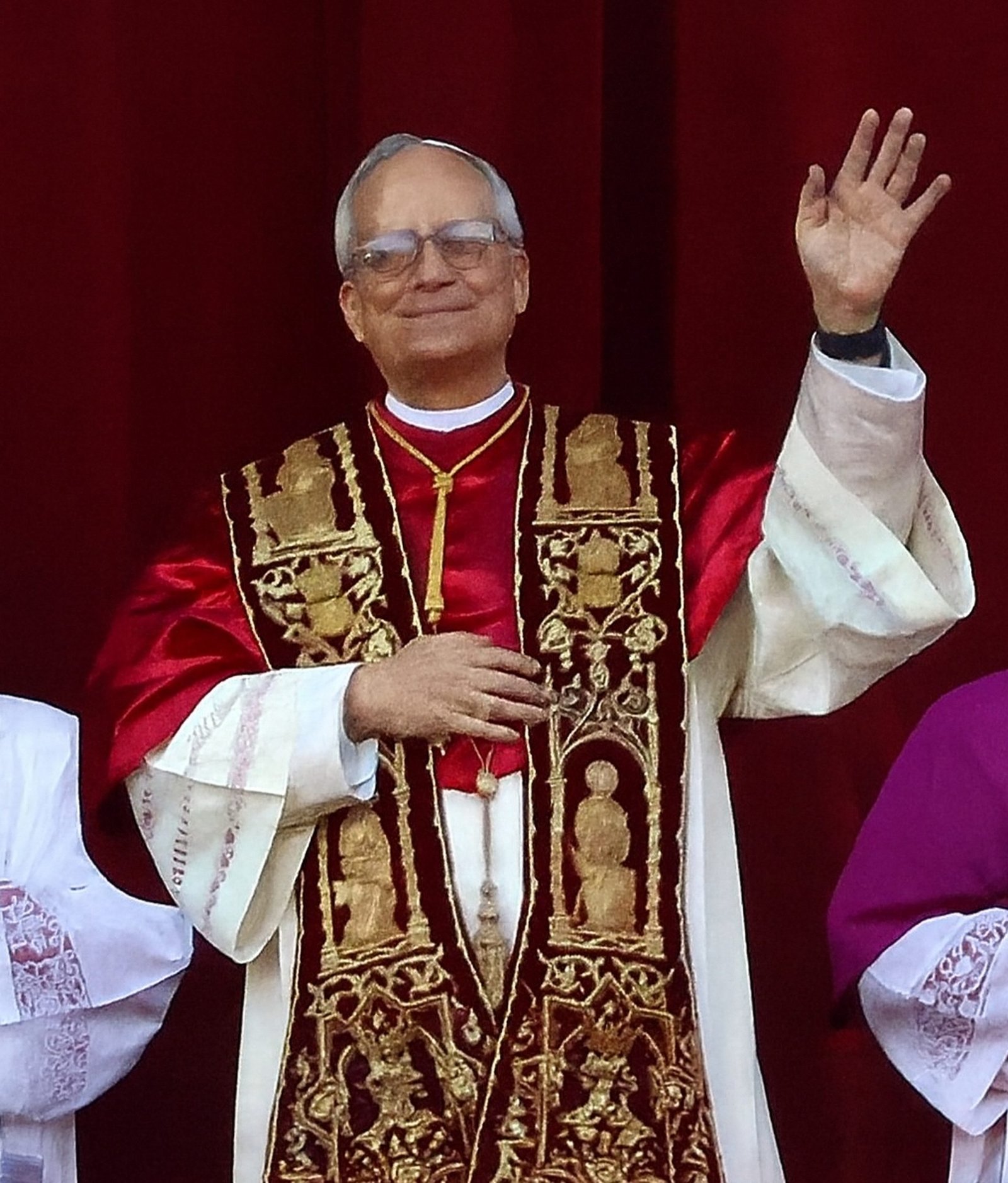
    The Vatican said on Tuesday that Pope Leo is healthy and ready to depart this week for an intense 12-day tour of South America, less than a month after he underwent surgery to remove part of his lung. Vatican officials said no extra medical precautions are being taken for the trip, and that the itinerary will proceed with no changes.

    Leo, 71, leaves on Friday for a tour running from November 6 to 17, taking in Uruguay, Argentina and Peru. It is set to be one of the most demanding papal foreign trips in decades, covering some 31,000 kilometres across 10 cities, with 36 speeches scheduled, 12 flights and two helicopter trips.

    The pope had surgery on October 13 to remove the lower lobe of his right lung. He was treated for lung adenocarcinoma, the most common form of lung cancer, and his doctors have said examinations of the tissue removed in the operation confirmed the disease was localised, so he would not require any further treatment. He left Rome’s Gemelli hospital on October 17, four days after the operation.

    Vatican spokesperson Matteo Bruni told a briefing that the pope is in good health, stressing that the tumour was not a permanent condition but something that heals after surgery. He said the Vatican medical personnel who usually travel with the pope will do so without changes, and ambulances that usually form part of the travelling convoy will be along as on previous visits.

    Maria Montserrat Alvarado, the Vatican’s new head of communications, said the pope is so excited to return to Peru and personally confirmed the trip with no changes. She described his stamina as fantastic and said his doctors are very confident, adding that he was grateful for the concern shown over his health.

    The tour begins in Uruguay, before moving to Argentina, the homeland of his predecessor Pope Francis, and culminating in an emotional homecoming in Peru, where Leo spent nearly two decades as a missionary. In Peru he will stop in Cusco, a city in the Andes at 3,399 metres above sea level, where the visit will be brief, under three hours, but closely watched because of the altitude.

    Medical experts told Reuters that the decision by Leo’s doctors to clear him to fly indicated the risk of complications from his surgery was low, with his operated lung fully expanded and surgical wounds healing without signs of infection. One lung cancer specialist said she did not think the pope would face any particular risks or need any specific precautions for the trip, though his doctors would likely advise rest breaks and supplemental oxygen if needed.

    The trip had already been described as one of the most ambitious of Leo’s papacy before his surgery, with meetings planned with indigenous peoples in the Amazon, clerical abuse victims, and the elderly, poor and disabled, alongside speeches to leaders including Argentine President Javier Milei. That the pope insisted on keeping every element of it, days after major surgery, has made the journey the most closely watched of his papacy so far.

  • لاہور کیس میں پانچ ملزمان جنسی الزام سے بری قرار

    لاہور کیس میں پانچ ملزمان جنسی الزام سے بری قرار

    لاہور کی ایک ٹرائل کورٹ میں پولیس کی جانب سے جمع کرائی گئی نامکمل تفتیشی رپورٹ میں دو غیر ملکی خواتین سے متعلق مقدمے میں پانچ ملزمان کو جنسی زیادتی کے الزام سے بری قرار دیا گیا ہے، تاہم اسی رپورٹ میں ان پانچوں کو دیگر جرائم میں ملوث قرار دیا گیا ہے، جن میں غیر قانونی قید اور بھتہ خوری شامل ہیں۔ رپورٹ کے مطابق تین دیگر ملزمان کو خواتین سے جنسی زیادتی کا ذمہ دار ٹھہرایا گیا ہے۔

    رپورٹس کے مطابق یہ مقدمہ لاہور کے علاقے ڈیفنس میں درج ہوا تھا، جہاں دو غیر ملکی خواتین کو مبینہ طور پر اغوا اور جنسی زیادتی کا نشانہ بنایا گیا۔ مقدمے نے اس وقت خاص توجہ حاصل کی جب اس میں ایک اہم سیاسی شخصیت کے ایک رشتہ دار کا نام سامنے آیا، اور تفتیش کے دوران متعدد افراد کو گرفتار کیا گیا۔

    تازہ رپورٹ کے بارے میں بتایا گیا ہے کہ یہ نامکمل ہے، یعنی تفتیش ابھی جاری ہے اور حتمی چالان جمع نہیں کرایا گیا۔ اسی وجہ سے رپورٹ میں سامنے آنے والی باتوں کو حتمی فیصلہ نہیں سمجھا جا سکتا، اور عدالت میں مزید کارروائی کے دوران صورتحال بدل بھی سکتی ہے۔ پولیس کی جانب سے عدالت کو آگاہ کیا گیا ہے کہ تفتیش کے بعض مراحل ابھی مکمل ہونا باقی ہیں۔

    ایک اور رپورٹ کے مطابق نائب وزیراعظم اسحاق ڈار کے ایک رشتہ دار کو بھی جنسی زیادتی کے الزام سے بری قرار دیا گیا ہے، تاہم وہ اغوا، غیر قانونی قید اور بھتہ خوری کے الزامات کا سامنا بدستور کر رہے ہیں۔ اس سے ظاہر ہوتا ہے کہ ملزمان کے خلاف مقدمہ ختم نہیں ہوا، بلکہ الزامات کی نوعیت میں تبدیلی آئی ہے۔

    اس سے قبل کی رپورٹس میں بتایا گیا تھا کہ تفتیش کے دوران آٹھ ملزمان کے ڈی این اے نمونے فرانزک لیبارٹری کو بھیجے گئے تھے، اور ذرائع کے مطابق تین ملزمان کے ڈی این اے کا فرانزک شواہد سے میچ ہوا تھا۔ ان رپورٹس میں یہ بھی کہا گیا تھا کہ باقی نمونوں کا تجزیہ جاری ہے، جو اس بات کی طرف اشارہ کرتا ہے کہ تفتیش کئی مہینوں سے مختلف مراحل سے گزر رہی ہے۔

    مقدمے کی سماعت کے دوران عدالت نے اس سے قبل بھی ملزمان کے جسمانی ریمانڈ میں توسیع کی تھی، تاکہ پولیس تفتیش مکمل کر سکے اور مبینہ طور پر مقدمے سے منسلک اشیا برآمد کی جا سکیں۔ دفاعی وکلاء کی جانب سے یہ موقف بھی سامنے آیا تھا کہ بعض ملزمان کو اصل ایف آئی آر میں نامزد نہیں کیا گیا تھا اور انہیں ضمنی بیانات کی بنیاد پر گرفتار کیا گیا۔

    یہ مقدمہ پاکستان میں غیر ملکی شہریوں کے تحفظ اور پولیس تفتیش کے معیار کے حوالے سے بھی بحث کا موضوع بنا ہوا ہے۔ متاثرہ خواتین نے عدالت میں اپنے بیانات بھی قلمبند کرائے تھے، جن میں انہوں نے اپنے ساتھ پیش آنے والے واقعات کی تفصیل بیان کی تھی۔ عدالت نے ان بیانات کو ریکارڈ کا حصہ بنایا تھا۔

    اب سب کی نظریں اس بات پر ہیں کہ مکمل چالان میں پولیس کیا موقف اختیار کرتی ہے اور عدالت اسے کس طرح دیکھتی ہے۔ نامکمل رپورٹ نے مقدمے میں ایک نیا موڑ تو پیدا کر دیا ہے، لیکن حتمی فیصلہ ابھی باقی ہے، اور اس وقت تک کسی بھی فریق کے بارے میں حتمی رائے قائم کرنا قبل از وقت ہو گا۔