Author: hammadkhaksar

  • فیول سبسڈی دسمبر تک جاری رہے گی، وزیراعظم کی ہدایت

    فیول سبسڈی دسمبر تک جاری رہے گی، وزیراعظم کی ہدایت

    وزیراعظم شہباز شریف نے فیول سبسڈی اسکیم کو دسمبر تک جاری رکھنے کی ہدایت کر دی ہے۔ اسلام آباد میں اسکیم سے متعلق اجلاس کی صدارت کرتے ہوئے وزیراعظم نے کہا کہ اس پر عمل درآمد تمام اضلاع میں ہونا چاہیے اور اس کے کام میں شفافیت کو یقینی بنایا جائے۔

    رپورٹ کے مطابق فیول سبسڈی اسکیم ستمبر میں شروع کی گئی تھی۔ وزیراعظم کی ہدایت کے بعد اب یہ اسکیم دسمبر تک جاری رہے گی، جس سے اس سے فائدہ اٹھانے والوں کو مزید وقت ملے گا اور انتظامیہ کو اس کے دائرہ کار کو تمام اضلاع تک پھیلانے کا موقع ملے گا۔

    اجلاس میں اسکیم کے نفاذ کے طریقہ کار پر بھی غور کیا گیا۔ وزیراعظم نے اس بات پر زور دیا کہ سبسڈی کا فائدہ مستحق افراد تک پہنچنا چاہیے اور اس عمل میں کسی قسم کی بے ضابطگی نہیں ہونی چاہیے۔ شفافیت کی یہ ہدایت اس لیے بھی اہم ہے کہ عوامی اسکیموں پر اعتماد اسی وقت قائم رہتا ہے جب ان کا فائدہ واضح اور منصفانہ طریقے سے تقسیم ہو۔

    فیول کی قیمتوں میں اتار چڑھاؤ عام لوگوں کی روزمرہ زندگی پر براہ راست اثر ڈالتا ہے۔ ٹرانسپورٹ، اشیائے خورونوش کی ترسیل اور روزگار سے جڑے اخراجات سبھی ایندھن کی قیمت سے متاثر ہوتے ہیں، اس لیے حکومت کی جانب سے سبسڈی کا تسلسل عوام کے لیے ایک بڑی خبر ہے۔

    اسکیم کو تمام اضلاع تک پھیلانے کی ہدایت بھی قابل توجہ ہے۔ اکثر عوامی اسکیموں کا فائدہ بڑے شہروں تک محدود رہ جاتا ہے، جب کہ چھوٹے شہروں اور دیہی علاقوں کے لوگ اس سے محروم رہ جاتے ہیں۔ وزیراعظم کی ہدایت کا مقصد اس خلا کو ختم کرنا ہے تاکہ ملک کے ہر حصے کے شہری اس سہولت سے فائدہ اٹھا سکیں۔

    رپورٹ میں سبسڈی کی فی لیٹر رقم یا فائدہ اٹھانے والوں کی مجموعی تعداد نہیں بتائی گئی، اس لیے اس خبر میں ایسا کوئی عدد شامل نہیں کیا گیا۔ اسکیم کی تفصیلات کے بارے میں مزید اعلان متعلقہ حکام کی جانب سے آنے والے دنوں میں متوقع ہے۔

    دسمبر تک اسکیم کے جاری رہنے سے شہریوں کو یہ اطمینان ملے گا کہ سردیوں کے مہینوں میں بھی انہیں اس سہولت کا تسلسل حاصل رہے گا۔ حکومت کے لیے بھی یہ فیصلہ ایک امتحان ہوگا کہ وہ اسکیم کو شفاف اور منظم انداز میں تمام اضلاع تک کیسے پہنچاتی ہے۔

    آنے والے ہفتوں میں اسکیم کے نفاذ پر نظر رہے گی، خاص طور پر اس بات پر کہ اضلاع کی سطح پر اس کا عملی اطلاق کیسا ہوتا ہے اور شہریوں تک اس کا فائدہ کس حد تک پہنچتا ہے۔

  • Hoax bomb threats diverted flights across Europe

    Hoax bomb threats diverted flights across Europe

    A coordinated wave of false bomb threats disrupted commercial flights across Europe, causing diversions, military escorts and temporary airport closures, before authorities confirmed that all of the threats were malicious hoaxes and that no explosive devices had been found.

    In Italy, Italian Air Force Eurofighter jets escorted Ryanair flights into Rome Fiumicino airport as a precaution. In Poland, a LOT flight from London Heathrow to Warsaw Chopin was diverted to Modlin airport, temporarily closing it while checks were carried out.

    In Spain, a flight from Manchester to Murcia was inspected by the Civil Guard after a threat was received. In Bulgaria, two flights into Sofia were inspected: a Wizz Air flight from Bergamo carrying 176 passengers, and a Ryanair flight from Dublin carrying 186 passengers. Both aircraft landed safely and were checked before passengers continued their journeys.

    An SAS flight from Copenhagen to Warsaw landed as scheduled, while a day earlier a Wizz Air flight from London to Sofia was diverted to Budapest, according to Hungarian Defence Minister Romulusz Ruszin-Szendi. Separately, the Panama-flagged cruise ship Crown Iris was searched at Syros in Greece after a bomb claim, and no device was found in the initial search.

    Aviation risk analyst Rhys Jones of Osprey Flight Solutions, quoted via Reuters, said seven confirmed bomb threats in a single day was exceptional. He said general disruption, rather than a specific target, appeared to be the aim of the wave of threats.

    No claim of responsibility and no attribution to any party was reported. That absence of a claim is itself part of the picture: the threats caused real disruption to airlines, airports and passengers, without any group publicly owning them.

    For passengers, the episode meant delays, diversions and uncertainty, even though every threat ultimately proved false. For airlines and airport authorities, it meant activating security procedures designed for exactly this scenario, including inspections, escorts and, where necessary, temporary closures.

    Hoax threats are treated seriously by aviation authorities precisely because they cannot be dismissed until aircraft and airports have been checked. The cost of caution is disruption; the cost of ignoring a threat could be far worse, which is why procedures are followed even when the eventual outcome is a hoax.

    Authorities across the affected countries have now confirmed that no devices were found. The investigation into who sent the threats, and why, will continue, but for travellers the immediate message is that the disruption has passed and the threats were false.

  • ECP deploys 17 officers to watch Islamabad’s local polls

    ECP deploys 17 officers to watch Islamabad’s local polls

    The Election Commission of Pakistan has appointed 17 officers to monitor the Islamabad local government elections, putting a formal monitoring structure in place ahead of polling on 20 December.

    Additional Deputy Commissioner Uzair Ali Khan has been appointed as District Monitoring Officer, with 16 monitoring officers working under the arrangement. Together, they will cover the pre-poll period, election day itself, and the post-poll phase, giving the Commission eyes on the ground through every stage of the contest.

    The monitoring officers will collect information on campaign activities and report violations of the code of conduct on Form M-1. The District Monitoring Officer will record complaints on Form M-2 and submit daily reports to the Election Commission, creating a regular flow of information from the field to the Commission.

    Local administration has also been directed to appoint a focal person of Grade 17 or above, to coordinate with the monitoring setup. That appointment is intended to make sure the monitoring officers have a clear point of contact within the local administration for the work they are asked to do.

    The appointments follow a nomination process that drew only 39 candidates for 125 union councils, out of 1,012 candidates who had obtained nomination papers. The Election Commission, quoted in reporting on the nominations, attributed the low participation to the powers and funds available to local bodies, and had extended the nomination deadline to 4 November.

    Against that background, the monitoring appointments take on added importance. With fewer candidates contesting, the conduct of the campaign and the polling process itself will be watched closely, and the Commission’s monitoring officers are the mechanism for that oversight.

    Islamabad’s local government elections matter because they decide who runs civic affairs in the capital’s union councils, from local services to community-level decisions. Even where contests are thin, the process of electing those representatives is a formal part of local democracy, and the Commission is responsible for ensuring it is conducted fairly.

    The named monitoring officers include Anjum Hayat, Abdul Razzaq, Shahid Hussain, Usman Rashid, Shaoor Ahmed, Shabbir Hussain Sandhu, Arif Ali, Azizur Rehman and Nisar Muhammad Khan, each assigned specific union councils. Their assignments give the monitoring structure a defined geographic spread across the capital.

    With polling set for 20 December, the monitoring team now has the weeks ahead to track campaigning, record any violations, and report back to the Commission. Their daily reports will form part of the record on which the Commission judges whether the elections were conducted in line with its code of conduct.

  • Shehbaz, Bilawal meet on KP situation and Assembly agenda

    Shehbaz, Bilawal meet on KP situation and Assembly agenda

    Prime Minister Shehbaz Sharif met Pakistan Peoples Party Chairman Bilawal Bhutto Zardari at the PM House in Islamabad on Wednesday, for talks centred on the overall political situation in the country.

    According to reports of the meeting, the two leaders discussed the situation in Khyber Pakhtunkhwa in particular, alongside legislation and the agenda of the ongoing session of the National Assembly. The meeting brought together the head of the federal government and the chairman of a key coalition partner at a time when the province and the parliamentary calendar are both in focus.

    Bilawal Bhutto Zardari is reported to have expressed concern over the situation in Khyber Pakhtunkhwa during the discussion. The reports of the meeting do not name any specific bill under discussion, nor do they quote either leader directly, and this report does not add any such detail.

    Meetings of this kind between the prime minister and coalition partners are a routine part of managing a government that depends on parliamentary support. The National Assembly session provides the setting for that coordination, because legislation can only move forward when the parties in government agree on the order of business and on the measures to be taken up.

    Khyber Pakhtunkhwa has remained a prominent subject in national political discussion, and the fact that it featured prominently in the meeting underlines its place on the federal agenda. The discussion covered the broader political picture as well, rather than a single provincial issue alone.

    The meeting took place at the prime minister’s official residence and office in Islamabad, the usual venue for formal consultations between the prime minister and senior political leaders. No joint statement or announcement of specific decisions arising from the meeting was reported.

    For the government, keeping coalition partners aligned matters most when parliament is in session, since the success of its legislative programme depends on support in the House. Wednesday’s meeting appears to have been part of that continuing effort to keep the coalition’s parliamentary work on track.

    What happens next will become clearer as the National Assembly session proceeds and as the items on its agenda come up for discussion. Until specific measures are formally moved in the House, the significance of the meeting lies in the consultation itself, and in the signal that the leadership of the government and the PPP remain in direct contact over the political situation and the work of parliament.

  • سونے کی قیمت میں بڑا اضافہ، فی تولہ 4 لاکھ 26 ہزار سے اوپر

    سونے کی قیمت میں بڑا اضافہ، فی تولہ 4 لاکھ 26 ہزار سے اوپر

    پاکستان میں سونے کی قیمت میں بدھ کے روز نمایاں اضافہ ریکارڈ کیا گیا ہے۔ فی تولہ سونے کی قیمت میں 13,900 روپے کا اضافہ ہوا جس کے بعد ملک میں سونے کی نئی قیمت 426,036 روپے فی تولہ ہو گئی ہے۔

    دس گرام سونے کی قیمت میں بھی اضافہ ہوا ہے۔ دس گرام سونا 11,917 روپے مہنگا ہو کر 365,257 روپے کا ہو گیا ہے۔ یوں سونا خریدنے والوں کو اب پہلے کے مقابلے میں نمایاں طور پر زیادہ رقم ادا کرنا پڑے گی۔

    عالمی منڈی میں بھی سونے کی قیمت بڑھی ہے۔ بین الاقوامی مارکیٹ میں سونا 139 ڈالر فی اونس مہنگا ہو کر 4,035 ڈالر فی اونس تک پہنچ گیا ہے۔ ماہرین کے مطابق مقامی مارکیٹ میں سونے کی قیمت کا تعین بڑی حد تک عالمی قیمت اور روپے کی قدر سے ہوتا ہے، اس لیے عالمی سطح پر اضافہ مقامی قیمتوں میں بھی جھلکتا ہے۔

    سونے کی قیمت میں اس اضافے کا براہ راست اثر عام خریداروں پر پڑے گا۔ شادیوں اور دیگر تقریبات کے لیے زیورات خریدنے والے خاندانوں کے بجٹ پر دباؤ بڑھے گا، جبکہ سناروں اور زیورات کے کاروبار سے وابستہ افراد کو بھی قیمتوں کے اتار چڑھاؤ کے مطابق اپنے کاروبار کو ڈھالنا ہوگا۔

    دوسری جانب سونے کو محفوظ سرمایہ کاری سمجھنے والے افراد کے لیے قیمتوں میں اضافہ ایک مثبت اشارہ بھی ہو سکتا ہے، کیونکہ غیر یقینی معاشی حالات میں سرمایہ کار عموماً سونے کی طرف رجوع کرتے ہیں۔ تاہم قیمتوں میں تیزی سے تبدیلی خریداروں اور فروخت کنندگان دونوں کے لیے فیصلہ سازی کو مشکل بنا دیتی ہے۔

    سونے کی قیمت میں روزانہ کی بنیاد پر تبدیلی ایک معمول کی بات ہے، لیکن ایک ہی دن میں تقریباً 14 ہزار روپے فی تولہ کا اضافہ خاصا بڑا سمجھا جاتا ہے۔ اسی لیے اس خبر نے بازاروں اور خریداروں کی توجہ حاصل کی ہے۔

    آئندہ دنوں میں سونے کی قیمت کا انحصار عالمی مارکیٹ کی صورتحال، ڈالر کی قیمت اور مقامی طلب پر ہوگا۔ اگر عالمی سطح پر سونا مزید مہنگا ہوا تو مقامی قیمتوں میں بھی مزید اضافہ ممکن ہے، اور اگر عالمی قیمتوں میں کمی آئی تو مقامی بازار میں بھی ریلیف مل سکتا ہے۔

    خریداروں کے لیے اس صورتحال میں احتیاط اور قیمتوں کی مسلسل نگرانی اہم ہے۔ سونا خریدنے سے پہلے مختلف دکانوں سے قیمت معلوم کرنا اور یومیہ نرخ سے باخبر رہنا فائدہ مند رہتا ہے، تاکہ خریداری کا فیصلہ درست وقت پر کیا جا سکے۔

  • CDA gives JUI-F aide 15 days to clear encroachments

    CDA gives JUI-F aide 15 days to clear encroachments

    The Capital Development Authority (CDA) has given a 15-day deadline to Amanullah, described as a close aide of Jamiat Ulema-e-Islam-Fazl (JUI-F) chief Maulana Fazlur Rehman, to remove encroachments outside his residence in Islamabad.

    The encroachments are outside a residence in the G-6/4 sector of the capital. The CDA’s latest notice gives Amanullah 15 days to clear them, according to reports of the authority’s action on Wednesday.

    The matter is not a new one. The CDA had previously directed him on 18 March 2019 to remove the encroachments, the reports say, which means the issue has been outstanding for more than seven years before the latest deadline was set.

    Encroachments outside homes and on public land are a long-running problem in Islamabad, where the civic authority is responsible for keeping streets, footpaths and public spaces clear. Residents and civic bodies frequently disagree over where private use of space ends and public land begins, and enforcement drives tend to follow complaints or surveys by the authority.

    The CDA is the civic body that administers the federal capital, and it has the power to issue notices and take action against unauthorised structures and occupation of public land. In this case, the reports do not state what action the authority will take if the encroachments are not removed within the 15-day period, and this report does not speculate about any such step.

    The involvement of a person described as close to a senior political leader gives the case a political dimension, but the notice itself is presented as a civic enforcement matter concerning encroachments at a specific property. The reports do not quote Amanullah or the CDA directly.

    Whether the deadline leads to the encroachments being cleared voluntarily will become clear over the next two weeks. If they are removed, the long-standing file on this property can be closed. If they are not, the next move will rest with the CDA, which will have to decide how to enforce its own notice.

    For residents of the sector, the outcome matters in practical terms: encroachments on streets and public spaces affect access, parking and the general condition of a neighbourhood. Civic enforcement, when it is applied consistently, is one of the ways a city authority keeps those shared spaces usable for everyone.

    The CDA regularly issues such notices across Islamabad as part of its anti-encroachment work. This latest deadline is one more example of that continuing effort, and its progress will be watched to see whether a file open since 2019 is finally resolved.

  • Pakistan’s first home-made Fa’az missile passes flight test

    Pakistan’s first home-made Fa’az missile passes flight test

    Pakistan has carried out a successful flight test of Fa’az, its first indigenously developed air-to-air missile, the military’s media wing has announced. The test, conducted on Tuesday, 3 November, saw the missile fired from a JF-17 Thunder fighter aircraft, according to the Pakistan Air Force’s Directorate General of Public Relations.

    In its announcement, the air force said Fa’az would significantly enhance the operational flexibility of the Pakistan Air Force and further strengthen the country’s overall defence posture. A video released with the announcement showed a JF-17 Thunder Block-1 aircraft firing the missile from an underwing pylon.

    Fa’az is a beyond-visual-range air-to-air missile developed by the Air Weapons Complex of the National Engineering and Scientific Commission, and marketed through Global Industrial and Defence Solutions, the state-owned enterprise representing the commission. It was officially revealed in 2023, and the test this week is its first confirmed successful flight trial.

    According to the military statement, the missile is fitted with a state-of-the-art terminal guidance system and is capable of engaging enemy aerial targets at longer ranges. The version fired in the test used an imaging infrared seeker, defence analysts reported, while a radar-guided version is also under development.

    Officials have not disclosed the missile’s maximum range, speed, or the date on which it might enter operational service with the air force. Those details remain undisclosed, and the statement gave no timeline for induction into the fleet.

    Senior officers of the armed forces, along with scientists and engineers involved in the programme, witnessed the launch. President Asif Ali Zardari, Prime Minister Shehbaz Sharif, and the chiefs of the armed forces congratulated the scientists and engineers on the test, according to reports of the announcement.

    The test follows other recent missile trials by Pakistan’s armed forces, including an extended-range Fatah-2 test in October. Defence analysts say a home-grown air-to-air missile would reduce dependence on imported weapons for the JF-17 fleet, which forms a central part of the air force’s combat strength.

    For Pakistan’s defence industry, the successful trial is being presented as a milestone in self-reliance. Whether Fa’az moves quickly from testing to service will depend on further trials, but the air force has described this first flight test as a significant step in the country’s aerospace and defence capabilities.

  • Four polio workers abducted in Tank, search under way

    Four polio workers abducted in Tank, search under way

    Four polio vaccination workers have been abducted by armed men in Tank district of Khyber Pakhtunkhwa, police accounts reported, in an incident that has drawn condemnation from the provincial governor.

    According to police accounts carried by Pakistani newspapers, the workers were travelling to perform their duties when armed men opened fire and seized the team, taking them to an undisclosed location. The incident took place in the Sheikh Attar union council area of Tank district, on the first day of a sub-national immunisation round.

    Police have launched an investigation and a search operation to trace the workers and identify those responsible, but their whereabouts remained unknown at the time of reporting. Police have not named a suspect, and have not said whether the workers were targeted because of their vaccination work.

    Khyber Pakhtunkhwa Governor Faisal Karim Kundi condemned the abduction and expressed deep concern for the safety of the four health workers, calling for immediate and effective measures to secure their safe recovery. He described the incident as deeply regrettable, according to reports of his statement.

    In a separate incident in the same week, two members of a polio vaccination team were abducted in the Azam Warsak area of Lower South Waziristan and later released, according to the same police accounts. The two incidents are not confirmed to be linked.

    The abductions came as Pakistan began a nationwide campaign running from 2 to 8 November in 97 districts, aiming to reach nearly 24 million children under five. Pakistan remains one of only two countries where wild poliovirus is still endemic, and attacks on vaccination teams have repeatedly disrupted campaigns in Khyber Pakhtunkhwa.

    The same week also saw two police personnel killed in Mohmand district while travelling to provide security to a polio team, in a separate attack that the governor also condemned. Officials said the violence underlines the risks faced by frontline health workers and the police officers assigned to protect them.

    For the families of the four workers in Tank, the immediate question remains unanswered: where they are, and when they will come home. Authorities say efforts to recover them are under way, and the governor has urged that no effort be spared in bringing them back safely.

  • AJK PM: no issue justifies disturbing law and order

    AJK PM: no issue justifies disturbing law and order

    Azad Jammu and Kashmir Prime Minister Barrister Syed Iftikhar Gilani visited Rawalakot on Tuesday to review the region’s ground realities and discuss practical solutions to public issues, according to reports of the visit.

    The prime minister was received by the AJK Police on his arrival. During the visit he went to the Combined Military Hospital in Rawalakot, where he met public delegations and held discussions with lawyers on a range of issues facing the area.

    Gilani was briefed by the district administration and police at the Commissioner Office Poonch. Chief Secretary Khushal Khan and Inspector General of Police Captain (retired) Liaquat Ali Malik accompanied him during the visit.

    Addressing media representatives, the prime minister described Poonch as a historic region and paid tribute to its people for their sacrifices in the Kashmir freedom movement. He recalled their resistance against Dogra rule and said their contribution would remain unforgettable.

    Turning to the situation in Rawalakot, Gilani said road blockades had disrupted daily life, affecting students’ access to schools and patients’ ability to reach hospitals. He said no governance issue in Azad Kashmir was serious enough to justify disturbing law and order.

    He added that the future of the younger generation should not be put at risk because of the actions of a few individuals, and stressed that public problems should be resolved through practical discussion rather than disruption.

    The visit comes at a sensitive time for the region, where protests and a sit-in by the Joint Awami Action Committee have strained daily life in parts of Azad Kashmir in recent months. Reports of the visit also noted an additional month’s salary announced for police personnel, though details of further announcements were still emerging.

    Gilani’s message in Rawalakot was, in essence, an appeal for calm alongside a promise of engagement: the government would listen to public delegations and work on solutions, but it would not accept the disruption of normal life. How that balance is received in Rawalakot and the wider Poonch division will become clearer in the days ahead.

  • History made: El-Sayed, first Muslim in US Senate

    History made: El-Sayed, first Muslim in US Senate

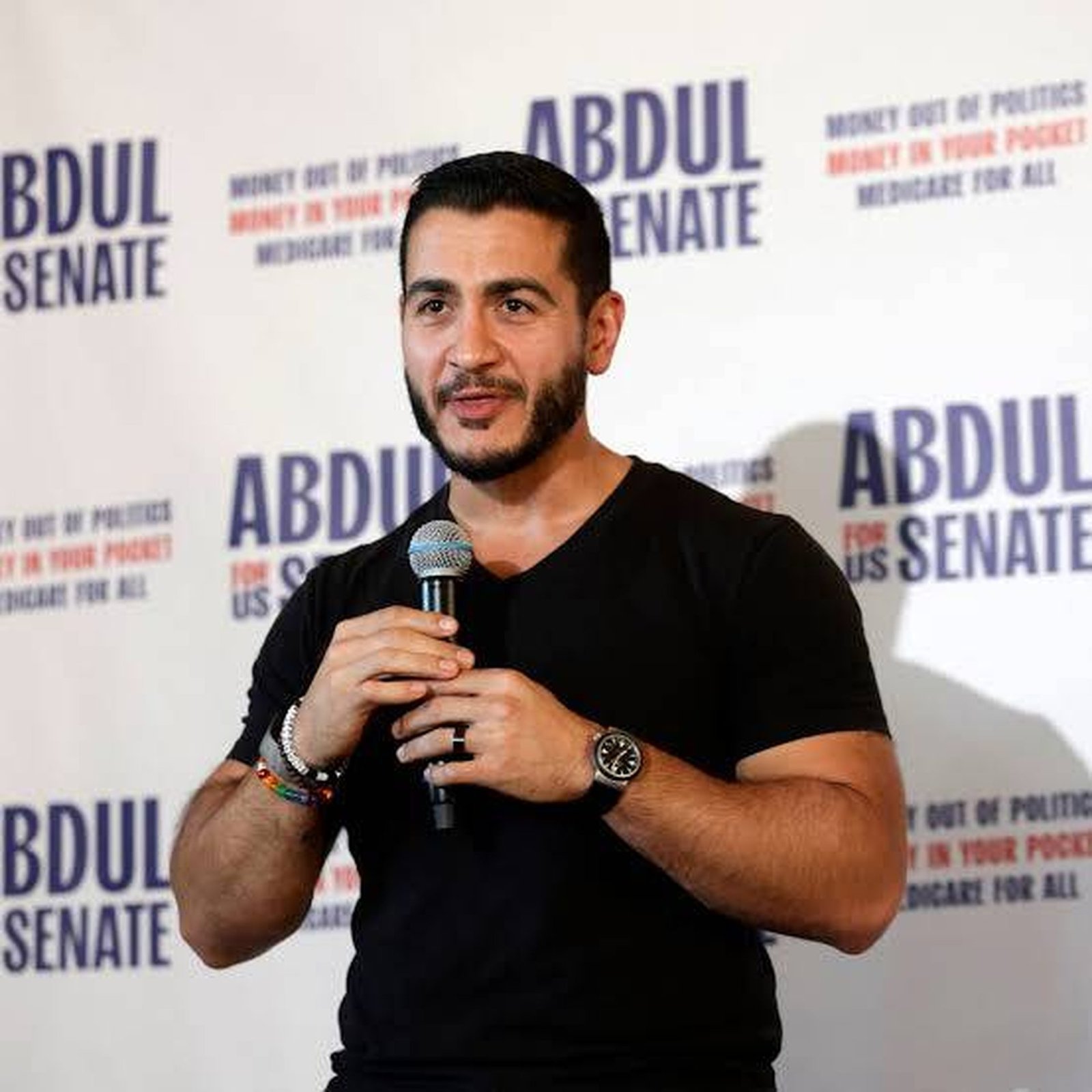
    Democrat Abdul El-Sayed has won Michigan’s open US Senate seat, becoming the first Muslim elected to the chamber in American history, according to media projections and race calls reported on Wednesday.

    El-Sayed, 42, a former public health official, defeated former Republican congressman Mike Rogers in one of the most closely watched races of the 2026 midterm elections. The Associated Press called the race for El-Sayed, and projections from Fox News and Decision Desk HQ also put him ahead.

    The seat was left open by the retirement of Democratic Senator Gary Peters, and El-Sayed’s victory keeps it in Democratic hands. Republicans held a 53-47 Senate majority going into Tuesday’s midterm elections, with Democrats needing a net gain of four seats to take control of the chamber.

    El-Sayed, who was born in Michigan to Egyptian immigrant parents, previously served as health director for Detroit and Wayne County. During the campaign he focused on lowering costs for working families and reducing corporate influence in politics, and his platform included support for a government-funded universal healthcare programme.

    The contest was one of the most contentious of the election cycle. Rogers, 63, a former congressman and FBI agent, had strong backing from President Donald Trump and national Republicans. He sought to portray El-Sayed as sympathetic to Islamic extremism through alleged ties to the Muslim Brotherhood, claims that El-Sayed denies and that have been described as unsupported by evidence.

    El-Sayed’s campaign also faced turbulence in its final days, when his former Democratic primary rival, Representative Haley Stevens, endorsed Rogers shortly before election day. Despite that setback, polling in the closing days had shown El-Sayed leading by a clear margin.

    In his victory speech to supporters in Detroit, El-Sayed declared victory on election night and criticised Rogers and Trump. Supporters and commentators described the result as a milestone for religious representation in American politics, and a breakthrough for the Democratic Party’s progressive wing.

    El-Sayed will now take his seat as the Senate’s first Muslim member, at a moment when the balance of power in Congress and the direction of the Democratic Party are both under close scrutiny. His win forms part of a wider set of Democratic gains reported in Tuesday’s midterm elections.