Tag: Wheat Import

  • Pakistan’s third tender to import 800,000 tonnes wheat

    Pakistan’s third tender to import 800,000 tonnes wheat

    ISLAMABAD: The federal government has issued a third international tender to import 800,000 metric tons of wheat, as Pakistan moves to secure further supplies of the staple grain.

    According to tender documents issued by the Trading Corporation of Pakistan (TCP), as reported by Dunya News, bids for the tender must be submitted by 30 November, when the technical proposals will also be opened at 2:30 PM.

    Under the terms of the tender, the final deliveries of the imported wheat must be completed by February 2027, and the minimum bid allowed is 50,000 metric tons.

    The tender documents prohibit wheat from India, Israel and other banned countries, and suppliers sourcing wheat from war-affected regions must offer alternative supply from countries not affected by war.

    The third tender follows two earlier rounds of imports. The first tender, for 750,000 metric tons, was issued on 8 September, while a second tender covered 185,000 metric tons.

    So far, 365,000 metric tons of wheat have already been contracted under the import programme, according to the report, with the latest tender aimed at securing a further 800,000 metric tons.

    The tender is the latest step in the government’s efforts to build up wheat supplies through international procurement, with the Trading Corporation of Pakistan handling the bidding process.

    Bidders taking part in the tender must meet the minimum quantity of 50,000 metric tons, and the technical proposals submitted by 30 November will be opened on the same day at 2:30 PM.

    The conditions attached to the tender reflect the government’s sourcing rules, including the bar on wheat from India, Israel and other banned countries, and the requirement for alternative supply where the source country is affected by war.

    With final deliveries due by February 2027, the tender sets a clear timeline for the arrival of the imported wheat, adding to the 365,000 metric tons already contracted under the earlier rounds.

    The tender documents set out the full terms for bidders, including the 30 November deadline, the opening of technical proposals at 2:30 PM on the same day, the minimum bid of 50,000 metric tons, and the requirement that final deliveries be completed by February 2027.
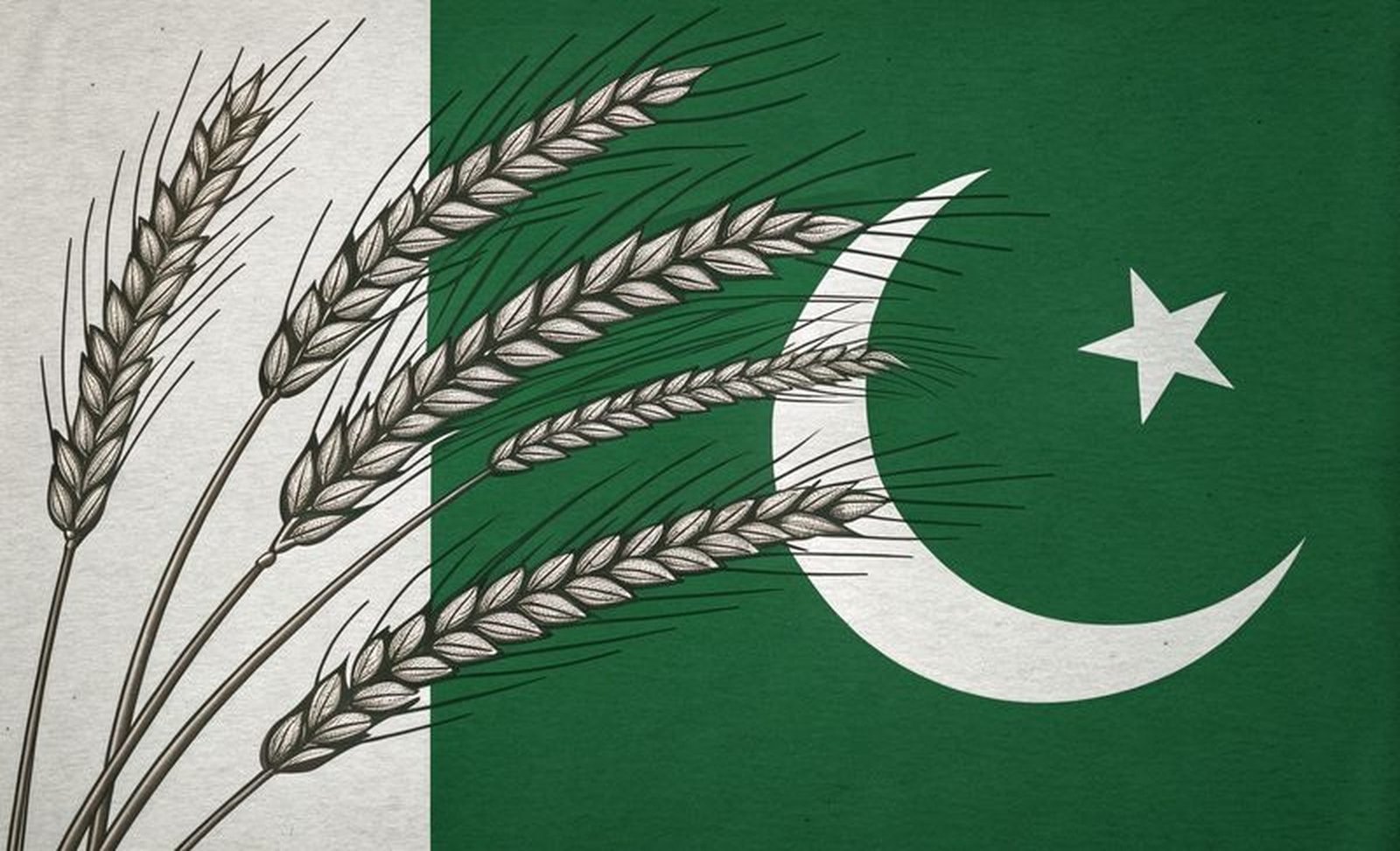
  • Dar-Led Panel Recommends Import of 800,000 Tonnes of Wheat

    Dar-Led Panel Recommends Import of 800,000 Tonnes of Wheat

    A high-level government committee on Saturday recommended importing up to 800,000 metric tons of additional wheat to keep domestic supplies stable and check food inflation, after reviewing existing stocks, market availability and price developments.

    The meeting was chaired by Deputy Prime Minister and Foreign Minister Mohammad Ishaq Dar, who instructed federal and provincial authorities to strengthen coordination to prevent artificial shortages of essential food commodities and sharp price fluctuations. Particular attention was given to maintaining adequate wheat stocks and monitoring domestic market supplies.

    The recommendation is the latest step in the government’s wheat planning for food year 2026-27. Earlier, the government had already approved imports of up to one million metric tons of wheat in 2026 to stabilise the domestic food market, with the first phase of 750,000 metric tons scheduled for delivery in November.

    At an earlier meeting of the steering committee on wheat imports on October 13, the committee had directed the Trading Corporation of Pakistan to accept the lowest bids for acquiring the remaining 185,000 metric tons needed by Sindh, and had asked the provincial governments to complete payments and finalise tripartite agreements with the corporation so the import process could run on time.

    The need for imports reflects insufficient domestic wheat production relative to the country’s requirements. According to preliminary estimates, Pakistan’s wheat harvest in 2026 stands at around 29.6 million tons, while annual consumption is estimated at approximately 31.3 million tons, leaving a gap of about 1.7 million tons that must be met from carryover stocks and purchases in international markets.

    It remains unclear whether the entire 800,000 tons now recommended would be additional to the purchases already approved, and the volume and timing of any new purchases will depend on government decisions, actual domestic grain availability and food price trends.

    The recommendation comes as flour prices have risen in Punjab, and preventing wheat shortages and further increases in flour prices remains a key priority for the authorities. Further increases in wheat imports could also generate additional demand in the international market, particularly for exporters able to offer competitive prices and timely deliveries to Pakistan.