Tag: trade deficit

  • Pakistan Trade Deficit Widens to $3.88 Billion in October

    Pakistan Trade Deficit Widens to $3.88 Billion in October

    Pakistan’s merchandise trade deficit widened sharply in October, as imports continued to grow much faster than exports and kept the country’s external account under pressure, according to official data released on Friday.

    The deficit rose 19.7 per cent year on year to $3.877 billion in October 2026, from $3.24 billion in the same month last year, the Pakistan Bureau of Statistics said. Imports remained more than twice the value of exports during the month, underlining the scale of the imbalance.

    Exports rose by only 2.8 per cent to $2.93 billion in October, from $2.85 billion a year earlier. Imports, by contrast, increased 11.8 per cent to $6.81 billion, from $6.09 billion in October 2025. The gap between the two therefore widened by more than $600 million in a single month compared with a year earlier.

    On a month-on-month basis, the deficit also increased, rising 10.3 per cent from $3.515 billion in September. The figures suggest that the improvement seen in some earlier months has not been sustained, and that import demand has picked up again.

    A wider gap over four months

    The pressure is not limited to October alone. During the first four months of the current fiscal year, from July to October, the trade deficit expanded 15.97 per cent to $14.63 billion, from $12.61 billion in the corresponding period of last year.

    Exports during July-October rose 8.5 per cent to $11.34 billion, while imports jumped 12.6 per cent to $25.96 billion. Export growth, although positive, has therefore lagged well behind import growth for four consecutive months.

    Analysts say the pattern points to a familiar challenge. Higher imports may partly reflect stronger domestic economic activity, but the persistent gap between import and export growth adds to the country’s external financing requirements. Waqas Ghani, head of research at JS Global, was reported as saying that the widening gap increases the financing burden at a time when foreign exchange reserves remain a central concern for policymakers.

    Services trade also under strain

    The services account added to the pressure in September. Pakistan’s services trade deficit jumped 84.3 per cent to $282.7 million in September 2026, from $153.4 million a year earlier, the bureau said.

    Services exports increased 15.35 per cent to $930 million in September, from $806 million last year. Services imports, however, rose faster, increasing 26.4 per cent to $1.21 billion, from $959 million a year earlier.

    The combined picture leaves policymakers facing the same question that has dominated economic debate for much of the year: how to lift exports fast enough to keep pace with imports. The government has recently moved to make long-term financing easier for small and medium exporters, including ordering the removal of a condition that businesses export at least 80 per cent of their products to qualify. Officials say the aim is to broaden the export base, but the October figures show how far that base still has to grow before the trade gap begins to narrow in a sustained way.

  • Pakistan Trade Deficit Widens 16% to $14.63 Billion

    Pakistan Trade Deficit Widens 16% to $14.63 Billion

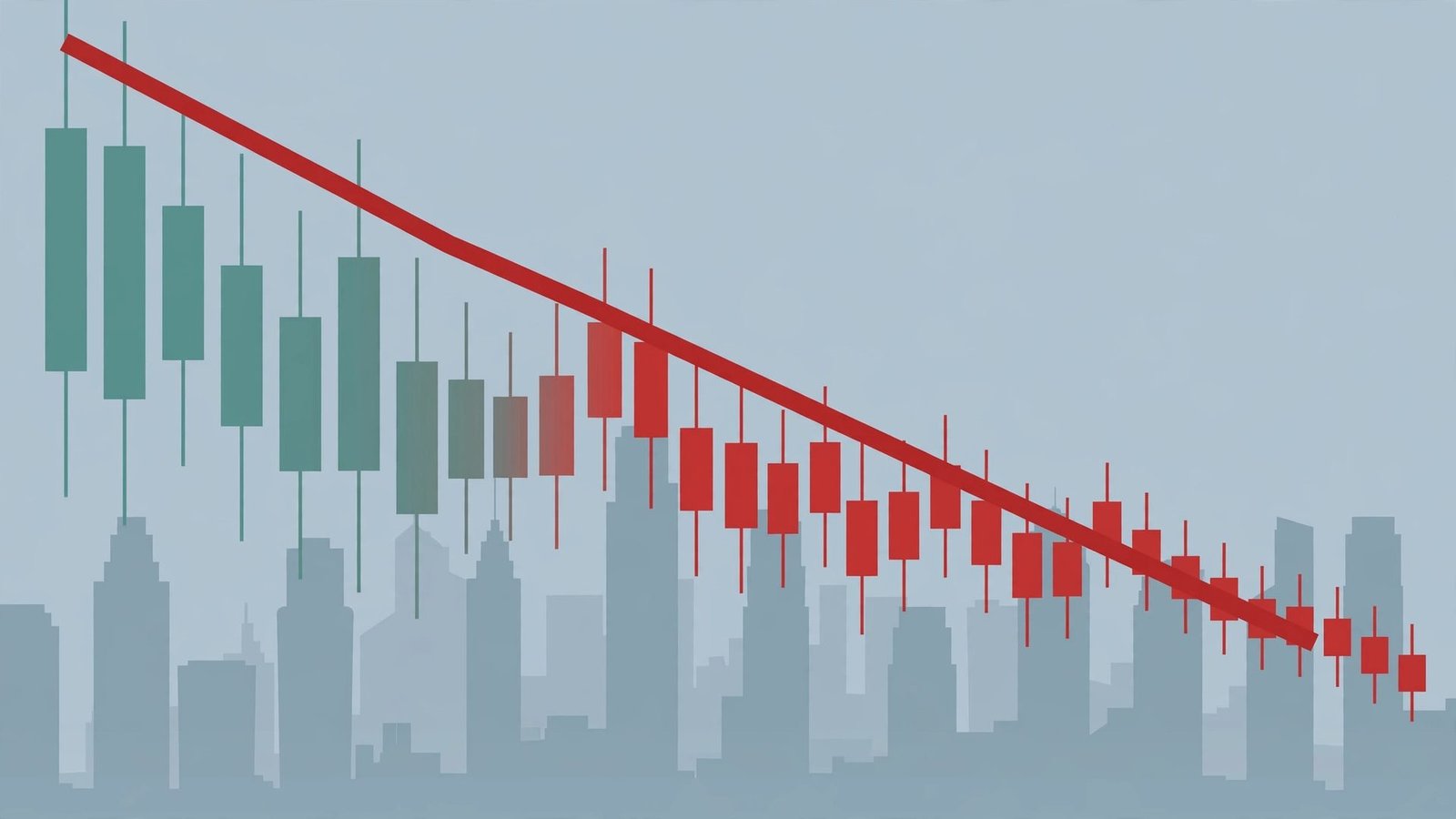
    Pakistan’s trade deficit widened by 15.97 percent to 14.63 billion dollars in the first four months of the current fiscal year, as exports fell and imports rose, according to figures from the Pakistan Bureau of Statistics.

    The figures cover July to October 2026, the first four months of fiscal year 2025-26. The deficit stood at 14.63 billion dollars, up from 12.616 billion dollars in the same period last year, an increase of 15.97 percent year on year.

    Exports during the four months were 10.47 billion dollars, down 4.35 percent from 10.947 billion dollars a year earlier. Imports, meanwhile, rose 6.65 percent to 25.1 billion dollars, up from 23.563 billion dollars. The gap between what Pakistan buys from the world and what it sells widened because imports grew while exports shrank.

    October alone showed a sharper deterioration. The deficit for the month was 3.81 billion dollars, up 24.35 percent compared with October last year and up 22.35 percent from 3.113 billion dollars in September. October exports were 2.67 billion dollars, down 7.27 percent year on year, while imports rose 9.44 percent to 6.48 billion dollars.

    The trade deficit is the difference between the value of goods a country imports and the value it exports, and a widening deficit means more foreign currency is leaving the country to pay for imports than is coming in from exports. For Pakistan, which has faced repeated pressure on its foreign exchange reserves, the direction of the deficit is closely watched by policymakers, businesses and lenders.

    The four-month figures show the pressure coming from both sides of the ledger. Export earnings fell by more than four percent, suggesting weaker demand for Pakistani goods abroad or difficulties for exporters, while the import bill rose by more than six percent, adding to the outflow.

    October’s monthly jump is the most striking part of the data. A deficit of 3.81 billion dollars in a single month, more than a fifth higher than September, points to a sharp monthly swing rather than a gradual drift, and the fall in October exports alongside rising imports explains the scale of the increase.

    The figures will feed into the government’s economic planning for the rest of the fiscal year. Policymakers will be looking at whether the export decline can be reversed and whether import growth can be contained without hurting industry and consumers who depend on imported fuel, machinery and raw materials.

    For now, the data shows a trade gap that is growing rather than narrowing. The coming months will show whether the October spike was a one-off or the start of a wider trend in Pakistan’s external trade.

  • PSX Loses Fourth Straight Week, KSE-100 Down 670 Points

    PSX Loses Fourth Straight Week, KSE-100 Down 670 Points

    KARACHI: The Pakistan Stock Exchange extended its losing streak to a fourth consecutive week as domestic political uncertainty and geopolitical tensions weighed on investor sentiment, amid inflation concerns and expectations of an interest rate hike.

    The benchmark KSE-100 index shed 670 points, or 0.4 per cent week-on-week, to close at 166,419, according to Arif Habib Ltd. Elevated crude oil prices, driven by US-Iran tensions, and expectations of monetary tightening by the State Bank of Pakistan ahead of its upcoming policy meeting added to the pressure on the market.

    According to AKD Securities, the index recorded its steepest sell-off on Monday, losing 1,965 points after emergency and governor’s rule were imposed in PTI-ruled Khyber Pakhtunkhwa. The market subsequently recovered some of the losses as the initial selling pressure eased.

    Oil prices and geopolitical drag

    Brent crude rose to $107 per barrel during the week amid disruptions to energy supplies through the Strait of Hormuz and renewed attacks on Saudi energy infrastructure, despite the International Energy Agency’s announcement of additional emergency oil reserve releases.

    Sector-wise, exploration and production companies led the decline, dragging the index down by 330 points, followed by banks at 319 points, cement at 136 points, investment banks at 109 points and power companies at 76 points. Among individual stocks, Oil and Gas Development Company contributed most to the decline, shedding 161 points, followed by United Bank with 136 points, Habib Bank and Pakistan Telecommunication Company with 111 points each, and Pakistan Oilfields with 95 points.

    Fertiliser stocks provided the biggest support, adding 171 points, followed by oil marketing companies with 63 points, refineries with 60 points, pharmaceuticals with 41 points and fast-moving consumer goods companies with 22 points. Fauji Fertiliser Company was the top individual contributor, adding 85 points, followed by Systems Ltd with 81 points, Pakistan State Oil with 62 points, Engro Fertilisers with 60 points and Attock Refinery with 44 points.

    Average daily trading volume rose 5.2 per cent to 449 million shares, while average value traded fell 1.5 per cent to $65 million week-on-week.

    Macroeconomic backdrop

    On the economic front, the country’s current account deficit swelled to $356 million in September from $73 million in August and a $123 million surplus a year earlier, driven by a widening trade gap, according to AKD Securities. The cumulative deficit for the first quarter of FY27 reached $874 million, up from $755 million a year ago.

    The trade deficit widened 5 per cent year-on-year and 7 per cent month-on-month to $3.53 billion in September. Exports rose 18 per cent year-on-year to $2.96 billion, while imports increased 11 per cent to $6.49 billion. In the first quarter, the trade gap widened 15 per cent to $10.77 billion, with exports at $8.45 billion and imports at $19.21 billion.

    Worker remittances increased 13 per cent year-on-year to $3.6 billion in September, while the State Bank’s foreign exchange reserves rose by $16 million to $21.47 billion as of October 9. The government raised Rs685.5 billion against a target of Rs550 billion in a treasury bills auction, with the three-month tenor attracting the largest amount at Rs310.1 billion.

    Automobile sales, including cars, light commercial vehicles, vans and jeeps, fell 3 per cent month-on-month and 12 per cent year-on-year to 15,104 units in September, according to the Pakistan Automotive Manufacturers Association. However, cumulative sales rose 19 per cent to 50,480 units in the first quarter. Large-scale manufacturing grew 0.7 per cent year-on-year in August but declined 5 per cent month-on-month.

    Pakistan’s real effective exchange rate rose to 108.93 in September from 107.92 in August, while the rupee appreciated marginally by 0.03 per cent to close at Rs276.91 against the dollar. According to Arif Habib Ltd, the PSX added a record 25,280 investor accounts in September, taking total unique identification numbers to 656,000, up 55 per cent from a year earlier. Meanwhile, gross inflows under the Roshan Digital Account scheme reached $14.16 billion by September.

    Analysts said geopolitical developments and the September-quarter results season, beginning next week, would remain key market drivers. The KSE-100 was trading at a price-to-earnings ratio of 7.4 times, with a dividend yield of 6.8 per cent, and they noted that improving economic indicators and easing inflation could support the market.