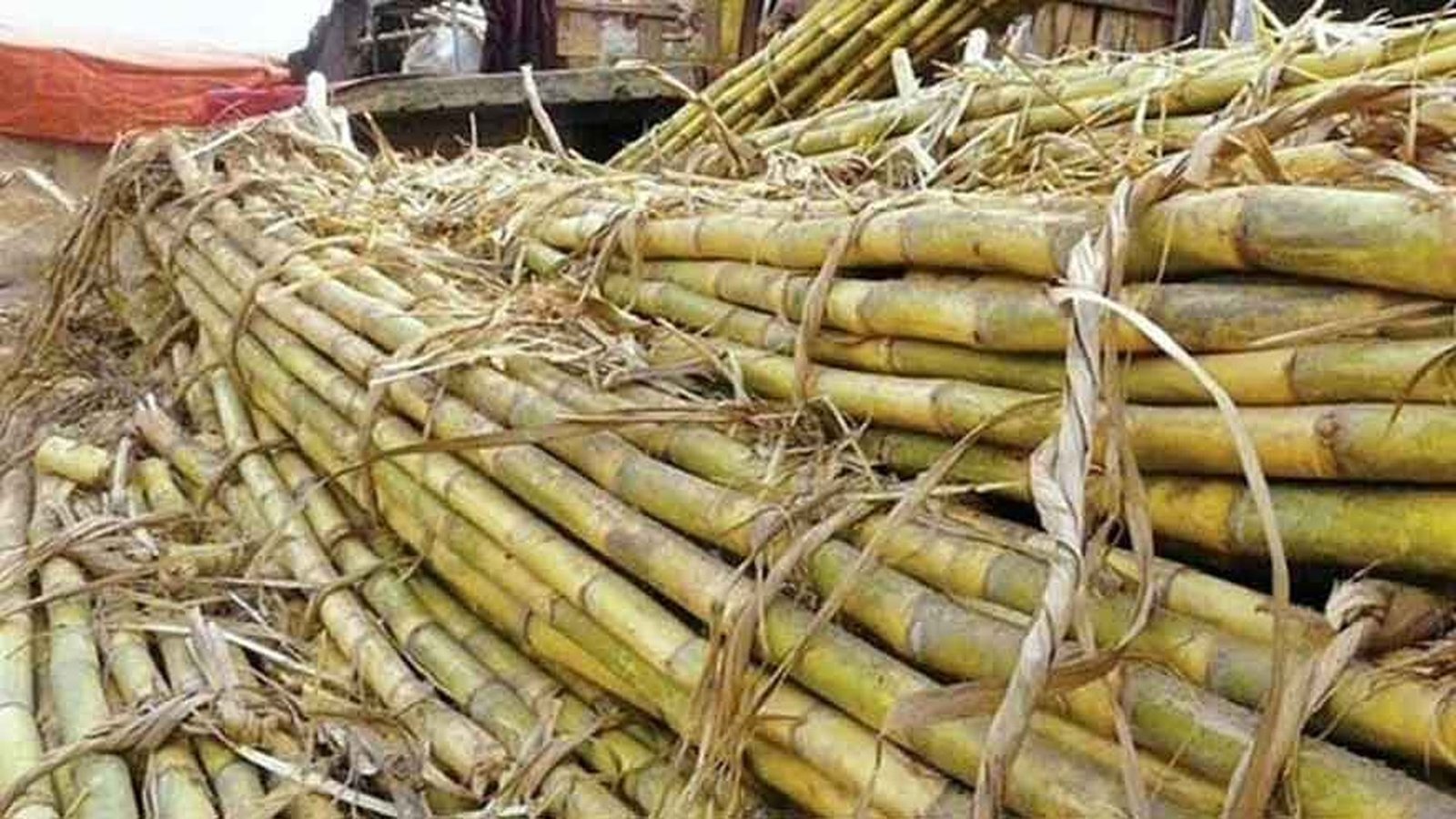
Tag: Sugarcane

  • پنجاب میں گنے کی کاشت میں 16 فیصد اضافہ، کرشنگ سیزن شروع

    پنجاب میں گنے کی کاشت میں 16 فیصد اضافہ، کرشنگ سیزن شروع

    پنجاب میں گنے کی کاشت میں رواں برس 16 فیصد اضافہ ہو کر 24 لاکھ 52 ہزار ایکڑ ہو گئی ہے اور صوبائی حکومت نے اتوار سے گنے کے کرشنگ سیزن کے آغاز کا نوٹیفکیشن جاری کر دیا ہے۔ سرکاری ذرائع کے مطابق یہ اعلان صوبے میں 2026-27 کے کرشنگ سیزن کا باقاعدہ آغاز ہے۔

    نوٹیفکیشن کے مطابق پنجاب بھر کی تمام شوگر ملیں کاشتکاروں سے گنا خریدیں گی جبکہ گنے کی قیمت ملیں مارکیٹ فورسز کے طریقہ کار کے تحت طے کریں گی۔ پنجاب ملک میں گنے کی سب سے زیادہ پیداوار والا صوبہ ہے اور یہاں کی ملیں ملکی چینی کی ضروریات کا بڑا حصہ پورا کرتی ہیں۔

    سرکاری ذرائع نے بتایا کہ رواں برس پنجاب بھر میں 24 لاکھ 52 ہزار ایکڑ پر گنا کاشت کیا گیا ہے جو گزشتہ برس کے مقابلے میں 16 فیصد زیادہ ہے۔ صوبے میں کاشتکار نقد آور فصل کے طور پر گنے کی طرف تیزی سے مائل ہو رہے ہیں اور یہی وجہ ہے کہ کاشت کا رقبہ مسلسل بڑھ رہا ہے۔

    یہ اعداد و شمار گزشتہ ماہ سامنے آنے والے سرکاری تخمینوں سے مطابقت رکھتے ہیں۔ وزارت قومی غذائی تحفظ و تحقیق کی دستاویز کے حوالے سے آئی این پی ویلتھ پاکستان نے 29 اکتوبر کو رپورٹ کیا تھا کہ پنجاب میں گنے کی کاشت کا رقبہ 15.9 فیصد بڑھ کر 9 لاکھ 92 ہزار ہیکٹر ہو گیا ہے جو تقریباً 24 لاکھ 51 ہزار ایکڑ کے برابر ہے۔ اسی دستاویز کے مطابق پنجاب میں گنے کی پیداوار میں 11.8 فیصد اضافے کا تخمینہ ہے اور پیداوار 7 کروڑ 37 لاکھ 56 ہزار ٹن تک پہنچ سکتی ہے۔

    ملکی سطح پر پاکستان میں گنے کی پیداوار 2026-27 میں 8.8 فیصد بڑھ کر 9 کروڑ 72 لاکھ 90 ہزار ٹن ہونے کا عبوری تخمینہ ہے جبکہ گزشتہ برس پیداوار 8 کروڑ 94 لاکھ 50 ہزار ٹن تھی۔ وزارت کی دستاویز کے مطابق کاشت کا رقبہ 11.2 فیصد بڑھا ہے۔ وفاقی کمیٹی برائے زراعت نے گنے کی کاشت کا ہدف 11 لاکھ 47 ہزار ہیکٹر مقرر کیا تھا جبکہ عبوری تخمینے کے مطابق کاشت کا رقبہ ہدف سے 18.5 فیصد زیادہ ہے۔

    کرشنگ سیزن کے آغاز کا مطالبہ کاشتکاروں کی جانب سے زور و شور سے کیا جا رہا تھا۔ پاکستان کسان اتحاد نے مطالبہ کیا تھا کہ حکومت 2026-27 کا کرشنگ سیزن 10 نومبر تک شروع کرے اور گنے کی قیمت کم از کم 700 روپے فی من مقرر کرے۔ کاشتکاروں کا کہنا تھا کہ پیداواری اخراجات 550 روپے فی من تک پہنچ گئے ہیں جبکہ گزشتہ سیزن میں کاشتکاروں کو اوسطاً 460 روپے فی من ملے تھے۔

    پنجاب شوگر فیکٹریز کنٹرول ایکٹ 1950 کے تحت ملیں حکومت کی مقرر کردہ تاریخ تک اور زیادہ سے زیادہ 30 نومبر تک کرشنگ شروع کرنے کی پابند ہیں۔ گزشتہ سیزن میں پنجاب نے ملوں کو 15 نومبر تک کرشنگ شروع کرنے کا حکم دیا تھا اور رواں برس بھی نوٹیفکیشن کے مطابق سیزن 15 نومبر سے شروع ہو رہا ہے۔

    قیمتوں کے نظام میں بھی تبدیلی آ رہی ہے۔ وفاقی حکومت چینی کے شعبے کو ضابطوں سے آزاد کرنے کی طرف بڑھ رہی ہے جس میں سرکاری قیمت کے تعین کے طریقہ کار کا خاتمہ اور درآمد و برآمد کے فیصلے مارکیٹ کے سپرد کرنا شامل ہے۔ نئے نوٹیفکیشن کے تحت ملیں گنے کی قیمت مارکیٹ فورسز کے تحت طے کریں گی اور کاشتکاروں کے نمائندے بروقت ادائیگیوں کے حوالے سے اس تبدیلی پر نظر رکھے ہوئے ہیں۔

    کرشنگ سیزن کے آغاز کے ساتھ صوبے بھر کی ملیں آئندہ دنوں میں کاشتکاروں سے گنا خریدنا شروع کر دیں گی۔ آئی این پی ویلتھ پاکستان کی رپورٹ کے مطابق پنجاب میں رواں برس تقریباً 6 کروڑ ٹن گنا پیدا ہونے کا تخمینہ ہے جس سے تقریباً 48 لاکھ ٹن چینی حاصل ہو سکتی ہے۔

  • Punjab Sugarcane Area Up 16% as Crushing Season Begins

    Punjab Sugarcane Area Up 16% as Crushing Season Begins

    Sugarcane cultivation in Punjab has increased by 16 per cent this year to 2.452 million acres, and the provincial government has issued a notification announcing the start of the sugarcane crushing season from Sunday, according to official sources.

    According to the notification, all sugar mills across Punjab will purchase sugarcane from growers, while the mills will determine sugarcane prices under the market forces mechanism. The announcement marks the formal start of the 2026-27 crushing season in the province, which grows most of Pakistan’s sugarcane.

    Official sources said sugarcane had been cultivated on 2.452 million acres across Punjab this year, marking a 16 per cent increase compared with the area cultivated last year. The rise continues a trend of expanding cane area in the province, where growers have increasingly turned to sugarcane as a cash crop.

    The figures match official estimates reported last month. A document of the Ministry of National Food Security and Research, reported by INP-Wealth Pakistan on 29 October, put the increase in Punjab’s sugarcane area at 15.9 per cent, to 992,000 hectares, which is equal to about 2.451 million acres. The same document estimated Punjab’s sugarcane production would rise by 11.8 per cent to 73.756 million tonnes.

    At the national level, Pakistan’s sugarcane production is provisionally estimated to increase by 8.8 per cent to 97.29 million tonnes in 2026-27, compared with 89.45 million tonnes in the previous year, as the area under cultivation expands by 11.2 per cent, according to the ministry document. The Federal Committee on Agriculture had set a target of 1.147 million hectares for sugarcane cultivation, and the provisional estimates show the cultivated area exceeded that target by 18.5 per cent.

    The start of crushing had been a pressing demand from growers. Pakistan Kissan Ittehad had demanded that the government start the 2026-27 crushing season by 10 November and fix the cane price at no less than Rs700 per maund, saying production costs had reached Rs550 a maund. Growers received an average of Rs460 per maund last season, according to provincial officials.

    Under the Punjab Sugar Factories Control Act, 1950, mills must start crushing by a date set by the government, and no later than 30 November. Last season, Punjab ordered mills to start by 15 November. This year, the notification brings the season into operation from 15 November, in line with that timetable.

    The pricing arrangement is also changing. The federal government is moving to deregulate the sugar sector, including abolishing the official price-fixing mechanism and handing import and export decisions to the market. Under the new notification, mills will determine cane prices under market forces, a shift growers’ representatives have watched closely because of concerns about timely payments.

    With the crushing season now under way, mills across the province are expected to begin buying cane from growers in the coming days. The larger crop, estimated at about 60 million tons of cane from Punjab this year, is expected to produce around 4.8 million tons of sugar, according to earlier estimates reported by INP-Wealth Pakistan.

  • Growers demand Rs650 sugarcane price, plan Nov 4 protest

    Growers demand Rs650 sugarcane price, plan Nov 4 protest

    Growers in Sindh have demanded that the provincial government fix the price of sugarcane at Rs650 per maund and start crushing operations on time, warning that delays every year leave farmers facing heavy losses.

    The demand was made by the Sindh Abadgar Ittehad, a growers’ association, at a meeting in Hyderabad. Its president, Nawab Zubair Talpur, said delays in announcing sugarcane prices and in starting crushing operations cause financial losses to growers year after year, and that the cycle must end.

    The association also turned its attention to wheat. Talpur rejected reports that the government was considering fixing the wheat price at Rs4,500 per maund and demanded that it instead be set at Rs5,000 per maund. The meeting discussed the federal government’s wheat policy and prices, and growers argued that a lower support price would not cover their costs.

    Paddy prices were another source of concern. Talpur said growers were facing difficulties as paddy was being sold for as little as Rs2,600 per maund in upper Sindh. For farmers who have already paid for seed, fertiliser, water and labour, selling at that level leaves little room to recover their investment, let alone make a living from the crop.

    Sugarcane is a particularly sensitive crop for growers because of its timing. Mills need to start crushing when the crop is ready, and any delay means the cane loses weight and quality while farmers wait. That is why growers’ groups press every year for both a price announcement and a firm crushing date, rather than a price alone.

    To press their case, the association announced that it would stage a protest on 4 November, marching from the Karachi Press Club to the Chief Minister’s House. The protest is intended to draw the provincial government’s attention to agricultural pricing concerns before the crushing season gets fully under way.

    The demands come at a difficult moment for farming families. Input costs have risen, water availability remains a concern, and market prices for crops such as paddy have not kept pace. Growers say that without a fair support price, many small farmers struggle to plant the next crop.

    The association’s message is therefore about more than a single number. It is asking for timely decisions, a sugarcane price of Rs650 per maund, a wheat support price of Rs5,000 per maund, and crushing that starts when it should. Whether the government responds before the planned protest will be closely watched by growers across the province.

    For now, the growers have set out their position clearly and given a date for their protest. The ball, they say, is in the government’s court.