Four million workers across Spain stopped work on Wednesday in the country’s first general strike in 14 years, turning a deepening housing crisis into the biggest test yet for a government heading into a snap election. Unions said the walkout, backed by the country’s two largest labour federations and tenants’ associations, brought factories, ports and transport to a near standstill.
The strike was called by the UGT and CCOO unions, which together represent more than a million workers, alongside tenants’ groups angry about rising rents and evictions. It was the first nationwide stoppage since 2012, when workers protested against austerity measures during the eurozone debt crisis. This time the central demand was homes people can afford.
Spain faces a shortage of about 750,000 homes, according to the central bank, and the gap is expected to pass one million by 2028. Rents have climbed so sharply that the average monthly rent of 1,176 euros now equals about 98.7 percent of a young person’s average monthly salary, figures from the Youth Council of Spain show.
For many on the picket lines, the numbers were personal. Jesus Gonzalez, a 36-year-old hospital IT worker in Madrid, told reporters he still cannot afford to move out on his own.
Transport halted and flights cancelled
The disruption was felt across the country. Barcelona’s metro ran no trains outside peak commuting hours, while Madrid’s metro cut services by half for most of the day. At ports and car plants, unions reported early participation of 90 percent, with total stoppages at Volkswagen’s plant in Navarre and SEAT’s in Barcelona.
Air travel was less badly hit than feared. Airport operator Aena said 202 of the 4,529 flights scheduled across Spain had been cancelled by 08:30, about 4.4 percent, as airlines moved passengers onto earlier departures. The Iberia group reported 444 cancellations affecting 45,641 passengers, according to reports citing the airline.
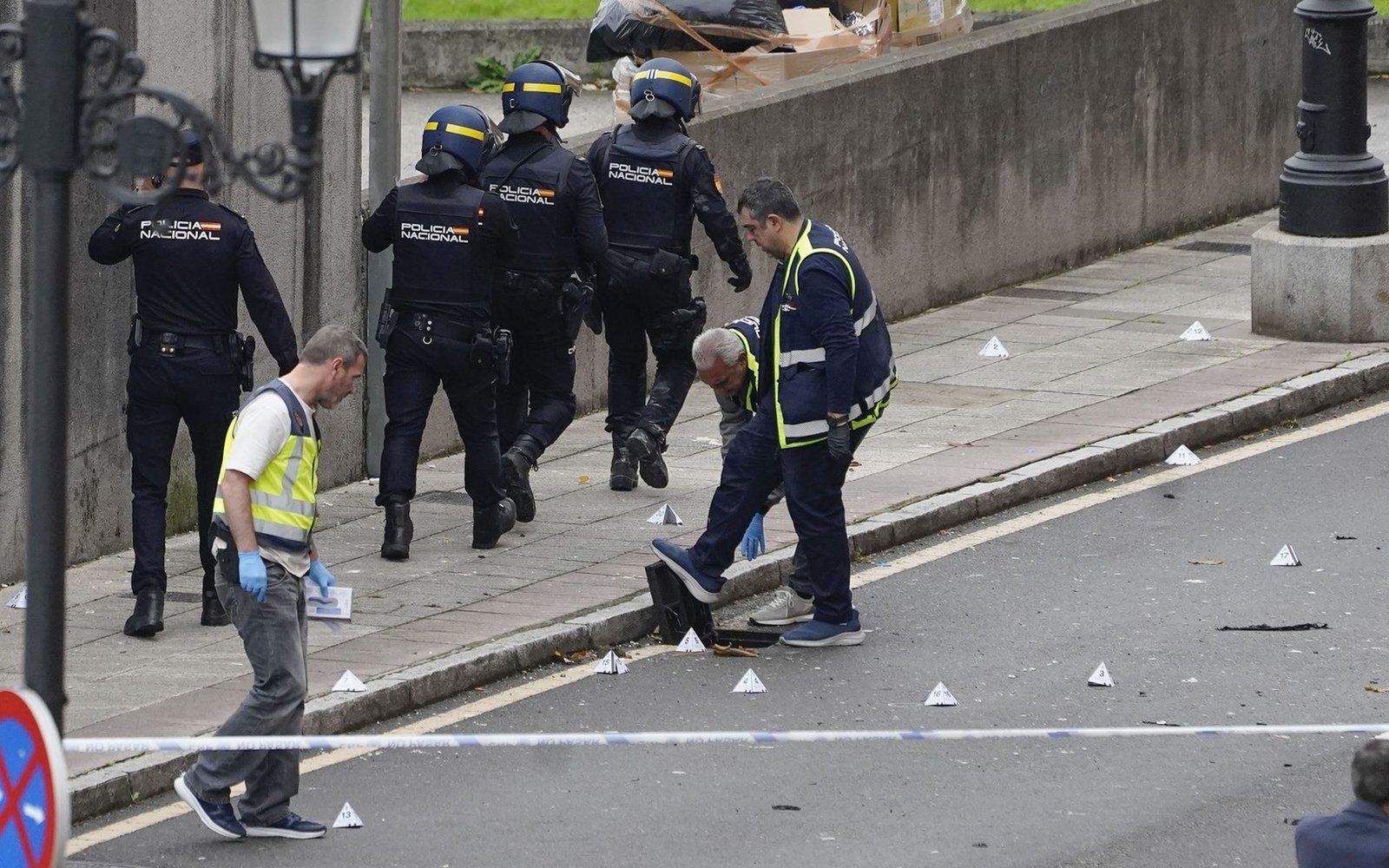
Police said they made 29 arrests across Spain in incidents linked to the strike, nine of them in Madrid. At the Mercamadrid wholesale market, the CCOO union said police used pepper spray against pickets and arrested one person, with 13 people needing medical attention. Police confirmed the arrest but did not confirm the use of pepper spray there, saying it had been used to disperse a separate picket line in the Carabanchel district.
Storms and an election 18 days away
Afternoon marches faced a second challenge from the weather, as storms Charles and Bruna prompted AEMET to issue alerts for 14 regions over strong winds, rough seas and heavy rain.
The strike comes 18 days before a snap election on 29 November. Prime Minister Pedro Sanchez hopes to turn voter anger over housing to his advantage, after calling the vote when parliament rejected decrees aimed at curbing evictions and easing rent pressures. It followed weeks of protests sparked by the eviction and subsequent death of an 87-year-old woman in Madrid.
Business leaders pushed back. Angela de Miguel, vice president of the employers’ lobby CEOE, called the strike counterproductive and said the answer was to build more homes and cut taxes on construction and house purchases.
Union leaders and many protesters said they hold both the central government and regional authorities responsible. With the campaign due to begin on 13 November, housing is now at the centre of the contest.