Tag: space technology

  • After 378 Days, NASA’s Simulated Mars Crew Steps Out

    After 378 Days, NASA’s Simulated Mars Crew Steps Out

    After 378 days sealed inside a simulated Mars habitat, a four-person crew has emerged from NASA’s second CHAPEA mission at the Johnson Space Center, completing one of the longest ground-based tests yet of life on another planet. The crew lived and worked inside Mars Dune Alpha, a 1,700-square-foot habitat built with 3D-printing technology, designed to feel as close as possible to a real base on Mars.

    The crew entered the habitat on 19 October 2025 and spent more than a year cut off from normal daily life. Their mission was to test how people cope with isolation, limited space, and the practical routines of a Mars expedition, so that NASA can learn what a real crew would need before anyone travels to the red planet.

    The four crew members were mission commander Ross Elder, science officer Matthew Montgomery, flight engineer James Spicer, and medical officer Ellen Ellis. Each had a defined role, mirroring the way a real Mars crew would divide responsibilities between command, science, engineering, and medicine.

    During their time inside, the crew grew crops in simulated Martian soil, carried out simulated Mars walks, and worked with NASA under communication delays similar to those that would affect messages between Earth and Mars. Because a signal takes many minutes to travel between the two planets, the crew had to plan their work carefully and solve problems without instant help from mission control.

    Daily life in the habitat was tightly structured. The crew followed exercise routines, maintained equipment, ran science experiments, and kept to a schedule designed to protect both their physical health and their mental wellbeing during more than a year of confinement with the same three colleagues.

    Speaking after emerging, the crew described the experience as a step towards a real human mission to Mars. Elder said the goal of putting people on Mars was achievable and, in his view, rather inevitable, while Ellis spoke about the importance of maintaining American leadership in space exploration.

    NASA says the lessons from CHAPEA will feed directly into planning for future deep-space missions. The agency aims to send astronauts to Mars as early as the 2030s, after first returning astronauts to the Moon for the first time since 1972. Missions like CHAPEA help engineers test habitats, food systems, and crew routines on Earth, where problems can be studied safely.

    The crew will now take part in two weeks of post-mission evaluations and debriefing, during which doctors and researchers will study how the year in isolation affected their health, sleep, teamwork, and performance. Those findings will shape the design of future habitats and the selection and training of crews for missions far beyond the Moon.
  • Pakistan to Host UN Space Technology Conference Oct 27

    Pakistan to Host UN Space Technology Conference Oct 27

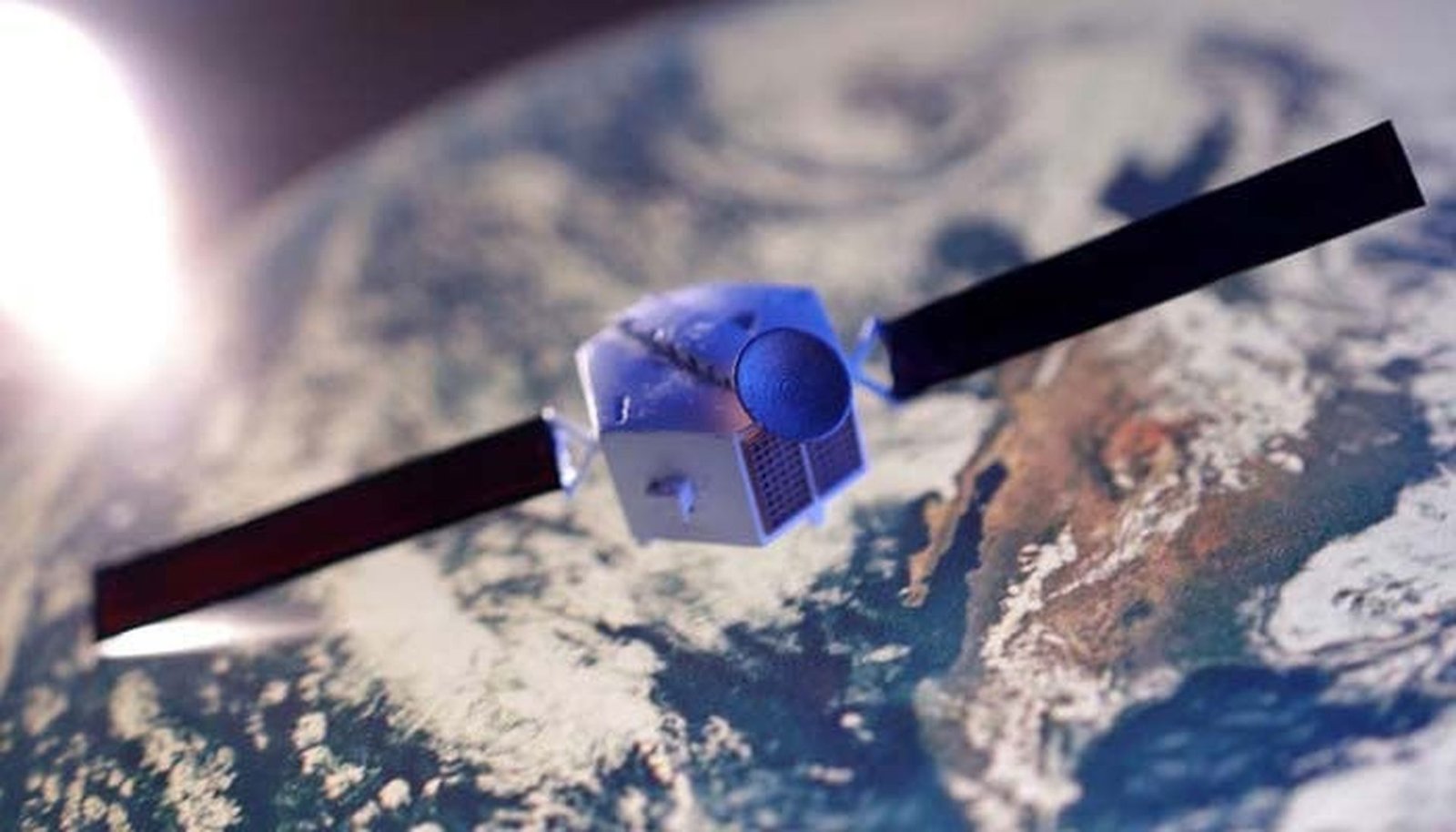
    Islamabad will host a major international conference on space technology later this month, as Pakistan’s space agency joins hands with the United Nations to explore how satellites can help protect communities from climate disasters.

    The Pakistan Space and Upper Atmosphere Research Commission (SUPARCO) is organising the United Nations-Pakistan International Conference on Leveraging Space Technology for Early Warning for All, Climate Action and Disaster Risk Assessment from October 27 to 31, 2026, at a hotel in the federal capital.

    The five-day event is co-sponsored by the United Nations Office for Outer Space Affairs (UNOOSA) through its UN-SPIDER programme, the Asia-Pacific Space Cooperation Organisation (APSCO) and the Inter-Islamic Network on Space Sciences and Technology (ISNET).

    Around 200 to 250 participants are expected to attend, including 60 to 70 international delegates and approximately 150 national participants. The gathering will bring together experts, policymakers, diplomats, educators, researchers, United Nations agencies, development organisations and representatives of the space industry for international cooperation, knowledge exchange and technical dialogue.

    Early warnings for all

    A central focus of the conference will be the United Nations’ Early Warnings for All (EW4All) initiative, which seeks to protect communities and critical infrastructure against climate-induced disaster events through effective early warning systems.

    Participants will examine how space-based technologies, satellite observations and geospatial data can strengthen early warning systems, improve disaster risk assessment and support climate action.

    Discussions will also explore the role of space technologies in disaster risk reduction, climate-resilient development and the monitoring of water resources, agriculture, forests and environmental change.

    The programme will feature high-level leadership dialogues, technical sessions, expert panel discussions and presentations on disaster risk assessment, climate intelligence, geospatial technologies and emerging tools such as GeoAI.

    One of the key themes will be shifting disaster management from reactive responses towards proactive risk assessment, preparedness and early action – a shift experts say is becoming urgent as floods, heatwaves and other extreme weather events grow more frequent across South Asia.

    Pakistan has faced some of the region’s worst climate-driven disasters in recent years, and officials say stronger satellite-based monitoring could give authorities vital extra hours to warn vulnerable communities and protect critical infrastructure before disaster strikes.