Tag: Space Exploration

  • Pakistani Astronaut to Become First Foreigner on Tiangong

    Pakistani Astronaut to Become First Foreigner on Tiangong

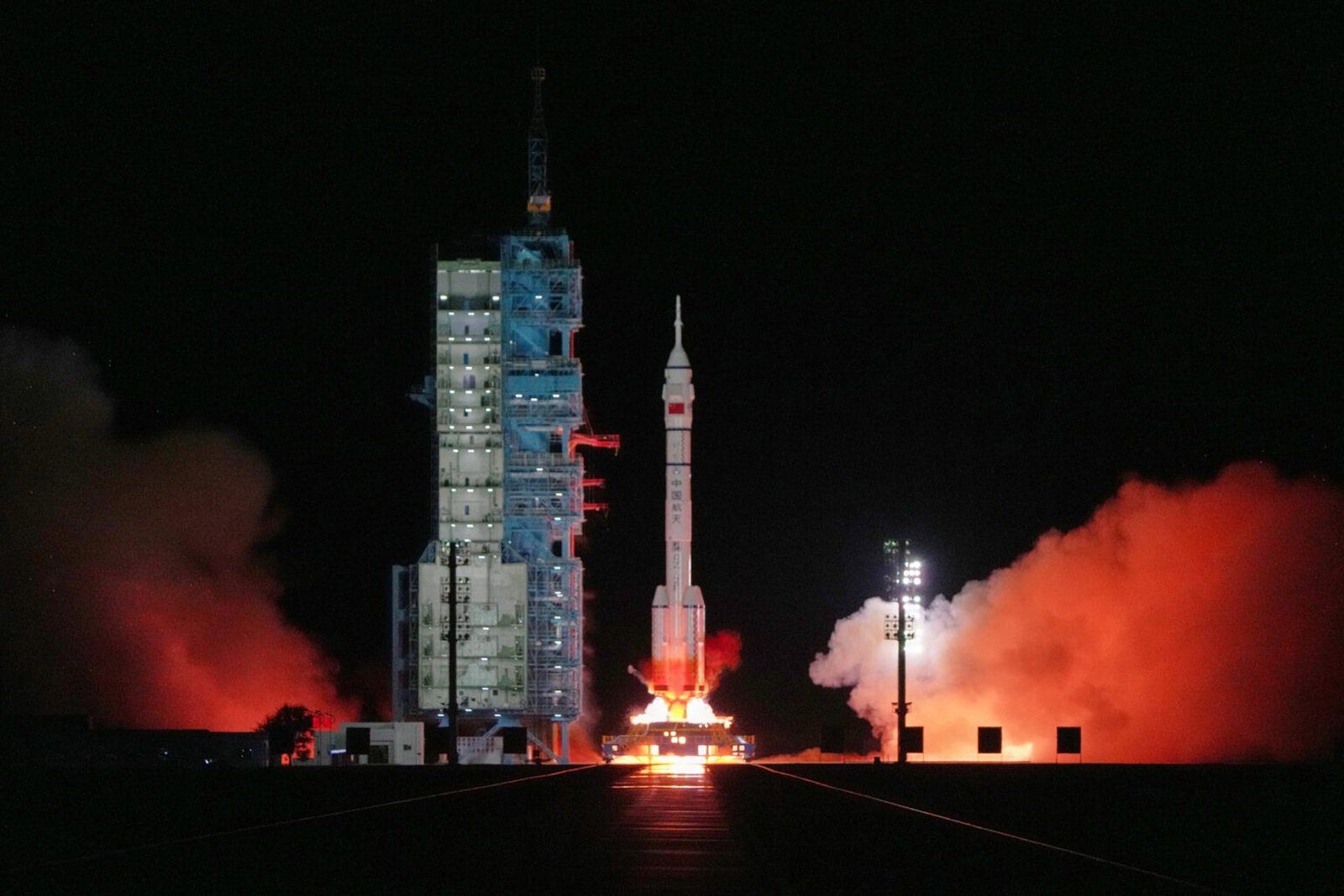
    China has confirmed that a Pakistani astronaut will fly to its Tiangong space station, in a mission that will make him the first foreign national ever to visit the Chinese outpost. The China Manned Space Agency announced on Saturday, November 7, that the astronaut will travel aboard the Shenzhou-24 spacecraft as a payload specialist, marking the first time China’s crewed space programme has flown a foreign astronaut.

    According to China’s official news agency Xinhua, the astronaut will spend a short period in orbit carrying out scientific work before returning to Earth aboard the Shenzhou-23 spacecraft, which has been docked at the station since May. Reports suggest the stay will last about a week, although the agency has not given an exact duration.

    China has not yet named the astronaut who will make the flight. Two Pakistani pilots have been training for the mission in Beijing: Muhammad Zeeshan Ali, a Pakistan Air Force pilot, and Khurram Daud, a Pakistan Navy pilot. The pair were selected in April after a three-stage selection process and have been training at the China Astronaut Research and Training Center, where their programme has included intensive Chinese language instruction alongside hands-on operational training.

    The flight follows a cooperation agreement signed by China and Pakistan in February 2025, under which Pakistan’s space agency, SUPARCO, and the China Manned Space Agency agreed to work together on astronaut selection, training and participation in Chinese space station missions. Pakistan became the first foreign country to take part in the programme in this way.

    No launch date has been confirmed by Beijing. Pakistan’s Planning Minister, Ahsan Iqbal, has pointed to November 25 as the target date, but Chinese officials have not confirmed it. The mission is expected to take place before the end of the year.

    The Pakistani astronaut will carry out scientific experiments during the stay. According to Pakistani space officials, four biotechnology experiments were selected from more than 300 proposals submitted by universities in Karachi, Lahore and Islamabad. Pakistan’s first lunar satellite, ICUBE-Q, flew aboard China’s Chang’e-6 mission in 2024, and the crewed flight is the next step in a space partnership that has grown steadily in recent years.

    For Pakistan, the mission is a historic first: no Pakistani citizen has flown into orbit before. For China, it is the first time a foreign astronaut has joined one of its crewed missions, a milestone that comes as Beijing prepares for its first crewed landing on the Moon by 2030.
  • After 378 Days Inside Fake Mars, Crew Steps Out

    After 378 Days Inside Fake Mars, Crew Steps Out

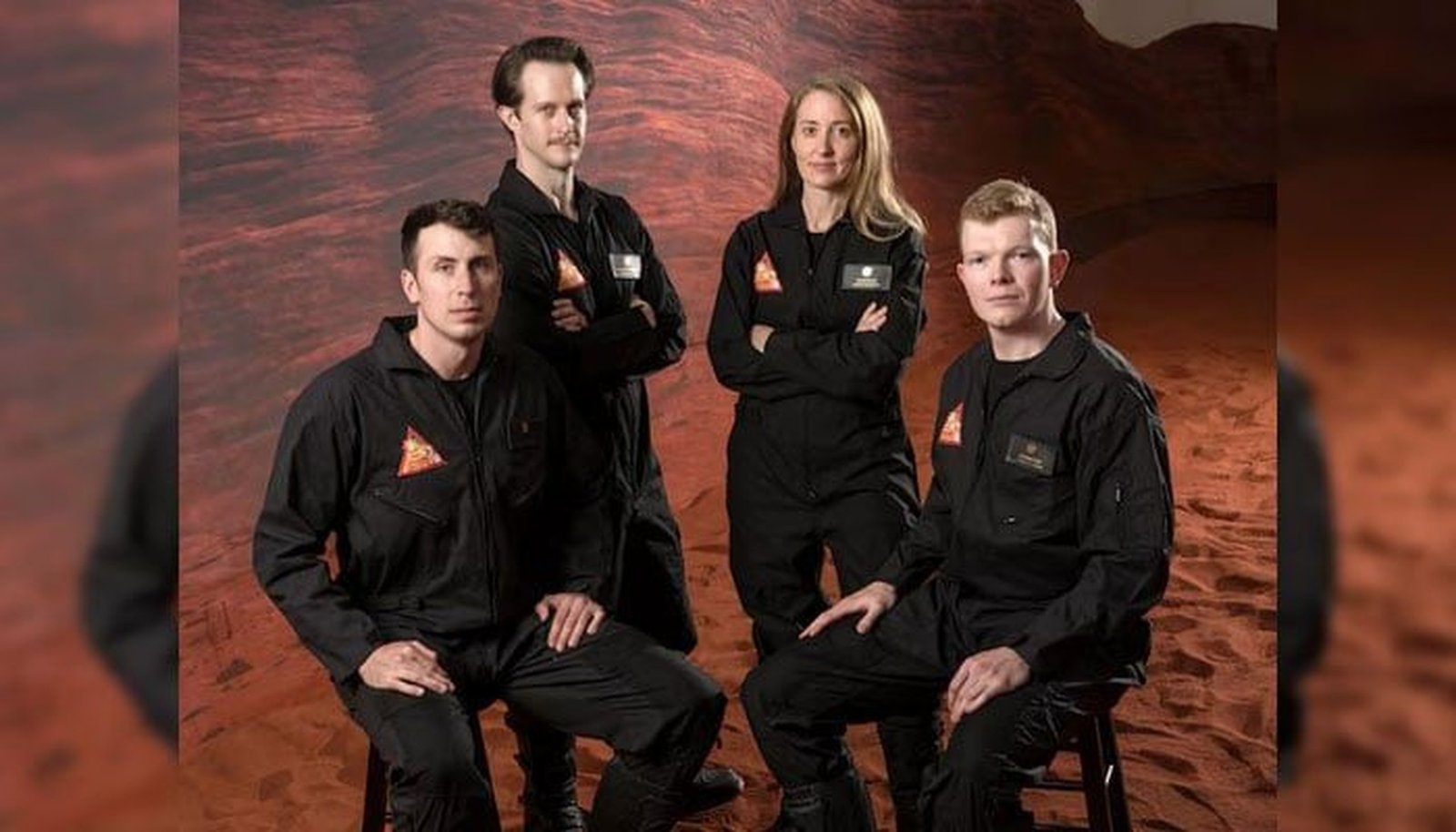
    A year-long experiment in living like Mars explorers has come to an end in Texas, where four volunteers walked out of a sealed, 3D-printed habitat after 378 days inside. The mission, run by NASA at its Johnson Space Center in Houston, was designed to learn how people cope, work and stay healthy when a real journey to Mars would keep them far from home for months at a time.

    The crew entered the habitat, known as Mars Dune Alpha, on 19 October 2025. The structure covers about 1,700 square feet and was built to feel like a small base on another world, with private sleeping quarters, shared living space and work areas. For more than a year, the four lived and worked there without stepping outside into normal life, following a daily routine shaped by the demands of a simulated planetary mission.

    Who spent a year inside

    The team was made up of commander Ross Elder, medical officer Ellen Ellis, science officer Matthew Montgomery and flight engineer James Spicer. Together they formed the second crew of NASA’s Crew Health and Performance Exploration Analog programme, usually shortened to CHAPEA. A first crew had already completed a similar 378-day stay in 2024, and further simulated missions are planned as part of the same programme.

    Inside the habitat, the crew carried out a wide range of tasks. They grew crops in material intended to imitate Martian soil, practised simulated spacewalks, looked after their equipment and kept the base running day by day. Messages to mission control were deliberately delayed, so the team had to practise making decisions on their own rather than waiting for instant instructions, much as a real Mars crew would when signals take many minutes to travel between planets.

    Why NASA runs the experiment

    Researchers are interested in more than the technical side of the mission. Living in a small, closed space for a full year tests sleep, mood, teamwork, appetite and physical health, as well as how people handle routine, isolation and limited contact with the outside world. The data gathered during the stay is expected to help planners design better habitats, schedules and support systems for long journeys in deep space.

    NASA has explored Mars with robotic rovers and orbiting spacecraft, and it has stated an ambition to send astronauts to the planet as early as the 2030s, after first returning people to the Moon. A simulated mission cannot reproduce the lower gravity or radiation of a real Mars trip, but it can reveal practical problems early, from food production and water use to the way a small group resolves disagreements under pressure.

    Speaking after emerging on Saturday 31 October, Ellis described the experience as an intense year spent willingly in confinement, and stressed that the window for keeping the United States at the forefront of space exploration should not be missed. Her remarks underlined a wider point made throughout the programme: the hardest part of a Mars journey may not be the rocket, but keeping a healthy, effective crew together for the whole voyage.

    The end of this mission does not close the programme. NASA plans further long simulations, including another Mars simulation and work linked to lunar missions, so that lessons from this crew can be tested again with different teams and improved designs. For now, the four volunteers return to ordinary life after a year in which their home was a printed habitat, their sky was a ceiling, and their nearest neighbours were mission controllers speaking through a time delay.