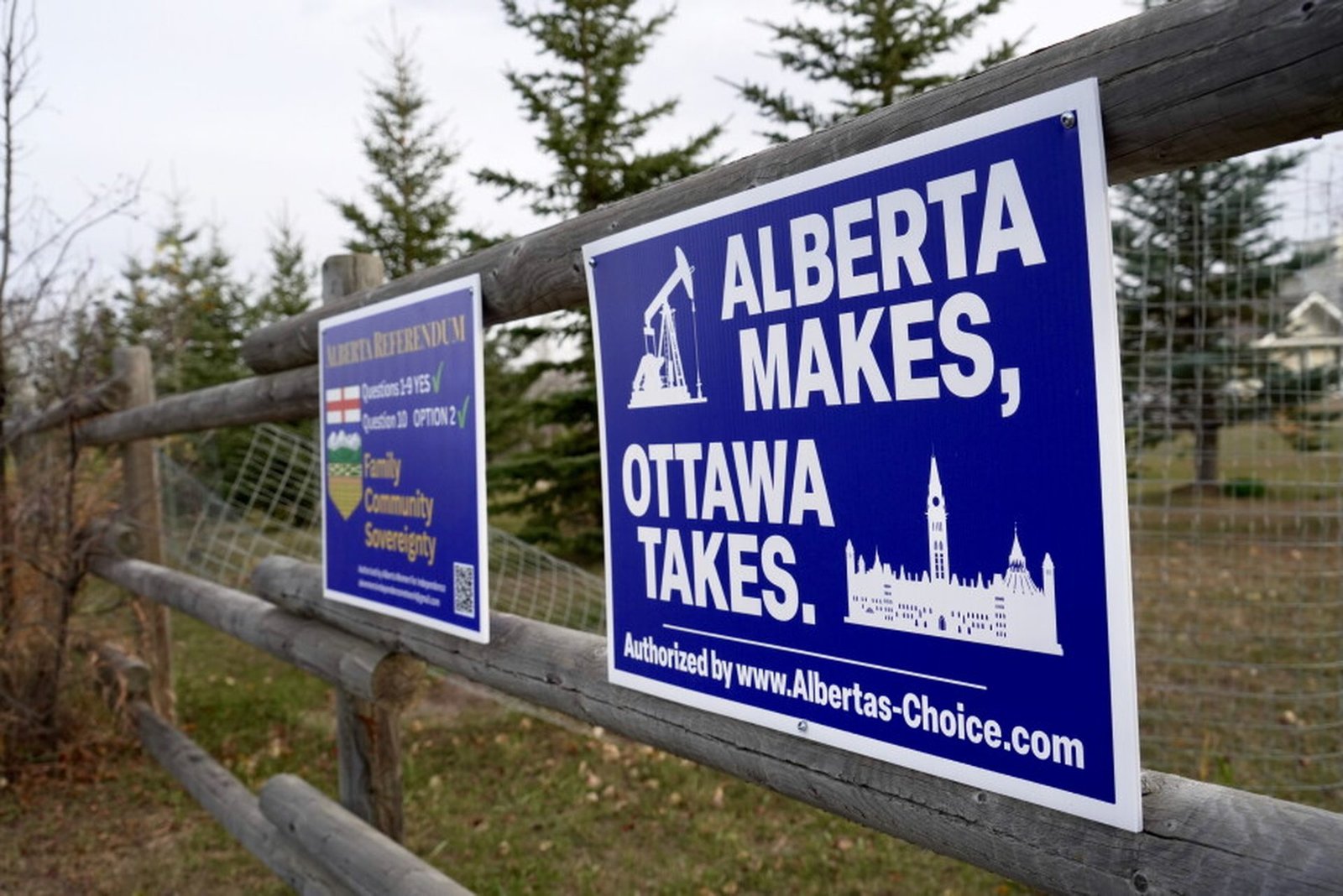
Tag: Referendum

  • President House: No Provinces Talk in Zardari-Naqvi Meeting

    President House: No Provinces Talk in Zardari-Naqvi Meeting

    The President House on Friday rejected media reports that President Asif Ali Zardari and Interior Minister Mohsin Naqvi discussed the creation of new provinces during their meeting in Nawabshah a day earlier, saying the talks focused on national security and the regional situation.

    In a statement, the President House said the reports suggesting that provincial matters were discussed during the meeting were incorrect. “Matters concerning national security and the regional situation were discussed during the meeting. However, no discussion took place on matters related to provinces,” the statement said.

    The clarification came after several media reports claimed that the president and the interior minister had discussed the possibility of creating new provinces during their meeting at Zardari House in Nawabshah on Thursday night. No official handout had been issued following the meeting, which fuelled speculation about what was discussed.

    Naqvi had travelled to Nawabshah on a special aircraft for the meeting, which reportedly lasted nearly an hour. He flew in hours after publicly calling for a referendum on the creation of new provinces, saying surveys and public discussion appeared to indicate support for the idea and that the people should formally settle the question.

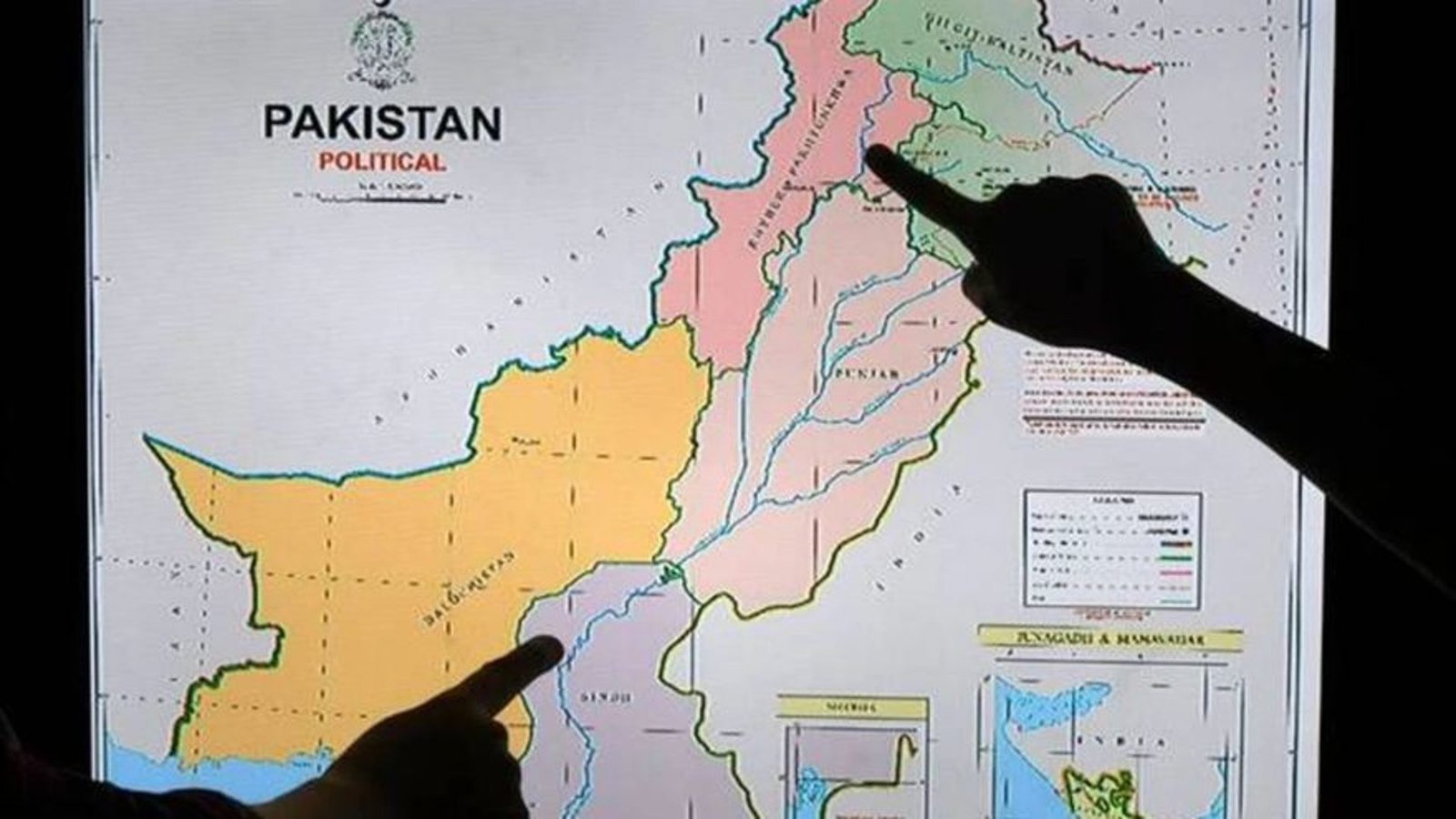
    The debate over creating new provinces as part of a broader restructuring of the system gained momentum on July 31, when Naqvi called for additional administrative units or provinces to overhaul what he described as the country’s outdated governance system. The proposal has since drawn sharply divided reactions from political parties.

    The Pakistan Peoples Party, which the president belongs to, has opposed any division of Sindh, while other parties have either backed a referendum or called for the matter to be decided through parliament. A referendum alone cannot create a province under the Constitution, and any change would require a constitutional amendment passed by parliament.

    The President House statement gave no further details of the discussion on national security and the regional situation, and it did not mention the referendum proposal. The meeting had taken place against the backdrop of the interior minister’s renewed push for a public vote on new administrative units, which he has argued would improve governance and bring administration closer to the people.

    Officials familiar with the meeting had earlier told reporters that the two leaders discussed matters of mutual interest, but the absence of an official statement after the talks led to conflicting accounts in the media about whether the provinces issue came up. Friday’s clarification put the presidency’s position on record, stating plainly that no discussion relating to provinces took place.
  • 77% Pakistanis Want New Provinces, Survey Finds

    77% Pakistanis Want New Provinces, Survey Finds

    Seventy-seven per cent of Pakistanis support the creation of additional provinces, according to a new nationwide survey, which found that support has risen sharply over the past four years.

    The Meridian National Barometer 2026, conducted by Meridian Analytics among 5,000 citizens, found that 77 per cent of respondents backed the creation of new provinces. Support stood at 54 per cent in 2022 and rose to 66 per cent in 2024 before reaching 77 per cent in the latest survey, a rise of 23 percentage points since 2022. The findings were reported by Dunya News on Friday.

    The survey found substantial backing for additional provinces in all four existing provinces. Sindh recorded the highest support at 80 per cent, followed by Punjab at 78 per cent, Khyber Pakhtunkhwa at 75 per cent and Balochistan at 72 per cent. Karachi stood out with 92 per cent support, one of the strongest figures in the survey.

    According to the report, the survey was conducted between October 12 and November 4, 2026, and covered 5,000 adults aged 18 to 64. The sample included 1,200 respondents in Sindh, 2,000 in Punjab, 1,000 in Khyber Pakhtunkhwa and 800 in Balochistan.

    The survey found rising demand for new provinces including South Punjab, Bahawalpur and Hazara, according to the Dunya News summary of the findings. Supporters of new provinces argue that smaller administrative units would improve governance, bring public services closer to the people and speed up development.

    The findings come at a time when the creation of new provinces is being actively debated in Pakistani politics. Interior Minister Mohsin Naqvi has called for a referendum on the creation of new provinces, saying that if the public does not support the proposal, he would also oppose it. He urged political parties to review public opinion polls on the issue, saying surveys indicate growing public support.

    Rana Sanaullah has said that parliament would decide on the creation of new provinces even if a referendum were held. Under Article 239(4) of the Constitution, a constitutional amendment altering the limits of a province cannot be presented to the President for assent unless it has been passed by the provincial assembly of the affected province with at least two-thirds of its total membership.

    The debate over new provinces has continued for years, with proposals put forward at different times for South Punjab, Bahawalpur, Hazara and Karachi as separate provinces. Supporters say the present four provinces are too large to govern effectively, while critics argue that the focus should be on strengthening local government instead.

    The survey findings do not by themselves create any new province, and any change would require a constitutional amendment with the support of parliament and the provincial assembly concerned. The Meridian survey presents public opinion only, and its results are likely to feature in the continuing political debate over the issue.

  • Parliament to Decide on New Provinces Even if Referendum Held: Rana Sanaullah

    Parliament to Decide on New Provinces Even if Referendum Held: Rana Sanaullah

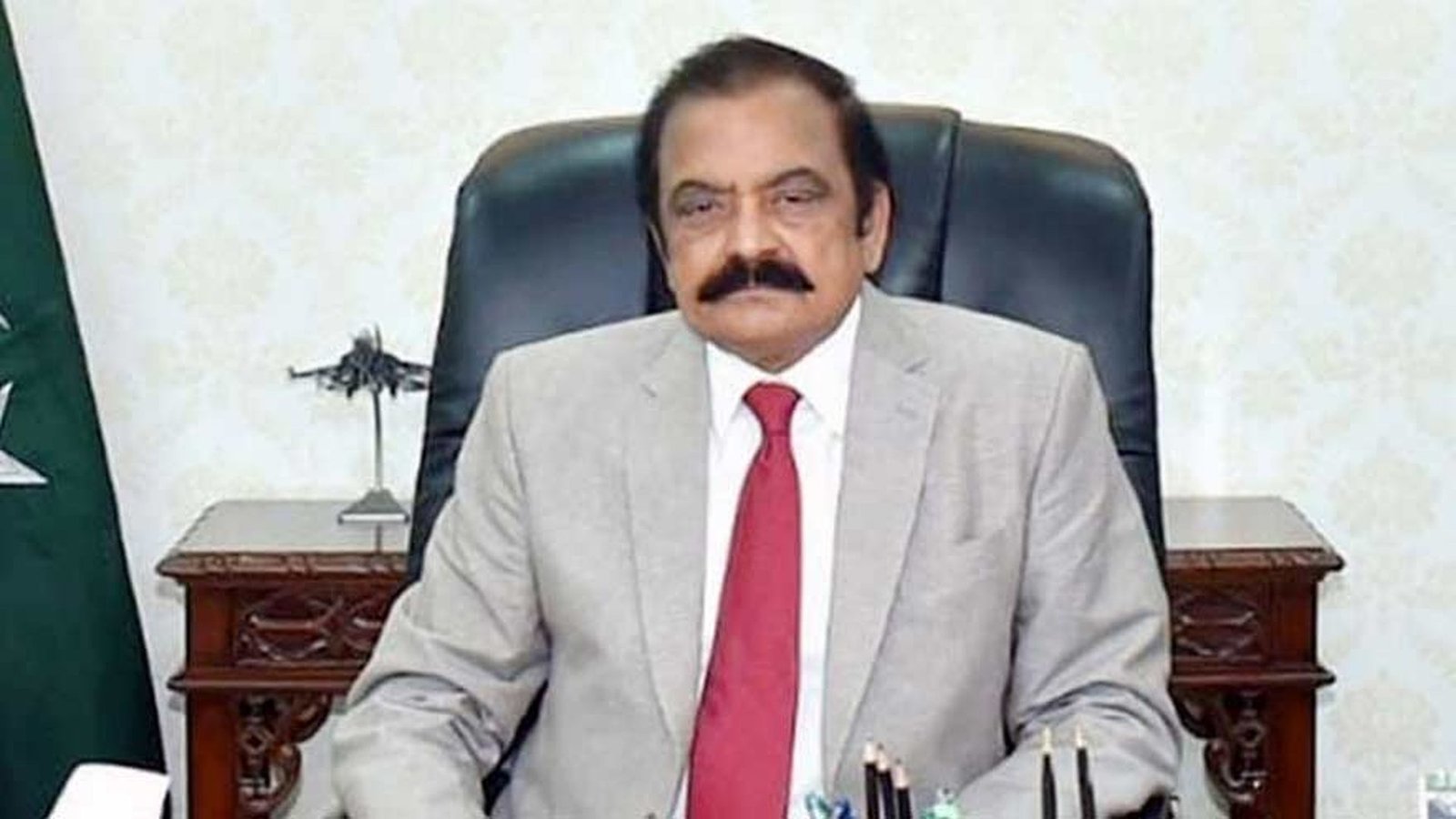
    Prime Minister’s Adviser Rana Sanaullah has said that parliament would have the final say on the creation of new provinces, even if a referendum was held on the issue, according to a Dunya News report published on Friday.

    Speaking to a private television channel, Sanaullah said the question of who would hold such a referendum also remained unresolved, adding that the process would have to be conducted by parliament.

    He said the issue had not yet been taken up by parliament. Once it was brought before the house, he said, a policy statement would be issued, followed by a debate on the matter.

    Sanaullah has made the same point in television appearances earlier in the week, telling Geo News that parliament was the appropriate forum to decide whether a referendum was necessary and what question would be put before voters. His remarks come after Interior Minister Mohsin Naqvi called for a referendum on the creation of new provinces, a proposal linked in media reports to a possible 28th Constitutional Amendment.

    Meetings with Imran Khan

    Commenting on meetings with Pakistan Tehreek-i-Insaf (PTI) founder Imran Khan, Sanaullah said both of the former prime minister’s lawyers had met him, but their conduct in the coming days would determine whether further meetings could take place.

    He said the lawyers had spoken about political matters after their meeting, a development that could complicate arrangements for future meetings. The Islamabad High Court has directed Imran Khan’s lawyers to avoid political discussions after jail meetings, and the matter has been reported separately.

    Sanaullah said the PTI had announced a long march and that efforts had been made to persuade the party, with assurances given on various matters. He added that restrictions on meetings with Imran Khan had been imposed because the party was using them for political purposes.

    No constitutional amendment on new provinces has been tabled, and no referendum has been scheduled. The proposal remains at the discussion stage, with the government saying any decision would have to go through parliament.

  • Naqvi Proposes Referendum on New Provinces in Pakistan

    Naqvi Proposes Referendum on New Provinces in Pakistan

    LAHORE: Federal Interior Minister Mohsin Naqvi has proposed holding a public referendum on the creation of new provinces in Pakistan, saying the decision should rest with the people rather than with political parties alone.

    Speaking to the media at the National Cyber Crime Investigation Agency (NCCIA) in Lahore on Thursday, 12 November, Naqvi said seeking public opinion was the “best solution” to the debate over new provinces, and that the views of all political parties were necessary. “If the people say new provinces should not be created, then I am with the people,” he said.

    The interior minister said surveys were being conducted on the issue and, according to him, people were demanding new provinces. He said that since all sides spoke of democracy and the supremacy of the people, the question should be put to a public vote. “Let us hold a referendum and give people what they want. The people are supreme,” he said.

    Naqvi and Bilawal ‘on the same page’ on a reset

    Referring to his discussions with Pakistan Peoples Party (PPP) Chairman Bilawal Bhutto Zardari, Naqvi said both were on the same page regarding the need for fundamental changes in the existing system, although their approaches differed. “Bilawal spoke about resetting political matters, whereas I am proposing a reset of the entire system,” he said.

    Bilawal had addressed a ceremony in Larkana on Monday, where he called for a “political reset” rather than new provinces amid the country’s prevailing economic hardships. The PPP strongly opposes the creation of new provinces in Sindh, and the Sindh Assembly has passed a resolution rejecting any division of the province. Naqvi said all parties, including the PPP and the Pakistan Muslim League-Nawaz (PML-N), were important for the government, and nothing would be decided through disagreement.

    The 12-province proposal

    Naqvi’s remarks come amid reports that a proposal to reorganise Pakistan into 12 provinces is under consideration, with a nationwide referendum envisaged ahead of a possible 28th Constitutional Amendment. The News reported that the proposed arrangement could see Punjab divided into four provinces, Khyber Pakhtunkhwa and Balochistan into three each, and Sindh into two.

    Sources familiar with the proposal said the amendment could be considered in the first half of 2027. However, no final decision has been taken regarding provincial boundaries, administrative structures or the constitutional process. The report said the aim was better governance, decentralised authority and a more equitable distribution of development resources.

    Earlier, Defence Minister Khawaja Asif had backed the creation of new provinces, saying even 12 could be considered, provided they are established on administrative rather than ethnic or political grounds. He said in Sialkot on Sunday that the proposal had been under discussion for two months.

    NCCIA measures announced

    Naqvi was speaking during a visit to the NCCIA, where he also announced measures to strengthen the agency. He said its complaint cell is being moved onto the Pak ID platform, that he would brief the prime minister on the agency’s resources next week, and that staff numbers will be increased — the agency has only 61 personnel in Punjab. He said the NCCIA had arrested 15 suspects over the past month in operations against online pornography, and had uncovered an alleged international examination fraud. He added there was zero tolerance for those who blackmail girls online.

  • Referendum on New Provinces? Naqvi Says Let the People Decide

    Referendum on New Provinces? Naqvi Says Let the People Decide

    Interior Minister Mohsin Naqvi has called for a referendum on the creation of new provinces in Pakistan, saying the decision should rest with the people rather than with politicians alone. Speaking to the media in Islamabad on Thursday, he said that if the public did not support the proposal, he would oppose it himself.

    Naqvi urged political parties to look at public opinion surveys on the issue, arguing that the polls point to growing support for new provinces. He did not cite any specific survey or share figures, but said the direction of public opinion was clear enough for political parties to take the question seriously.

    The creation of new provinces has been debated in Pakistan for years. Supporters of the idea argue that smaller administrative units are easier to govern and bring government closer to the people, while critics warn about the cost and complexity of redrawing provincial boundaries. No government has so far put the question to a public vote.

    Naqvi also commented on Pakistan Peoples Party Chairman Bilawal Bhutto-Zardari’s recent remarks about the need for a political reset in the country. The interior minister said he personally believed that all aspects of the system needed to be set right. “My opinion is the same as Mr Bilawal Bhutto’s. The entire system needs to be put right,” he said.

    On the issuance of notices to people associated with Jamiat Ulema-e-Islam (JUI-F), Naqvi said notices had so far been issued to six or seven people. He clarified that JUI-F chief Maulana Fazlur Rehman had not received any notice.

    Addressing concerns about corruption, the interior minister said it would be wrong to claim that corruption did not exist in the country. “With due respect, corruption does exist. Wherever corruption is found, it must be acknowledged and addressed,” he said.

    Naqvi also gave an assurance about Pakistan Tehreek-e-Insaf founder Imran Khan, saying he would be granted all the legal rights to which he was entitled.

    The interior minister did not announce any date or formal process for a referendum. His remarks put the question of new provinces back into public debate, but any such vote would require a political consensus and a legal framework before it could take place.

  • البرٹا ریفرنڈم: کینیڈا سے علیحدگی کی تحریک ناکام

    البرٹا ریفرنڈم: کینیڈا سے علیحدگی کی تحریک ناکام

    ایڈمنٹن: کینیڈا کے تیل سے مالا مال صوبے البرٹا کے ووٹروں نے ملک سے علیحدگی کی تحریک کو بھاری اکثریت سے مسترد کرتے ہوئے کینیڈا کے ساتھ اتحاد کا فیصلہ کیا ہے۔ منگل کو جاری ہونے والے غیر حتمی نتائج کے مطابق تقریباً 18 لاکھ گنے گئے ووٹوں میں سے 76 فیصد ووٹروں نے البرٹا کے کینیڈا کا صوبہ رہنے کے حق میں ووٹ دیا، جبکہ 24 فیصد نے علیحدگی کی جانب بڑھنے کے عمل کی حمایت کی۔

    یہ ووٹ آزادی پر براہِ راست ریفرنڈم نہیں تھا بلکہ غیر پابند تھا؛ اگر یہ منظور ہوتا تو البرٹا کو مستقبل میں علیحدگی کے سوال پر باقاعدہ ریفرنڈم کی جانب لے جاتا۔ اس نتیجے کو وزیرِاعظم مارک کارنی کے قومی اتحاد کی کوششوں کے لیے ایک بڑی کامیابی قرار دیا جا رہا ہے، کیونکہ کینیڈا کو اس وقت امریکہ کے ساتھ تجارتی جنگ اور امریکی صدر ڈونلڈ ٹرمپ کی جانب سے کینیڈا کو امریکی ریاست بنانے کے دعوؤں جیسے دباؤ کا سامنا ہے۔

    “یہ کینیڈا کے لیے ایک بہترین نتیجہ ہے کہ البرٹا کے شہریوں نے اتحاد کا انتخاب کیا،” کارنی نے اوٹاوا میں کابینہ اجلاس سے قبل صحافیوں سے گفتگو میں کہا۔ انہوں نے مزید کہا: “البرٹا کے شہریوں نے واضح فیصلہ کیا ہے۔ انہوں نے اتحاد، مل کر تعمیر اور ایک دوسرے کا خیال رکھنے کو منتخب کیا۔”

    سیاسی رہنماؤں کے ردعمل

    وزیرِاعظم کارنی نے منگل کو البرٹا کی وزیرِاعلیٰ ڈینیئل سمتھ سے بھی ٹیلی فون پر گفتگو کی جس میں امیگریشن سمیت وفاقی و صوبائی تعاون بڑھانے پر بات ہوئی۔ کارنی کا کہنا تھا کہ ان کی پہلی ترجیح البرٹا میں کینیڈین فورسز بیس وین رائٹ میں فوجی تربیتی مشقوں کے دوران ہونے والے مہلک حادثے کے متاثرین اور ان کے خاندانوں کی مدد ہے۔

    وزیرِاعلیٰ ڈینیئل سمتھ، جو علیحدگی کی مخالف ہیں لیکن اپنی پارٹی میں علیحدگی پسندوں کے دباؤ پر ریفرنڈم کا انعقاد کر چکی ہیں، نے نتائج کا خیرمقدم کیا اور سوشل میڈیا پر لکھا کہ “البرٹا کے شہریوں نے متحد کینیڈا میں ایک مضبوط البرٹا کے لیے ووٹ دیا ہے۔”

    دوسری جانب علیحدگی پسند رہنماؤں نے ہار نہیں مانی۔ البرٹا پراسپرٹی پروجیکٹ کے رہنما جیفری ریتھ نے کہا کہ آزاد البرٹا کے لیے ان کی تحریک “ہرگز” نہیں رکے گی۔

    اہمیت اور پس منظر

    البرٹا کے پاس دنیا کے چوتھے بڑے ثابت شدہ تیل کے ذخائر ہیں، اور علیحدگی کی تحریک کو زیادہ تر تیل کی صنعت کے انتظام پر وفاقی حکومت سے ناراضی نے ہوا دی۔ سمتھ نے کارنی کے پیشرو جسٹن ٹروڈو کو علیحدگی پسندی کی آگ بھڑکانے کا ذمہ دار ٹھہرایا ہے اور ان پر موسمیاتی ایجنڈے کے نام پر تیل کی پیداوار دبانے کا الزام لگایا۔

    البرٹا کی آزادی کی تحریک کو صدر ٹرمپ کے قریبی اتحادیوں کی توجہ بھی ملی۔ امریکی وزیرِ خزانہ اسکاٹ بیسنٹ نے البرٹا کو واشنگٹن کا “قدرتی شراکت دار” قرار دیا، جبکہ ایلون مسک نے سوشل میڈیا پر لکھا کہ البرٹا کو “علیحدہ ہو جانا چاہیے۔” ٹرمپ کی تجارتی جنگ اور کینیڈا کو 51ویں امریکی ریاست بنانے کے دعوؤں نے کینیڈین شہریوں کو اپنے ملک کے گرد متحد ہونے میں مدد دی ہے۔

    ریفرنڈم کے نتائج میں تاخیر ہوئی کیونکہ پیر کو 100 سے زائد پولنگ اسٹیشنز پر دیر سے آغاز کے باعث ووٹنگ کے اوقات بڑھائے گئے۔ انتخابات البرٹا کے سرکاری نتائج 29 اکتوبر کو جاری کیے جائیں گے۔