Tag: Qatar

  • Iran Rules Out US Talks, Hormuz Stays Shut

    Iran Rules Out US Talks, Hormuz Stays Shut

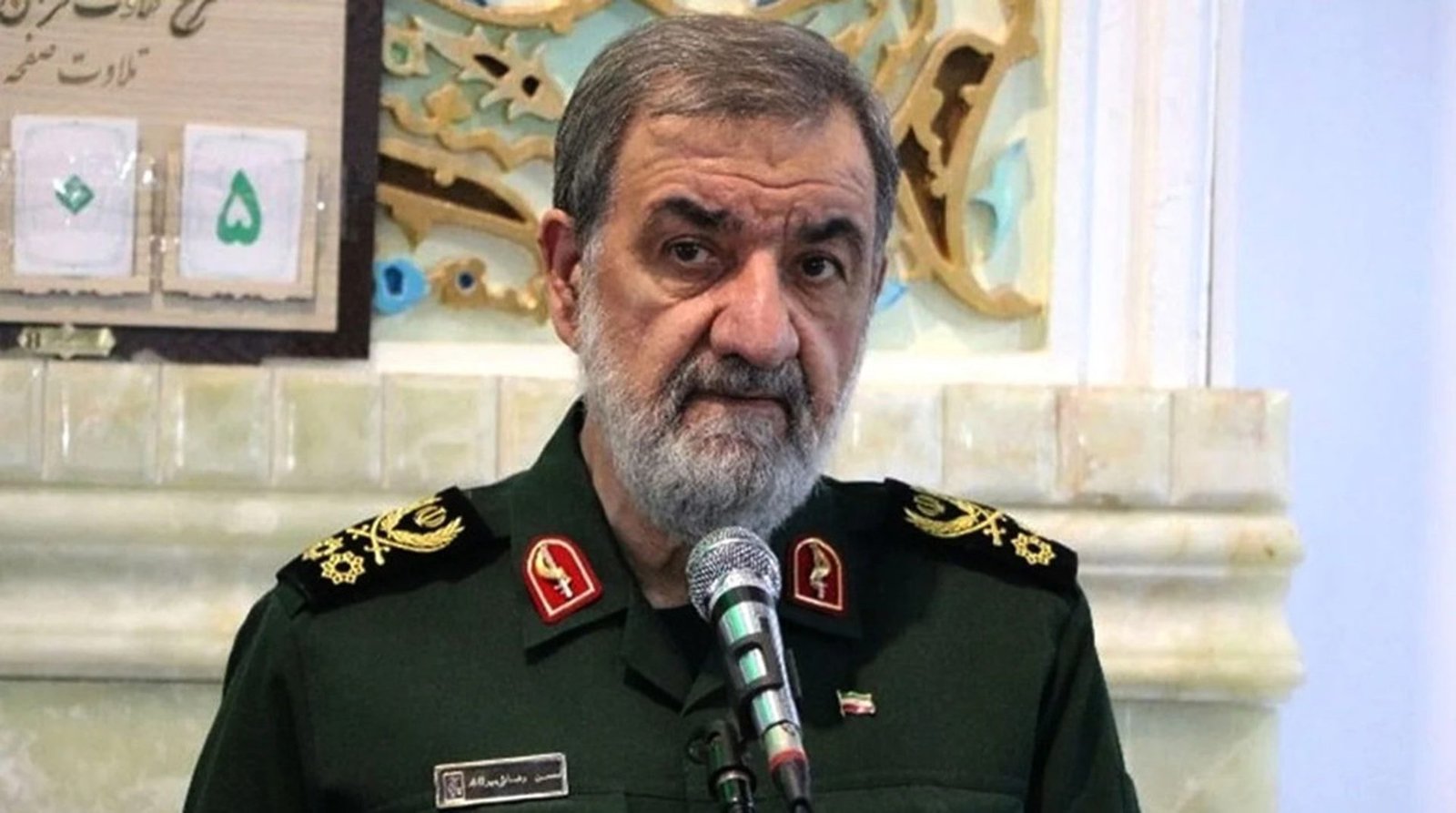
    Iran’s top security official has said there are currently no negotiations taking place between Tehran and Washington, rejecting American claims that talks are continuing through Qatari mediators. Major General Mohsen Rezaei, secretary of Iran’s Supreme National Security Council, made the remarks in an interview with Al-Mayadeen, a broadcaster close to Tehran’s allies, on Tuesday.

    General Rezaei said the Americans were fabricating claims about continuing negotiations or a meeting in Qatar, describing them as “pure lies” aimed at easing economic pressure and lowering global oil prices. “I emphasize that at the present moment, we are not conducting any negotiations with the Americans, and there are no negotiations between us and Washington,” he said.

    He said Iran had set out seven conditions in a June interim agreement and had asked the United States for a “clear and explicit” response, but had not yet received one. Until those conditions are fully met, he said, the Strait of Hormuz will not be reopened. The strait carries about one-fifth of the world’s oil under normal conditions and has been largely closed to commercial shipping since Iran declared it shut in late October.

    Iran’s foreign minister, Abbas Araghchi, also dismissed reports that General Rezaei could meet US Vice President JD Vance, calling them “baseless speculations”. “These speculations and media reports are entirely baseless, and there are no plans to hold such a meeting,” he told the state news agency IRNA on Tuesday.

    The Iranian statements came a day after President Donald Trump met Qatar’s prime minister, Mohammed bin Abdulrahman Al Thani, in Washington. Mr Trump said on Monday that the war on Iran was “effectively over” and that a resumption of American strikes was unlikely, although he warned that US forces remained ready to act if needed. The Qatari prime minister had expressed optimism about discussions aimed at restoring regional peace.

    Iran has put forward a two-day proposal, conveyed through Qatari mediators, that calls for reopening the strait to commercial shipping within 48 hours of Washington meeting Tehran’s conditions. For now, though, the two sides are describing the situation very differently. Pakistan’s military said last week it was “cautiously optimistic” about mediation efforts, after its army chief visited Tehran twice this month alongside Saudi and Turkish officials.

  • Qatar Proposes 48-Hour Deal to End US-Iran Conflict

    Qatar Proposes 48-Hour Deal to End US-Iran Conflict

    A new diplomatic opening has emerged in the long-running confrontation between the United States and Iran, with Qatar putting forward a plan that its backers hope can pull both sides back from the edge of a wider war. The proposal, reported by foreign media on Saturday, sets out a short sequence of reciprocal steps designed to rebuild a minimum of trust before the two countries return to the negotiating table.

    What the two-day plan involves

    Under the formula, the first day would see the United States lift its naval blockade of Iran and release a portion of Tehran’s frozen assets, estimated at around $8 billion. In return, Iran would invite inspectors from the International Atomic Energy Agency (IAEA) to visit nuclear facilities damaged in earlier American strikes, including sites that hold its stockpile of highly enriched uranium. On the second day, Iran would reopen the Strait of Hormuz to international shipping.

    The arrangement would then clear the way for broader negotiations on Iran’s nuclear programme, with the future of its enriched uranium stockpile at the centre of the talks. According to the Associated Press, Iran holds 440.9 kilograms of uranium enriched to 60 percent purity. Crucially, the Qatari plan does not require Tehran to send that stockpile out of the country; reducing its enrichment level through a process known as down-blending is among the options under discussion.

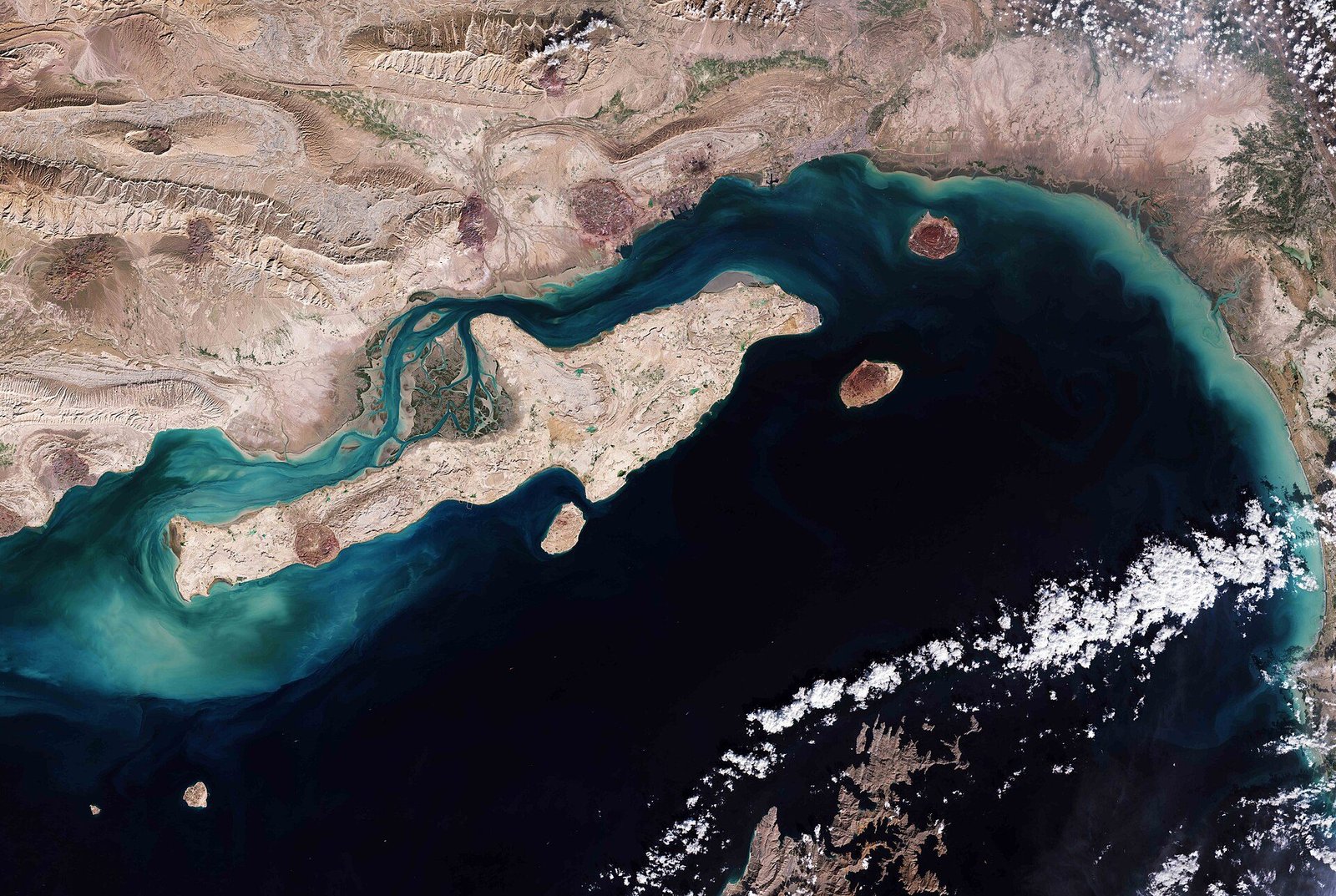
    The stakes extend well beyond the two capitals. The Strait of Hormuz carries roughly a fifth of the world’s traded oil and liquefied natural gas, and its closure has rattled energy markets and shipping for weeks. Restoring passage through the waterway, even temporarily, would ease pressure on fuel prices and on the Gulf economies that depend on the route.

    For now, however, the plan remains only a proposal. No final agreement has been reached, and neither Washington nor Tehran had accepted the terms as of Friday, according to the reports. Tehran is said to remain cautious about readmitting United Nations inspectors, fearing that sensitive information gathered during visits could reach the United States and Israel, and questioning the credibility of the IAEA’s leadership after the strikes on its facilities. Iran has also set out wider conditions, including an end to sanctions, the release of frozen funds and compensation for war damage.

    Qatar’s Emir, Sheikh Tamim bin Hamad Al Thani, has discussed the initiative directly with US President Donald Trump, stressing the importance of dialogue and diplomacy to prevent further escalation. Qatar’s prime minister said on Saturday that mediation was continuing and that Washington remained ready to seek a solution, even after the midterm elections. The Associated Press also reported fresh limited American strikes on Friday against an Iranian air-defence system, a reminder of how fragile the diplomatic track remains.

    If the two sides accept the confidence-building steps, expanded talks would follow on the nuclear programme and the other disputes between them. For the moment, diplomats in Doha are working to keep that window open, and to keep the region’s most dangerous standoff from sliding back into open conflict.

  • Trump Says US Hit Iran’s Air Defences as Missiles Strike Qeshm Island

    Trump Says US Hit Iran’s Air Defences as Missiles Strike Qeshm Island

    President Donald Trump has said the United States military carried out new limited strikes on Iran early on Saturday, targeting the country’s air defence systems, hours after Iranian state media reported explosions on Qeshm Island in the Strait of Hormuz.

    Iran’s semi-official Tasnim news agency said initial reports indicated that two missiles had struck Qeshm Island, adding that there was no official information on possible damage, according to Reuters. The state news agency IRNA had earlier reported that local witnesses said two projectiles had struck the Suza area of the island after the sound of an aircraft was heard overhead.

    Speaking to reporters shortly after arriving in West Palm Beach, Florida, on Friday evening, Trump described the military action as minor. He said Iran had built a small anti-aircraft device and that US forces had knocked it out in about 15 minutes, according to reports of his remarks.

    Iranian media, citing the Islamic Revolutionary Guard Corps, also said earlier on Friday night that the country’s air defences had destroyed a US MQ-1 Predator drone over Qeshm Island.

    The US military had previously reported carrying out what it described as defensive strikes on Monday. Explosions were heard on the islands of Qeshm and Hengam in the strategic Strait of Hormuz, and in the nearby mainland area of Bandar Abbas.

    Saturday’s strikes are the first since Trump’s Republican Party lost control of both chambers of Congress in Tuesday’s midterm elections. The result was driven in part, according to reports, by voter dissatisfaction with the handling of the conflict and by elevated fuel prices linked to the war, which is now in its ninth month.

    At the same time, diplomatic efforts continued. Qatar on Saturday dismissed as false and misleading online reports claiming that Prime Minister and Foreign Minister Sheikh Mohammed bin Abdulrahman Al-Thani had said the United States and Iran had failed to reach an agreement. Qatar’s International Media Office said his remarks had been deliberately distorted, and that he had in fact said both sides were continuing to work towards a deal.

    Two Middle East government officials said on Friday that Iran was reviewing proposals presented by chief mediator Qatar aimed at addressing differences with the United States over Tehran’s nuclear programme. One of the officials stressed that Iran, at least for now, remains unwilling to engage in negotiations with the Trump administration over its atomic activities until the US agrees to several core conditions, including ending the blockade on Iran’s ports, lifting sanctions, unfreezing its assets and paying compensation for war damage.

    According to regional officials, mediators and Iran have also discussed a possible bridge deal under which trust-building measures would be implemented over two days. The proposal would see the US blockade lifted and some of Iran’s frozen funds released, in return for Tehran allowing inspectors from the International Atomic Energy Agency into sites bombed by the US and Israel. On the second day, Iran would reopen the Strait of Hormuz under a modified agreement it has reached with Oman on the waterway.

    Iran has long maintained that its nuclear programme is peaceful. According to the International Atomic Energy Agency, Iran holds 440.9 kilograms of uranium enriched to 60 percent purity, a short technical step from weapons-grade levels of 90 percent.

    Separately, Saudi Arabia’s air defences shot down a drone in the Riyadh area late on Friday, and two ballistic missiles targeting the Najran province were shot down on Friday morning, with another drone intercepted in the Makkah region. The attacks were attributed to the Houthi militia in Yemen, which has been targeting civilian facilities in Saudi Arabia.

  • Pakistan to Sign Defence Industry Pact With Qatar, Turkiye

    Pakistan to Sign Defence Industry Pact With Qatar, Turkiye

    ISLAMABAD: Türkiye, Qatar, Pakistan and Indonesia are expected to sign a defence industry cooperation memorandum in Doha on Wednesday, marking a new step in military-technical cooperation among the four countries, Dawn reported.

    According to TRT World, the signing will be held in the Qatari capital, where Qatar is also expected to announce plans to establish a local defence production hub. The announcement was made by Qatar’s Minister of State for Defence Affairs, Sheikh Saoud bin Abdulrahman Al Thani, during the Global Security Forum in Doha on Monday.

    Turkish Defence Minister Yasar Guler will travel to Doha for the signing. Interior Minister Mohsin Naqvi, who is also in Doha for the security forum, is expected to represent Pakistan at the ceremony, the report said.

    Earlier, Naqvi met his Qatari counterpart, Sheikh Khalifa bin Hamad bin Khalifa Al Thani, who also commands Qatar’s Internal Security Force, the Lekhwiya. The two ministers discussed the current regional situation and matters concerning regional peace and stability, the state-run APP news agency reported. During their meeting, the two sides agreed to expand the security partnership between Pakistan and Qatar and held detailed discussions on expanding cooperation in areas related to internal security.

    The Makkah defence pact

    The Doha signing comes as Türkiye submitted the Makkah defence pact to its parliament for ratification, moving Ankara closer to a formal mutual defence pledge with Riyadh. Pakistan, Saudi Arabia and Türkiye signed the Makkah Joint Defence Agreement in August, under which an armed attack on one member is considered an attack on all — a provision similar to NATO’s Article 5 that refers to Article 51 of the UN Charter, which covers the individual or collective right of self-defence against armed attacks.

    The agreement will enter into force upon the deposit of ratification documents with the secretariat in Riyadh, and the parties may not withdraw from the agreement for the first 10 years. While Pakistan has already ratified the treaty under its executive-led treaty-making system, Türkiye still requires formal parliamentary ratification.

    A Turkish official, who spoke to Reuters on the condition of anonymity, said Ankara’s contribution under the alliance was expected to be limited to military equipment, intelligence sharing and weapons systems, adding that no other form of deployment had taken place under the alliance so far. Turkish Foreign Minister Hakan Fidan said the Makkah Agreement was not an “offensive agreement”, adding that Türkiye would not send troops to another country to carry out attacks on its territory.

    Egypt’s parliament, which is not part of the Makkah alliance, is also expected to vote on October 26 on authorising potential military support for Saudi Arabia, Dawn reported.