Tag: polio

  • 24 Million Children Vaccinated in Polio Campaign

    24 Million Children Vaccinated in Polio Campaign

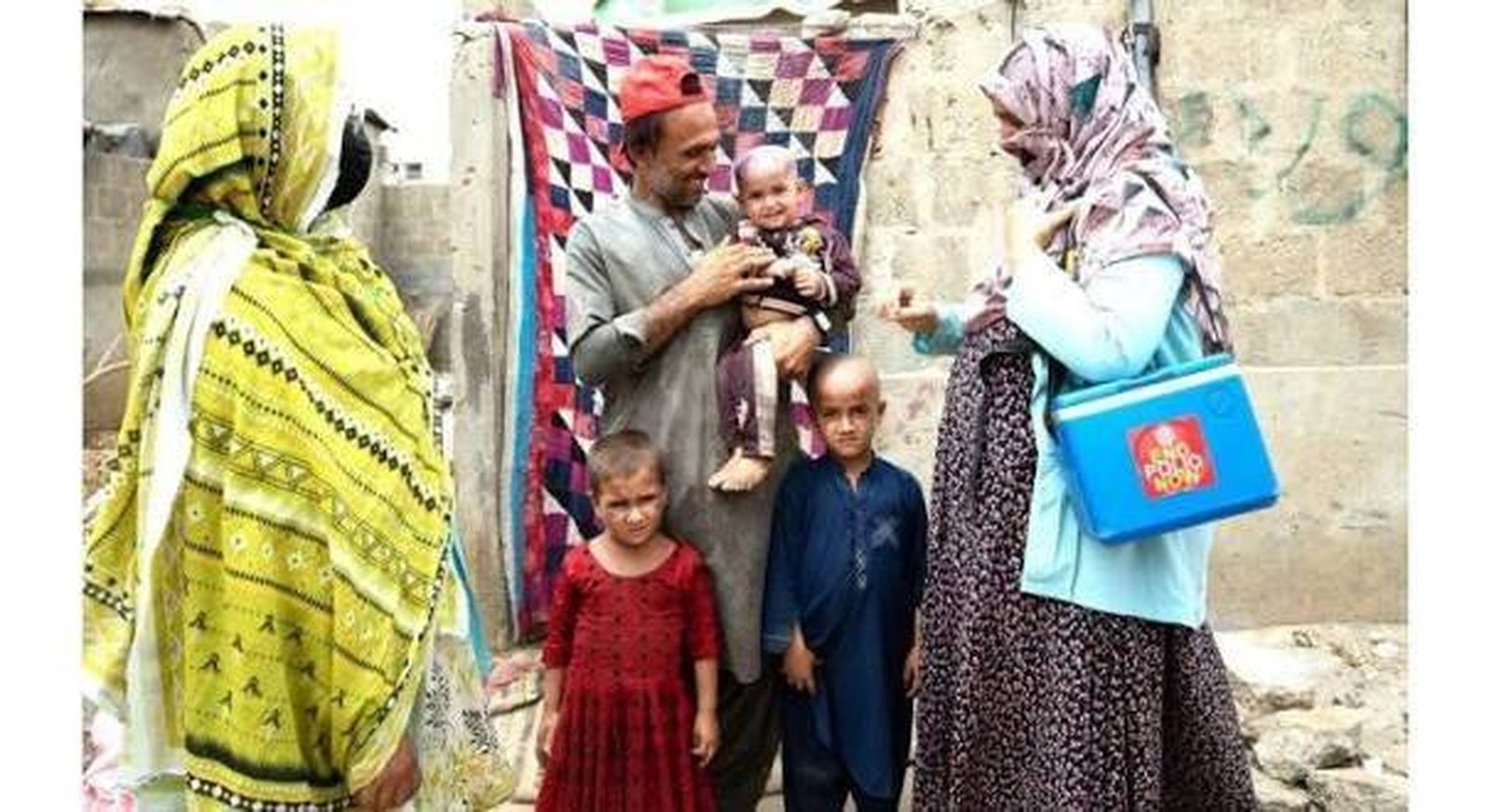
    More than 24 million children under the age of five have been vaccinated in a nationwide polio campaign that ended on Sunday, health officials said. The six-day drive, which began on 2 November 2026, covered 97 selected districts across the country and was carried out by more than 200,000 workers.

    Punjab led the count with 9,126,000 children vaccinated, followed by Sindh with 7,019,000. In Khyber Pakhtunkhwa, 4,673,000 children received the vaccine, while Balochistan recorded 2,212,000. In the federal capital, more than 450,000 children were covered, along with more than 161,000 in Gilgit-Baltistan and about 192,000 in Azad Jammu and Kashmir.

    Health Minister Mustafa Kamal called the campaign “a huge success” and said “Pakistan has won a crucial battle in the war against polio.” Health officials said nine polio cases had been reported in 2026 so far, which they described as a clear sign of the campaign’s success.

    The scale of the operation was considerable. More than 200,000 workers took part in the drive, moving from district to district over six days to reach children in homes, schools and communities across the country. The campaign’s final day fell on 8 November, bringing the nationwide effort to a close.

    The figures reported by the health authorities show coverage in every part of the country, from the largest provinces to the smaller regions. Punjab, the most populous province, accounted for the largest share of vaccinations, while the campaign also reached children in Islamabad, Gilgit-Baltistan and Azad Jammu and Kashmir.

    Officials pointed to the low number of cases reported this year as evidence that the vaccination effort is working. With only nine cases recorded in 2026 so far, they said the campaign had delivered a significant result in the continuing fight against the disease, and they described the outcome as a crucial victory for the country’s public health effort.

    The campaign was one of the largest health drives of the year, and its completion marks the end of a week of intensive vaccination work. Health workers will now turn to follow-up and monitoring, as officials assess the full results of the drive and plan the next steps in the effort to keep polio cases down.
  • 23.4 Million Children Vaccinated in 5 Days in Polio Drive

    23.4 Million Children Vaccinated in 5 Days in Polio Drive

    More than 23.4 million children have received polio drops in the first five days of Pakistan’s latest sub-national immunisation drive, health officials said on Saturday, putting the campaign within reach of its target of about 24 million children under five.

    The National Emergency Operations Centre (NEOC) said the drive is running in 97 selected districts across the country, with more than 200,000 frontline workers going door to door. The sixth day of the campaign was under way on Saturday, and vaccination is scheduled to continue until 8 November.

    Punjab has vaccinated the largest number so far — more than 9.025 million children in 13 districts — followed by Sindh with over 6.856 million in 20 districts. In Khyber Pakhtunkhwa, more than 4.624 million children were covered in 27 districts, while Balochistan reached 2.169 million in 31 districts.

    In the federal capital, more than 450,000 children received drops, while Gilgit-Baltistan covered over 161,000 children in three districts and Azad Jammu and Kashmir vaccinated about 192,000 children in two districts.

    The campaign is running at the same time in Pakistan and Afghanistan as part of a coordinated regional effort to stop the virus spreading across the border and to protect children from the crippling disease, the NEOC said.

    Only vaccination can prevent polio

    The centre warned that the threat of the poliovirus persists across the country. Polio has no cure, it said, and vaccination remains the only effective protection against it.

    Parents and caregivers were urged to cooperate fully with vaccination teams and to make sure every child below five receives the drops during the drive. Families were also advised to complete children’s routine immunisation on schedule to guard against other vaccine-preventable diseases.

    The NEOC said sustained vaccination, community participation and public cooperation are essential if Pakistan is to become polio-free. With the campaign entering its final day, officials will be watching whether the remaining children in the target districts are reached before it closes on Sunday. Health workers will continue the door-to-door drive through Sunday, and officials have asked families to keep children at home when teams visit so that no child is missed.

  • Half of Pakistan’s Polio Cases Linked to Afghanistan

    Half of Pakistan’s Polio Cases Linked to Afghanistan

    The spread of poliovirus from Afghanistan into Pakistan has raised fresh concerns among health authorities, with officials warning that cross-border transmission is keeping the virus in circulation in Pakistan.

    According to health authorities, between 40 and 50 per cent of the polio cases reported in Pakistan over the past two months have been genetically linked to Afghanistan. The Pakistan Polio Eradication Initiative said the share of Afghan-linked detections stood at about 50 per cent in September and 40 per cent in October.

    Afghanistan has reported 50 polio cases this year, against nine in Pakistan. The World Health Organization describes the two countries as a single epidemiological block, meaning transmission in one country puts the other at risk. Pakistan and Afghanistan remain the only two countries in the world where wild poliovirus transmission has never been interrupted.

    Pakistan’s ninth case of 2026 was confirmed this week in a seven-month-old boy from the Bara tehsil of Khyber district. Genetic testing showed the virus was linked to strains circulating in Afghanistan. All three cases reported from Khyber district this year have the same Afghan link.

    Of Pakistan’s nine cases this year, seven are from Khyber Pakhtunkhwa — three each from Khyber and Bannu districts and one from North Waziristan — while two are from Sindh, in Karachi East and Sujawal. Afghanistan’s cases are spread across 12 provinces, with Hilmand reporting 12, Kandahar 11 and Nangarhar 10.

    Officials have identified the return of deported Afghan nationals through illegal crossing points as a major risk factor. They say large numbers of people are returning through sporadic crossing points in Balochistan and Khyber Pakhtunkhwa and moving across the country, making undocumented movement one of the biggest concerns for the eradication effort.

    Health officials also revealed that poliovirus originating in Afghanistan has been detected in 29 sewage samples collected across Pakistan, including in Karachi, Jamshoro, Rawalpindi and Multan. The findings indicate the virus continues to circulate and highlight the challenges facing vaccination and surveillance programmes.

    Pakistan’s figures show steady progress overall. Cases fell from 74 in 2024 to 31 in 2025 and nine so far this year, and the country has cut polio cases by 99.8 per cent from an estimated 20,000 a year in the early 1990s. A nationwide vaccination drive is under way from November 2 to 8, targeting about 24 million children under five across 97 districts, and is being run at the same time in both countries.

  • Four polio workers abducted in Tank, search under way

    Four polio workers abducted in Tank, search under way

    Four polio vaccination workers have been abducted by armed men in Tank district of Khyber Pakhtunkhwa, police accounts reported, in an incident that has drawn condemnation from the provincial governor.

    According to police accounts carried by Pakistani newspapers, the workers were travelling to perform their duties when armed men opened fire and seized the team, taking them to an undisclosed location. The incident took place in the Sheikh Attar union council area of Tank district, on the first day of a sub-national immunisation round.

    Police have launched an investigation and a search operation to trace the workers and identify those responsible, but their whereabouts remained unknown at the time of reporting. Police have not named a suspect, and have not said whether the workers were targeted because of their vaccination work.

    Khyber Pakhtunkhwa Governor Faisal Karim Kundi condemned the abduction and expressed deep concern for the safety of the four health workers, calling for immediate and effective measures to secure their safe recovery. He described the incident as deeply regrettable, according to reports of his statement.

    In a separate incident in the same week, two members of a polio vaccination team were abducted in the Azam Warsak area of Lower South Waziristan and later released, according to the same police accounts. The two incidents are not confirmed to be linked.

    The abductions came as Pakistan began a nationwide campaign running from 2 to 8 November in 97 districts, aiming to reach nearly 24 million children under five. Pakistan remains one of only two countries where wild poliovirus is still endemic, and attacks on vaccination teams have repeatedly disrupted campaigns in Khyber Pakhtunkhwa.

    The same week also saw two police personnel killed in Mohmand district while travelling to provide security to a polio team, in a separate attack that the governor also condemned. Officials said the violence underlines the risks faced by frontline health workers and the police officers assigned to protect them.

    For the families of the four workers in Tank, the immediate question remains unanswered: where they are, and when they will come home. Authorities say efforts to recover them are under way, and the governor has urged that no effort be spared in bringing them back safely.

  • پولیو مہم کی تیاریوں کا نیوک میں جائزہ

    پولیو مہم کی تیاریوں کا نیوک میں جائزہ

    وفاقی سیکرٹری برائے قومی صحت خدمات مومن آغا نے جمعرات کو پولیو کے خاتمے کے قومی ایمرجنسی آپریشنز سینٹر کا دورہ کیا اور جاری کوششوں کا جائزہ لیا۔ اس دورے کا مقصد آئندہ پولیو ویکسینیشن مہم کی تیاریوں کا جائزہ لینا اور ملک بھر میں ویکسینیشن کی کوریج کو مزید مضبوط بنانے کے اقدامات پر غور کرنا تھا۔

    دورے کے دوران مومن آغا کو نیوک کی ٹیم نے تفصیلی بریفنگ دی، جس میں ملک میں پولیو کی موجودہ صورتحال، خاتمے کی سرگرمیوں میں پیش رفت، عملی منصوبہ بندی اور ویکسینیشن کی کوریج بہتر بنانے کے اقدامات شامل تھے۔ بریفنگ میں آئندہ مہم کی تیاریوں پر بھی بات ہوئی، جن میں وفاقی اور صوبائی صحت حکام کے درمیان رابطہ، فرنٹ لائن ویکسینیشن ٹیموں کی تیاری اور اس بات کو یقینی بنانے کی حکمت عملی شامل ہے کہ ہر اہل بچے کو پولیو کے قطرے پلائے جائیں۔

    نگرانی، احتساب اور عوامی اعتماد

    مومن آغا نے پولیو کے خاتمے کے لیے حکومت کے عزم کا اعادہ کیا اور کہا کہ قومی ہدف کے حصول کے لیے مربوط کوششیں، مؤثر نگرانی اور ہر سطح پر احتساب ضروری ہے۔ انہوں نے عملی چیلنجز سے نمٹنے، کمیونٹیز کو ساتھ ملانے اور عوامی اعتماد پیدا کرنے کی اہمیت پر زور دیا، تاکہ ویکسینیشن مہمات کامیاب ہوں، خاص طور پر ان علاقوں میں جہاں بچوں کو پولیو وائرس کا خطرہ بدستور موجود ہے۔

    انہوں نے متعلقہ فریقوں کے درمیان تعاون مضبوط بنانے اور جامع منصوبہ بندی، مؤثر عملدرآمد اور مسلسل نگرانی کے ذریعے پولیو سے پاک پاکستان کے لیے کوششیں جاری رکھنے کے عزم کا بھی اعادہ کیا۔ حکام کے مطابق معمول کی حفاظتی ویکسینیشن کو مضبوط بنانا بھی اتنا ہی ضروری ہے، کیونکہ بچوں کو پولیو اور دیگر قابل انسداد بیماریوں سے بچانے کے لیے مسلسل ویکسینیشن کوریج اور صحت کی خدمات کی بہتری ناگزیر ہے۔

    پولیو کے خاتمے کا پروگرام پاکستان میں برسوں سے جاری ہے اور اس میں ہزاروں فرنٹ لائن کارکن گھر گھر جا کر بچوں کو قطرے پلاتے ہیں۔ نیوک کے مطابق آئندہ مہم 2 سے 8 نومبر 2026 تک 97 اضلاع میں چلائی جائے گی، جس میں تقریباً دو کروڑ چالیس لاکھ بچوں کو ویکسین پلانے کا ہدف ہے۔ یہ مہم ان علاقوں پر مرکوز ہے جہاں وائرس کی گردش کا خطرہ زیادہ ہے، اور اس کا مقصد کسی بھی بچے کو ویکسین سے محروم نہ رہنے دینا ہے۔ صحت حکام کا کہنا ہے کہ والدین کا تعاون، درست معلومات اور مقامی سطح پر نگرانی مہم کی کامیابی میں فیصلہ کن کردار ادا کرتے ہیں، اور ہر دور میں قطرے پلانا ضروری ہے چاہے بچے کو پہلے بھی قطرے پلائے جا چکے ہوں۔

  • Pakistan vows polio eradication as 2026 tally reaches seven

    Pakistan vows polio eradication as 2026 tally reaches seven

    Pakistan marked World Polio Day on Saturday with a renewed pledge to wipe out the disease completely, as health officials reported that the country has recorded seven wild poliovirus cases so far in 2026.

    The Prime Minister’s Focal Person for Polio Eradication, Ayesha Raza Farooq, said the national campaign had made significant headway, pointing to a 99.8 per cent reduction in polio cases over the past three decades and a fall in the positivity rate of environmental samples to below 10 per cent.

    “We must sustain the progress achieved so far,” she said, thanking partners and frontline workers for their role in the effort. “We will soon completely eradicate the disease from Pakistan,” she added, according to Dawn.

    The Pakistan Medical Association (PMA) said the country stood at a decisive point in its public health history. Its Secretary General, Dr Abdul Ghafoor Shoro, said the seven cases recorded as of October 2026 comprised five in Khyber Pakhtunkhwa and two in Sindh, reflecting continued localised transmission of the virus.

    The PMA also condemned violent attacks on vaccination teams and their security escorts. It referred to an attack in Balochistan in September in which two police constables protecting a polio team lost their lives, and called on all provincial governments to place health workers, door-to-door teams and immunisation centres under high-security protection frameworks.

    Rotary International reaffirmed its long-standing support for Pakistan’s eradication drive. Its president, Olayinka Hakeem Babalola, said the organisation had contributed more than $3 billion to the global effort, including $1.3 million from Rotary members in Pakistan, and had helped protect more than 45 million children in the country from the paralysing disease.

    Aziz Memon, chair of Rotary’s Pakistan National PolioPlus Committee, said Pakistan was showing strong progress with only a handful of cases this year, and that addressing other community needs alongside vaccination was helping to maintain public trust.

    Tributes to frontline workers were a central theme of the day’s events. In Rawalpindi, Test cricketer Sajid Khan joined Punjab Emergency Operations Centre Coordinator Khalid Parvaiz and the centre’s team at a local college for an event held under the theme “Shukriya Frontline Workers”, honouring the vaccinators who go door to door to protect children from lifelong disability.

    Sajid Khan praised the commitment of polio workers and urged parents to make sure children under five receive polio drops during every campaign. He also called on young people to play an active role in raising awareness about vaccination and countering misinformation.

    Khalid Parvaiz said the dedication of frontline workers, together with the support of parents, communities and government institutions, remained essential to reaching every child and stopping the virus from spreading. He noted that Punjab had reported no polio cases in 2026 to date, but stressed that vigilance must continue because population movement means the virus could still reach any community.

    Pakistan remains one of only two countries in the world where wild poliovirus is still endemic, alongside Afghanistan, making the final phase of eradication both the most difficult and the most important. Health officials say sustaining vaccination coverage, protecting frontline teams and countering misinformation will decide whether the country can finally consign polio to history.

  • Pakistan polio tally hits seven after Karachi East case

    Pakistan polio tally hits seven after Karachi East case

    Pakistan has recorded its seventh polio case of 2026 after a new case was reported in Karachi East, health officials said on Monday. According to the Sindh Emergency Operations Centre (EOC), five of the seven cases reported this year are from Khyber Pakhtunkhwa and two from Sindh.

    The latest case was confirmed by the Regional Reference Laboratory for Polio Eradication at the National Institute of Health in Islamabad after the virus was detected through the polio surveillance network. The affected child is a six-month-old boy from Union Council Jamali Colony in Karachi East. The National Emergency Operations Centre (NEOC) said a comprehensive investigation into the case had been launched.

    According to the Sindh EOC, the last polio case in Karachi was reported in December 2024 — nearly two years ago. Officials stressed that although polio is an incurable disease, it can be prevented through vaccination.

    Nationwide campaign from November 2

    The development comes ahead of a week-long sub-national polio vaccination campaign scheduled for November 2 to 8, during which more than 23.9 million children under five years of age will be vaccinated across 97 selected districts of the country, including all districts of Karachi. The campaign will run in synchronisation with Afghanistan.

    Under the campaign plan, more than 9.278 million children will be vaccinated in 13 selected districts of Punjab, while over 6.883 million children will receive polio drops in 20 districts of Sindh. In Khyber Pakhtunkhwa, the campaign will target more than 4.808 million children across 27 selected districts, while over 2.217 million children will be vaccinated in 31 districts of Balochistan.

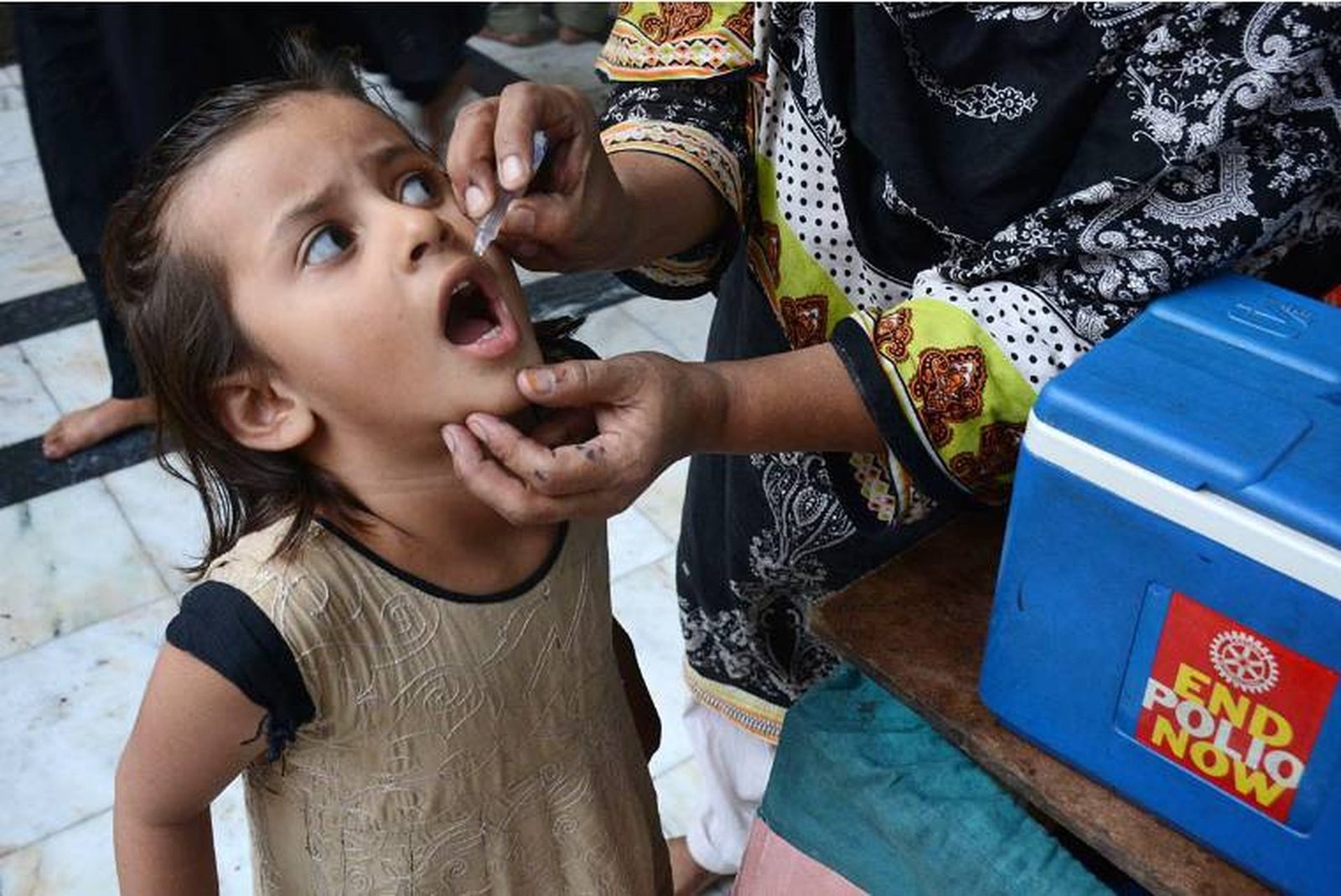
    The NEOC said frontline polio workers would visit households to administer two drops of the vaccine to every eligible child. The Polio Eradication Initiative is also analysing a science-based response to tackle and prevent further transmission, including targeted vaccination activities and support to strengthen routine immunisation.

    Long fight against the virus

    Polio is a highly infectious disease caused by the poliovirus that primarily affects children under the age of five. It invades the nervous system and can cause paralysis or death. While there is no cure, vaccination remains the most effective means of prevention. Pakistan and Afghanistan are the only two countries where wild poliovirus remains endemic.

    According to the NEOC, Pakistan has recorded a 99.8 per cent reduction in polio cases — from an estimated 20,000 in the early 1990s to 31 in 2025 and seven so far this year. Four nationwide polio campaigns have already been conducted in 2026, protecting more than 45 million children multiple times, in addition to targeted oral and injectable vaccination activities in high-risk areas.