Tag: Petrol Subsidy

  • JI–Govt Accord: Petrol Subsidy for Cars Up to 1000cc, Diesel Relief for Farmers

    JI–Govt Accord: Petrol Subsidy for Cars Up to 1000cc, Diesel Relief for Farmers

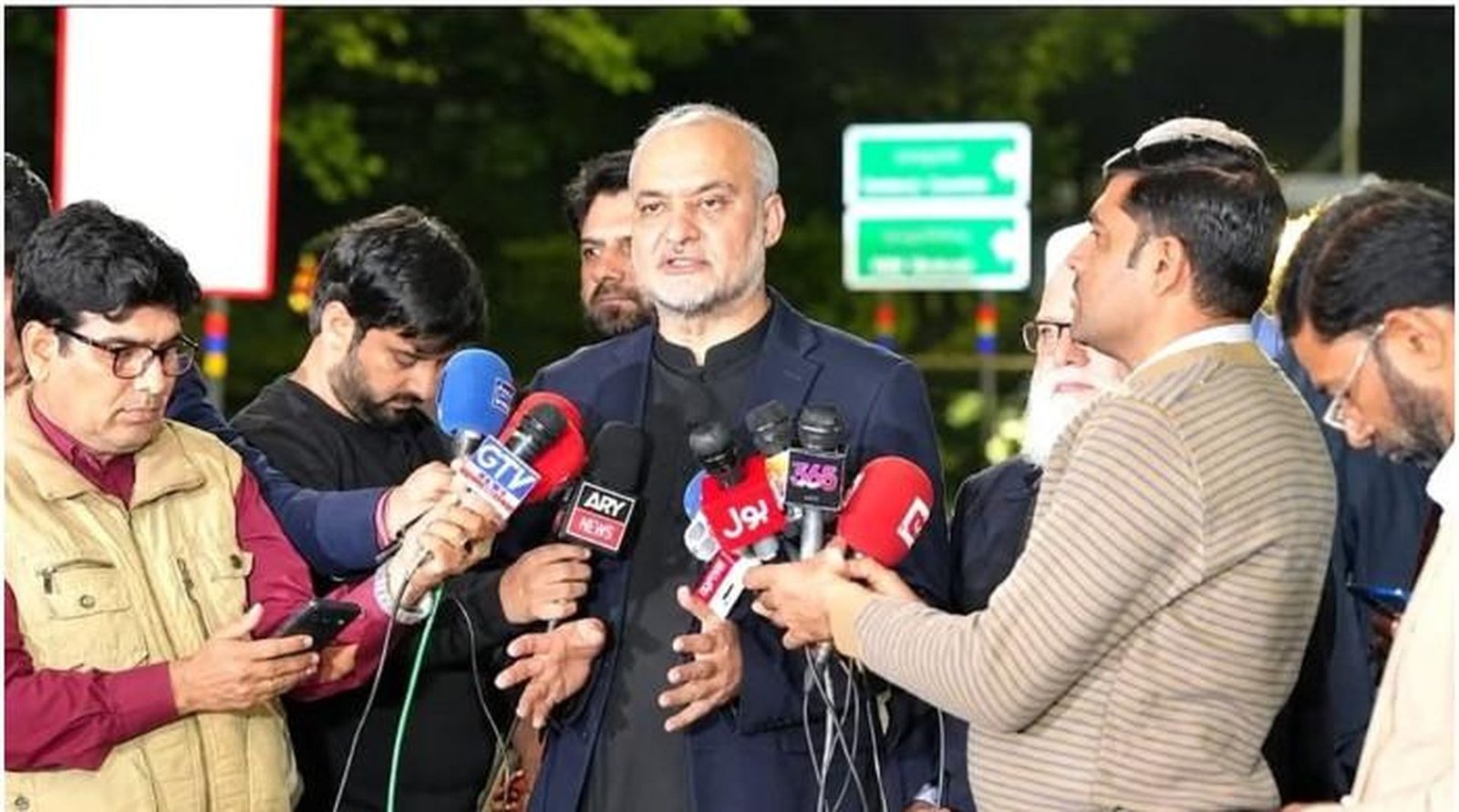
    Islamabad: Jamaat-e-Islami (JI) chief Hafiz Naeem-ur-Rehman has announced that an agreement has been reached with the government on petroleum products, under which the petrol relief package will include cars up to 1000cc.

    Speaking to the media after meeting Prime Minister Shehbaz Sharif yesterday, Hafiz Naeem said the relief package for petrol will now cover cars of up to 1000cc. He said it has also been agreed to provide diesel relief on tractors to farmers holding up to 12.5 acres of land.

    The JI chief said that at the official level, government vehicles above 1600cc will not be used. The announcement sets out the terms of the accord as presented by the JI leadership following its talks with the prime minister.

    On the other side, the prime minister announced the formation of a committee to consider and implement the economic proposals put forward by Jamaat-e-Islami, assuring that they would be considered seriously and implemented swiftly.

    The accord covers two of the most closely watched parts of the petroleum debate: relief for small-car owners, who form a large share of private vehicle users, and diesel relief for small farmers who depend on tractors for cultivation. Farmers’ groups have long argued that fuel costs are among their heaviest expenses, particularly for those working smaller holdings.

    Hafiz Naeem’s announcement follows a series of engagements between the JI leadership and the government on economic relief measures. The prime minister’s decision to set up a committee on the party’s economic proposals signals that the discussions will continue, with the committee tasked with examining the proposals and overseeing their implementation.

    It remains to be seen how quickly the agreed relief measures are put into effect and how the mechanism for delivering the petrol and diesel relief will be structured. The JI leadership has said it will keep pressing for the implementation of the accord’s terms.

    The relief terms announced by Hafiz Naeem are framed around two groups that the party has repeatedly raised in its economic campaign: owners of small cars, for whom petrol is a daily necessity, and small farmers, for whom diesel powers the tractors that keep their fields running. By setting the thresholds at cars up to 1000cc and farms up to 12.5 acres, the accord targets the lower end of both groups, while the decision to stop using government vehicles above 1600cc is presented as a step towards cutting official expenditure. How the relief will be delivered in practice, and when it will reach the intended beneficiaries, is the question that will now follow the announcement.

  • PM: cancel licences of pumps denying subsidised fuel

    PM: cancel licences of pumps denying subsidised fuel

    Prime Minister Shehbaz Sharif has directed the authorities to cancel the licences of petrol pumps that refuse to provide subsidised fuel to registered beneficiaries of the government’s fuel relief programme.

    The prime minister gave the instruction while chairing a review meeting of the Prime Minister’s Fuel Relief Programme on Thursday, according to The News. The meeting reviewed the progress of the scheme, which provides cheaper fuel to motorcycle owners and owners of small vehicles.

    So far, 15,519,282 citizens have registered for the programme, including 15.06 million motorcycle owners and 449,000 owners of vehicles up to 800cc, the Prime Minister’s Office told the meeting.

    A total of 63,153,685 subsidy tokens have been issued under the scheme, of which 59,445,347 have been redeemed, a redemption rate of about 94 percent. Total disbursements under the programme have reached 28.6 billion rupees as of 4 November 2026.

    Under the scheme, registered beneficiaries receive a subsidy of 100 rupees per litre on up to 20 litres of fuel a month for motorcycles, rickshaws and Qingqis, and on up to 30 litres a month for vehicles up to 800cc. The programme was launched on 13 September 2026.

    The prime minister’s order targets filling stations that are not honouring the subsidy for registered customers. Officials at the meeting were told to act against pumps that deny subsidised fuel, with cancellation of licences as the penalty.

    Separate call centres have been set up for consumers and for petrol pump operators to handle complaints about the scheme, the meeting was told. The centres are meant to resolve disputes quickly so that registered beneficiaries are not turned away at the pump.

    The programme is one of the government’s main relief measures for low-income households, many of whom rely on motorcycles for daily travel and work. Fuel prices have been a heavy burden on household budgets, and the subsidy is designed to ease that pressure for the most vulnerable users.

    The scheme runs alongside the government’s daily revision of fuel prices. Petrol was cut by 9.41 rupees a litre this week, the fourth daily cut in a row, but officials say the relief programme is aimed at those who need help most, rather than at all fuel buyers.

    The review meeting also looked at how the registration system is working and whether the token system is reaching the intended beneficiaries. With more than 15.5 million people registered, the programme is now one of the largest targeted fuel subsidy schemes the government has run.

    The prime minister told officials that the benefit must reach the people it is meant for, and that pumps refusing to cooperate should lose their licences. The message was aimed at filling station owners who take the subsidy allocation but do not pass it on to registered customers.

    Officials said the call centres would help the government track complaints and identify pumps that are not complying. The meeting ended with instructions to speed up enforcement so that registered beneficiaries can use their subsidy without difficulty.