Tag: Peace Talks

  • یوکرین مذاکرات: امریکی ایلچیوں کی پیوٹن سے ملاقات

    یوکرین مذاکرات: امریکی ایلچیوں کی پیوٹن سے ملاقات

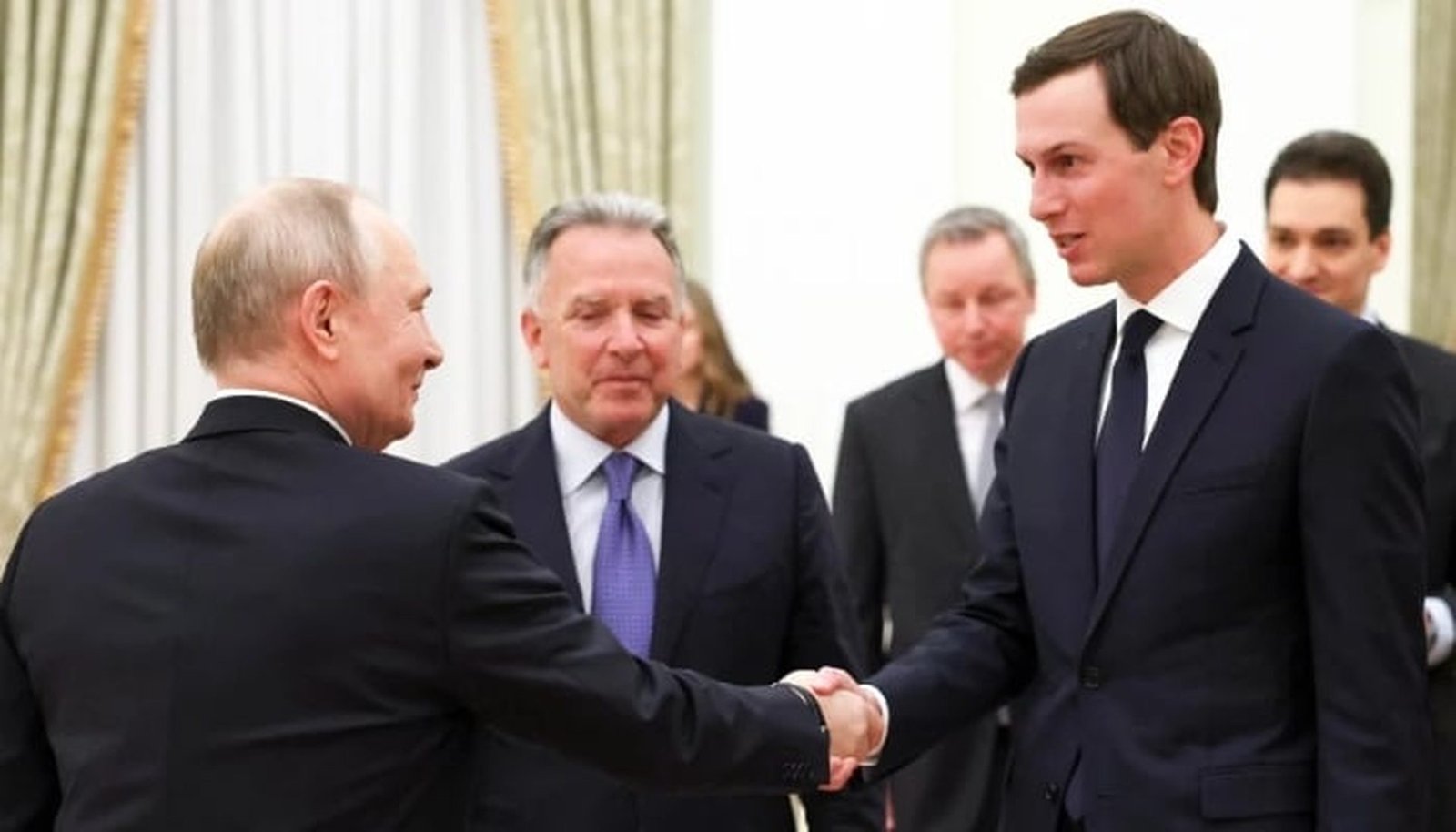
    امریکہ کے دو سینئر ایلچی جمعرات کو روس کے دارالحکومت ماسکو پہنچے، جہاں انہوں نے روسی صدر ولادیمیر پیوٹن سے یوکرین میں امن کے لیے نئے دور کی بات چیت کی۔ یہ ملاقات ابوظہبی میں روس اور یوکرین کے درمیان امریکہ کی ثالثی میں ہونے والے دو روزہ مذاکرات کے بعد ہوئی۔

    امریکی وفد میں خصوصی ایلچی اسٹیو وٹکوف اور امریکی صدر ڈونلڈ ٹرمپ کے داماد جیرڈ کشنر شامل تھے۔ رپورٹوں کے مطابق یہ دسویں مرتبہ تھا کہ وٹکوف نے پیوٹن سے ملاقات کی۔ ماسکو پہنچنے پر روسی صدر کے خصوصی ایلچی کرل دمتریف نے ان کا استقبال کیا۔

    اس سے پہلے ابوظہبی میں روس اور یوکرین کے درمیان دو روز تک سہ فریقی مذاکرات ہوئے جو بدھ کو ختم ہوئے۔ یہ نو ماہ میں پہلی مرتبہ تھا کہ دونوں فریق امریکہ کی ثالثی میں براہ راست میز پر بیٹھے۔ اختتام پر قیدیوں کے ایک بڑے تبادلے کا اعلان ہوا، تاہم جنگ کے خاتمے پر کوئی واضح پیش رفت نہ ہو سکی۔ یہ جنگ چار سال سے زیادہ عرصے سے جاری ہے۔

    کریملن میں ہونے والی ملاقات میں پیوٹن نے واضح کیا کہ روس اپنے بنیادی مطالبات سے پیچھے نہیں ہٹے گا۔ رپورٹوں کے مطابق انہوں نے کہا کہ ماسکو یوکرین کے ان علاقوں پر اپنے دعوے سے دستبردار نہیں ہوگا جنہیں روس نے اپنا حصہ قرار دیا ہے، اور یوکرین میں غیر ملکی امن فوج کی تعیناتی کو بھی مسترد کر دیا، جسے انہوں نے جنگ کا تسلسل قرار دیا۔

    تاہم پیوٹن نے ایک انسانی ہمدردی کی تجویز بھی پیش کی۔ خبر رساں ادارے انٹرفیکس کے مطابق انہوں نے مشرقی یوکرین کے شہر کوستیانتینیوکا کے لیے روس اور یوکرین کے مشترکہ مشن کی تجویز دی، جہاں ان کے بقول چار سو سے پانچ سو عام شہری اب بھی موجود ہیں۔ انہوں نے کہا کہ یہ مشن اسی طرز پر ہو سکتا ہے جس کے تحت گزشتہ ماہ کے آخر میں جنوب مشرقی یوکرین کے قصبے اولیشکی سے رہائشیوں کو نکلنے کا موقع ملا تھا۔ رپورٹوں کے مطابق امریکی ایلچیوں نے اس تجویز کی حمایت کی۔

    بات چیت میں یہ سوال بھی اہم رہا کہ آیا یورپی ممالک اگلے دور میں شامل ہوں گے۔ وٹکوف نے کہا کہ پیوٹن نے یورپی نمائندوں کی شرکت پر اتفاق کیا ہے، تاہم ماسکو نے اس کی تصدیق نہیں کی۔ صدر زیلنسکی نے بھی اعلان کیا کہ یورپ کو اگلی ملاقات میں مدعو کیا جائے گا، اور اسے اہم لمحہ قرار دیا۔

    کریملن سے نکلنے کے بعد وٹکوف اور کشنر جمعرات کی دوپہر ڈبلن روانہ ہوئے، جہاں انہوں نے یورپی سیاسی برادری کے سربراہی اجلاس کے موقع پر زیلنسکی سے ملاقات کی۔ اس فورم کے نویں اجلاس میں تقریباً چالیس یورپی رہنما شریک ہوئے تھے، جو 2022 میں یوکرین پر روس کے حملے کے بعد قائم کیا گیا تھا۔

    کریملن کے معاون یوری اوشاکوف نے کہا کہ روس امریکہ کے ساتھ یورپ میں سلامتی کے نئے ڈھانچے پر بات چیت کے لیے تیار ہے۔ انہوں نے بتایا کہ پیوٹن اور ٹرمپ اگلے ہفتے چین میں سربراہی اجلاس کے موقع پر یوکرین پر بات جاری رکھیں گے۔ اگلے دور کی کوئی تاریخ سامنے نہیں آئی، اور معاہدے کی شرائط پر دونوں فریقوں میں اب بھی بڑا فرق ہے، حالانکہ زیلنسکی کا کہنا ہے کہ 2027 سے پہلے نتیجہ حاصل کرنے کا موقع موجود ہے۔

  • US Envoys Meet Putin in Moscow for Ukraine Peace Talks

    US Envoys Meet Putin in Moscow for Ukraine Peace Talks

    Two senior American envoys arrived in Moscow on Thursday for a fresh round of talks with Russian President Vladimir Putin, carrying the outcome of two days of United States-mediated discussions between Russia and Ukraine in Abu Dhabi.

    The envoys are Steve Witkoff, the United States special envoy, and Jared Kushner, the son-in-law of US President Donald Trump. According to reports, the Kremlin meeting was the tenth time Witkoff has met Putin. The two men were received by Kirill Dmitriev, a special envoy of the Russian president, after landing in the Russian capital, and were accompanied by him to central Moscow ahead of the talks.

    The visit followed two days of trilateral negotiations in Abu Dhabi, the capital of the United Arab Emirates, which ended on Wednesday. Those sessions were the first direct talks between Russia and Ukraine mediated by the United States in nine months. They ended with an announcement of another large-scale prisoner exchange, though they produced no visible breakthrough on the wider question of ending the war, which has now lasted more than four years.

    During the Kremlin meeting, Putin signalled that Russia would not soften its central demands. According to reports, he said Moscow would not give ground on its claim to parts of Ukraine that Russia says it has annexed, and he ruled out the deployment of foreign peacekeeping troops in Ukraine, describing such a move as a continuation of the war.

    Putin did, however, put forward a humanitarian proposal. According to the Interfax news agency, he suggested a joint Russian-Ukrainian mission to the city of Kostiantynivka in eastern Ukraine, where he said between 400 and 500 civilians remained. He said the mission could be modelled on a similar effort that allowed residents to leave the town of Oleshky in south-eastern Ukraine at the end of last month. The American envoys supported the proposal, according to reports.

    Much of the discussion also centred on whether European countries should take part in the next round of negotiations. Witkoff said after the meeting that Putin had agreed to let European representatives join the next round, although Moscow has not confirmed that agreement. Ukrainian President Volodymyr Zelensky, meanwhile, announced that Europeans would be invited to the next meeting, calling it an important moment because they are Ukraine’s partners.

    After leaving the Kremlin on Thursday afternoon, Witkoff and Kushner travelled to Dublin, where they met Zelensky on the sidelines of a summit of the European Political Community. Around 40 European leaders had gathered there for the ninth session of the forum, which was set up after Russia’s invasion of Ukraine in 2022.

    Kremlin aide Yury Ushakov said after the Moscow talks that Russia was ready to begin discussing proposals for a new security architecture in Europe together with the United States. He added that Putin and Trump would continue discussing a settlement in Ukraine during their planned meeting at the Asia-Pacific Economic Cooperation summit in China next week. No date has been disclosed for the next round of US-Russia-Ukraine talks, and the two sides remain far apart on the terms of any settlement, even as Zelensky has said there is a window of opportunity to reach a result before 2027.

  • Kushner and Witkoff Land in Moscow for 10th Putin Peace Talks

    Kushner and Witkoff Land in Moscow for 10th Putin Peace Talks

    United States envoys Jared Kushner and Steve Witkoff arrived in Moscow on Thursday for talks with Russian President Vladimir Putin, in the latest American push to secure a peace deal in Ukraine. The Kremlin meeting, expected in the first half of the day, will be the tenth time Mr Witkoff has met Mr Putin in person.

    The two envoys were met off their plane by Kirill Dmitriev, Mr Putin’s special envoy, who accompanied them to central Moscow in wet snow. Their visit follows two days of trilateral peace talks in Abu Dhabi, which ended on Wednesday with the announcement of another large planned prisoner exchange but no public breakthrough on the wider negotiations.

    The Abu Dhabi talks were the first face-to-face peace talks brokered by the United States in nine months. Envoys from both sides reported only limited headway in efforts to end a conflict now in its fourth and a half year, and the American delegation has since been trying to shift the discussion towards long-term security guarantees and post-war recovery.

    Deadlock over Donbas

    Kyiv has firmly rejected Mr Putin’s demand that Ukraine surrender the whole of the eastern Donbas region in return for peace. With the negotiations stalled over territory, the United States has attempted to redirect them towards security pledges that could reassure Ukraine without settling the land question first.

    President Donald Trump has spoken publicly with optimism about the chances of a deal, but meaningful compromises have yet to materialise. The gap between the two sides remains wide: Moscow continues to insist on territorial concessions, while Kyiv says it will not trade land for a ceasefire.

    Separately, a senior Russian diplomat said on Wednesday that Moscow was prepared to conclude non-aggression pacts with NATO member states as part of a new security framework for Europe. Many European lawmakers have argued against negotiating the continent’s defence arrangements until tangible progress, such as a truce in Ukraine, has been achieved.

    The Moscow visit comes at a delicate moment for the American effort. The Abu Dhabi round showed that the two sides can still sit at the same table and agree on humanitarian steps such as prisoner swaps, but it also showed how far apart they remain on the central questions of territory and security. Whether the Kremlin talks move the process forward will become clearer once the envoys report back to Washington.

  • Rubio: Russia-Ukraine Abu Dhabi Talks ‘Very Productive’

    Rubio: Russia-Ukraine Abu Dhabi Talks ‘Very Productive’

    The first direct talks between Russia and Ukraine in nine months have ended their opening day in Abu Dhabi with cautious encouragement from Washington and Kyiv, as United States Secretary of State Marco Rubio described the session as “very productive” while warning that much work still lies ahead.

    The trilateral talks, mediated by the United States, lasted nearly four hours on Tuesday and are scheduled to continue for a second day on Wednesday, according to the Associated Press. They are the first such meeting since February in the war that followed Russia’s full-scale invasion of Ukraine nearly five years ago.

    Speaking in Paris at a meeting of Group of Seven foreign ministers, Rubio said: “It looks like the talks in Abu Dhabi were very productive.” He urged patience, however, adding: “There’s a lot of work to be done in that regard. It’s not like something that’s on the verge of being solved in the next 24 hours or anything like that.”

    According to Reuters, Rubio said Washington hoped that the negotiations could eventually be widened to include other European representatives. Neither Rubio nor Ukrainian President Volodymyr Zelenskyy attended the talks in person, the Associated Press reported.

    Zelenskyy, speaking during a visit to Denmark, also welcomed the first day of discussions, calling the meeting “constructive and quite substantive”. He said negotiators had discussed humanitarian issues, including prisoner exchanges and the return of Ukrainian civilians held in captivity and children taken from the country, alongside security guarantees.

    “The trilateral format was constructive and quite substantive,” Zelenskyy wrote on X, adding that he had instructed Ukrainian negotiators to continue discussions with Russian and American representatives.

    The Ukrainian president met Nordic leaders in Copenhagen to discuss military assistance, air defence systems and protecting Ukraine’s energy infrastructure from Russian attacks. Denmark announced an additional $720 million in military assistance, although details of the equipment and the delivery schedule were not disclosed.

    According to reports, US envoys Steve Witkoff and Jared Kushner took part in the Abu Dhabi session. No peace agreement has been announced, and fighting has continued while the talks are under way. Officials on both sides have said the discussions will resume on Wednesday, with humanitarian questions expected to remain at the centre of the agenda.

  • Ukraine and Russia Resume Talks in Abu Dhabi After 9 Months

    Ukraine and Russia Resume Talks in Abu Dhabi After 9 Months

    Russian and Ukrainian officials have sat down in Abu Dhabi for two days of talks brokered by the United States, the first direct meeting between the two sides since February, as Washington pushes for a broad deal to end a war now in its fourth and a half year.

    The discussions, which began at around 0630 GMT on Tuesday, bring together a Ukrainian delegation led by Rustem Umerov and a Russian team headed once again by Kremlin aide Vladimir Medinsky. Russia’s delegation also includes Deputy Foreign Minister Sergei Ryabkov for the first time, along with senior military officer Yuri Zhigarlovsky.

    President Donald Trump suggested last week that a wide-ranging peace agreement was possible, and that it could go beyond Ukraine to cover the security of Europe as a whole. After meeting privately with an envoy of Russian President Vladimir Putin at the White House last week, Mr Trump predicted that a deal could emerge soon, though he has made similar predictions before without an agreement following.

    European governments will be present in Abu Dhabi but not at the negotiating table. France, Germany and the European Commission are sending officials, yet Russia has made clear it does not want the Europeans to take part in the talks themselves. Ukrainian delegates will instead meet the Europeans separately to brief them on how the discussions are going, a format Kyiv has accepted while insisting that Europe must remain part of the diplomatic process.

    The hardest question remains territory. Russia has publicly insisted that Ukraine hand over the entire eastern Donbas region before any peace deal, while President Volodymyr Zelenskiy has refused to surrender land his forces have died defending. A US official told Reuters that American negotiators believed both leaders might accept a compromise in which each side gives up something, though a senior Ukrainian official strongly denied that Kyiv would consider territorial concessions except at a leaders’ meeting and only alongside proper security guarantees.

    Under the outline discussed by Washington, Ukraine would receive an end to the fighting, security guarantees and a path towards joining the European Union. Mr Zelenskiy said on the eve of the talks that Ukraine’s position was strengthening, pointing to recent battlefield gains including the retaking of some territory in Donetsk, and he urged Washington to press Moscow to end the war.

    The talks open against a backdrop of continued strikes. A truce on hitting energy targets announced by Mr Trump last month quickly fell apart, with Ukraine stepping up attacks on Russian oil refineries in recent weeks and Russia pounding Ukraine’s electricity network and cities.

    Foreign ministers of the G7 group of nations are also meeting in Paris on Tuesday, where Ukraine is expected to feature prominently, and Ukraine’s Foreign Minister Andrii Sybiha will join those discussions. For now, both sides say they are in Abu Dhabi to talk, but neither has signalled that the gap over land has narrowed.

  • Europe to Join Ukraine Peace Talks in Abu Dhabi

    Europe to Join Ukraine Peace Talks in Abu Dhabi

    European countries will take part in the US-mediated talks between Ukraine and Russia in Abu Dhabi next week, French Foreign Minister Jean-Noel Barrot said on Sunday, in a change to the format first announced for the meeting.

    “The Europeans will be well represented; France will be in Abu Dhabi to take part in these discussions,” Barrot told French radio station RTL. He said he could not yet say who would represent France, and he is not expected to attend the talks himself.

    The talks are scheduled for 10 and 11 November. US envoy Steve Witkoff said Washington would bring Ukrainian and Russian delegations together in Abu Dhabi to discuss ending the war, post-war security agreements and de-escalation.

    Until now, the meeting had been presented as a trilateral negotiation at official level, bringing together Ukraine, Russia and the United States. The identities of the participants have not been made public, and the Kremlin has said its delegation will be led by presidential aide Vladimir Medinsky.

    Ukrainian President Volodymyr Zelensky has long argued that European allies should have a seat at the table, while Russia had suggested there would be no place for European representatives. Barrot said the Europeans had told the American mediators that no discussion about the continent’s future could ignore their expectations and demands. He said France would be there to ensure that Europe’s voice is heard.

    Officials from the United States, Europe, Ukraine and NATO met in Brussels on Thursday to prepare for the Abu Dhabi talks, in a sign of the coordination under way before the delegations gather.

    The dispute over Europe’s role reflects a wider disagreement about who should shape any settlement. European governments have argued that a deal on the continent’s security cannot be struck without them, while Moscow has favoured a narrower format. The announcement from Paris suggests Washington has accepted, at least for this round, that Europe will have a presence in Abu Dhabi.

    Barrot said the Europeans had made clear to the American mediators that no discussion about the continent’s future could ignore their expectations and demands. With the war now in its fifth year, the question of who sits at the table has become almost as contested as the terms of any settlement itself, and Sunday’s announcement suggests Europe will not be left outside the room this time.

  • UN Backs Pakistan’s Call for Diplomacy During War

    UN Backs Pakistan’s Call for Diplomacy During War

    New York: The United Nations Security Council has adopted a presidential statement initiated by Pakistan urging countries to keep diplomacy alive even during active hostilities. The statement, titled ‘The Role of Diplomacy during Active Hostilities’, was adopted on Thursday under the November presidency of Latvia, whose Ambassador Sanita Pavļuta-Deslandes chaired the proceedings.

    The statement calls on countries to maintain diplomatic engagement during armed conflicts and to work towards ceasefires, de-escalation and lasting political settlements. It stresses that dialogue should continue even when fighting is under way, rather than being abandoned until the guns fall silent.

    It encourages the use of mediation, good offices and direct or indirect communication between conflicting parties. According to the statement, such engagement should aim to facilitate cessations of hostilities, ensure safe humanitarian access, protect civilians and prevent conflicts from spreading to other regions.

    Building on Resolution 2788

    The presidential statement builds on Security Council Resolution 2788, which was unanimously adopted in July 2025 during Pakistan’s presidency of the Council. That resolution also focused on strengthening the role of diplomacy in resolving international disputes peacefully.

    Pakistan’s Permanent Representative to the United Nations, Ambassador Syed Haider Shah, welcomed the adoption of the statement. ‘Diplomacy must not end when hostilities begin,’ he said, adding that keeping channels of communication open during conflicts was essential for protecting lives and finding a way back to peace.

    The statement does not impose binding obligations, but presidential statements of the Security Council carry significant political weight and signal the Council’s collective position. Diplomats say the text reflects a growing concern that conflicts are lasting longer and that early diplomatic engagement can prevent them from escalating further.

    Pakistan has long argued at the United Nations that diplomacy, mediation and dialogue should remain central to the Council’s work, and the adoption of the statement is being seen as a notable success for the country’s diplomacy at the world body.

    The text places particular emphasis on keeping channels of communication open between parties in conflict, including through intermediaries, so that even where direct talks are not possible, messages can still pass between the sides. Diplomats say this reflects the practical reality of modern conflicts, where fighting often continues for years while formal negotiations remain stalled.

    The statement also links diplomacy to the protection of civilians, noting that continued engagement can help secure humanitarian access and reduce the risk of conflicts spreading beyond their borders. By adopting the text, the Council has signalled that diplomacy is not a step to be taken only after fighting ends, but a tool to be used throughout a conflict.

  • Russia Ready for Ukraine Trilateral Talks in November

    Russia Ready for Ukraine Trilateral Talks in November

    Russia has signalled its willingness to resume peace negotiations with Ukraine and the United States in November following a meeting between President Vladimir Putin and US special envoy Steve Witkoff, according to The News International.

    Putin met Witkoff in St Petersburg on Wednesday, October 21, for approximately three hours to discuss proposals aimed at ending the war in Ukraine. After the meeting, Kremlin aide Yury Ushakov said Russia was prepared to restart trilateral negotiations after November 10, potentially in Abu Dhabi. The proposed talks would focus on building a security system for Russia and Ukraine after the conflict ends.

    However, Moscow has not indicated any willingness to abandon its key demands, including Ukrainian territorial concessions and restrictions on Ukraine’s military. Russian officials remain cautious about the possibility of a breakthrough, with both sides still far apart on the terms of a settlement.

    Follow-up to Oslo consultations

    The St Petersburg meeting followed Witkoff’s discussions with Ukrainian President Volodymyr Zelensky in Oslo, Norway, on Tuesday, which US officials described as making “meaningful progress”. The Oslo talks also involved European and NATO representatives and covered what officials called the key elements of a comprehensive peace framework, including security guarantees for Ukraine, a post-war economic plan and a broader European security architecture.

    Zelensky has expressed support for freezing the conflict along existing frontlines, provided Ukraine receives strong security guarantees. He told reporters after the Oslo meeting that Ukraine was again receiving early warnings of Russian missile attacks.

    Goodwill gesture amid diplomacy

    The talks also resulted in Russia releasing 74-year-old American prisoner Stephen Hubbard, who had been detained for more than four years on mercenary charges. Putin freed Hubbard at the request of US President Donald Trump, taking into account the American’s poor health, according to the Kremlin.

    Witkoff thanked Putin for the release, a remark that drew sharp rebuke from Republican and Democratic lawmakers given Russia’s full-scale invasion of Ukraine in 2022. The meeting suggested leaders are keen to bring new momentum to US-led peace efforts, more than four and a half years after Russia launched its invasion, though officials on all sides caution that a breakthrough remains far from certain.