Tag: Pakistan sugar

  • Provinces agree to deregulate sugar sector

    Provinces agree to deregulate sugar sector

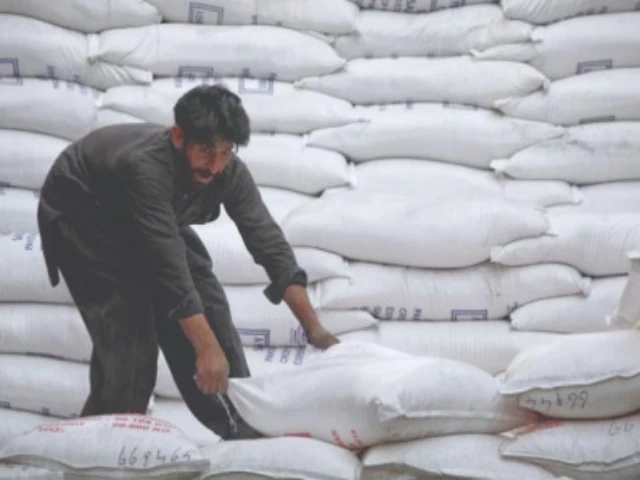
    Pakistan’s sugar sector is set for a major overhaul after all four provinces unanimously agreed to implement the National Policy for the Deregulation of the Sugar Sector, a reform the federal cabinet approved on Tuesday through circulation.

    Sindh cleared the policy on 21 November after securing amendments, having effectively vetoed an earlier draft. The other three provinces had already given their consent, completing the provincial consensus required for the reform to move forward.

    Under the new policy, the government will step back from controlling sugarcane prices, production and trade. Growers will be free to sell their cane to any buyer, with prices decided by market forces rather than fixed by the state. There will be no export subsidies and no restrictions on the movement of sugar between provinces. Imports and exports will be governed by a predictable, published mechanism, while transitional arrangements will cover the current crushing season.

    The government will, however, retain the right to maintain buffer stocks. Grower safeguards will also stay in place, including third-party validation of weighing scales, sucrose testing, interest on late payments of cane dues and a sugarcane cess to fund research.

    The approval clears a long-standing IMF structural benchmark that Pakistan has been in breach of since missing its 30 June 2026 deadline. It was also a mandatory step before the IMF Executive Board meeting can be scheduled. The meeting, now expected on 11 December, is due to consider the release of around $1 billion under the fifth tranche of the Extended Fund Facility and about $210 million under the Resilience and Sustainability Facility, a combined total of roughly $1.21 billion.

    Prime Minister Shehbaz Sharif recused himself from the decisions on sugar, Dawn reported, citing informed sources, because his immediate family owns sugar businesses.

    The move follows the Economic Coordination Committee’s approval on Friday of the export of 416,000 tonnes of sugar, in addition to 200,000 tonnes approved months earlier.

    The reform has been in the works for months, with the draft policy held up after Sindh effectively vetoed it. The province cleared the policy on 21 November only after securing amendments, while the other three provinces had already consented. Transitional arrangements will apply during the current crushing season as the sector moves from state control to market pricing.

  • ای سی سی نے 416,000 ٹن چینی برآمد کی منظوری دے دی

    ای سی سی نے 416,000 ٹن چینی برآمد کی منظوری دے دی

    پاکستان کی اقتصادی رابطہ کمیٹی (ای سی سی) نے چینی کی مزید 416,000 ٹن برآمد کی منظوری دے دی ہے۔ چار ماہ میں یہ تیسری بار ہے کہ چینی کی برآمد کی اجازت دی گئی ہے، جس کے بعد اس سیزن میں برآمد کے لیے منظور شدہ چینی کی مجموعی مقدار 724,000 ٹن ہو گئی ہے۔

    یہ فیصلہ جمعہ 20 نومبر کو اسلام آباد میں کمیٹی کے اجلاس میں ہوا۔ وفاقی وزیر برائے قومی غذائی تحفظ رانا تنویر حسین نے دی ایکسپریس ٹریبیون کو فیصلے کی تصدیق کرتے ہوئے کہا کہ کرشنگ سیزن شروع ہونے والا ہے اور ملک میں چینی کی کوئی کمی نہیں۔

    416,000 ٹن میں سے 400,000 ٹن کی سفارش نائب وزیراعظم اسحاق ڈار کی سربراہی میں قائم چینی برآمد سے متعلق کابینہ کمیٹی نے کی تھی، جبکہ 16,000 ٹن سندھ کے لیے منظور کیے گئے۔ وزارت خزانہ نے اپنے سرکاری بیان میں یہ مقدار ظاہر نہیں کی۔

    چار ماہ میں تیسری اجازت

    اس سے قبل اگست میں 108,000 ٹن درآمد شدہ چینی اور ستمبر کے وسط میں مقامی طور پر تیار شدہ مزید 200,000 ٹن چینی کی برآمد کی اجازت دی گئی تھی۔

    شوگر انڈسٹری فروری سے دس لاکھ ٹن چینی برآمد کرنے کی اجازت مانگ رہی ہے، کیونکہ گوداموں میں بڑا ذخیرہ پڑا ہے۔ ایسوسی ایشن کے سبکدوش چیئرمین چوہدری ذکا اشرف کے مطابق گوداموں میں تقریباً 13 لاکھ ٹن اضافی چینی موجود ہے۔

    ذخیرہ کلیئر نہ ہونے سے کرشنگ سیزن بھی تاخیر کا شکار ہے۔ 18 نومبر تک پنجاب کی 47 ملوں میں سے صرف ایک نے باقاعدہ کرشنگ شروع کی تھی، اور گنا خریدنے والی واحد مل 350 روپے فی من سے کم قیمت دے رہی تھی، جو پیداواری لاگت سے بھی کم ہے۔

    آئی ایم ایف کا پس منظر

    یہ منظوری آئی ایم ایف کے ایگزیکٹو بورڈ کے اجلاس سے چند روز قبل دی گئی ہے، جس میں پاکستان کے سات ارب ڈالر کے پروگرام کی پانچویں ایک ارب ڈالر کی قسط اور موسمیاتی سہولت کے تحت مزید 200 ملین ڈالر پر غور ہوگا۔

    پاکستان نے شوگر سیکٹر کو مکمل ڈی ریگولیٹ کرنے کی آئی ایم ایف کی شرط ابھی تک پوری نہیں کی۔ سیکرٹری خزانہ امداد اللہ بوسال نے بتایا کہ ایک صوبے نے ڈی ریگولیشن سے انکار کر دیا ہے، جبکہ وزیر خزانہ محمد اورنگزیب نے اسی اجلاس میں ڈی ریگولیشن کی ضرورت پر زور دیا۔

    ملز کے لیے یہ کوٹہ بین الاقوامی قیمتوں پر فروخت کا موقع ہے۔ حکومت کا کہنا ہے کہ برآمدی پروگرام کرشنگ کے آغاز پر گنے کی قیمت کو سہارا دے گا، لیکن صارفین کے لیے خطرہ ہے کہ ملکی پیداوار کھپت سے کم ہونے کے باعث درآمد یا مہنگی قیمت کا سامنا ہو سکتا ہے۔

    حکومت نے ابھی تک یہ نہیں بتایا کہ کوٹہ ملوں میں کیسے تقسیم ہوگا اور کھیپ کب شروع ہوگی۔ اسی اجلاس میں چھوٹے اور درمیانے کاروباروں کے لیے برآمدی مالی سہولت میں نرمی اور اضافی گرانٹس بھی منظور کی گئیں، جن میں پاک عرب پائپ لائن کمپنی کے لیے ایک ارب روپے اور اقلیتی بہبود فنڈ کے لیے 100 ملین روپے شامل ہیں۔

  • ECC Approves Export of 416,000 Tonnes of Sugar

    ECC Approves Export of 416,000 Tonnes of Sugar

    Pakistan’s Economic Coordination Committee (ECC) has approved the export of another 416,000 tonnes of sugar, the third such permission in four months, taking the total quantity cleared for export this season to 724,000 tonnes.

    The decision was taken at a meeting of the committee in Islamabad on Friday, 20 November, and was confirmed to The Express Tribune by National Food Security Minister Rana Tanveer Hussain. The minister said the crushing season was about to begin and there was no shortage of sugar in the country.

    Of the 416,000 tonnes, 400,000 tonnes were recommended by the Cabinet Committee on Export of Sugar, headed by Deputy Prime Minister Ishaq Dar, and a further 16,000 tonnes were approved for Sindh. The Finance Ministry did not disclose the quantity in its official statement.

    Third permission in four months

    The latest approval follows two earlier permissions. In August, the ECC allowed 108,000 tonnes of imported sugar to be exported, and in mid-September it cleared a further 200,000 tonnes of locally produced sugar.

    The sugar industry has pressed for exports for months. The Pakistan Sugar Mills Association has sought permission to export one million tonnes since February, saying large unsold stocks are piling up in warehouses. Its outgoing chairman, Chaudhry Zaka Ashraf, recently put the surplus at around 1.3 million tonnes.

    The delay in clearing stocks has also held up the crushing season. As of 18 November, only one of Punjab’s 47 sugar mills had begun regular operations, and growers say the delay is reducing the weight and value of standing cane. The only mill reported to be buying cane was offering less than Rs350 per maund, below growers’ production costs.

    IMF backdrop

    The approval came days before a meeting of the International Monetary Fund’s executive board, which is due to consider Pakistan’s request for the fifth $1 billion tranche of its $7 billion programme, along with a further $200 million under a climate facility.

    The decision also came although Pakistan has not met an IMF condition to deregulate the sugar sector fully and end the government’s role in exporting and importing the commodity. Finance Secretary Imdadullah Bosal told the ECC that one province had refused to agree. Finance Minister Muhammad Aurangzeb, who chaired the meeting, stressed the need for deregulation at the same sitting.

    The procedure has also drawn attention. The sugar summary was not circulated to the relevant ministries and was not part of the ECC’s regular agenda; it was taken up as an additional item, which the ECC chairman has the authority to table.

    For millers, the quota is a chance to sell at international prices while domestic cane costs remain administratively set. For growers, the government says the programme is meant to support cane prices at the start of crushing. For consumers, the risk runs the other way: sugar leaves the country while domestic production is estimated below consumption, leaving imports or higher retail prices to fill the gap.

    The government has not disclosed how the 416,000 tonnes will be allocated among mills or when shipments will begin. The same meeting also eased export financing conditions for small and medium enterprises and approved supplementary grants, including Rs1 billion for the Pak-Arab Pipeline Company and Rs100 million for the Minorities Welfare Fund.