Tag: Pakistan Bureau of Statistics

  • Pakistan’s Exports Hit Record $11.37 Billion in First Four Months of FY2027

    Pakistan’s Exports Hit Record $11.37 Billion in First Four Months of FY2027

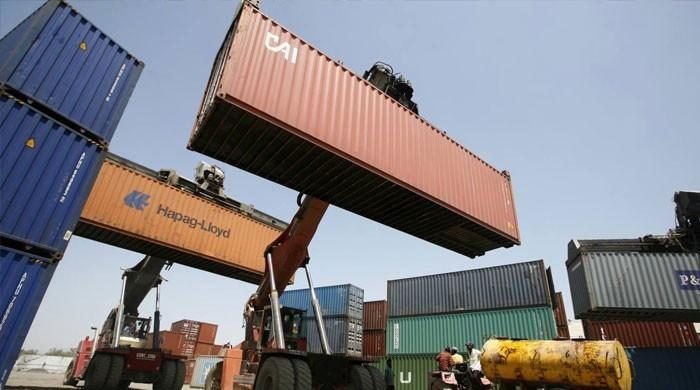
    Pakistan’s exports reached a record level of $11.37 billion in the first four months of the current fiscal year 2027, Geo News reported, citing figures from the Pakistan Bureau of Statistics (PBS).

    According to the data, exports in the first four months of the fiscal year were 8.8 percent higher than the same period last year.

    In the first four months of fiscal year 2026, Pakistan’s exports stood at $10.40 billion, rising to $11.37 billion in the corresponding period of the current fiscal year.

    The figures mark the highest export level recorded for the July–October period, reflecting continued growth in the country’s external trade.

  • ہفتہ وار مہنگائی میں 0.46 فیصد کمی، ٹماٹر اور انڈے مہنگے

    ہفتہ وار مہنگائی میں 0.46 فیصد کمی، ٹماٹر اور انڈے مہنگے

    ادارہ شماریات پاکستان نے کہا ہے کہ 12 نومبر کو ختم ہونے والے ہفتے کے دوران ملک میں ہفتہ وار مہنگائی میں 0.46 فیصد کمی آئی ہے، کیونکہ پیٹرول اور ڈیزل کی قیمتوں میں نمایاں کمی نے مجموعی اشاریے کو نیچے دھکیل دیا۔

    حساس قیمتوں کا اشاریہ، جو ضروری اشیاء کی قیمتوں کو ہفتہ وار بنیادوں پر جانچتا ہے، گزشتہ ہفتے کے 374.61 پوائنٹس سے کم ہو کر 372.90 پوائنٹس پر آ گیا۔ تاہم سالانہ بنیادوں پر یہ اشاریہ گزشتہ سال کے اسی ہفتے کے مقابلے میں 11.21 فیصد زیادہ رہا۔

    ادارے کے مطابق ہفتہ وار کمی کی بنیادی وجہ ایندھن کی قیمتوں میں کمی تھی۔ ہفتے کے دوران پیٹرول 7.42 فیصد سستا ہوا، جبکہ ڈیزل کی قیمت میں 6.10 فیصد کمی آئی۔ پیاز 1.70 فیصد، کیلے 1.03 فیصد اور چینی 0.43 فیصد سستی ہوئی۔

    مجموعی کمی کے باوجود ہفتے کے دوران 19 ضروری اشیاء مہنگی ہوئیں، جبکہ 9 سستی ہوئیں اور 23 کی قیمتیں مستحکم رہیں۔ ٹماٹر میں سب سے زیادہ 12.06 فیصد اضافہ ریکارڈ کیا گیا، اس کے بعد انڈے 5.98 فیصد، آلو 2.42 فیصد اور لہسن 1.76 فیصد مہنگے ہوئے۔

    ادارے کے اعداد و شمار کے مطابق مرغی 1.32 فیصد، جلانے کی لکڑی 1.10 فیصد، آٹا 0.94 فیصد، دال مسور 0.64 فیصد، گائے کا گوشت 0.47 فیصد اور مائع پیٹرولیم گیس 0.30 فیصد مہنگی ہوئی۔

    سالانہ بنیادوں پر گھریلو بجٹ پر دباؤ بدستور شدید رہا۔ ایل پی جی کی قیمتیں ایک سال پہلے کے مقابلے میں 111.35 فیصد زیادہ تھیں، ٹماٹر 78.94 فیصد، پہلی سہ ماہی کے بجلی کے نرخ 52.38 فیصد، آٹا 36.14 فیصد، ڈیزل 30.77 فیصد اور پیٹرول 26.23 فیصد مہنگا تھا۔

    سالانہ موازنے میں کچھ ریلیف بھی نظر آیا۔ آلو کی قیمتیں ایک سال پہلے کے مقابلے میں 36.41 فیصد کم تھیں، چینی 24.54 فیصد اور انڈے 23.29 فیصد سستے تھے۔

    حساس قیمتوں کا اشاریہ ہر ہفتے قلیل مدتی قیمتوں کے رجحانات جانچنے کے لیے تیار کیا جاتا ہے، اور اس میں ملک کے 17 شہروں کی 50 مارکیٹوں سے 51 ضروری اشیاء کی قیمتیں شامل ہوتی ہیں۔ اس اشاریے کی بنیاد 2015-16 ہے، اور تازہ ترین اعداد و شمار سے ظاہر ہوتا ہے کہ اس ہفتے ایندھن کی قیمتوں نے کچھ ریلیف دیا، حالانکہ بہت سے گھرانوں کے لیے کھانے پینے کی اشیاء مہنگی ہوتی رہیں۔

  • Weekly Inflation Falls 0.46% as Fuel Prices Drop

    Weekly Inflation Falls 0.46% as Fuel Prices Drop

    Pakistan’s weekly inflation fell by 0.46 per cent in the week ended November 12, the Pakistan Bureau of Statistics said, as a sharp drop in petrol and diesel prices pulled the overall index down.

    The Sensitive Price Indicator, which tracks the prices of essential items on a weekly basis, declined to 372.90 points from 374.61 points in the previous week. On a year-on-year basis, however, the indicator was still 11.21 per cent higher than the same week last year.

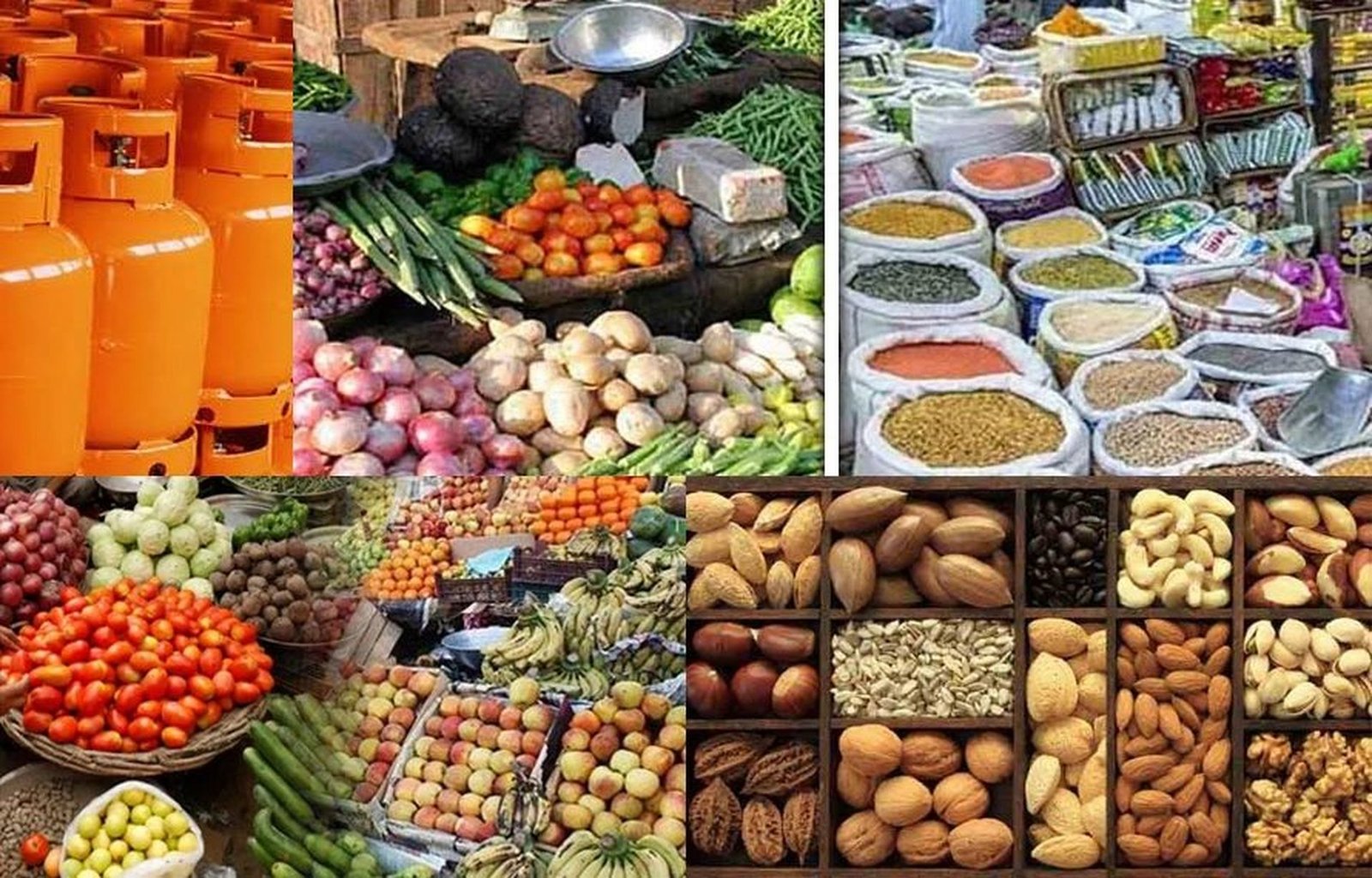
    According to the bureau, the weekly fall was driven mainly by lower fuel prices. Petrol became cheaper by 7.42 per cent during the week, while diesel fell by 6.10 per cent. Onions also became cheaper by 1.70 per cent, bananas by 1.03 per cent and sugar by 0.43 per cent.

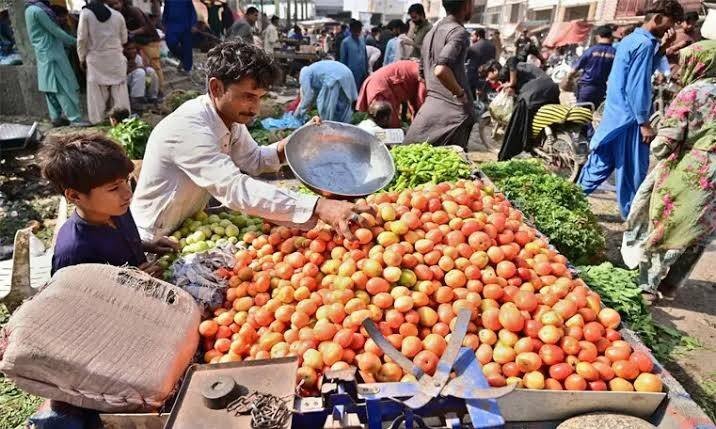
    Despite the overall decline, the prices of 19 essential items rose during the week, while nine became cheaper and 23 remained unchanged. Tomatoes recorded the highest weekly rise, of 12.06 per cent, followed by eggs at 5.98 per cent, potatoes at 2.42 per cent and garlic at 1.76 per cent.

    Chicken became dearer by 1.32 per cent, firewood by 1.10 per cent, wheat flour by 0.94 per cent, pulse masoor by 0.64 per cent, beef by 0.47 per cent and liquefied petroleum gas by 0.30 per cent, the bureau’s data showed.

    On a year-on-year basis, the pressure on household budgets remained severe. LPG prices were 111.35 per cent higher than a year ago, tomatoes 78.94 per cent, electricity charges for the first quarter 52.38 per cent, wheat flour 36.14 per cent, diesel 30.77 per cent and petrol 26.23 per cent.

    Some relief was visible in the annual comparison as well. Potato prices were 36.41 per cent lower than a year earlier, sugar 24.54 per cent lower and eggs 23.29 per cent lower, according to the bureau.

    The Sensitive Price Indicator is computed every week to assess short-term price movements, and covers 51 essential items collected from 50 markets in 17 cities across the country. The index uses 2015-16 as its base year, and the latest reading suggests that fuel prices offered some respite this week, even as food prices continued to climb for many households.

  • Pakistan Trade Deficit Widens 16% to $14.63 Billion

    Pakistan Trade Deficit Widens 16% to $14.63 Billion

    Pakistan’s trade deficit widened by 15.97 percent to 14.63 billion dollars in the first four months of the current fiscal year, as exports fell and imports rose, according to figures from the Pakistan Bureau of Statistics.

    The figures cover July to October 2026, the first four months of fiscal year 2025-26. The deficit stood at 14.63 billion dollars, up from 12.616 billion dollars in the same period last year, an increase of 15.97 percent year on year.

    Exports during the four months were 10.47 billion dollars, down 4.35 percent from 10.947 billion dollars a year earlier. Imports, meanwhile, rose 6.65 percent to 25.1 billion dollars, up from 23.563 billion dollars. The gap between what Pakistan buys from the world and what it sells widened because imports grew while exports shrank.

    October alone showed a sharper deterioration. The deficit for the month was 3.81 billion dollars, up 24.35 percent compared with October last year and up 22.35 percent from 3.113 billion dollars in September. October exports were 2.67 billion dollars, down 7.27 percent year on year, while imports rose 9.44 percent to 6.48 billion dollars.

    The trade deficit is the difference between the value of goods a country imports and the value it exports, and a widening deficit means more foreign currency is leaving the country to pay for imports than is coming in from exports. For Pakistan, which has faced repeated pressure on its foreign exchange reserves, the direction of the deficit is closely watched by policymakers, businesses and lenders.

    The four-month figures show the pressure coming from both sides of the ledger. Export earnings fell by more than four percent, suggesting weaker demand for Pakistani goods abroad or difficulties for exporters, while the import bill rose by more than six percent, adding to the outflow.

    October’s monthly jump is the most striking part of the data. A deficit of 3.81 billion dollars in a single month, more than a fifth higher than September, points to a sharp monthly swing rather than a gradual drift, and the fall in October exports alongside rising imports explains the scale of the increase.

    The figures will feed into the government’s economic planning for the rest of the fiscal year. Policymakers will be looking at whether the export decline can be reversed and whether import growth can be contained without hurting industry and consumers who depend on imported fuel, machinery and raw materials.

    For now, the data shows a trade gap that is growing rather than narrowing. The coming months will show whether the October spike was a one-off or the start of a wider trend in Pakistan’s external trade.

  • Inflation eases to 9.61% in October, back in single digits

    Inflation eases to 9.61% in October, back in single digits

    Pakistan’s annual inflation rate fell to 9.61 per cent in October 2026, returning to single digits after two months above 10 per cent, according to data released by the Pakistan Bureau of Statistics. The figure marks the first single-digit annual reading since July, offering some relief after a summer in which price pressures had picked up again.

    The bureau’s monthly report showed the annual rate easing from 10.3 per cent in September to 9.61 per cent in October. Inflation had climbed above 10 per cent in August and stayed there in September, so the October decline breaks that run, even though the rate remains well above the State Bank’s target range of 5 to 7 per cent. For households, the direction of travel matters, but the level still means prices are rising much faster than policymakers would like.

    The improvement in the annual rate did not mean prices stopped rising. Consumer prices increased by 1.1 per cent in October compared with September, showing that month-on-month pressures continued. Rural areas felt that monthly increase more sharply, with prices up 1.5 per cent on the month, against 0.8 per cent in urban areas. On an annual basis, rural inflation stood at about 9.8 per cent in October, compared with 9.5 per cent in urban areas.

    The broader picture for the fiscal year remains less comfortable. Average inflation during the first four months of the current fiscal year, from July to October 2026, remained in double digits at 10.05 per cent. That average reflects the higher readings in August and September, and it shows that a single month of cooling does not by itself undo the pressure built up over the summer.

    Food provided some of the relief in October. Food inflation eased to 7.74 per cent from 8.2 per cent in September, helped by a fall in perishable food prices, which dropped 2.35 per cent on the month after a sharp rise the month before. At the same time, price growth in transport quickened further, reaching 28.61 per cent from 27.43 per cent, a reminder that energy and fuel costs continue to feed through to household budgets.

    The comparison with a year ago underlines how much has changed. Inflation in October 2026, at 9.61 per cent, was considerably higher than the 6.2 per cent recorded in October 2025. The Finance Division had projected October inflation in a range of 9.5 to 10.5 per cent, so the official figure landed comfortably inside that forecast, but at a level far above last year’s.

    What happens next will depend heavily on international energy prices, food supplies and base effects, the factors the Finance Division itself flagged as risks to the outlook. The State Bank raised its policy rate to 12 per cent in late October to guard against second-round price effects, a move that raises borrowing costs but is intended to anchor expectations.

    For now, October’s data gives the government a welcome headline: inflation back in single digits. Whether that becomes a sustained trend, rather than a one-month pause, will be decided by the November figures and by whether the monthly price increases that continued in October begin to fade.