Tag: outbreak

  • Congo Ebola Outbreak Tops 11,042 Cases, 5,387 Deaths

    Congo Ebola Outbreak Tops 11,042 Cases, 5,387 Deaths

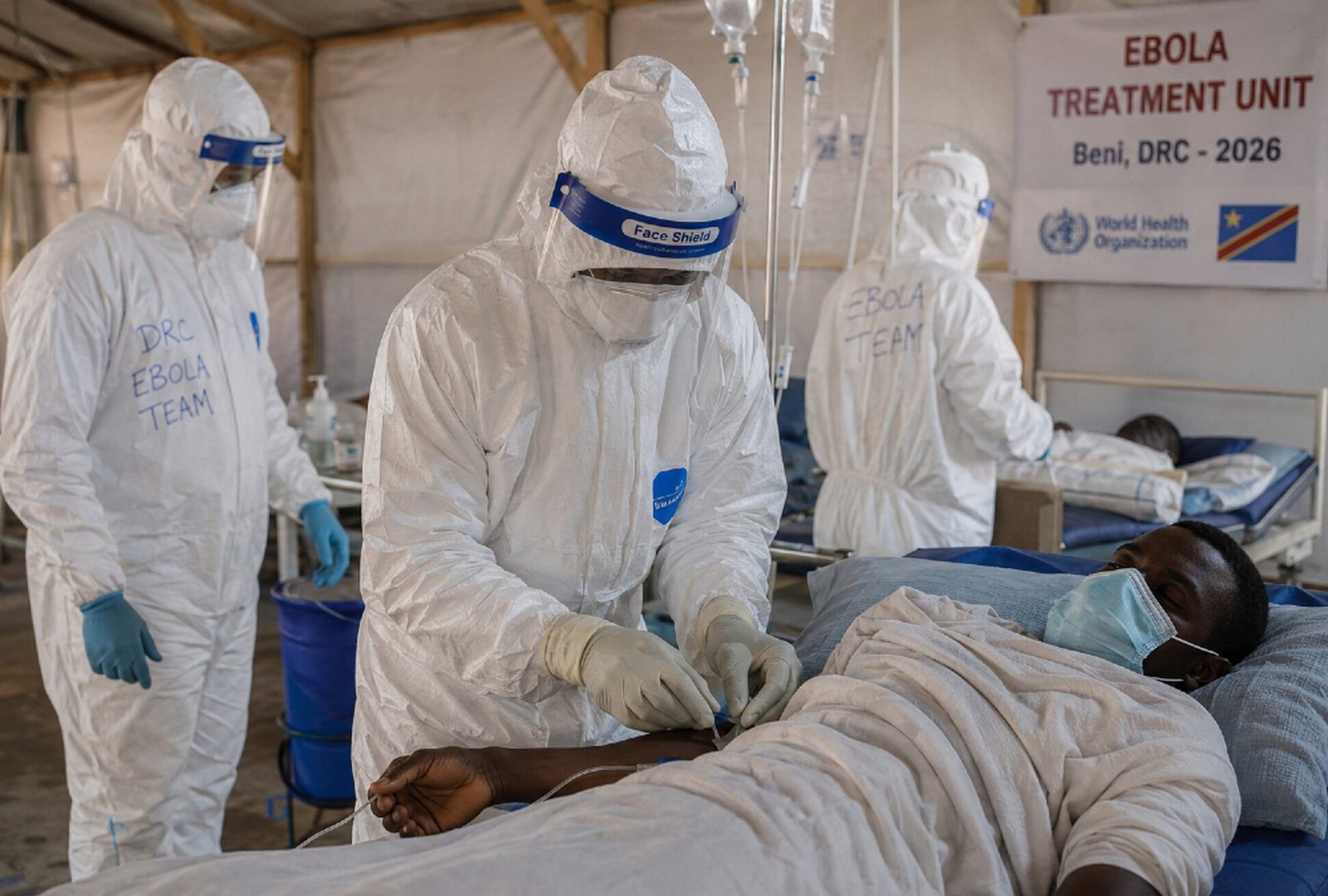
    The Ebola outbreak in the Democratic Republic of Congo has crossed a grim new threshold, with confirmed cases passing 11,000 and the death toll climbing past 5,300, according to government figures released on Tuesday.

    The latest national count puts confirmed infections at 11,042 and deaths at 5,387, health ministry data showed. That makes this the largest and deadliest Ebola outbreak in Congo’s history, and the second-largest and second-deadliest ever recorded anywhere, behind only the 2014 to 2016 epidemic in West Africa, which infected more than 28,600 people and killed over 11,000.

    A virus with no vaccine

    The outbreak is caused by the rare Bundibugyo strain of the Ebola virus and was officially declared in mid-May, although experts believe it may have been circulating for weeks or even months before that. It is the 17th Ebola outbreak in Congo’s history. There is still no licensed vaccine and no approved specific treatment for this strain, which kills roughly half of the people it infects. The national public health institute puts the case fatality rate at 48.8 per cent, and about 2,990 people have recovered so far.

    The virus has now reached eight of Congo’s 26 provinces, the widest spread of any Ebola outbreak recorded on the African continent. Ituri province, where the outbreak began in the north-east, remains the epicentre, accounting for almost 70 per cent of all infections, followed by North Kivu. The World Health Organization counted 10,668 confirmed cases and 5,198 deaths across 67 health zones as of 3 November, with active transmission still under way in 51 of them.

    Why it keeps spreading

    Health workers say the response has been held back by a combination of armed conflict, a health system under severe strain, poor roads and mistrust among residents, which has at times turned violent. Many people have died outside treatment centres, and delayed detection has allowed the virus to travel further before cases are found. The International Organization for Migration says 71 confirmed cases have been detected at transit points it supports, and 95 per cent of them were found on informal routes rather than at formal checkpoints.

    There is some hope on the horizon. Earlier this month the World Health Organization approved clinical trials of two candidate vaccines, with results expected in early 2027, and a trial known as Tumaini began in the town of Bunia on 23 October. Congolese scientists have also sequenced more than 1,500 complete viral genomes in under six months, work that helps track how the virus is moving. For now, though, health officials say the priority remains finding cases faster, reaching communities that are hard to access and keeping treatment centres running, as the outbreak enters its seventh month with no sign yet of slowing down.
  • US Measles Cases Hit 1,505 in Pennsylvania in Worst Outbreak

    US Measles Cases Hit 1,505 in Pennsylvania in Worst Outbreak

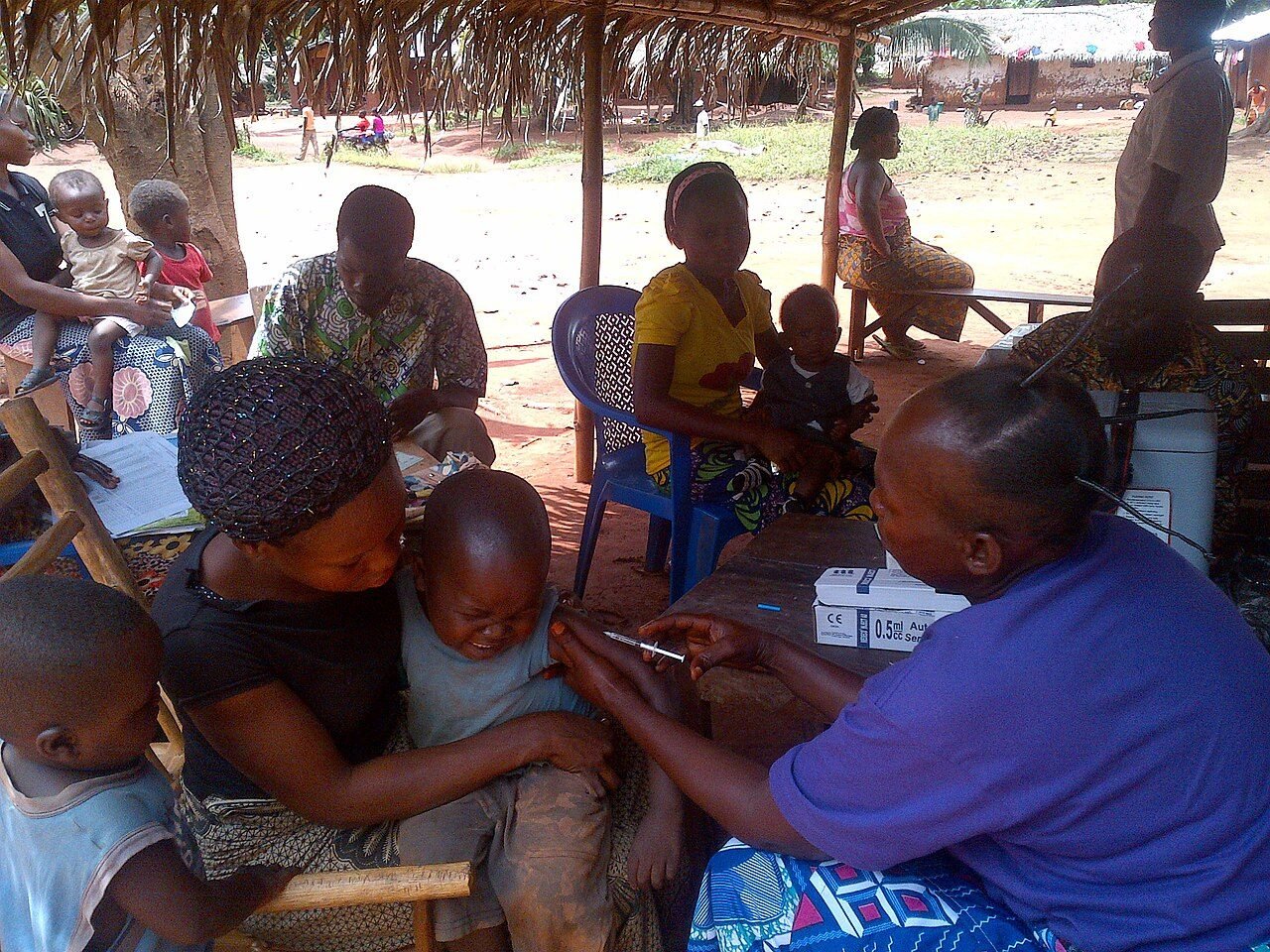
    The number of measles cases in Pennsylvania has passed 1,500, as the state battles its worst outbreak of the disease in years, the state health department has said.

    Cases reached 1,505 as of Monday, up 18 from the previous update on Friday, according to the department’s dashboard. Pennsylvania reported 73 new cases over the past seven days, and measles-related hospitalisations rose to 290 from 287 in the previous update. The state has reported six measles-associated deaths this year.

    People under 18 accounted for 33 percent of the cases in Pennsylvania, and fewer than 1 percent of those infected in the state were fully vaccinated. A new case was confirmed in a Bucks County resident who had travelled to central Pennsylvania; the person is no longer considered contagious.

    Nationally, the US Centers for Disease Control and Prevention reported 5,182 measles cases in the United States as of November 5, the highest annual tally since 1991. People who were unvaccinated or whose vaccination status was unknown accounted for 96 percent of US cases this year. Pennsylvania remains the state hardest hit by the outbreak, followed by South Carolina and Utah, according to CDC data.

    A Pan American Health Organization expert commission is due to review this week whether the United States still meets the criteria for measles elimination, a status the country has held since 2000. Measles is an extremely contagious airborne disease that can be especially dangerous for young and unvaccinated children, and health officials have repeatedly stressed that vaccination is the strongest protection.

    According to the CDC, one dose of the measles-mumps-rubella vaccine is about 93 percent effective at preventing measles if a person is exposed, and two doses raise that protection to about 97 percent. The first dose is recommended between 12 and 15 months of age, and the second dose between the ages of four and six. Officials urge parents to check with their child’s doctor to make sure vaccinations are up to date, especially before travelling, as unvaccinated travellers continue to bring the disease into the country from abroad.

  • کانگو میں ایبولا سے اموات 5 ہزار سے تجاوز کر گئیں

    کانگو میں ایبولا سے اموات 5 ہزار سے تجاوز کر گئیں

    جمہوری جمہوریہ کانگو میں ایبولا کی وبا سے ہلاکتوں کی تعداد پانچ ہزار سے تجاوز کر گئی ہے، جس سے یہ وبا ملک کی تاریخ کی سب سے مہلک وبا بن گئی ہے۔ صحت کی وزارت کے تازہ ترین اعداد و شمار کے مطابق اب تک 10,351 مصدقہ کیسز سامنے آ چکے ہیں جبکہ 5,026 افراد جان کی بازی ہار چکے ہیں۔

    اس وبا کی شرح اموات 48.6 فیصد ہے، یعنی متاثرہ افراد میں سے تقریباً ہر دوسرا شخص جان سے ہاتھ دھو بیٹھا ہے۔ صحت حکام کے مطابق 2,788 مریض صحت یاب بھی ہوئے ہیں، لیکن وبا پر قابو پانا ابھی تک ممکن نہیں ہو سکا ہے۔

    یہ وبا مئی میں شروع ہوئی تھی اور اگست میں یہ کانگو کی تاریخ کی سب سے مہلک وبا بن گئی۔ یہ ملک میں ایبولا کی سترہویں وبا ہے اور دنیا بھر میں اب تک کی دوسری بڑی وبا ہے۔ اس سے بڑی صرف مغربی افریقہ کی 2014 سے 2016 کی وبا تھی۔

    وبا کا مرکز اور پھیلاؤ

    وبا کا مرکز ملک کے شمال مشرق میں واقع صوبہ ایٹوری ہے، جو ایک تنازعات سے متاثرہ علاقہ ہے۔ اس وجہ سے صحت کی ٹیموں کے لیے متاثرہ علاقوں تک پہنچنا اور وبا پر قابو پانا مشکل ہو رہا ہے۔ ملک کے 26 صوبوں میں سے آٹھ صوبے اب اس وبا سے متاثر ہیں۔

    عالمی ادارہ صحت نے کہا ہے کہ وبا کے خاتمے کے لیے اقدامات بڑھانا، متاثرہ علاقوں تک رسائی بہتر بنانا اور عوام میں آگاہی پھیلانا ضروری ہے۔

    اس وبا کی ایک بڑی مشکل یہ ہے کہ اس کا سبب بننے والا وائرس بونڈی بگیو نامی قسم ہے، جس کے لیے ابھی تک کوئی منظور شدہ ویکسین یا علاج موجود نہیں ہے۔ صحت کارکنان مریضوں کا علاج ان کی علامات کی بنیاد پر کر رہے ہیں۔

    پڑوسی ممالک میں کیسز

    وبا کانگو کی سرحدوں سے باہر بھی پھیل چکی ہے۔ کینیا میں نو مصدقہ کیسز اور دو اموات رپورٹ ہو چکی ہیں۔ یوگنڈا میں وبا کے آغاز کے فوراً بعد بیس کیسز اور دو اموات سامنے آئیں، لیکن اگست کے بعد سے وہاں کوئی نیا کیس رپورٹ نہیں ہوا۔ نائیجیریا میں ہفتے کے روز دو مشتبہ کیسز کی نشاندہی ہوئی ہے، جن کے ٹیسٹ کے نتائج کا انتظار ہے۔

    ایبولا ایک نایاب لیکن مہلک بیماری ہے جو وائرس سے پھیلتی ہے۔ اس کی علامات اچانک ظاہر ہوتی ہیں، جن میں تیز بخار، سر درد، شدید تھکاوٹ، پٹھوں اور جوڑوں میں درد، گلے میں خراش، بھوک نہ لگنا اور کپکپی شامل ہیں۔ بیماری بڑھنے پر قے اور اسہال ہو سکتے ہیں۔ یہ وائرس متاثرہ جسمانی رطوبتوں کے رابطے سے منتقل ہوتا ہے۔

    وبا سے نمٹنے کی کوششوں کو تشدد نے بھی متاثر کیا ہے۔ رواں ہفتے ایک نرس کو ایبولا کے ایک الرٹ پر جواب دیتے ہوئے قتل کر دیا گیا، جبکہ گزشتہ ماہ ایک سیاستدان کو بچاؤ کے اقدامات کی تشہیر کرنے پر مارا پیٹا گیا تھا جس سے اس کی موت ہو گئی۔ ماہرین کا کہنا ہے کہ یہ وبا پہلے کی وباؤں کے مقابلے میں زیادہ تیزی سے جانیں لے رہی ہے، اور جب تک متاثرہ علاقوں تک مکمل رسائی اور عوام کا اعتماد بحال نہیں ہوتا، اس کے خاتمے کا راستہ مشکل نظر آتا ہے۔

  • Bangladesh Battles World’s Worst Measles Outbreak

    Bangladesh Battles World’s Worst Measles Outbreak

    Bangladesh is battling to contain the world’s worst measles outbreak, a crisis driven by weak data, inadequate outreach and vaccination gaps that experts say should serve as a warning to every country about the deadly cost of falling immunisation rates.

    The country, whose routine vaccination programme faltered in 2025, reported 202,000 suspected measles cases — 22,000 of them laboratory-confirmed — between mid-March and October 9, the World Health Organization said. That is more suspected cases than any other country in the world this year.

    So far, 1,147 people have died of the highly contagious disease, with 94 per cent of reported deaths among children under five years old, the WHO said.

    “This is a real warning to every country,” said Mark Jit, a WHO vaccine adviser and professor at the School of Global Public Health at New York University. “Preventing an outbreak through vaccinations was easier, cheaper and safer than responding to an emergency.”

    Coverage fell below the safety line

    Bangladesh’s experience shows how quickly an outbreak can take hold when vaccination coverage falls below 95 per cent, the level the WHO says is needed to prevent outbreaks. The country had almost achieved that level in recent years, but coverage dropped in 2025.

    A joint WHO-UNICEF report published in July estimated that first-dose measles coverage in 2025 had fallen to 90 per cent, down from 96 per cent in 2024, while second-dose coverage dropped from 93 per cent to 86 per cent — several percentage points below the 95 per cent needed for herd immunity.

    The report also questioned the quality of official vaccination data for 2023 to 2025, noting that preliminary figures sometimes showed inoculations exceeding 100 per cent of those targeted.

    A Reuters review of WHO documents, along with interviews with more than a dozen scientists, health workers and officials, found that Bangladesh’s emergency response was hampered by data that left out millions of children, shortcomings in preparation and a failure to reach enough parents.

    The human cost

    In the northeastern Sylhet region, one of the worst-hit areas in the nation of 178 million people, two-year-old Arman Hossain died unvaccinated in July, 24 hours after admission to hospital for treatment paid for by selling the family’s three-wheeled auto rickshaw. His unvaccinated four-year-old sister survived.

    His father, Amin Mia, 26, said no health workers came to their remote village in Sylhet to offer vaccinations in time. “They came only after I buried my son,” he said.

    In the town of Chhatak, also in Sylhet, the daughter of 30-year-old carpenter Humayun Rashid died unvaccinated in June, aged nine months. Labiba Akter could have received an inoculation in April, when an emergency programme lowered the vaccination age to six months from nine. “No health worker came to tell us,” her father said.

    Measles usually kills two or three people in every 1,000 cases, the WHO says, but the disease can be more deadly in poorer nations because of factors such as malnutrition.

    Ziauddin Hyder, special assistant on health affairs to Prime Minister Tarique Rahman, told Reuters in September that the government was doing everything it could to end the outbreak. The government did not respond to further questions sent in October, Reuters reported.