Tag: OGRA

  • Petrol Cut by Rs2 to Rs330/Litre from 14 November

    Petrol Cut by Rs2 to Rs330/Litre from 14 November

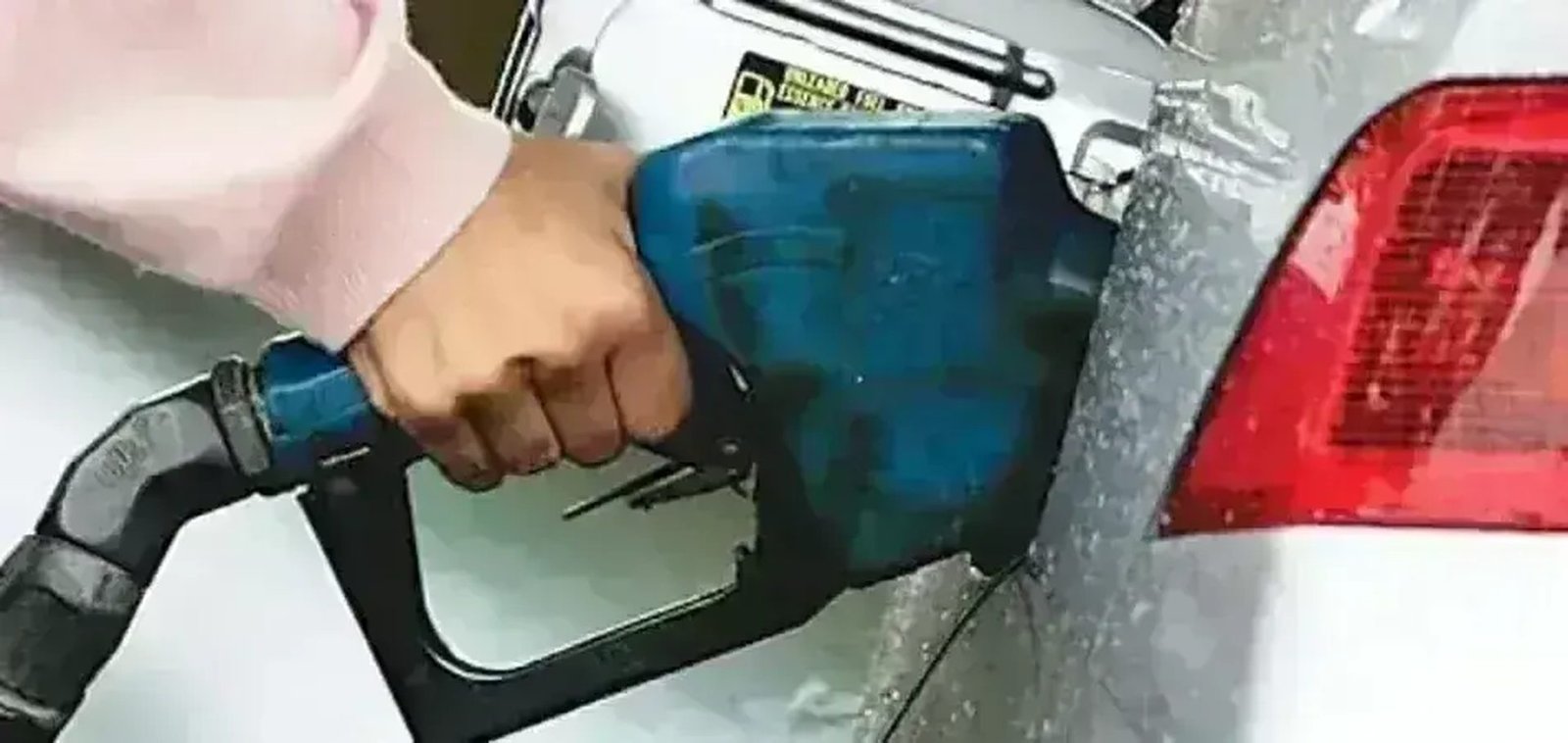
    The federal government has reduced the price of petrol by Rs2 per litre to Rs330, while the price of high-speed diesel remains unchanged at Rs360 per litre, according to a notification issued by the Oil and Gas Regulatory Authority (OGRA).

    The new prices come into effect on Saturday, 14 November 2026, and will remain valid until Monday, 16 November, under the new daily fuel-price review system.

    The revision follows the rates notified a day earlier, under which petrol was selling at Rs332 per litre and diesel at Rs360 per litre. The latest cut brings petrol down by Rs2, while diesel holds steady for another review cycle.

    Under the new system, fuel prices are reviewed daily, which means rates can now change more frequently than before. The short validity window of the latest notification reflects that change: the Rs330 petrol price applies only from 14 November until 16 November, after which a fresh review will set the next rates.

    For motorists, the Rs2 reduction means a small saving at the pump. A car filling up with 40 litres of petrol will pay Rs80 less than it did at the previous price, while the saving grows for larger tanks and for those who drive longer distances every day.

    Diesel remaining unchanged at Rs360 per litre means there will be no immediate change in the fuel cost of trucks, buses and farm machinery, which mostly run on diesel. Transporters and farmers will therefore see no relief from this revision, but also no added burden.

    Fuel prices in Pakistan are linked to international oil prices and the rupee-dollar exchange rate, and are notified by OGRA after the government’s review. When the international market moves, or the rupee strengthens or weakens, the effect is passed on to consumers through these notifications.

    Petrol is the most widely used fuel for cars and motorcycles across the country, so even a small change in its price is felt by millions of commuters. A cut, however modest, offers some relief to household budgets at a time when transport costs make up a large share of daily spending.

    Filling stations and consumers should note that the new rates are valid only until Monday, 16 November. After that, the next daily review will decide whether petrol and diesel prices go up, come down, or stay the same.

    Motorists are advised to check the latest notified price before filling up, as prices under the daily review system can now change within days rather than weeks.

  • Govt Cuts Petrol Levy Burden to Rs63.64 per Litre

    Govt Cuts Petrol Levy Burden to Rs63.64 per Litre

    The federal government has reduced the petroleum levy burden on petrol consumers by Rs1.65 per litre under its revised pricing formula, bringing the levy charged to consumers down to Rs63.64 per litre from Rs65.29 per litre previously.

    Under the new arrangement, oil refineries will now bear Rs16.36 per litre of the petroleum levy, while the government will continue to collect the full petroleum levy of Rs80 per litre. The change shifts part of the levy cost from consumers to refineries without reducing the government’s overall levy collection, according to Dunya News and ProPakistani.

    The Ministry of Energy’s Petroleum Division issued a notification on November 11 confirming the new rates, and the revised arrangement applies from November 12 until further orders. The latest reduction follows the government’s decision to revise the formula for determining petroleum product prices, with its effects now reflected in the petroleum levy.

    The federal government introduced the revised petrol pricing formula about two weeks ago to provide relief to consumers without reducing its overall petroleum levy collection. Under an arrangement announced on November 2, oil refineries will contribute to the petroleum levy by bearing a cumulative impact of Rs15 billion over 30 days, according to Dawn.

    Meanwhile, petroleum product prices have been declining in phases over the past week. The government on Thursday reduced the price of petrol by Rs3 per litre and that of high-speed diesel by Rs4 per litre, marking the eighth consecutive decrease. Following the revision, petrol retails at Rs332 per litre, while high-speed diesel costs Rs360 per litre, according to a notification by the Oil and Gas Regulatory Authority.

    Dunya News reported that petrol had become cheaper by more than Rs35 per litre during the past week. Dawn reported that the government continues to levy Rs114 per litre in taxes and duties on petrol and Rs100 per litre on diesel, including the petroleum levy of Rs80 per litre and a climate support levy of Rs5 per litre on both fuels.

    Officials have said the reduction in the consumer levy component should not automatically be taken as a cut in pump prices, because the total petroleum levy remains unchanged at Rs80 per litre. The confirmed development concerns the distribution of the levy between consumers and refineries rather than a separate announcement of a retail price reduction, ProPakistani reported.

  • Petrol Price Cut to Rs332, Diesel to Rs360

    Petrol Price Cut to Rs332, Diesel to Rs360

    ISLAMABAD: The federal government has reduced the prices of petrol and high-speed diesel (HSD), announcing a cut of Rs3 per litre in petrol and Rs4 per litre in diesel, according to the Oil and Gas Regulatory Authority (OGRA).

    Under the revised rates, petrol will be sold at Rs332 per litre, down from Rs335, while high-speed diesel will cost Rs360 per litre, down from Rs364. OGRA said the new prices would take effect from November 13.

    The latest cut follows a similar reduction a day earlier, when petrol was lowered by Rs3 to Rs335 per litre and diesel by Rs7 to Rs364. The back-to-back revisions come under a new daily pricing system, with OGRA now publishing petroleum prices on its website every day.

    The federal cabinet approved changes to the petrol pricing mechanism on October 30, amid volatility in international oil markets. OGRA said the revised prices had been determined under the petroleum products pricing mechanism approved by the federal government.

    The daily review is meant to improve transparency and pass changes in international oil prices on to consumers more quickly, rather than waiting for longer gaps between revisions. Officials say the system allows global market movements to be reflected in local prices without delay.

    The reduction offers modest relief to motorists and commuters, although fuel prices remain high and transport costs continue to weigh on household budgets. Diesel, which is used widely in transport, agriculture and industry, has a direct bearing on the prices of goods and food items.

    Petrol prices are now reviewed daily under the new mechanism, which means rates can move up or down in line with international markets. Consumers have been advised to check the latest notified prices, as further changes are possible in the coming days.

    The move comes at a time when households are already facing high living costs, and any fall in fuel prices is closely watched by commuters, transporters and businesses. Petrol is the main fuel for cars and motorcycles, while diesel powers trucks, buses and farm machinery across the country.

    OGRA, which regulates the oil and gas sector, announces the revised ex-depot prices, and the new rates apply from the date given in its notification. The regulator has said the daily publication of prices is intended to make the process more transparent for consumers.

  • SNGPL, SSGC Seek Higher Gas Prices from OGRA

    SNGPL, SSGC Seek Higher Gas Prices from OGRA

    Pakistan’s two major gas utilities, Sui Northern Gas Pipelines Ltd (SNGPL) and Sui Southern Gas Company (SSGC), have approached the Oil and Gas Regulatory Authority (OGRA) seeking increases in their average prescribed gas prices for the financial year 2026-27, with the revised prices to apply retrospectively from 1 July 2026.

    SNGPL has sought an increase of Rs10.40 per million British thermal units (MMBtu), which would take its average prescribed price to Rs1,712.40 per MMBtu from Rs1,702. SSGC has sought a much larger increase of Rs366.75 per MMBtu, taking its average prescribed price to Rs2,071.75 per MMBtu.

    The utilities have cited higher international crude oil prices, higher fuel costs, exchange-rate movements, constrained liquefied natural gas (LNG) shipments, falling domestic gas output and revised winter demand estimates as the reasons for the requested increases.

    In its petition, SNGPL has included Rs60.147 billion of LNG service costs, equivalent to Rs471.16 per MMBtu. The company says limited local gas supplies in winter will require 16 LNG cargoes, while the Petroleum Division estimates that 24 LNG cargoes will be needed for the winter on the SNGPL network.

    Consumer tariffs unchanged for now

    OGRA will hold hearings on the petitions before making any determination, and any change in consumer tariffs would require a separate decision and notification by the government. Consumer tariffs are unchanged for now.

    The prescribed price is the average rate OGRA sets to meet a utility’s revenue requirement. It is not the consumer tariff. In July, the government kept existing consumer tariffs unchanged despite OGRA’s prescribed prices of Rs1,718.96 per MMBtu for SNGPL and Rs1,691.24 per MMBtu for SSGC for the financial year 2026-27.

    The petitions come as indigenous gas output continues to fall as mature fields deplete. In September, household gas supplies were restricted to morning, afternoon and evening cooking hours. Under the winter gas management plan for November 2026 to February 2027, domestic consumers have been given priority, while industry, captive power, fertiliser and compressed natural gas (CNG) sectors may face curtailment in the event of a severe shortage.

    Gas-sector circular debt rose by Rs344 billion to Rs3.631 trillion by 30 June 2026, according to Petroleum Division figures presented to the National Assembly.

  • آزاد کشمیر میں گیس بحران شدت اختیار کر گیا، سپلائی معطل، ریسٹورنٹس بند ہونے لگے

    آزاد کشمیر میں گیس بحران شدت اختیار کر گیا، سپلائی معطل، ریسٹورنٹس بند ہونے لگے

    آزاد جموں و کشمیر میں مائع پیٹرولیم گیس (ایل پی جی) کی شدید قلت سنگین بحران کی صورت اختیار کر گئی ہے، جہاں سپلائی معطل ہونے کے باعث ریسٹورنٹس بند ہونے لگے ہیں اور گھریلو صارفین کو کھانا پکانے میں شدید مشکلات کا سامنا ہے۔

    مظفرآباد، جہلم ویلی اور گردونواح میں ایل پی جی کی شدید قلت کے باعث معمولات زندگی متاثر ہونے لگے ہیں۔ گیس کی عدم دستیابی کے باعث متعدد ریسٹورنٹس نے کاروبار بند کرنا شروع کر دیا ہے، جبکہ گھریلو صارفین بھی کھانا پکانے کے لیے شدید مشکلات کا سامنا کر رہے ہیں۔

    تفصیلات کے مطابق گیس ڈسٹری بیوٹرز، ایجنسی ہولڈرز اور دکانداروں کی جانب سے گیس کی فروخت اور سپلائی معطل کر دی گئی ہے، جس کے باعث صارفین کو شدید مشکلات کا سامنا ہے۔

    عوامی حلقوں کا کہنا ہے کہ قانونی نرخوں پر گیس کی فروخت یقینی بنانا متعلقہ اداروں کی ذمہ داری ہے، تاہم اس کی آڑ میں گیس کی فراہمی مکمل طور پر بند کر دینا عوام کو بنیادی ضرورت سے محروم کرنے کے مترادف ہے۔ انہوں نے حکومت آزاد کشمیر، ضلعی انتظامیہ اور اوگرا حکام سے مطالبہ کیا ہے کہ ایل پی جی بحران کا فوری نوٹس لیتے ہوئے گیس کی بلا تعطل فراہمی یقینی بنائی جائے۔

    عوامی حلقوں نے سپریم کورٹ کے احکامات اور اوگرا کے مقررہ نرخوں پر عملدرآمد نہ کرنے والے ڈسٹری بیوٹرز اور ایجنسی ہولڈرز کے خلاف قانونی کارروائی کا بھی مطالبہ کیا ہے، جس میں خلاف ورزی ثابت ہونے پر ان کے لائسنس معطل اور ایجنسیاں سیل کرنا شامل ہے۔

    عوامی حلقوں نے واضح کیا ہے کہ نہ تو من مانی قیمتوں پر گیس کی فروخت قابل قبول ہے اور نہ ہی مقررہ نرخوں پر فروخت سے گریز کرتے ہوئے سپلائی بند کرنا کسی صورت درست ہے، اور حکومت و انتظامیہ سے اپیل کی ہے کہ وہ فوری طور پر مداخلت کر کے عوام کو اس مصنوعی قلت اور بحران سے نجات دلائیں۔

    ایل پی جی کا یہ بحران خطے میں گیس سلنڈر کی قیمتوں پر جاری دیرینہ تنازع کے پس منظر میں سامنے آیا ہے۔ مظفرآباد سے متعلق پہلی رپورٹنگ میں مقامی انتظامیہ اور گیس ڈیلرز کے درمیان سلنڈر کی قیمتوں پر تنازع کا ذکر کیا گیا تھا، جس میں رہائشیوں کا کہنا تھا کہ بڑھتی ہوئی قیمتوں نے عام شہریوں کے لیے گیس تک رسائی مزید مشکل بنا دی ہے اور انہیں غیر مستقل سپلائی اور مقررہ نرخوں سے زیادہ قیمت ادا کرنے پر مجبور ہونا پڑا تھا۔ اس تنازع میں سستی اور مقامی فلنگ اسٹیشنوں کی کمی کی طرف توجہ دلائی گئی تھی، اور اس وقت تک یہ معاملہ حل نہیں ہوا تھا۔

    رہائشیوں کا کہنا ہے کہ سپلائی کی موجودہ معطلی نے صورتحال کو مزید خراب کر دیا ہے، کیونکہ وہ گھرانے جو پہلے ہی قیمتوں اور غیر مستقل دستیابی سے پریشان تھے، اب گیس بالکل حاصل نہیں کر پا رہے ہیں۔ سردیوں کی آمد کے ساتھ کھانا پکانے کی گیس کی طلب بڑھ رہی ہے، اور متاثرہ علاقوں کے لوگوں کا کہنا ہے کہ انہیں بڑھی ہوئی قیمتوں یا فروخت کی مکمل بندش کے بجائے سرکاری طور پر مقررہ نرخوں پر قابل اعتماد سپلائی کی ضرورت ہے۔

  • LPG Crisis Deepens in Azad Kashmir as Supply Suspended, Restaurants Begin to Close

    LPG Crisis Deepens in Azad Kashmir as Supply Suspended, Restaurants Begin to Close

    A severe shortage of liquefied petroleum gas (LPG) has deepened into a crisis across Azad Jammu and Kashmir, where the suspension of supply has begun forcing restaurants to shut down and left households struggling to cook, according to local reports.

    The shortage has hit Muzaffarabad, Jhelum Valley and surrounding areas, where daily life has started to suffer as gas becomes unavailable. Several restaurants have begun closing their businesses because of the lack of gas, while domestic consumers are facing serious difficulty in preparing food.

    According to the reports, gas distributors, agency holders and shopkeepers have suspended the sale and supply of gas, leaving consumers in severe hardship.

    Members of the public say it is the responsibility of the relevant institutions to ensure that gas is sold at legal rates, but stopping the supply altogether deprives people of a basic necessity. They have called on the Azad Kashmir government, the district administration and the Oil and Gas Regulatory Authority (OGRA) to take immediate notice of the LPG crisis and ensure an uninterrupted supply.

    The public has also demanded legal action against distributors and agency holders who do not comply with the orders of the Supreme Court and the rates fixed by OGRA, including suspension of licences and sealing of agencies where violations are proven.

    Residents made it clear that neither selling gas at arbitrary prices nor refusing to sell it at the fixed rates is acceptable, and appealed to the government and the administration to intervene immediately to end what they described as an artificial shortage.

    The LPG crisis comes against a background of a long-running dispute over gas cylinder prices in the region. Earlier reporting from Muzaffarabad described a dispute between the local administration and gas dealers over cylinder prices, with residents saying rising costs had made it increasingly difficult for ordinary citizens to access gas and that they had faced inconsistent supply and had been forced to pay higher-than-standard rates. That dispute, which drew attention to affordability and the lack of local filling stations, remained unresolved at the time.

    Residents say the current suspension of supply has made the situation worse, because households that already struggled with prices and irregular availability now cannot obtain gas at all. With winter approaching, the demand for cooking gas is rising, and people in the affected areas say they need a reliable supply at the officially fixed rates rather than either inflated prices or a complete halt in sales.

  • Petrol Down Rs8 to Rs338, Diesel Rs7 Cheaper from Today

    Petrol Down Rs8 to Rs338, Diesel Rs7 Cheaper from Today

    Motorists across Pakistan got fresh relief on Wednesday as petrol became cheaper by Rs8 a litre and high-speed diesel by Rs7, with the new rates taking effect from 11 November.

    According to the Oil and Gas Regulatory Authority (OGRA), petrol will now be sold at Rs338 a litre, down from Rs346, while diesel has fallen from Rs378 to Rs371 a litre. The regulator issued the notification on Tuesday night, and the revised prices apply from Wednesday.

    It is the second cut in a week. The previous revision, in force from 7 to 10 November, had lowered petrol by Rs6.59 a litre and diesel by Rs4.25 a litre.

    OGRA has also begun publishing petroleum prices on its website every day, so that changes in international oil prices can be passed on to consumers more quickly. Under the daily pricing system, adjustments remain suspended on Saturdays, Sundays and public holidays.

    The move to daily pricing follows a period of sharp swings in global oil markets amid renewed hostilities in the Middle East. The federal cabinet approved changes to the petrol pricing formula on 30 October, The News reported. Under the revised formula, the import price of petrol is worked out from the actual import cost of the relevant PSO cargo, and where that cost is unavailable for daily pricing, the premium, incidentals and customs duty of the last available cargo are used instead.

    For local refineries, the government has temporarily fixed the premium, incidentals and customs duty used in working out the ex-refinery price at their 7 March 2026 levels for 30 days. The difference between the import price and the resulting ex-refinery price is to be surrendered by refineries under the petroleum levy account, with the benefit passed on through a corresponding reduction in the petrol price.

    The government has also introduced a short-term adjustment to smooth petrol price movements, incorporating the benefit arising from a premium differential into petrol prices at a rate of $2.950 per barrel per day.

    Cheaper diesel should ease costs for transporters, farmers and businesses that depend on road freight, while the petrol cut brings direct relief to millions of motorists. With prices now reviewed daily, however, the relief could be short-lived if international oil prices climb again, and the next revision will be watched closely by consumers and the transport sector alike.

  • Petrol Falls to Rs346 a Litre in Fifth Straight Cut

    Petrol Falls to Rs346 a Litre in Fifth Straight Cut

    Petrol in Pakistan now costs Rs346 a litre and high-speed diesel Rs378, after the Oil and Gas Regulatory Authority (OGRA) cut prices for the fifth day in a row, bringing a week of steady relief at the pump for motorists and transporters.

    OGRA’s notification, issued on Friday, reduced the price of petrol by Rs6.59 a litre, from Rs352.59 to Rs346.00, and high-speed diesel by Rs4.25 a litre, from Rs382.25 to Rs378.00. The new rates took effect on Saturday, 7 November, and will remain in force until Tuesday, 10 November, because Monday, 9 November, is a public holiday.

    The latest cut caps a remarkable week for fuel prices. Petrol has fallen by Rs31.91 a litre since 31 October, when it stood at Rs377.91, a drop of about 8.4 per cent. Diesel has come down by Rs24.96 a litre over the same period, from Rs402.96 to Rs378.00. The cuts have arrived almost every day: petrol was reduced by Rs3.40 on 3 November, Rs5.45 on 4 November, Rs7.06 on 5 November and Rs9.41 on 6 November, before Friday’s Rs6.59 cut.

    Why prices are falling

    The relief is driven by two factors. World crude oil prices have softened, and the federal government has moved to a daily pricing system, with the cabinet and the prime minister entrusting OGRA to set fuel prices each day on the basis of international market conditions, rather than waiting for the old fortnightly cycle.

    The current round of relief is also supported by a 30-day arrangement under which oil refineries contribute to the petroleum levy, absorbing a cumulative impact of about Rs15 billion. That deal runs for the rest of the month, which is one reason officials describe the daily cuts as temporary rather than permanent.

    It is important to note that the latest cut is not a tax cut. Taxes and duties inside the pump price have not changed. Petrol still carries about Rs114 a litre in taxes, and diesel about Rs100 a litre, according to official pricing data.

    What it means for households

    For a motorist filling a 40-litre tank, the week’s slide has taken the cost of a full tank of petrol down by nearly Rs1,280 compared with the end of October. Transporters, who run on diesel, have seen a similar saving, and lower diesel prices usually ease pressure on the cost of moving goods, including food, across the country.

    The next revision is expected after the 9 November public holiday, when OGRA will publish fresh prices. Whether the run of daily cuts continues will depend on two things: world oil prices and the refinery levy arrangement. For now, motorists have until 10 November to enjoy the lowest petrol price in months.

  • LPG Producers to Give 10% Output to State Marketers

    LPG Producers to Give 10% Output to State Marketers

    Liquefied petroleum gas producers will allocate 10 per cent of their production to government-owned marketing companies, while the remaining 90 per cent will be sold through transparent auctions. The decision was taken at a meeting in Islamabad on Saturday chaired by Petroleum Minister Ali Pervaiz Malik.

    The Oil and Gas Regulatory Authority will issue a notification to give effect to the decision, officials said. The allocation is aimed at ensuring supplies to northern areas, Gilgit-Baltistan and other remote, hilly and hard-to-reach regions, where households depend on LPG cylinders and existing air-mix plants.

    The meeting also decided that the daily allocation under the new auction mechanism will be capped at 20 metric tonnes per participating company, to ensure fair competition and wider market access. The auctions will be held in the presence of the media, and the floor price will be set at 5 per cent below Pakistan State Oil’s import-parity price.

    The decision was taken at the first meeting of the LPG Committee, held under the chairmanship of the Secretary Petroleum, following the federal government’s approval of the deregulated LPG framework. The committee includes the chairman of the Oil and Gas Regulatory Authority, the managing directors of the Oil and Gas Development Company and Pakistan State Oil, the president of United Energy Pakistan, and the Director General for Liquefied Gases. The authority’s chairman, Masroor Khan, and senior officials of the Petroleum Division attended the meeting.

    “The government is endeavouring to ensure LPG availability at reasonable prices,” Malik said, adding that efforts were being made to address public concerns over availability, affordability and unfair pricing. The federal cabinet approved the deregulated framework on November 4, under which state-owned entities will lead LPG imports and announce a monthly base price reflecting the actual landed cost of imports.

    Under the new framework, the regulator will stop issuing monthly price notifications, and LPG importing and marketing companies will determine their own marketing margins and freight costs. A targeted subsidy fund for low-income households is also planned, and a special provision allows the Pak-Arab Refinery to allocate 75 per cent of its auctionable share to its subsidiary, PARCO Pearl Gas Limited.

  • پٹرول 9 روپے 41 پیسے سستا، نئی قیمت 352 روپے 59 پیسے

    پٹرول 9 روپے 41 پیسے سستا، نئی قیمت 352 روپے 59 پیسے

    اسلام آباد: وفاقی حکومت نے پٹرولیم مصنوعات کی قیمتوں میں ایک اور نمایاں کمی کا اعلان کر دیا ہے۔ پٹرول کی قیمت میں 9 روپے 41 پیسے فی لیٹر کمی کی گئی ہے جس کے بعد نئی قیمت 352 روپے 59 پیسے فی لیٹر مقرر ہو گئی ہے، جبکہ ہائی اسپیڈ ڈیزل 5 روپے 56 پیسے سستا ہو کر 382 روپے 25 پیسے فی لیٹر ہو گیا ہے۔ نئی قیمتیں 6 نومبر 2026 سے نافذ العمل ہوں گی۔

    پیٹرولیم ڈویژن کی جانب سے جمعرات کو جاری کردہ نوٹیفکیشن کے مطابق یہ مسلسل چوتھے روز ایندھن کی قیمتوں میں کمی ہے۔ پیر سے اب تک پٹرول کی قیمت میں مجموعی طور پر 25 روپے 32 پیسے فی لیٹر اور ڈیزل کی قیمت میں 20 روپے 71 پیسے فی لیٹر کمی ہو چکی ہے، جو صارفین کے لیے ایک بڑی ریلیف ہے۔

    اس سے قبل بدھ کو بھی حکومت نے 5 نومبر کے لیے پٹرول کی قیمت میں 7 روپے 6 پیسے اور ڈیزل کی قیمت میں 3 روپے 71 پیسے فی لیٹر کمی کی تھی۔ اس طرح رواں ہفتے کے دوران قیمتوں میں کمی کا سلسلہ مسلسل جاری ہے، جس سے عوام اور کاروباری طبقے کو نقل و حمل اور دیگر اخراجات میں کچھ حد تک ریلیف ملنے کی توقع ہے۔

    روزانہ قیمتوں کا نیا نظام

    پاکستان میں 17 جولائی سے پٹرولیم مصنوعات کی قیمتوں کا روزانہ جائزہ لینے کا نظام نافذ ہے، جس نے ہفتہ وار جائزے کے پرانے طریقہ کار کی جگہ لی ہے۔ اس نظام کا مقصد عالمی منڈی میں تیل کی قیمتوں میں تبدیلی کا فوری جواب دینا ہے تاکہ ملکی صارفین کو بروقت ریلیف یا قیمتوں میں تبدیلی سے آگاہ کیا جا سکے۔

    حکام کے مطابق عالمی منڈی میں تیل کی قیمتوں میں اتار چڑھاؤ کے باوجود حکومت صارفین کو ریلیف دینے کی کوشش کر رہی ہے۔ اس ہفتے کے آغاز میں حکومت نے بتایا تھا کہ تیل کی ریفائنریز ملکی سطح پر پٹرول کی قیمت کو عالمی منڈی سے تقریباً 15 روپے فی لیٹر کم رکھنے کے لیے ماہانہ تقریباً 15 ارب روپے کا مالی بوجھ برداشت کریں گی۔

    ایندھن سبسڈی اسکیم

    وزیراعظم شہباز شریف نے 13 ستمبر کو ایندھن سے متعلق ایک ہدفی ریلیف اسکیم کا اعلان کیا تھا جس کے تحت موٹر سائیکلوں، تین پہیوں والے رکشوں اور 800 سی سی تک کی گاڑیوں کو 100 روپے فی لیٹر سبسڈی دی جا رہی ہے۔ اس اسکیم سے تقریباً ایک کروڑ 18 لاکھ افراد مستفید ہونے کی توقع ہے، جن میں ایک کروڑ موٹر سائیکل صارفین، آٹھ لاکھ رکشہ صارفین اور دس لاکھ چھوٹی گاڑیوں کے مالکان شامل ہیں۔

    ماہرین کا کہنا ہے کہ ایندھن کی قیمتوں میں مسلسل کمی سے مہنگائی پر قابو پانے میں بھی مدد مل سکتی ہے کیونکہ نقل و حمل کی لاگت میں کمی سے اشیائے ضروریہ کی قیمتوں پر دباؤ کم ہوتا ہے۔ تاہم ان کا یہ بھی کہنا ہے کہ عالمی منڈی کی صورتحال اور خطے میں جاری کشیدگی کے باعث آئندہ دنوں میں قیمتوں کا رجحان تبدیل بھی ہو سکتا ہے۔

    صارفین اور ٹرانسپورٹرز نے قیمتوں میں کمی کا خیر مقدم کیا ہے اور امید ظاہر کی ہے کہ یہ سلسلہ جاری رہے گا۔