Tag: Nvidia

  • Political Fallout Widens in Nvidia Spy Scandal

    Political Fallout Widens in Nvidia Spy Scandal

    The political fallout from the Nvidia spy scandal has reached President Donald Trump’s cabinet, with Treasury Secretary Scott Bessent publicly blaming the Commerce Department for failing to blacklist a Singapore company suspected of funnelling powerful Nvidia AI chips to China.

    Bessent’s criticism, a rare public rebuke of one department by another, has put fresh pressure on Commerce Secretary Howard Lutnick. Lutnick has agreed to testify before the Senate as questions grow over his department’s handling of export controls.

    The scandal led Nvidia chief executive Jensen Huang to resign on Thursday. It has raised concerns that high-end Nvidia chips reached China, the United States’ main rival in artificial intelligence, in breach of Washington’s export restrictions. It has also prompted questions about whether senior officials in the Trump administration turned a blind eye to Nvidia’s dealings with Chinese-linked companies.

    As head of the department that oversees US export controls, Lutnick is ultimately responsible for enforcing the rules meant to keep advanced Nvidia processors out of Chinese hands. Lutnick, a billionaire investor, is a close friend of Trump, who had made Huang one of his closest advisers on artificial intelligence.

    Speaking on CNBC, Bessent said the Treasury, the Defence Department, the US Trade Representative’s office and the State Department had backed adding the Singapore company, Megaspeed, to Washington’s trade blacklist for months. But, he said, Commerce holds the pen on the decision. He said he was frustrated because Trump had made it very clear that China should not receive any Nvidia chips above the H100 model. Any leakage, he said, hurts American companies and hands China an advantage in the AI race.

    Lutnick is also facing pressure from Congress. Senator Jim Banks, an Indiana Republican, told Fox News he wanted Lutnick to testify before the Senate Banking Committee as soon as possible, pointing to bipartisan questions about what happened over the past year. A Commerce Department spokesperson, Kristen Eichamer, told US media on Thursday that Lutnick had agreed to testify.

    News outlet Axios reported on Wednesday that Trump had approved action against suspected diversions of Nvidia chips to China on at least three occasions this year, but that Lutnick did not act on the requests.

    Megaspeed is suspected of helping Chinese firms get around US export controls by buying Nvidia chips for its data centres in Southeast Asia and routing them on to China. The company reportedly traded more than four billion dollars’ worth of Nvidia chips over two years.

    This week, US media identified Megaspeed’s former director, Alice Huang, as an alleged Chinese intelligence asset who had a relationship with Jensen Huang. The two are not related. Beijing has denied the spying allegations. Jensen Huang acknowledged an extramarital affair in a letter to Nvidia employees on November 8, without naming the woman involved. Nvidia’s board has said it will investigate, and three congressional committee chairs have asked Jensen Huang to attend a closed-door briefing in Washington.

  • Nvidia CEO Jensen Huang Resigns After 33 Years

    Nvidia CEO Jensen Huang Resigns After 33 Years

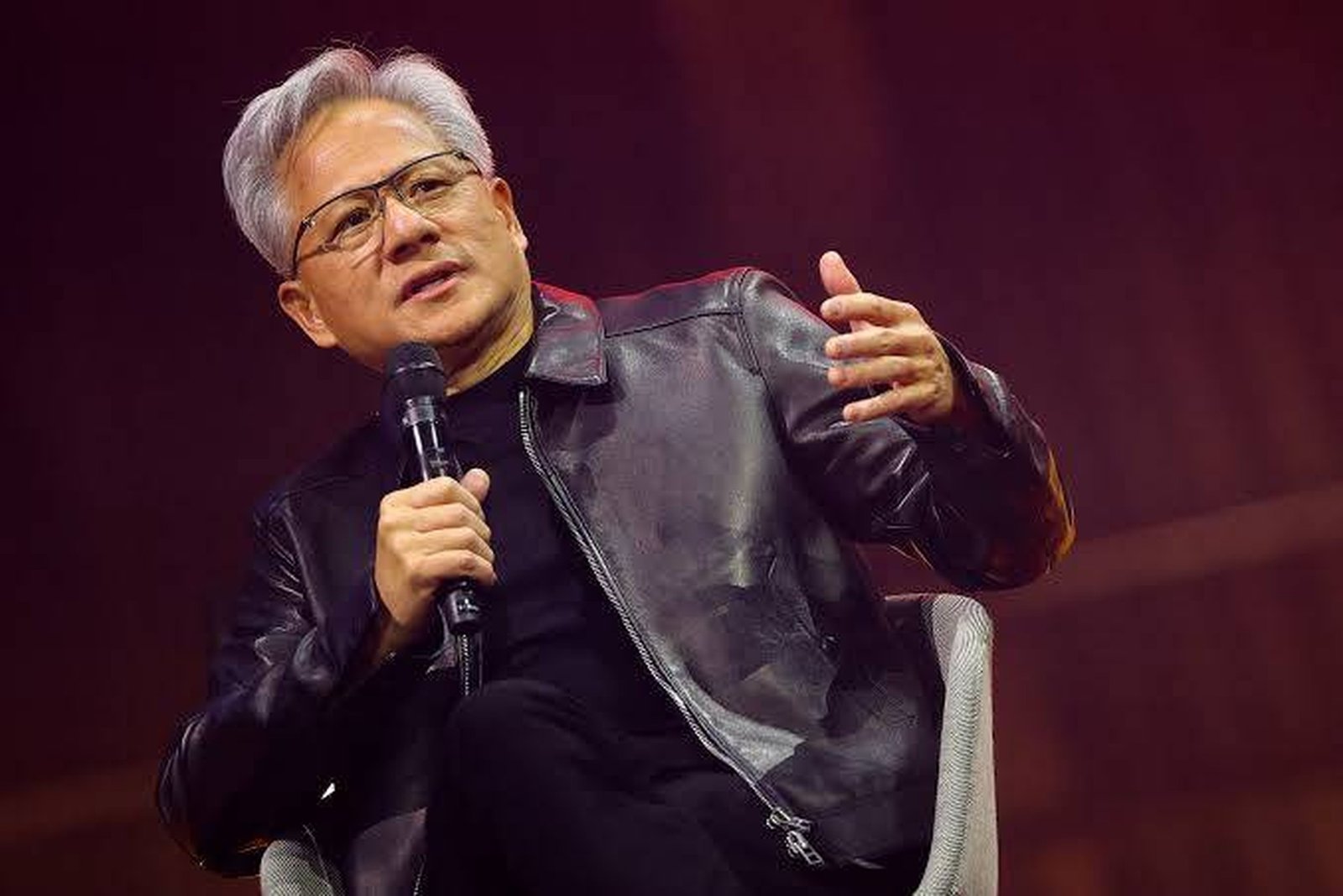
    Jensen Huang, the founder who led Nvidia for 33 years and turned it into one of the world’s most valuable companies, has resigned as chief executive, the company’s board announced on Thursday. Chief Financial Officer Colette Kress has been appointed interim chief executive and will continue to serve as executive vice president and chief financial officer while the board considers internal and external candidates for a permanent replacement.

    The announcement ended several days of intense speculation about Huang’s future. Nvidia’s board met on Wednesday night to discuss his position after The New York Times reported that Huang had an additional extramarital relationship with a company executive. On Sunday, Huang admitted to having an extramarital affair, without naming the other person, and apologised to his family and colleagues.

    The board had said on Sunday that it would investigate whether Huang was the target of a foreign intelligence effort, after reports of his relationship with a woman US officials believe is a Chinese spy. According to CNN, US intelligence concluded in a classified memo issued in May that Alice Huang, an executive at Megaspeed, a Singapore-based Nvidia customer, was a Chinese intelligence asset. Nvidia said on Sunday that the board had “no reason to believe that either national security or NVIDIA secrets were compromised.”

    The picture remains unsettled. Sources told CNN that the intelligence collected so far does not prove that Alice Huang was acting as a spy for Beijing, and Attorney General Todd Blanche said on Thursday that no conclusions had been reached by the Department of Justice or the FBI about who she is or is not. President Donald Trump also hedged on Thursday when asked whether the United States had determined that she was a spy.

    Shares fall as investors weigh the future

    Investors reacted sharply to the leadership shake-up. Nvidia shares dropped more than 10 percent in pre-market trading on Thursday and were down 5.53 percent at $164.13 by midday. The shares had already fallen 9.5 percent across Monday and Tuesday after Huang’s weekend admission and news of the board’s investigation, and they were down 27 percent from a peak in early October at the close of trading on Wednesday.

    Rival chipmaker Advanced Micro Devices surged as investors weighed the competitive implications of Nvidia’s turmoil, rising after an analyst upgrade. Shares of companies Nvidia has invested in, including CoreWeave and Coherent, also fell as the uncertainty spread across the artificial intelligence sector.

    Huang is widely credited with kicking off the artificial intelligence boom, and Nvidia sits at the centre of the market for the advanced chips that power it. Analysts say the company is worth roughly $1 trillion less without him at the helm, according to estimates from Dan Ives of Yorkville Ives and Company, who called the resignation “a gut punch for Nvidia and the US tech industry.”

    The succession question is complicated by the way Huang ran the company. He maintained an unusually flat organisation with 60 direct reports and no clear second-in-command, and he had previously said he did not believe in succession planning. The board now faces the task of finding a permanent chief executive for a company that has become synonymous with its founder.

  • این ویڈیا کے سربراہ جینسن ہوانگ 33 سال بعد مستعفی

    این ویڈیا کے سربراہ جینسن ہوانگ 33 سال بعد مستعفی

    چِپ بنانے والی دنیا کی سب سے بڑی کمپنی این ویڈیا کے شریک بانی اور چیف ایگزیکٹو جینسن ہوانگ نے اپنے عہدے سے استعفیٰ دے دیا ہے، جس کے ساتھ ہی کمپنی کی قیادت میں ان کا 33 سالہ دور ختم ہو گیا۔ بورڈ آف ڈائریکٹرز نے جمعرات کو اس فیصلے کا اعلان کیا اور بتایا کہ ہوانگ کا استعفیٰ گزشتہ رات ہی قبول کر لیا گیا تھا۔ ان کے استعفے کا اطلاق فوری طور پر ہو گیا ہے، اور وہ صدر، چیف ایگزیکٹو اور بورڈ کے رکن کے عہدوں سے الگ ہو گئے ہیں۔

    کمپنی کی چیف فنانشل آفیسر کولیٹ کریس کو عبوری چیف ایگزیکٹو مقرر کیا گیا ہے۔ 59 سالہ کریس اپنے مالیاتی امور کا عہدہ بھی برقرار رکھیں گی، جبکہ بورڈ مستقل سربراہ کی تلاش کے لیے اندرونی اور بیرونی امیدواروں پر غور کرے گا۔ بورڈ نے ڈائریکٹر ہاروی سی جونز کو کمپنی کا پہلا چیئرمین بھی مقرر کیا ہے۔ جونز، جو سابق سینوپسس کے چیف ایگزیکٹو رہ چکے ہیں، 1993 سے این ویڈیا کے بورڈ کے رکن ہیں۔

    کریس ستمبر 2013 میں کمپنی میں شمولیت کے بعد سے این ویڈیا کی چیف فنانشل آفیسر اور ایگزیکٹو وائس پریذیڈنٹ کے طور پر خدمات انجام دے رہی ہیں۔ انہیں اب کمپنی کی قیادت ایک ہنگامہ خیز دور میں سنبھالنی ہوگی، کیونکہ این ویڈیا 17 نومبر بروز منگل کو مالی سال 2027 کی تیسری سہ ماہی کے نتائج کا اعلان کرنے والی ہے۔ کمپنی نے کہا ہے کہ اس کے آپریشنز، صارفین سے وعدے اور مصنوعات کا روڈ میپ بغیر کسی رکاوٹ کے جاری رہیں گے۔

    اعلان کے بعد جمعرات کو مارکیٹ کھلنے سے قبل کی تجارت میں این ویڈیا کے حصص میں 10 فیصد سے زائد کی کمی واقع ہوئی، جو اس کمپنی میں اچانک قیادت کی تبدیلی پر سرمایہ کاروں کی تشویش کو ظاہر کرتی ہے، جس نے عالمی مصنوعی ذہانت کی ترقی کو آگے بڑھایا ہے۔

    یہ استعفیٰ کئی دنوں کی ہنگامہ خیزی کے بعد سامنے آیا ہے۔ 8 نومبر کو این ویڈیا کے بورڈ نے اعلان کیا تھا کہ ہوانگ کے خلاف غیر ملکی انٹیلیجنس کی کوششوں کی اطلاعات پر ایک آزاد تحقیقات شروع کی جا رہی ہے۔ کچھ دن بعد نیویارک ٹائمز نے رپورٹ کیا کہ چیف ایگزیکٹو کا ایک ایسے ایگزیکٹو سے تعلق بھی تھا جو ان کے ماتحت کام کرتا تھا۔ اتوار کو ہوانگ نے ایک غیر ازدواجی تعلق کا اعتراف کیا، دوسرے فریق کا نام لیے بغیر، اور اپنے خاندان اور ساتھیوں سے معذرت کی۔

    کمپنی کے اعلان میں ہوانگ کی رخصتی کی کوئی وجہ نہیں بتائی گئی، اور استعفے کی دستاویز میں علیحدگی یا معاوضے کے کسی انتظام کا بھی ذکر نہیں کیا گیا۔ بورڈ نے صرف یہ کہا کہ وہ توقع کرتا ہے کہ کمپنی کے کام، صارفین سے وعدے اور مصنوعات کا منصوبہ بغیر رکاوٹ جاری رہے گا۔

    ہوانگ نے 1993 میں این ویڈیا کی بنیاد رکھی تھی اور اسے گرافکس چِپ بنانے والی ایک چھوٹی کمپنی سے جدید مصنوعی ذہانت کے نظاموں کے پیچھے کارفرما پروسیسرز کی مرکزی سپلائر بنا دیا۔ ان کی رخصتی اس ایگزیکٹو کے لیے ایک بڑا زوال ہے جسے مصنوعی ذہانت کی ترقی کا محرک قرار دیا جاتا ہے۔ اب کریس کے ذمے سرمایہ کاروں اور عملے کو مستحکم رکھنے کا کام ہے، جبکہ بورڈ کمپنی کے اگلے سربراہ کا انتخاب کرے گا۔

  • Nvidia CEO Jensen Huang Resigns After 33 Years — CFO Colette Kress Takes Over

    Nvidia CEO Jensen Huang Resigns After 33 Years — CFO Colette Kress Takes Over

    Nvidia co-founder Jensen Huang has resigned as the company’s president, chief executive and a member of its board, effective immediately, ending a 33-year run at the helm of the world’s most valuable chipmaker.

    The board of directors announced the decision on Thursday, saying it had accepted Huang’s resignation the previous night. Chief financial officer Colette Kress, 59, has been named interim chief executive and will keep her finance role while the board searches for a permanent successor, considering both internal and external candidates.

    The company also named director Harvey C. Jones as its first-ever chairman of the board. Jones, a former Synopsys chief executive, has served on Nvidia’s board since 1993.

    Kress has been Nvidia’s chief financial officer and executive vice president since joining the company in September 2013. She will lead the chipmaker through a turbulent period, with the company due to report its third-quarter fiscal 2027 results on Tuesday, 17 November, as previously scheduled.

    Nvidia shares fell more than 10 percent in pre-market trading on Thursday after the announcement, reflecting investor anxiety about the sudden leadership change at the company that has powered the global artificial intelligence boom.

    The resignation follows days of turmoil. On 8 November, Nvidia’s board announced an independent investigation into reports that Huang had been the target of a foreign intelligence effort. Days later, the New York Times reported that the chief executive had also had an affair with an executive who reports to him. On Sunday, Huang admitted to having an extramarital affair, without naming the other party, and apologised to his family and colleagues.

    The company’s announcement gave no reason for Huang’s departure, and a regulatory filing recording the resignation disclosed no severance or separation arrangements. The board said it expected Nvidia’s operations, customer commitments and product roadmap to continue without interruption.

    Huang co-founded Nvidia in 1993 and built it from a graphics-chip start-up into the central supplier of the processors behind modern AI systems. His exit marks a sharp fall from grace for the executive widely credited with kicking off the AI boom, and leaves Kress with the task of steadying investors and staff while the board chooses the company’s next leader.

  • China: US Using ‘Spy’ Claims to Justify Tech Blockade

    China: US Using ‘Spy’ Claims to Justify Tech Blockade

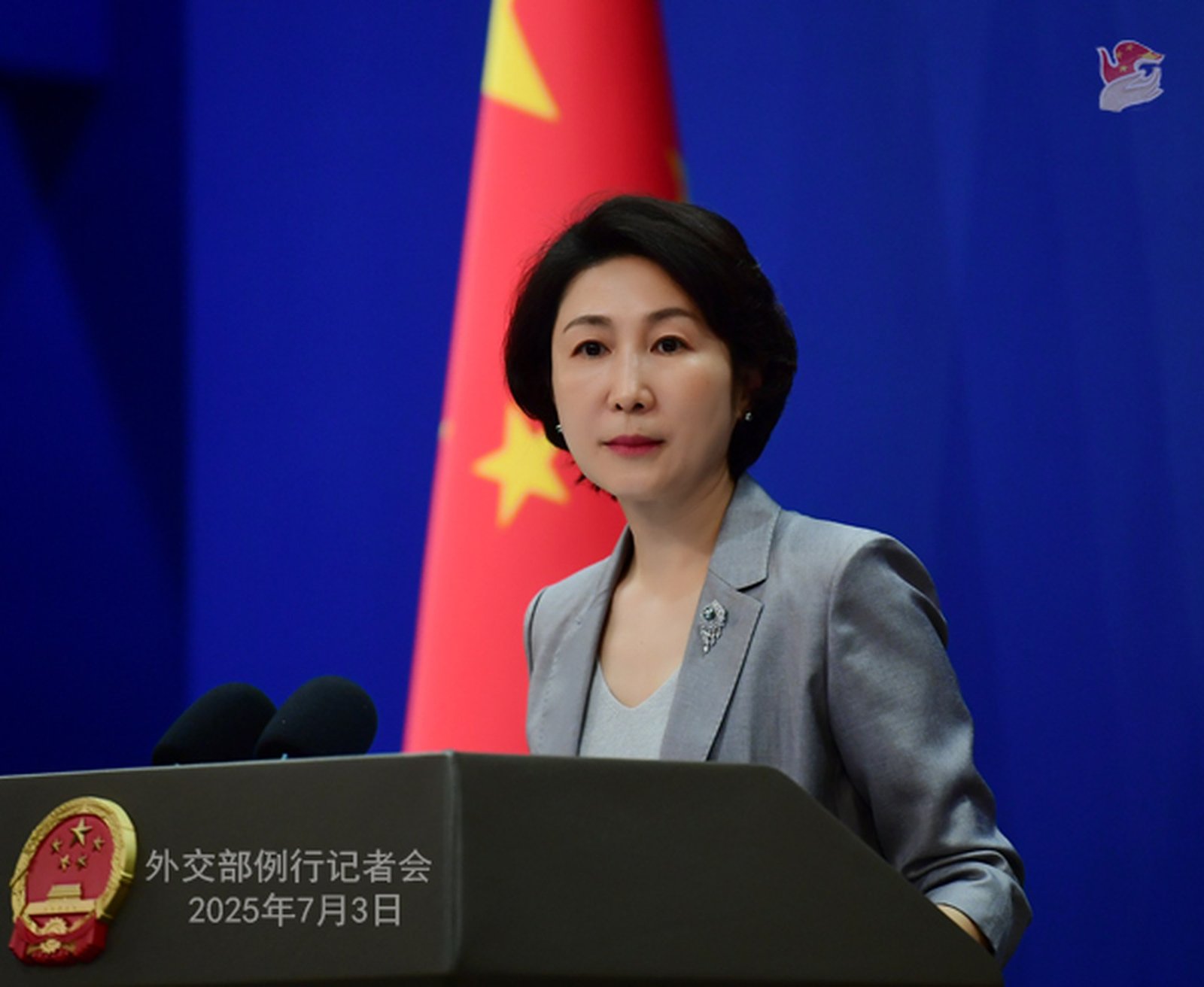
    China has accused the United States of using invented spying claims as an excuse to impose a technological blockade, hitting back at reports that Nvidia chief executive Jensen Huang was the target of a Chinese espionage plot. Speaking at a regular briefing in Beijing on Thursday, foreign ministry spokeswoman Mao Ning said Washington should stop fabricating what she called spy narratives to justify tightening its grip on advanced technology.

    Mao insisted that China’s technological progress was driven by its own innovation and open cooperation with the rest of the world, not by espionage. She dismissed the claims surrounding Huang as groundless speculation and an attempt to smear China, language Beijing has used repeatedly since the story first surfaced. Her remarks were the strongest public response yet from the Chinese government to a scandal that has shaken one of the world’s most valuable companies.

    The row centres on reports that Huang admitted to an extramarital affair with Alice Huang, a former executive at the Singapore-based data centre firm Megaspeed, whom United States officials suspect of having links to Chinese intelligence. Huang, who co-founded Nvidia and built it into the world’s leading supplier of the chips that power artificial intelligence, has spent years lobbying against American curbs on sales of advanced chips to China. Last year, President Donald Trump cleared Nvidia’s H200 chips for export to China, over the objections of hawks in both parties who fear Beijing winning the race to dominate AI.

    The affair and the espionage claims have already had serious consequences for Huang. Nvidia’s board has opened an independent review of the matter, and reports this week said directors were considering his future as chief executive. In Washington, the scandal has also revived pressure from lawmakers who want stricter controls on the export of advanced AI chips and on the cloud services that let Chinese customers access them from abroad.

    The diplomatic fallout comes at a sensitive moment. Trump and Chinese President Xi Jinping are due to meet next week at the APEC gathering in Shenzhen, where trade and technology are expected to dominate the agenda. Beijing’s message on Thursday was aimed squarely at that meeting, warning Washington not to use the Huang affair as fresh justification for restrictions. For now, neither side has produced public evidence to settle the spying claims, and the dispute looks set to run alongside the wider contest over who controls the technology of the future.

  • ElevenLabs Unveils 13 New AI Products in NVIDIA Deal

    ElevenLabs Unveils 13 New AI Products in NVIDIA Deal

    AI voice company ElevenLabs has moved well beyond voice generation. At its New York Summit on November 11, the company announced 13 new products and upgrades that turn it into a full enterprise AI platform, with tools that let businesses shape voice agents around their own customers, data and way of working.

    The centrepiece of the announcement is customisation. Selected companies will soon be able to work directly with ElevenLabs researchers to fine-tune audio models and large language models using data from their own live deployments. With reinforcement learning, the models can keep improving against whatever the business chooses to measure, such as customer satisfaction or reliability.

    Three new voice models have already arrived over the past month. Scribe v3 handles speech-to-text transcription, Eleven v4 is a text-to-speech model that reads tone, pacing and context from a script, and Eleven Realtime is a new class of speech-to-speech models built for fast and accurate voice agents. The company has also launched Scribe v3 Medical, a transcription model tuned for healthcare language, and plans similar models for industries such as financial services.

    One system to run the right model at the right moment

    ElevenLabs also unveiled Interaction Engine, a system that orchestrates voice models and language models across a conversation. Not every step of a task needs the most powerful model, so the engine picks the best combination for each moment, balancing performance and reliability against cost. According to the company, it works under the hood so businesses can deliver the right outcome without wasting money on tokens.

    The ElevenAgents platform, which runs voice and chat agents across sales, support, recruitment and operations, is gaining three upgrades. Memory gives agents the full context of every returning customer, so people no longer have to repeat themselves. Routines is an automation layer that runs multi-step work before, during and after every conversation. Architect helps teams build and improve agents simply by talking or typing, with every proposed change drafted, tested in simulation and held for approval.

    Alongside the agent upgrades, the company opened early access to ElevenAI, a new app that acts as an AI teammate for enterprise teams. It can turn spoken conversations, including in-person meetings, into notes and next steps, and can offer live assistance during a call. The company says notice and consent mechanisms are built in.

    To reach larger and more complex organisations, ElevenLabs launched a Partner Program with more than 550 partners in 44 countries, and announced an alliance with McKinsey to help companies build and scale agents. A new Marketplace will let businesses adopt agents already customised for their industry by more than 20 partners, instead of building from scratch.

    The company also expanded its partnership with NVIDIA. The chipmaker’s Nemotron 3.5 Super VL models are now available inside ElevenAgents, and ElevenLabs plans to add 15 megawatts of new Vera Rubin computing capacity. The two companies will also work on an on-premises voice agent for Poland’s national e-Health platform, helping patients book medical appointments.

    Chief executive Mati Staniszewski said conversational agents will become critical infrastructure for every enterprise within a few years, as essential as cloud computing or payments. Companies including Yahoo, Westgate, Stripe, TELUS, FOX Sports, Klarna and SevenRooms are already putting ElevenAgents to work, and the summit showcased Yahoo’s voice-powered assistant and Westgate’s new front-desk agent.

  • Nvidia Sued Over Alleged Spy Ties, $190bn Wiped Out

    Nvidia Sued Over Alleged Spy Ties, $190bn Wiped Out

    Nvidia and its chief executive, Jensen Huang, have been sued by a shareholder who accuses them of misleading investors about Mr Huang’s alleged relationship with a woman US authorities concluded was a suspected Chinese intelligence asset. The proposed class action was filed on Monday in federal court in San Jose, California.

    According to the complaint, the defendants misled shareholders about Mr Huang’s alleged affair with Alice Huang, a former executive of Megaspeed, a Singapore-based Nvidia customer. Alice Huang is not related to Mr Huang. The New York Times reported last month about the alleged relationship, and that US authorities had concluded Alice Huang was a Chinese intelligence asset. Mr Huang has acknowledged that he had an intimate relationship with her.

    The lawsuit, brought by shareholder Mark Kistenmacher and the Rosen Law Firm, says Nvidia and Mr Huang failed to disclose that the matter raised national security concerns that threatened the company’s reputation and business prospects. It seeks to represent investors who bought Nvidia shares between 9 October 2025 and 8 November 2026, and seeks unspecified damages for alleged violations of US securities law.

    Nvidia’s board announced an independent investigation into the matter on Sunday. The board said Mr Huang had been the target of a foreign intelligence effort, but that it had no reason to believe national security or company secrets had been compromised.

    Investors reacted sharply. Nvidia shares closed down 4.3 percent on Monday at 178.67 dollars, wiping about 190 billion dollars off the company’s market value in a single day. The lawsuit was filed five minutes after the US stock market closed, according to Reuters.

    US President Donald Trump said on Monday that the FBI was investigating the matter, while expressing support for Mr Huang. China denied conducting an intelligence operation targeting the Nvidia chief, with its foreign ministry describing the allegation as unsubstantiated.

    The complaint focuses on four public statements by Nvidia about its dealings with Megaspeed and Mr Huang’s interactions with Alice Huang. US authorities have also been investigating allegations that Megaspeed routed Nvidia’s advanced artificial intelligence chips to China through intermediaries, in possible breach of US export controls. Megaspeed was already under scrutiny over suspected export control evasion before the reports about Mr Huang emerged.

    The allegations in the complaint have not been tested in court, and Alice Huang has not been charged with any offence. It is common for shareholders to sue companies after unexpected share price declines, and Nvidia’s is only the latest in a series of securities cases that follow sharp falls in a company’s stock. The case, if certified as a class action, could run for years and will turn on whether Nvidia’s public statements about its relationship with Megaspeed were materially misleading at the time they were made.

  • Nvidia Probes CEO Huang Over China Spying Claims

    Nvidia Probes CEO Huang Over China Spying Claims

    Nvidia has opened an independent investigation into its founder and chief executive, Jensen Huang, after he acknowledged an affair with a woman whom United States officials say was working for Chinese intelligence.

    The company’s board announced on Sunday that it had opened the probe, which follows reporting late last month by The New York Times that US intelligence officials had concluded the woman, a Chinese executive linked to the Singapore-based data centre company Megaspeed, had been funnelling information to Beijing. The executive is Alice Huang, also known as Huang Le, who is no relation to Jensen Huang. She had developed a close relationship with the 63-year-old, Taiwanese-born chief executive, according to the report.

    Megaspeed was already under scrutiny over claims it may have been steering Nvidia’s artificial intelligence chips to China. In a message to employees released on Sunday, Huang acknowledged the affair and apologised. “I was unfaithful to my wife,” he said. “My actions hurt her and our children. There is no excuse for what I did. I am deeply sorry.”

    Huang is a towering figure in the AI revolution and a close informal adviser to President Donald Trump. The Times reported that the relationship could have given the woman insights into Trump’s thinking around AI, and the issue could arise during Trump’s planned talks with President Xi Jinping later this month at a summit in China.

    In its statement, Nvidia said the board had opened the inquiry “in light of recent reporting that founder and CEO Jensen Huang has been the target of a foreign intelligence effort,” adding: “While the Board has no reason to believe that either national security or NVIDIA secrets were compromised, the Board’s inquiry will examine all available information.”

    Trump, asked about the matter on Sunday, said: “I just know he’s a fine person, but you never know what’s going on. I’m sure — I hope everything’s fine. He’s done such an incredible job.” The president was briefed on the intelligence findings roughly a year ago and chose not to act, and said on Sunday he did not regret that decision. The Chinese government dismissed the Times report as “groundless speculation.”

    Analyst Dan Ives called the episode “a black eye moment” for Jensen Huang, predicted multiple congressional inquiries and an overhang on the stock, and said Huang was expected to keep his job in the near term but risked removal as chief executive depending on the outcome of the probe. “This will add risk to the stock as he is so important to the Nvidia story and strategy globally,” he said.

    The case lands in the middle of the race for technological dominance between China and the United States, which restricts the export of most cutting-edge silicon chips to China. Nvidia is a global leader in the chips used to train and run AI models and one of the world’s most valuable companies, which is why any question around its chief executive draws attention far beyond the company itself.

  • اینویڈیا کی پرانی عمارتیں اے آئی ڈیٹا سینٹر بنانے کی تجویز

    اینویڈیا کی پرانی عمارتیں اے آئی ڈیٹا سینٹر بنانے کی تجویز

    چپ بنانے والی معروف امریکی کمپنی اینویڈیا نے پرانی ٹیلی کام عمارتوں کو چھوٹے اے آئی ڈیٹا سینٹروں میں تبدیل کرنے کی تجویز دی ہے، تاکہ مصنوعی ذہانت کے لیے درکار کمپیوٹنگ طاقت تیزی سے حاصل کی جا سکے۔

    رپورٹ کے مطابق اینویڈیا نے نجی سرمایہ کاری کی فرم اپولو گلوبل مینجمنٹ سے رابطہ کیا ہے، اور برائٹ اسپیڈ کی 130 سے زائد ٹیلی کام عمارتوں کو استعمال کرنے کی تجویز پیش کی ہے۔ برائٹ اسپیڈ اپولو کی ملکیت والی براڈ بینڈ کمپنی ہے، جو پہلے آواز اور ڈیٹا کی ٹریفک سنبھالنے کے لیے استعمال ہونے والی عمارتوں کی مالک ہے۔

    یہ خبر 5 نومبر 2026 کو دی انفارمیشن نے شائع کی، جس نے اس معاملے سے براہ راست واقف دو افراد کے حوالے سے رپورٹ دی۔ رپورٹ کے مطابق اینویڈیا نے برائٹ اسپیڈ کو تحریری تجویز بھیجی ہے، اور کئی مقامات کی تکنیکی معلومات اور دورے کی درخواست کی ہے۔

    تجویز کے مطابق یہ چھوٹے ڈیٹا سینٹروں کا نیٹ ورک امریکہ کی 20 ریاستوں تک پھیل سکتا ہے۔ رپورٹ میں جن مقامات کا ذکر ہے ان میں الاباما کا ڈوتھن، ٹیکساس کا کلین اور اوہائیو کا مینزفیلڈ شامل ہیں، حالانکہ یہ واضح نہیں کہ اینویڈیا کتنی عمارتوں کو تبدیل کرنا چاہتی ہے۔

    ایک گیگا واٹ بجلی کا اندازہ

    اینویڈیا کے اندازے کے مطابق ان عمارتوں میں تقریباً ایک گیگا واٹ بجلی دستیاب ہو سکتی ہے۔ یہ اندازہ کمپنی کا اپنا ہے، اور ابھی تک اس کی تصدیق سائٹوں کے معائنے یا بجلی کی فراہمی کے معاہدوں سے نہیں ہوئی ہے۔

    یہ عمارتیں اس لیے دلچسپی کا مرکز ہیں کہ ان میں پہلے سے بجلی، فائبر کنکشن اور ضروری اجازتیں موجود ہیں۔ بڑے ڈیٹا سینٹروں کی نئی تعمیر کے خلاف کئی علاقوں میں مخالفت بڑھ رہی ہے، اور امریکہ میں حالیہ انتخابات میں کامیاب ہونے والے بعض امیدواروں نے نئے ڈیٹا سینٹروں پر پابندی کا مطالبہ بھی کیا ہے۔

    برائٹ اسپیڈ 2022 میں اس وقت بنی تھی جب اپولو نے لومن ٹیکنالوجیز کے مقامی ٹیلی فون اور براڈ بینڈ کاروبار کے کچھ حصے 7.5 ارب ڈالر میں خریدے تھے۔ رپورٹ کے مطابق کمپنی مالی مشکلات کا شکار ہے، اور اس کے دیوالیہ ہونے کے قریب ہونے کی اطلاعات ہیں، تاہم یہ دیوالیہ ہونے کی درخواست کی تصدیق نہیں ہے۔

    اینویڈیا نے ان مجوزہ سہولیات کو ایک انفرنس نیٹ ورک قرار دیا ہے، یعنی یہ پہلے سے تربیت یافتہ اے آئی ماڈلز کو چلانے کے لیے استعمال ہوں گے، نئے ماڈلز کی تربیت کے لیے نہیں۔ چھوٹی سائٹیں بڑے ڈیٹا سینٹر کیمپس پر انحصار کیے بغیر بجلی کی دستیاب گنجائش سے فائدہ اٹھا سکتی ہیں۔

    عملی مشکلات بھی موجود ہیں

    اس منصوبے کے راستے میں عملی مشکلات بھی ہیں۔ پرانی ٹیلی کام عمارتوں کو جدید اے آئی سرورز کے لیے مخصوص کولنگ نظام اور بجلی کے اپ گریڈ کی ضرورت پڑ سکتی ہے۔ ان کاموں کے لیے مقامی اجازتیں بھی درکار ہو سکتی ہیں، حالانکہ رپورٹ کے مطابق یہ نئی تعمیر کے مقابلے میں کم رکاوٹیں پیدا کر سکتی ہیں۔

    اے آئی نیٹ ورکنگ کمپنی ڈیٹم کے چیف ایگزیکٹو زیک اسمتھ نے دی انفارمیشن کو بتایا کہ پرانی ٹیلی کام عمارتیں کم استعمال شدہ بجلی کو کام میں لا سکتی ہیں، لیکن انہوں نے خبردار بھی کیا کہ پرانے برقی آلات کی وجہ سے ان کا چلانا بعض اوقات زیادہ مہنگا بھی ہو سکتا ہے۔