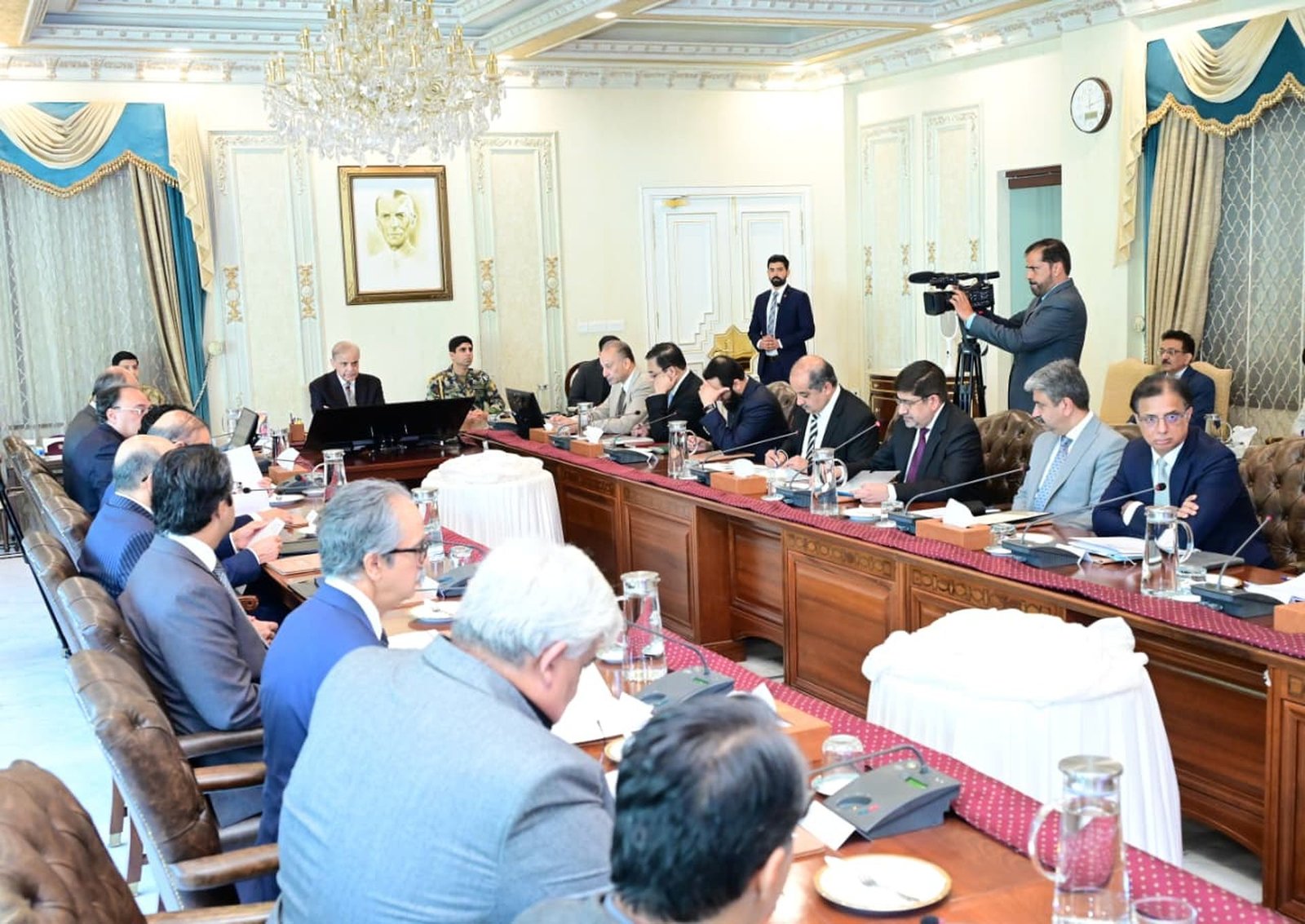
Prime Minister Shehbaz Sharif on Thursday directed the authorities to accelerate reforms in Pakistan’s gemstone sector, stressing the need for international-standard laboratories, modern mining techniques and a complete value chain to lift exports.
Chairing a high-level review meeting in Islamabad, the prime minister said Pakistan was blessed with vast reserves of precious gemstones, but outdated mining practices and limited processing facilities were causing significant losses to the national economy. “Pakistan has enormous potential in gemstone mining, value addition and exports,” he said, adding that the government was taking comprehensive measures on a priority basis to develop the sector.
He directed the establishment of international-standard laboratories for gemstone identification and certification to improve the quality, credibility and international competitiveness of Pakistani gemstones. He also instructed the authorities to send Pakistani master trainers to Sri Lanka and Thailand for specialised training in gemstone processing, and directed the Foreign Secretary to ensure that Pakistani ambassadors in the relevant countries extended full support to the training programme.
Officials told the meeting that Pakistan had an estimated 300 million carats of gemstone reserves, with more than 9,000 miners extracting over 30 varieties of precious stones, and that the sector was linked to more than 5,500 businesses across the country. The reserves are found mainly in Gilgit-Baltistan, Khyber Pakhtunkhwa and Azad Jammu and Kashmir, according to earlier official briefings.
The industry, however, continues to face major challenges, including the export of raw gemstones, wastage of more than 50 per cent during mining operations, a shortage of modern technical expertise and limited value-addition facilities. The government has prepared a comprehensive reform strategy aimed at shifting the sector from raw material extraction to finished gemstone products, and implementation of the National Gemstone Policy 2026–2030 has begun.
The proposed reforms include an independent regulatory framework and a national certification and warranty system, restrictions on the export of raw gemstones, tax and customs duty exemptions on imported machinery, upgraded technical training and the development of local markets. The strategy also seeks to encourage private-sector investment and partnerships to build an integrated value chain covering mining, processing, certification, manufacturing and exports.
The prime minister said the government would provide a conducive business environment to encourage private-sector participation in gemstone mining and processing, and stressed that Pakistan must move beyond exporting unprocessed stones. The government is targeting $1 billion in annual gemstone exports within five years, against current formal exports of about $5.8 million, and the State Bank raised the export proceeds retention limit for the sector from 10 per cent to 30 per cent earlier this week.
The prime minister appreciated the contributions of Special Assistant to the Prime Minister on Energy Lieutenant General (retd) Muhammad Zafar Iqbal and his team, Finance Minister Muhammad Aurangzeb, Petroleum Minister Ali Pervaiz Malik and Adviser on Industries and Production Haroon Akhtar.