Tag: NASA

  • NASA’s Swift Telescope Burns Up After 22 Years in Space

    NASA’s Swift Telescope Burns Up After 22 Years in Space

    After 22 years of watching the most violent explosions in the universe, NASA’s Swift space telescope has met a fiery end of its own. The observatory tumbled out of orbit on Wednesday and burned up in Earth’s atmosphere above Indonesia, bringing down the curtain on a mission that was only ever meant to last two years.

    The United States Space Force confirmed that Swift re-entered the atmosphere at 7:39 in the morning Eastern time, streaking across the sky at about 22 times the speed of sound over North Sumatra province, roughly 200 miles north of the equator. NASA said most of the 3,200-pound spacecraft would have been incinerated by the heat of re-entry, and no damage or injuries on the ground were reported.

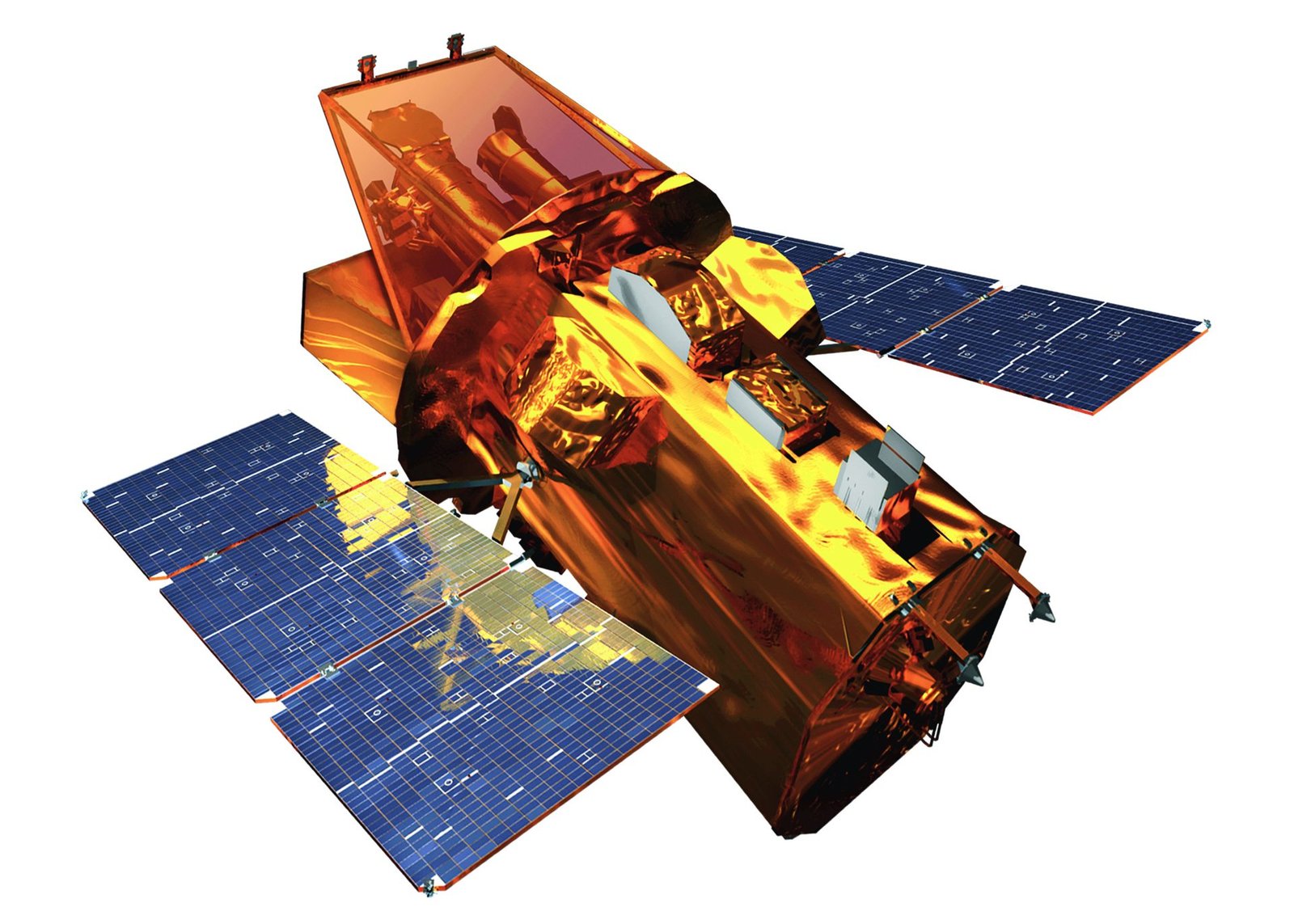
    Swift, formally known as the Neil Gehrels Swift Observatory, was launched in November 2004 to study gamma-ray bursts, the most intense blasts of energy known in the cosmos. Fitted with three telescopes working across different wavelengths, the 500-million-dollar spacecraft was designed to spot these fleeting explosions within seconds and alert telescopes on the ground. It went on to detect thousands of cosmic events and reshape astronomers’ understanding of how stars die.

    The beginning of the end came as the ageing observatory began falling from orbit faster than expected. Unusually strong solar activity in late 2024 thickened the upper atmosphere, increasing drag on the spacecraft and pulling it steadily downward. By the time it made its final observation on October 20, its orbit had dropped so low that continued operations were impossible.

    NASA made one last attempt to save it. A rescue spacecraft built by Arizona-based company Katalyst Space Technologies was launched in July to grab hold of Swift with robotic arms and lift it back into a higher orbit. The first-of-its-kind mission failed, however, when the rescue craft suffered problems with its orientation control system and other malfunctions.

    Space officials had calculated the risk to people on the ground as very low, putting the odds of anyone being harmed by falling debris at one in 2,100. While most of Swift burned away high above Earth, experts expected a small fraction of its toughest components to survive the plunge, most likely falling into the ocean. Its re-entry zone stretched in a broad band around the tropics, taking in parts of Africa, Australia, India, Southeast Asia and the Americas. For astronomers, the loss closes a remarkable chapter: a spacecraft built for two years that kept watch over the sky for more than two decades.
  • NASA’s 22-year Swift telescope burns up over Indonesia

    NASA’s 22-year Swift telescope burns up over Indonesia

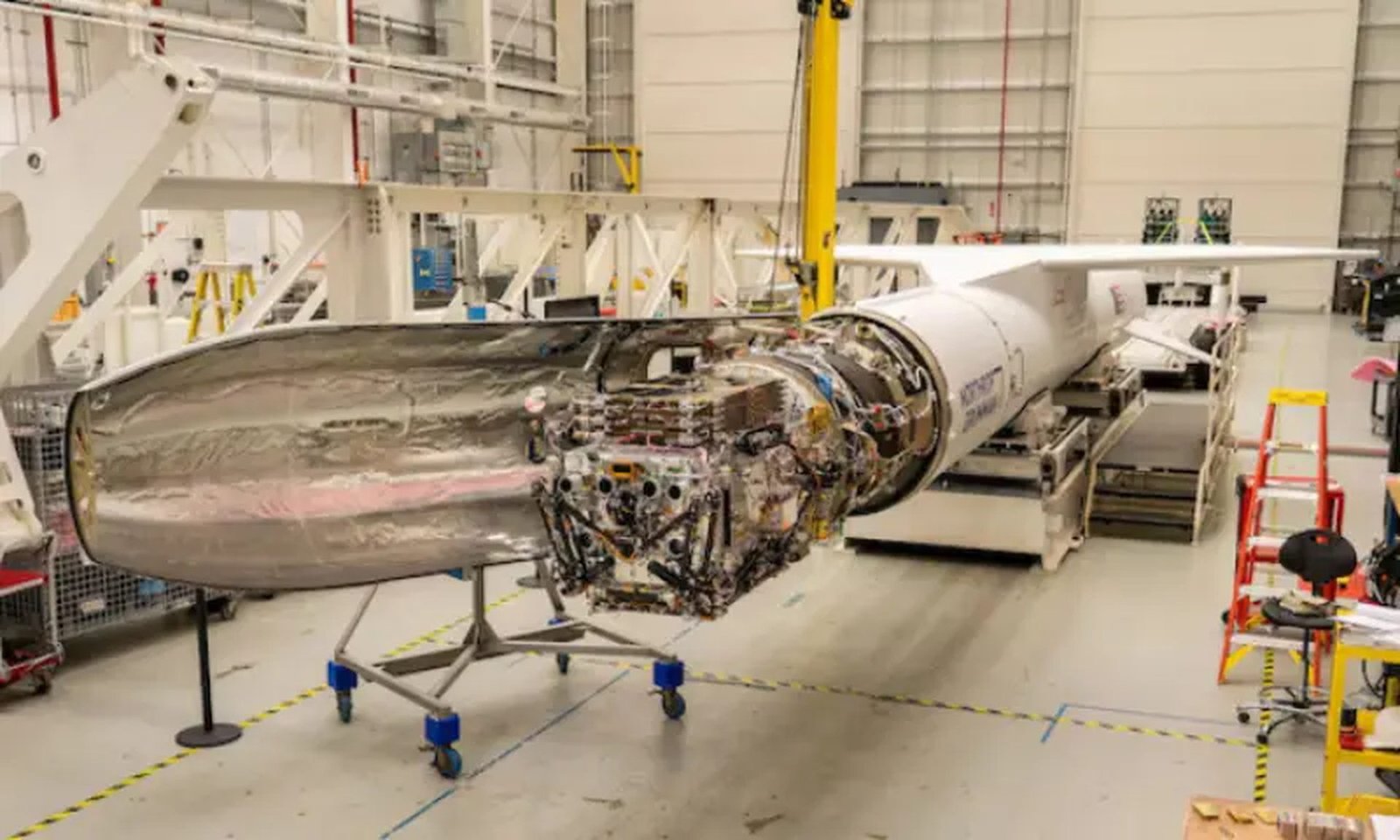
    NASA’s Swift satellite telescope, which spent two decades studying the most powerful cosmic explosions, has tumbled out of orbit and burned up in Earth’s atmosphere over Indonesia.

    The spacecraft fell from orbit as expected on Wednesday, 4 November, according to the reports, ending a mission that had lasted far longer than anyone had planned. Swift was launched in 2004 on what was meant to be a two-year mission, but it kept working for twenty years beyond that, outliving its planned lifespan by two decades.

    Swift was 5.6 metres long and weighed 1,470 kilograms. Its job was to watch for gamma-ray bursts, the most powerful explosions in the universe, and to study them in detail. Over its long life, it detected more than 1,600 gamma-ray bursts and observed about 4,000 blazars, the bright cores of distant galaxies.

    The telescope also observed about 1,200 supernovae, the violent deaths of stars, and more than 1,000 flaring stars. It discovered about 800 gamma-ray bursts with unknown origins, which NASA said could be among the highest-energy supernovae ever found.

    The end of the mission had been expected for some time. NASA lost contact with Swift in December 2025, and in January 2026 the agency said it was no longer possible to control the satellite. From that point, its fall back to Earth was a matter of time, and scientists had predicted it would burn up in the atmosphere rather than reaching the ground.

    That is what happened on Wednesday, when the spacecraft tumbled out of orbit and burned up over Indonesia. Satellites that re-enter the atmosphere at high speed heat up and break apart, and in Swift’s case the whole spacecraft was destroyed in the fall.

    Swift’s long career made it one of the most productive space telescopes ever flown. Gamma-ray bursts last only seconds, and catching them needs a telescope that can turn quickly to look at the right part of the sky. Swift was designed to do exactly that, and it sent alerts to telescopes on the ground so they could study the afterglow of each burst.

    The data it collected helped astronomers understand where gamma-ray bursts come from and how they are linked to the deaths of massive stars and the collision of dense objects in space. Its observations of supernovae and blazars added to that picture, building a record that scientists will keep studying for years.

    The mission also showed how much extra value can be got from a spacecraft that keeps working beyond its planned life. Swift was built for two years and delivered twenty-two, a return that NASA has pointed to as an example of what a well-built observatory can achieve.

    With the telescope now gone, its legacy lives on in the catalogue of bursts, supernovae and other objects it recorded, and in the scientists who learned their trade working with its data. The fiery end over Indonesia closes the story of a mission that was meant to be brief and turned out to be one of NASA’s longest-running successes.

  • After 378 Days, NASA’s Simulated Mars Crew Steps Out

    After 378 Days, NASA’s Simulated Mars Crew Steps Out

    After 378 days sealed inside a simulated Mars habitat, a four-person crew has emerged from NASA’s second CHAPEA mission at the Johnson Space Center, completing one of the longest ground-based tests yet of life on another planet. The crew lived and worked inside Mars Dune Alpha, a 1,700-square-foot habitat built with 3D-printing technology, designed to feel as close as possible to a real base on Mars.

    The crew entered the habitat on 19 October 2025 and spent more than a year cut off from normal daily life. Their mission was to test how people cope with isolation, limited space, and the practical routines of a Mars expedition, so that NASA can learn what a real crew would need before anyone travels to the red planet.

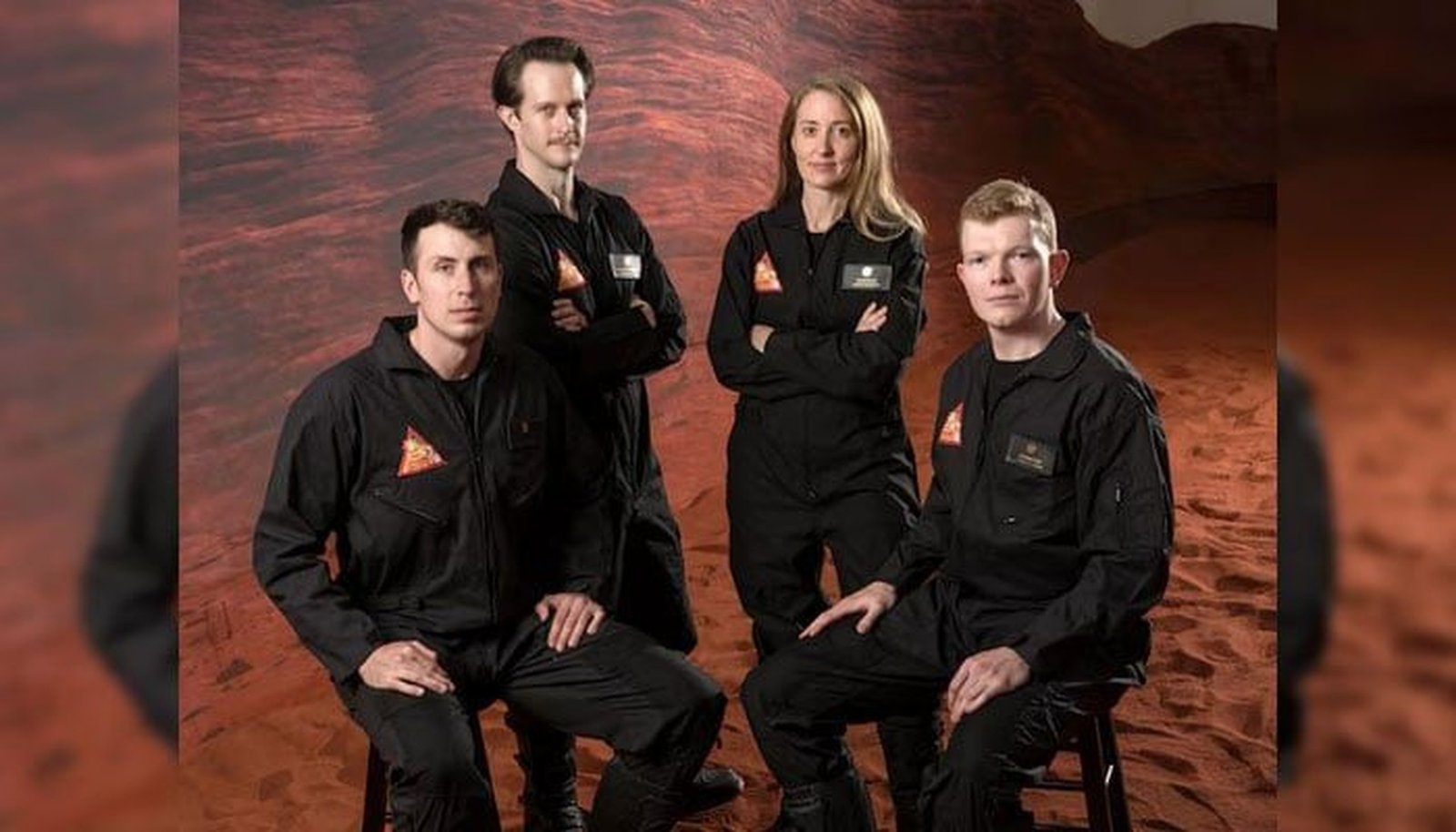
    The four crew members were mission commander Ross Elder, science officer Matthew Montgomery, flight engineer James Spicer, and medical officer Ellen Ellis. Each had a defined role, mirroring the way a real Mars crew would divide responsibilities between command, science, engineering, and medicine.

    During their time inside, the crew grew crops in simulated Martian soil, carried out simulated Mars walks, and worked with NASA under communication delays similar to those that would affect messages between Earth and Mars. Because a signal takes many minutes to travel between the two planets, the crew had to plan their work carefully and solve problems without instant help from mission control.

    Daily life in the habitat was tightly structured. The crew followed exercise routines, maintained equipment, ran science experiments, and kept to a schedule designed to protect both their physical health and their mental wellbeing during more than a year of confinement with the same three colleagues.

    Speaking after emerging, the crew described the experience as a step towards a real human mission to Mars. Elder said the goal of putting people on Mars was achievable and, in his view, rather inevitable, while Ellis spoke about the importance of maintaining American leadership in space exploration.

    NASA says the lessons from CHAPEA will feed directly into planning for future deep-space missions. The agency aims to send astronauts to Mars as early as the 2030s, after first returning astronauts to the Moon for the first time since 1972. Missions like CHAPEA help engineers test habitats, food systems, and crew routines on Earth, where problems can be studied safely.

    The crew will now take part in two weeks of post-mission evaluations and debriefing, during which doctors and researchers will study how the year in isolation affected their health, sleep, teamwork, and performance. Those findings will shape the design of future habitats and the selection and training of crews for missions far beyond the Moon.

  • After 378 Days Inside Fake Mars, Crew Steps Out

    After 378 Days Inside Fake Mars, Crew Steps Out

    A year-long experiment in living like Mars explorers has come to an end in Texas, where four volunteers walked out of a sealed, 3D-printed habitat after 378 days inside. The mission, run by NASA at its Johnson Space Center in Houston, was designed to learn how people cope, work and stay healthy when a real journey to Mars would keep them far from home for months at a time.

    The crew entered the habitat, known as Mars Dune Alpha, on 19 October 2025. The structure covers about 1,700 square feet and was built to feel like a small base on another world, with private sleeping quarters, shared living space and work areas. For more than a year, the four lived and worked there without stepping outside into normal life, following a daily routine shaped by the demands of a simulated planetary mission.

    Who spent a year inside

    The team was made up of commander Ross Elder, medical officer Ellen Ellis, science officer Matthew Montgomery and flight engineer James Spicer. Together they formed the second crew of NASA’s Crew Health and Performance Exploration Analog programme, usually shortened to CHAPEA. A first crew had already completed a similar 378-day stay in 2024, and further simulated missions are planned as part of the same programme.

    Inside the habitat, the crew carried out a wide range of tasks. They grew crops in material intended to imitate Martian soil, practised simulated spacewalks, looked after their equipment and kept the base running day by day. Messages to mission control were deliberately delayed, so the team had to practise making decisions on their own rather than waiting for instant instructions, much as a real Mars crew would when signals take many minutes to travel between planets.

    Why NASA runs the experiment

    Researchers are interested in more than the technical side of the mission. Living in a small, closed space for a full year tests sleep, mood, teamwork, appetite and physical health, as well as how people handle routine, isolation and limited contact with the outside world. The data gathered during the stay is expected to help planners design better habitats, schedules and support systems for long journeys in deep space.

    NASA has explored Mars with robotic rovers and orbiting spacecraft, and it has stated an ambition to send astronauts to the planet as early as the 2030s, after first returning people to the Moon. A simulated mission cannot reproduce the lower gravity or radiation of a real Mars trip, but it can reveal practical problems early, from food production and water use to the way a small group resolves disagreements under pressure.

    Speaking after emerging on Saturday 31 October, Ellis described the experience as an intense year spent willingly in confinement, and stressed that the window for keeping the United States at the forefront of space exploration should not be missed. Her remarks underlined a wider point made throughout the programme: the hardest part of a Mars journey may not be the rocket, but keeping a healthy, effective crew together for the whole voyage.

    The end of this mission does not close the programme. NASA plans further long simulations, including another Mars simulation and work linked to lunar missions, so that lessons from this crew can be tested again with different teams and improved designs. For now, the four volunteers return to ordinary life after a year in which their home was a printed habitat, their sky was a ceiling, and their nearest neighbours were mission controllers speaking through a time delay.