Tag: Lula

  • لولا چوتھی بار برازیل کے صدر منتخب، بولسونارو کو شکست

    لولا چوتھی بار برازیل کے صدر منتخب، بولسونارو کو شکست

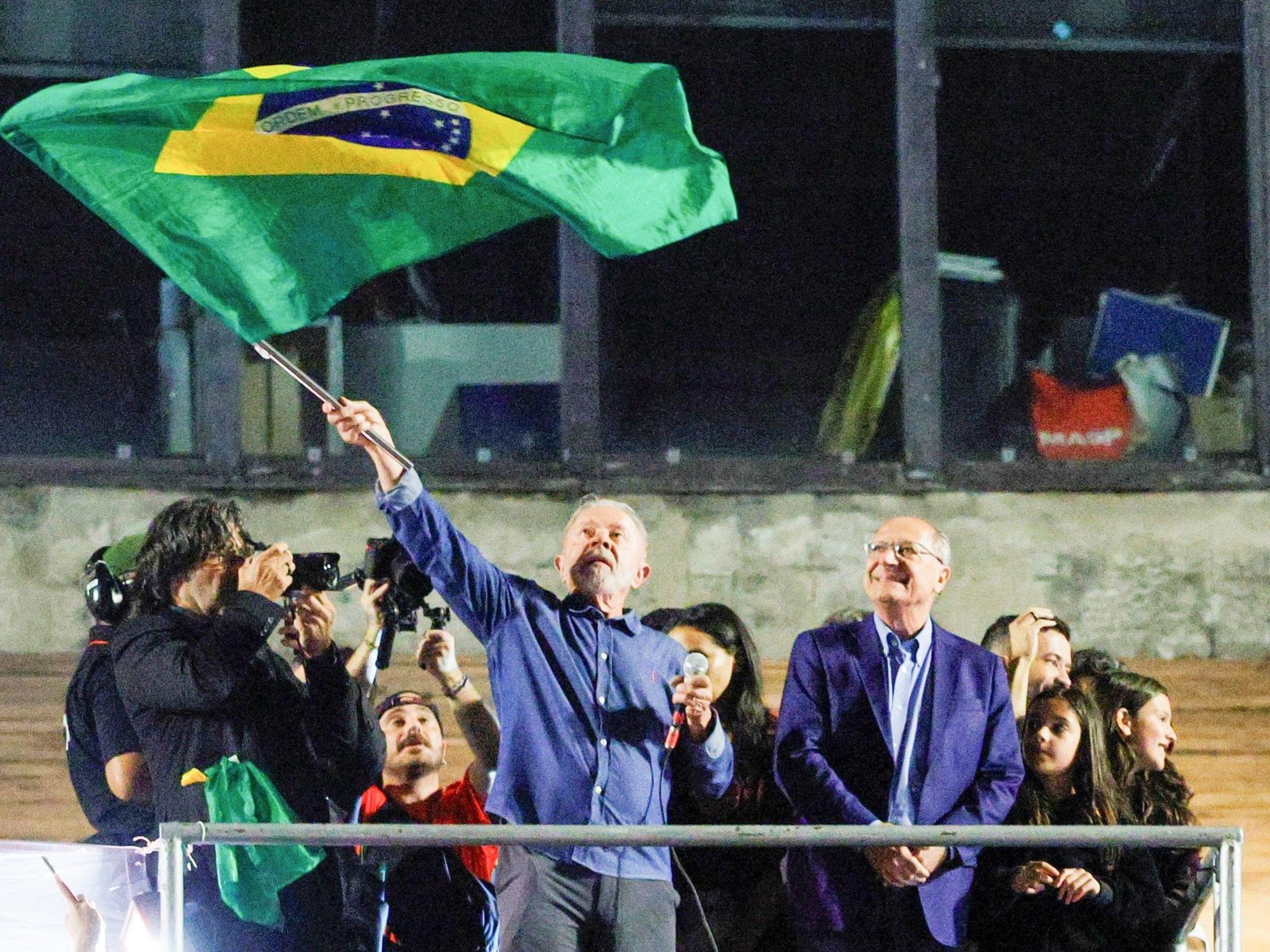
    برازیلیا: برازیل کے صدر لوئز اناسیو لولا دا سلوا نے صدارتی انتخاب کے دوسرے مرحلے میں کامیابی حاصل کرتے ہوئے چوتھی بار ملک کی صدارت جیت لی ہے۔ اتوار 25 اکتوبر کو ہونے والے رن آف میں لولا نے 51.79 فیصد ووٹ حاصل کیے جبکہ ان کے حریف سینیٹر فلاویو بولسونارو کو 48.21 فیصد ووٹ ملے۔ حتمی نتائج کے مطابق لولا کو 64.26 ملین جبکہ بولسونارو کو 59.83 ملین ووٹ ملے، یعنی دونوں کے درمیان فرق تقریباً 44 لاکھ ووٹوں کا رہا۔

    یہ نتیجہ ایک ڈرامائی تبدیلی کی نمائندگی کرتا ہے، کیونکہ 4 اکتوبر کو پہلے مرحلے میں بولسونارو نے 47.03 فیصد ووٹوں کے ساتھ برتری حاصل کی تھی جبکہ لولا کو 45.16 فیصد ووٹ ملے تھے۔ دوسرے مرحلے میں ٹرن آؤٹ 80.8 فیصد رہا، جو پہلے مرحلے کے 78.92 فیصد سے زیادہ تھا۔ رپورٹس کے مطابق لولا 1985 میں شہری حکومت کی بحالی کے بعد پہلے صدر ہیں جو پہلا مرحلہ ہارنے کے باوجود انتخاب جیتنے میں کامیاب ہوئے۔

    لولا نے اپنی کامیابی کا اعلان کرتے ہوئے حامیوں سے کہا کہ یہ فتح منفی مہم، جھوٹ اور نفرت کی شکست ہے۔ انہوں نے یہ بھی کہا کہ برازیل کسی کا پچھواڑا نہیں بنے گا، جسے ان کے اس موقف کی عکاسی قرار دیا جا رہا ہے کہ ملک اپنی خارجہ پالیسی میں خود مختاری برقرار رکھے گا۔ کئی عالمی رہنماؤں نے لولا کو مبارکباد دی ہے۔

    دوسری جانب فلاویو بولسونارو نے نتیجہ تسلیم کرنے سے انکار کر دیا ہے اور کہا ہے کہ وہ انتخاب کو کالعدم قرار دلوانے کے لیے عدالت سے رجوع کریں گے۔ ان کا اعتراض ووٹنگ کے وقت میں دو گھنٹے کی توسیع پر ہے، جس کا حکم سپریم کورٹ کے جسٹس کرسٹیانو زانن نے دیا تھا۔ بولسونارو نے اس توسیع کو ناقابل قبول اور ایک گندی چال قرار دیا ہے۔ تاہم رپورٹس کے مطابق دونوں امیدواروں نے ٹرانسپورٹ کی مشکلات اور شدید موسم کے باعث ووٹنگ کا وقت بڑھانے کی درخواست کی تھی۔

    سپریم الیکٹورل کورٹ نے لولا کی کامیابی کی تصدیق کرتے ہوئے کہا کہ وقت میں توسیع سے نتیجے پر کوئی فرق نہیں پڑا۔ بولسونارو کی جماعت لبرل پارٹی نے بھی نتائج تسلیم کر لیے ہیں۔ ماہرین کے مطابق عدالت میں نتیجہ پلٹنا مشکل ہوگا، کیونکہ ان کی اپنی مہم نے بھی توسیع کی درخواست کی تھی۔

    امریکی صدر ڈونلڈ ٹرمپ نے انتخاب کو ایک اور دھاندلی زدہ انتخاب قرار دیا، تاہم کہا کہ یہ لولا کے خلاف ذاتی حملہ نہیں ہے۔

    لولا کی نئی مدت 5 جنوری سے شروع ہوگی اور 2030 تک جاری رہے گی۔ لولا اس سے قبل 2003 سے 2010 تک دو مرتبہ اور 2023 سے دوبارہ صدر رہ چکے ہیں۔ ان کے سامنے اب کئی چیلنجز ہیں، جن میں مخالف کانگریس سے نمٹنا، عوامی اخراجات، گھریلو قرضوں اور مہنگائی کا مسئلہ شامل ہے۔ تجزیہ کاروں کے مطابق یہ کامیابی خطے میں دائیں بازو کی کامیابیوں کے سلسلے کو روکتی ہے، لیکن لولا کو ایک منقسم ملک اور مضبوط اپوزیشن کے ساتھ حکومت کرنا ہوگی۔

  • Lula wins fourth term in Brazil runoff

    Lula wins fourth term in Brazil runoff

    Brazil’s President Luiz Inácio Lula da Silva has won re-election in a presidential runoff, securing a fourth non-consecutive term after defeating right-wing Senator Flávio Bolsonaro, the country’s electoral authority said on Sunday.

    According to the Associated Press, with all votes counted, Lula took 51.8 percent of the vote, leading his rival by nearly 4.4 million votes. His new term is due to begin on January 5, 2027.

    The result makes the 80-year-old leftist leader the first Brazilian president to be elected to the office four times. It also marks the first time since the return of direct presidential elections in 1989 that a candidate has won the presidency after finishing second in the first round.

    In the first round on October 4, Bolsonaro secured about 47 percent of the vote to Lula’s 45 percent, according to Brazil’s Superior Electoral Court, a margin of around 2.2 million votes. Neither candidate reached the majority needed to win outright, forcing the runoff.

    Disputed finish and a legal challenge

    Bolsonaro said he would not accept the result and would seek to have the election annulled. Speaking to supporters in the capital, Brasília, he said: “It is impossible to recognize the election result given how these events unfolded. We will take legal action. We will ask for this election to be annulled.”

    His objection centres on a decision to extend voting by two hours on election day. Brazilian Supreme Court Justice Cristiano Zanin granted the extension after last-minute pleas from both campaigns. Lula’s campaign cited incidents affecting buses transporting voters in several states, while Bolsonaro’s campaign pointed to difficulties voters faced reaching polling stations because of heavy rain.

    The extension order came at around 5 p.m. in Brasília, just as polls were scheduled to close.

    A campaign dominated by prices, crime and corruption

    The runoff capped a deeply polarised race dominated by concerns over the cost of living, crime and corruption. A September survey by Quaest/Pax found that 28 percent of Brazilians saw violence as the country’s biggest problem, followed by corruption at 22 percent and the economy at 19 percent.

    Women, who account for nearly 53 percent of registered voters, were a crucial group in the contest. An October 15 Datafolha survey put Lula ahead among women by 49 percent to 40 percent, while Bolsonaro led among men by 52 percent to 40 percent.

    Lula’s victory stands out against a broader rightward shift across Latin America, where presidential elections since April 2025 in Ecuador, Bolivia, Honduras, Chile, Costa Rica, Colombia and Peru have produced victories for right-wing or centre-right candidates.

    Leaders from across the region congratulated Lula, including the presidents of Mexico, Paraguay, Uruguay, Bolivia and Cuba, who praised what they described as a democratic celebration and a victory for the Brazilian people.

    He had praised Flávio Bolsonaro’s first-round performance but stopped short of formally endorsing him. Lula, who has frequently criticised the US administration, has emphasised Brazil’s sovereignty and closer ties with the Global South and China, Brazil’s largest export market.

    After his victory was declared, Lula said his campaign had convinced people that voting was extremely important to safeguard democracy in Brazil, adding: “Brazil is no one’s backyard.”

    With a more conservative Congress and a narrow margin of victory, Lula now faces the task of governing a country that remains deeply divided.