Tag: Lahore

  • Smog Forces Pakistan–Sri Lanka Test Out of Lahore

    Smog Forces Pakistan–Sri Lanka Test Out of Lahore

    The second Test between Pakistan and Sri Lanka has been moved from Lahore to Rawalpindi because of severe smog, the Pakistan Cricket Board (PCB) announced on Tuesday. The match will now be played at the Rawalpindi Cricket Stadium from 17 to 21 November, with the dates unchanged.

    The PCB said the decision had been taken because of “prevailing weather conditions”. A board spokesperson said it was made in view of increasing smog levels in Lahore, with the health and safety of players, officials and fans, and the best possible playing conditions, as the main considerations.

    Lahore is currently engulfed in severe seasonal smog, which affects parts of India and Pakistan between October and December. At the time of the announcement, Lahore had the worst air quality of any city in the world, according to IQAir, a Swiss company that monitors air quality. Over the past week, the city has frequently swapped places with Delhi for the poorest air quality anywhere in the world.

    The board’s decision followed concerns from broadcasters about the quality of the television coverage if the game went ahead in heavy smog. Broadcasters had been told earlier in the week not to make arrangements to travel to Lahore for the second Test, while the PCB prepared to announce the move.

    The relocation is a blow to the PCB’s efforts to expand the cricket season in Lahore into early autumn. If the second Test had gone ahead at Gaddafi Stadium, it would have been the first time since 2007 that an international match had been held in the city later in the year than 1 November.

    Hazardous air quality has disrupted cricket in this part of the season before. In 2020, a white-ball series between Pakistan and Zimbabwe in November was moved from Lahore to Rawalpindi, and in December 2022 a Test against New Zealand was shifted from Multan to Karachi. Both teams will now stay in Rawalpindi, where the first Test is under way. Pakistan declared their first innings on 434 for nine on day two, and Sri Lanka reached 114 for three by stumps. The two-match series is part of the ICC World Test Championship 2025-27.
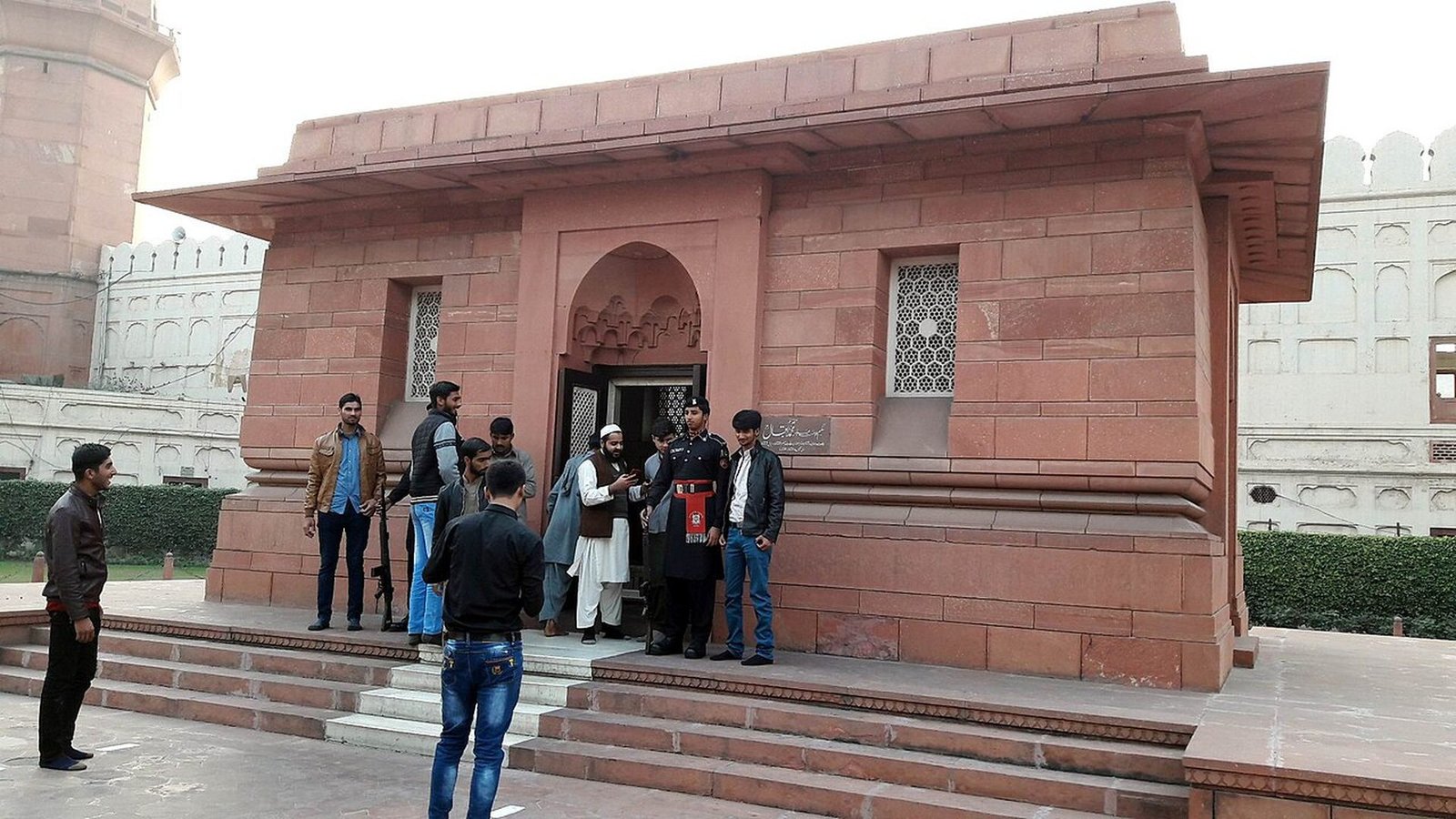
  • Navy Takes Over Guard at Iqbal’s Mausoleum on His 149th Birth Anniversary

    Navy Takes Over Guard at Iqbal’s Mausoleum on His 149th Birth Anniversary

    A dignified change of guard ceremony was held at the mausoleum of Allama Muhammad Iqbal in Lahore on Monday, as the nation marked the 149th birth anniversary of the poet of the East and paid homage to his services.

    A smartly turned-out contingent of the Pakistan Navy formally assumed ceremonial guard duties at Mazar-e-Iqbal, replacing the Pakistan Rangers Punjab contingent, which had been performing the duties.

    Station Commander Lahore, Commodore Misbah-ul-Amin, attended the ceremony as chief guest and received a guard of honour. He laid a floral wreath at the mausoleum on behalf of Chief of the Naval Staff Admiral Naveed Ashraf, along with officers, sailors and civilian personnel of the Pakistan Navy.

    The ceremony formed part of nationwide commemorations marking Iqbal Day, observed every year on November 9 to honour the life, philosophy and intellectual legacy of Allama Muhammad Iqbal, the thinker behind the idea of an independent Muslim state in the subcontinent.

    President Asif Ali Zardari and Prime Minister Shehbaz Sharif paid tribute to Iqbal on Monday, saying his message of unity and peaceful coexistence continued to serve as a guiding beacon for the country. The prime minister also announced that the government will hold a year-long commemoration of the 150th anniversary of Iqbal, culminating on November 9, 2027.

    The federal government had announced November 9 as a public holiday on account of Iqbal Day, and ceremonies and tributes were held across the country. Last week, the prime minister said Iqbal’s vision could be realised through educated youth, as the nation prepared to celebrate the 149th anniversary.

    The change of guard at Mazar-e-Iqbal is an annual honour performed by the armed forces on Iqbal Day. The Navy last performed the duty on the same occasion in 2025, when its contingent also took over from the Punjab Rangers at the mausoleum adjacent to the Badshahi Mosque in Lahore.

    Iqbal, born in Sialkot in 1877, is remembered as Mufakkir-e-Pakistan and Shair-e-Mashriq. His poetry and philosophy inspired the Pakistan movement, and his mausoleum in Lahore remains one of the country’s most visited national monuments.

  • Lahore Gurdwara Reopens After 77 Years of Silence

    Lahore Gurdwara Reopens After 77 Years of Silence

    A historic gurdwara in the heart of Lahore has reopened its doors after 77 years of silence, giving the city’s Sikh community back a place of worship that had stood closed and crumbling since Partition.

    The Gurdwara Sixth Patshahi Guru Hargobind Sahib, also known as Mata Kaula Ji, stands on Temple Road in Lahore. The 17th-century shrine, dedicated to the sixth Sikh Guru, Guru Hargobind, had been non-operational and deteriorating since 1947, when the Partition of India left many Sikh religious sites in Pakistan without the communities that had cared for them.

    The gurdwara has now been completely restored and handed over for worship. The work was carried out through a joint effort by the Punjab Government, the Evacuee Trust Property Board and the Pakistan Sikh Gurdwara Parbandhak Committee. The reopening was attended by the Provincial Minister for Minority Affairs and the president of the Pakistan Sikh Gurdwara Parbandhak Committee, Sardar Ramesh Singh Arora.

    The restoration was completed in time for Bandi Chhor Divas and Diwali, two festivals of deep meaning for Sikhs and Hindus. Bandi Chhor Divas marks the release of Guru Hargobind from imprisonment, and its coincidence with the reopening gave the ceremony a resonance that went beyond bricks and mortar: a shrine linked to the Guru himself was returning to life on the very day his freedom is remembered.

    For Lahore’s Sikh community, the reopening is about more than one building. Gurdwaras are not only places of prayer but centres of community life, where langar is served, festivals are celebrated and families gather. A shrine that had been silent for nearly eight decades can now serve that purpose again, and Sikh and Hindu devotees celebrated the two festivals together at the newly restored site.

    The Temple Road gurdwara is part of a much larger effort. The Punjab Government and the Evacuee Trust Property Board are working on a joint plan to restore 50 heritage Sikh shrines across the province.

    The restoration work matters beyond the Sikh community. Punjab’s Sikh heritage is woven into the province’s own history, from the era of Maharaja Ranjit Singh to the shrines that dot its towns and villages. Each site that is recovered and conserved keeps a piece of that shared past standing, and gives visitors from Pakistan and abroad a reason to travel to places they might otherwise never see.

    For now, the reopened gurdwara on Temple Road stands as a small but visible sign of what sustained restoration can achieve. A building that had waited 77 years is a place of worship once again, and the work to bring other shrines back to life continues across the province.

  • Visa If He Wishes: Pakistan’s Offer to Bhagwant Mann

    Visa If He Wishes: Pakistan’s Offer to Bhagwant Mann

    Pakistan has said it would consider issuing a visa to Indian Punjab Chief Minister Bhagwant Mann if he wishes to visit the country for a Punjabi cultural conference in Lahore later this month.

    Foreign Office spokesperson Sajjad Haider Khan made the remarks at his weekly briefing on Friday, responding to a question about Mann’s possible visit to attend the World Punjabi Conference, scheduled to be held in Lahore from 27 to 29 November.

    Mann, who leads the Aam Aadmi Party government in Indian Punjab, disclosed the invitation on 23 October and questioned whether he would be allowed to travel to Pakistan. Khan said a visa could be granted “if he wished to visit the country”.

    The spokesperson was careful to add that whether the Indian government permits the travel is “an entirely separate matter”. No visa has been issued and no travel arrangements have been finalised.

    The invitation came from Pakistani Punjabi poet Baba Bashir Husain Najmi and Punjab minister Ramesh Singh Arora.

    Visas for pilgrims

    At the same briefing, Khan said Pakistan issued more than 9,000 visas to Indian religious pilgrims in 2025 and over 4,000 to Sikh pilgrims in the first six months of 2026. Movement of pilgrims through the Kartarpur Corridor has been suspended since 7 May 2025.

    The conference invitation has drawn attention because high-level political visits between the two countries are rare, and any trip by a sitting Indian chief minister to Lahore would carry symbolic weight beyond the cultural programme.

    Punjabi language and culture are shared across the border, and cultural exchanges have long been seen as one of the few channels that keep people-to-people contact alive even when official relations are strained. The World Punjabi Conference is part of that tradition.

    For now, the ball is in Mann’s court — and in New Delhi’s. Islamabad has signalled the door is open; whether the visit happens will depend on the Indian chief minister’s decision and his government’s clearance. If the visit goes ahead, Mann would be among the most senior Indian politicians to travel to Pakistan in recent years, underlining how unusual the trip would be.

  • Shehbaz Vows More Relief as Petrol Prices Set to Fall

    Shehbaz Vows More Relief as Petrol Prices Set to Fall

    Prime Minister Shehbaz Sharif has signalled further cuts in petroleum prices, saying his government will keep bringing relief to people struggling with the rising cost of living.

    The prime minister made the remarks during a meeting with senior Pakistan Muslim League-Nawaz leader Khawaja Ahmad Hassan at Model Town in Lahore on Saturday, where the two discussed the country’s political and economic situation.

    According to reports of the meeting, the prime minister said petroleum prices were being reduced gradually and that steps to protect the public from inflation would continue. He said the government would keep introducing measures aimed at easing the burden on ordinary households.

    Khawaja Ahmad Hassan praised the prime minister for extending petrol subsidies to the public without discrimination, describing it as a positive step for public welfare. He said millions of people had directly benefited from the fuel subsidy and that billions of rupees had been spent on providing relief.

    Hassan also welcomed the diplomatic efforts of the prime minister and Field Marshal Asim Munir in promoting peaceful solutions to international conflicts, saying their work had received wide recognition at the international level.

    The meeting comes against the backdrop of the government’s targeted fuel relief scheme, under which petrol is being provided at reduced prices to owners of motorcycles, rickshaws and small vehicles of up to 800cc. Information Minister Attaullah Tarar said earlier this week that more than 15 million people had registered under the scheme and that relief worth Rs27 billion had been provided so far.

    The government also averted a planned Rs15 per litre increase in petrol prices this week, with the additional burden instead shifted to refineries, according to the information minister. The prime minister has separately directed action against petrol pumps that fail to pass on the relief to consumers.

    Petrol prices matter deeply to household budgets in Pakistan, where fuel costs feed directly into transport fares and the prices of everyday goods. Any further reduction would bring some respite to low-income families, motorcycle riders and small traders who depend on affordable fuel for their livelihoods.

    For now, the prime minister’s message is one of reassurance: that the relief measures already in place are only the beginning, and that more help is on the way for people feeling the pinch of inflation.

  • Lahore AQI 273: World’s Second Most Polluted City

    Lahore AQI 273: World’s Second Most Polluted City

    Lahore remained gripped by smog on Saturday, with the city’s air quality index touching 273 in the morning and the Punjab capital emerging as the world’s second most polluted city.

    Air quality readings varied sharply across neighbourhoods. Iqbal Town recorded the worst reading at 414, followed by Paragon City at 324, Cantonment at 331, Gulberg-II at 300, Burki Road at 290, Chaman Park at 279, Model Town at 271, Bedian Road at 258, DHA Phase-V at 247 and Askari-10 at 194.

    Air quality figures change hour by hour and differ between monitoring systems. Later in the day, live global rankings still placed Lahore second among major world cities, behind Delhi, which recorded readings above 480. Lahore has ranked among the world’s most polluted cities for much of this week, with readings above 450 reported earlier in the week.

    Experts have advised people to take precautionary measures, urging them to avoid going outside unnecessarily and to wear face masks when they must go out. The smog season arrives every pre-winter in northern South Asia, when falling temperatures trap smoke and dust close to the ground.

    The Pakistan Meteorological Department has warned of fog and smog in Lahore, Narowal, Sialkot, Gujranwala, Faisalabad, Multan, Bahawalpur and nearby areas over the weekend, with reduced visibility in the early hours. The Met Office said the weather in Lahore would remain dry over the next 24 hours, with a maximum temperature of 30 degrees Celsius and a minimum of 16 degrees. Moisture in the air stood at 66 per cent, with a light breeze blowing at two kilometres per hour, offering little relief from the haze.

    Other Punjab cities recorded even worse air this week. Multan’s reading reached 719, while Kahna Nau stood at 655 and Kasur at 462, according to the Punjab air quality index. The provincial government has launched an anti-smog campaign, washing major roads and deploying mist guns to settle airborne dust.

    An air quality index reading of up to 50 is considered good, with little or no health risk. Readings above 300 fall in the hazardous range, and health experts say prolonged exposure can aggravate breathing problems, particularly for children, older people and those with asthma or heart conditions.

  • Lahore world’s most polluted city again as AQI hits 338

    Lahore world’s most polluted city again as AQI hits 338

    Lahore has once again ranked as the world’s most polluted city, as smog conditions across the city worsened and the average air quality index (AQI) climbed to 338.

    According to the Environment Department, Lahore’s average AQI has reached 338, a level that is considered hazardous for health. The city has topped global pollution rankings repeatedly during the smog season, and the latest reading puts it back at the top of the list.

    The average figure hides even worse readings in some neighbourhoods. In Paragon Society, the AQI was recorded at 548, while FC College recorded 508 and Model Town recorded 414. All three readings fall in the hazardous range, where the air is considered dangerous to breathe even for healthy people.

    Smog in Lahore is a recurring problem in the winter months, when cold air traps vehicle exhaust, industrial emissions, dust and smoke from crop burning close to the ground. The thick haze reduces visibility, irritates the eyes and throat, and makes breathing difficult, particularly for children, older people and those with asthma or other lung conditions.

    Experts have advised residents to avoid unnecessary outdoor activities while the smog persists and to wear masks when they do go outside. People with breathing problems have been urged to take extra care and to seek medical help if their symptoms worsen.

    The Meteorological Department has forecast a minimum temperature of 17 degrees Celsius and a maximum of 30 degrees Celsius in Lahore over the next 24 hours. The weather is expected to remain dry, which means the smog is unlikely to clear quickly on its own.

    For the city’s residents, the return of hazardous air is a familiar frustration. Schools, offices and daily routines are all affected when the air quality deteriorates, and many people report coughing, sore throats and eye irritation during the worst days.

    Health experts say the most important step is to limit exposure, especially during the morning and evening hours when the smog tends to be thickest. Wearing a proper mask, keeping windows closed and avoiding exercise outdoors are among the precautions recommended during severe smog.

    The authorities have in past smog seasons announced measures such as restrictions on certain vehicles and industrial activity, as well as awareness campaigns urging people to protect themselves. Whether any fresh measures will be announced this time remains to be seen.

    For now, the confirmed facts are the average AQI of 338, the area readings that are far higher still, and the advice from experts to stay indoors where possible and to wear masks outside. Residents will be watching the daily readings closely in the coming days to see whether the air improves or worsens further.

    Lahore’s position at the top of the world’s pollution ranking is a reminder of how serious the city’s air quality problem has become, and how much it affects the daily lives of millions of people who live there.

  • One dead as huge fire guts Lahore foam factory

    One dead as huge fire guts Lahore foam factory

    A man has died after a large fire swept through a foam factory in Lahore, with his body discovered during a search of the premises once the blaze had been brought under control.

    The fire broke out in material used to make foam late on Wednesday night at the Mini Star Foam Factory in Sundar Industrial Estate, according to reports from the scene. Foam-making material burns quickly and produces thick smoke, which can make firefighting especially difficult.

    According to sources quoted in the reports, the fire was caused by a short circuit and spread rapidly through the factory. A short circuit can ignite nearby combustible material in seconds, and in a factory storing foam and related products, the flames can travel across stock and machinery before firefighters arrive.

    Rescue 1122 officials said the Lahore Command and Control Centre received the call about the blaze at 22:21 on Wednesday night. The firefighting and rescue operation was led by District Emergency Officer Dr Rizwan Ahmad Chaudhry.

    Firefighters worked through the night and into Thursday morning in what was described as a large operation. The reports give differing breakdowns of the vehicles and personnel involved, so the exact scale of the deployment is not stated with certainty here, but the operation clearly involved multiple fire tenders, rescue vehicles and dozens of personnel.

    Foam fires pose particular hazards. The material can melt and drip while burning, the smoke can be toxic, and the heat can weaken a building’s structure. Firefighters therefore need breathing apparatus and a careful approach, working to contain the fire before entering to search for anyone inside.

    Once the fire was under control on Thursday morning, rescue personnel carried out a search of the factory. During that search they found a dead body, which was handed over to police. Police were working to establish the identity of the deceased person, who has not been named in the reports published so far.

    It is not yet clear whether the man who died was an employee, a guard, or someone else connected with the factory. That detail, along with the exact cause of death, is expected to become clearer once police complete their identification work and any post-mortem examination.

    The factory itself suffered extensive damage in the blaze. Foam factories hold large quantities of flammable stock, and once a fire takes hold, the contents of the premises are often destroyed even when the building shell survives.

    Industrial fires of this kind also raise questions about fire safety arrangements at the premises, including alarms, exits, electrical wiring and the storage of flammable material. No findings on those questions have been published yet in connection with this fire, and any inquiry would need to examine the site before reaching conclusions.

    For the family of the man who died, the immediate concern is identification and the release of the body. For the factory’s workers, the fire means disruption to their livelihoods while the damage is assessed and the premises are made safe.

    Further updates are expected as police confirm the identity of the deceased and as rescue officials release a final account of the operation that brought the fire under control.

  • Lahore world’s most polluted city as AQI hits 447

    Lahore world’s most polluted city as AQI hits 447

    Lahore became the world’s most polluted city on Tuesday as pre-winter smog settled over parts of northern India and adjoining Pakistan, according to air quality data reported by Reuters. Early on Tuesday, the city’s air quality index stood at 447, based on figures from IQAir, a Swiss group that measures air quality from the concentration of toxins in the air.

    That reading sits far above the level considered safe. An air quality index of up to 50 is generally treated as good, with little or no health risk, while a reading above 400 falls into the most severe category. Lahore’s fine particulate matter, known as PM2.5, was reported to be 60 times higher than the World Health Organization’s annual exposure guideline, a stark illustration of how thick the haze had become.

    Delhi was also badly affected, although its reading was lower on the IQAir scale, at 215. India’s Central Pollution Control Board, which uses a different scale and method, rated the capital’s air quality as very poor, with a reading of 332. Authorities in Delhi responded with curbs on vehicles and construction in an effort to fight the toxic haze over the capital.

    Air pollution becomes a severe problem for the region around this time of year, as cooler weather traps smoke and dust close to the ground. Crop burning, vehicle exhaust, construction dust and industrial emissions all contribute, and the onset of winter conditions makes it harder for the pollution to disperse. The result is a familiar seasonal crisis that returns each year across the plains of northern South Asia.

    Fireworks during the Hindu festival of Diwali, which falls on 8 November this year, are expected to worsen pollution in India further, adding another source of smoke to air that is already heavily loaded. Health experts routinely warn that such spikes can aggravate breathing problems, particularly for children, older people and those with asthma or heart conditions.

    The different readings for Delhi highlight an important point about air quality figures: the Swiss and Indian systems use different scales and methods, so their numbers are not directly comparable. What matters is the direction and the category, and on both measures Delhi’s air was rated as seriously unhealthy on Tuesday, even if Lahore’s reading was higher still.

    For residents of Lahore, the ranking is an unwelcome reminder of a recurring challenge. Until weather conditions change or emissions fall, the city is likely to remain near the top of global pollution lists on smoggy winter mornings, with all the health and daily-life disruption that brings.

  • لاہور قلعہ اور شالیمار باغ اب رات کو بھی کھلے رہیں گے

    لاہور قلعہ اور شالیمار باغ اب رات کو بھی کھلے رہیں گے

    والڈ سٹی لاہور اتھارٹی نے اعلان کیا ہے کہ لاہور قلعہ اور شالیمار باغ اب رات کے وقت بھی سیاحوں کے لیے کھلے رہیں گے۔ اتھارٹی کے مطابق دونوں تاریخی مقامات رات 7 بجے سے 12 بجے تک کھلے رہیں گے، اور یہ نئے اوقات اتوار سے نافذ ہو گئے ہیں۔ اس اعلان کے بعد شام کے وقت ان مقامات کی سیر کرنے والوں کے لیے ایک نیا موقع پیدا ہو گیا ہے۔

    اطلاعات کے مطابق دونوں مقامات کو خوبصورت روشنیوں سے سجایا گیا ہے، تاکہ رات کے وقت ان کی عمارتیں اور مناظر ایک مختلف انداز میں نظر آئیں۔ سیاح اب سورج غروب ہونے کے بعد بھی ان تاریخی مقامات کی سیر کر سکیں گے۔ اتھارٹی کا کہنا ہے کہ ان مقامات پر ثقافتی پروگرام بھی منعقد کرنے کا منصوبہ ہے، جس سے رات کی سیر کا تجربہ مزید دلچسپ ہو جائے گا۔

    لاہور قلعہ، جسے شاہی قلعہ بھی کہا جاتا ہے، لاہور کی سب سے مشہور تاریخی عمارتوں میں سے ایک ہے۔ یہ مغل دور کی شاندار فن تعمیر کی مثال ہے اور اس کے اندر شیش محل، دیوان عام اور دیوان خاص جیسی عمارتیں موجود ہیں۔ شالیمار باغ بھی مغل دور کا ایک خوبصورت باغ ہے، جو شاہ جہاں کے دور میں بنایا گیا تھا۔ دونوں مقامات کو اقوام متحدہ کے ادارے یونیسکو نے مشترکہ طور پر عالمی ثقافتی ورثہ قرار دیا ہوا ہے۔

    حکام کے مطابق اس اقدام کا مقصد رات کی سیاحت کو فروغ دینا ہے۔ لاہور میں دن کے وقت گرمی اور رش کے باعث کئی سیاح تاریخی مقامات کی سیر سے محروم رہ جاتے ہیں۔ رات کے اوقات میں کھلے رہنے سے وہ لوگ بھی ان مقامات کو دیکھ سکیں گے جو دن میں مصروف ہوتے ہیں، اور خاندان بھی شام کے وقت پرسکون ماحول میں سیر کر سکیں گے۔

    یہ فیصلہ لاہور کی سیاحت کے لیے ایک اہم قدم سمجھا جا رہا ہے۔ لاہور کو پاکستان کا ثقافتی دارالحکومت کہا جاتا ہے، اور اس کے تاریخی مقامات ملک بھر سے آنے والے سیاحوں کے لیے بڑی کشش رکھتے ہیں۔ رات کی سیاحت سے مقامی کاروبار، گائیڈز اور ثقافتی سرگرمیوں کو بھی فائدہ پہنچنے کی امید ہے۔

    سیاحوں کو مشورہ دیا جاتا ہے کہ وہ جانے سے پہلے متعلقہ اتھارٹی سے تازہ اوقات اور انتظامات کی تصدیق کر لیں، کیونکہ خصوصی پروگراموں یا سرکاری تقریبات کے دوران اوقات میں تبدیلی ممکن ہے۔ تاہم، نئے اعلان کے مطابق لاہور قلعہ اور شالیمار باغ اب رات کے وقت بھی سیاحوں کا استقبال کریں گے، اور روشنیوں میں نہائے یہ تاریخی مقامات ایک نیا منظر پیش کریں گے۔