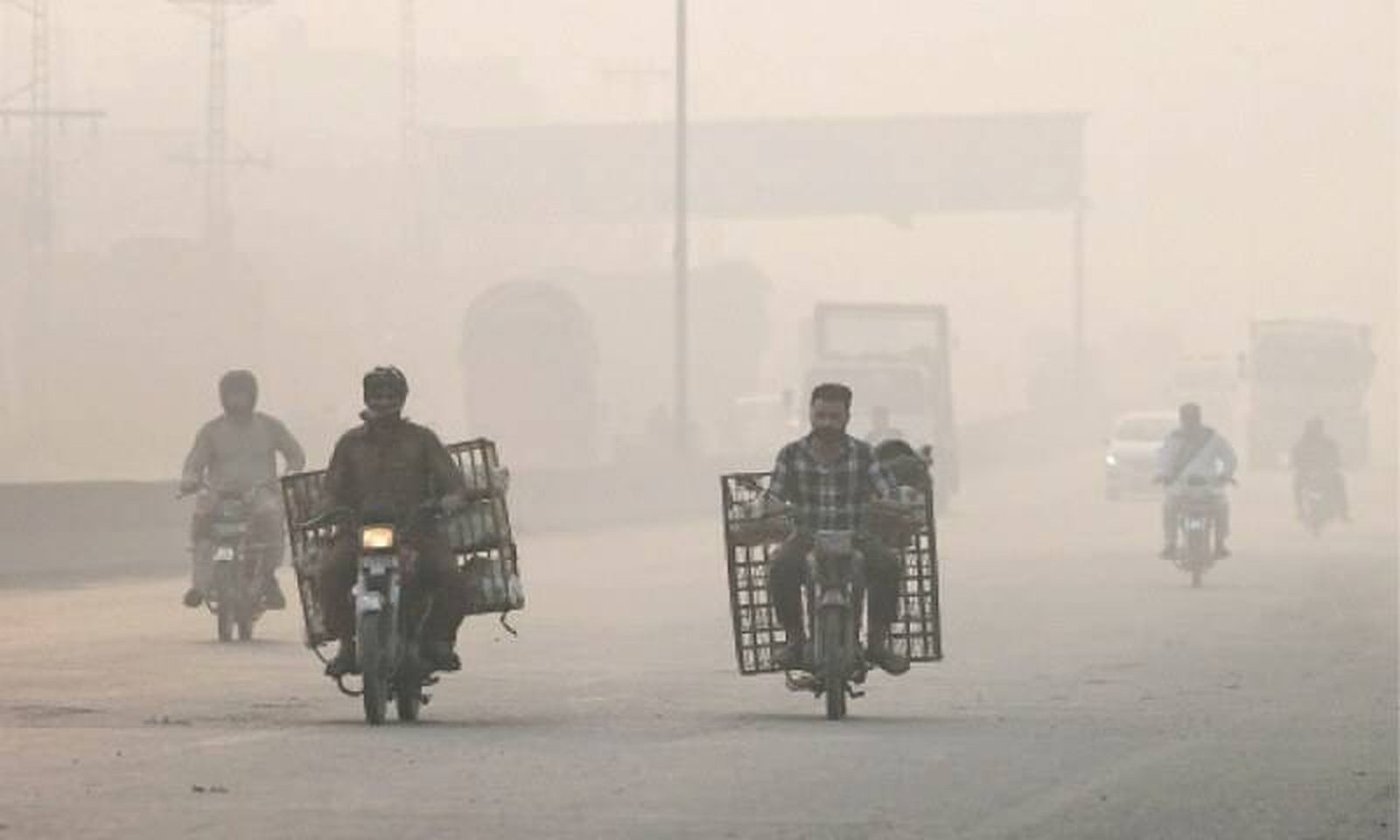
Tag: Lahore Smog

  • لاہور میں سموگ: پرالی کی آگ بجھانے کے لیے نئی پولوشن فورس میدان میں

    لاہور میں سموگ: پرالی کی آگ بجھانے کے لیے نئی پولوشن فورس میدان میں

    لاہور (رائٹرز) — جنوبی ایشیا کے بڑے حصوں پر ایک بار پھر دھند چھا گئی ہے، اور پنجاب میں حکام نے پرالی جلانے کے خلاف کریک ڈاؤن مزید سخت کر دیا ہے، جسے وہ خطے کے سالانہ آلودگی کے بحران کی بڑی وجہ قرار دیتے ہیں۔

    جمعرات کو نئے کوئیک رسپانس یونٹ کے اہلکار لاہور کے کنارے واقع ایک دھان کے کھیت میں پہنچے۔ پرالی سے دھواں اٹھ رہا تھا، اور عملے نے چند منٹوں میں آگ پر قابو پا لیا، تاکہ وہ شہر کے اوپر چھائی دھند میں مزید اضافہ نہ کرے۔ سوئس ادارے آئی کیو ایئر نے اس ہفتے کے شروع میں لاہور کی فضا کو ”انتہائی غیر صحت بخش“ قرار دیا تھا۔

    خطے کے کسان اکتوبر کی کٹائی کے بعد دھان کی باقیات کو عام طور پر آگ لگا دیتے ہیں، جس سے صنعتی اخراج، گاڑیوں کا دھواں اور تعمیراتی گرد کے ساتھ مل کر زہریلا مکس بنتا ہے جو سرد موسم میں فضا میں ٹھہر جاتا ہے اور آلودگی کو خطرناک سطح تک پہنچا دیتا ہے۔

    حکام کے مطابق یہ یونٹ پاکستان میں آلودگی سے نمٹنے کے لیے اپنی نوعیت کا پہلا یونٹ ہے، اور یہ اس مہم کا سب سے نمایاں قدم ہے جس کے بارے میں پنجاب کے حکام کا دعویٰ ہے کہ وہ کام کر رہی ہے۔

    سیٹلائٹ ڈیٹا کے مطابق اس سال بھارت اور پاکستان میں جلائے گئے رقبے کی مقدار سال کے اس موقع پر تاریخی اوسط سے کم ہے، حالانکہ پاکستان میں بہت سے لوگوں کا کہنا ہے کہ انہیں بہتری محسوس نہیں ہو رہی۔

    پنجاب کے محکمہ ماحولیات اور موسمیاتی تبدیلی کی سربراہ سلوت سعید نے بتایا کہ حکومت نے اس سال چاول اگانے والے بڑے اضلاع میں 67 کوئیک رسپانس یونٹس پر مشتمل 750 رکنی فورس تشکیل دی ہے۔

    ٹیموں کا ہدف ہے کہ کھیتوں میں آگ لگنے کی اطلاع ملنے پر 10 سے 15 منٹ میں موقع پر پہنچیں۔ اہلکار دھان کے علاقوں میں گشت بھی کرتے ہیں، جبکہ شکایات مقامی سطح پر درج کرائی جا سکتی ہیں۔ فورس کے ڈپٹی ڈائریکٹر اشفاق حسین نے کہا کہ ”ہمیں مختلف ذرائع سے شکایات موصول ہوتی ہیں اور ہم کم سے کم وقت میں کارروائی کرتے ہیں۔“

    اس ہفتے ایک ہی 24 گھنٹوں کے دوران محکمے کو پنجاب بھر سے کھیتوں میں آگ لگنے کی 679 اطلاعات موصول ہوئیں، جن میں سے 650 آگوں کو بجھا دیا گیا۔

    خلاف ورزی کرنے والوں کو جرمانے، گرفتاری یا دونوں کا سامنا کرنا پڑ سکتا ہے۔ محکمہ زراعت پنجاب کے اسسٹنٹ ڈائریکٹر محمد فاروق نے بتایا کہ پرالی جلانے والے کسانوں پر فی ایکڑ 15 ہزار روپے جرمانہ عائد کیا جاتا ہے۔ جرمانہ ادا نہ کرنے والوں کے خلاف مقدمہ بھی چلایا جا سکتا ہے اور چھ ماہ تک قید کی سزا بھی ہو سکتی ہے۔

    حکومت نے 10 ہزار سے زائد سبسڈی والے سپر سیڈر بھی تقسیم کیے ہیں، جن کی قیمت کا 60 فیصد حکومت اور 40 فیصد کسان ادا کرتے ہیں۔

    50 ایکڑ پر کاشت کرنے والے محمد اسماعیل نے بتایا کہ پرالی جلانے کے بجائے سبسڈی والے سپر سیڈر اور دیگر مشینری استعمال کرنے سے ان کی فی ایکڑ گندم کی پیداوار میں نمایاں اضافہ ہوا ہے۔

    تاہم یہ طریقہ ابھی سب نے نہیں اپنایا۔ پرالی جلانا چھوڑنے والے ایک اور مقامی کسان سلیم عباس نے کہا کہ بہت سے کسان اب بھی اسے کھیت صاف کرنے کا سب سے سستا اور تیز ترین طریقہ سمجھتے ہیں۔

    حالیہ برسوں میں پاکستان اور بھارت نے ایک دوسرے پر فضا خراب کرنے کا الزام لگایا ہے۔ سعید نے کہا کہ یہ چیلنج دونوں ممالک کے لیے بہت بڑا ہے اور پاکستان نے یہ معاملہ بین الاقوامی فورمز پر بھارتی حکام کے سامنے اٹھایا ہے۔

  • New Pollution Squad Battles Stubble Fires Amid Lahore Smog

    New Pollution Squad Battles Stubble Fires Amid Lahore Smog

    Lahore (Reuters) — As smog again settles over large parts of South Asia, authorities in Punjab are widening a crackdown on illegal stubble burning they say is fuelling the region’s annual pollution crisis.

    On Thursday, officers of a new quick-response unit swung off their vehicles at a paddy field on the edge of Lahore. Smoke curled low over the stubble, and the crew had the fire under control within minutes, keeping it from adding to the haze over a city that Swiss group IQAir rated “very unhealthy” earlier this week.

    Farmers in the region commonly set leftover rice residue alight after the October harvest, fuelling a toxic mix of industrial emissions, vehicle exhaust and construction dust that lingers under cold winter air, driving pollution to hazardous levels.

    The unit is the first of its kind in Pakistan dedicated to fighting pollution, officials say, and it is one of the most visible steps in a campaign that Punjab officials claim is working.

    Satellites have detected less burned area in India and Pakistan than the historical average at this point in the year, even as many locals in Pakistan say they struggle to notice improvements.

    Silwat Saeed, chief of the Environment Protection and Climate Change Department in Punjab, said the government this year formed a 750-member force in 67 rapid-response units across major rice-growing districts.

    Teams aim to reach reported field fires within 10 to 15 minutes. Officials also patrol paddy areas for signs of burning, while complaints can be lodged locally, said Ashfaq Hussain, a deputy director of the force. “We receive complaints through multiple channels and respond to them in the shortest possible time,” he said.

    In a single 24-hour period this week, the department received 679 field fire reports from across Punjab and said it extinguished 650 of them.

    Violators face fines, arrest or both. Farmers caught burning stubble face fines of Rs15,000 per acre, said Muhammad Farooq, an assistant director of the Punjab Agriculture Department. Those who fail to pay the fines can also face prosecution and a possible jail term of up to six months.

    The government has also distributed more than 10,000 subsidised super seeders, paying 60% of their cost while farmers pay the remaining 40%.

    Muhammad Ismail, who farms 50 acres, said switching from stubble burning to a subsidised super seeder and other machinery had significantly boosted his wheat yield per acre.

    Yet adoption is far from universal. Saleem Abbas, another local farmer who has shifted away from stubble burning, said many still favour the practice because it is widely regarded as the cheapest and fastest way to clear fields for the next crop.

    Over recent years, Pakistan and India have each accused the other of worsening the air. Saeed said the challenge is huge for both countries and that Pakistan has raised it with officials from India at international forums.

  • Lahore Rain Brings Smog Relief as Air Quality Improves

    Lahore Rain Brings Smog Relief as Air Quality Improves

    Lahore received light rain on Friday, bringing the city its first real relief from a week of choking smog, as overnight showers washed dust and pollutants from the air and pushed the city’s air quality index down from hazardous levels.

    The Pakistan Meteorological Department recorded 3.8 millimetres of rain in Lahore city and 1.4 millimetres at the airport over the past 24 hours, with rain and thunderstorms reported at isolated places across the city. The showers came as a shallow westerly wave that entered the country on Tuesday strengthened over the upper parts of Pakistan, bringing the rain the Met Office had forecast for Lahore on November 12 and 13.

    Air quality improves, but remains unhealthy

    The change was visible in the air quality readings. Lahore’s air quality index stood at 394 on Thursday, a hazardous reading that once again placed the city among the world’s most polluted, according to data reported by Dawn. By Friday morning, the index had fallen to 159, still in the unhealthy range but far below the peaks of the past week. The provincial environment department had forecast the index would fall to 218 on Friday, and the improvement was enough for Delhi to move ahead of Lahore on the global ranking of the most polluted major cities.

    The relief, however, is only partial. An index of 159 still means the air is not satisfactory, with fine PM2.5 particles the main pollutant, and health experts advise residents to limit prolonged outdoor activity, wear masks and keep children indoors when pollution is high.

    A week of hazardous air

    The rain arrived after days in which Lahore repeatedly topped the world’s most polluted cities list. The city recorded no rain at all between November 1 and 10, while still air allowed pollution to build. A Pakistan Air Quality Initiative report found Lahore’s average PM2.5 concentration was 126 micrograms per cubic metre between October 1 and November 9, eight times the World Health Organisation’s guideline, and the city breached the national 24-hour air quality standard on all 40 days measured.

    Officials have blamed a mix of local emissions, including transport, crop-residue burning and waste burning, and pollution drifting across the border from Indian Punjab after Diwali celebrations, with easterly winds carrying fine particles into the region.

    Fog likely after the rain

    The Met Office has warned that fog could form over the plains after the rain, cutting visibility for motorists in the mornings, and the National Disaster Management Authority has issued an alert for rain, thunderstorms and night-time fog and smog in Lahore and other Punjab cities. The westerly system is expected to persist over the upper parts of the country until the morning of Saturday, November 14, after which conditions are expected to improve. Temperatures in Lahore are forecast to stay mild, with a high of around 29 degrees Celsius and a low of 17 on Friday, and the rain is also expected to bring cooler weather in the coming days.

  • Smog forces second Pakistan-Sri Lanka Test out of Lahore

    Smog forces second Pakistan-Sri Lanka Test out of Lahore

    Lahore’s thick seasonal smog has cost the city its Test match. The Pakistan Cricket Board announced on Tuesday that the second Test against Sri Lanka, due to be played at Gaddafi Stadium from 17 to 21 November, will now be held at Rawalpindi Cricket Stadium instead.

    The board said the match had been moved “due to prevailing weather conditions”. PCB spokesperson Amir Mir later confirmed the reason plainly: smog levels in Lahore had risen so sharply, and the air quality had deteriorated so badly, that the fixture could no longer stay in the Punjab capital.

    Lahore has been wrapped in heavy smog for more than a week. On 10 November, the city had the worst air quality of any major city in the world, according to IQAir, the Swiss air-quality monitoring firm, with readings deep into the hazardous range. Seasonal smog is a recurring problem across parts of Pakistan and northern India between October and December, and this year’s spell has been among the worst in recent memory.

    Broadcasters had also raised concerns about the fixture. According to ESPNcricinfo, they had reservations about the quality of television coverage if the match went ahead under a heavy layer of smog, and had been asked not to make travel arrangements to Lahore while the board weighed its decision.

    Dates unchanged as both Tests move to Rawalpindi

    The dates of the second Test are unchanged. It will still be played from 17 to 21 November, only at a different ground. Both Tests of the two-match series will now be staged at Rawalpindi Cricket Stadium, where the first Test is already under way, and both teams will simply stay on in the city rather than travelling to Lahore.

    The series is part of the ICC World Test Championship 2025-27 cycle, so the change of venue carries no change to the context of the contest, only to where it is played.

    The decision is a setback for the board’s plans to stage more international cricket in Lahore during the early part of the season. The city had been lined up to host the second Test as part of that push, but the smog that settles over Punjab each autumn has now forced the fixture out of the city altogether.

    For the players, the move at least removes one journey. With the opening Test already being played in Rawalpindi, the two squads can prepare for the second match at the same ground, while Lahore waits for the winter haze to clear.

  • Lahore Smog Hits AQI 451, World’s Most Polluted City

    Lahore Smog Hits AQI 451, World’s Most Polluted City

    Lahore has once again topped the global ranking of the most polluted major cities, with thick smog pushing the provincial capital’s air quality index to hazardous levels and raising serious concerns about public health.

    According to an international environmental monitoring website cited by Dunya News, Lahore recorded an air quality index (AQI) of 451, placing it at the top of the list of the world’s most polluted cities. 24NewsHD reported a similar reading of 450, confirming the city’s position at the top of the ranking. India’s capital, New Delhi, ranked second with an AQI of 224.

    Several areas of Lahore reported exceptionally high pollution levels. Gulberg recorded an AQI of 758, followed by Allama Iqbal Town at 752 and Syed Maratib Ali Road at 613, according to the reported figures. The readings were far above the level considered hazardous for human health.

    The air pollution situation remains alarming in other major cities across Punjab as well. Multan recorded an AQI of 902, while Gujranwala reported 726 and Faisalabad registered 389, showing that the smog crisis has spread well beyond the provincial capital.

    Health risks grow as smog persists

    Despite ongoing anti-smog measures by the authorities, hazardous air quality continues to affect several parts of Lahore, exposing residents to serious health risks. Doctors have repeatedly warned that prolonged exposure to such high levels of air pollution can worsen breathing problems, irritate the eyes and throat, and put children, the elderly and people with heart and lung conditions at greater risk.

    The smog, a dense mix of smoke and fog, returns to Punjab every winter as a result of vehicle emissions, industrial pollution, crop residue burning and weather conditions that trap pollutants close to the ground. Visibility drops sharply on the worst days, disrupting road travel and daily life across the province.

    Meanwhile, the Meteorological Department has forecast a possibility of rainfall over the next two days. The expected showers may help reduce the intensity of smog across the region by washing pollutants out of the air.

    However, the rainfall is also likely to bring colder weather to Lahore, with temperatures expected to drop. Residents have been advised to limit outdoor activity during peak smog hours and to take precautions, particularly for children and people with breathing difficulties, until the air clears.

  • لاہور سموگ: اے کیو آئی 410، شاہدرہ میں 808 تک پہنچ گیا

    لاہور سموگ: اے کیو آئی 410، شاہدرہ میں 808 تک پہنچ گیا

    لاہور ایک بار پھر دنیا کے آلودہ ترین شہر کے طور پر سامنے آیا ہے، جہاں فضا میں زہریلی دھند کا راج ہے اور اسپتالوں میں سانس کی بیماریوں کے مریضوں کی تعداد تیزی سے بڑھ رہی ہے۔ شہر کا اوسط ایئر کوالٹی انڈیکس 410 تک پہنچ گیا ہے، جو عالمی ادارہ صحت کی محفوظ حد سے 51.8 گنا زیادہ ہے۔ ماہرین صحت اس صورتحال کو سموگ کی ہنگامی صورتحال قرار دے رہے ہیں۔

    محلوں کی سطح پر صورتحال کہیں زیادہ سنگین ہے۔ شاہدرہ میں ایئر کوالٹی انڈیکس 808 تک جا پہنچا، جبکہ علامہ اقبال ٹاؤن میں 627، ڈیفنس فیز 6 میں 620، ماڈل ٹاؤن اور برکی روڈ میں 587، 587 اور سمن آباد میں 534 ریکارڈ کیا گیا۔ یہ اعداد و شمار ظاہر کرتے ہیں کہ شہر کا کوئی حصہ اس زہریلی فضا سے محفوظ نہیں رہا۔

    سرکاری اسپتالوں میں سانس کی بیماریوں کے مریضوں کی آمد میں واضح اضافہ دیکھا جا رہا ہے۔ یونیورسٹی آف لاہور کے پروفیسر ڈاکٹر عرفان ملک کے مطابق شدید سانس کی تکالیف کے مریضوں میں 30 سے 40 فیصد اضافہ ہوا ہے، جن میں دمہ اور پھیپھڑوں کی دائمی بیماری کے مریض شامل ہیں۔ میو اسپتال میں ماہرین نے بتایا کہ پچھلے سال کے مقابلے میں دمہ کے کیسز میں 25 سے 30 فیصد اضافہ ریکارڈ کیا گیا ہے، جبکہ ناک، کان اور گلے کی بیماریاں بھی تیزی سے بڑھ رہی ہیں۔

    اس کے باوجود پنجاب حکومت اور محکمہ صحت کے پاس سموگ سے متاثرہ مریضوں کا کوئی مرکزی ڈیٹا موجود نہیں۔ اسپیشلائزڈ ہیلتھ کیئر اور پرائمری و سیکنڈری ہیلتھ کیئر کے ترجمانوں نے تصدیق کی ہے کہ سموگ کے مریضوں کا کوئی مرکزی ڈیٹا جمع نہیں کیا جا رہا۔ ڈاکٹر سلمان کاظمی کے مطابق اسپتالوں میں سافٹ ویئر موجود ہے لیکن اس میں سموگ سے متعلق بیماریوں کو الگ سے درج کرنے کی سہولت نہیں، اسی لیے متاثرہ افراد کی درست تعداد کا اندازہ لگانا ممکن نہیں۔ ان کا کہنا ہے کہ سوشل میڈیا پر گردش کرنے والے اعداد و شمار زیادہ تر قیاس آرائی پر مبنی ہیں۔

    ہر عمر متاثر

    ماہرین کے مطابق یہ بحران صرف سانس کی تکلیف تک محدود نہیں۔ ڈاکٹر عرفان ملک نے خبردار کیا کہ باریک ذرات جسم میں سوزش پیدا کرتے ہیں، پھیپھڑوں کی بیماریاں بڑھاتے ہیں اور دل کے دورے جیسے خطرات بھی پیدا کر سکتے ہیں۔ ان کا کہنا ہے کہ حاملہ خواتین میں قبل از وقت زچگی اور نوزائیدہ بچوں کے پھیپھڑوں کی نشوونما متاثر ہونے کا خطرہ بڑھ جاتا ہے۔ بچوں کے ماہر ڈاکٹر مسعود اختر شیخ کے مطابق باریک ذرات بچوں کی سانس کی نالی، جلد اور آنکھوں کو نقصان پہنچاتے ہیں اور طویل مدتی نمائش سے دماغی نشوونما بھی متاثر ہو سکتی ہے۔ بوڑھے افراد میں یادداشت کی کمزوری اور ڈیمنشیا کا خطرہ بھی بڑھ جاتا ہے۔

    ڈاکٹر آصف حنیف کے مطابق روزانہ تقریباً 50 ہزار بھاری گاڑیاں لاہور میں داخل ہوتی ہیں، جبکہ غیر نگرانی شدہ صنعتی اخراج، اینٹوں کے بھٹے، فصلوں کی باقیات جلانا اور سڑک کنارے کھانا پکانا فضائی آلودگی کے بڑے اسباب ہیں۔ ان کا کہنا ہے کہ قانون سازی کی کمی اور قوانین پر عمل درآمد نہ ہونے نے شہر کو ماحولیاتی خطرے میں تبدیل کر دیا ہے۔

    وزیر صحت خواجہ سلمان رفیق کا کہنا ہے کہ اسپتال آنے والے تمام مریضوں کا علاج کیا جا رہا ہے اور حفاظتی ہدایات جاری کر دی گئی ہیں۔ تاہم ماہرین کا مطالبہ ہے کہ اسپتالوں کے ڈیجیٹل نظام میں سموگ کی بیماریوں کا لازمی رجسٹر قائم کیا جائے، ہاؤسنگ سوسائٹیوں میں کم از کم 20 فیصد سبز رقبہ لازم کیا جائے، نہروں اور شہر کے گرد درختوں کی گھنی پٹیاں لگائی جائیں، بھاری ٹرانسپورٹ کے داخلے پر پابندی اور اخراج کے معیار پر سختی سے عمل کیا جائے۔ ماہرین نے سمارٹ لاک ڈاؤن، بازاروں کے اوقات کار میں تبدیلی، سموگ گنز کے استعمال اور آلودگی کے دوران اسکولوں اور دفاتر کو آن لائن منتقل کرنے کی بھی تجویز دی ہے۔

  • Lahore AQI 458: World’s Most Polluted City as Smog Worsens

    Lahore AQI 458: World’s Most Polluted City as Smog Worsens

    Lahore woke to another grey morning on Friday as thick smog settled over the city and pushed its air pollution to the top of the world ranking once again, with readings far above the levels considered safe to breathe.

    According to IQAir, the Swiss air quality monitoring group, Lahore recorded an air quality index (AQI) of 458, the highest among the world’s major cities. The figure was reported by Express News and Nawa-i-Waqt, and it placed the Punjab capital ahead of New Delhi, which stood second on the global list with an AQI of 244, followed by Kolkata at 235.

    The pollution was not limited to Lahore. Multan recorded an even higher AQI of 719, while Kahna Nau reached 655 and Kasur 462, according to the Punjab air quality index. Within Lahore itself, monitors reported severe readings across several neighbourhoods, including the CERP Office at 611, Barki Road Paragon at 609 and Allama Iqbal Town at 583. The Punjab index showed Lahore at 430 at 7am, around 70 points higher than the previous day.

    Readings vary between monitoring networks because they use different stations and methods, but every measure pointed in the same direction. Daily Pakistan reported Lahore’s average smog level at 338, with readings of 508 near FC College, 548 in Paragon Society and 414 in Model Town. On the IQAir scale, any reading above 300 is classed as hazardous.

    Why the air has turned so toxic

    Air pollution becomes a severe problem across the region at this time of year, when cold, dense air traps smoke and dust close to the ground. According to Reuters, emissions from vehicles, construction sites and crop waste burning are among the main contributors, and the seasonal smog usually worsens as winter approaches.

    Earlier in the week, Lahore had already topped the global ranking. On Tuesday morning, IQAir put the city’s AQI at 447, and its concentration of PM2.5, the fine particulate matter most dangerous to human health, was 60 times higher than the World Health Organization’s annual exposure guideline. An AQI reading of up to 50 is considered good, with little or no health risk.

    Officials in Punjab have linked the build-up to a temperature inversion, in which a layer of warmer air sits above colder air at ground level and traps pollution beneath it. Abdullah Nayyar Sheikh, director general of Punjab’s Environment Protection Department, told Reuters that falling temperatures since early November had created those conditions. On Wednesday morning, wind speed in Lahore was close to dead calm, with humidity at 86 per cent.

    The provincial government has launched a cleanliness and dust-suppression campaign called Chamkta Lahore, under which roads are being washed daily in an effort to cut dust in the air. The National Disaster Management Authority’s seasonal outlook expects smog risk to rise from mid-November into December, when nights grow colder and inversions become stronger.

    Health experts and news reports have advised residents to avoid unnecessary outdoor trips and to wear masks when going out, as the pollution poses serious health risks, particularly for children, older people and those with breathing problems. The Meteorological Department has forecast a minimum temperature of 17 degrees Celsius and a maximum of 30 degrees in Lahore over the next 24 hours, with no rainfall expected to clear the air.

  • لاہور کی ہوا زہریلی: ائیر کوالٹی انڈیکس 400 سے اوپر

    لاہور کی ہوا زہریلی: ائیر کوالٹی انڈیکس 400 سے اوپر

    لاہور کی مجموعی فضائی آلودگی خطرناک حد سے تجاوز کر گئی ہے اور شہر کا ائیر کوالٹی انڈیکس 400 سے اوپر ریکارڈ کیا گیا ہے۔ دنیا نیوز کے مطابق ایک بین الاقوامی ماحولیاتی نگرانی کی ویب سائٹ کے اعداد و شمار میں لاہور کے کئی علاقوں میں آلودگی کی سطح انتہائی بلند دیکھی گئی۔

    اعداد و شمار کے مطابق لاہور کے علاقے پیراگون میں ائیر کوالٹی انڈیکس 728 ریکارڈ کیا گیا، جب کہ علامہ اقبال ٹاؤن میں 615 اور ماڈل ٹاؤن میں 435 ریکارڈ ہوا۔ یہ اعداد اس بات کی نشاندہی کرتے ہیں کہ شہر کے مختلف حصوں میں ہوا کا معیار ایک جیسا نہیں، لیکن مجموعی صورتحال صحت کے لیے خطرناک ہے۔

    اسی نگرانی کے مطابق اس روز پاکستان کا سب سے آلودہ شہر ملتان رہا، جہاں ائیر کوالٹی انڈیکس 566 ریکارڈ کیا گیا۔ فیصل آباد میں 455 اور رحیم یار خان میں 483 ریکارڈ ہوا، جس سے ظاہر ہوتا ہے کہ سموگ کا مسئلہ صرف لاہور تک محدود نہیں بلکہ پنجاب کے کئی شہروں میں پھیلا ہوا ہے۔

    لاہور اس روز بھی دنیا کے آلودہ ترین بڑے شہروں میں شامل رہا۔ سردیوں کے آغاز کے ساتھ پنجاب میں سموگ کا مسئلہ ہر سال شدت اختیار کرتا ہے، اور اس بار بھی صورتحال اسی رخ پر جاتی دکھائی دے رہی ہے۔ دھند اور آلودگی کے امتزاج سے حد نگاہ کم ہو جاتی ہے، جس سے ٹریفک اور روزمرہ زندگی متاثر ہوتی ہے۔

    ماحولیاتی ماہرین کے مطابق اس قسم کی آلودہ ہوا صحت کے لیے سنگین خطرات پیدا کر سکتی ہے۔ سانس کی بیماریوں میں مبتلا افراد، بچے اور بزرگ خاص طور پر متاثر ہوتے ہیں۔ ماہرین نے احتیاطی تدابیر اختیار کرنے کا مشورہ دیا ہے، تاکہ شہری خود کو آلودہ ہوا کے مضر اثرات سے بچا سکیں۔

    سموگ کی وجوہات میں گاڑیوں کا دھواں، فصلوں کی باقیات جلانا، صنعتی اخراج اور تعمیراتی گرد شامل سمجھی جاتی ہیں۔ سرد موسم میں ہوا کی حرکت کم ہو جاتی ہے، جس کی وجہ سے آلودہ ذرات فضا میں زیادہ دیر تک رہتے ہیں اور زمین کے قریب جمع ہو جاتے ہیں۔ یہی وجہ ہے کہ صبح اور شام کے اوقات میں صورتحال زیادہ خراب محسوس ہوتی ہے۔

    حکومت پنجاب ماضی میں سموگ سے نمٹنے کے لیے مختلف اقدامات کرتی رہی ہے، جن میں فصلوں کی باقیات جلانے پر پابندی، گاڑیوں کی جانچ اور اسکولوں کے اوقات میں تبدیلی شامل رہی ہے۔ تاہم اعداد و شمار بتاتے ہیں کہ مسئلہ اب بھی برقرار ہے اور اس کے لیے مستقل اور مربوط حکمت عملی کی ضرورت ہے۔

    شہریوں کے لیے اس صورتحال میں احتیاط ہی سب سے بڑا تحفظ ہے۔ غیر ضروری طور پر باہر نکلنے سے گریز، ماسک کا استعمال اور گھروں میں ہوا کو صاف رکھنے جیسے اقدامات آلودگی کے اثرات کو کم کرنے میں مددگار ہو سکتے ہیں۔ آنے والے دنوں میں موسم اور ہوا کی سمت یہ طے کرے گی کہ سموگ میں کمی آتی ہے یا شدت برقرار رہتی ہے۔