Tag: Kyiv

  • Hackers send fake nuclear alerts to phones across Ukraine

    Hackers send fake nuclear alerts to phones across Ukraine

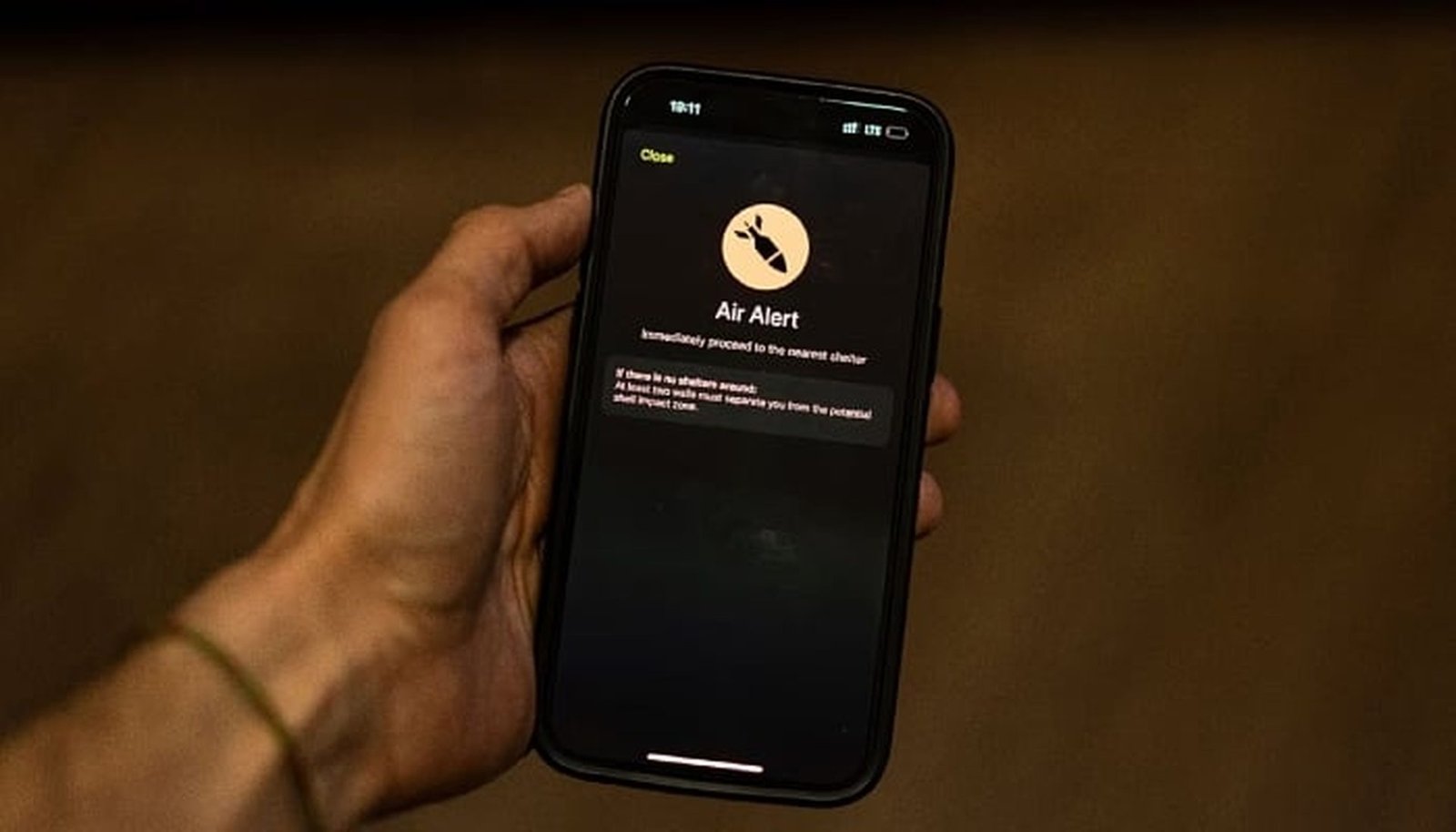
    Hackers broke into Ukraine’s nationwide air raid alert app on Sunday night and sent false warnings of nuclear and chemical attacks to people across the country, causing alarm in Kyiv and other cities before the service was suspended.

    The false alerts began shortly before eleven o’clock local time on Sunday 1 November. Users received a warning of a radiation threat in Kyiv, followed by messages in Russian claiming a nuclear alert would cover all of Ukraine and referring to the Oreshnik missile. Further alerts warned of a chemical attack on Kyiv and of street fighting in the capital, telling people not to go outside.

    Ukraine’s air force said on Telegram that the application had probably been subjected to hostile interference, telling users there was no radiation threat and urging them to stay calm and follow official updates. The app’s team later said third parties had carried out unauthorised interference, and it disabled push notifications and temporarily suspended the service. In the western Lviv region, a radiation hazard signal was briefly played on loudspeakers because of the app, although officials confirmed there was no radiation danger.

    The app is a lifeline for Ukrainians, warning them in real time of incoming missile and drone attacks and often giving them only minutes to reach shelter. Its temporary shutdown therefore carried serious risks, and officials urged people to rely on sirens, loudspeakers and official channels while it was being restored. The service was gradually brought back during Monday, according to the project’s team.

    Ukraine’s Centre for Strategic Communications blamed Russia for the hack, but responsibility has not been independently established. A hacking group calling itself Hitcore was reported to have claimed responsibility, though that claim could not be verified. Ukraine’s emergency services said there were no reports of casualties or damage from the false alerts, and an investigation is under way.

    Hours later, Russia’s own emergencies ministry said its mobile app had also suffered a massive cyberattack, sending false information to users in thirty-three regions. It said the app’s full functionality would be restored by the end of Monday. It is not clear whether the two attacks were linked, and neither side’s claims about the incidents have been independently confirmed.

    The episode has raised fresh questions about the safety of the digital systems civilians depend on during wartime. Air force spokesman Yurii Ihnat told Ukrainian television that the cyberattack had no impact on Ukraine’s security and defence operations, because the alert app is separate from military command systems.

  • Merz Visits Kyiv Under Air Raid Sirens, Unveils €1 Billion Military Aid Package

    Merz Visits Kyiv Under Air Raid Sirens, Unveils €1 Billion Military Aid Package

    German Chancellor Friedrich Merz arrived in Kyiv on October 4 for a solidarity visit staged against the wail of air raid sirens, announcing a €1 billion military aid package and a landmark joint drone-production deal with Ukraine.

    Merz, accompanied by Economy Minister Katherina Reiche and executives from Siemens Energy, Hensoldt, Diehl Defence and Quantum Systems, said he had travelled to Kyiv because Ukraine needed full support in the difficult weeks ahead. “If Russia is not stopped, sooner or later its war machine will turn against us,” he said, adding: “You can continue to count on our help.”

    The visit unfolded under extraordinary circumstances. Four air raid alerts sounded across Kyiv on Sunday morning, and a Russian strike hit the Northern Bridge over the Dnipro River, damaging its roadway and a hot-water supply system, according to Kyiv Mayor Vitali Klitschko. It was the second bridge in the capital to be hit over the weekend, part of a Russian campaign targeting crossings between the city’s two banks.

    Aid, energy repairs and drones

    German officials said Merz would announce the release of €1 billion in military aid alongside €350 million for repairs to Ukraine’s battered energy sector, which Russia has been systematically targeting ahead of winter. Ukraine and Germany are also expected to finalise a deal to jointly produce drones and other weapons with ranges exceeding 600 miles, aimed at striking deeper into Russian territory.

    Merz and President Volodymyr Zelenskyy met at the National Academy of Sciences, which was struck by a Russian drone on September 28 in an attack that killed two people. Surveying the damage, Merz called the strikes on civilians barbaric and said they must stop.

    Zelenskyy told Merz that Kyiv’s citizens were enduring “terrible nights and days” under relentless bombardment, and said Washington had proposed fresh talks involving both Ukraine and Russia before the end of the month.

    The chancellor is also expected to press Kyiv on reforms sought by EU partners, including the fight against corruption. Germany has been among Ukraine’s staunchest backers: the two countries signed a military pact worth more than $4 billion in April, and German defence-tech firm Quantum has already formed a joint venture with Ukrainian manufacturer WIY Drones to build interceptor drones.

    Merz’s visit came a day after Moscow warned foreign diplomats and nationals to leave the Ukrainian capital, and followed Zelenskyy’s announcement that Ukraine would double down on strikes against Russian oil refineries in response to Russia’s intensified aerial campaign.