Tag: Ishaq Dar

  • Dar Pushes Austerity, Cut in Avoidable Spending

    Dar Pushes Austerity, Cut in Avoidable Spending

    Deputy Prime Minister and Foreign Minister Senator Ishaq Dar on Friday called for continued efforts to reduce avoidable expenditure and improve administrative efficiency, stressing the shared responsibility of all concerned institutions in turning the government’s austerity and conservation measures into lasting savings.

    Chairing a meeting of the Committee for Monitoring and Implementation of Conservation and Additional Austerity Measures in Islamabad, he emphasised that sustained follow-through and close coordination were essential to achieving the objectives of the austerity drive.

    The committee took stock of ongoing implementation and follow-up on earlier decisions, focusing on expenditure management and conservation of resources across ministries and divisions.

    Dar said the government’s austerity measures could only deliver real savings if every institution played its part, and he urged all concerned departments to keep working together so that the drive for economy and conservation did not lose momentum.

    The meeting was attended by Minister for Information Technology and Telecommunication Shaza Fatima Khawaja, Special Assistant to the Prime Minister Tariq Bajwa, the secretaries of the cabinet, law and justice, information and broadcasting, and federal education and professional training, along with senior representatives from all provinces, Azad Jammu and Kashmir and Gilgit-Baltistan.

    Officials at the meeting reviewed how the austerity measures were being put into practice across government departments, and discussed the steps needed to keep expenditure under control while making better use of available resources.

    The committee’s work forms part of the government’s wider effort to cut unnecessary spending and improve efficiency in public administration, with the aim of converting short-term conservation measures into permanent savings for the national exchequer.

    Dar stressed that the responsibility for making the austerity drive work did not rest with any single ministry, and that lasting results would depend on every institution carrying out its part and on steady coordination between the federal government, the provinces, Azad Jammu and Kashmir and Gilgit-Baltistan.

    The meeting also underlined the need for ministries and divisions to keep a close watch on their own expenditure and to use resources carefully, so that the savings achieved through conservation measures are protected and built upon in the months ahead.
  • Ishaq Dar Reviews PNSC Restructuring Plan

    Ishaq Dar Reviews PNSC Restructuring Plan

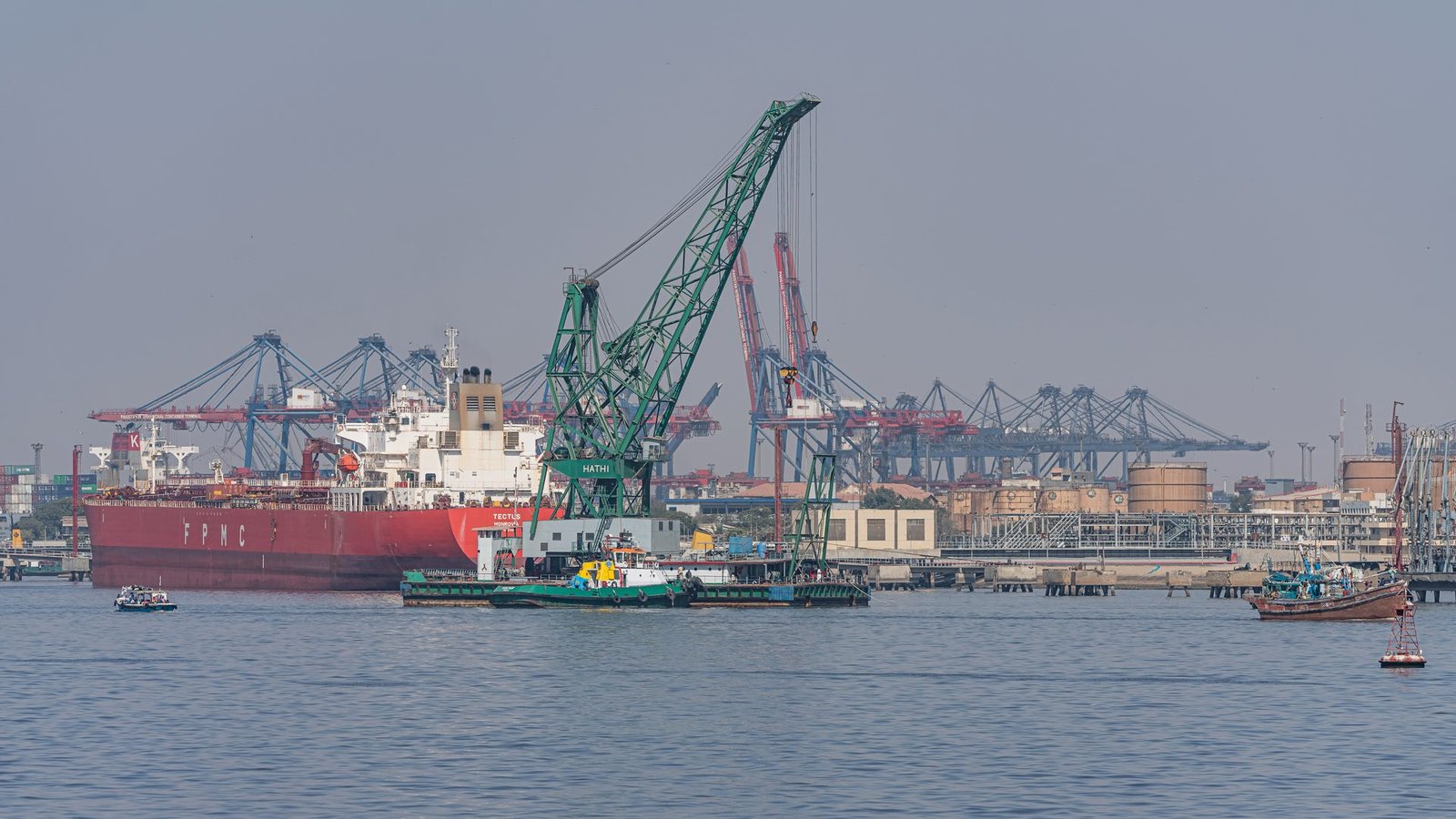
    A meeting chaired by Deputy Prime Minister and Foreign Minister Senator Ishaq Dar in Islamabad on Friday reviewed the restructuring of the Pakistan National Shipping Corporation (PNSC), according to 24NewsHD.

    The meeting discussed transforming PNSC into a competitive, commercially viable and globally recognised maritime entity. Participants reviewed proposals to enhance the corporation’s operational efficiency and to align its corporate governance with international best practices.

    Dar emphasised that the restructuring must be anchored in professionalism and aligned with global standards. He directed the concerned authorities to engage world-class shipping and financial consultants to devise a forward-looking roadmap for the corporation.

    Focus on commercial returns and trade logistics

    The aim of the roadmap, as discussed at the meeting, is to maximise commercial returns, strengthen Pakistan’s maritime trade logistics and safeguard national economic interests. Strengthening maritime trade logistics was one of the stated aims of the meeting, reflecting the role shipping plays in the movement of the country’s imports and exports.

    The direction to engage world-class consultants underlines the emphasis on professional advice. The consultants are to prepare a forward-looking roadmap, which will set out the steps for improving the corporation’s commercial performance and its governance. No timeline for the roadmap was given in the report.

    Restructuring under consideration since May

    PNSC is Pakistan’s national shipping carrier, engaged in the transportation of dry bulk and liquid cargoes across the globe, according to Dawn. The restructuring of the corporation has been under consideration for some time.

    In May 2026, the Economic Coordination Committee (ECC) of the Cabinet granted in-principle approval for the restructuring of PNSC through the sale of a 30 per cent shareholding and the transfer of management control to the National Logistics Corporation (NLC). The summary had been moved by the Ministry of Maritime Affairs, and the ECC directed the authorities to expedite the process to tap emerging maritime and transshipment opportunities.

    The latest meeting, chaired by the deputy prime minister, takes that process forward. With consultants to be engaged, the next step will be the preparation of a detailed roadmap setting out how the corporation’s operations and governance will be reshaped. The meeting’s discussion of efficiency, governance and professional management suggests the plan will cover the corporation’s working from several angles, and the outcome will be watched by those who follow the country’s maritime and trade sectors.

  • Dar to Open Margalla Dialogue Today as PM Flies to COP31 in Turkiye

    Dar to Open Margalla Dialogue Today as PM Flies to COP31 in Turkiye

    Deputy Prime Minister and Foreign Minister Senator Ishaq Dar will inaugurate the two-day Margalla Dialogue 2026 in Islamabad today, staying back in the federal capital while Prime Minister Shehbaz Sharif departs for Turkiye to attend the COP31 climate conference.

    The prime minister is travelling to Turkiye on Tuesday to attend the 31st United Nations Climate Change Conference in the historic city of Antalya, which begins on Wednesday and will be inaugurated by Turkish President Recep Tayyip Erdogan. Foreign Secretary Asim Iftikhar Ahmad is likely to accompany the prime minister.

    According to highly placed diplomatic sources, Dar had to stay back to inaugurate the Margalla Dialogue and the Pakistan Minerals Investment Forum in Islamabad, and no other conclusion should be drawn from the development. It would be difficult to postpone either event, the sources said.

    The Margalla Dialogue 2026, organised annually by the Islamabad Policy Research Institute, is a premier forum on foreign policy and security. This year’s theme is “Global Order in Transition — Navigating Strategic Uncertainty”, covering shifting global power dynamics, evolving alliances and major power competition.

    The dialogue will also cover regional geopolitics, national resilience, international law and economic security, including trade and tariff wars. One forum will discuss the changing dynamics of global power and their implications for international peace and security, while another will examine global security, algorithmic warfare and artificial intelligence — including sovereign AI, data regulations and technology risks.

    Another major gathering, the Pakistan Minerals Investment Forum, begins in Islamabad on Thursday, November 12, at the Jinnah Convention Centre. Dar will inaugurate it, while the prime minister will chair the concluding session on Friday, November 13.

    The minerals forum is viewed as a strategic conference on policy and governance, covering exploration and projects such as Reko Diq, alongside an international exhibition for mining technology and ventures. Energy Minister Ali Pervaiz Malik, Finance Minister Senator Muhammad Aurangzeb, Robert Friedland of Ivanhoe Mines, John L. Thornton of Barrick Mining and Isabel Chatterton of the Asian Development Bank are among the key speakers.

    The forum is being produced by Wood Mackenzie as lead conference producer, with the forum’s president and Oil and Gas Development Company managing director Ahmed Hayat Lak leading the organisation.

  • Pakistan to Host ECO Ministers in Islamabad on Nov 15-16

    Pakistan to Host ECO Ministers in Islamabad on Nov 15-16

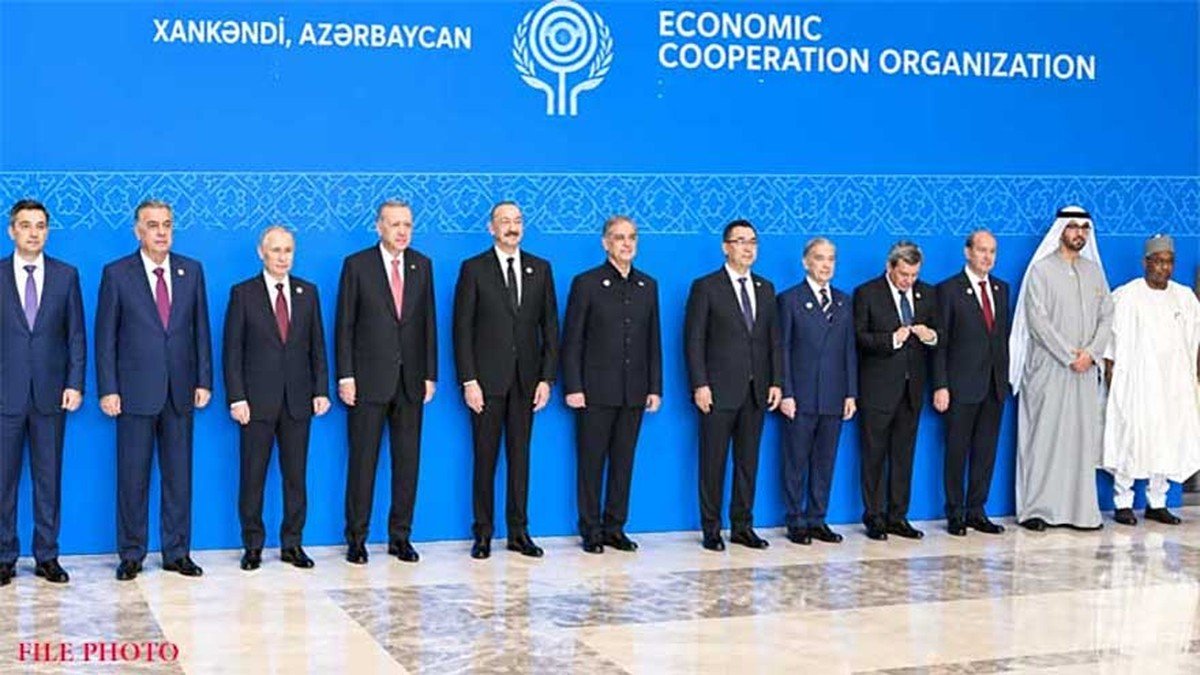
    Foreign ministers from across the region will gather in Islamabad next week as Pakistan hosts the 30th meeting of the Council of Ministers of the Economic Cooperation Organization (ECO) on November 15 and 16.

    Diplomatic sources said the meeting will bring together foreign ministers from the ten-member bloc to discuss regional trade, economic cooperation and ways to strengthen contacts between member states. Pakistan is chairing the ECO for 2026-27, and officials say the gathering will also look at new possibilities for joint cooperation and stronger economic ties across the region.

    Iran’s Foreign Minister Abbas Araghchi is expected to attend, according to reports, and is also expected to hold bilateral meetings with Prime Minister Shehbaz Sharif and Deputy Prime Minister and Foreign Minister Ishaq Dar during his visit. The meeting comes as regional security challenges and geopolitical tensions weigh on the bloc, though economic cooperation, trade and connectivity are expected to remain the central focus.

    Preparations for the meeting have been under way for days. Ishaq Dar chaired a meeting on Friday to finalise arrangements for the two-day gathering, which follows the postponement of an ECO interior ministers’ meeting that had been scheduled in Islamabad in late October.

    The ECO was founded in 1985 by Pakistan, Iran and Turkiye to promote cooperation in trade, transport, energy and investment. Its ten members also include Azerbaijan and five Central Asian republics. Pakistan invited member states to attend the 30th meeting when it took part in the previous session, held virtually in November last year, at which Lahore was designated the ECO Tourism Capital for 2027.

    It has not yet been confirmed which heads of delegation will attend or whether Afghanistan will be represented at the meeting, and no agenda or deliverables have been announced in advance.

    Officials say the Islamabad meeting is an opportunity for Pakistan to advance its regional economic and connectivity priorities at a difficult moment for the region, with member states seeking to keep trade and cooperation moving despite the pressures around them.

  • Pakistan to Host Three Big Diplomatic Events Next Week

    Pakistan to Host Three Big Diplomatic Events Next Week

    Pakistan will host three major diplomatic events from next week, beginning on 9 November, in a busy stretch of international engagement for the country. Foreign Minister Ishaq Dar will chair the gatherings, which cover the United Nations, Palestine and regional economic cooperation on Afghanistan.

    On 10 November, Dar will chair a high-level event marking 60 years of the Pakistan-UN partnership. Pakistan is currently a member of the UN Security Council, and the event will mark six decades of the country’s partnership with the world body.

    Also on 10 November, Pakistan will host a meeting of 13 foreign ministers and heads of delegation from Muslim countries, chaired by Dar, to discuss the Palestine situation. The meeting will bring together senior representatives from across the Muslim world for talks on one of the region’s most pressing issues.

    On 12 and 13 November, Pakistan will host the 8th Ministerial Conference on the Regional Economic Cooperation Conference on Afghanistan, known as RECCA, in Islamabad. The conference, also chaired by Dar, will focus on regional economic cooperation linked to Afghanistan.

    During the RECCA conference, Dar will hold bilateral meetings with representatives from various countries, according to the Foreign Office spokesperson. The meetings will run alongside the main conference sessions in the capital.

    All three gatherings will be chaired by Foreign Minister Ishaq Dar, who will also use the RECCA conference to hold bilateral meetings with representatives from various countries. The programme was confirmed by the Foreign Office spokesperson, who set out the dates and the chair for each event and the bilateral meetings planned around them.

    The three events, taken together, set up a crowded diplomatic calendar for Pakistan next week. The UN partnership event and the Muslim foreign ministers’ meeting both fall on the same day, 10 November, while the RECCA conference follows two days later, giving the Foreign Office a full week of high-level hosting.

    The schedule places Pakistan at the centre of several strands of diplomacy at once: its long-standing partnership with the United Nations, joint discussions among Muslim countries on Palestine, and regional economic cooperation on Afghanistan. Each of the three gatherings will be chaired by the foreign minister, underlining the importance Islamabad attaches to the week.

  • حکومت اور جماعت اسلامی کے مذاکرات کا آخری دور منگل کو ہوگا

    حکومت اور جماعت اسلامی کے مذاکرات کا آخری دور منگل کو ہوگا

    جماعت اسلامی کے امیر حافظ نعیم الرحمن نے کہا ہے کہ حکومت نے جماعت اسلامی کو آگاہ کیا ہے کہ مذاکرات کا آخری دور منگل 10 نومبر کو اسلام آباد میں ہوگا۔ انہوں نے کہا کہ جماعت اسلامی نے حکومت کے سامنے 20 نکاتی چارٹر آف ڈیمانڈ پیش کیا تھا، جس میں سے 16 نکات پر اتفاق ہو چکا ہے جبکہ چار نکات پر ابھی بات چیت جاری ہے، جن میں پٹرولیم لیوی بھی شامل ہے۔

    حکومت کی مذاکراتی کمیٹی کی قیادت نائب وزیراعظم اور وزیر خارجہ اسحاق ڈار کر رہے ہیں۔ حکومتی کمیٹی نے 6 نومبر کو پارلیمنٹ ہاؤس میں جماعت اسلامی کی کمیٹی سے ملاقات کی تھی۔ حافظ نعیم الرحمن کے مطابق حکومت آئندہ مشاورت کے بعد مسودہ معاہدہ جماعت اسلامی کے ساتھ شیئر کرے گی، جس کا جائزہ لینے کے بعد جماعت اسلامی اپنے آئندہ کے لائحہ عمل کا اعلان کرے گی۔

    مذاکرات کا مرکزی نکتہ پٹرولیم لیوی کا خاتمہ اور عوام کو ریلیف دینا ہے۔ جماعت اسلامی کا مطالبہ ہے کہ پٹرولیم لیوی مرحلہ وار ختم کی جائے اور عام آدمی کو مہنگائی سے ریلیف دیا جائے۔ جماعت اسلامی نے حکومت کے سامنے چھ تجاویز پیش کی تھیں، جن میں لیوی کا خاتمہ، ریلیف پیکج، پبلک ٹرانسپورٹ کے کرایوں میں کمی اور زرعی شعبے کو ریلیف شامل ہے۔

    اس سے قبل 3 نومبر کو ہونے والے مذاکرات کے بعد جماعت اسلامی کے نائب امیر لیاقت بلوچ نے کہا تھا کہ مذاکرات آخری مرحلے میں داخل ہو چکے ہیں۔ ان کے مطابق دونوں فریقوں نے تسلیم کیا تھا کہ لیوی کا خاتمہ ضروری ہے اور حکومت نے کسانوں اور 1000 سی سی تک کی گاڑیوں کے مالکان کو ریلیف دینے پر اتفاق کیا تھا۔ دونوں کمیٹیوں نے لیوی کے مرحلہ وار خاتمے اور عوامی ریلیف کے لیے ورکنگ پیپر تیار کرنے پر بھی اتفاق کیا تھا۔

    مذاکرات کا یہ سلسلہ وزیراعظم شہباز شریف اور جماعت اسلامی کے امیر حافظ نعیم الرحمن کے درمیان ہونے والی ملاقات کے بعد شروع ہوا تھا۔ اس کے بعد دونوں جانب سے مذاکراتی کمیٹیاں تشکیل دی گئیں اور پٹرولیم قیمتوں اور عوامی ریلیف پر بات چیت کا سلسلہ جاری ہے۔ جماعت اسلامی کا کہنا ہے کہ اگر مطالبات تسلیم نہ کیے گئے تو جماعت احتجاج کا حق محفوظ رکھتی ہے اور نومبر کے وسط میں ملتان سے اسلام آباد کی طرف احتجاجی مارچ کا اعلان کیا جا چکا ہے۔

    اس موقع پر اسحاق ڈار نے کہا کہ حکومت غزہ کے عوام کے لیے جو کچھ ممکن ہوگا کرے گی اور پاکستان غزہ کے عوام کی آواز بلند کرتا رہے گا۔ انہوں نے کہا کہ غزہ کے عوام اپنی جدوجہد میں تنہا نہیں ہیں اور پاکستان ان کے ساتھ کھڑا ہے۔

  • Pakistan, Iran discuss region as Dar calls Araghchi

    Pakistan, Iran discuss region as Dar calls Araghchi

    Deputy Prime Minister and Foreign Minister Mohammad Ishaq Dar held a telephone conversation with his Iranian counterpart, Foreign Minister Seyyed Abbas Araghchi, on Thursday to discuss the evolving regional situation.

    According to the Foreign Office, the two foreign ministers exchanged views on recent developments across the region, with particular emphasis on the importance of continued diplomatic engagement to address outstanding issues.

    Dar reiterated that sustained dialogue and diplomacy are essential to resolving differences and promoting regional peace. He stressed that all parties should remain constructively engaged and maintain communication channels.

    He said active and sustained diplomatic efforts are necessary to ensure lasting peace, security and stability in the region, and that continued dialogue was the most appropriate means of addressing outstanding issues, managing developments and preventing further tensions.

    Dar urged all parties to remain positively engaged and pursue constructive approaches, according to the Foreign Office statement.

    The statement did not name any specific country, dispute or incident beyond the evolving regional situation and recent developments.

    The conversation comes at a time of heightened attention on regional diplomacy, with Pakistan maintaining contact with neighbouring countries on matters affecting peace and stability.

    Pakistan and Iran share a long border and have regularly discussed regional security, trade and border management in their diplomatic exchanges.

    Diplomatic engagement between the two countries has continued through regular contacts between their foreign ministers and other officials.

    Further details of the conversation were not immediately available, and the Foreign Office statement gave no indication of any specific agreement or joint announcement following the call.

    Pakistan has long favoured resolving regional differences through talks rather than confrontation, a position its leaders have repeated in contacts with neighbouring countries and at international forums.

    Diplomatic observers note that telephone conversations between foreign ministers are a routine way for countries to exchange views quickly when regional developments require coordination.

    The call also reflects the continuing channel of communication between Islamabad and Tehran, which both sides have used to discuss matters of mutual interest.

    For now, the Foreign Office statement is the only public account of the conversation, and it frames the exchange around the shared goal of lasting peace, security and stability in the region.

  • Dar reaffirms Pakistan’s commitment to stronger Iran ties

    Dar reaffirms Pakistan’s commitment to stronger Iran ties

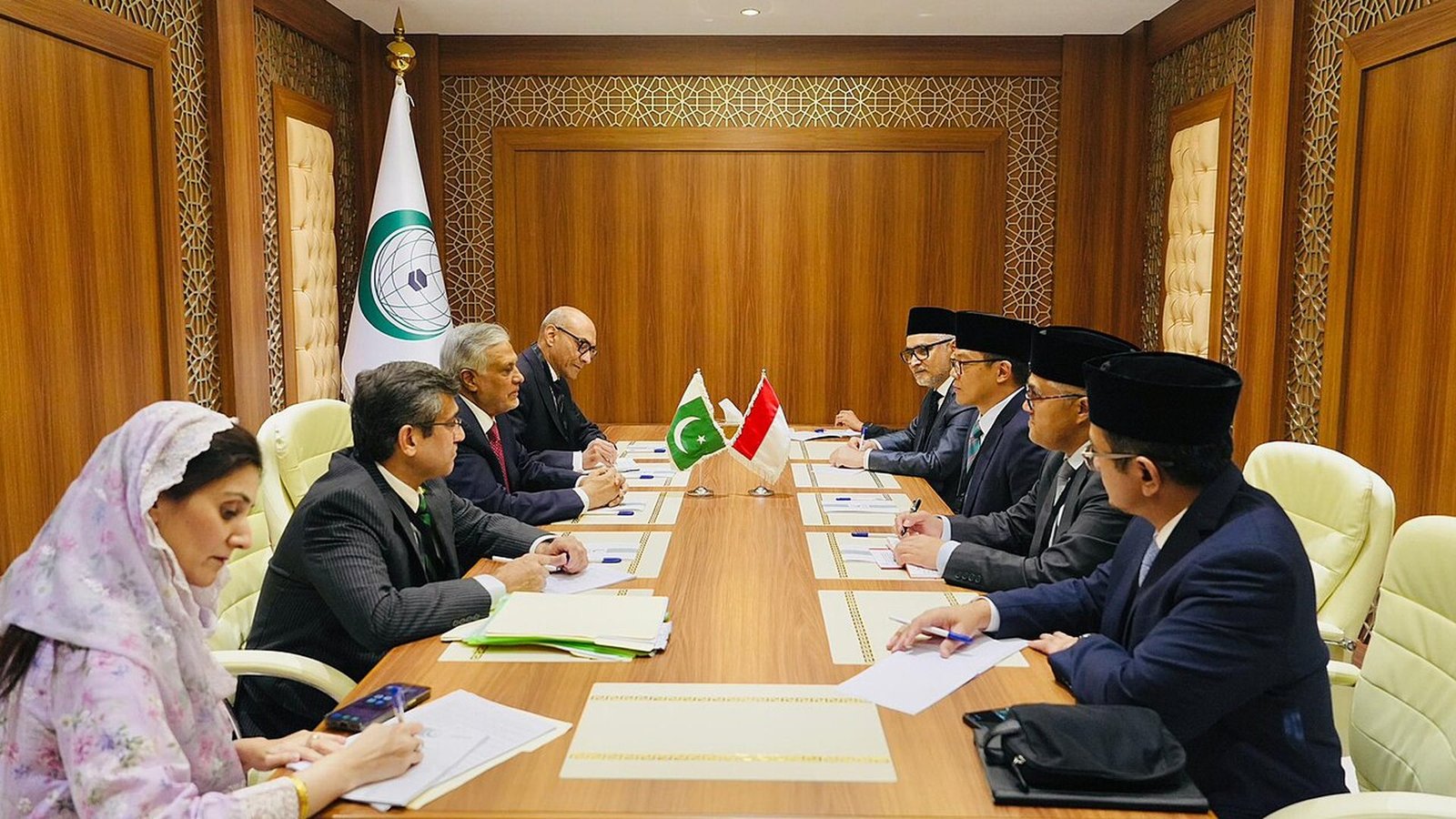
    Deputy Prime Minister and Foreign Minister Ishaq Dar has reaffirmed Pakistan’s commitment to further strengthening its close and brotherly ties with Iran, during a meeting with Tehran’s envoy in Islamabad.

    Iran’s Ambassador to Pakistan, Reza Amiri Moghadam, called on Dar at the Ministry of Foreign Affairs on Wednesday, according to an official statement. The two sides discussed bilateral relations and matters of mutual interest, reviewing the state of cooperation between the neighbouring countries.

    During the meeting, Dar underscored Pakistan’s firm commitment to deepening engagement with Iran and making cooperation between the two countries more effective and result-oriented. He also stressed the importance of dialogue and diplomacy in promoting peace and stability in the region.

    Pakistan and Iran share a long border and deep historical, cultural and religious links, and their relationship spans trade, energy, border management and people-to-people exchanges. Both sides have repeatedly described the relationship as brotherly, even as regional tensions have tested the wider neighbourhood.

    The meeting comes as Pakistan continues to balance its relationships across the region, with Islamabad keen to keep channels of dialogue open with all its neighbours. Officials in Islamabad have consistently argued that diplomacy, rather than confrontation, offers the only durable route to regional stability.

    No detailed announcements emerged from Wednesday’s meeting, which was described as a review of ongoing cooperation and mutual interests. But the public reaffirmation from Pakistan’s deputy prime minister signals that strengthening ties with Iran remains a stated priority for the government, alongside its wider diplomatic engagements in the region.

    Dar holds the dual portfolios of deputy prime minister and foreign minister, and his meetings with foreign envoys are closely watched as a signal of the government’s diplomatic priorities. The Foreign Office in Islamabad, where Wednesday’s meeting took place, is the usual venue for such calls, which typically review the full range of the bilateral agenda before any formal announcements are made.

    Cooperation between Pakistan and Iran covers a wide sweep of practical issues. Trade and energy links, management of their shared border, security cooperation and exchanges between ordinary citizens have all featured in recent discussions between the two sides, and officials on both sides have spoken of making that cooperation more effective and focused on results.

    Wednesday’s reaffirmation fits that pattern: a public restatement of commitment, rather than a new agreement, but one that underlines that the relationship with Iran remains an active part of Pakistan’s foreign policy at a time of heightened tensions across the wider region.

  • ڈار: چینی برآمد ہوگی مگر عوام کو مہنگائی نہیں

    ڈار: چینی برآمد ہوگی مگر عوام کو مہنگائی نہیں

    نائب وزیراعظم اور وزیر خارجہ سینیٹر محمد اسحاق ڈار نے بدھ کے روز متعلقہ حکام کو ہدایت کی ہے کہ قومی طلب پوری کرنے کے لیے چینی کے اسٹریٹجک ذخائر برقرار رکھے جائیں اور اضافی چینی کی برآمد سے خوردہ قیمتوں پر دباؤ نہ پڑے۔ وہ اضافی چینی کی برآمد سے متعلق کابینہ کمیٹی کے اجلاس کی صدارت کر رہے تھے۔

    اجلاس میں ڈار نے اس بات پر زور دیا کہ اگرچہ اضافی اجناس کی برآمد زرعی معیشت کو مضبوط بنانے اور قیمتی زرمبادلہ کمانے کے لیے ضروری ہے، تاہم ملکی صارفین کا تحفظ حکومت کی اولین ترجیح ہے۔ وزارت خارجہ کی جانب سے جاری کردہ اعلامیے کے مطابق انہوں نے کمیٹی کے ارکان کی خدمات کو سراہا اور اضافی چینی کی برآمد کو آسان بنانے میں ان کی اجتماعی کوششوں کی تعریف کی۔

    اجلاس میں اضافی چینی کی برآمد کو منظم بنانے اور انتظامی، تکنیکی اور طریقہ کار سے متعلق فریم ورک کو حتمی شکل دینے کے لیے جاری اقدامات کا جائزہ لیا گیا۔ موجودہ اسٹاک کی سطح اور ملکی کھپت کی ضروریات کا مکمل جائزہ لیا گیا تاکہ یہ یقینی بنایا جا سکے کہ برآمدات سے ملکی قیمتوں کے استحکام پر کوئی اثر نہ پڑے۔

    کمیٹی نے آئندہ کرشنگ سیزن تک چینی کے حتمی اسٹاک کی صورتحال کا بھی جائزہ لیا تاکہ اضافی مقدار کا درست اندازہ لگایا جا سکے اور ملک بھر میں مقامی کھپت کے لیے وافر ذخائر کی دستیابی یقینی بنائی جا سکے۔ ڈار نے متعلقہ حکام کو ہدایت کی کہ برآمد کے عمل کے دوران سپلائی چین کو بلا تعطل جاری رکھنے اور مارکیٹ میں کسی بگاڑ کو روکنے کے لیے مؤثر نگرانی کے انتظامات قائم کیے جائیں۔

    اجلاس میں وزیر قومی غذائی تحفظ و تحقیق، وزیر اقتصادی امور، وزیر مملکت برائے خزانہ، وزیراعظم کے مشیر برائے صنعت و پیداوار، معاون خصوصی طارق باجوہ اور خزانہ، تجارت، قانون و انصاف اور قومی غذائی تحفظ و تحقیق کے سیکرٹریز سمیت متعلقہ وزارتوں کے سینئر حکام نے شرکت کی۔ حکومت کا موقف ہے کہ کسانوں اور شوگر انڈسٹری کی مدد اور زرمبادلہ کے حصول کے ساتھ ساتھ عام صارف کے لیے چینی کی قیمت مستحکم رکھنا بھی اتنا ہی اہم ہے، اور برآمدی فیصلے اس توازن کو خراب نہیں کریں گے۔

  • Pakistan at Istanbul R-4+E-3 talks on Iran, Hormuz security

    Pakistan at Istanbul R-4+E-3 talks on Iran, Hormuz security

    Pakistan is at the table in Istanbul on Friday as foreign ministers of seven countries meet in the first-ever R-4+E-3 format, with regional security, the Iran crisis and the safety of international shipping lanes topping the agenda.

    Turkiye is hosting two back-to-back sessions: a meeting of the R-4 grouping — Pakistan, Egypt, Saudi Arabia and Turkiye — and a joint session bringing in the European E-3 of France, Britain and Germany, the Turkish foreign ministry announced on Thursday.

    The R-4 emerged in March and has been focusing on regional security and mediation efforts between the United States and Iran. The E-3, by contrast, was set up more than 20 years ago to coordinate European diplomatic efforts over Iran’s nuclear programme.

    A first-of-its-kind meeting

    A Turkish diplomatic source told Reuters the seven countries would meet in the R-4+E-3 format for the first time at Turkiye’s initiative, as wars involving Iran, Yemen and Ukraine threaten shipping routes and regional security.

    The ministers are expected to discuss the Israeli-Palestinian issue, the latest situation in the Strait of Hormuz, developments related to Yemen, efforts to end the Russia-Ukraine war, and opportunities for closer cooperation between the regional and European countries, the source said.

    Pakistan’s Foreign Office in Islamabad had yet to comment on the planned meetings or on the participation of Deputy Prime Minister and Foreign Minister Ishaq Dar, Dawn reported.

    Hormuz and Saudi security in focus

    Turkish Foreign Minister Hakan Fidan was expected to emphasise the need for a diplomatic solution to the war between the United States and Iran, underline the importance of freedom of navigation in the Strait of Hormuz and the Bab al-Mandab, and reiterate Turkiye’s support for Saudi Arabia’s security against attacks by Yemen’s Houthi rebels, according to the report.

    That support falls under the Makkah Joint Defence Agreement signed by Islamabad, Ankara and Riyadh, the source added.

    Fidan was also expected to tell his counterparts that Turkiye has been working to stop the war in Ukraine from spreading to the Black Sea, pointing to the regional security risks posed by the conflict.

    The Istanbul meeting comes at a moment of acute strain across the region. Fresh Houthi attacks in Saudi Arabia have pushed international oil prices to a five-month high, while a fragile, indefinitely extended ceasefire between the United States and Iran holds only on paper, with core disputes over a naval blockade and the Strait of Hormuz unresolved.

    Pakistan has positioned itself as a mediator between Washington and Tehran in recent months, hosting dialogue rounds and conveying messages between the two sides in Islamabad.