Tag: IQAir

  • Lahore Most Polluted City, Karachi Third on AQI List

    Lahore Most Polluted City, Karachi Third on AQI List

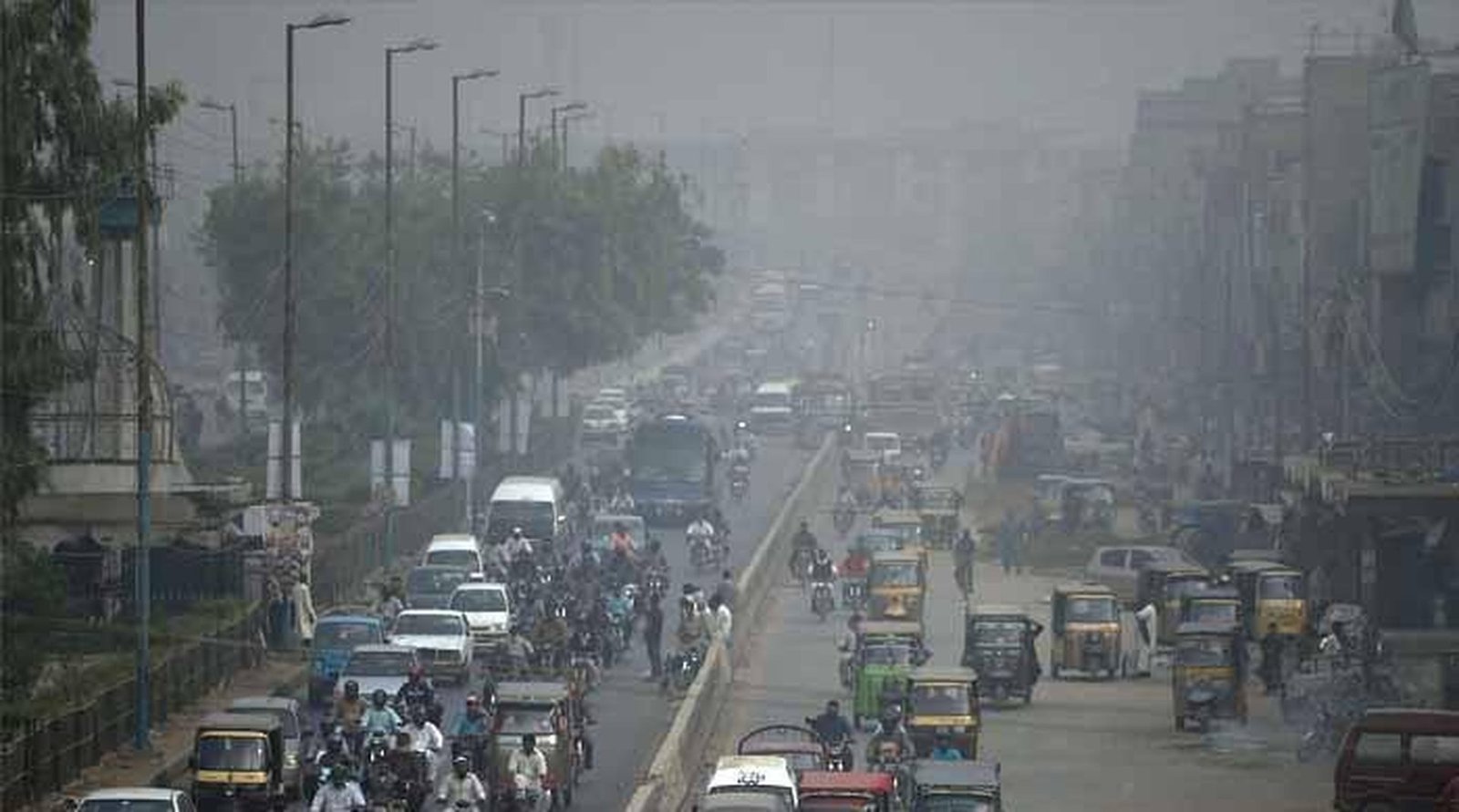
    Lahore ranked first and Karachi third among the world’s most polluted major cities on Wednesday, with air quality index readings of 354 and 198 respectively, as poor air continued to grip Pakistan’s cities.

    According to the Air Quality Index, Lahore’s air quality was extremely hazardous, while Karachi’s air was also hazardous. Under the classifications of the Pakistan Environmental Protection Agency, an index of 0 to 100 is considered green and positive, while 101 to 200 is classified as moderately polluted but tolerable. Readings above 300 fall in the hazardous range.

    An air quality alert by IQAir, the Swiss air quality monitoring organisation, said that as of 25 November, air quality in Pakistan remained poor, with major cities experiencing air quality in the unhealthy to hazardous range and high concentrations of fine particulate matter, known as PM2.5, posing health risks to residents, especially children and the elderly. By 10:30am Pakistan time, many urban centres had recorded readings between 100 and 600, prompting health warnings.

    IQAir’s data showed that PM2.5 concentrations in Karachi were more than 11 times the World Health Organization’s annual guideline value, underlining how far above safe limits the city’s air had risen. Pakistan was the most polluted country in the world in the 2025 World Air Quality Report, according to IQAir, and its major cities regularly appear near the top of the global ranking during the winter smog season.

    Several other Pakistani cities were also reporting poor air quality on Wednesday, including Dera Ghazi Khan, Faisalabad, Gujranwala, Multan and Peshawar. Readings change through the day as weather conditions and traffic levels shift, and later readings on Wednesday showed lower figures for both Lahore and Karachi, though the two cities remained at the top of the global ranking.

    Smog has blanketed parts of Punjab this week, with Gujranwala recording hazardous air quality earlier in the week. Health experts advise residents, particularly children, the elderly and people with breathing difficulties, to limit time outdoors when air quality reaches hazardous levels, and to wear masks when going outside.

  • لاہور دنیا کا آلودہ ترین شہر، کراچی تیسرے نمبر پر

    لاہور دنیا کا آلودہ ترین شہر، کراچی تیسرے نمبر پر

    لاہور دنیا کے آلودہ ترین بڑے شہروں کی فہرست میں پہلے اور کراچی تیسرے نمبر پر آ گیا ہے۔ بدھ کو لاہور کا ایئر کوالٹی انڈیکس 354 اور کراچی کا 198 ریکارڈ کیا گیا جبکہ ملک کے دیگر شہروں میں بھی فضائی معیار خراب رہا۔

    ایئر کوالٹی انڈیکس کے مطابق لاہور کی فضا انتہائی مضر صحت ہے جبکہ کراچی کی فضا بھی مضر صحت ہے۔ پاکستان کے ادارہ برائے ماحولیاتی تحفظ کی درجہ بندی کے مطابق 0 سے 100 تک کا انڈیکس سبز اور مثبت سمجھا جاتا ہے جبکہ 101 سے 200 تک کا انڈیکس معتدل آلودہ لیکن قابل برداشت قرار دیا جاتا ہے۔ 300 سے اوپر کا انڈیکس خطرناک درجے میں آتا ہے۔

    سوئس ادارے آئی کیو ایئر کی جانب سے جاری الرٹ میں کہا گیا ہے کہ 25 نومبر تک پاکستان میں فضائی معیار خراب رہا اور بڑے شہروں میں ہوا غیر صحت بخش سے خطرناک درجے تک رہی جبکہ باریک ذرات (پی ایم 2.5) کی بلند مقدار شہریوں، خاص طور پر بچوں اور بزرگوں کے لیے صحت کے خطرات کا باعث بنی۔ صبح ساڑھے دس بجے تک کئی شہری مراکز میں انڈیکس 100 سے 600 کے درمیان ریکارڈ کیا گیا جس پر صحت کی وارننگ جاری کی گئی۔

    آئی کیو ایئر کے اعداد و شمار کے مطابق کراچی میں پی ایم 2.5 کی مقدار عالمی ادارہ صحت کی سالانہ ہدایت سے 11 گنا سے زیادہ تھی جس سے واضح ہوتا ہے کہ شہر کی ہوا محفوظ حد سے کتنی زیادہ آلودہ ہے۔ آئی کیو ایئر کے مطابق پاکستان 2025 کی عالمی فضائی معیار رپورٹ میں دنیا کا سب سے آلودہ ملک تھا اور موسم سرما میں سموگ کے دوران اس کے بڑے شہر عالمی فہرست میں بار بار سرفہرست رہتے ہیں۔

    بدھ کو ڈیرہ غازی خان، فیصل آباد، گوجرانوالہ، ملتان اور پشاور سمیت کئی دیگر شہروں میں بھی فضائی معیار خراب رہا۔ موسمی حالات اور ٹریفک کی سطح بدلنے کے ساتھ ریڈنگ دن بھر تبدیل ہوتی رہتی ہے اور بدھ کو بعد میں لاہور اور کراچی دونوں کی ریڈنگ کم ریکارڈ کی گئی تاہم دونوں شہر عالمی فہرست میں سرفہرست رہے۔

    اس ہفتے پنجاب کے کئی علاقوں میں سموگ چھائی رہی اور گوجرانوالہ میں اس سے قبل خطرناک درجے کی فضائی آلودگی ریکارڈ کی گئی تھی۔ طبی ماہرین کا مشورہ ہے کہ جب فضائی معیار خطرناک درجے تک پہنچ جائے تو شہری، خاص طور پر بچے، بزرگ اور سانس کی تکلیف میں مبتلا افراد باہر نکلنے سے گریز کریں اور باہر جاتے وقت ماسک پہنیں۔

  • Delhi Overtakes Lahore as World’s Most Polluted City

    Delhi Overtakes Lahore as World’s Most Polluted City

    India’s capital Delhi overtook Lahore in Pakistan on Friday to become the world’s most polluted city, with air quality reaching hazardous levels and visibility dropping as smog blanketed the city of 20 million people.

    According to Swiss group IQAir, which measures air quality based on the concentration of toxins, Delhi’s air quality index (AQI) stood at 334, rated “hazardous”, making it the most polluted global major city.

    India’s official Central Pollution Control Board put the figure higher, at 403, and rated it “severe”. The two readings differ because the Swiss and Indian authorities use different AQI scales and methodologies to calculate and classify air pollution levels.

    Videos from news agency ANI showed cars and motorcycles emerging from dense smog, with the haze also obscuring street lights on the city’s main roads, as visibility fell sharply across the capital.

    The smog settled over the city of 20 million people, cutting visibility for commuters and leaving roads and buildings wrapped in a thick grey haze through the day.

    A seasonal problem

    Pollution is a seasonal problem in many parts of northern India and neighbouring Pakistan. As winter sets in, cold, heavy air traps vehicle emissions, construction dust and smoke from agricultural burning close to the ground, pushing pollution levels sharply higher.

    The three sources behind the haze — exhaust fumes from vehicles, dust raised by construction work, and smoke from crop burning in surrounding farmland — combine each winter to leave a thick pall hanging over cities across the region.

    An AQI reading of up to 50 is considered good, with little or no health risk. Delhi’s reading on Friday stood far above that level on both the Swiss and the Indian measures, underlining how poor the air had become in the Indian capital.

    Lahore had earlier found some relief after rain, when its air quality index dropped to 111. But with winter approaching, both cities remain exposed to the same seasonal pattern, as cold air continues to trap pollution close to the ground.

    Friday’s readings put Delhi ahead of Lahore at the top of the global ranking of major cities, with the winter smog season now under way across northern India and neighbouring Pakistan.

  • Lahore AQI 458: World’s Most Polluted City as Smog Worsens

    Lahore AQI 458: World’s Most Polluted City as Smog Worsens

    Lahore woke to another grey morning on Friday as thick smog settled over the city and pushed its air pollution to the top of the world ranking once again, with readings far above the levels considered safe to breathe.

    According to IQAir, the Swiss air quality monitoring group, Lahore recorded an air quality index (AQI) of 458, the highest among the world’s major cities. The figure was reported by Express News and Nawa-i-Waqt, and it placed the Punjab capital ahead of New Delhi, which stood second on the global list with an AQI of 244, followed by Kolkata at 235.

    The pollution was not limited to Lahore. Multan recorded an even higher AQI of 719, while Kahna Nau reached 655 and Kasur 462, according to the Punjab air quality index. Within Lahore itself, monitors reported severe readings across several neighbourhoods, including the CERP Office at 611, Barki Road Paragon at 609 and Allama Iqbal Town at 583. The Punjab index showed Lahore at 430 at 7am, around 70 points higher than the previous day.

    Readings vary between monitoring networks because they use different stations and methods, but every measure pointed in the same direction. Daily Pakistan reported Lahore’s average smog level at 338, with readings of 508 near FC College, 548 in Paragon Society and 414 in Model Town. On the IQAir scale, any reading above 300 is classed as hazardous.

    Why the air has turned so toxic

    Air pollution becomes a severe problem across the region at this time of year, when cold, dense air traps smoke and dust close to the ground. According to Reuters, emissions from vehicles, construction sites and crop waste burning are among the main contributors, and the seasonal smog usually worsens as winter approaches.

    Earlier in the week, Lahore had already topped the global ranking. On Tuesday morning, IQAir put the city’s AQI at 447, and its concentration of PM2.5, the fine particulate matter most dangerous to human health, was 60 times higher than the World Health Organization’s annual exposure guideline. An AQI reading of up to 50 is considered good, with little or no health risk.

    Officials in Punjab have linked the build-up to a temperature inversion, in which a layer of warmer air sits above colder air at ground level and traps pollution beneath it. Abdullah Nayyar Sheikh, director general of Punjab’s Environment Protection Department, told Reuters that falling temperatures since early November had created those conditions. On Wednesday morning, wind speed in Lahore was close to dead calm, with humidity at 86 per cent.

    The provincial government has launched a cleanliness and dust-suppression campaign called Chamkta Lahore, under which roads are being washed daily in an effort to cut dust in the air. The National Disaster Management Authority’s seasonal outlook expects smog risk to rise from mid-November into December, when nights grow colder and inversions become stronger.

    Health experts and news reports have advised residents to avoid unnecessary outdoor trips and to wear masks when going out, as the pollution poses serious health risks, particularly for children, older people and those with breathing problems. The Meteorological Department has forecast a minimum temperature of 17 degrees Celsius and a maximum of 30 degrees in Lahore over the next 24 hours, with no rainfall expected to clear the air.