Tag: hunting

  • پنجاب حکومت نے تلور کے شکار کی اجازت دے دی

    پنجاب حکومت نے تلور کے شکار کی اجازت دے دی

    پنجاب حکومت نے تلور کی قانونی حیثیت میں عارضی تبدیلی کی منظوری دے دی ہے، جس کے تحت مقررہ مدت میں ضابطے کے تحت اس پرندے کے شکار کی اجازت ہوگی۔

    یہ منظوری کابینہ کی قانون سازی اور نجکاری سے متعلق قائمہ کمیٹی کے 42ویں اجلاس میں دی گئی، جس کی صدارت پنجاب کے وزیر خزانہ مجتبیٰ شجاع الرحمان نے کی۔

    محکمہ جنگلی حیات و پارکس پنجاب نے تجویز دی تھی کہ تلور کو پنجاب وائلڈ لائف (تحفظ، بچاؤ، تحفظ اور انتظام) ایکٹ 1974 کے تیسرے شیڈول سے عارضی طور پر پہلے شیڈول میں منتقل کر دیا جائے۔

    1974 کے قانون کے تحت تلور اس وقت تیسرے شیڈول میں شامل ہے، جس میں اس نوع کو سال بھر تحفظ حاصل ہے۔ اس کے برعکس پہلا شیڈول ضابطے کے تحت شکار کی اجازت دیتا ہے۔

    محکمہ جنگلی حیات کے حکام نے کہا کہ کمیٹی کے فیصلے کی باضابطہ اطلاع اور متعلقہ قانونی کارروائی مکمل ہونے کے بعد پرندے کو پہلے شیڈول میں منتقل کر دیا جائے گا۔ عارضی تبدیلی سے مقررہ مدت میں قابل اطلاق ضوابط کے تحت شکار کی اجازت ہوگی۔

    1974 کے قانون کی دفعہ 45(i) صوبائی حکومت کو سرکاری گزٹ نوٹیفکیشن کے ذریعے جنگلی حیات کی انواع کو شامل یا خارج کر کے شیڈول میں ترمیم کا اختیار دیتی ہے۔ پرندے کی حیثیت میں مجوزہ تبدیلی اسی شق کے تحت کی جائے گی۔

    ایشیائی تلور، جسے میک کوئین بسٹرڈ بھی کہا جاتا ہے، صحرا کا ایک بڑا پرندہ ہے جو انٹرنیشنل یونین فار کنزرویشن آف نیچر (آئی یو سی این) کی ریڈ لسٹ میں خطرے سے دوچار (ولنریبل) قرار دیا گیا ہے۔ یہ جزوی مہاجر پرندہ ہے: شمالی علاقوں کے پرندے سردیوں میں جنوب کی طرف آتے ہیں، جن میں پاکستان بھی شامل ہے، خاص طور پر مغربی بلوچستان، جہاں وہ اکتوبر سے دسمبر کے درمیان آتے ہیں اور مارچ کے وسط یا آخر میں واپس چلے جاتے ہیں۔

    پاکستان میں اس پرندے کو تلور کہا جاتا ہے۔ تلور کے شکار پر طویل عرصے سے بحث جاری ہے۔ ستمبر 2015 میں سپریم کورٹ نے حکومتوں کو اس پرندے کے شکار کے لائسنس جاری کرنے سے روکنے کا کہا تھا؛ جنوری 2016 میں پانچ رکنی بینچ نے وفاقی اور صوبائی حکومتوں کی نظرثانی کی درخواستوں پر یہ پابندی ختم کر دی تھی، جن کا موقف تھا کہ ضابطے کے تحت شکار تحفظ میں مدد دیتا ہے۔

    اجلاس کے احوال میں شکار کی تاریخیں، پرمٹ کی تعداد یا شکاریوں کی قومیت کا ذکر نہیں کیا گیا، اور یہ تفصیلات سرکاری احوال میں بیان نہیں کی گئیں۔ واضح بات یہ ہے کہ پرندے کی محفوظ حیثیت اس وقت تک تبدیل نہیں ہوگی جب تک فیصلے کی باضابطہ اطلاع اور گزٹ نوٹیفکیشن سمیت قانونی کارروائی مکمل نہ ہو جائے۔

    جب تک یہ کارروائی مکمل نہیں ہوتی، تلور تیسرے شیڈول میں ہی رہے گا اور اسے سال بھر تحفظ حاصل رہے گا۔ محکمہ جنگلی حیات اب باضابطہ کارروائی مکمل کرے گا تاکہ مقررہ شکار کی مدت کے لیے پہلے شیڈول میں عارضی منتقلی نافذ ہو سکے۔

  • Govt Allows Houbara Bustard Hunting

    Govt Allows Houbara Bustard Hunting

    The Punjab government has approved a temporary change in the legal status of the Houbara bustard that will allow regulated hunting of the bird during the approved period, subject to applicable regulations.

    The approval was granted at the 42nd meeting of the Standing Committee of Cabinet on Legislative Business and Privatisation, chaired by Punjab Finance Minister Mujtaba Shujaur Rehman.

    The Punjab Wildlife and Parks Department had proposed temporarily transferring the Houbara bustard from the Third Schedule of the Punjab Wildlife (Protection, Preservation, Conservation and Management) Act 1974 to the First Schedule of the law.

    Under the 1974 law, the Houbara bustard is currently listed in the Third Schedule, which provides year-round protection to the species. The First Schedule, by contrast, allows regulated hunting.

    Wildlife officials said the bird would be shifted to the First Schedule after the committee’s decision was formally communicated and the relevant legal process completed. The temporary change will allow hunting during the approved period, subject to applicable regulations.

    Section 45(i) of the 1974 law empowers the provincial government to amend the schedules through an official gazette notification by adding or removing wildlife species. It is under this provision that the proposed change in the bird’s status would be made.

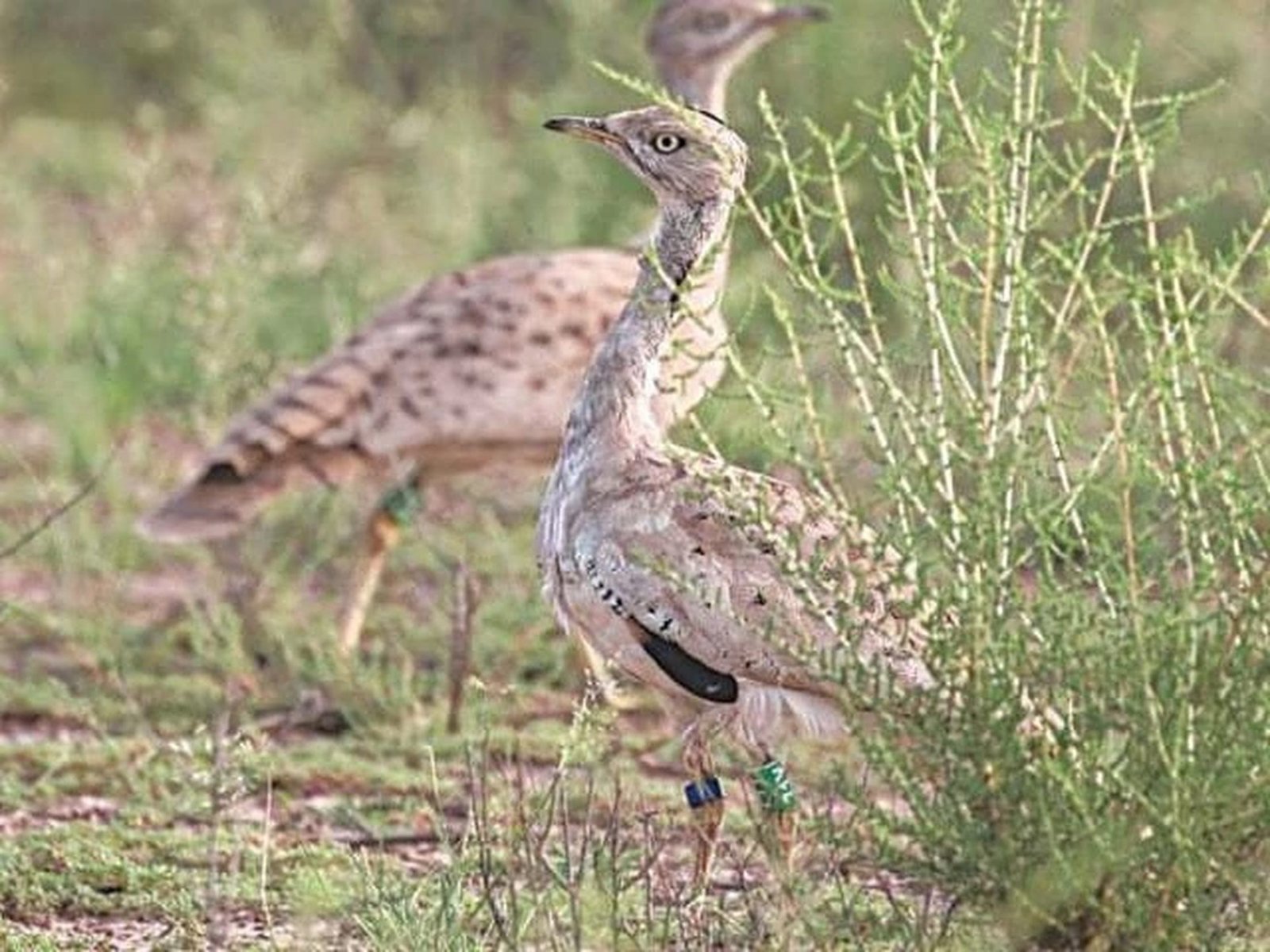
    The Asian houbara, also known as MacQueen’s bustard, is a large desert bird listed as Vulnerable on the International Union for Conservation of Nature (IUCN) Red List. It is a partial migrant: birds from northern breeding grounds winter further south, including in Pakistan, mainly in western Balochistan, arriving between October and December and leaving in mid to late March.

    In Pakistan the bird is known as the tiloor. Hunting of the Houbara bustard has long been a subject of debate. In September 2015, the Supreme Court told governments to stop issuing hunting licences for the bird; in January 2016, a five-judge bench lifted that ban on review petitions from the federal and provincial governments, which had argued that regulated hunting helps conservation.

    The account of the meeting did not state hunting dates, permit numbers or the nationalities of hunters, and none of those details were given in the official account. What is clear is that the bird’s protected status will change only once the decision is formally communicated and the legal process, including the gazette notification, is completed.

    Until that process is complete, the Houbara bustard remains in the Third Schedule and protected throughout the year. The wildlife department will now move to complete the formalities so that the temporary transfer to the First Schedule can take effect for the approved hunting period.