Tag: Human Rights

  • Veteran Journalist Hussain Naqi Passes Away in Lahore

    Veteran Journalist Hussain Naqi Passes Away in Lahore

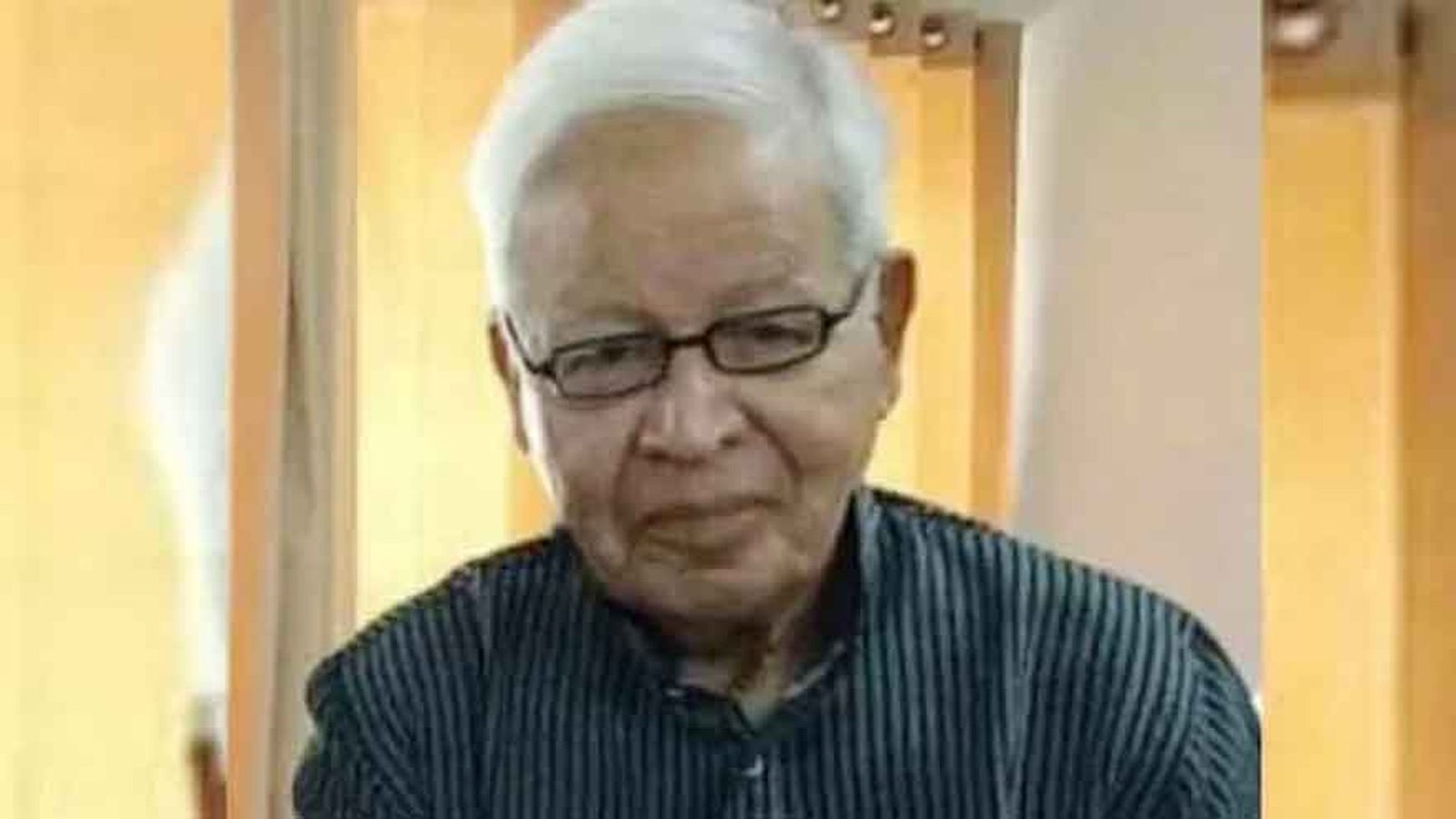
    Lahore — Veteran journalist and human rights activist Hussain Naqi passed away in Lahore on Sunday morning, 22 November 2026, leaving behind a long career devoted to journalism, press freedom and the defence of human rights in Pakistan.

    Naqi was a life member of the Lahore Press Club and served as treasurer of the Human Rights Commission of Pakistan (HRCP), one of the country’s leading independent rights bodies. He had earlier served as editor of The News, and remained associated with journalism and rights work throughout his life.

    He was widely respected among journalists for his principled stand on press freedom. At a function held in his honour by the Karachi Press Club, he warned that gagging the press would harm the country’s integrity, and at a Lahore seminar on the challenges facing press freedom he stressed the importance of verifying facts before reporting. Colleagues remembered him as a journalist who consistently spoke up for the downtrodden and for the right to dissent.

    Naqi was also the author of an autobiography, Mujh Se Jo Ho Saka, which traces the history of journalism and democracy in Pakistan. The book was the subject of a session at the Lahore University of Management Sciences in October 2025, where speakers discussed his life, work and legacy as one of Pakistan’s steadfast advocates for democracy and press freedom.

    President Asif Ali Zardari paid tribute to Naqi, acknowledging his contributions to journalism and human rights, according to Dunya News. The president’s tribute reflected the regard in which Naqi was held across political and journalistic circles for a lifetime of public service through the written word.

    Funeral prayers for Hussain Naqi will be offered at Jamia Muntazir in Model Town, Lahore, at 12:30pm today, according to 24NewsHD. Family members, journalists and rights activists are expected to attend to pay their last respects.

    His passing marks the loss of a journalist who spent decades defending freedom of expression and standing with those whose voices were seldom heard. Through his writing, his work with the press clubs and the HRCP, and his public advocacy, Naqi remained a familiar and respected figure in Pakistan’s media and human rights circles until the end of his life.

  • AJK CJ Urges Global Treaty to Protect Humans in AI Wars

    AJK CJ Urges Global Treaty to Protect Humans in AI Wars

    London — The Chief Justice of Azad Kashmir, Justice Raja Saeed Akram, has called for a binding international treaty to protect human lives in wars fought with artificial intelligence, telling an international human rights seminar at the House of Lords that machines are gaining the ability to decide who will live and who will die.

    Justice Akram was addressing the seminar, titled “Artificial Intelligence Wars and Human Rights”, held at the House of Lords, the upper house of the British Parliament, in London on Friday. The seminar was organised by The Wisdom Trust and hosted by Lord Brennan, KC.

    The seminar was attended by Lords from different countries, members of the British Parliament, prominent barristers, legal experts, university professors and human rights scholars, who gathered to discuss how the growing use of artificial intelligence in warfare is reshaping the protection of human life under international law.

    Justice Akram said artificial intelligence has changed the nature of wars. In such a situation, he said, meaningful human oversight and effective international legislation are indispensable in every decision to take a human life, because no machine should be left to decide matters of life and death on its own.

    He called on the international community to create a binding international treaty to ban the use of automatic weapons and to bring companies developing artificial intelligence technology under the ambit of legal accountability, so that those who design and deploy such systems cannot escape responsibility for their consequences.

    The Chief Justice said there is vast potential for the positive and constructive use of artificial intelligence, but its irresponsible use for war purposes can pose a serious threat to human rights and global peace. The technology that can serve humanity, he warned, can also endanger it if it is used without restraint or accountability.

    Referring to the use of modern technology during war operations in Gaza, Ukraine and Iran, Justice Akram said targeting through artificial intelligence, drone surveillance and the use of automatic weapons are endangering the lives of civilians, women and children. He said the fundamental principles of international humanitarian law — especially the distinction between civilians and combatants, the proportional use of force and the requirements of accountability — could be affected by the careless use of artificial intelligence.

    “If an automated system results in the death of an innocent civilian, who will be responsible?” Justice Akram asked, adding that the international community must find an answer to this fundamental question before such systems become even more widespread.

    The Chief Justice also highlighted the human rights situation in occupied Jammu and Kashmir to the international community, citing UN Resolution 47. He said the Kashmiri people have been struggling to achieve the right to self-determination since 1947, and global concern has been expressed over human rights violations in occupied Jammu and Kashmir.

    Justice Akram stressed that surveillance systems based on facial recognition, drone surveillance and artificial intelligence must be conditioned on the protection of human freedoms and fundamental rights, so that new technology strengthens human dignity instead of weakening it.

  • UN Rights Chief Volker Turk Calls for Imran Khan’s Release

    UN Rights Chief Volker Turk Calls for Imran Khan’s Release

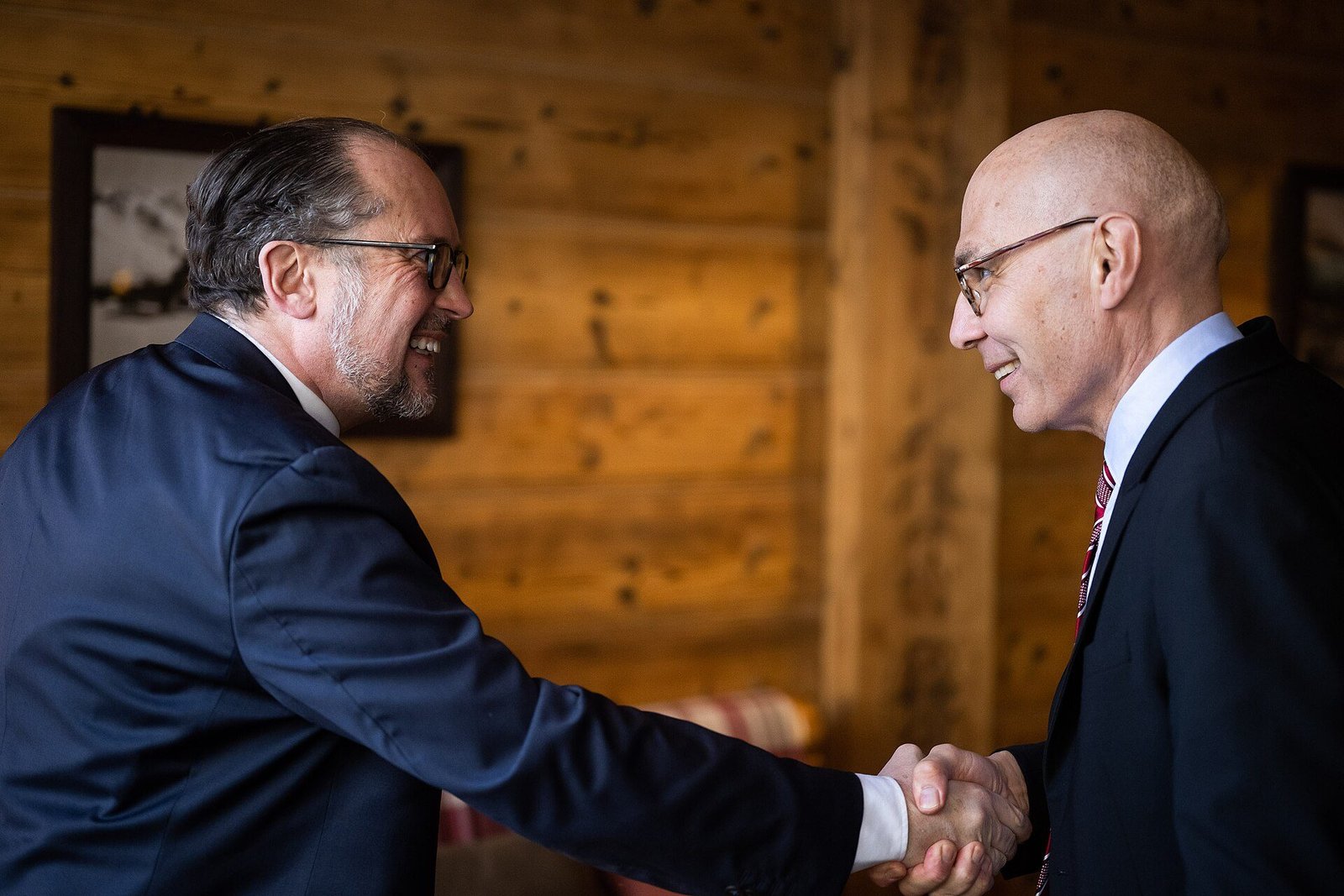
    United Nations High Commissioner for Human Rights Volker Turk on Thursday called for the release of former prime minister Imran Khan, urging Pakistani authorities to ensure his proper treatment and to take steps to ease the political tensions surrounding his detention.

    “I call for [Imran Khan’s] release. I call for his proper treatment, and I actually call for de-escalation,” Turk said in an interview with CNN’s Christiane Amanpour.

    Turk said confidence-building measures between the opposition and the government could help defuse the tensions around the case. “We need to diffuse the political tensions that are around this case, which means that a confidence-building measure between the opposition and the government could be his immediate release,” he said.

    Among the measures he named were allowing family visits, ensuring access to lawyers and medical assistance, and releasing people who should not be in prison.

    Turk said the concerns went beyond a single case. “It’s not just one very prominent case,” he said, adding that human rights defenders, journalists and people in the political opposition were also facing arbitrary detention, and that authorities must respect international legal standards governing detention.

    Separately, Amnesty International and its South Asia Regional Office urged Pakistani authorities to provide adequate healthcare to Imran and his wife Bushra Bibi, restore regular access to family members and lawyers, and end what the organisation described as the political persecution of Imran’s family.

    Amnesty said the denial of healthcare, family visits and legal counsel violated Pakistan’s international human rights obligations. According to the organisation, Imran had not been allowed to meet his family since December 2025, except for two meetings with his sister in August 2026, and had had no telephone contact with his sons since March 2026.

    Amnesty said Imran was kept in solitary confinement and was suffering from severe blood pressure problems. His family said he had been denied access to independent doctors despite an August Supreme Court order directing that he be taken to a private hospital. Bushra Bibi, the organisation said, had been denied adequate medical care and was suffering from an eye condition that could lead to loss of eyesight.

    The organisation also noted that three of Imran’s sisters were detained on September 20 and 21 under Section 3 of the Maintenance of Public Order Ordinance 1960. Two were later released, while Aleema Khan remained detained at Kot Lakhpat prison in Lahore.

    Imran and Bushra Bibi remain incarcerated at Rawalpindi’s Adiala Jail. They were sentenced to 17 years in prison on December 20, 2025, in the Toshakhana-II case, in which they were accused of unlawfully retaining a Bulgari jewellery set gifted by the Saudi crown prince.

    Imran has been in custody since August 2023 and is serving a sentence in the £190 million corruption case. He also faces pending trials under the Anti-Terrorism Act in connection with the May 9, 2023, protests.

    Turk’s appeal came days after Imran urged the country’s top judges to ensure implementation of Supreme Court orders concerning his medical treatment and prison conditions, warning that his health was deteriorating.