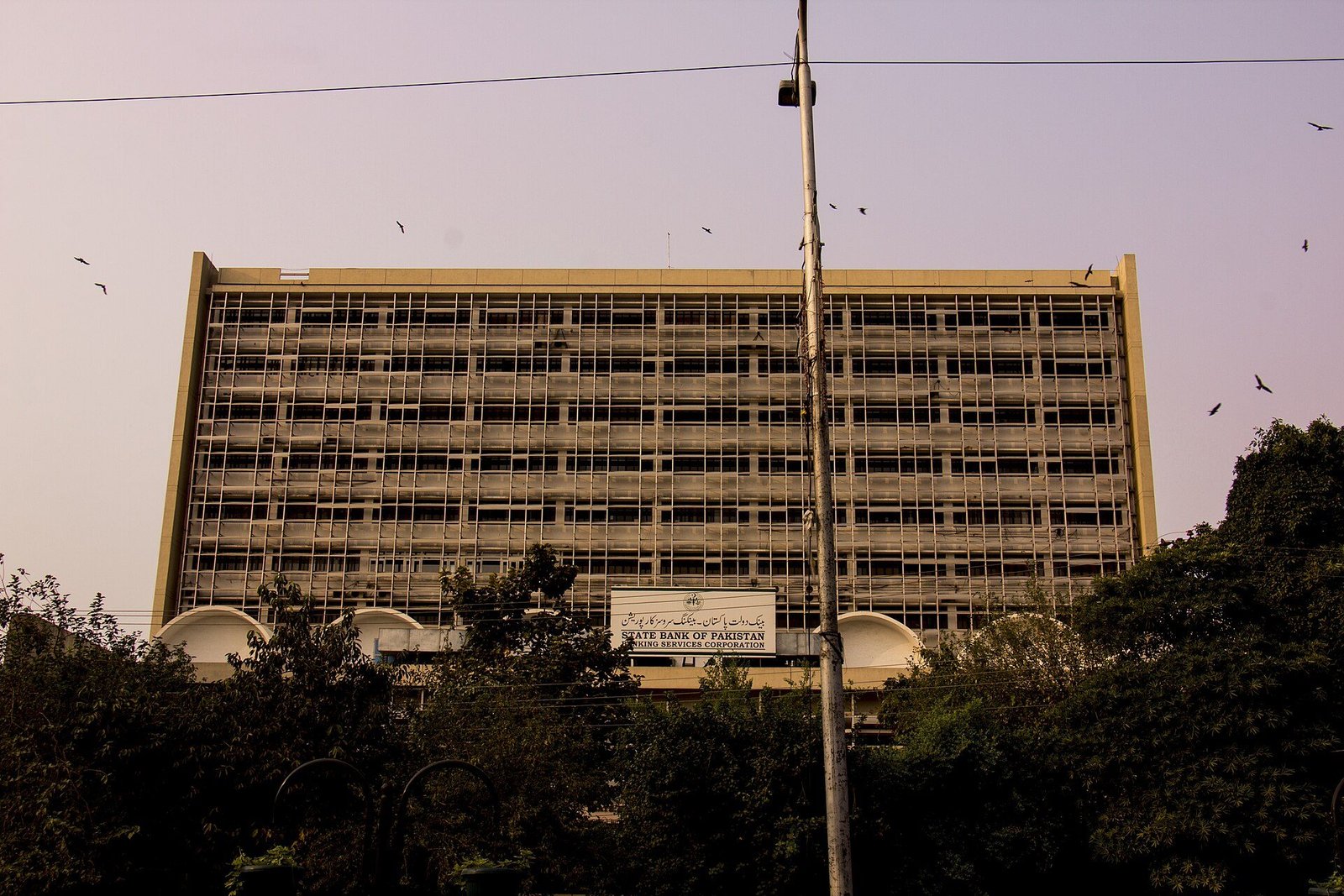
Tag: housing finance

  • اسٹیٹ بینک نے بلڈرز کی فنانسنگ کی اجازت دے دی

    اسٹیٹ بینک نے بلڈرز کی فنانسنگ کی اجازت دے دی

    اسٹیٹ بینک آف پاکستان (ایس بی پی) نے بلڈرز اور ڈویلپرز کی فنانسنگ کے لیے نظرثانی شدہ ہدایات جاری کر دی ہیں، جس کے تحت بینک اور ترقیاتی مالیاتی ادارے (ڈی ایف آئیز) ہاؤسنگ منصوبوں کو قرض دے سکیں گے۔ اس اقدام کا مقصد ملک بھر میں رہن کے قابل مکانات کی فراہمی بڑھانا ہے۔

    مرکزی بینک نے یہ نظرثانی شدہ فریم ورک بدھ 18 نومبر 2026 کو جاری کردہ ایک سرکلر کے ذریعے نافذ کیا، جس سے اپریل 2014 میں جاری کردہ ہدایات کی جگہ لے لی گئی ہے۔ نئے قواعد تمام بینکوں اور ڈی ایف آئیز پر لاگو ہوں گے اور ان میں رئیل اسٹیٹ انویسٹمنٹ ٹرسٹس (ریٹس)، سرکاری اور نجی بلڈرز و ڈویلپرز کے ساتھ ساتھ اہل سرکاری ہاؤسنگ اتھارٹیز اور پبلک سیکٹر ڈویلپمنٹ ادارے بھی شامل ہیں۔

    مرکزی بینک کے مطابق قابلِ اعتماد بلڈرز اور ڈویلپرز کو فنانسنگ کی فراہمی ہاؤسنگ کی سپلائی بڑھانے میں ایک اہم خلا ہے، اور نظرثانی شدہ ہدایات کا مقصد بینکوں اور ڈی ایف آئیز کو اس شعبے کو قرض دینے کی ترغیب دینا ہے، جبکہ رسک مینجمنٹ کے معیارات بھی برقرار رکھے جائیں گے۔

    فنانسنگ کون حاصل کر سکتا ہے

    نظرثانی شدہ فریم ورک کے تحت ریٹس اور سرکاری و نجی بلڈرز و ڈویلپرز فنانسنگ کے اہل ہوں گے۔ سرکاری شعبے کے اداروں میں فیڈرل گورنمنٹ ایمپلائز ہاؤسنگ اتھارٹی (ایف جی ای ایچ اے)، پی ایچ اے فاؤنڈیشن، صوبائی و علاقائی ہاؤسنگ اتھارٹیز اور صوبائی حکومت کے زیرِ کنٹرول ٹاؤن پلاننگ ادارے شامل ہیں۔

    قرض لینے والے کے پاس متعلقہ بلڈنگ کنٹرول اتھارٹی سے جاری کردہ درست بلڈر یا ڈویلپر لائسنس ہونا ضروری ہے، یا مجاز سرکاری ادارے سے منظور شدہ معاہدہ ہونا چاہیے۔ نجی بلڈرز کو منصوبے مکمل کرنے کا اچھا ریکارڈ بھی پیش کرنا ہوگا۔ منصوبے کی زمین کا ٹائٹل صاف ہونا چاہیے، اس پر کوئی بوجھ یا لین نہ ہو، اور زمین کی قیمت کو بلڈر کی ایکویٹی تصور کیا جائے گا۔

    دستاویزات اور منصوبے کی جانچ

    بینک اور ڈی ایف آئیز درخواست گزار سے رجسٹریشن دستاویزات، تین سال کی مالیاتی گوشوارے، انکم ٹیکس ریٹرنز، ٹیکس اسسمنٹ ریکارڈ اور خفیہ بینکنگ رپورٹس طلب کر سکتے ہیں۔ 500 ملین روپے سے زائد کی فنانسنگ کے لیے تازہ ترین آڈٹ شدہ مالیاتی گوشوارے ایس بی پی کے پینل پر موجود آڈٹ فرم سے تصدیق شدہ ہونے چاہئیں۔

    منصوبے کی دستاویزات میں صاف ٹائٹل دستاویزات، منظور شدہ بلڈنگ پلان، نان انکمبرنس سرٹیفکیٹ، تعمیر اور فروخت کی منظوریاں، جائیداد رہن رکھنے کی اجازت اور متعلقہ ماحولیاتی کلیئرنسز شامل ہونی چاہئیں۔ ہر منصوبے میں فنانسنگ کی واپسی کے لیے کافی کیش فلو پیدا کرنے کی صلاحیت ہونی چاہیے، اور اس کی تکنیکی فزیبلٹی رپورٹ کا آزادانہ جائزہ پاکستان انجینئرنگ کونسل جیسے ادارے سے رجسٹرڈ معروف انجینئرنگ فرم سے کروانا ہوگا۔

    ویلیوایشن اور نگرانی

    ہدایات میں فنانسنگ کی رقم کے حساب سے ویلیوایشن کی شرائط مقرر کی گئی ہیں۔ 50 ملین روپے تک کے قرضوں کے لیے بینک یا ڈی ایف آئی کی ڈیسک ٹاپ ویلیوایشن کافی ہوگی، 50 ملین سے 500 ملین روپے تک کی فنانسنگ کے لیے کم از کم ایک منظور شدہ ویلیوئر کی ویلیوایشن ضروری ہوگی، جبکہ 500 ملین روپے سے زائد رقم کے لیے کم از کم دو ویلیوئرز کی ویلیوایشن لازمی ہوگی۔

    بینکوں اور ڈی ایف آئیز کو تعمیراتی پیش رفت کی نگرانی کرنی ہوگی، ہر چھ ماہ میں کم از کم ایک بار منصوبوں کا معائنہ کرنا ہوگا اور منصوبے کے کھاتوں اور مالی شرائط کا جائزہ لینا ہوگا۔ فنڈز کے غلط استعمال کو روکنے کے لیے مشترکہ طور پر چلایا جانے والا ایسکرو اکاؤنٹ لازمی ہوگا، اور ڈویلپرز کو تعمیراتی انشورنس یا اس کے مساوی تکافل کوریج حاصل کرنا ہوگی۔ مرکزی بینک نے بینکوں اور ڈی ایف آئیز کو بلڈرز اور ڈویلپرز کے لیے فنانسنگ پورٹ فولیو بڑھانے کے لیے خصوصی یونٹس قائم کرنے کی بھی ترغیب دی ہے۔

    یہ نظرثانی شدہ فریم ورک یکم اپریل 2014 کے آئی ایچ اینڈ ایس ایم ای ایف ڈی سرکلر نمبر 02 کے تحت جاری کردہ ہدایات کی جگہ لے گا۔ عارف حبیب لمیٹڈ کے مرتب کردہ اعداد و شمار کے مطابق اکتوبر 2026 میں پاکستان میں ہاؤسنگ فنانس 409 ارب روپے تک پہنچ گیا تھا۔

  • SBP Allows Banks to Finance Builders, Developers

    SBP Allows Banks to Finance Builders, Developers

    The State Bank of Pakistan (SBP) has issued revised guidelines allowing banks and development finance institutions (DFIs) to finance builders and developers, in a move aimed at increasing the supply of mortgageable housing units across the country.

    The central bank issued the revised framework through a circular on Wednesday, November 18, 2026, updating the guidelines originally introduced in April 2014. The new rules apply to all banks and DFIs and cover Real Estate Investment Trusts (REITs), public and private builders and developers, as well as eligible government housing authorities and public-sector development entities.

    According to the central bank, financing for creditworthy builders and developers remains a critical gap in expanding the supply of housing, and the revised guidelines are designed to encourage banks and DFIs to lend to the sector while keeping risk management standards in place.

    Who can get financing

    Under the revised framework, REITs and public and private builders and developers are eligible for financing. Public-sector entities covered by the rules include the Federal Government Employees Housing Authority (FGEHA), the PHA Foundation, provincial and territorial housing authorities, and town-planning bodies owned or controlled by a provincial government.

    Borrowers must hold a valid builder or developer licence from the relevant building control authority, where applicable, or an approved contract from the competent public-sector authority. Private builders must also show a good track record of completing projects, supported by a list of recently completed developments. The project land must have a clear title, free of encumbrance, charges and liens, and its value will be treated as the builder’s equity in the project.

    Documents and project checks

    Banks and DFIs may ask for registration documents, three years of financial statements, income tax returns, tax assessment records and confidential banking reports. For financing above Rs500 million, the latest audited financial statements must be certified by an audit firm on the SBP panel.

    Project documentation must include clear title documents, an approved building plan, a non-encumbrance certificate, construction and sale approvals, permission to mortgage, and relevant environmental clearances. Each project must generate enough cash flow to repay its financing, and its technical feasibility report must be independently reviewed by a reputed engineering firm registered with a body such as the Pakistan Engineering Council.

    Valuation and monitoring

    The guidelines set valuation requirements based on the size of the financing. Loans of up to Rs50 million may rely on desktop valuations by the bank or DFI, financing above Rs50 million and up to Rs500 million requires at least one valuation by an approved valuer, and amounts above Rs500 million require valuations by at least two valuers.

    Banks and DFIs must monitor construction, inspect projects at least once every six months, and review project accounts and financial covenants. A jointly operated escrow account will be mandatory to prevent the diversion of funds, and developers must obtain construction insurance or equivalent Takaful coverage. The central bank has also encouraged banks and DFIs to set up specialised units to expand their financing portfolios for builders and developers.

    The revised framework replaces the guidelines issued under IH&SMEFD Circular No. 02 dated April 1, 2014. According to data compiled by Arif Habib Limited, housing finance in Pakistan stood at Rs409 billion in October 2026.

  • State Bank Revises Financing Rules for Builders and Developers

    State Bank Revises Financing Rules for Builders and Developers

    KARACHI — The State Bank of Pakistan has issued revised financing guidelines for builders and developers, replacing the framework issued in April 2014, as part of efforts to remove financial obstacles in the construction of residential projects.

    The new guidelines were issued on Wednesday, 18 November, through SH&SFD Circular No. 09 of 2026, and apply to banks and development finance institutions.

    According to the State Bank, the revised framework is aimed at increasing the supply of housing units that are eligible for mortgage finance from banks, and at strengthening the housing finance ecosystem.

    The central bank said that demand for housing in cities is rising due to rapid urban population growth, but credible builders and developers face difficulties in accessing finance.

    Under the new framework, real estate investment trusts (REITs) and public and private builders and developers can obtain financing, along with government housing bodies including the Federal Government Employees Housing Authority (FGEHA), the PHA Foundation and provincial housing institutions.

    Banks and development finance institutions have been encouraged to consider setting up specialised units to increase financing for builders and developers.

    Eligibility and project requirements

    To qualify for financing, a builder or developer must hold a valid developer licence from the relevant building control authority, where applicable, or present an approved agreement with the relevant public-sector authority.

    Private-sector developers will also be required to provide a record of their previous projects so that their experience and capacity to carry out the work can be assessed.

    Project land must have clear and legally valid ownership and be free of any loans, claims or other encumbrances. Under the framework, the value of the land is treated as the builder’s own equity, or that of the project’s investors.

    Before lending, banks may seek documents including the land title record, approved building plans, the master plan, construction and sale permissions, no-objection certificates and other approvals. Developers may also have to list contractors and sub-contractors on the project, and obtain clearances from the Civil Aviation Authority and environmental protection agencies where required.

    The framework also sets out valuation requirements: up to Rs50 million, a desktop valuation is sufficient; between Rs50 million and Rs500 million, at least one valuer approved by the Pakistan Banks’ Association is required; and above Rs500 million, audited statements certified by a firm on the State Bank’s panel are required.

    A jointly operated escrow account will be mandatory for each financed project, and construction progress must be inspected at least once every six months.

    Projects must also be able to generate enough income to repay the bank loan. A technical appraisal report must be independently verified by a qualified engineering firm, and the financial review report approved by a reputable audit firm, covering economic conditions, investment needs, expected income and expenditure and the time needed to complete the project.

    According to the State Bank, the measures are intended to improve financial support for the construction sector, increase the supply of residential projects and keep the risks of bank lending within reasonable limits.

    The circular deals with financing for builders and developers. It does not announce any change to home loans for individual buyers or any subsidy for homebuyers.

  • اسٹیٹ بینک نے بلڈرز اور ڈیولپرز کے لیے فنانسنگ کے نئے ضوابط جاری کر دیے

    اسٹیٹ بینک نے بلڈرز اور ڈیولپرز کے لیے فنانسنگ کے نئے ضوابط جاری کر دیے

    کراچی — اسٹیٹ بینک آف پاکستان نے بلڈرز اور ڈیولپرز کے لیے فنانسنگ کے نئے ضوابط جاری کر دیے ہیں، جو اپریل 2014 کے فریم ورک کی جگہ لیں گے اور رہائشی منصوبوں کی تعمیر میں مالی رکاوٹیں دور کرنے کے لیے جاری کیے گئے ہیں۔

    نئے ضوابط بدھ 18 نومبر کو ایس ایچ اینڈ ایس ایف ڈی سرکلر نمبر 09 برائے 2026 کے ذریعے جاری کیے گئے اور یہ بینکوں اور ترقیاتی مالیاتی اداروں پر لاگو ہوں گے۔

    اسٹیٹ بینک کے مطابق نئے فریم ورک کا مقصد رہائشی قرض کے اہل گھروں کی تعداد بڑھانا اور ہاؤسنگ فنانس کا نظام مضبوط بنانا ہے۔

    مرکزی بینک نے کہا کہ شہروں میں بڑھتی ہوئی آبادی سے رہائش کی طلب بڑھ رہی ہے، لیکن قابلِ اعتماد بلڈرز اور ڈیولپرز کو قرضوں تک رسائی میں مشکلات ہیں۔

    نئے فریم ورک کے تحت رئیل اسٹیٹ انویسٹمنٹ ٹرسٹس (آر ای آئی ٹیز) اور سرکاری و نجی شعبے کے بلڈرز اور ڈیولپرز قرض حاصل کر سکیں گے۔ سرکاری ہاؤسنگ اداروں میں فیڈرل گورنمنٹ ایمپلائز ہاؤسنگ اتھارٹی (ایف جی ای ایچ اے)، پی ایچ اے فاؤنڈیشن اور صوبائی ہاؤسنگ ادارے شامل ہیں۔

    بینکوں اور ترقیاتی مالیاتی اداروں سے کہا گیا ہے کہ وہ بلڈرز اور ڈیولپرز کی فنانسنگ بڑھانے کے لیے خصوصی یونٹس قائم کرنے پر غور کریں۔

    اہلیت اور منصوبے کی شرائط

    قرض کے لیے بلڈر یا ڈیولپر کے پاس متعلقہ بلڈنگ کنٹرول اتھارٹی کا درست لائسنس ہونا ضروری ہوگا، یا متعلقہ سرکاری ادارے سے منظور شدہ معاہدہ پیش کرنا ہوگا۔

    نجی شعبے کے ڈیولپرز کو اپنے سابقہ منصوبوں کا ریکارڈ دینا ہوگا تاکہ ان کے تجربے اور صلاحیت کا جائزہ لیا جا سکے۔

    منصوبے کی زمین کی ملکیت واضح اور قانونی طور پر درست ہونا ضروری ہوگی، اور زمین پر کسی قسم کا قرض، قانونی دعویٰ یا دیگر مالی بوجھ نہیں ہونا چاہیے۔ فریم ورک کے تحت زمین کی مالیت کو بلڈر یا سرمایہ کاروں کی اپنی سرمایہ کاری یعنی ایکویٹی تصور کیا جائے گا۔

    قرض دینے سے قبل بینک زمین کی ملکیت کا ریکارڈ، منظور شدہ عمارت کے نقشے، ماسٹر پلان، تعمیر اور فروخت کی اجازت، این او سی اور دیگر منظوریوں کی دستاویزات طلب کر سکیں گے۔ ڈیولپرز کو ٹھیکیداروں اور ذیلی ٹھیکیداروں کی فہرست بھی دینا پڑ سکتی ہے، اور ضرورت کے مطابق سول ایوی ایشن اتھارٹی اور ماحولیاتی تحفظ کے اداروں سے کلیئرنس بھی حاصل کرنا ہوگی۔

    فریم ورک میں قیمت کے جائزے کے ضوابط بھی طے کیے گئے ہیں: 50 ملین روپے تک کے منصوبوں کے لیے ڈیسک ٹاپ ویلیوایشن کافی ہوگی؛ 50 ملین سے 500 ملین روپے تک کے منصوبوں کے لیے پاکستان بینکس ایسوسی ایشن سے منظور شدہ کم از کم ایک ویلیوئر درکار ہوگا؛ اور 500 ملین روپے سے زائد کے منصوبوں کے لیے اسٹیٹ بینک کے پینل کی فرم سے تصدیق شدہ آڈٹ شدہ گوشوارے درکار ہوں گے۔

    ہر مالی معاونت والے منصوبے کے لیے مشترکہ ایسکرو اکاؤنٹ لازمی ہوگا اور تعمیراتی پیش رفت کا معائنہ کم از کم ہر چھ ماہ میں کرنا ہوگا۔

    منصوبوں میں اتنی آمدن پیدا کرنے کی صلاحیت بھی ہونی چاہیے کہ وہ بینک کے قرض کی ادائیگی کر سکیں۔ منصوبے کی تکنیکی جانچ کی رپورٹ کسی مستند انجینئرنگ فرم سے آزادانہ طور پر جانچوانا ضروری ہوگی، جبکہ مالیاتی جائزے کی رپورٹ کسی معتبر آڈٹ فرم سے منظور کرانا ہوگی، جس میں معاشی حالات، سرمایہ کاری کی ضروریات، متوقع آمدن و اخراجات اور منصوبہ مکمل ہونے کی مدت کا جائزہ شامل ہوگا۔

    اسٹیٹ بینک کے مطابق ان اقدامات سے تعمیراتی شعبے کی مالی معاونت بہتر ہوگی، رہائشی منصوبوں کی فراہمی بڑھے گی اور بینکوں کے قرضوں کے خطرات مناسب حد میں رہیں گے۔

    یہ سرکلر بلڈرز اور ڈیولپرز کی فنانسنگ سے متعلق ہے؛ اس میں انفرادی خریداروں کے ہوم لون میں تبدیلی یا سبسڈی کا اعلان نہیں کیا گیا ہے۔