Tag: hospitals

  • خیبر پختونخوا میں ڈاکٹروں کی شدید قلت، 6 ہزار افراد پر ایک ڈاکٹر

    خیبر پختونخوا میں ڈاکٹروں کی شدید قلت، 6 ہزار افراد پر ایک ڈاکٹر

    خیبر پختونخوا میں ڈاکٹروں کی شدید قلت ہے، جہاں 4 کروڑ سے زائد آبادی کے لیے صرف 8 ہزار 24 ڈاکٹر دستیاب ہیں، یعنی ہر 5 سے 6 ہزار افراد کے لیے صرف ایک ڈاکٹر موجود ہے۔ جنگ اور دی نیوز کی رپورٹ کے حوالے سے جیو نیوز نے یہ صورتحال سامنے لائی ہے۔

    رپورٹ کے مطابق صوبے میں 200 سے زائد مختلف نوعیت کے سرکاری طبی مراکز غیر فعال پڑے ہیں۔ اسپتالوں کی گنجائش بھی ناکافی ہے، سرکاری اسپتالوں میں 18 ہزار 432 بستر دستیاب ہیں جبکہ ضرورت 64 ہزار بستروں کی ہے۔

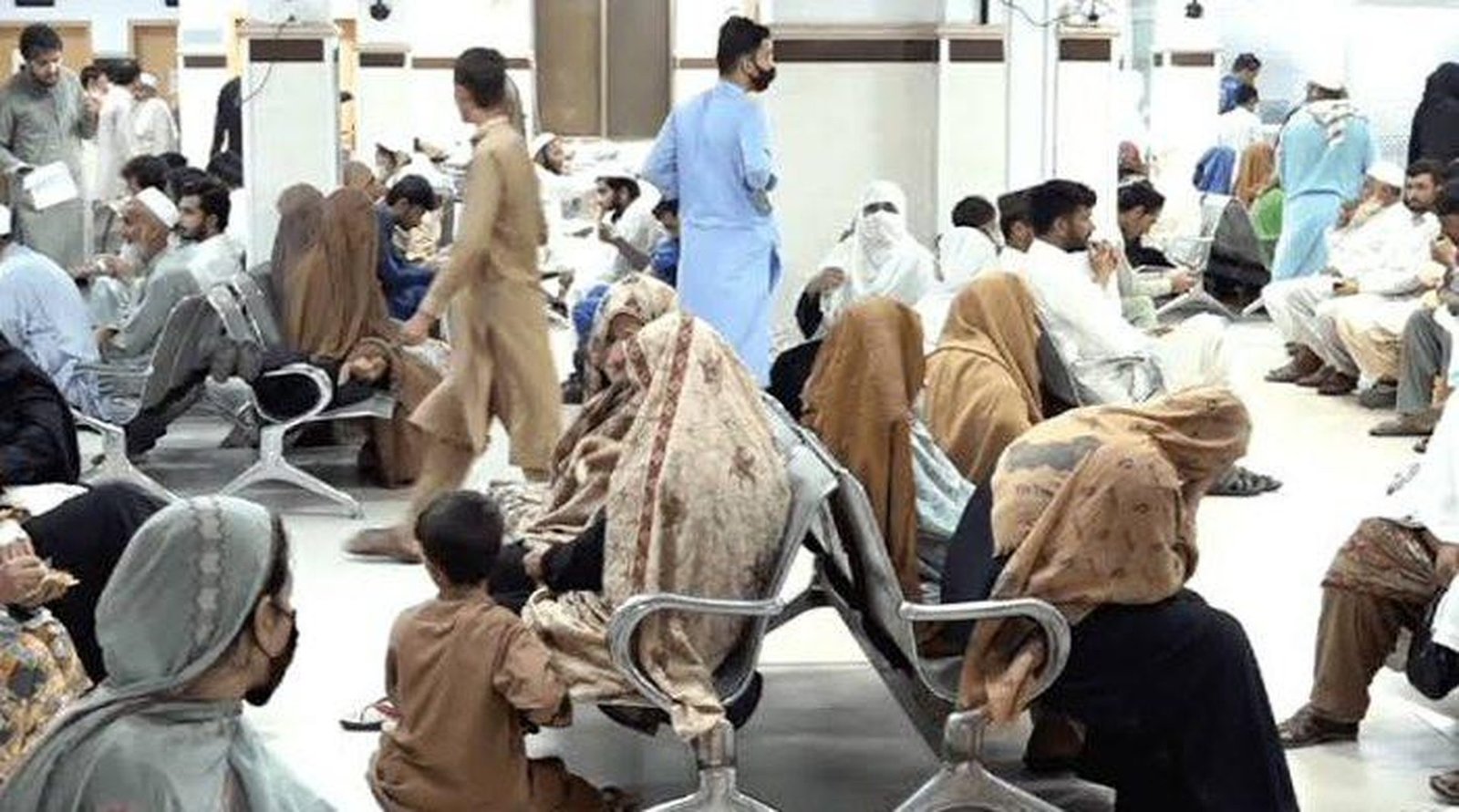
    یہ اعداد و شمار بتاتے ہیں کہ صوبے کی سرکاری صحت کی سہولتیں کس قدر دباؤ میں ہیں۔ کئی اضلاع میں مریضوں کو علاج کے لیے طویل انتظار کرنا پڑتا ہے اور فعال اسپتال تک پہنچنے کے لیے طویل سفر طے کرنا پڑتا ہے، اور یہ کمی صوبے کے دور دراز اور سابق قبائلی اضلاع میں سب سے زیادہ محسوس کی جاتی ہے۔

    مشیر صحت لیفٹیننٹ جنرل ریٹائرڈ نگار جوہر کو صورتحال پر بریفنگ دی گئی اور میڈیکل ٹیچنگ انسٹی ٹیوشنز ایکٹ میں ترامیم اور اسپتالوں کے آڈٹ کا فیصلہ کیا گیا ہے۔ انہوں نے بریفنگ کے دوران بتایا کہ صحت کارڈ کی خامیوں کو دور کر کے اسے مزید بہتر بنایا جائے گا۔

    صوبائی حکومت کو سرکاری اسپتالوں کی حالت پر کافی عرصے سے تنقید کا سامنا ہے۔ دی ایکسپریس ٹریبیون نے 8 نومبر کی رپورٹ میں کہا تھا کہ صوبے میں پاکستان تحریک انصاف کے 13 سالہ دور حکومت کے باوجود سرکاری اسپتالوں میں ادویات، بنیادی سہولتوں اور علاج کی کمی برقرار ہے، جس پر شہریوں نے مسلسل اصلاحات کے فوائد پر سوال اٹھائے ہیں۔

    شہریوں نے اخبار کو بتایا کہ کینسر اور دیگر سنگین بیماریوں کے مریضوں کو سرکاری اسپتالوں میں علاج اور ادویات حاصل کرنے میں مسلسل مشکلات کا سامنا ہے۔ رپورٹ کے مطابق یہ صورتحال دور دراز اضلاع اور قبائلی علاقوں بشمول مہمند، باجوڑ اور کرم کے رہائشیوں کے لیے خاص طور پر مشکل ہے، جہاں بنیادی صحت کی سہولتیں ناکافی ہیں۔

    خیبر پختونخوا کے گورنر فیصل کریم کنڈی نے کہا ہے کہ انہیں صوبے کے صحت کے نظام کے بارے میں متعدد شکایات موصول ہوئی ہیں۔ شہریوں نے صحت کارڈ پروگرام، سرکاری اسپتالوں میں بورڈز آف گورنرز کے قیام اور انسٹی ٹیوشن بیسڈ پریکٹس کے نظام پر بھی تحفظات کا اظہار کیا ہے۔

    ڈاکٹروں کی کمی اور طبی مراکز کی بندش ایسے وقت سامنے آئی ہے جب صوبائی حکومت اپنی صحت کی پالیسیوں کا جائزہ لے رہی ہے۔ بریفنگ میں اعلان کردہ فیصلے، جن میں میڈیکل ٹیچنگ انسٹی ٹیوشنز ایکٹ میں ترامیم، اسپتالوں کے آڈٹ اور صحت کارڈ میں بہتری شامل ہے، کا مقصد ایسے نظام کو مضبوط بنانا ہے جو رپورٹ کے مطابق اس وقت 4 کروڑ سے زائد آبادی کی ضروریات پوری کرنے سے قاصر ہے۔
  • KP Faces Severe Doctor Shortage: One Doctor for 6,000 People

    KP Faces Severe Doctor Shortage: One Doctor for 6,000 People

    Khyber Pakhtunkhwa is facing a severe shortage of doctors, with only 8,024 doctors available for a population of more than 40 million people, which means there is just one doctor for every 5,000 to 6,000 people, according to a report in Jang and The News cited by Geo News.

    The report says more than 200 government medical centres of various kinds across the province are non-functional. The strain on the public health system is also visible in hospital capacity: government hospitals in the province have 18,432 beds available, while 64,000 beds are needed to meet demand.

    The figures underline how thinly stretched the province’s public health services are. With one doctor for several thousand people, patients in many districts face long waits and long journeys to reach a functioning hospital, and the shortage is felt most acutely in the province’s remote and former tribal districts.

    Health Adviser Lieutenant General (retired) Nigar Johar was briefed on the situation, and decisions have been taken to amend the Medical Teaching Institutions Act and to audit hospitals, the report said. Flaws in the Sehat Card health insurance scheme will also be removed and the scheme will be improved, she told the briefing.

    The provincial government has been under pressure over the state of public hospitals for some time. A report in The Express Tribune on 8 November said that despite 13 years of Pakistan Tehreek-e-Insaf rule in the province, public hospitals continued to face shortages of medicines, basic facilities and treatment, prompting residents to question the benefits of successive reforms.

    Residents told the newspaper that patients suffering from cancer and other serious diseases continued to struggle to obtain treatment and medicines at public hospitals. The situation was particularly difficult for residents of remote districts and tribal areas, including Mohmand, Bajaur and Kurram, where basic healthcare facilities remained inadequate, the report said.

    Khyber Pakhtunkhwa Governor Faisal Karim Kundi has said he received numerous complaints about the province’s healthcare system. Residents have also raised concerns about the Sehat Card programme, the establishment of boards of governors in public-sector hospitals and the institution-based practice system, according to the report.

    The shortage of doctors and the closure of health centres come at a time when the provincial government is reviewing its health policies. The decisions announced at the briefing, including amendments to the Medical Teaching Institutions Act, hospital audits and improvements to the Sehat Card, are aimed at strengthening a system that, according to the report, is currently unable to meet the needs of the province’s population of more than 40 million.

  • وزیر صحت کا ڈی ایچ کیو ہسپتال بھمبر کا دورہ

    وزیر صحت کا ڈی ایچ کیو ہسپتال بھمبر کا دورہ

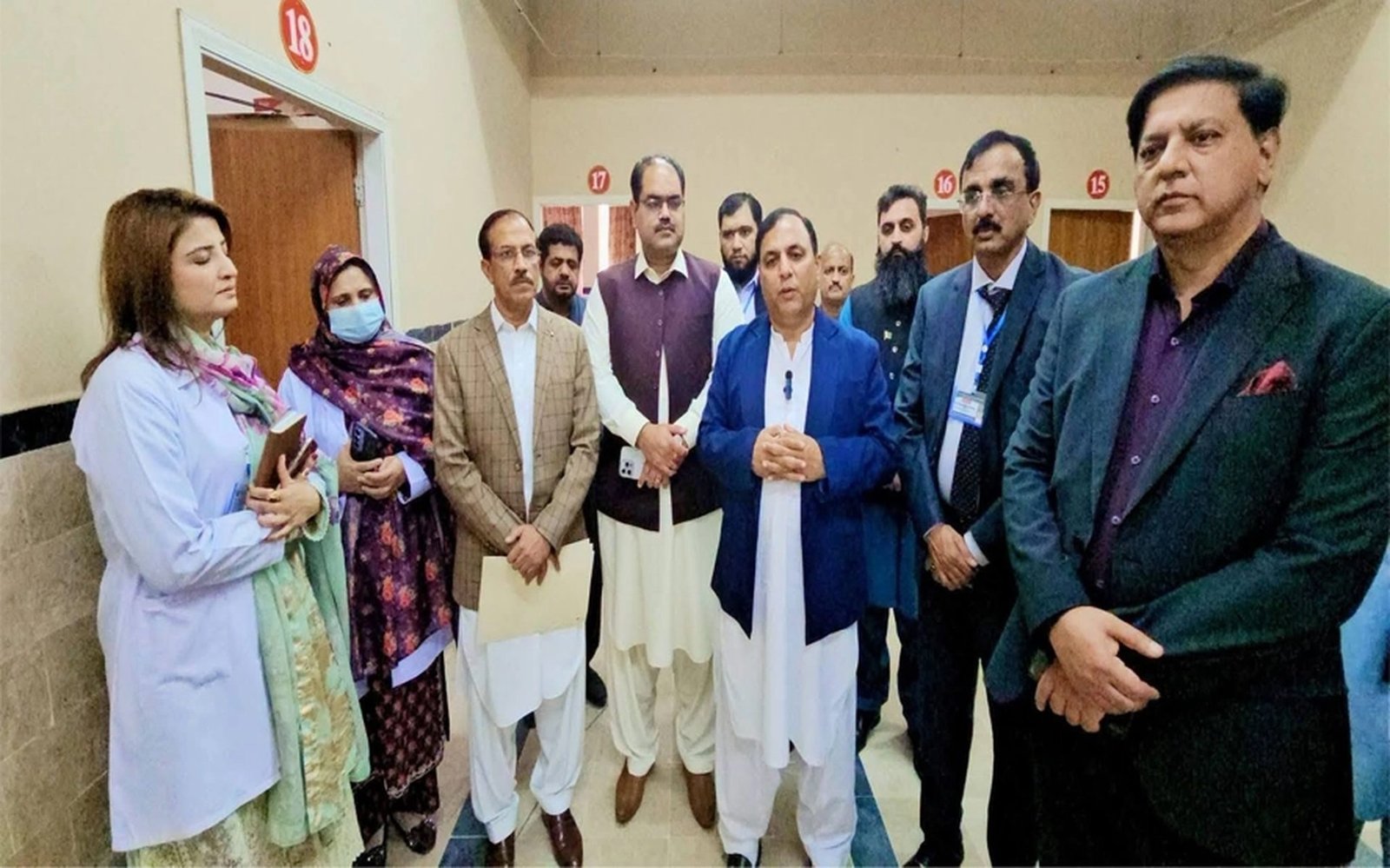
    آزاد کشمیر کے وزیر صحت ڈاکٹر مصطفیٰ بشیر عباسی نے ڈسٹرکٹ ہیڈکوارٹر (ڈی ایچ کیو) ہسپتال بھمبر کا دورہ کیا، جہاں انہوں نے وارڈز اور طبی سہولیات کا معائنہ کیا اور افسران کو ہدایت کی کہ مریضوں کو بہتر سہولیات دینے کے لیے شارٹ ٹرم، مڈ ٹرم اور لانگ ٹرم پلان آف ایکشن تیار کیا جائے۔

    دورے کے دوران وزیر صحت نے ہسپتال کے مختلف انتظامی شعبوں، وارڈز اور طبی سہولیات کا تفصیلی معائنہ کیا۔ ڈی ایچ او میرپور ڈاکٹر فدا حسین، میڈیکل سپرنٹنڈنٹ ڈاکٹر محبوب احمد چوہدری، ڈسٹرکٹ ہیلتھ آفیسر بھمبر ڈاکٹر شہزاد غضنفر، ایکسین مظہر حسین اور محکمہ صحت کے دیگر متعلقہ افسران نے وزیر صحت کو بریفنگ دی۔

    وزیر صحت نے ہدایت کی کہ وزیراعظم آزاد کشمیر کے وژن کے مطابق عوام کو معیاری طبی سہولیات کی فراہمی، مریضوں کی بہتر نگہداشت اور علاج معالجے میں آسانیاں پیدا کرنے کے لیے تمام دستیاب وسائل بروئے کار لائے جائیں۔ انہوں نے کہا کہ ہسپتال آنے والے مریضوں کو بلا امتیاز سہولیات دی جائیں اور ڈاکٹرز و طبی عملہ خدمت کے جذبے سے اپنے فرائض سرانجام دیں۔

    صحت عامہ حکومت کی اولین ترجیح ہے، وزیر صحت

    ڈاکٹر مصطفیٰ بشیر عباسی نے کہا کہ صحت عامہ حکومت کی اولین ترجیحات میں شامل ہے۔ انہوں نے کہا کہ سرکاری ہسپتالوں میں جدید طبی آلات، ضروری مشینری، ادویات اور افرادی قوت کی فراہمی سے علاج معالجے کا نظام مزید بہتر بنایا جا رہا ہے، اور ضلع بھمبر کے عوام کو صحت کے شعبے میں خصوصی ریلیف دینے کے لیے مؤثر اقدامات کیے جائیں گے۔

    کیتھ لیب منصوبہ اور فنڈز، بریفنگ کے مطابق

    اس موقع پر ڈی ایچ کیو ہسپتال بھمبر میں جدید کیتھ لیب کے قیام کے منصوبے پر بھی تفصیلی بریفنگ دی گئی۔ بریفنگ کے مطابق خطیر فنڈز سے اس منصوبے کو عملی شکل دینے کے لیے اقدامات کیے جا رہے ہیں جبکہ اس مقصد کے لیے عمارت اور دیگر ضروری انتظامات بھی منصوبے کا حصہ ہیں۔ وزیر صحت نے منصوبے کی پیش رفت کا جائزہ لیتے ہوئے اس کی بروقت تکمیل اور عوام کو جدید امراض قلب کے علاج کی سہولیات دینے پر زور دیا۔

    بریفنگ کے دوران ہسپتال کی مجموعی بہتری کے لیے تقریباً 970 ملین روپے کی گرانٹ کا ذکر کیا گیا، جس میں ہیومن ریسورس کے لیے تقریباً 102 ملین روپے شامل ہیں۔ حکام نے مزید بتایا کہ تقریباً 300 ملین روپے کا بائیو میڈیکل پلان اور 3 کروڑ روپے کی نئی منظوری بھی دی گئی ہے۔ بریفنگ میں شامل آلات میں ایکو مشین، کارڈیک مانیٹرز، آئی سی یو بیڈز، ای سی جی مشینیں، ایکسرے مشینیں، بلڈ پریشر سیٹس اور وہیل چیئرز شامل ہیں، جبکہ آپریشن تھیٹر اور دیگر شعبہ جات کی بہتری بھی زیر غور ہے۔

    وزیر صحت نے ہدایت کی کہ تمام منصوبوں میں شفافیت، معیار اور مقررہ مدت یقینی بنائی جائے تاکہ مختص فنڈز کے ثمرات براہ راست عوام تک پہنچ سکیں۔ انہوں نے کہا کہ شارٹ ٹرم، مڈ ٹرم اور لانگ ٹرم پلان اور 100 روزہ حکومتی پلان میں عوام کو مزید سہولیات دیں گے۔

    ڈاکٹر مصطفیٰ بشیر عباسی نے بھمبر میں صحت کے شعبے کی بہتری کے لیے سپیکر قانون ساز اسمبلی چوہدری طارق فاروق کی خصوصی دلچسپی اور کاوشوں کو سراہا۔ انہوں نے مزید کہا کہ آزاد کشمیر بھر میں ہسپتالوں کو ترجیحی بنیادوں پر بہتری کی طرف لانے کی کوشش کی جا رہی ہے۔

  • AJK Health Minister Visits DHQ Hospital Bhimber

    AJK Health Minister Visits DHQ Hospital Bhimber

    Azad Kashmir Health Minister Dr Mustafa Bashir Abbasi visited the District Headquarters (DHQ) Hospital in Bhimber, where he inspected wards and facilities and directed officials to draw up a short-, medium- and long-term plan of action to improve services for patients.

    During the visit, the minister inspected the hospital’s administrative sections, wards and medical facilities in detail. He was briefed by District Health Officer (DHO) Mirpur Dr Fida Hussain, Medical Superintendent Dr Mahboob Ahmed Chaudhry, DHO Bhimber Dr Shahzad Ghazanfar, Executive Engineer Mazhar Hussain and other health department officials.

    The minister directed that all available resources be used to provide quality medical care, better patient care and easier treatment, in line with the vision of the Prime Minister of Azad Kashmir. He said patients visiting the hospital must receive facilities without discrimination, and doctors and medical staff should perform their duties with a spirit of service.

    Public health a top priority, minister says

    Dr Abbasi said public health is among the government’s top priorities. He said the treatment system is being improved through the provision of modern medical equipment, essential machinery, medicines and staff at government hospitals, and effective steps will be taken to provide special relief to the people of Bhimber district in the health sector.

    Cath lab project and funding, according to the briefing

    Officials also briefed the minister in detail on the project to set up a modern cardiac catheterisation laboratory (cath lab) at DHQ Hospital Bhimber. According to the briefing, steps are being taken to give practical shape to the project with substantial funds, and the building and other necessary arrangements form part of the plan. The minister reviewed progress on the project and stressed its timely completion so that people can receive modern heart treatment facilities.

    The briefing also covered funding for the hospital’s overall improvement. According to officials, an overall grant of about Rs970 million has been allocated, including about Rs102 million for human resources. They also mentioned a biomedical plan of about Rs300 million and a new approval of Rs30 million. Equipment covered in the briefing included echo machines, cardiac monitors, ICU beds, ECG machines, X-ray machines, blood pressure sets and wheelchairs, along with improvements to the operation theatre and other departments.

    The minister directed officials to ensure transparency, quality and timelines in all projects so that the benefits of allocated funds reach the public directly. He said the short-, medium- and long-term plans, along with the government’s 100-day plan, will bring more facilities to the public, and stressed better hospital administration, cleanliness, patient care and staff attendance.

    Dr Abbasi praised Azad Jammu and Kashmir Legislative Assembly Speaker Chaudhry Tariq Farooq for his special interest and efforts in improving Bhimber’s health sector, saying his work for public service and the district’s development is commendable. He added that efforts to improve hospitals across Azad Kashmir are being pursued on a priority basis, and the health department will continue working with all relevant institutions to improve the sector.

  • Flu cases double at Karachi hospitals in a week

    Flu cases double at Karachi hospitals in a week

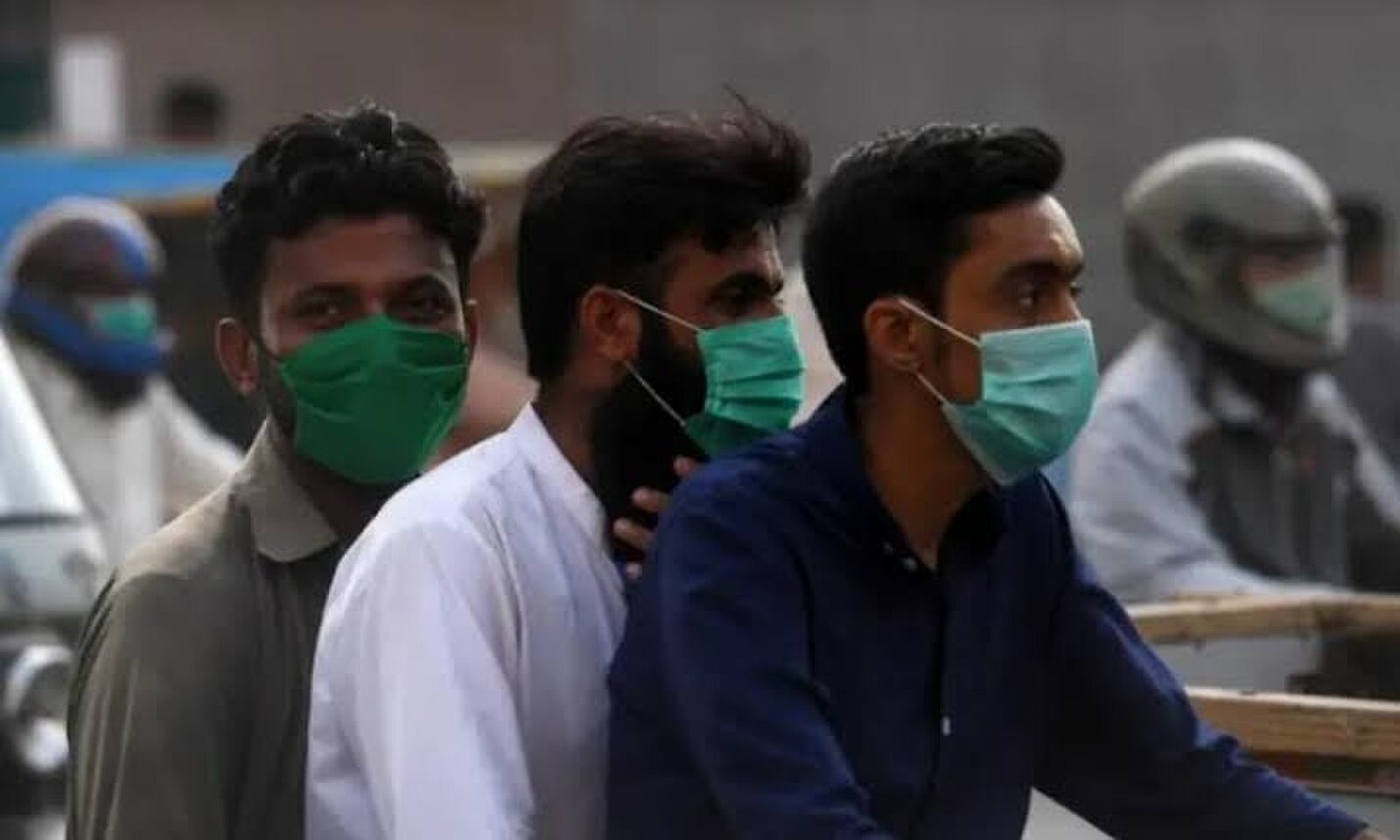
    Karachi’s major public hospitals are reporting a sharp rise in flu cases as the city moves towards winter, with doctors warning that the seasonal shift, falling night-time temperatures and relaxed precautions are combining to spread illness more widely.

    At Jinnah Postgraduate Medical Centre (JPMC), the number of patients arriving with flu-like symptoms has roughly doubled in the past week, rising from 30 to 40 a day to 70 to 80 a day. Dr Irfan Siddiqui, who heads the hospital’s emergency department, said patients with flu-like symptoms had been coming in for over a month, but the increase over the past eight to 10 days had been marked.

    According to Dr Siddiqui, most people first visit a neighbourhood clinic when they fall ill and only reach a hospital emergency department when the illness becomes serious. He cautioned that the large number of cases at a major tertiary hospital suggests a far greater number of people are affected across the city, with hospital figures representing only the tip of the iceberg.

    The spike, he said, is seasonal, and people with weak immune systems, the elderly and children are more vulnerable than others. He also pointed to the public’s reluctance to adjust eating habits to the changing weather as a factor that could leave people more open to illness.

    Most flu patients currently reporting to JPMC are aged between 18 and 32 and belong to the labour class, Dr Siddiqui said. A significant number of them are heavy smokers and drug users, he added, noting that patients are generally presenting with severe illness and taking longer than usual to recover.

    Doctors are urging the public to take simple precautions. Dr Siddiqui advised frequent hand washing, staying at home when ill, avoiding close contact with sick people, staying hydrated and getting adequate sleep. He also advised against consuming cold drinks and water during this period.

    He described getting a flu shot every year in early autumn as the most effective step to reduce the risk of seasonal flu and its complications, but noted that the vaccine is costly and available only in private healthcare settings.

    A similar pattern is being seen at Dr Ruth Pfau Civil Hospital Karachi (CHK), where cases have doubled in just over a week. Dr Imran Sarwar, additional medical superintendent and head of the emergency department, said daily cases had jumped from eight to 10 to between 30 and 40.

    While patients of all age groups are reporting to CHK, younger people aged 20 to 30 are dominant, Dr Sarwar said. He added that the illness appears more contagious this time, with three to five patients from the same family often falling ill together. Treatment, he said, is symptomatic, with only a few complicated cases requiring admission.

    Health experts say the experience of both hospitals underlines the need for early precautions as winter approaches, particularly for vulnerable groups and households where one case can quickly spread to others.

  • صحت نظام تباہی کے دہانے پر: وزیر صحت کا انتباہ

    صحت نظام تباہی کے دہانے پر: وزیر صحت کا انتباہ

    وفاقی وزیر صحت مصطفیٰ کمال نے خبردار کیا ہے کہ تیزی سے بڑھتی آبادی کے دباؤ میں پاکستان کا نظامِ صحت تباہی کے دہانے پر پہنچ گیا ہے۔ ان کے مطابق محدود وسائل اور طبی سہولتوں پر مسلسل بڑھتا بوجھ اسپتالوں کے لیے سنبھالنا مشکل ہوتا جا رہا ہے۔

    اسلام آباد میں ایک تقریب سے خطاب کرتے ہوئے وزیر صحت نے بتایا کہ پاکستان میں شرحِ پیدائش 3.7 فیصد ہے اور ہر سال تقریباً 57 لاکھ سے 67 لاکھ بچے پیدا ہوتے ہیں۔ ان کا کہنا تھا کہ آبادی میں یہ تیزی سے اضافہ اسپتالوں، ڈاکٹروں اور صحت کی بنیادی سہولتوں پر اس قدر دباؤ ڈال رہا ہے کہ نظام جواب دینے لگا ہے۔

    وزیر صحت کے مطابق آبادی کے بڑھتے دباؤ کے نتائج صرف صحت تک محدود نہیں؛ تعلیم، روزگار اور بنیادی ڈھانچے سمیت ہر شعبہ متاثر ہو رہا ہے۔ ان کا کہنا تھا کہ اگر آبادی کی منصوبہ بندی پر توجہ نہ دی گئی تو صورتحال مزید بگڑ سکتی ہے۔

    ذمہ دار والدیت پر زور

    وزیراعظم شہباز شریف بھی ذمہ دار والدیت اور مؤثر آبادیاتی منصوبہ بندی کی ضرورت پر زور دے چکے ہیں۔ اسی تناظر میں حکومت نے رواں برس جولائی میں قومی آبادی کونسل قائم کی تھی، جو آبادی میں اضافے کے صحت، تعلیم، روزگار اور بنیادی ڈھانچے پر پڑنے والے اثرات سے نمٹنے کے لیے حکمت عملیاں تیار کرے گی۔

    ماہرینِ صحت کے مطابق پاکستان میں صحت کے بجٹ کا بڑا حصہ علاج پر خرچ ہوتا ہے جبکہ بیماریوں سے بچاؤ پر سرمایہ کاری نہ ہونے کے برابر ہے۔ ذیابیطس، بلڈ پریشر، انفیکشن، غذائیت کی کمی اور ذہنی امراض جیسی روک تھام کے قابل بیماریاں صحت کے نظام پر سب سے بڑا بوجھ ہیں۔

    حال ہی میں کراچی میں صحت کے ایک بین الاقوامی اجلاس میں ماہرین نے کہا تھا کہ صرف مزید ڈاکٹر، سرجن اور اسپتال بنا کر نظام نہیں بچایا جا سکتا؛ روک تھام اور بنیادی صحت کی سہولتوں میں سرمایہ کاری ناگزیر ہے۔ بین الاقوامی ذیابیطس فیڈریشن کے تخمینے کے مطابق پاکستان میں 34.5 ملین سے زائد بالغ افراد ذیابیطس کا شکار ہیں، جبکہ عالمی ادارہ صحت کے اندازوں کے مطابق 30 سے 79 سال کی عمر کے 43 فیصد بالغ افراد بلڈ پریشر میں مبتلا ہیں۔

    وزیر صحت کے انتباہ کے بعد حکومت کی جانب سے صحت کے نظام کی مضبوطی، آبادیاتی منصوبہ بندی اور بنیادی صحت کی سہولتوں کی توسیع کو اولین ترجیح قرار دیا جا رہا ہے۔ تاہم ماہرین کا کہنا ہے کہ بیانات سے آگے بڑھ کر عملی اقدامات اور مستقل فنڈنگ کے بغیر صورتحال بدلنا مشکل ہوگا۔