Tag: Gulf

  • Pakistan calls for end to Gulf tensions at UN

    Pakistan calls for end to Gulf tensions at UN

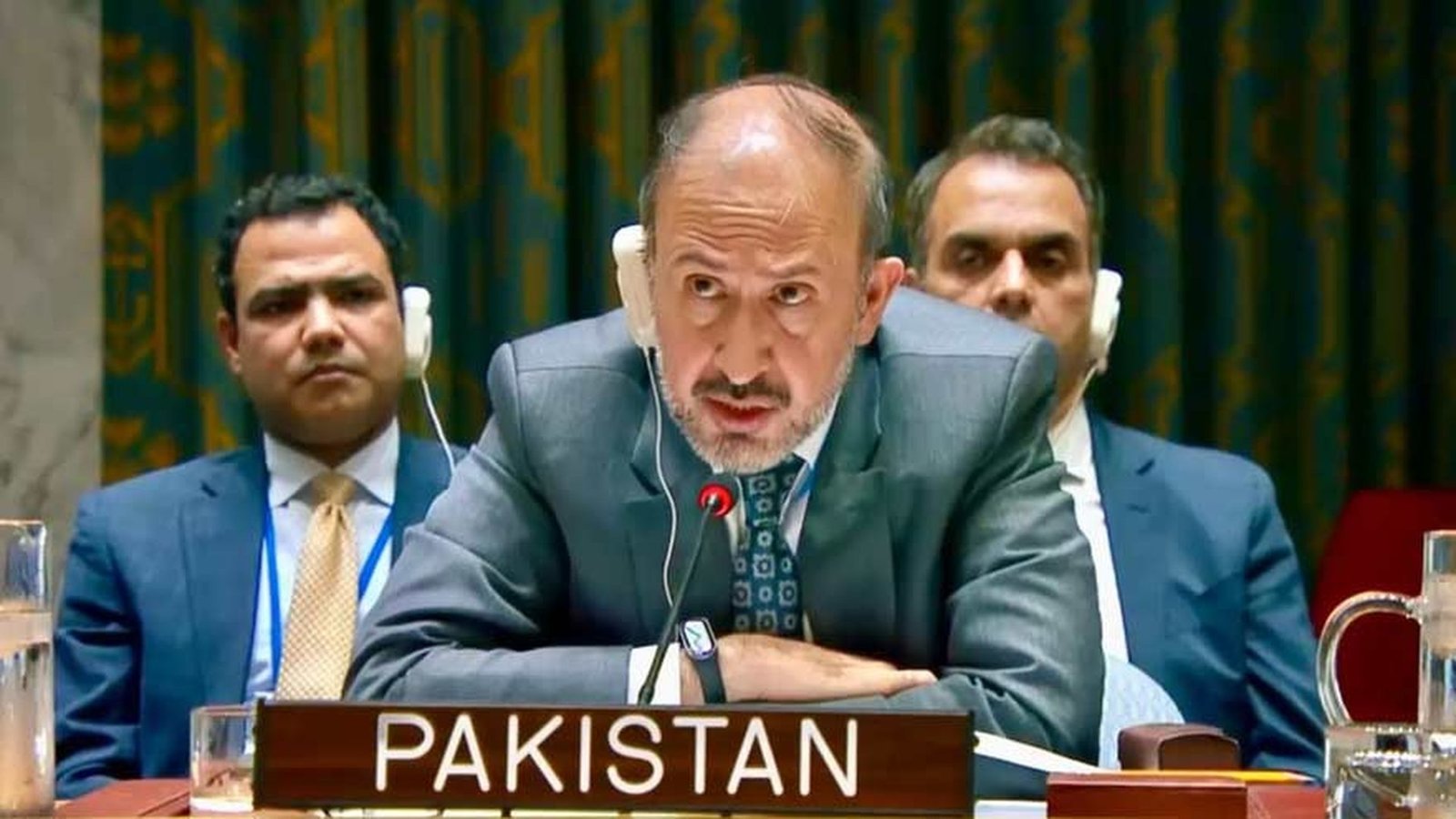
    Pakistan has called for an immediate halt to military provocations in the Gulf and a return to diplomacy, as the United States, Iran and Gulf Cooperation Council (GCC) countries traded accusations at a United Nations Security Council meeting over attacks on shipping and threats to maritime security.

    Addressing the Council, Pakistan’s Permanent Representative to the UN, Ambassador Syed Haider Shah, condemned attacks on Gulf countries and stressed the need to respect their sovereignty and territorial integrity, protect civilians and commercial vessels, and restore normal maritime traffic.

    He said volatility at the maritime chokepoints had imperilled peace and stability, pushed up energy prices and heightened fears of global food insecurity. He warned that the Strait of Hormuz carries one third of globally traded crude oil and a significant share of the global fertilizer trade.

    He particularly condemned attacks and threats by Houthi militants against Saudi Arabia, including strikes on civilian infrastructure and vessels involved in lawful trade, and reaffirmed Pakistan’s support for Saudi Arabia’s sovereignty, security and territorial integrity.

    He said lasting peace required addressing the root causes of regional conflicts, and urged all sides to stop attacks, keep communication channels open and support diplomatic initiatives, including the UN secretary-general’s good offices.

    US and Iran trade blame

    The US representative, Ambassador Jennifer Locetta, rejected Iran’s position and accused Tehran of aggression against neighbouring countries and threats to commercial shipping. She said Iranian missiles, drones and alleged unlawful mines in the Strait of Hormuz, as well as attacks in the Bab el-Mandab Strait, endangered international shipping. She cited Security Council Resolution 2817, which calls on Iran to stop attacks against neighbouring states and shipping and has 136 co-sponsors.

    Iranian Ambassador Gholamhossein Darzi accused Western countries of ignoring the origins of the conflict and attempting to portray Iran as responsible. He blamed US and Israeli military operations launched on June 13, 2025, and February 28, 2026, for the prevailing insecurity, saying they violated international law.

    Darzi claimed that 5,000 people, including 254 children, had been killed, describing the strikes as war crimes and crimes against humanity. He said threats around the Strait of Hormuz were a direct consequence of those attacks. He rejected Resolution 2817 as politically motivated and said Tehran remained open to diplomacy, but wanted Washington to end its military operations and lift what he described as unlawful coercive measures.

    GCC cites attacks on member states

    GCC Secretary-General Jasem Mohamed Albudaiwi said Gulf countries had been targeted by more than 7,000 Iranian missiles and drones since February 28, hitting airports, ports, oil and gas installations, power stations, desalination plants and residential areas. He called the attacks violations of the sovereignty and territorial integrity of GCC states and urged Security Council action to prevent their recurrence.

    Bahrain’s Ambassador Jamal Fares Alrowaiei, speaking for the GCC, welcomed mediation initiatives by Oman, Qatar and Pakistan and said Gulf states must be part of any negotiations on regional security.

    The meeting underscored deep divisions over responsibility for the crisis, despite calls for a diplomatic settlement. Participants stressed restoring freedom of navigation, protecting commercial vessels and civilian infrastructure, ensuring the safety of seafarers and maintaining access for humanitarian supplies. Pakistan reaffirmed its commitment to working with Gulf states and international partners to reduce tensions and promote lasting regional peace and stability.

  • خلیج ممالک کا کویت میں مشترکہ فوجی کمان قائم کرنے کا فیصلہ

    خلیج ممالک کا کویت میں مشترکہ فوجی کمان قائم کرنے کا فیصلہ

    خلیج تعاون کونسل (جی سی سی) کے رکن ممالک نے کویت میں اپنے متحدہ فوجی کمان کا جدید مرکز قائم کرنے کی منظوری دے دی ہے۔ منگل کو بحرین کے دارالحکومت منامہ میں ہونے والے مشترکہ دفاعی کونسل کے 23 ویں اجلاس میں یہ فیصلہ کیا گیا۔ کونسل کے سیکریٹری جنرل جاسم محمد البدیوی نے اعلان کیا کہ مرکز کے ساتھ مناسب فوج بھی تعینات کی جائے گی۔

    اجلاس کی صدارت بحرین کے وزیر دفاع لیفٹیننٹ جنرل عبداللہ بن حسن النعیمی نے کی، جس میں چھوں رکن ممالک کے وزرائے دفاع شریک ہوئے۔ البدیوی نے کہا کہ یہ فیصلہ گزشتہ اپریل میں جدہ میں ہونے والے خلیج رہنماؤں کے غیر معمولی اجلاس میں جاری کردہ ہدایات پر عمل درآمد کے طور پر کیا گیا ہے۔ ان کے بقول، کسی ایک رکن ملک کی سلامتی تمام رکن ممالک کی سلامتی سے الگ نہیں ہے۔

    متحدہ فوجی کمان دسمبر 2013 میں کویت میں ہونے والے خلیج سربراہ اجلاس میں قائم کی گئی تھی، جس کا مقصد مشترکہ فوجی کارروائیوں کی منصوبہ بندی اور رکن ممالک کی علاقائی، فضائی اور سمندری حدود کے دفاع کو مضبوط بنانا تھا۔ نیا مرکز اسی کمان کے تحت کام کرے گا، لیکن اس کے حجم، مقام یا فوج کی تعداد کے بارے میں فوری طور پر کوئی تفصیل جاری نہیں کی گئی۔

    یہ فیصلہ ایسے وقت میں سامنے آیا ہے جب خطے میں کشیدگی عروج پر ہے۔ 28 فروری کو ایران پر امریکہ اور اسرائیل کی جنگ شروع ہونے کے بعد سے خلیجی ممالک کو ایرانی میزائل اور ڈرون حملوں کا سامنا کرنا پڑا ہے۔ خلیجی ممالک کی اکثریت میں امریکہ کے بڑے فوجی اڈے قائم ہیں، اور ایران نے خبردار کیا ہے کہ علاقائی ممالک اپنی سرزمین یا سہولیات کو ایران کے خلاف حملوں کے لیے استعمال نہ ہونے دیں۔

    البدیوی نے ایران کے حالیہ حملوں اور سعودی عرب پر حوثیوں کے حملوں کی مذمت بھی کی۔ خلیج تعاون کونسل میں سعودی عرب، متحدہ عرب امارات، قطر، کویت، بحرین اور عمان شامل ہیں۔ کونسل کا کہنا ہے کہ نیا مرکز مشترکہ دفاعی تعاون، آپریشنل رابطے اور اجتماعی سلامتی کو مزید مضبوط بنائے گا، اور اس کا مقصد مشترکہ خطرات کا تیزی سے جواب دینا ہے۔

  • Aurangzeb: Gulf Energy Attacks Threaten Pakistan Outlook

    Aurangzeb: Gulf Energy Attacks Threaten Pakistan Outlook

    BANGKOK: Pakistan’s Finance Minister Muhammad Aurangzeb has warned that continued attacks on energy infrastructure in Saudi Arabia and other Gulf countries are “worrying” for Pakistan’s longer-term economic outlook, even though the country has so far absorbed the shock of soaring energy prices triggered by the Iran war. He made the remarks in an interview with AFP on Saturday on the sidelines of the IMF-World Bank Annual Meetings at the Queen Sirikit National Convention Center in Bangkok.

    Aurangzeb said Pakistan had procured enough energy supplies to last through November and was now planning for the winter months, when household demand typically spikes. “The first-order impact has been negotiated well by Pakistan,” he said. “We’ve had no shortage, no queues at the gas stations, and no law and order situation, which at times we have seen in some of the countries.”

    He added that the government would not buy expensive spot-market LNG cargoes unless it saw “an absolute dire need”, relying instead on previously contracted shipments, which are far cheaper.

    Gulf attacks the key risk

    Since the United States and its ally Israel launched the war on Iran in February, global energy prices have surged as Tehran’s retaliatory strikes targeted Washington’s Gulf allies and curtailed oil and gas supplies. Yemen’s civil war has also flared back to life, with the Houthis repeatedly attacking Saudi infrastructure, including energy facilities and airports, in recent days.

    Aurangzeb expressed alarm at the escalation, saying damage to energy sites would delay any return to normalcy. “What is now (the) worrying part of it is when the energy infrastructure starts getting hit,” he said. “I, to be very honest, I don’t know where that would go. But one thing is very clear: that if the infrastructure continues to get hit, the return to normalcy, even if things subside, will take longer.”

    IMF talks and reforms

    The finance minister said Pakistan remained on a fiscal consolidation path and had grown tax revenues significantly in recent years. He said the government was targeting the theft of taxes by private-sector businesses that collect sales tax from consumers but never deposit it in government accounts, a theft worth billions of dollars, adding there was room for improvement in income-tax collection.

    He acknowledged that the reform agenda had faced resistance from industry, lobbying groups and vested interests. “Every reform, everything that you try to do when you try to change the status quo, there is pushback,” he said.

    Aurangzeb also met Jihad Azour, director of the IMF’s Middle East and Central Asia Department, in Bangkok. Pakistan’s Finance Ministry said both sides reviewed progress on revenue, inflation, growth and the current account, and discussed energy procurement, winter preparedness, adequate fertiliser supplies to safeguard food security, stronger reserves, longer debt maturities, privatisation and greater private-sector participation in exports.

    Pakistan is currently in its 25th IMF programme, worth about $7 billion over three years, with the Fund reaching an agreement this month to release a $1.2 billion tranche, according to reports.