Tag: Gaza

  • غزہ: ناصر ہسپتال پر اسرائیلی حملہ، ڈاکٹر اور بچہ سمیت 6 جاں بحق

    غزہ: ناصر ہسپتال پر اسرائیلی حملہ، ڈاکٹر اور بچہ سمیت 6 جاں بحق

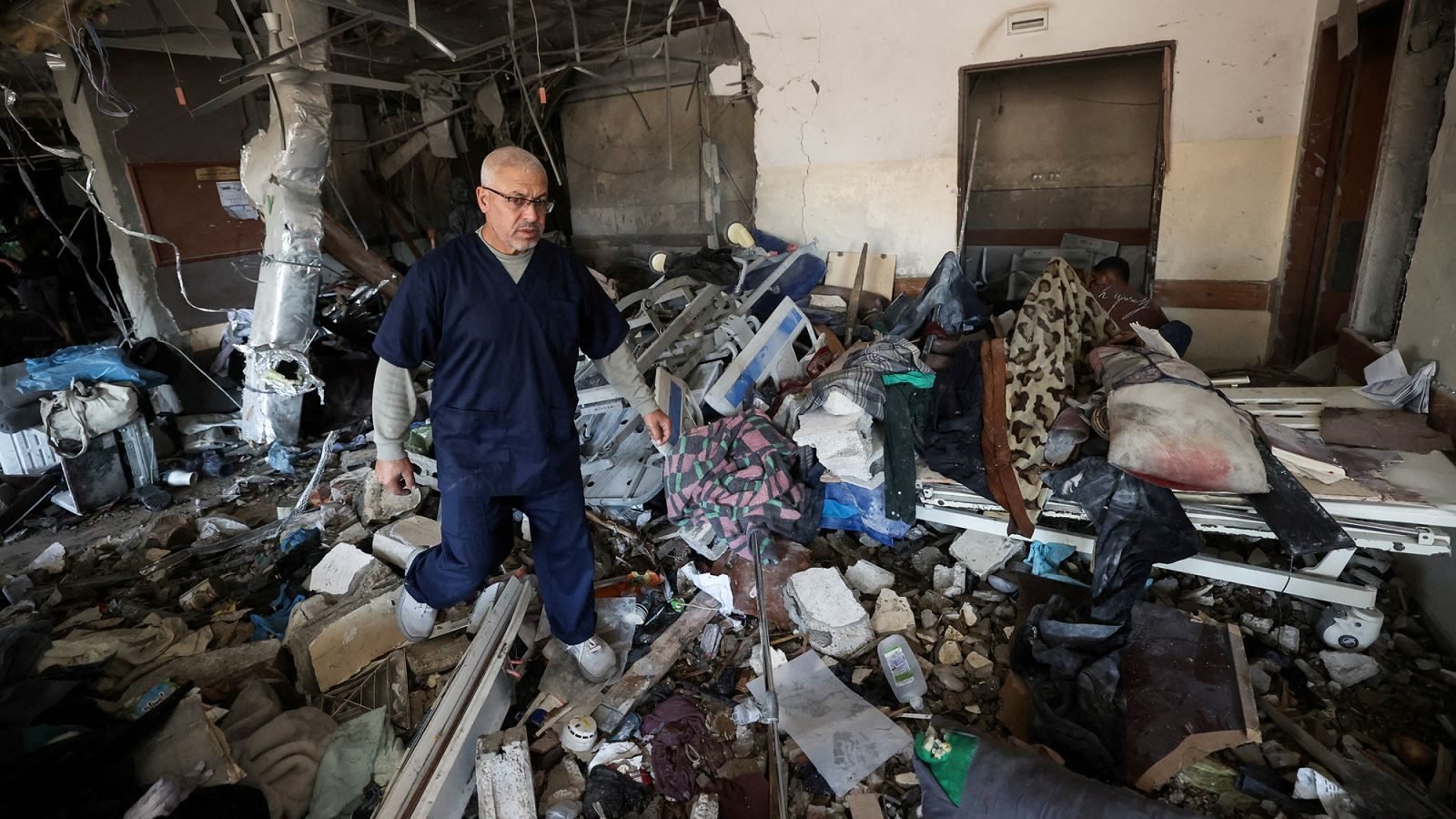
    جنوبی غزہ کے شہر خان یونس میں واقع ناصر ہسپتال پر بدھ کی رات آدھی رات کے فوراً بعد اسرائیلی حملہ ہوا جس سے ہسپتال کی سرجری یونٹ تباہ ہو گئی۔ فلسطینی حکام کے مطابق حملے میں کم از کم 6 افراد جاں بحق ہوئے جن میں ایک ڈاکٹر اور 13 سالہ بچہ بھی شامل ہے۔

    غزہ سول ڈیفنس کے ترجمان عزالدین ابو صباح نے بتایا کہ حملہ رات کے اندھیرے میں ہسپتال کی عمارت پر ہوا اور تباہ شدہ یونٹ میں جلی ہوئی ملبے بکھر گئی۔ ان کے مطابق جاں بحق ہونے والوں میں 52 سالہ ڈاکٹر رزق ابو شعیرہ بھی شامل ہیں جبکہ 13 سالہ لڑکے کی سرجری ہونی تھی۔ حملے میں 40 افراد زخمی ہوئے جن میں دو ڈاکٹر شدید زخمی ہیں۔

    حملے کے بعد ہسپتال کے اندر بنائی گئی ویڈیو میں تباہی کے مناظر دیکھے جا سکتے ہیں — چھتیں گر چکی ہیں، بستر الٹے پڑے ہیں اور یونٹ کا فرش ملبے سے ڈھکا ہوا ہے۔ ویڈیو میں دو بم بھی نظر آئے جن میں سے ایک پھٹ نہیں سکا۔ نہ پھٹنے والے بم پر لگے لیبل سے معلوم ہوا کہ یہ امریکہ کا بنایا ہوا جی بی یو-39/بی بم ہے جس کا وزن 250 پاؤنڈ ہے اور یہ اسرائیل کو فراہم کیا گیا تھا۔

    وارڈ میں موجود مریضوں نے بتایا کہ وہ دھول اور ٹوٹے ہوئے شیشوں میں جاگے۔ ہسپتال کے ایک بزرگ مریض عطیہ ابو بصیر نے کہا: ”میں سو رہا تھا کہ اچانک میں دھول اور شیشوں سے ڈھک گیا۔ میں چل نہیں سکتا تھا کیونکہ ابھی میری سرجری ہوئی تھی۔“

    غزہ کی وزارت صحت کے ڈائریکٹر جنرل ڈاکٹر منیر البرش نے حملے کے بعد فیس بک پر لکھا: ”دنیا کے لوگو… غزہ کے لوگ کہاں جائیں؟ خیمے ڈوب رہے ہیں، چٹانیں بچوں پر گر رہی ہیں اور ہسپتالوں پر اندر موجود لوگوں سمیت بمباری ہو رہی ہے۔ کمبل — یا آنسو — خشک ہونے کا وقت ہی نہیں۔“ انہوں نے مزید لکھا: ”غزہ دنیا سے اپنے مرنے والوں کو گننے کا نہیں کہتا… وہ اب بھی زندہ لوگوں کی حفاظت کا مطالبہ کرتا ہے۔“

    اسرائیلی فوج (آئی ڈی ایف) نے ایک بیان میں کہا کہ اس نے حماس کی خان یونس بریگیڈ کے کمانڈر محمد ابو اسماعیل کو نشانہ بنایا تھا اور ان کے ساتھ ”ناصر ہسپتال میں چھپے ہوئے مزید دہشت گردوں“ کو بھی۔ آئی ڈی ایف کے مطابق ابو اسماعیل اسرائیلی فوجیوں اور شہریوں پر حملوں کی منصوبہ بندی کر رہا تھا۔ سی این این نے بتایا کہ اس نے آئی ڈی ایف سے پوچھا ہے کہ کیا ابو اسماعیل اس حملے میں مارا گیا اور شہریوں کو خطرے سے بچانے کے لیے کیا اقدامات کیے گئے تھے۔

    یہ حملہ اس وقت ہوا جب ایک سال سے زیادہ عرصہ قبل امریکہ کی ثالثی میں جنگ بندی کا معاہدہ ہوا تھا، جس کے باوجود اسرائیل غزہ میں تقریباً روزانہ حملے کر رہا ہے۔ اقوام متحدہ کے مطابق جنگ بندی کے بعد سے اسرائیلی فورسز نے غزہ میں 1,400 سے زیادہ افراد کو ہلاک کیا ہے اور تباہ شدہ علاقے میں کوئی بھی ہسپتال مکمل طور پر فعال نہیں رہا۔

    مریم ابو حطب، جن کا بھائی اس حملے میں جاں بحق ہوا، نے جنگ بندی پر سوال اٹھایا۔ انہوں نے کہا: ”وہ کہتے ہیں جنگ بندی ہے۔ جنگ بندی کہاں ہے؟ جنگ بندی کے بعد سے قتل عام اور بڑھ گیا ہے۔ ہر روز بازاروں میں، یونیورسٹیوں میں، سڑکوں پر قتل عام ہو رہا ہے۔ گدھا گاڑیاں دنیا کے ممالک سے زیادہ ہمارے ساتھ کھڑی رہیں۔“

    اس ہفتے کے شروع میں غزہ میں جنگ بندی کی نگرانی کرنے والے امریکہ کی قیادت والے بورڈ آف پیس نے اسرائیل کو غزہ میں سیلاب پر ”ناکافی“ ردعمل پر تنقید کا نشانہ بنایا۔ موسمی بارشوں نے ساحلی علاقے میں دسیوں ہزار خیمے ڈبو دیے ہیں جہاں اقوام متحدہ کے مطابق تقریباً 20 لاکھ فلسطینی بے گھر ہیں۔ بورڈ نے کہا کہ شہریوں کی حفاظت کے لیے پناہ گاہوں، صفائی، نکاسی آب اور موسم سرما کی دیگر ضروری اشیاء کی فوری فراہمی نہایت اہم ہے اور اسرائیل سے مطالبہ کیا کہ وہ مزید عارضی پناہ گاہیں اور کچرے کے انتظام کی سہولت کی اجازت دے۔ اسرائیل نے کہا کہ موسم سرما سے قبل 91,000 سے زیادہ خیمے غزہ میں داخل ہو چکے ہیں لیکن اس نے بڑے پیمانے پر صفائی اور ملبہ ہٹانے کے لیے بھاری مشینری کی اجازت دینے سے انکار کر دیا۔ اسرائیل کے کوآرڈینیٹر برائے سرکاری سرگرمیاں برائے علاقوں نے کہا: ”غزہ کی تعمیر نو صرف اس وقت شروع ہو سکتی ہے جب حماس مکمل طور پر ہتھیار ڈال دے۔“

  • Israeli Strike on Gaza Hospital Kills at Least 6

    Israeli Strike on Gaza Hospital Kills at Least 6

    Nasser Hospital in Khan Younis, in southern Gaza, was struck shortly after midnight on Wednesday in an Israeli attack that tore through its surgery unit, Palestinian officials said. At least six people were killed, among them a doctor and a 13-year-old boy.

    The Gaza Civil Defense spokesman, Ezz Eddine Abu Sabha, said the strike hit the hospital complex in the dark of night and left charred debris scattered across the destroyed unit. The dead included 52-year-old Dr. Rizk Abu Shaira, he said, and a boy who had been due to undergo surgery. Forty people were wounded in the attack, including two doctors who are in critical condition.

    Footage filmed inside the hospital after the strike showed the scale of the damage, with ceilings collapsed, beds overturned and rubble covering the floor of the unit. The footage also showed two bombs, one of which failed to explode. A label on the unexploded bomb identified it as a US-manufactured GBU-39/B, a 250-pound bomb that has been supplied to Israel.

    Patients caught inside the ward described waking to dust and broken glass. “I was asleep when suddenly I was covered with dust and glass,” said Atiya Abu Basir, an elderly patient at the hospital. “I couldn’t walk because I just had surgery.”

    Dr. Munir Al-Bursh, director-general of Gaza’s Health Ministry, wrote on Facebook after the strike: “People of the world… where can the people of Gaza go? Tents flood, cliffs collapse onto children, and hospitals are bombed with people inside. There is no time for blankets – or tears – to dry.” He added: “Gaza does not ask the world to count its dead… It demands protection for those still alive.”

    In a statement, the Israel Defense Forces (IDF) said they had targeted the commander of Hamas’ Khan Younis Brigade, Muhammad Abu Ismail, as well as “additional terrorists who were hiding inside the Nasser Hospital in Khan Younis.” The IDF said he had planned and advanced attacks on Israeli forces and civilians. CNN said it had asked the IDF whether Abu Ismail had been killed in the strike and what measures were taken to reduce the risk to civilians.

    The strike came despite a nominal US-brokered ceasefire signed more than a year ago, under which Israel has continued to carry out near-daily strikes in Gaza. According to the United Nations, Israeli forces have killed more than 1,400 people in Gaza since the ceasefire, and there is no fully functioning hospital left in the devastated enclave.

    Maryam Abu Hatab, whose brother was killed in the strike, questioned the ceasefire. “They say there is a ceasefire. Where is there a ceasefire? Since the ceasefire, there are more massacres,” she said. “There are massacres every day in markets, in universities, in the streets. The donkey carts stood by us more than the world’s countries.”

    Earlier this week, the US-led Board of Peace, which oversees the ceasefire in Gaza, chided Israel for what it called an “insufficient” response to flooding in Gaza. Seasonal rains have swamped tens of thousands of tents across the coastal enclave, where nearly two million Palestinians are displaced, according to the United Nations. The board said the urgent entry and distribution of shelter, sanitation, drainage and other winter supplies was critical to protecting civilians, and called on Israel to allow in more temporary shelters and waste management support. Israel said more than 91,000 tents had entered Gaza ahead of winter, but refused to allow in the heavy equipment needed for large-scale cleanup and rubble removal. “The reconstruction of Gaza can only begin after Hamas fully disarms,” said Israel’s Coordinator for Government Activities in the Territories.

  • Gaza Hospital Strike Kills 6, Wounds 20 in Khan Younis

    Gaza Hospital Strike Kills 6, Wounds 20 in Khan Younis

    An early-morning strike hit the surgery department of Nasser Hospital in Khan Younis on Thursday, killing at least six people and wounding more than 20, according to Gaza’s Civil Defence agency. The blast struck the largest hospital still operating in the southern Gaza Strip, wrecking wards that were treating patients and sheltering families who had fled their homes.

    The strike hit the second floor of the Al-Yasin building inside the Nasser Medical Complex, in the western part of Khan Younis, the Civil Defence said. Its spokesman, Mahmoud Basal, told the AFP news agency that the bodies of those killed and more than 20 wounded people had been recovered from the building. Nasser Hospital confirmed the six deaths in a statement of its own.

    Medics identified one of the dead as Rezik Abushira, a surgeon at the hospital. The hospital’s director said the explosion caused extensive damage to the intensive care and surgical wards. Early reports during the night had put the death toll at four, before rescue teams revised the figure upwards to six.

    Israel’s military has not confirmed that it carried out the strike or said what it was targeting. A military spokesperson told AFP that it was checking for information about the incident when asked for comment.

    The attack comes thirteen months into a ceasefire that took effect on 10 October 2025, after two years of war. Israel and Hamas have accused each other of violating the truce, and deadly incidents have continued despite it. On Tuesday, Israeli forces killed seven people in the Gaza Strip, including a 13-year-old boy, according to local emergency services, while the Israeli military said it had targeted what it described as military operatives.

    More than 1,590 Palestinians have been killed since the start of the ceasefire, according to the Gaza Ministry of Health, whose figures are considered reliable by the United Nations. During the same period, the Israeli military has reported the loss of seven soldiers and one civilian contractor.

    Nasser Hospital is the main medical facility in southern Gaza and one of the last major hospitals still operating in the area. It has been hit before: a double Israeli strike on the hospital in August 2025 killed at least 20 people, including journalists and health workers, according to the BBC.

    The casualty figures from Thursday’s strike come from Gaza’s Civil Defence, a rescue agency operating under the Hamas-run administration in Gaza, and from the hospital itself. They have not been independently verified, and rescue teams were still working at the site as the death toll was confirmed.

  • Israeli Fire Kills 7 in Gaza, Including Father and Son

    Israeli Fire Kills 7 in Gaza, Including Father and Son

    Israeli forces killed at least seven Palestinians in the Gaza Strip on Tuesday, local health officials said, including a father and his 13-year-old son in an airstrike on a displacement shelter in Gaza City.

    Medics said Fadi Rajab and his son Abubakr were killed when an airstrike hit the roof of a building sheltering displaced people in the Zeitoun neighbourhood of Gaza City. His wife was moderately injured in the same strike. A third Palestinian was killed in an Israeli airstrike near a school in Gaza City’s Daraj neighbourhood, health officials added.

    In Khan Younis, in southern Gaza, Israeli gunfire killed a man, medics said. Later on Tuesday, an Israeli airstrike hit a metal foundry in the Sabra neighbourhood of Gaza City, killing three people, medics said, taking the day’s death toll to at least seven.

    The Israeli military said it had struck militants in both areas of Gaza City, without giving further details. It did not immediately comment on the incidents in Khan Younis or in the Sabra neighbourhood.

    The deaths came despite a US-brokered ceasefire between Israel and Hamas that took effect in October. Violence has continued in the territory since the truce began, with both sides accusing each other of violations. According to Gaza’s health officials, at least 1,600 Palestinians have been killed in Israeli attacks in Gaza since the ceasefire agreement, while Israel says four of its soldiers have been killed.

    Separately, Palestinian officials said a 14-year-old boy was killed on Tuesday during an Israeli military operation in the village of Burqa, north-west of Nablus in the occupied West Bank. The Palestinian health ministry identified the boy as Moataz Iyad and said Israeli authorities were withholding his body. Two other teenagers, aged 17 and 19, were wounded by Israeli gunfire in the same operation.

    The United Nations humanitarian office has documented more than 2,060 settler attacks resulting in Palestinian casualties or property damage across about 300 West Bank communities between 1 January and 12 October 2026, according to figures cited in reports of Tuesday’s incidents.

    Casualty figures from Gaza could not be independently verified. Media restrictions and limited access to the territory have prevented news agencies from independently confirming the toll or freely covering the fighting. Gaza’s civil defence agency, which operates as a rescue force under the Hamas authorities, reported the strikes, and the territory’s health ministry, which also operates under Hamas authority, is the source for the overall toll since the ceasefire.

  • Gaza Rains Flood Thousands of Tents, PM Urges Relief

    Gaza Rains Flood Thousands of Tents, PM Urges Relief

    Prime Minister Shehbaz Sharif has called for an urgent increase in humanitarian assistance for Gaza after heavy rainfall flooded thousands of makeshift shelters, leaving displaced families exposed to cold and hunger.

    According to the details shared by the prime minister, around 70,000 tents were damaged in the rain, affecting around 350,000 displaced Palestinians who have been sheltering in temporary structures. He described rain-soaked tents, displaced children without shelter, and families struggling with extreme cold and hunger as deeply distressing.

    The prime minister strongly condemned Israel’s continued aggression, repeated ceasefire violations and breaches of international law, saying Palestinians were being deprived of essential humanitarian assistance. He directed the Ministry of Foreign Affairs to use all possible channels to ensure an immediate increase in relief supplies for the people of Gaza.

    The scale of the damage underlines how exposed displaced families are. Tents offer little protection against heavy rain, and when thousands of shelters are damaged at once, families are left without a dry place to sleep. For children and the elderly, the combination of cold, wet conditions and limited food makes the situation worse, and aid workers have repeatedly warned that temporary shelter cannot cope with winter weather.

    Hamas, meanwhile, attributed the worsening situation to Israel’s blockade, saying restrictions on the entry of aid had aggravated the crisis for displaced families. The group said families urgently need safe shelters instead of temporary tents, and accused Israel of obstructing the entry of emergency shelters, heating equipment and materials needed to repair damaged structures.

    According to Hamas, Gaza needs around 300,000 tents, and it urged mediators and guarantor countries to ensure the uninterrupted delivery of humanitarian assistance. The appeal comes as winter conditions add to the hardship of hundreds of thousands of people already displaced, with aid agencies warning that temporary shelters offer little protection against rain and cold.

    The prime minister’s call adds to the growing international concern over the humanitarian situation in Gaza, where displaced families continue to rely on tents and temporary shelter while access to relief supplies remains limited. The Foreign Ministry has now been asked to press every available channel so that more relief can reach the people who need it.

  • Thousands Take to Amsterdam Streets for Palestinians

    Thousands Take to Amsterdam Streets for Palestinians

    Thousands of people marched through Amsterdam on Saturday in support of Palestinians, calling for an end to the war in Gaza and urging the Dutch government to take a tougher stance against Israel. The march filled the streets of the Dutch capital with Palestinian flags and banners.

    The demonstration was organised by the Dutch Palestine Committee, and participants chanted slogans calling for an end to the occupation and for the Dutch government to stop supporting Israel. According to the organisers, the march was part of a global movement in support of Palestinians, and they said they would keep protesting until the war in Gaza ends.

    The march remained peaceful, with police present to maintain order as the crowds moved through the city. Families, students and older demonstrators walked together, and many carried handmade placards alongside the flags, turning the centre of Amsterdam into a moving show of solidarity.

    The protest comes amid growing international pressure on Israel to end the war in Gaza. Similar demonstrations have been held in cities around the world in recent weeks, and campaigners say the street protests are meant to keep the issue in front of governments that they believe have not done enough.

    For the Dutch government, the march adds to the public pressure over its position on the conflict. The demonstrators’ message was direct: they want a clear break with policies they see as supportive of Israel, and an end to the fighting that has dominated headlines for so long.

    Organisers said the turnout showed that support for the Palestinian cause in the Netherlands remains strong, and they promised further action in the weeks ahead. Whether the protests shift government policy remains to be seen, but the crowds in Amsterdam made clear that the issue is not going away.

    The Amsterdam march was one of many held around the world over the weekend, as campaigners seek to keep the war in Gaza at the top of the political agenda. Organisers in the Netherlands say they will continue to mobilise until the fighting ends, and they believe the size of the crowds shows that public opinion is moving in their favour. For now, the Dutch government faces a growing chorus of voices calling for a change of course.

  • 70,000 Gaza Tents Flooded as First Winter Storm Hits Camps

    70,000 Gaza Tents Flooded as First Winter Storm Hits Camps

    Heavy rain from the first winter storm of the season has flooded at least 70,000 tents sheltering displaced Palestinians across the Gaza Strip, soaking bedding and belongings and forcing families out into the cold, local authorities said on Saturday, 7 November.

    The storm began late on Friday night and gathered pace in the early hours of Saturday. Gaza’s Government Media Office said the flooding happened within about 12 hours and affected tens of thousands of people, causing injuries although no deaths had been reported. Gaza’s civil defence agency said its crews received about 1,500 distress calls in just 10 hours, with water levels in several shelter sites rising by 30 to 40 centimetres.

    “What we feared has actually happened,” Civil Defence spokesperson Mahmoud Basal told Al Jazeera. “A few shelter centres were completely flooded, and everyone inside them has now been forced out into the unknown.” He warned that premature babies, the elderly and the sick were most at risk, saying those living in tents faced danger from cold and illness at any moment.

    Families left in the cold

    Footage from camps in Gaza City, Khan Younis and Deir el-Balah showed families wading through ankle-deep water, mattresses and blankets soaked, and children standing barefoot in pools of mud and sewage.

    Olfat Magdoub, a Gaza resident, tried in vain to sweep water away from her tent. “This is the first day of rain, and of course we are already flooded. What will happen if it rains again the next day?” she said. She added that when it rained two weeks earlier, she spent four days sleeping on blankets spread on the floor because the rainwater had flooded the bedding.

    In al-Mawasi, the coastal area where more than 900,000 displaced people are sheltering in southern Gaza, rain had been falling since 10pm on Friday. Al Jazeera’s Rami Abu Taima, reporting from Khan Younis, warned that more than 125,000 families living along the coast were at particular risk of having their tents swept away by the sea. Gaza’s emergency committee said more than one million displaced people face the dangers of winter, and that the territory urgently needs about 200,000 tents along with heating supplies.

    Rescue teams overwhelmed

    Municipal and civil defence officials said they were unable to cope with the storm because of fuel shortages and damage to equipment. Raed al-Dahshan, director of civil defence in Gaza governorate, told Al Jazeera: “Civil Defence does not have a single tarpaulin or a single tent. We deal only with saving lives, and that is not enough.” Gaza Municipality spokesman Hosni Muhanna said the city received 60 millimetres of rain in 12 hours, around 15 per cent of its annual rainfall.

    Aid groups blame restrictions on the entry of shelter materials for the scale of the crisis. Mohammed Salha, director of the Palestinian NGO Network, told Al Jazeera that only 180 to 200 trucks were entering Gaza daily, far short of the 600 agreed under the humanitarian protocol of the ceasefire, and that only about 40 of those carried humanitarian aid. He said 50,000 tents had been waiting on the Egyptian side of the border. Hamas blamed Israel for not allowing shelters and construction materials into Gaza, while COGAT, the Israeli military agency that coordinates aid, did not immediately comment on the accusations.

  • Gaza Floods: 70,000 Tents Swamped as Rains Hit Camps

    Gaza Floods: 70,000 Tents Swamped as Rains Hit Camps

    Heavy rain on Saturday flooded tens of thousands of tents housing displaced Palestinians across the Gaza Strip, washing away shelters and soaking blankets and mattresses, local authorities said, as the first winter storm of the season swept through the war-devastated territory.

    The Hamas-run government media office said about 70,000 tents sheltering tens of thousands of displaced people had been flooded on the first day of the rains, and that dozens of cracked walls and roofs had collapsed, causing injuries, some of them critical. No fatalities had been reported, according to the authorities cited by Reuters.

    Gaza’s civil defence service said it had received more than 1,500 distress calls from displaced residents during the night. Its spokesman, Mahmoud Basal, said some shelter centres had been completely flooded, forcing everyone inside out into the open. He said the agency was operating without equipment or capabilities, and appealed to the international community and humanitarian organisations to intervene immediately.

    At a tent encampment in Gaza City, some people tried to repair their tents, while others used sand to reinforce them and keep the water out. Water levels at several shelter sites rose by 30 to 40 centimetres, and footage from camps in Gaza City, Khan Younis and Deir el-Balah showed families wading through ankle-deep water, with mattresses and blankets soaked and children standing barefoot in pools of mud and sewage.

    Olfat Magdoub, a Gaza resident, tried in vain to sweep water away from her tent. “This is the first day of rain, and of course we are already flooded. What will happen if it rains again the next day? This is only the first day and we’re already overwhelmed,” she said. Um Muhammad al-Hersh, 45, a tent resident in western Gaza, said they had not been able to save the mattresses and all the clothes were soaked. “Our suffering is repeated every winter,” she said. Maryam Odeh, 34, who lives with her children in Deir al-Balah, said she no longer knew how to protect her children. “My children ask me where we will sleep tonight, and I have no answer,” she said.

    Municipal and civil defence officials said they were unable to cope with the storm because of fuel shortages and damage to equipment. They said Israel had destroyed hundreds of vehicles, including bulldozers and water pumps, during the war, which displaced most of the territory’s more than two million residents. Most of the population now lives in tent camps. Hamas blamed Israel for not allowing shelters and construction materials into Gaza. COGAT, the Israeli military agency that coordinates aid, did not immediately comment on those accusations, but said it had stepped up efforts to improve sanitary conditions before the heavy rain.

    The scale of the need is vast. The United Nations humanitarian office said in October that about 950,000 displaced Palestinians were living in places exposed to moderate or high flood risk, including more than 400,000 in areas classed as highly vulnerable. Gaza’s emergency committee has said the territory urgently needs about 200,000 tents along with heating supplies. A fragile ceasefire came into effect on October 10, 2025, after two years of war that began on October 7, 2023. Palestinian authorities say more than 74,000 people have been killed in Gaza since Israel began its assault on the territory.

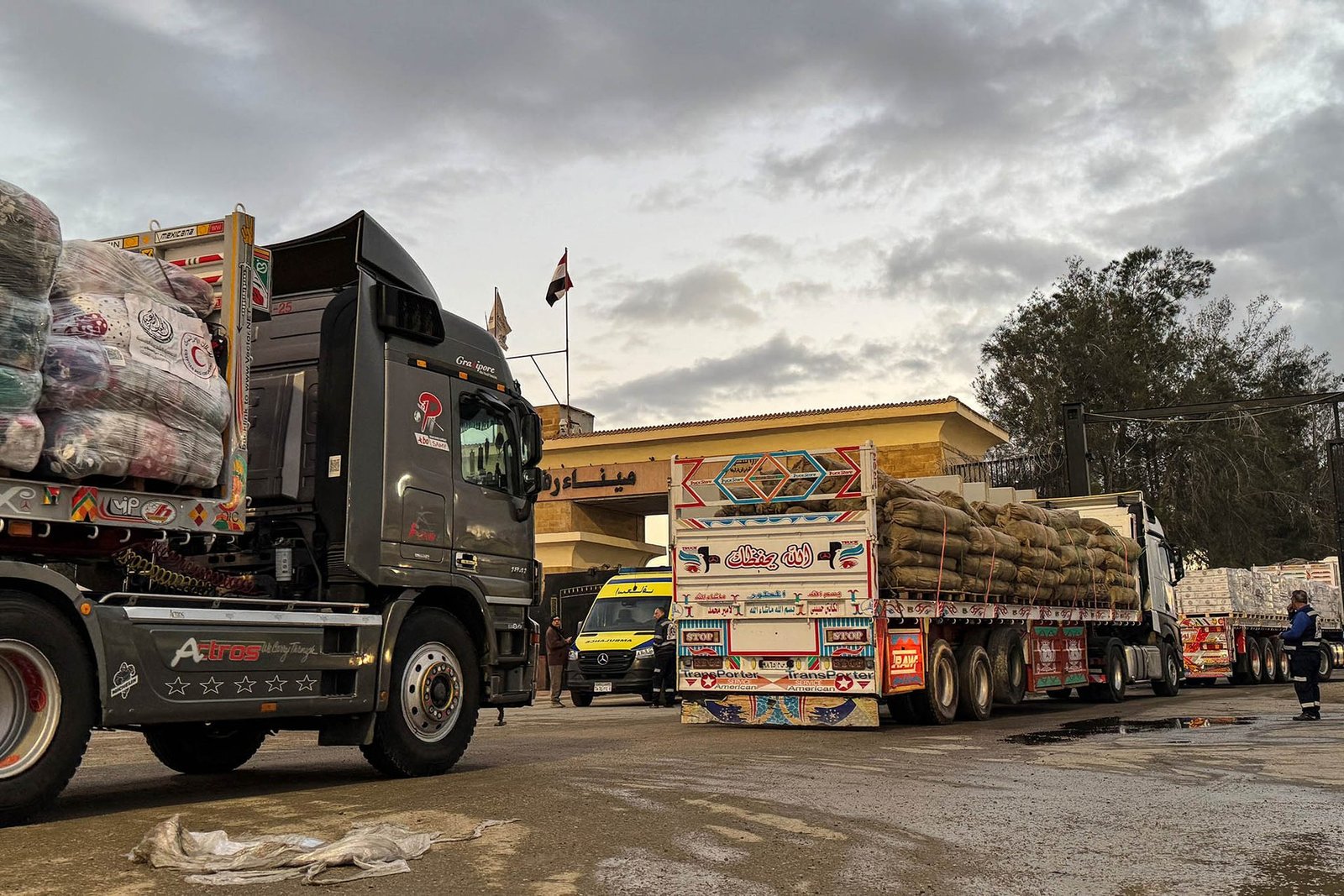
  • Israel to Resume Gaza Commercial Shipments After Fee Row

    Israel to Resume Gaza Commercial Shipments After Fee Row

    CAIRO: Israel said on Monday it would resume allowing commercial goods shipments into Gaza after a days-long halt over a tax dispute involving Hamas and merchants, restoring a key route for food and other essentials to the aid-dependent enclave, Reuters reported.

    COGAT, the Israeli military agency overseeing humanitarian affairs in Gaza, said it made the decision after merchants reported that Hamas authorities had withdrawn demands for payments of 10,000 shekels ($3,225) per truck.

    “The resumption of coordination is being carried out in accordance with Israel’s commitment to the humanitarian provisions of the ceasefire agreement,” COGAT said, according to Reuters.

    COGAT said the merchants’ accounts had not been independently verified, and that shipments would resume gradually, with priority given to essential goods ahead of winter.

    Oversight would be tightened to ensure payments are made and received only through documented bank transfers, with any merchant found to have paid Hamas facing exclusion from the system.

    Hamas said the 10,000-shekel fee was a voluntary contribution by better-off Gazans to a national fund supporting people in need in the war-ravaged territory.

    Most Gazans remain dependent on aid after three years of war, repeated displacement and severe restrictions on aid deliveries. While last year’s US-brokered ceasefire halted the heaviest fighting, it has not ended Israeli attacks.

    Local health officials said on Monday that at least five Palestinians, including a 14-year-old boy, were killed in separate Israeli strikes in Gaza City and Khan Younis. The Israeli military did not immediately comment, according to Reuters.

    Israel says Hamas has continued to rearm and carry out attacks in violation of the ceasefire, while Hamas accuses Israel of undermining the agreement.

    Gaza health officials say about 1,500 Palestinians have been killed by Israeli fire since the October 2025 ceasefire, while Israel says four of its soldiers have been killed by militants in Gaza over the same period, Reuters reported.

    The halt in commercial shipments had raised concerns among aid agencies about food prices and availability in the enclave, where commercial goods supplement the limited humanitarian aid entering through the crossings.

    The dispute over the truck fee is the latest friction point in the fragile ceasefire arrangement, which has faced repeated strains since it took effect last October.