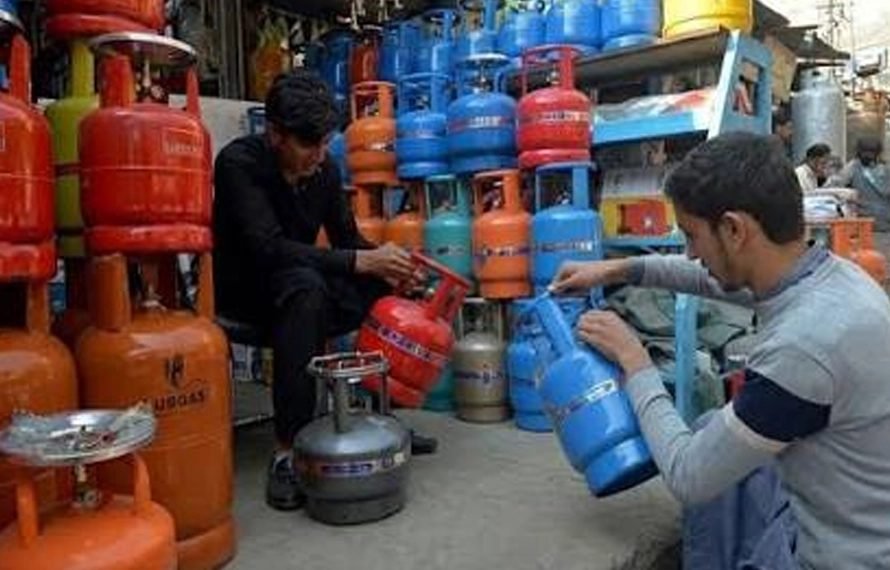
The price of a gas cylinder in Muzaffarabad, the capital of Azad Jammu and Kashmir, has reportedly reached Rs8,000, adding a fresh burden to households already struggling with rising inflation. The reported price has pushed cooking gas further beyond the reach of many ordinary citizens, at a time when the cost of daily essentials continues to climb and household budgets are under severe strain.
Residents say the increase has badly affected the monthly budgets of families across the city. A gas cylinder, they point out, is not a luxury item but a basic need for thousands of homes, and the reported jump in price means many families are now finding it harder to meet a cost they cannot avoid. The pressure is felt most keenly as the cold weather sets in, when cooking gas becomes even more essential for households.
Daily-wage labourers, salaried workers, small traders and low-income families are among those hit hardest by the reported price rise, according to citizens quoted in local reports. For people earning a daily wage or living on a fixed monthly salary, a cylinder at the reported price takes a much larger share of the household income, leaving less money for food, transport and other necessities.
Citizens have also raised questions about enforcement. They ask that if court orders exist on pricing, why are they not fully implemented, and why does the alleged overcharging continue? Residents say the law must apply equally to all, and they question whether businesses may charge arbitrary rates in the name of commercial activity. The demand, as voiced by citizens, is for the rules on pricing to be applied without exception.
The reported price comes against the background of a deepening gas supply crisis in Azad Kashmir. The LPG crisis worsened on 13 November, when supply was suspended and restaurants began closing in parts of the region. In Muzaffarabad, the district administration sealed several gas cylinder shops and warned shopkeepers, as part of action against the supply disruption.
The reported Rs8,000 price is the latest development in that crisis. Citizens say the combination of short supply and high prices has left ordinary households caught between a basic need they cannot do without and a cost they can barely afford, and they are looking to the administration for relief and for enforcement of the pricing rules.