Tag: exports

  • PM orders reforms to boost gemstone exports, value chain

    PM orders reforms to boost gemstone exports, value chain

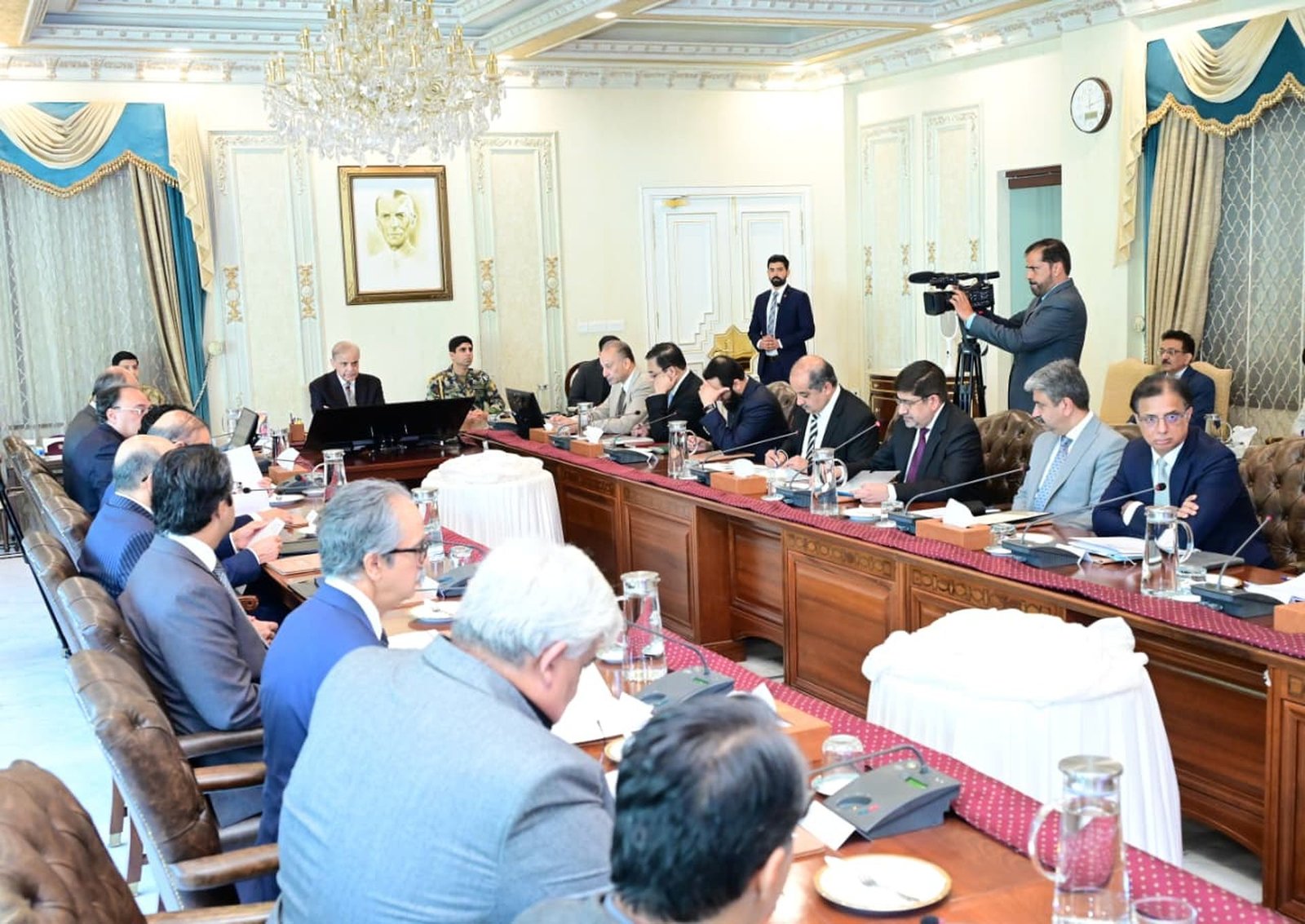
    Prime Minister Shehbaz Sharif on Thursday directed the authorities to accelerate reforms in Pakistan’s gemstone sector, stressing the need for international-standard laboratories, modern mining techniques and a complete value chain to lift exports.

    Chairing a high-level review meeting in Islamabad, the prime minister said Pakistan was blessed with vast reserves of precious gemstones, but outdated mining practices and limited processing facilities were causing significant losses to the national economy. “Pakistan has enormous potential in gemstone mining, value addition and exports,” he said, adding that the government was taking comprehensive measures on a priority basis to develop the sector.

    He directed the establishment of international-standard laboratories for gemstone identification and certification to improve the quality, credibility and international competitiveness of Pakistani gemstones. He also instructed the authorities to send Pakistani master trainers to Sri Lanka and Thailand for specialised training in gemstone processing, and directed the Foreign Secretary to ensure that Pakistani ambassadors in the relevant countries extended full support to the training programme.

    Officials told the meeting that Pakistan had an estimated 300 million carats of gemstone reserves, with more than 9,000 miners extracting over 30 varieties of precious stones, and that the sector was linked to more than 5,500 businesses across the country. The reserves are found mainly in Gilgit-Baltistan, Khyber Pakhtunkhwa and Azad Jammu and Kashmir, according to earlier official briefings.

    The industry, however, continues to face major challenges, including the export of raw gemstones, wastage of more than 50 per cent during mining operations, a shortage of modern technical expertise and limited value-addition facilities. The government has prepared a comprehensive reform strategy aimed at shifting the sector from raw material extraction to finished gemstone products, and implementation of the National Gemstone Policy 2026–2030 has begun.

    The proposed reforms include an independent regulatory framework and a national certification and warranty system, restrictions on the export of raw gemstones, tax and customs duty exemptions on imported machinery, upgraded technical training and the development of local markets. The strategy also seeks to encourage private-sector investment and partnerships to build an integrated value chain covering mining, processing, certification, manufacturing and exports.

    The prime minister said the government would provide a conducive business environment to encourage private-sector participation in gemstone mining and processing, and stressed that Pakistan must move beyond exporting unprocessed stones. The government is targeting $1 billion in annual gemstone exports within five years, against current formal exports of about $5.8 million, and the State Bank raised the export proceeds retention limit for the sector from 10 per cent to 30 per cent earlier this week.

    The prime minister appreciated the contributions of Special Assistant to the Prime Minister on Energy Lieutenant General (retd) Muhammad Zafar Iqbal and his team, Finance Minister Muhammad Aurangzeb, Petroleum Minister Ali Pervaiz Malik and Adviser on Industries and Production Haroon Akhtar.

  • Pakistan picks 14 areas to boost shrimp farming

    Pakistan picks 14 areas to boost shrimp farming

    Federal Minister for Maritime Affairs Muhammad Junaid Anwar Chaudhry has stressed the need for a comprehensive roadmap to promote shrimp farming in Pakistan, saying seven working groups have finalised recommendations to strengthen the sector, improve its value chain and increase production, investment and exports.

    He was speaking while chairing a meeting of the Prime Minister’s Sub-Committee on Crop Cluster Value Chain for Aqua Shrimp, a body set up to develop the sector through coordinated efforts involving the federal and provincial governments, industry and other stakeholders.

    According to the meeting, the sub-committee has held two meetings so far and identified 14 priority areas for the shrimp farming sector. Seven working groups were formed to prepare actionable recommendations covering those areas.

    The minister said all seven working groups had completed their meetings, with participation from provincial governments, industry representatives and relevant federal institutions. Their recommendations are now being consolidated into a single report.

    The report will assess the sector’s current status, its potential, the challenges it faces and the opportunities available to it. It will also assign responsibilities to the relevant federal and provincial agencies and to private-sector stakeholders for carrying out the proposed measures, and set out short-, medium- and long-term timelines for implementation.

    The sub-committee is working on a 120-day roadmap for the sector, according to an official release issued on 27 October 2026, under which the seven working groups are preparing 14 reports. The aim is a coordinated plan that brings federal and provincial authorities together with the private sector.

    Shrimp farming is a branch of aquaculture, and its value chain runs from hatcheries and feed through farming and processing to marketing and export. A stronger chain can support coastal livelihoods, add value to the catch before it leaves the country and open new markets for Pakistani seafood.

    Officials say the work now under way is intended to turn that potential into a practical plan, with clear responsibilities and timelines so that each part of the chain, from pond to port, is developed in step. The consolidated report will form the basis of the roadmap the ministry wants to put in place for the sector.

  • SME Exporters Welcome PM’s Initiatives to Boost Exports

    SME Exporters Welcome PM’s Initiatives to Boost Exports

    Representatives of small and medium-sized enterprises (SMEs) have welcomed Prime Minister Shehbaz Sharif’s initiatives to address business challenges, facilitate exporters and promote Pakistani products in international markets, after meeting the prime minister.

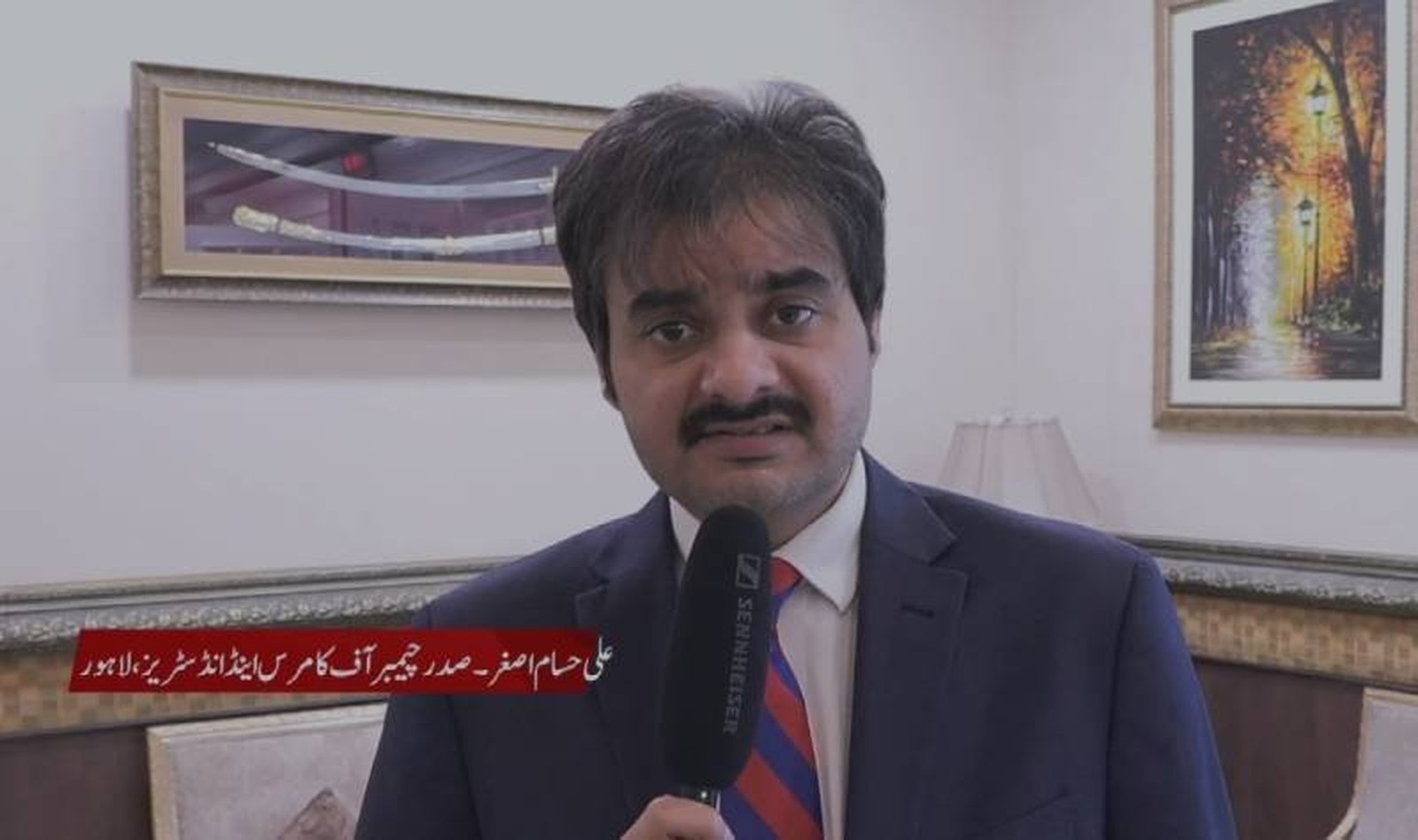
    Speaking to the media after the meeting, Lahore Chamber of Commerce and Industry (LCCI) President Ali Husam Asghar said the government was developing an effective ecosystem to address the challenges faced by SMEs. He said the prime minister’s vision for job creation could be achieved through the promotion of small and medium-sized businesses.

    Asghar said resolving issues faced by SMEs at the provincial, district and export levels was among the prime minister’s priorities. He said a one-window facilitation facility would be established for SMEs under the prime minister’s vision, adding that the Lahore Chamber fully supported the government’s initiatives.

    Exporters pledge to promote Made in Pakistan

    Exporter and former Hunza Chamber of Commerce and Industry President Nadeem Alam said businesses expected strong government support to increase exports. He said exporters would play their part in introducing Made in Pakistan products to global markets.

    Hemani Group of Companies Director Ali Abbas Khakhu described the meeting as productive and said the prime minister had listened attentively to exporters’ concerns. He said the prime minister had issued necessary directives to relevant ministries and was giving priority to proposals submitted by the business community. Khakhu said his company would contribute to promoting Pakistani products internationally.

    Chambers back the government’s efforts

    Sialkot Chamber of Commerce and Industry President Khawar Hussain Sapal said the prime minister and his team were making concerted efforts to promote SMEs and increase exports. He said the prime minister would make decisions after considering proposals submitted by business representatives.

    Trading World Chief Executive Officer Asfandyar Mandokhail said the meeting provided an opportunity to highlight the need for an industrial zone. He said improving security in Balochistan was also part of the prime minister’s vision. Mandokhail appreciated the invitation extended to business representatives from Balochistan and said the prime minister had listened to their concerns.

    Business representative Muhammad Asim Shah also described the meeting as constructive. He said representatives of various trade associations and private-sector organisations had presented their proposals and concerns to the prime minister.

  • پاکستان کی برآمدات 11.4 ارب ڈالر کی ریکارڈ سطح پر پہنچ گئیں

    پاکستان کی برآمدات 11.4 ارب ڈالر کی ریکارڈ سطح پر پہنچ گئیں

    مالی سال 2026-27 کے پہلے چار ماہ (جولائی تا اکتوبر) میں پاکستان کی اشیا کی برآمدات 11.4 ارب ڈالر کی ریکارڈ سطح پر پہنچ گئیں، جو گزشتہ سال کی اسی مدت کے مقابلے میں 8.8 فیصد زیادہ ہیں۔

    گزشتہ مالی سال کے جولائی تا اکتوبر کے دوران برآمدات 10.4 ارب ڈالر تھیں، اور تازہ اعداد و شمار اس مدت کے لیے اب تک کی سب سے زیادہ چار ماہ کی برآمدات ہیں۔

    آزاد اردو نے بھی انہی اعداد و شمار کی خبر دی اور اس اضافے کو معیشت کے لیے اہم پیش رفت قرار دیا، جس سے ظاہر ہوتا ہے کہ مالی سال کے ابتدائی مہینوں میں برآمدات میں مسلسل بہتری آئی ہے۔

    حکومت نے اس اضافے کو وزیر اعظم شہباز شریف کی جانب سے وفاقی بجٹ میں متعارف کرائے گئے اقدامات اور کاروبار و صنعت کی مدد کے لیے فنانس ٹیم اور دیگر سرکاری اداروں کی مربوط کوششوں سے جوڑا ہے۔

    حکومت کے مطابق ان اقدامات میں کاروبار و صنعت، خصوصاً برآمد کنندگان کے لیے ٹیکس اور سرچارجز میں کمی، ٹیکس ریفنڈز کی تیز تر ادائیگی، اور برآمدات کی ترقی کے لیے مختص فنڈز کا بہتر استعمال شامل ہے۔

    حکومت نے برآمد کنندگان کے لیے رعایتی قرضوں تک رسائی بھی بڑھائی ہے اور چھوٹے و درمیانے درجے کے برآمد کنندگان کے لیے خصوصی مالی معاونت متعارف کرائی ہے، جس میں خرد و چھوٹے کاروباروں پر خصوصی توجہ دی گئی ہے۔

    حکام کا کہنا ہے کہ یہ اقدامات اور اداروں کی مربوط کوششیں کاروبار کے لیے سازگار ماحول پیدا کرنے اور علاقائی و عالمی چیلنجز کے باوجود پاکستان کی برآمدی صلاحیت مضبوط کرنے میں مدد کر رہی ہیں۔

    حکومت نے کہا ہے کہ وہ مسابقتی پالیسی ماحول، مالیات تک بہتر رسائی اور پائیدار اصلاحات کے ذریعے کاروبار، صنعت اور سرمایہ کاروں کو مزید سہولتیں دینے کے لیے پرعزم ہے، اور سمت مضبوط برآمدات، زیادہ سرمایہ کاری اور نجی شعبے کی قیادت میں برآمدات پر مبنی پائیدار ترقی کی طرف ہے۔

    اشیا کی برآمدات پاکستان کے لیے زرمبادلہ کے اہم ذرائع میں سے ایک ہیں، اور ان کی کارکردگی پر گہری نظر رکھی جاتی ہے کیونکہ ملک اپنی بیرونی پوزیشن مضبوط کرنے کی کوشش کر رہا ہے۔ جولائی تا اکتوبر کی مدت مالی سال کے پہلے چار ماہ پر محیط ہے، جس کا آغاز یکم جولائی سے ہوا تھا۔

  • Pakistan Exports Hit Record $11.4 Billion in July-October

    Pakistan Exports Hit Record $11.4 Billion in July-October

    Pakistan’s goods exports reached a record $11.4 billion in the first four months of the current fiscal year 2026-27, rising 8.8 per cent compared with the same period last year, 24News reported on Sunday.

    Exports stood at $10.4 billion during July to October of the previous fiscal year, and the latest figures mark the highest four-month total ever recorded for the period, according to the report.

    The figures were also reported by Azaad Urdu, which described the rise as a significant development for the economy, with exports growing steadily in the opening months of the fiscal year.

    The government has linked the growth to measures introduced by Prime Minister Shehbaz Sharif in the federal budget, along with a coordinated approach by the Finance Team and other government institutions to support businesses and industry.

    According to the government, the steps include reduced taxes and surcharges for businesses and industry, particularly exporters, faster tax refunds, and better use of funds set aside for export development.

    The government has also increased access to low-cost financing for exporters and introduced dedicated financing support for small and medium-sized exporters, with a particular focus on micro and small enterprises.

    Officials said these measures, together with coordinated institutional efforts, are helping to create a more enabling business environment and to strengthen Pakistan’s export capacity despite persistent regional and global challenges.

    The government said it remains committed to further facilitating businesses, industry and investors through a more competitive policy environment, improved access to finance and sustained structural reforms, with the direction set towards stronger exports, greater investment and private-sector-led, export-driven and sustainable growth.

    Goods exports are one of Pakistan’s main sources of foreign exchange, and their performance is closely watched as the country works to strengthen its external position. The July to October window covers the first four months of the fiscal year, which began on 1 July.

    The figures were shared in a government social media post, which said the record performance reflected the impact of the measures introduced in the federal budget and the coordinated approach of the Finance Team and government institutions.

    The post also said the government remains committed to facilitating businesses, industry and investors, and to building a private-sector-driven, export-led growth path, even as regional and global conditions remain difficult for exporters.

  • Germany Warns US Tariffs Could Hit Exporters in 2027

    Germany Warns US Tariffs Could Hit Exporters in 2027

    Germany’s exporters face a fresh bout of trade uncertainty after the United States midterm elections, with one of Berlin’s top economic advisers warning that Washington’s tariff risks could rise rather than fall in the months ahead.

    Gabriel Felbermayr, a member of the German Council of Economic Experts, said the outcome of the midterms was unlikely to soften the US administration’s protectionist trade stance. Instead, he warned, uncertainty around tariffs may grow, particularly as key trade deadlines approach early next year.

    Speaking in Berlin during the presentation of the five-member council’s annual report on Wednesday, Felbermayr said the pressure could build quickly. “This could come to a head as early as the beginning of next year, particularly with regard to China, as certain deadlines are set to expire,” he said.

    The warning matters because the United States is Germany’s most important export market outside Europe. German manufacturers selling machinery, cars, chemicals and industrial equipment into the US have already spent the past year adjusting to higher American tariffs, and any further escalation would squeeze margins and orders.

    US market cooling could follow AI-driven boost

    Felbermayr noted that German exports to the United States had actually improved over the last two or three months, helped in part by strong global demand linked to the artificial intelligence boom. Factories supplying AI infrastructure, data-centre equipment and related technology have benefited from the surge in spending.

    But that improvement may not last, he cautioned. “For the German export sector, this means that the US market — which had shown improvement over the last two or three months, with Germany partly benefiting from the AI boom — could see a cooling off,” Felbermayr said.

    Analysts say the risk is not only about tariffs on German goods directly. If Washington tightens trade measures against China early next year, the knock-on effects could ripple through global supply chains, raising costs and disrupting orders for European firms that sit in the middle of those networks.

    Gridlock may push trade policy to executive action

    One reason the midterm result offers little comfort to exporters is the shape of American politics after the vote. With Congress divided, major trade decisions may increasingly be taken through presidential executive orders rather than legislation, making policy harder to predict and harder to challenge.

    German economic institutes increasingly view the shift towards “America First” industrial policy as a lasting change rather than a passing phase, according to the council’s assessment. That has pushed calls for German and European exporters to spread their risks, diversify into new markets and build more resilient supply chains.

    For now, the adviser’s message is a warning rather than a forecast of a specific tariff rise. Felbermayr did not name which measures might change or predict an exact increase. But his central point was clear: German exporters should not expect the midterms to bring relief, and they should prepare for a bumpier trade environment at the start of next year.

  • Pakistan Trade Deficit Widens to $3.88 Billion in October

    Pakistan Trade Deficit Widens to $3.88 Billion in October

    Pakistan’s merchandise trade deficit widened sharply in October, as imports continued to grow much faster than exports and kept the country’s external account under pressure, according to official data released on Friday.

    The deficit rose 19.7 per cent year on year to $3.877 billion in October 2026, from $3.24 billion in the same month last year, the Pakistan Bureau of Statistics said. Imports remained more than twice the value of exports during the month, underlining the scale of the imbalance.

    Exports rose by only 2.8 per cent to $2.93 billion in October, from $2.85 billion a year earlier. Imports, by contrast, increased 11.8 per cent to $6.81 billion, from $6.09 billion in October 2025. The gap between the two therefore widened by more than $600 million in a single month compared with a year earlier.

    On a month-on-month basis, the deficit also increased, rising 10.3 per cent from $3.515 billion in September. The figures suggest that the improvement seen in some earlier months has not been sustained, and that import demand has picked up again.

    A wider gap over four months

    The pressure is not limited to October alone. During the first four months of the current fiscal year, from July to October, the trade deficit expanded 15.97 per cent to $14.63 billion, from $12.61 billion in the corresponding period of last year.

    Exports during July-October rose 8.5 per cent to $11.34 billion, while imports jumped 12.6 per cent to $25.96 billion. Export growth, although positive, has therefore lagged well behind import growth for four consecutive months.

    Analysts say the pattern points to a familiar challenge. Higher imports may partly reflect stronger domestic economic activity, but the persistent gap between import and export growth adds to the country’s external financing requirements. Waqas Ghani, head of research at JS Global, was reported as saying that the widening gap increases the financing burden at a time when foreign exchange reserves remain a central concern for policymakers.

    Services trade also under strain

    The services account added to the pressure in September. Pakistan’s services trade deficit jumped 84.3 per cent to $282.7 million in September 2026, from $153.4 million a year earlier, the bureau said.

    Services exports increased 15.35 per cent to $930 million in September, from $806 million last year. Services imports, however, rose faster, increasing 26.4 per cent to $1.21 billion, from $959 million a year earlier.

    The combined picture leaves policymakers facing the same question that has dominated economic debate for much of the year: how to lift exports fast enough to keep pace with imports. The government has recently moved to make long-term financing easier for small and medium exporters, including ordering the removal of a condition that businesses export at least 80 per cent of their products to qualify. Officials say the aim is to broaden the export base, but the October figures show how far that base still has to grow before the trade gap begins to narrow in a sustained way.

  • Pakistan Trade Deficit Widens 16% to $14.63 Billion

    Pakistan Trade Deficit Widens 16% to $14.63 Billion

    Pakistan’s trade deficit widened by 15.97 percent to 14.63 billion dollars in the first four months of the current fiscal year, as exports fell and imports rose, according to figures from the Pakistan Bureau of Statistics.

    The figures cover July to October 2026, the first four months of fiscal year 2025-26. The deficit stood at 14.63 billion dollars, up from 12.616 billion dollars in the same period last year, an increase of 15.97 percent year on year.

    Exports during the four months were 10.47 billion dollars, down 4.35 percent from 10.947 billion dollars a year earlier. Imports, meanwhile, rose 6.65 percent to 25.1 billion dollars, up from 23.563 billion dollars. The gap between what Pakistan buys from the world and what it sells widened because imports grew while exports shrank.

    October alone showed a sharper deterioration. The deficit for the month was 3.81 billion dollars, up 24.35 percent compared with October last year and up 22.35 percent from 3.113 billion dollars in September. October exports were 2.67 billion dollars, down 7.27 percent year on year, while imports rose 9.44 percent to 6.48 billion dollars.

    The trade deficit is the difference between the value of goods a country imports and the value it exports, and a widening deficit means more foreign currency is leaving the country to pay for imports than is coming in from exports. For Pakistan, which has faced repeated pressure on its foreign exchange reserves, the direction of the deficit is closely watched by policymakers, businesses and lenders.

    The four-month figures show the pressure coming from both sides of the ledger. Export earnings fell by more than four percent, suggesting weaker demand for Pakistani goods abroad or difficulties for exporters, while the import bill rose by more than six percent, adding to the outflow.

    October’s monthly jump is the most striking part of the data. A deficit of 3.81 billion dollars in a single month, more than a fifth higher than September, points to a sharp monthly swing rather than a gradual drift, and the fall in October exports alongside rising imports explains the scale of the increase.

    The figures will feed into the government’s economic planning for the rest of the fiscal year. Policymakers will be looking at whether the export decline can be reversed and whether import growth can be contained without hurting industry and consumers who depend on imported fuel, machinery and raw materials.

    For now, the data shows a trade gap that is growing rather than narrowing. The coming months will show whether the October spike was a one-off or the start of a wider trend in Pakistan’s external trade.

  • Middle East crude exports exceed pre-war levels despite tanker attacks

    Middle East crude exports exceed pre-war levels despite tanker attacks

    Crude oil exports from the Middle East rose above pre-war levels in four of the seven days of the final week of September, shipping data showed on Monday, despite continuing attacks on vessels passing through the Strait of Hormuz.

    According to Reuters, crude exports from the region exceeded pre-war levels on September 24 and between September 27 and 29, rising to between 19.5 million barrels per day and 22.5 million bpd, provisional data from ship-tracking firm Kpler showed. Exports had averaged 18 million bpd between March 2025 and February this year, before the US-Israeli war with Iran began.

    The seven-day moving average for crude exports stood at 18.5 million bpd on October 1. The figures include transits via the Strait of Hormuz and the Red Sea, exports from terminals and ship-to-ship transfers in the Gulf of Oman. The overall tally for crude, oil products, chemicals and non-gas liquids averaged 22.4 million bpd in the seven days to September 30.

    Tanker attacks continue

    The number of liquefied natural gas cargoes exiting the Strait of Hormuz also rose in September to its highest monthly level since February, the data showed.

    However, attacks on tankers continued in and around the Strait of Hormuz, with at least seven incidents reported, shipping intelligence firm Marisks said in a report on Saturday. The very large crude carrier Kazimah III was reportedly struck on October 1 by an unknown projectile while operating in the strait, causing a fire onboard the tanker.

    Before the Iran war started on February 28, the strait typically handled about 125 large commercial vessels per day, including tankers, gas carriers, bulkers and container vessels, accounting for some 20 per cent of the world’s daily crude oil and LNG supply.

    The figures exclude any vessels that might have crossed the strait with their Automatic Identification System transponders turned off to avoid detection, meaning actual flows could differ from the tracked data.

    The data release coincided with Saudi Aramco’s unexpected decision to cut its November official selling prices for Asian buyers to the widest discount since June 2020, a move analysts linked to record freight rates and efforts to protect market share after the regional conflict disrupted exports.