Tag: Elections

  • لولا چوتھی بار برازیل کے صدر منتخب، بولسونارو کو شکست

    لولا چوتھی بار برازیل کے صدر منتخب، بولسونارو کو شکست

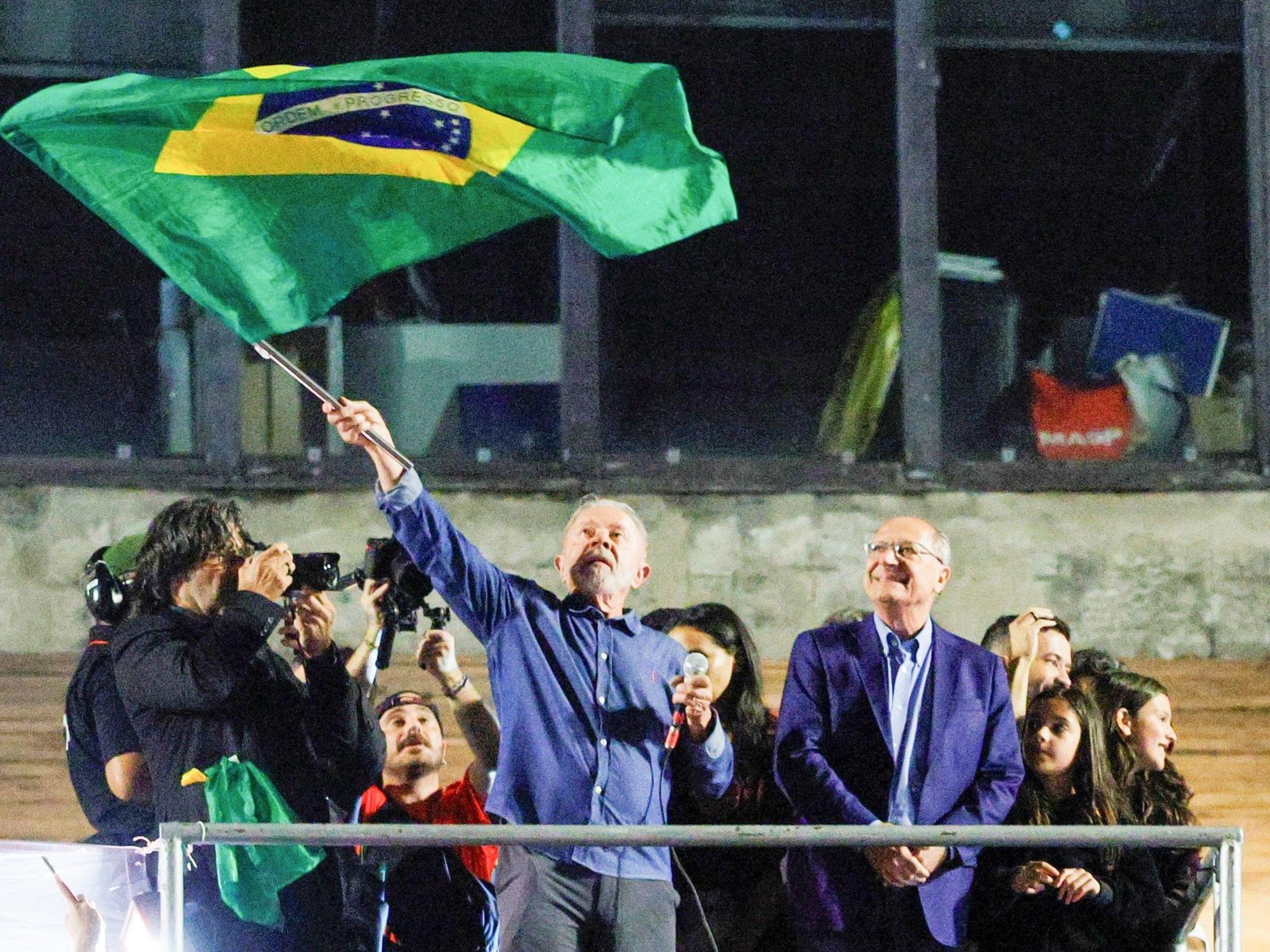
    برازیلیا: برازیل کے صدر لوئز اناسیو لولا دا سلوا نے صدارتی انتخاب کے دوسرے مرحلے میں کامیابی حاصل کرتے ہوئے چوتھی بار ملک کی صدارت جیت لی ہے۔ اتوار 25 اکتوبر کو ہونے والے رن آف میں لولا نے 51.79 فیصد ووٹ حاصل کیے جبکہ ان کے حریف سینیٹر فلاویو بولسونارو کو 48.21 فیصد ووٹ ملے۔ حتمی نتائج کے مطابق لولا کو 64.26 ملین جبکہ بولسونارو کو 59.83 ملین ووٹ ملے، یعنی دونوں کے درمیان فرق تقریباً 44 لاکھ ووٹوں کا رہا۔

    یہ نتیجہ ایک ڈرامائی تبدیلی کی نمائندگی کرتا ہے، کیونکہ 4 اکتوبر کو پہلے مرحلے میں بولسونارو نے 47.03 فیصد ووٹوں کے ساتھ برتری حاصل کی تھی جبکہ لولا کو 45.16 فیصد ووٹ ملے تھے۔ دوسرے مرحلے میں ٹرن آؤٹ 80.8 فیصد رہا، جو پہلے مرحلے کے 78.92 فیصد سے زیادہ تھا۔ رپورٹس کے مطابق لولا 1985 میں شہری حکومت کی بحالی کے بعد پہلے صدر ہیں جو پہلا مرحلہ ہارنے کے باوجود انتخاب جیتنے میں کامیاب ہوئے۔

    لولا نے اپنی کامیابی کا اعلان کرتے ہوئے حامیوں سے کہا کہ یہ فتح منفی مہم، جھوٹ اور نفرت کی شکست ہے۔ انہوں نے یہ بھی کہا کہ برازیل کسی کا پچھواڑا نہیں بنے گا، جسے ان کے اس موقف کی عکاسی قرار دیا جا رہا ہے کہ ملک اپنی خارجہ پالیسی میں خود مختاری برقرار رکھے گا۔ کئی عالمی رہنماؤں نے لولا کو مبارکباد دی ہے۔

    دوسری جانب فلاویو بولسونارو نے نتیجہ تسلیم کرنے سے انکار کر دیا ہے اور کہا ہے کہ وہ انتخاب کو کالعدم قرار دلوانے کے لیے عدالت سے رجوع کریں گے۔ ان کا اعتراض ووٹنگ کے وقت میں دو گھنٹے کی توسیع پر ہے، جس کا حکم سپریم کورٹ کے جسٹس کرسٹیانو زانن نے دیا تھا۔ بولسونارو نے اس توسیع کو ناقابل قبول اور ایک گندی چال قرار دیا ہے۔ تاہم رپورٹس کے مطابق دونوں امیدواروں نے ٹرانسپورٹ کی مشکلات اور شدید موسم کے باعث ووٹنگ کا وقت بڑھانے کی درخواست کی تھی۔

    سپریم الیکٹورل کورٹ نے لولا کی کامیابی کی تصدیق کرتے ہوئے کہا کہ وقت میں توسیع سے نتیجے پر کوئی فرق نہیں پڑا۔ بولسونارو کی جماعت لبرل پارٹی نے بھی نتائج تسلیم کر لیے ہیں۔ ماہرین کے مطابق عدالت میں نتیجہ پلٹنا مشکل ہوگا، کیونکہ ان کی اپنی مہم نے بھی توسیع کی درخواست کی تھی۔

    امریکی صدر ڈونلڈ ٹرمپ نے انتخاب کو ایک اور دھاندلی زدہ انتخاب قرار دیا، تاہم کہا کہ یہ لولا کے خلاف ذاتی حملہ نہیں ہے۔

    لولا کی نئی مدت 5 جنوری سے شروع ہوگی اور 2030 تک جاری رہے گی۔ لولا اس سے قبل 2003 سے 2010 تک دو مرتبہ اور 2023 سے دوبارہ صدر رہ چکے ہیں۔ ان کے سامنے اب کئی چیلنجز ہیں، جن میں مخالف کانگریس سے نمٹنا، عوامی اخراجات، گھریلو قرضوں اور مہنگائی کا مسئلہ شامل ہے۔ تجزیہ کاروں کے مطابق یہ کامیابی خطے میں دائیں بازو کی کامیابیوں کے سلسلے کو روکتی ہے، لیکن لولا کو ایک منقسم ملک اور مضبوط اپوزیشن کے ساتھ حکومت کرنا ہوگی۔

  • ECP Proposes Rules to Curb AI Misuse in Elections

    ECP Proposes Rules to Curb AI Misuse in Elections

    ISLAMABAD: The Election Commission of Pakistan (ECP) has proposed amendments to the 2023 codes of conduct for political parties, media organisations and election observers to curb the misuse of artificial intelligence (AI) during elections, according to sources in the commission.

    The draft amendments, reported by The Express Tribune on October 26, set out changes for media organisations, political parties and candidates, and election observers. The commission has sought public and stakeholder feedback on the proposals by November 20. The measures are aimed at regulating AI-generated content, prohibiting deceptive deepfakes and ensuring transparency in election-related communication.

    Under the proposed rules for the media, outlets would be required to clearly disclose when content generated or modified through AI is broadcast, published or released. Media organisations would still be permitted to use AI tools for preparing, translating, presenting or analysing election-related content, provided they disclose that use to their audiences and remain responsible for the authenticity and accuracy of the material.

    The draft strictly prohibits the use of deepfake technology to create fabricated images, voices or statements of political party leaders, candidates, election officials, members of the judiciary, armed forces personnel and other state officials, where the content is false, defamatory or intended to ridicule them. The proposal reflects growing concern that realistic fake audio and video could mislead voters during a campaign.

    Political parties and candidates would also face new obligations under the draft. They would be required to clearly label AI-generated or altered material, and would be prohibited from using such content to mislead voters about a person’s image, words or actions. The draft also proposes a ban on bots and automated accounts used to artificially influence online activity or create false trends, and requires automated campaign calls or messages using cloned voices to begin with a clear notice that they were created using AI.

    Monitoring and enforcement would involve several regulators. According to the report, Pemra, the Social Media Protection and Regulatory Authority and the National Cyber Crime Investigation Agency would monitor undisclosed or unlabelled AI-generated media content and report violations to the ECP, with appropriate action to be taken in cases of non-compliance.

    The proposed amendments also require media houses to promptly remove misleading or undisclosed AI-generated content from their platforms, or correctly relabel it, when directed by a regulatory body or the ECP. Election observers, meanwhile, would be required to identify cases of AI manipulation and report them to the commission, while being prohibited from generating or altering their own findings, photographs, videos and reports using AI.

    The proposals come as AI tools become cheaper and easier to use, raising questions for election authorities around the world about how to protect voters from manipulation without restricting legitimate campaigning and journalism. The ECP’s consultation, which runs until November 20, will give political parties, media bodies and civil society a chance to respond before any final rules are adopted.

  • ECP to Address Delayed Islamabad LG Polls on Oct 21

    ECP to Address Delayed Islamabad LG Polls on Oct 21

    The Election Commission of Pakistan (ECP) has announced it will formally address the long-delayed local government (LG) elections in the federal capital on Wednesday, October 21, summoning the secretary interior and the chief commissioner Islamabad to its proceedings.

    Chief Election Commissioner (CEC) Sikandar Sultan Raja chaired a special meeting of the commission attended by members, the secretary and senior officers, according to a report by The News. After a formal hearing held a few days earlier, the commission had hinted that the LG polls could be conducted under the Islamabad Capital Territory Local Government Act, 2015.

    Legal vacuum behind the delay

    The issue came under deliberation following the lapse of the Islamabad Local Government (Amendment) Ordinance 2026, after which the federal government did not enact fresh legislation for the capital’s local elections. The commission is now considering whether the polls can proceed under the ICT Local Government Act 2015 instead.

    Local government elections in Islamabad have been repeatedly postponed since the term of the previous LG system ended on February 21, 2021, leaving the federal capital without elected local representatives for more than five years.

    Khyber Pakhtunkhwa case delisted

    Separately, the ECP delisted the case regarding local government elections in Khyber Pakhtunkhwa, which was fixed for hearing on October 20. In a delisting notice, the commission said the next date of hearing would be communicated in due course.

    The notice was issued after the ECP had earlier directed the KP chief secretary to appear before the bench in connection with the long-pending local polls in the province.

    The commission’s renewed push on local government elections in both the federal capital and Khyber Pakhtunkhwa signals a fresh effort to restore the elected third tier of government in areas where it has remained absent for years.

    At the special meeting chaired by the Chief Election Commissioner, the members, the secretary and senior officers reviewed the legal position arising from the lapsed ordinance. The commission had already indicated, after an earlier formal hearing, that the 2015 Act remained available as the governing law for the capital’s local polls.

    Local government elections elect union council representatives responsible for municipal services, development schemes and civic governance at the grassroots level. Their prolonged absence in the federal capital has left those functions without directly elected oversight.