Tag: Economic Cooperation Organisation

  • Pakistan Takes ECO Chairmanship for 2026-27

    Pakistan Takes ECO Chairmanship for 2026-27

    Pakistan has assumed the chairmanship of the Economic Cooperation Organisation (ECO) for 2026-27, with Prime Minister Shehbaz Sharif reaffirming the country’s commitment to stronger regional cooperation, trade and connectivity among member states.

    The prime minister made the remarks during a meeting in Islamabad with foreign ministers and heads of delegations from ECO member countries, who were in the federal capital to attend the 30th session of the ECO Council of Ministers.

    During the meeting, the leaders discussed a wide range of issues of mutual interest, including regional cooperation, economic integration, trade, investment, energy, transport and communications connectivity.

    Welcoming the visiting dignitaries, the prime minister thanked them for attending the ministerial meeting and reiterated Pakistan’s firm commitment to advancing the organisation’s core objectives.

    He said the government was determined to promote closer regional partnerships, improve connectivity and strengthen economic integration among ECO member states.

    The prime minister also welcomed the successful holding of the 30th session of the ECO Council of Ministers and the approval of the Islamabad Declaration, along with the strategic targets for economic cooperation covering the 2026-2035 period.

    He described these developments as important steps towards strengthening the organisation and advancing shared regional priorities.

    Pakistan’s ECO chairmanship

    Referring to Pakistan assuming the ECO chairmanship for 2026-2027, Prime Minister Shehbaz Sharif highlighted the theme selected for the period: “Revitalising Regional Cooperation for a Strong and Resilient ECO”.

    He stressed the need to translate the organisation’s shared vision into practical and result-oriented initiatives so that the benefits of regional cooperation could reach people across member countries.

    The prime minister called for greater collaboration in trade and investment, transport and transit corridors, energy, information and communication technology, and sustainable development.

    He also emphasised the importance of effectively implementing existing agreements under the ECO framework and strengthening institutional mechanisms to accelerate regional economic cooperation.

    Highlighting Pakistan’s strategic geographical position, the prime minister said the country was committed to enhancing regional connectivity through an integrated network of roads, railways and other transportation links.

    He said these corridors would also connect regional markets with Pakistan’s major ports, including Karachi, Port Qasim and Gwadar, creating new opportunities for trade and access to international markets.

    The prime minister particularly highlighted the potential benefits for landlocked ECO member states, which could gain improved access to regional and global markets through Pakistan’s transport infrastructure.

    Focus on regional stability

    Prime Minister Shehbaz Sharif also reiterated Pakistan’s principled position on regional peace and security, maintaining that dialogue and diplomacy remained the fundamental means of resolving disputes peacefully.

    He underlined the importance of collective efforts and closer coordination among ECO members to address emerging threats to regional security.

    During the meeting, the prime minister invited all ECO member countries to actively participate in events planned in connection with Lahore being designated the ECO Tourism Capital for 2027.

    He said Pakistan would work closely with all member states and the organisation’s Secretariat during its chairmanship to make the ECO more active, effective and responsive to regional priorities.

    Prime Minister Shehbaz Sharif also expressed Pakistan’s readiness to host delegations from member countries for the next ECO Council of Ministers meeting and the ECO Summit in 2027.

    He emphasised the need for collective efforts to achieve shared objectives in regional cooperation, economic connectivity and sustainable development, while strengthening partnerships across the organisation.
  • ای سی او وزرائے خارجہ کونسل کے 30ویں اجلاس کے لیے غیر ملکی وفود اسلام آباد پہنچ گئے

    ای سی او وزرائے خارجہ کونسل کے 30ویں اجلاس کے لیے غیر ملکی وفود اسلام آباد پہنچ گئے

    علاقائی ممالک اور بین الاقوامی تنظیموں کے وزرائے خارجہ اور سینئر حکام اقتصادی تعاون تنظیم (ای سی او) کی وزرائے خارجہ کونسل کے 30ویں اجلاس میں شرکت کے لیے اتوار کو اسلام آباد پہنچتے رہے۔ یہ اجلاس آج شروع ہو رہا ہے۔

    دفتر خارجہ کے مطابق پاکستان 15 اور 16 نومبر کو دو روزہ اجلاس کی میزبانی کر رہا ہے اور “ایک مضبوط ای سی او کے لیے علاقائیت کی بحالی” کے موضوع کے تحت 2026-27 کے لیے تنظیم کی صدارت سنبھال رہا ہے۔

    ترکی کے نائب وزیر خارجہ موسیٰ کولاکلی کایا، جو اپنے ملک کے وفد کی قیادت کر رہے ہیں، اتوار کو اسلام آباد پہنچے اور اسلام آباد بین الاقوامی ہوائی اڈے پر دفتر خارجہ کے حکام نے ان کا استقبال کیا، دفتر خارجہ نے بتایا۔

    آذربائیجان کے نائب وزیر خارجہ ایلنور محمدوف اور شنگھائی تعاون تنظیم (ایس سی او) کے ڈپٹی سیکریٹری جنرل احمد سعید مراد زادہ بھی اجلاس میں شرکت کے لیے وفاقی دارالحکومت پہنچ چکے ہیں۔

    دیگر آنے والی اہم شخصیات میں تنظیم اسلامی تعاون (او آئی سی) کے سیکریٹری جنرل اسماعیل ولد شیخ احمد اور قازقستان کے نائب وزیر خارجہ ارمان عیسیٰ گالیئیف شامل ہیں، جو اپنے ملک کے وفد کی قیادت کر رہے ہیں۔ ترک جمہوریہ شمالی قبرص کے وزیر خارجہ تحسین ارطغرل اوغلو ہفتے کو اسلام آباد پہنچے تھے۔

    دو روزہ وزارتی اجلاس کی صدارت نائب وزیراعظم اور وزیر خارجہ اسحاق ڈار کریں گے، اور اس میں ای سی او کے رکن ممالک کے وزرائے خارجہ اور وفود کے سربراہان کے ساتھ تنظیم کے سیکریٹریٹ اور ذیلی اداروں کے نمائندے بھی شرکت کریں گے۔

    دفتر خارجہ کی جانب سے ہفتے کو جاری کردہ ابتدائی اعلامیے کے مطابق وزارتی اجلاس سے قبل رکن ممالک کے سینئر حکام کا اجلاس ہوا، جس میں تنظیم کے پروگراموں اور سرگرمیوں کا جائزہ لیا گیا اور وزرائے خارجہ کے غور کے لیے دستاویزات کو حتمی شکل دی گئی۔

    ای سی او 1985 میں ایران، پاکستان اور ترکیہ نے قائم کی تھی، اور 1992 میں اس میں افغانستان، آذربائیجان، قازقستان، کرغزستان، تاجکستان، ترکمانستان اور ازبکستان شامل ہوئے۔ یہ تنظیم اپنے اراکین کے درمیان تجارت، نقل و حمل، توانائی اور مواصلات سمیت اقتصادی تعاون پر کام کرتی ہے۔

    وزرائے خارجہ کونسل ای سی او کا مرکزی فیصلہ ساز ادارہ ہے، جو رکن ممالک کے وزرائے خارجہ کو تنظیم کی سمت طے کرنے اور اس کے پروگراموں کی منظوری کے لیے اکٹھا کرتا ہے۔

    ای سی او وسطی اور جنوبی ایشیا اور مشرق وسطیٰ کے دس رکن ممالک پر مشتمل ہے۔ دفتر خارجہ نے کہا کہ پاکستان بطور نئے صدر تجارت، نقل و حمل، سرمایہ کاری اور پائیدار ترقی میں علاقائی تعاون کو فروغ دینا چاہتا ہے۔

  • Foreign Delegates Arrive for 30th ECO Meeting in Islamabad

    Foreign Delegates Arrive for 30th ECO Meeting in Islamabad

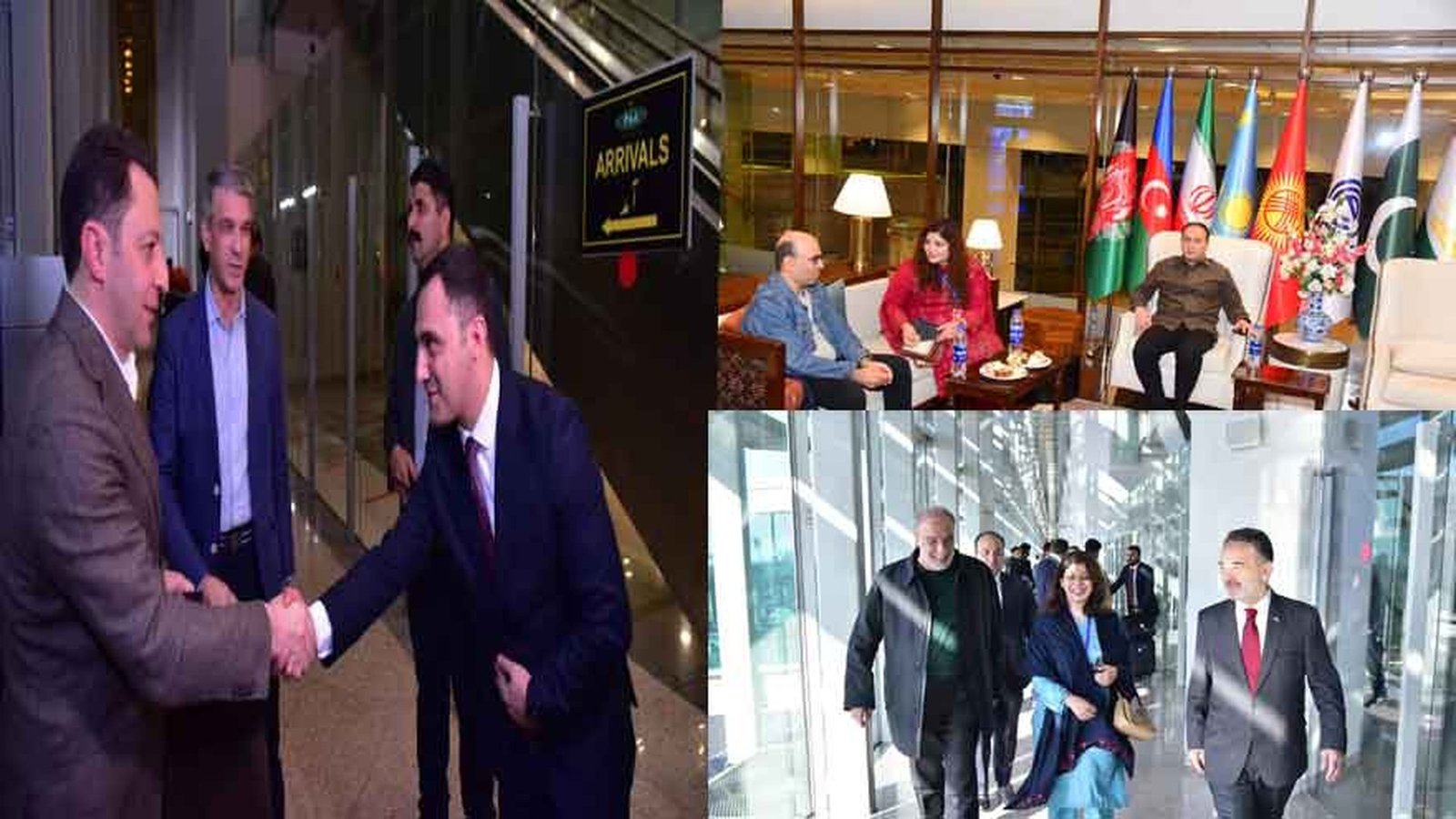
    Foreign ministers and senior officials from regional countries and international organisations continued to arrive in Islamabad on Sunday for the 30th meeting of the Economic Cooperation Organisation (ECO) Council of Ministers, which begins today.

    Pakistan is hosting the two-day meeting on November 15 and 16 and assumes the organisation’s chairmanship for 2026-27 under the theme “Reviving Regionalism for a Resilient ECO”, according to the Foreign Office.

    Turkish Deputy Foreign Minister Musa Kulaklikaya, who is leading his country’s delegation, arrived in Islamabad on Sunday and was received by Foreign Office officials at Islamabad International Airport, the Foreign Office said.

    Azerbaijan’s Deputy Foreign Minister Elnur Mammadov and Shanghai Cooperation Organisation (SCO) Deputy Secretary General Ahmad Saidmurodzoda have also reached the federal capital for the meeting.

    Other visiting dignitaries include Secretary General of the Organisation of Islamic Cooperation (OIC) Ismail Ould Cheikh Ahmed and Kazakhstan’s Deputy Foreign Minister Arman Issagaliyev, who is leading his country’s delegation. The Foreign Minister of the Turkish Republic of Northern Cyprus, Tahsin Ertugruloglu, arrived in Islamabad on Saturday.

    The two-day ministerial meeting will be chaired by Deputy Prime Minister and Foreign Minister Ishaq Dar and attended by foreign ministers and heads of delegations from the ECO’s member states, along with representatives of the organisation’s secretariat and subsidiary bodies.

    A meeting of senior officials from the member states was held ahead of the ministerial session to review the organisation’s programmes and activities and finalise documents for consideration by the foreign ministers, according to the Foreign Office’s curtain raiser issued on Saturday.

    The ECO was founded in 1985 by Iran, Pakistan and Türkiye, and was expanded in 1992 to include Afghanistan, Azerbaijan, Kazakhstan, Kyrgyzstan, Tajikistan, Turkmenistan and Uzbekistan. The organisation works on economic cooperation among its members, including trade, transport, energy and communications.

    The Council of Ministers is the ECO’s main decision-making body, bringing together the foreign ministers of the member states to set the organisation’s direction and approve its programmes.

    The ECO brings together ten member states across Central and South Asia and the Middle East. The Foreign Office said Pakistan, as the incoming chair, aims to promote greater regional cooperation in trade, transport, investment and sustainable development.