Tag: Ebola

  • Congo Ebola Outbreak Tops 11,042 Cases, 5,387 Deaths

    Congo Ebola Outbreak Tops 11,042 Cases, 5,387 Deaths

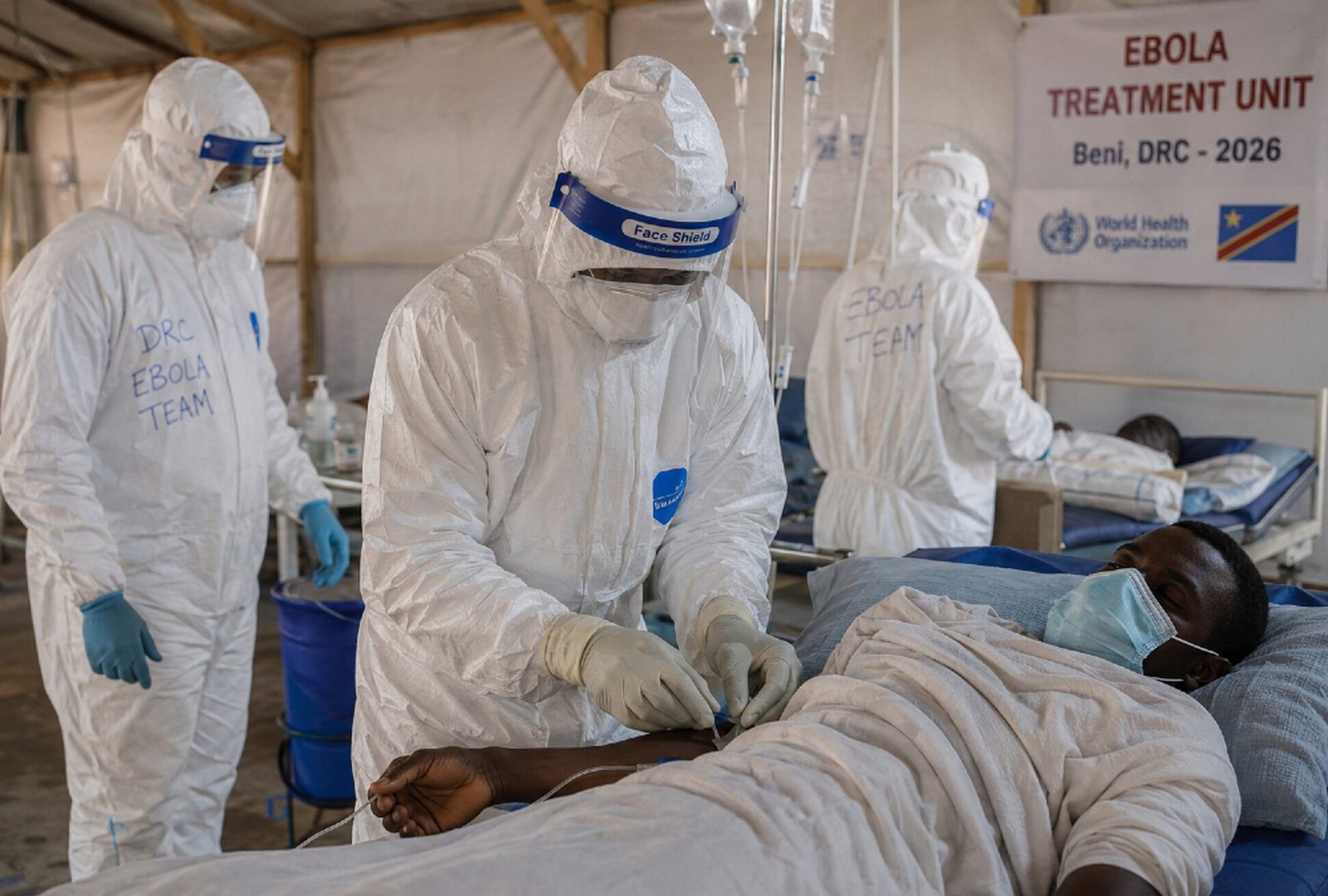
    The Ebola outbreak in the Democratic Republic of Congo has crossed a grim new threshold, with confirmed cases passing 11,000 and the death toll climbing past 5,300, according to government figures released on Tuesday.

    The latest national count puts confirmed infections at 11,042 and deaths at 5,387, health ministry data showed. That makes this the largest and deadliest Ebola outbreak in Congo’s history, and the second-largest and second-deadliest ever recorded anywhere, behind only the 2014 to 2016 epidemic in West Africa, which infected more than 28,600 people and killed over 11,000.

    A virus with no vaccine

    The outbreak is caused by the rare Bundibugyo strain of the Ebola virus and was officially declared in mid-May, although experts believe it may have been circulating for weeks or even months before that. It is the 17th Ebola outbreak in Congo’s history. There is still no licensed vaccine and no approved specific treatment for this strain, which kills roughly half of the people it infects. The national public health institute puts the case fatality rate at 48.8 per cent, and about 2,990 people have recovered so far.

    The virus has now reached eight of Congo’s 26 provinces, the widest spread of any Ebola outbreak recorded on the African continent. Ituri province, where the outbreak began in the north-east, remains the epicentre, accounting for almost 70 per cent of all infections, followed by North Kivu. The World Health Organization counted 10,668 confirmed cases and 5,198 deaths across 67 health zones as of 3 November, with active transmission still under way in 51 of them.

    Why it keeps spreading

    Health workers say the response has been held back by a combination of armed conflict, a health system under severe strain, poor roads and mistrust among residents, which has at times turned violent. Many people have died outside treatment centres, and delayed detection has allowed the virus to travel further before cases are found. The International Organization for Migration says 71 confirmed cases have been detected at transit points it supports, and 95 per cent of them were found on informal routes rather than at formal checkpoints.

    There is some hope on the horizon. Earlier this month the World Health Organization approved clinical trials of two candidate vaccines, with results expected in early 2027, and a trial known as Tumaini began in the town of Bunia on 23 October. Congolese scientists have also sequenced more than 1,500 complete viral genomes in under six months, work that helps track how the virus is moving. For now, though, health officials say the priority remains finding cases faster, reaching communities that are hard to access and keeping treatment centres running, as the outbreak enters its seventh month with no sign yet of slowing down.

  • کانگو میں ایبولا سے اموات 5 ہزار سے تجاوز کر گئیں

    کانگو میں ایبولا سے اموات 5 ہزار سے تجاوز کر گئیں

    جمہوری جمہوریہ کانگو میں ایبولا کی وبا سے ہلاکتوں کی تعداد پانچ ہزار سے تجاوز کر گئی ہے، جس سے یہ وبا ملک کی تاریخ کی سب سے مہلک وبا بن گئی ہے۔ صحت کی وزارت کے تازہ ترین اعداد و شمار کے مطابق اب تک 10,351 مصدقہ کیسز سامنے آ چکے ہیں جبکہ 5,026 افراد جان کی بازی ہار چکے ہیں۔

    اس وبا کی شرح اموات 48.6 فیصد ہے، یعنی متاثرہ افراد میں سے تقریباً ہر دوسرا شخص جان سے ہاتھ دھو بیٹھا ہے۔ صحت حکام کے مطابق 2,788 مریض صحت یاب بھی ہوئے ہیں، لیکن وبا پر قابو پانا ابھی تک ممکن نہیں ہو سکا ہے۔

    یہ وبا مئی میں شروع ہوئی تھی اور اگست میں یہ کانگو کی تاریخ کی سب سے مہلک وبا بن گئی۔ یہ ملک میں ایبولا کی سترہویں وبا ہے اور دنیا بھر میں اب تک کی دوسری بڑی وبا ہے۔ اس سے بڑی صرف مغربی افریقہ کی 2014 سے 2016 کی وبا تھی۔

    وبا کا مرکز اور پھیلاؤ

    وبا کا مرکز ملک کے شمال مشرق میں واقع صوبہ ایٹوری ہے، جو ایک تنازعات سے متاثرہ علاقہ ہے۔ اس وجہ سے صحت کی ٹیموں کے لیے متاثرہ علاقوں تک پہنچنا اور وبا پر قابو پانا مشکل ہو رہا ہے۔ ملک کے 26 صوبوں میں سے آٹھ صوبے اب اس وبا سے متاثر ہیں۔

    عالمی ادارہ صحت نے کہا ہے کہ وبا کے خاتمے کے لیے اقدامات بڑھانا، متاثرہ علاقوں تک رسائی بہتر بنانا اور عوام میں آگاہی پھیلانا ضروری ہے۔

    اس وبا کی ایک بڑی مشکل یہ ہے کہ اس کا سبب بننے والا وائرس بونڈی بگیو نامی قسم ہے، جس کے لیے ابھی تک کوئی منظور شدہ ویکسین یا علاج موجود نہیں ہے۔ صحت کارکنان مریضوں کا علاج ان کی علامات کی بنیاد پر کر رہے ہیں۔

    پڑوسی ممالک میں کیسز

    وبا کانگو کی سرحدوں سے باہر بھی پھیل چکی ہے۔ کینیا میں نو مصدقہ کیسز اور دو اموات رپورٹ ہو چکی ہیں۔ یوگنڈا میں وبا کے آغاز کے فوراً بعد بیس کیسز اور دو اموات سامنے آئیں، لیکن اگست کے بعد سے وہاں کوئی نیا کیس رپورٹ نہیں ہوا۔ نائیجیریا میں ہفتے کے روز دو مشتبہ کیسز کی نشاندہی ہوئی ہے، جن کے ٹیسٹ کے نتائج کا انتظار ہے۔

    ایبولا ایک نایاب لیکن مہلک بیماری ہے جو وائرس سے پھیلتی ہے۔ اس کی علامات اچانک ظاہر ہوتی ہیں، جن میں تیز بخار، سر درد، شدید تھکاوٹ، پٹھوں اور جوڑوں میں درد، گلے میں خراش، بھوک نہ لگنا اور کپکپی شامل ہیں۔ بیماری بڑھنے پر قے اور اسہال ہو سکتے ہیں۔ یہ وائرس متاثرہ جسمانی رطوبتوں کے رابطے سے منتقل ہوتا ہے۔

    وبا سے نمٹنے کی کوششوں کو تشدد نے بھی متاثر کیا ہے۔ رواں ہفتے ایک نرس کو ایبولا کے ایک الرٹ پر جواب دیتے ہوئے قتل کر دیا گیا، جبکہ گزشتہ ماہ ایک سیاستدان کو بچاؤ کے اقدامات کی تشہیر کرنے پر مارا پیٹا گیا تھا جس سے اس کی موت ہو گئی۔ ماہرین کا کہنا ہے کہ یہ وبا پہلے کی وباؤں کے مقابلے میں زیادہ تیزی سے جانیں لے رہی ہے، اور جب تک متاثرہ علاقوں تک مکمل رسائی اور عوام کا اعتماد بحال نہیں ہوتا، اس کے خاتمے کا راستہ مشکل نظر آتا ہے۔

  • WHO Begins First Ebola Vaccine Trial in DR Congo

    WHO Begins First Ebola Vaccine Trial in DR Congo

    The World Health Organization has announced the start of the first clinical trial of an Ebola vaccine in the Democratic Republic of Congo, where the country’s worst-ever outbreak of the disease continues to spread. The trial, named Tumaini — meaning “hope” in Swahili — began on Friday in Bunia, the capital of the north-eastern Ituri province and the epicentre of the outbreak.

    WHO Director-General Tedros Adhanom Ghebreyesus announced the development in a social media post, saying the first participants had been vaccinated. “Science gives us hope,” he wrote. “This trial will help us understand whether any of the vaccine candidates designed for Bundibugyo virus work.” He added that the WHO is supporting what he described as a DRC-led effort to find answers and save lives.

    The trial matters because there is currently no approved vaccine against the Bundibugyo species of Ebola behind this outbreak. The first vaccine to enter the trial is Ervebo, which is licensed to prevent disease caused by the more common Zaire strain of Ebola. Researchers will now test, at full scale, whether it offers any cross-protection against Bundibugyo.

    The Tumaini trial is designed as a single framework that can test the safety, efficacy and immunogenicity of several vaccines. It will use a ring vaccination approach, immunising contacts considered at higher risk of infection. The trial will include pregnant women and children aged 12 years and older, groups that are often excluded from clinical trials.

    Two vaccines designed specifically against Bundibugyo are expected to join the trial shortly. One is a ChAdOx1 adenoviral vector vaccine being developed at the University of Oxford, and the other uses messenger RNA technology and is being developed by the US biotechnology company Moderna. Both have received funding from the Coalition for Epidemic Preparedness Innovations.

    The DRC declared its latest Ebola outbreak in May, and it has since become the deadliest in the country’s history, with more than 9,700 cases reported and over 4,600 deaths. The WHO has declared the outbreak a public health emergency of international concern, its second-highest alert level. Cases linked to the outbreak have also been reported in other African countries, giving it the widest geographic spread of any Ebola outbreak on the continent to date.

    Health officials say the trial alone will not end the outbreak. Controlling Ebola also depends on finding cases early, tracing contacts, isolating patients and ensuring that communities trust the response. The WHO’s emergencies director, Chikwe Ihekweazu, said the trial was set up to generate the rigorous evidence needed to determine whether the participating vaccines can protect people at risk.

    For families in Ituri and beyond, the start of the trial offers a measure of hope after months of loss. Whether Ervebo or the newer candidates prove effective against Bundibugyo will only become clear as evidence accumulates, but researchers say answering that question is essential — not only for this outbreak, but for the next time the virus emerges.