Tag: disaster management

  • KP Introduces Modern Early Warning System for Disasters

    KP Introduces Modern Early Warning System for Disasters

    Peshawar: Samar Haroon Bilour, Adviser to the Governor of Khyber Pakhtunkhwa for Information, Public Relations and Relief, Rehabilitation and Settlement, visited the provincial headquarters of the Provincial Disaster Management Authority (PDMA) in Peshawar, where she was given a detailed briefing on the authority’s preparations for dealing with natural disasters, its immediate response in emergencies, and the relief and rehabilitation of affected people.

    During the visit, Bilour inspected the modern monitoring system at the Provincial Emergency Operation Centre (PEOC). She reviewed how emergencies are monitored and timely action is taken through real-time data, digital dashboards and the emergency response system, and was briefed on the working of the centre.

    Officials told her that the PDMA is active in all districts of the province to deal with natural disasters and to ensure an immediate response in any emergency. The authority’s toll-free helpline 1700 works round the clock to provide information and guidance to the public and to address complaints. As many as 185 safe camp sites have been identified across the province so that people can be shifted to safe places during emergencies.

    Bilour was also briefed on the Humanitarian Response Facility at Jalozai, where relief supplies needed for immediate relief operations in emergencies are stored. She was given details of the digital compensation system for providing financial assistance to disaster-affected people, along with relief activities and rehabilitation projects.

    According to officials, modern technology and an early warning system have been introduced so that natural disasters can be identified in time and losses kept to a minimum. The system is helping in timely decision-making and effective action in emergency situations, the briefing said.

    On the occasion, Bilour described the Gender-Based Violence in Emergencies (GBViE) framework as an important and unique Pakistani initiative, the first of its kind in South Asia. She noted that the Prime Minister had presented the framework at COP29 as a national document. The framework promotes gender-sensitive preparedness and the protection of women, children and other vulnerable groups during disasters and emergencies, she said.

    Bilour praised the overall performance of the PDMA, its institutional measures and its activities in public service. She said modern systems, better planning and coordinated liaison among relevant institutions are indispensable for dealing effectively with natural disasters, and that timely information, an effective strategy and immediate relief operations are of fundamental importance in protecting human lives and property in any emergency. She said all possible cooperation will be extended to make the PDMA stronger and more effective.
  • Pakistan to Host UN Space Technology Conference Oct 27

    Pakistan to Host UN Space Technology Conference Oct 27

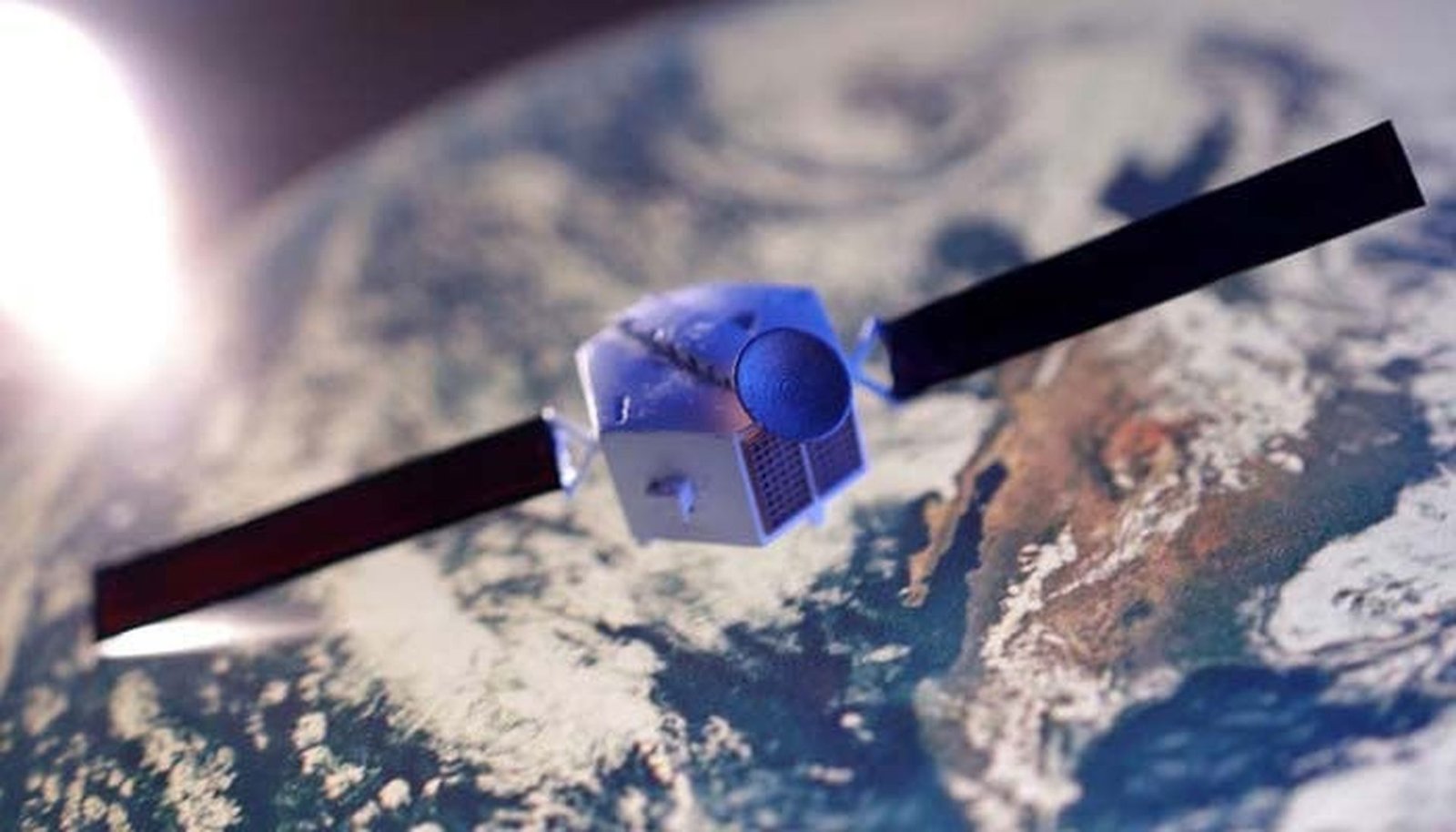
    Islamabad will host a major international conference on space technology later this month, as Pakistan’s space agency joins hands with the United Nations to explore how satellites can help protect communities from climate disasters.

    The Pakistan Space and Upper Atmosphere Research Commission (SUPARCO) is organising the United Nations-Pakistan International Conference on Leveraging Space Technology for Early Warning for All, Climate Action and Disaster Risk Assessment from October 27 to 31, 2026, at a hotel in the federal capital.

    The five-day event is co-sponsored by the United Nations Office for Outer Space Affairs (UNOOSA) through its UN-SPIDER programme, the Asia-Pacific Space Cooperation Organisation (APSCO) and the Inter-Islamic Network on Space Sciences and Technology (ISNET).

    Around 200 to 250 participants are expected to attend, including 60 to 70 international delegates and approximately 150 national participants. The gathering will bring together experts, policymakers, diplomats, educators, researchers, United Nations agencies, development organisations and representatives of the space industry for international cooperation, knowledge exchange and technical dialogue.

    Early warnings for all

    A central focus of the conference will be the United Nations’ Early Warnings for All (EW4All) initiative, which seeks to protect communities and critical infrastructure against climate-induced disaster events through effective early warning systems.

    Participants will examine how space-based technologies, satellite observations and geospatial data can strengthen early warning systems, improve disaster risk assessment and support climate action.

    Discussions will also explore the role of space technologies in disaster risk reduction, climate-resilient development and the monitoring of water resources, agriculture, forests and environmental change.

    The programme will feature high-level leadership dialogues, technical sessions, expert panel discussions and presentations on disaster risk assessment, climate intelligence, geospatial technologies and emerging tools such as GeoAI.

    One of the key themes will be shifting disaster management from reactive responses towards proactive risk assessment, preparedness and early action – a shift experts say is becoming urgent as floods, heatwaves and other extreme weather events grow more frequent across South Asia.

    Pakistan has faced some of the region’s worst climate-driven disasters in recent years, and officials say stronger satellite-based monitoring could give authorities vital extra hours to warn vulnerable communities and protect critical infrastructure before disaster strikes.